
Ditch the Drama: Efficient Communication Hacks for Healthier Relationships


Ready to transform your relationships and rediscover the joy of effortless connection? At UltimateLifeHacks, we're dedicated to simplifying your life and boosting your productivity. This isn't just about ticking off to-do lists; it's about creating a more fulfilling existence. Discover the secrets to efficient communication relationship hacks—powerful strategies that can dramatically improve your closest bonds. Dive in and unlock the key to healthier, happier relationships.
- Understanding the Foundation of Efficient Communication in Relationships
- Practical Communication Hacks for Everyday Life
- Resolving Conflicts Efficiently: Communication Strategies for Disputes
- Building a Culture of Open and Honest Communication
- Long-Term Strategies for Efficient Relationship Communication
-
Frequently Asked Questions
- How can I improve my communication skills to avoid relationship conflicts?
- What are some specific communication hacks to resolve disagreements?
- How can I communicate my needs effectively without causing arguments?
- How do I handle misunderstandings in a productive way?
- What role does non-verbal communication play in efficient relationship communication?
- Final Reflection: Cultivating Calm in the Chaos of Connection
- Unlock Calmer Conversations: Start Building Stronger Bonds Today
Understanding the Foundation of Efficient Communication in Relationships
Efficient communication is the bedrock of any strong and healthy relationship. It's not just about talking; it's about truly understanding, empathizing, and connecting with your partner on a deeper level. This article explores practical, actionable communication hacks designed to reduce conflict, foster intimacy, and ultimately build a more fulfilling relationship. We'll delve into identifying common communication pitfalls, mastering active listening, and implementing non-violent communication strategies – all crucial elements for cultivating efficient and effective interactions that strengthen your bond.
Mastering these skills isn't about becoming a communication expert overnight; it's about consistently practicing mindful communication techniques to create a more positive and understanding relationship dynamic. This journey towards more efficient communication is an investment in the health and longevity of your partnership, leading to increased satisfaction and deeper connection. Let's embark on this journey together, learning how to ditch the drama and embrace healthier communication patterns.
Identifying Communication Roadblocks: Recognizing Inefficient Patterns
Many relationship issues stem from inefficient communication patterns. Recognizing these patterns is the first step towards improving your interactions. Common roadblocks include:
- Interrupting: Constantly interrupting your partner shows a lack of respect and prevents them from fully expressing their thoughts and feelings. 😠
- Defensiveness: Immediately becoming defensive when your partner raises concerns shuts down communication and prevents productive dialogue. 🛡️
- Stonewalling: Refusing to engage in conversation or withdrawing emotionally creates distance and resentment. 🥶
- Criticism: Focusing on personal attacks rather than specific behaviors escalates conflict and damages trust. 💔
- Contempt: Expressing disdain or disrespect through sarcasm, mockery, or eye-rolling is incredibly damaging to a relationship. 😒
Understanding these patterns allows you to become more self-aware and identify your own communication weaknesses. For example, if you notice yourself frequently interrupting, you can consciously work on actively listening and giving your partner uninterrupted time to speak. This self-awareness is crucial for making meaningful progress in improving your communication skills. Take some time to reflect on your past conversations and identify any recurring communication patterns that might be hindering effective communication. Are there any specific topics that tend to lead to conflict? Identifying these triggers can help you approach these conversations more mindfully in the future.
Active Listening Techniques: Truly Hearing Your Partner
Active listening goes beyond simply hearing the words your partner says; it involves truly understanding their perspective and emotions. This involves several key techniques:
- Paying attention: Focus completely on your partner, minimizing distractions and giving them your undivided attention. This demonstrates respect and shows you value what they have to say.
- Showing empathy: Try to understand your partner's feelings, even if you don't agree with their perspective. Use phrases like, "I can see why you feel that way," or "That sounds frustrating."
- Reflecting back: Summarize or paraphrase what your partner said to ensure you understand correctly. For instance, you could say, "So, if I understand correctly, you're feeling upset because..."
- Asking clarifying questions: Don't hesitate to ask questions to ensure you fully grasp their message. This shows genuine interest and helps prevent misunderstandings.
- Avoiding interrupting: Allow your partner to finish their thoughts without interruption. This creates a safe space for open and honest communication.
Practicing active listening requires conscious effort and patience. It's a skill that improves with practice, leading to deeper understanding and stronger connections. Start by focusing on one or two techniques at a time and gradually incorporate more as you become more comfortable. Remember, the goal is not to fix your partner's problems, but to listen empathetically and validate their feelings. This creates a space for mutual understanding and helps build a stronger bond.
Non-Violent Communication Strategies: Expressing Needs Effectively
Non-violent communication (NVC), also known as compassionate communication, is a powerful approach that focuses on expressing your needs and feelings without blaming or criticizing your partner. Key elements of NVC include:
- Observations: Describe the situation objectively, separating facts from interpretations. Avoid making judgments or accusations.
- Feelings: Identify and express your own feelings using "I" statements. For example, instead of saying "You always make me angry," try "I feel frustrated when..."
- Needs: Clearly state your underlying needs that are not being met. This helps your partner understand your perspective and motivates them to find solutions.
- Requests: Make specific, positive requests instead of demanding or issuing ultimatums. For example, instead of saying "You need to do this," try "Would you be willing to...?"
Implementing NVC requires mindful self-reflection and a willingness to understand your partner's perspective. It's a process that takes time and practice, but the rewards are significant. By expressing your needs clearly and respectfully, you create a more collaborative and supportive communication environment. This approach fosters empathy and understanding, paving the way for conflict resolution and stronger relationships. Remember, the goal is not to win an argument, but to connect with your partner on an emotional level and find mutually satisfying solutions.
Practical Communication Hacks for Everyday Life
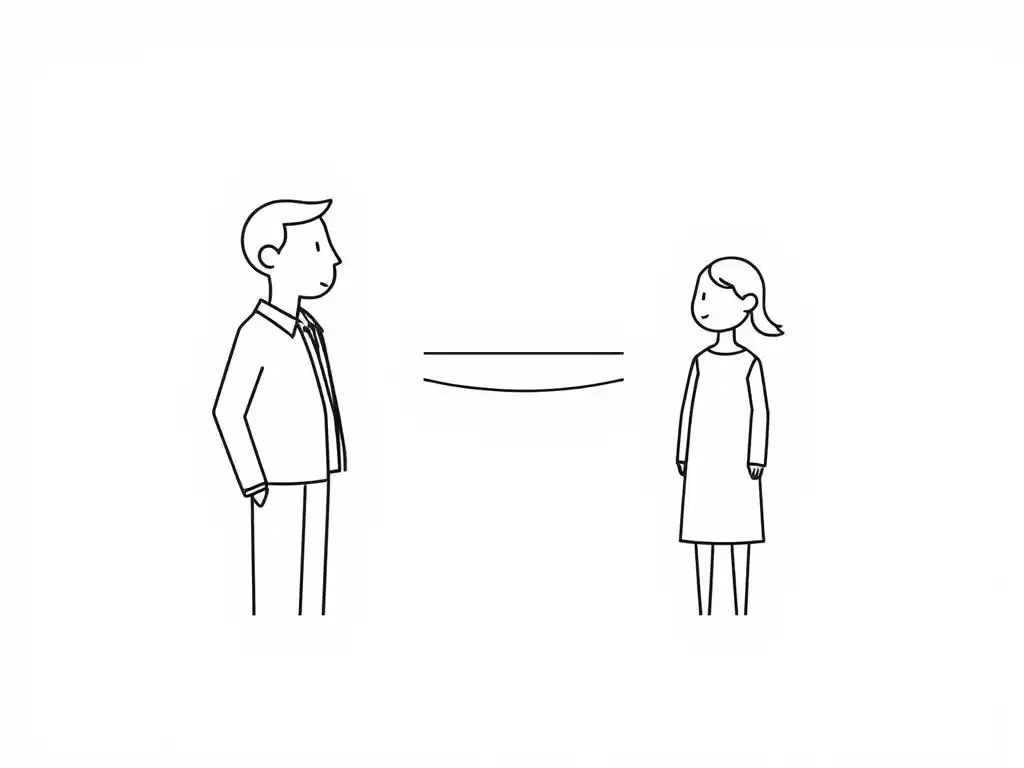
This section delves into practical, actionable strategies to improve your communication skills and foster healthier relationships. We'll explore techniques that go beyond the theoretical, providing concrete steps you can implement immediately to enhance your interactions and build stronger connections. Efficient communication is the cornerstone of any successful relationship, and mastering these hacks will significantly improve your ability to connect meaningfully with others. Remember, the goal is not just communication, but efficient communication that minimizes conflict and maximizes understanding.
Scheduling Dedicated Communication Time: Prioritizing Connection
In today's busy world, prioritizing quality time for meaningful conversations can feel like a luxury. However, scheduling dedicated communication time is crucial for nurturing healthy relationships. It's not just about talking; it's about actively listening and engaging in a focused way. Consider these strategies:
- The "Relationship Check-in": Designate 15-30 minutes each week for a focused conversation. This isn't a time to vent frustrations, but rather a chance to check in on each other's well-being, share highlights, and discuss upcoming plans. Think of it as a relationship maintenance appointment! 📅
- The "Tech-Free Hour": Establish a daily period where all screens are off, and you're fully present with your partner or loved one. This dedicated time fosters deeper connection and allows for more meaningful interactions. Unplugging helps reduce distractions and promotes genuine engagement. 📵
- Themed Conversations: Instead of aimless chatting, structure your conversations around specific themes. For example, you might dedicate one session to discussing career aspirations, another to planning a weekend getaway, and another to sharing personal reflections. This approach ensures a balance of practical and emotional connection. 🗣️
Consider this example: Instead of haphazardly discussing your day, plan a specific time to share your experiences. This structured approach prevents important details from getting lost amidst other conversations. The result? Stronger bonds and fewer misunderstandings.
Mastering the Art of Concise Communication: Avoiding Misunderstandings
Rambling and indirect communication often lead to misunderstandings and frustration. Efficient communication involves expressing your thoughts and feelings clearly and concisely. Here's how to hone this skill:
- The "One Thing" Rule: Before starting a conversation, identify the single most important point you want to convey. Focusing on this central idea ensures your message remains clear and avoids unnecessary tangents. This technique minimizes confusion and maximizes impact. 👍
- Active Listening: Truly hearing what the other person is saying is as important as what you're saying. Practice active listening by asking clarifying questions, summarizing their points to ensure understanding, and reflecting their emotions. Active listening demonstrates respect and fosters empathy. 👂
- "I" Statements: Frame your thoughts and feelings using "I" statements. For instance, instead of saying, "You always leave the dishes dirty," try, "I feel frustrated when the dishes are left unwashed." "I" statements take ownership of your feelings and minimize accusatory language. This approach promotes constructive dialogue and reduces defensiveness. 🤔
Data shows that using "I" statements significantly reduces conflict in interpersonal communications. Studies [specific information pending] highlight the effectiveness of this approach in various relationship contexts.
Utilizing Technology Wisely: Effective Digital Communication
Technology offers incredible tools for communication, but it can also hinder genuine connection if not used wisely. Here are some tips for effective digital communication:
- Mindful Messaging: Avoid sending lengthy, emotionally charged messages through text or email. These modes of communication often lack the nuance of face-to-face interaction and can easily lead to misinterpretations. For sensitive topics, opt for a phone call or video chat. 📱
- Scheduled Check-ins: If you're geographically separated, schedule regular video calls or phone chats to maintain a sense of connection. These digital check-ins can bridge the distance and ensure you remain emotionally connected. 💻
- Digital Detox: Regularly disconnect from technology to fully engage in face-to-face interactions. Over-reliance on digital communication can diminish the quality of your in-person conversations and weaken your relationships. Remember, true connection thrives in the real world. 📵
Effective digital communication isn't about quantity but quality. Choosing the right medium for the message is key to maintaining healthy relationships in the digital age. Prioritizing in-person interactions whenever possible is crucial for fostering deeper connections and building stronger bonds.
Resolving Conflicts Efficiently: Communication Strategies for Disputes

Efficient communication is the cornerstone of any healthy relationship, and this is especially true when navigating disagreements. Learning to resolve conflicts efficiently is a crucial skill that significantly impacts relationship satisfaction and longevity. Ignoring conflict doesn't make it disappear; it festers and can ultimately damage the bond between individuals. Instead, embracing healthy conflict resolution techniques fosters understanding, strengthens trust, and promotes a more harmonious environment. This section explores practical strategies for effectively addressing disagreements and turning potential points of contention into opportunities for growth.
Defining Healthy Conflict Resolution: Setting Boundaries and Expectations
Healthy conflict resolution isn't about winning or losing; it's about finding mutually acceptable solutions. A key element is setting clear boundaries and expectations from the outset. This involves openly communicating your needs, limits, and preferences. For example, if you value alone time after work, communicating this clearly prevents misunderstandings and potential resentment later. Similarly, establishing expectations around communication styles – such as preferred methods of contact or response times – avoids unnecessary friction.
Defining these parameters early on lays the groundwork for respectful dialogue. It helps prevent misunderstandings and allows both parties to understand each other's perspectives. Consider creating a shared agreement outlining these expectations, perhaps even a written list of ground rules to refer back to during disagreements. This proactive approach minimizes the likelihood of escalating arguments and makes conflict resolution a smoother process. Remember, clear communication is key to preventing minor issues from snowballing into major conflicts. This proactive approach minimizes the likelihood of escalating arguments and makes conflict resolution a smoother process.
De-escalation Tactics: Calming Heated Arguments
Even with clear boundaries, heated arguments can occur. The ability to de-escalate a tense situation is vital for efficient conflict resolution. One effective technique is to employ active listening. This involves truly hearing your partner's perspective without interrupting or becoming defensive. Paraphrasing their points ("So, what I'm hearing is...") shows you're engaged and helps prevent misunderstandings.
Taking a break when emotions run high is also crucial. Suggesting a time-out, even just for a few minutes, allows both individuals to calm down and regain composure before continuing the discussion. Avoid accusatory language and focus on expressing your feelings using "I" statements ("I feel hurt when...") instead of "You" statements ("You always...").
Remember, the goal is to resolve the issue, not to win an argument. Employing these de-escalation tactics creates a safer space for productive conversation and prevents the conflict from further escalating. Taking deep breaths, counting to ten, or engaging in a calming activity before resuming the conversation can also be incredibly helpful.
Finding Common Ground: Collaborative Problem-Solving
Once emotions have subsided, the focus shifts to finding common ground and collaboratively solving the problem. This involves brainstorming solutions together, considering each other's needs and perspectives. A useful technique is to frame the problem as a shared challenge rather than a personal attack. For example, instead of saying "You never help with chores," try, "We're both busy, so let's figure out a chore schedule that works for both of us."
Employing collaborative problem-solving techniques fosters a sense of teamwork and mutual respect. It transforms conflict from a source of division into an opportunity to strengthen the relationship. Consider creating a list of potential solutions, weighing the pros and cons of each option, and ultimately selecting a mutually agreeable outcome.
Remember, compromise is often necessary for achieving a successful resolution. The process itself, even if the initial outcome isn't perfect, reinforces the importance of communication and teamwork in maintaining a strong and healthy relationship. This collaborative approach transforms conflict from a negative experience into a positive opportunity for growth and understanding.
Building a Culture of Open and Honest Communication

Effective communication is the bedrock of any strong relationship. It's not just about what you say, but how you say it, and the environment in which you say it. Building a culture of open and honest communication requires conscious effort and consistent practice. This involves actively fostering trust, practicing empathy, and establishing regular communication channels. Mastering these aspects will significantly improve the efficiency of your interactions, leading to healthier, stronger bonds. This section delves into the practical strategies you can implement to achieve this. Efficient communication relationship hacks aren't about quick fixes; they're about building sustainable habits.
Fostering Trust and Vulnerability: Creating a Safe Space
Trust is the cornerstone of open communication. Without it, even the most well-intentioned words can be misinterpreted or dismissed. Creating a safe space where both partners feel comfortable expressing their thoughts and feelings, even the difficult ones, is crucial. This doesn't happen overnight; it requires consistent effort and a commitment to non-judgmental listening.
Consider these practical steps:
- Active Listening: Truly listen to your partner without interrupting or formulating your response. Pay attention to both their verbal and nonverbal cues. This shows respect and validates their feelings. Practice reflecting back what you heard to ensure understanding: "So, what I'm hearing is that you feel frustrated because..."
- Empathetic Validation: Acknowledge your partner's emotions, even if you don't agree with their perspective. Phrases like, "That sounds really difficult," or "I understand why you feel that way," can go a long way in building trust.
- Setting Boundaries Respectfully: Clearly communicate your boundaries and expectations. This doesn't mean being controlling; it means protecting your emotional well-being while respecting your partner's. For example, "I need some time to process this before we continue the conversation."
- Forgiveness and Letting Go: Holding onto past hurts hinders open communication. Actively work on forgiving each other and letting go of resentment. This doesn't mean condoning hurtful behavior, but rather choosing to move forward. Remember, efficient communication in relationships involves addressing conflicts constructively, not avoiding them.
Practicing Empathy and Understanding: Seeing Things From Their Perspective
Empathy is the ability to understand and share the feelings of another person. It's about stepping outside your own perspective and trying to see the situation from your partner's point of view. This doesn't mean you have to agree with them, but it does mean making an effort to understand their reasoning and emotions.
Here's how to cultivate empathy in your communication:
- Ask clarifying questions: Instead of making assumptions, ask open-ended questions to understand their perspective better. For example, "Can you tell me more about what happened?" or "How did that make you feel?"
- Avoid interrupting: Let your partner fully express themselves before responding. Interrupting can make them feel unheard and dismissed, hindering open communication.
- Practice perspective-taking exercises: Regularly try to imagine yourself in your partner's shoes. Consider their background, experiences, and current emotional state. This exercise can significantly enhance your ability to empathize.
- Acknowledge their feelings: Even if you don't fully understand their perspective, acknowledge their feelings as valid. Saying something like, "I can see why you're feeling this way," can make a world of difference. Efficient communication in relationships is about building understanding, not necessarily agreement.
Regular Check-ins and Feedback: Maintaining Open Dialogue
Regular check-ins are essential for maintaining open communication. These don't have to be long, formal sessions; they can be brief, informal conversations throughout the day or week. These check-ins provide opportunities to share updates, address concerns, and offer support. Consistent feedback, both positive and constructive, is also crucial.
Consider implementing these strategies:
- Schedule regular "relationship meetings": Set aside dedicated time, even just 15-30 minutes a week, to discuss your relationship. This creates a structured space for open communication.
- Use "I" statements: When expressing concerns or feedback, use "I" statements to avoid blaming or accusing. For example, instead of saying, "You always do this," say, "I feel hurt when this happens."
- Focus on solutions: Don't just dwell on problems; focus on finding solutions together. Brainstorming and collaborative problem-solving can strengthen your bond and improve communication efficiency.
- Celebrate successes: Acknowledge and celebrate your successes as a couple. This reinforces positive communication patterns and strengthens your relationship. Regular positive feedback is a vital component of efficient communication relationship hacks. Remember, consistent effort in building open communication leads to stronger, more fulfilling relationships.
Long-Term Strategies for Efficient Relationship Communication
This section focuses on cultivating sustainable habits for healthier and more efficient communication within your relationships. It's not just about quick fixes; it's about building a foundation for ongoing, positive interaction. Implementing these strategies will significantly improve your ability to navigate conflicts, express needs, and foster deeper connection over time. The key is consistent effort and a willingness to adapt your approach as your relationship evolves. Remember, efficient communication in relationships is a marathon, not a sprint. Mastering these long-term strategies will yield significant rewards in terms of relationship satisfaction and overall well-being.
Continuous Improvement: Regularly Evaluating Communication Styles
Regularly evaluating your communication styles is crucial for long-term success. This isn't about assigning blame; it's about understanding your patterns and identifying areas for growth. Consider these points:
- Self-Reflection: Take time, perhaps weekly or monthly, to reflect on recent interactions. Did you feel heard? Did your partner? Were there misunderstandings? Journaling can be a powerful tool for this process. Note specific instances of both successful and unsuccessful communication. What contributed to each outcome?
- Feedback Mechanisms: Establish open channels for feedback with your partner. This doesn't have to be a formal process, but rather a casual check-in where you can discuss communication patterns. Phrase feedback constructively; focus on behaviors, not personality traits. For example, instead of saying "You're always so negative," try "I've noticed we've had some disagreements lately. Can we talk about how we can communicate more constructively?"
- Adaptive Strategies: Relationships are dynamic. What worked six months ago might not work today. Be flexible and willing to adjust your communication style as needed. Are you noticing recurring patterns of conflict? Perhaps experimenting with a different approach, like active listening or using "I" statements, is warranted. The goal is continuous improvement, not perfection.
Seeking Professional Help: When to Seek Relationship Counseling
While many communication challenges can be addressed independently, sometimes professional guidance is necessary. Recognizing when to seek relationship counseling is a sign of maturity and a commitment to the relationship's health. Consider these indicators:
- Persistent Conflict: If you and your partner are constantly arguing or unable to resolve disagreements, professional intervention can provide valuable tools and strategies. A therapist can help you identify underlying issues and develop healthier conflict resolution techniques.
- Communication Breakdown: If communication feels completely broken down, with little to no effective exchange of thoughts and feelings, seeking professional help is essential. A therapist can help rebuild communication channels and foster a more positive and understanding environment.
- Recurring Patterns: If you notice destructive communication patterns repeating themselves despite your best efforts, professional help can provide the outside perspective needed to break the cycle. This might involve learning new communication skills or addressing deeper emotional issues affecting your interactions.
- Emotional Distress: If the communication difficulties are causing significant emotional distress for either partner (anxiety, depression, etc. ), professional support is strongly recommended. A therapist can provide individual and/or couples therapy to address these underlying emotional issues and improve communication.
Seeking help isn't a sign of failure; it's a proactive step towards building a stronger, healthier relationship. Remember, efficient communication relationship hacks include recognizing when you need additional support.
Celebrating Successes: Acknowledging Positive Communication Patterns
Focusing solely on areas needing improvement can be demoralizing. It's crucial to acknowledge and celebrate positive communication patterns to maintain motivation and build confidence. This positive reinforcement strengthens the desired behaviors and fosters a more optimistic outlook on communication within the relationship.
- Specific Praise: Instead of general compliments, highlight specific instances of effective communication. For example, "I really appreciated how you listened patiently when I shared about my stressful day yesterday," or "Thank you for expressing your needs so clearly and respectfully."
- Shared Celebrations: Acknowledge milestones in improving communication as a couple. Perhaps you successfully navigated a difficult conversation, or you've noticed a significant reduction in conflicts. Celebrate these victories together to reinforce positive patterns.
- Rewards and Appreciation: Small gestures of appreciation can go a long way in encouraging positive communication. This could involve a thoughtful gift, a special date night, or simply expressing gratitude for your partner's efforts. Such positive reinforcement strengthens the desired behaviors and fosters a more optimistic outlook on communication within the relationship. This helps to build a positive feedback loop, encouraging more effective communication in the future. Remember, celebrating successes is a vital part of the journey towards efficient communication in your relationship. It helps solidify positive patterns and maintain motivation for continued growth.
Frequently Asked Questions
How can I improve my communication skills to avoid relationship conflicts?
Focus on active listening, truly hearing your partner's perspective without interrupting. Practice clear and concise communication, expressing your needs and feelings directly. Remember to empathize with their viewpoint.
What are some specific communication hacks to resolve disagreements?
Use "I" statements to express your feelings without blaming. Identify the core issue, not just the surface symptoms. Find common ground and work towards a mutually agreeable solution.
How can I communicate my needs effectively without causing arguments?
Clearly articulate your needs and expectations, using specific examples. Choose the right time and place for important conversations. Validate your partner's feelings, even if you disagree.
How do I handle misunderstandings in a productive way?
Seek clarification if something is unclear. Avoid making assumptions and jumping to conclusions. Focus on understanding their perspective before responding defensively.
What role does non-verbal communication play in efficient relationship communication?
Pay attention to body language – both yours and your partner's. Maintain eye contact to show engagement and sincerity. Use physical touch appropriately to convey affection and connection.
Final Reflection: Cultivating Calm in the Chaos of Connection
The ability to communicate efficiently is no longer a luxury; it's a necessity for navigating the complexities of modern relationships. In a world saturated with instant messaging and fleeting interactions, the art of clear, concise, and empathetic communication has become more crucial than ever before. Mastering these skills isn't just about avoiding conflict; it's about building stronger, more fulfilling connections.
The impact of effective communication extends far beyond the individual relationship; it ripples outwards, shaping our families, communities, and even the broader societal landscape. The way we speak to each other, both verbally and nonverbally, sets the tone for our interactions and profoundly influences the overall climate of our lives. The single biggest problem in communication is the illusion that it has taken place.
- George Bernard Shaw. This quote highlights the critical need to not just speak, but to truly connect through understanding and empathy, a key takeaway from the communication hacks explored in this article.
Now, consider your own relationships. Reflect on the areas where clear communication has strengthened your bonds, and identify those places where misunderstandings have created friction. You have the power to cultivate more peaceful and productive interactions by consciously implementing the strategies discussed. Embrace the challenge of becoming a more effective communicator; the rewards – stronger relationships, reduced stress, and a deeper sense of connection – are well worth the effort. Start small, practice consistently, and watch your relationships flourish.
Unlock Calmer Conversations: Start Building Stronger Bonds Today
Thank you for exploring healthier communication strategies! We hope you found valuable insights to improve your relationships. Now, let's put this knowledge into practice.
- Focus on one key improvement: Choose a single technique from this article, such as active listening or using "I" statements, and consciously practice it this week. You'll be surprised by the difference!
- Share this article: Inspire others to build stronger, more fulfilling relationships by sharing this information with someone who could benefit.
- Try a "drama-free" day: Notice how much more peaceful and productive your interactions become when you consciously prioritize calm and respectful communication.
What small change in your communication style could have the biggest positive impact on your relationships this week?