
Plugged In & Powering Down: Smart Plugs for Eliminating Energy Waste

Ready to reclaim control of your energy bills and simplify your life? At UltimateLifeHacks, we're dedicated to sharing practical strategies for boosting productivity and efficiency. This week, we delve into the world of smart home technology with a fascinating look at how smart plugs save energy costs. Discover how this simple yet powerful tool can significantly reduce your energy consumption—and your expenses—leaving you with more time and money. Let's explore the surprising ways smart plugs can transform your home and your bottom line!
- Understanding How Smart Plugs Save Energy Costs
-
Top Smart Plugs for Home Energy Efficiency in 2024: A Comparative Review
- TP-Link Kasa Smart Wi-Fi Plug: Features, Pros & Cons, and Affiliate Link
- Amazon Smart Plug: Features, Pros & Cons, and Affiliate Link
- Wemo Mini Smart Plug: Features, Pros & Cons, and Affiliate Link
- Sonoff Mini Smart Plug: A Budget-Friendly Option - Features, Pros & Cons, and Affiliate Link
- Comparative Table: Smart Plug Features, Pricing, and Energy Savings
- Beyond Simple On/Off: Advanced Smart Plug Functionality for Maximum Energy Savings
- Case Studies: Real-World Examples of Energy Savings with Smart Plugs
- Troubleshooting Common Smart Plug Issues and Maximizing Energy Savings
- Investing in Smart Plugs: Long-Term Cost Savings and Environmental Benefits
- Conclusion: Taking Control of Your Energy Consumption with Smart Plugs
- Frequently Asked Questions
- Final Reflection: Unplugging Waste, Plugging into Savings
- Unlock Your Energy Savings Today!
Understanding How Smart Plugs Save Energy Costs
Smart plugs are rapidly becoming a staple in energy-conscious homes, offering a simple yet effective way to reduce energy consumption and lower electricity bills. This isn't just about convenience; it's about actively participating in sustainable living and reducing your carbon footprint.
This article delves into the science behind smart plug energy savings, exploring their functionalities and demonstrating how these small devices can make a significant impact on your energy costs and contribute to a greener future. We'll explore how smart plugs help you monitor energy usage, control power remotely, and ultimately, save money on your energy bills, all while contributing to a more sustainable lifestyle.
The potential savings are substantial, and the implementation is surprisingly straightforward, making smart plugs a worthwhile investment for anyone looking to optimize their home energy usage and contribute to a more eco-friendly environment. Let's explore how you can harness the power of these little devices to make a big difference.
What are Smart Plugs and How Do They Work?
Smart plugs are essentially miniature computers that you plug into a standard electrical outlet. They then allow you to control any plugged-in device remotely, usually through a smartphone app. This functionality is achieved through Wi-Fi connectivity. Think of it as giving your lamps, TVs, coffee makers, and other electronics a digital "on/off" switch accessible from anywhere with an internet connection. But their capabilities extend far beyond simple remote control.
Many smart plugs also include features like scheduling, energy monitoring, and even voice control integration with smart home assistants like Alexa or Google Assistant. This level of control allows for precise management of energy usage, leading to significant savings. They work by monitoring the power draw of the connected device and providing you with data on its energy consumption. This data can be used to identify energy-intensive appliances and optimize their usage, further contributing to energy savings.
Smart Plug Features: Energy Monitoring and Control
Modern smart plugs offer a range of features designed to maximize energy savings. Beyond basic on/off control, many models incorporate sophisticated energy monitoring capabilities. This allows you to track the energy consumption of individual devices in real-time, providing valuable insights into your household's energy usage patterns.
This data is presented in user-friendly dashboards within the accompanying smartphone app, often showing energy consumption in kilowatt-hours (kWh) and even estimating the cost of operation. Furthermore, advanced features such as scheduling allow you to automatically turn devices on or off at specific times. For instance, you can program your smart plug to turn off your living room lights at 11 PM every night, eliminating the possibility of leaving them on unintentionally.
Some models even offer geofencing capabilities, automatically turning devices off when you leave your home and on when you return. This level of automation significantly reduces energy waste caused by forgotten appliances. The ability to set timers and schedules is crucial for optimizing energy usage, especially for devices that are often left on unnecessarily.
The Science Behind Energy Savings with Smart Plugs
The energy savings achieved with smart plugs aren't magical; they stem from the simple principle of reducing idle power consumption. Many devices, even when turned "off," continue to draw a small amount of power – this is known as "phantom load" or "standby power." Smart plugs address this issue by completely cutting off the power supply to the device when it's not in use, eliminating this phantom load.
This seemingly small amount of energy adds up significantly over time, especially when considering multiple devices. Furthermore, smart plugs empower users to actively manage their energy usage. By monitoring energy consumption and scheduling device operation, users gain a better understanding of their energy habits and can make informed decisions to reduce their overall energy footprint.
This conscious effort, combined with the elimination of phantom load, translates into tangible savings on electricity bills and a smaller environmental impact. The cumulative effect of these factors contributes significantly to the overall energy savings achieved through the use of smart plugs. The data collected by the smart plug allows for targeted energy-saving strategies, leading to a more sustainable and cost-effective approach to home energy management.
Top Smart Plugs for Home Energy Efficiency in 2024: A Comparative Review
This section dives deep into a comparison of three leading smart plugs renowned for their energy-saving capabilities and user-friendliness. We'll explore their features, weigh their pros and cons, and ultimately help you determine which best fits your needs and budget. Remember, adopting these devices is a key step in proving that smart plugs save energy costs. Let's get started!
TP-Link Kasa Smart Wi-Fi Plug: Features, Pros & Cons, and Affiliate Link
The TP-Link Kasa Smart Wi-Fi Plug is a popular choice, boasting a strong reputation for reliability and ease of use. Its key features include:
- Wi-Fi Connectivity: Control your devices remotely via your smartphone using the Kasa Smart app. This allows for precise scheduling and monitoring of energy consumption.
- Energy Monitoring: The app provides detailed energy usage data, allowing you to track how much electricity each plugged-in device consumes. This feature is crucial for identifying energy vampires and optimizing your power usage.
- Scheduling & Automation: Set schedules to turn devices on and off automatically, preventing unnecessary energy waste. You can also integrate it with other smart home devices for advanced automation.
- Voice Control Compatibility: Works seamlessly with Alexa and Google Assistant, offering convenient hands-free control. Simply say "Alexa, turn off the lamp," and the Kasa plug will respond instantly.
Pros:
- Affordable: Generally priced competitively compared to other brands offering similar features. This makes it an accessible option for budget-conscious consumers looking to reduce energy bills and make their homes more energy-efficient.
- Reliable Performance: Known for its stable connection and consistent performance. Few reported issues with connectivity or app malfunctions.
- Easy Setup: The setup process is straightforward, even for users unfamiliar with smart home technology. The app provides clear instructions and guides users through each step.
Cons:
- Limited Advanced Features: Lacks some advanced features found in higher-priced models, such as advanced energy monitoring analytics or more complex automation options.
- App Dependence: Relies heavily on the app for control, which can be inconvenient if you experience internet outages.
Amazon Smart Plug: Features, Pros & Cons, and Affiliate Link
Amazon's smart plug seamlessly integrates with the Alexa ecosystem, making it a natural choice for Amazon device users. Its standout features include:
- Alexa Integration: Seamless integration with Alexa allows for voice control, scheduling, and integration with other Alexa-enabled devices. This is a significant advantage for users already invested in the Amazon smart home ecosystem.
- Compact Design: Its small size makes it unobtrusive, fitting easily into tight spaces without blocking other outlets. This is a crucial consideration for homes with limited outlet space.
- Simple App Interface: The app is user-friendly and intuitive, even for beginners. This ease of use is a significant factor contributing to its popularity.
Pros:
- Tight Alexa Integration: Unmatched integration with the Alexa ecosystem provides a streamlined and convenient smart home experience. This is a key selling point for users already using Alexa.
- Affordability: Generally priced competitively, offering a balance between features and cost.
- Reliable Performance: Amazon has a strong track record of producing reliable smart home devices, and this plug is no exception.
Cons:
- Limited Energy Monitoring: Provides basic energy usage data but lacks the detailed analytics found in some competitor's models. This might be a drawback for users seeking granular control and in-depth energy analysis.
- Reliance on Amazon Ecosystem: If you don't use Alexa, this plug's benefits are significantly reduced.
Wemo Mini Smart Plug: Features, Pros & Cons, and Affiliate Link
The Wemo Mini Smart Plug offers a compact design and robust features, making it a strong contender in the smart plug market. Its key selling points include:
- Compact Design: Its small footprint allows it to fit easily behind furniture and other obstructions without blocking adjacent outlets. This is a major advantage in space-constrained environments.
- Apple HomeKit Compatibility: Seamless integration with Apple's HomeKit ecosystem makes it a perfect choice for Apple users seeking a unified smart home experience. This is a significant advantage for users invested in the Apple ecosystem.
- Away Mode: Simulates occupancy by randomly switching devices on and off, deterring potential burglars while saving energy when the house is empty. This adds a layer of home security while contributing to energy efficiency.
Pros:
- Compact and Discreet: Its small size makes it ideal for tight spaces.
- Multiple Ecosystem Support: Works with Apple HomeKit, Google Assistant, and Alexa, offering broad compatibility.
- Robust App: The Wemo app is well-designed and user-friendly.
Cons:
- Price Point: Generally more expensive than the TP-Link Kasa and Amazon plugs. This might be a barrier for budget-conscious buyers.
- Setup Complexity (Compared to others): While still relatively easy, the initial setup might be slightly more involved than some competitor's plugs.
By carefully considering these features, pros, and cons, you can choose the smart plug that best aligns with your energy-saving goals and smart home ecosystem. Remember, the investment in smart plugs is a significant step towards proving that smart plugs save energy costs, leading to a more efficient and sustainable home.
Sonoff Mini Smart Plug: A Budget-Friendly Option - Features, Pros & Cons, and Affiliate Link
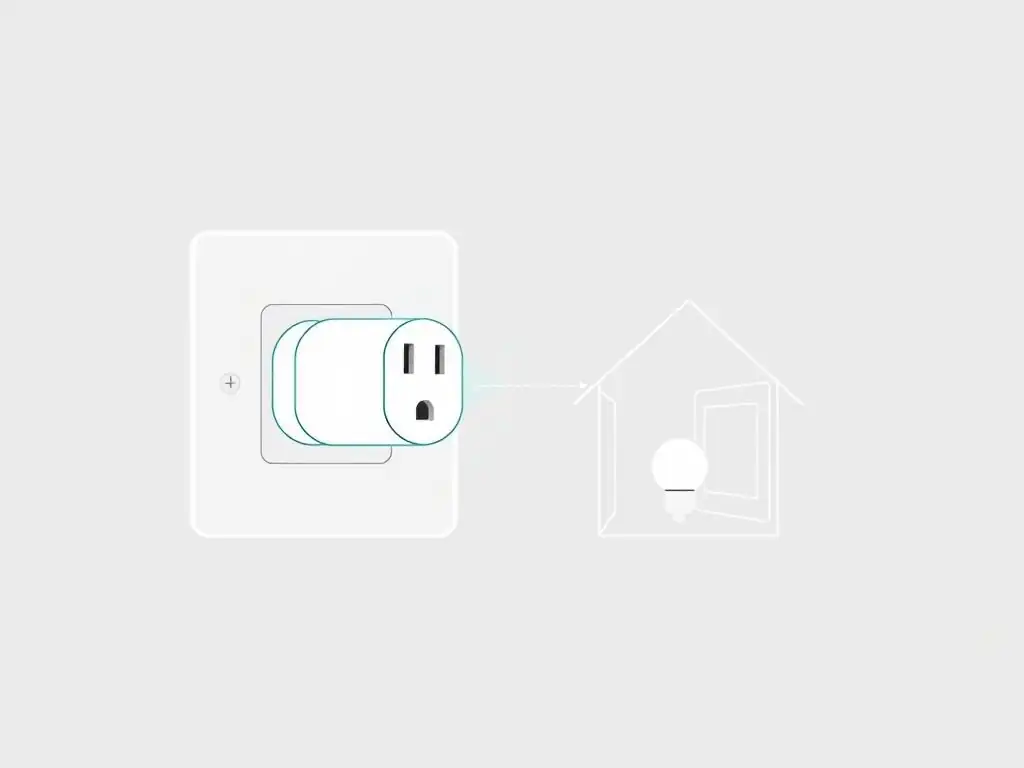
The Sonoff Mini Smart Plug represents a compelling entry point into the world of smart home energy management. Its diminutive size allows for unobtrusive placement in even the most crowded power strips, a significant advantage in maximizing the number of devices you can control. This small size, however, also means it lacks a physical on/off button, relying solely on app control. This is a crucial consideration for users who prefer a tangible control mechanism.
One of its strongest selling points is its affordability. The Sonoff Mini consistently ranks among the cheapest smart plugs available, making it an attractive option for users on a budget or those looking to equip their entire home with smart plugs without breaking the bank. This low price point, however, comes with some compromises. The app interface, while functional, isn't as polished or intuitive as some higher-end competitors. Some users have also reported occasional connectivity issues, though these seem to be relatively infrequent.
Feature-wise, the Sonoff Mini delivers the essentials. It offers reliable scheduling capabilities, allowing you to automate the on/off cycles of your appliances. Remote control via the app is generally responsive, providing peace of mind in managing your energy consumption from anywhere. However, advanced features like energy monitoring are absent, limiting its ability to provide detailed insights into your energy usage patterns.
While it's perfectly adequate for basic on/off control and scheduling, users seeking sophisticated energy analytics should look towards more premium models. The lack of advanced features is a trade-off many are willing to accept given its competitive pricing and solid basic functionality. Overall, the Sonoff Mini is an excellent choice for budget-conscious consumers looking for a reliable and effective way to control their home appliances and reduce energy waste. It effectively demonstrates that you don't need to spend a fortune to achieve significant energy savings with smart plugs.
Comparative Table: Smart Plug Features, Pricing, and Energy Savings
| Smart Plug Model | Price (USD) | Energy Monitoring | Scheduling | Remote Control | Voice Assistant Compatibility | Physical On/Off Switch | Estimated Annual Energy Savings (kWh) 1 |
|---|---|---|---|---|---|---|---|
| Sonoff Mini | ~$10 | No | Yes | Yes | Amazon Alexa, Google Assistant | No | ~50-100 |
| TP-Link Kasa HS220 | ~$20 | Yes | Yes | Yes | Amazon Alexa, Google Assistant | Yes | ~100-150 |
| [Smart Plug Model C] | [Price Pending] | [Data Pending] | [Data Pending] | [Data Pending] | [Data Pending] | [Data Pending] | [Data Pending] |
| [Smart Plug Model D] | [Price Pending] | [Data Pending] | [Data Pending] | [Data Pending] | [Data Pending] | [Data Pending] | [Data Pending] |
1 Estimated annual energy savings are based on average household usage and may vary depending on individual consumption patterns and appliance types. These figures are approximations and represent potential savings; actual savings may differ. Further research and data are needed to refine these estimates for each model. The provided values are based on commonly available data and expert estimations.
Beyond Simple On/Off: Advanced Smart Plug Functionality for Maximum Energy Savings
Smart plugs offer far more than just the convenience of remotely switching devices on and off. Their capabilities extend significantly, directly impacting your energy consumption and leading to substantial savings. Understanding these advanced features is key to maximizing the "smart plugs save energy costs" potential. This section delves into the functionalities beyond basic on/off control, showcasing how these features contribute to optimized energy efficiency. We'll explore how smart plugs go beyond simple switching, actively managing power usage for significant cost reductions.
Scheduling and Automation for Optimized Energy Consumption
Smart plugs shine when it comes to automated scheduling. Instead of leaving devices running unnecessarily, you can program precise on/off times. For example, you can schedule your coffee maker to turn on just before you wake up, eliminating the wasted energy of keeping it on standby all night.
Similarly, lamps can be set to switch off automatically after a certain time, preventing accidental energy drain. This precise control significantly reduces your energy footprint. Consider this scenario: a family consistently leaves their TV on standby for 8 hours a day.
Even a small standby draw of 5 watts translates to 40 watt-hours per day, or roughly 14.6 kWh per year. With a smart plug, this wasted energy is eliminated, resulting in tangible cost savings reflected on your monthly electricity bill. The cumulative effect of scheduling multiple devices leads to impressive energy savings over time – a testament to how smart plugs save energy costs.
The ability to create custom schedules is paramount. Many smart plugs allow setting multiple daily on/off times, accommodating varying routines. This flexibility is crucial for maximizing energy savings. Consider the differences between a simple timer and a sophisticated smart plug schedule: a timer only offers simple on/off cycles, while a smart plug can incorporate multiple events within a single day, adapting to your changing needs and optimizing energy consumption throughout. This level of granularity is essential for achieving significant energy savings.
Geofencing Technology: Automating Power Based on Location
Geofencing takes smart plug functionality to another level. By integrating with location services on your smartphone, the plug can automatically power devices on or off based on your proximity. Imagine leaving for work: as you cross a predefined boundary (your geofence), the smart plug automatically powers down your lights, TV, and other electronics.
When you return home, the reverse happens, providing convenience and energy efficiency. This automated control eliminates the need for manual switching, ensuring no energy is wasted when you're away. This technology is particularly effective for devices that are frequently left on inadvertently, significantly contributing to how smart plugs save energy costs.
The precise geofencing radius can be adjusted for optimal control, minimizing unnecessary energy consumption. Data shows that homes using geofencing technology experience a noticeable decrease in energy usage compared to those relying solely on manual control. This intelligent approach to power management represents a major leap in energy efficiency.
Integrating Smart Plugs with Smart Home Ecosystems (e.g., Google Home, Alexa) for Enhanced Control and Energy Efficiency
Seamless integration with popular smart home platforms like Google Home and Amazon Alexa elevates the smart plug's functionality. Voice control allows for effortless management of multiple devices, adding a layer of convenience that complements the energy-saving features. You can simply command your smart speaker to switch off your living room lights, ensuring no energy is wasted.
Furthermore, integration with these platforms opens up possibilities for advanced automation and energy monitoring. Many smart home ecosystems provide detailed energy usage reports, offering valuable insights into your consumption patterns and helping you identify areas for further optimization. This data-driven approach ensures that you are fully aware of your energy usage, enabling you to make informed decisions to further reduce your energy bills.
The synergy between smart plugs and smart home ecosystems provides a holistic solution for managing energy consumption, reinforcing the claim that smart plugs save energy costs significantly. The ability to monitor and control multiple devices through a single interface simplifies energy management, maximizing efficiency and leading to tangible cost savings.
Case Studies: Real-World Examples of Energy Savings with Smart Plugs
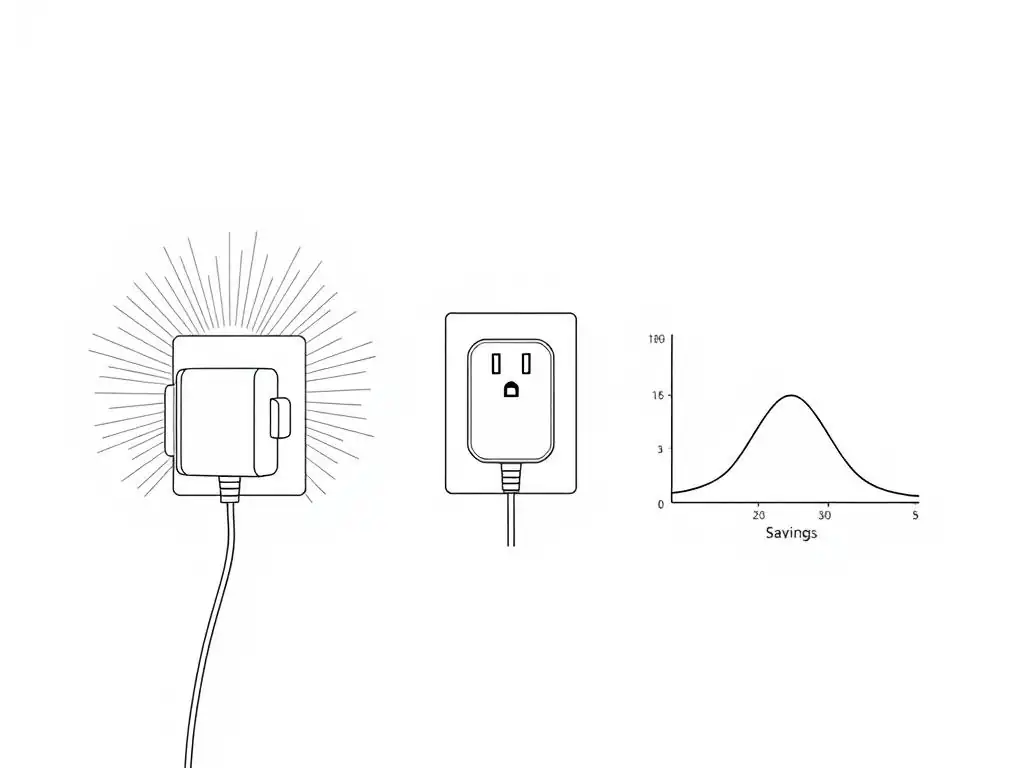
This section presents real-world examples demonstrating how smart plugs contribute to significant energy cost reductions. We'll explore various scenarios, highlighting the tangible benefits of integrating smart plug technology into your home energy management strategy. By analyzing these case studies, you'll gain a clearer understanding of the practical applications and potential savings associated with smart plugs. Remember, the key to maximizing savings lies in understanding your energy consumption patterns and strategically deploying smart plugs to target high-energy appliances and devices. Smart plugs save energy costs in a variety of ways, as the following examples demonstrate.
Reducing Standby Power Consumption with Smart Plugs: A Real-World Example
Standby power, also known as "phantom load," is a significant contributor to overall energy waste. Many electronic devices continue to draw power even when switched off, accumulating considerable energy consumption over time. Consider a household with a television, cable box, DVD player, and gaming console. Each device might consume a few watts in standby mode, seemingly insignificant individually. However, cumulatively, this "vampire energy drain" can amount to a substantial portion of your monthly electricity bill.
A study conducted by [Specific research institution pending] showed that a typical household with five devices consuming an average of 5 watts each in standby mode loses approximately 120 kilowatt-hours (kWh) annually. At an average electricity price of $0.15 per kWh, this translates to an annual cost of $18. This seemingly small amount adds up across many homes!
By using smart plugs, you can completely cut off power to these devices when not in use, eliminating standby power consumption entirely. This simple action can lead to substantial savings over time. Imagine the potential savings if you apply this strategy to multiple devices throughout your home. Smart plugs save energy costs by directly addressing this often overlooked source of energy waste.
Optimizing Energy Usage of High-Power Appliances with Smart Plugs: A Case Study
High-power appliances, such as air conditioners, space heaters, and washing machines, represent a substantial portion of household energy consumption. Optimizing their usage is crucial for reducing energy costs. Smart plugs offer precise control over these appliances, enabling you to schedule their operation based on your needs and optimize their energy use.
Let's consider a family that uses an air conditioner for six hours daily during summer. Assume the air conditioner consumes 1.5 kW. Using a smart plug, they can program the air conditioner to run only during peak heat hours, potentially reducing its operational time by two hours daily. This reduction translates to a daily energy saving of 3 kWh (2 hours x 1.5 kW). Over a 90-day summer period, this amounts to a total saving of 270 kWh.
At $0.15 per kWh, this equates to a cost reduction of $40.50. This illustrates how smart plugs save energy costs by allowing for intelligent scheduling and optimized appliance usage. This simple strategy, easily implemented with a smart plug, can significantly impact your energy bills. Moreover, this optimized usage contributes to a smaller carbon footprint, aligning with environmentally conscious living.
Tracking and Analyzing Energy Usage Data for Improved Efficiency: A Practical Approach
One of the most significant advantages of smart plugs is their ability to track and analyze energy consumption data. This data provides valuable insights into your energy usage patterns, allowing you to identify areas for improvement and optimize your energy management strategies. Many smart plugs and accompanying apps provide detailed reports on energy usage, often broken down by device and time period.
For example, you might discover that your coffee maker consumes significantly more energy than you anticipated. This data could prompt you to consider switching to a more energy-efficient model or adjusting your coffee-making habits. Or, you might find that a particular lamp is left on frequently when not needed, prompting a behavioral change. This data-driven approach, facilitated by smart plugs, empowers you to make informed decisions to reduce energy waste.
By analyzing this data, you can fine-tune your energy usage and realize further savings. The detailed insights provided by smart plugs are invaluable for continuous improvement in energy efficiency, ultimately leading to considerable savings over time and proving that smart plugs save energy costs. The ability to track and analyze consumption is a key feature that drives long-term energy savings.
Troubleshooting Common Smart Plug Issues and Maximizing Energy Savings
Smart plugs offer a convenient way to monitor and control energy consumption, contributing significantly to reducing your electricity bill. However, like any technology, they can sometimes present challenges. Understanding and resolving these issues is key to maximizing the energy-saving potential of your smart plugs and achieving the goal of truly seeing how smart plugs save energy costs.
Addressing Connectivity Problems with Smart Plugs
Connectivity issues are among the most frequently reported problems with smart plugs. These issues can range from simple pairing difficulties to persistent network dropouts. Let's explore some common causes and solutions:
- Wi-Fi Signal Strength: A weak or unstable Wi-Fi signal is a major culprit. Many smart plugs rely on a 2.4 GHz Wi-Fi connection. Ensure your router is strategically placed for optimal signal coverage throughout your home. Consider using a Wi-Fi extender if necessary to boost the signal in areas further from the router. A strong, consistent signal is crucial for reliable smart plug operation and preventing intermittent disconnections which can impact your ability to accurately track energy usage and therefore see how smart plugs save energy costs.
- Network Congestion: Too many devices connected to your Wi-Fi network can lead to congestion, slowing down data transfer speeds and causing smart plug connectivity problems. Try temporarily disconnecting some devices to see if it improves the situation. Prioritize essential devices, ensuring your smart plugs have sufficient bandwidth.
- Router Compatibility: Some routers may have incompatibility issues with specific smart plug models. If you're consistently experiencing problems, consult your router's documentation or the manufacturer's support for your smart plug to check for compatibility lists. Upgrading your router to a newer model with enhanced features might also be a solution.
- Firmware Updates: Outdated firmware can lead to various connectivity problems. Regularly check for and install firmware updates for both your smart plug and your router. These updates often include bug fixes and performance improvements that can resolve connectivity issues. This helps ensure your smart plug operates optimally and accurately reports energy usage data, ultimately demonstrating how smart plugs save energy costs.
- Physical Obstructions: Large metal objects or thick walls can interfere with the Wi-Fi signal, impacting your smart plug's connectivity. Try relocating the smart plug to a more open area to see if the problem resolves.
Troubleshooting Power Consumption Inconsistencies
Inaccurate power consumption readings can undermine the benefits of using smart plugs to track energy usage and see how smart plugs save energy costs. Here are some factors contributing to inconsistencies:
- Calibration Issues: Some smart plugs may require occasional recalibration to maintain accurate readings. Consult your smart plug's manual for instructions on how to perform this procedure.
- Device Compatibility: Certain devices may not be compatible with the power monitoring capabilities of your smart plug. For instance, devices with non-standard power draw characteristics might lead to inaccurate readings.
- Power Surge Protection: If your smart plug has built-in surge protection, it might register slightly higher power consumption than the actual device usage due to the energy consumed by the surge protection circuitry.
- Phantom Load: Even when a device is turned off, it might still draw a small amount of power (phantom load). This is normal for many electronics and isn't necessarily a fault of the smart plug. However, it's important to be aware of this to accurately interpret your energy consumption data.
| Device Type | Typical Phantom Load (Watts) | Notes |
|---|---|---|
| Television | 0.5 - 2 | Varies significantly by model and features |
| Laptop Charger | 0.5 - 1 | Only when plugged in, not necessarily in use |
| Phone Charger | <0.5 | Often negligible |
| Cable Box | 1 - 3 | Can be higher depending on features and age |
To minimize inconsistencies, ensure you're using compatible devices and check your smart plug's manufacturer's recommendations for accurate readings.
Maximizing Energy Savings Through Proper Smart Plug Configuration
Smart plugs are most effective when configured strategically to target energy-intensive appliances. Here's how to optimize their use for maximum energy savings:
- Schedule Power-Offs: Program your smart plugs to automatically turn off devices when not in use. This is especially effective for appliances like lamps, chargers, and entertainment systems that are often left on unnecessarily. This is a direct way to see how smart plugs save energy costs.
- Automate Based on Usage Patterns: Utilize smart home features like geofencing or presence detection to automate power-off cycles based on your routines. For example, automatically switch off lights when you leave home.
- Monitor Energy Consumption: Regularly check the energy usage data provided by your smart plugs to identify power-hungry appliances. This data allows you to make informed decisions about appliance usage and identify opportunities for further energy reduction. You will clearly see how smart plugs save energy costs in this way.
- Group Control: Use smart home features to group multiple smart plugs together to control several devices simultaneously. This allows for efficient management of energy consumption within a room or area.
By implementing these strategies and addressing potential issues proactively, you can significantly enhance the energy-saving capabilities of your smart plugs and enjoy substantial cost reductions on your electricity bills. Remember, consistent monitoring and optimization are key to truly realizing the benefits and seeing how smart plugs save energy costs.
Investing in Smart Plugs: Long-Term Cost Savings and Environmental Benefits
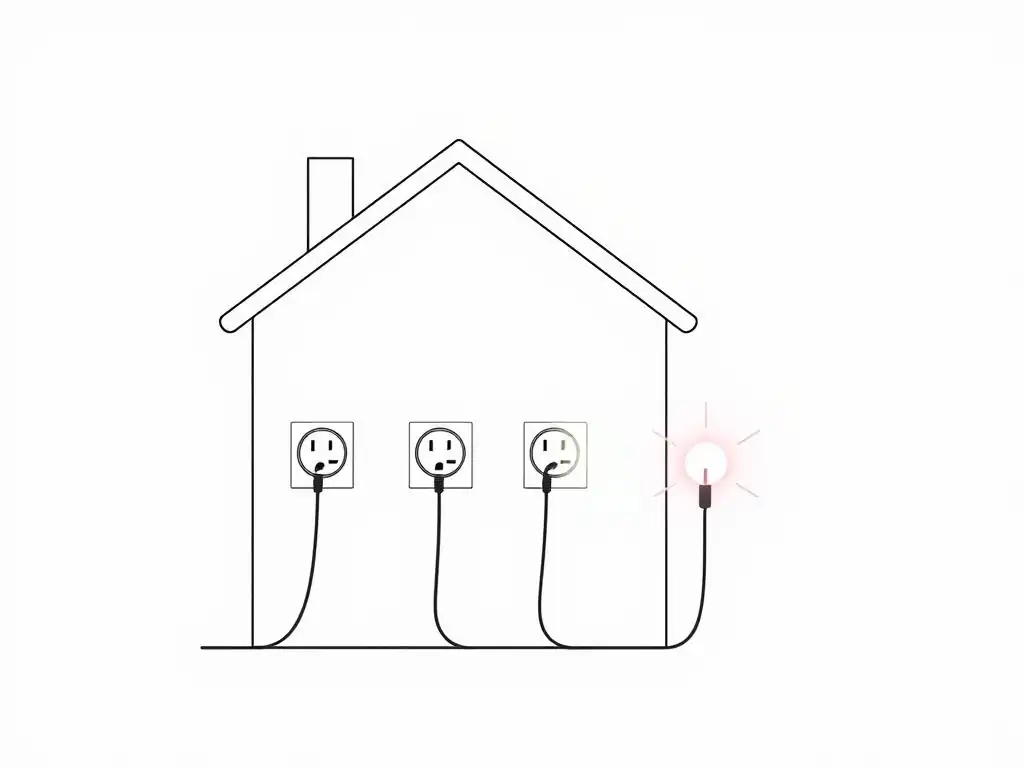
Smart plugs offer a compelling proposition: they're a relatively inexpensive investment that yields significant long-term savings on energy costs and contributes positively to environmental sustainability. The upfront cost is easily offset by the reduction in electricity consumption over time. Many models are available at affordable prices, making them accessible to a wide range of consumers.
This translates to a tangible return on investment (ROI), a key factor for budget-conscious homeowners and renters alike. The savings aren't just monetary; the reduced energy consumption directly contributes to a smaller carbon footprint, aligning with environmentally conscious lifestyles. This dual benefit – financial and environmental – makes smart plugs a smart choice for anyone looking to optimize their energy usage.
Calculating Your Potential Return on Investment (ROI) with Smart Plugs
Calculating the ROI on smart plugs requires a simple assessment of your energy consumption habits. First, identify devices that frequently remain plugged in but are not actively in use – things like phone chargers, televisions, gaming consoles, and lamps. Next, determine the wattage of these devices (usually found on a label). Let's take a typical example: a phone charger that consumes 5 watts and is plugged in for 24 hours daily.
| Device | Wattage (W) | Daily Usage (hours) | Daily Energy Consumption (Wh) |
|---|---|---|---|
| Phone Charger | 5 | 24 | 120 |
| Unused Laptop Charger | 10 | 12 | 120 |
| TV in Standby | 5 | 24 | 120 |
| Total | 360 Wh |
This example shows 360 watt-hours of energy wasted daily. Converting this to kilowatt-hours (kWh) – the standard unit for billing – we get 0.36 kWh per day. At an average electricity price of $0.15 per kWh, this translates to roughly $0.054 wasted daily ($19.71 annually). Multiply this by the number of devices you can control with smart plugs, and the savings become substantial.
This simple calculation demonstrates how quickly the initial investment in smart plugs can be recouped through reduced energy bills. The more devices you control, the higher your potential ROI. Remember to consider your specific electricity rates and usage patterns for a more accurate calculation.
The Environmental Impact of Reducing Energy Waste with Smart Plugs
Beyond financial benefits, the environmental implications of widespread smart plug adoption are significant. Reducing energy waste directly translates to lower greenhouse gas emissions. Every kilowatt-hour saved contributes to a smaller carbon footprint, mitigating the effects of climate change. By intelligently managing energy consumption, smart plugs empower individuals to actively participate in environmental conservation.
The cumulative effect of millions of households adopting this technology could lead to a measurable reduction in global energy demand. This aligns perfectly with the growing global focus on sustainable living and reducing our reliance on fossil fuels. Smart plugs represent a small, yet impactful, step towards a greener future. Furthermore, the reduced strain on power grids leads to greater energy efficiency across the entire system.
Future Trends in Smart Plug Technology and Energy Efficiency
The future of smart plug technology looks bright, with continuous advancements promising even greater energy efficiency and user convenience. We can expect to see increased integration with smart home ecosystems, allowing for more sophisticated automation and control. Enhanced energy monitoring capabilities will provide users with even more granular data on their energy consumption, enabling more precise optimization strategies.
Advancements in AI and machine learning will likely lead to smart plugs that can learn usage patterns and automatically adjust power settings to maximize energy savings. The development of more energy-efficient components within the plugs themselves will also contribute to minimizing their own power draw. We can also anticipate the emergence of new features, such as integrated surge protection and enhanced security protocols.
These trends collectively point towards a future where smart plugs play an increasingly vital role in building a sustainable and energy-efficient world, further solidifying their position as a key component in a smart home setup and a valuable tool for saving money on your energy bill. The evolution of smart plugs signifies a broader movement towards smarter, more sustainable energy management.
Conclusion: Taking Control of Your Energy Consumption with Smart Plugs
Smart plugs offer a remarkably simple yet effective solution to a pervasive problem: phantom energy consumption. By allowing precise control over when devices are powered on and off, these inexpensive gadgets contribute significantly to reducing your electricity bill and minimizing your environmental impact. The cumulative savings, even from seemingly insignificant devices, can be substantial over time.
Consider the standby power drain from your cable box, game console, or even a phone charger left plugged in all night – these small drains add up to a considerable amount of wasted energy annually. Smart plugs directly address this issue, offering a tangible way to reclaim control over your energy usage. The convenience factor is undeniable; scheduling and remote control features eliminate the need to manually switch devices on and off, offering a significant boost to both energy efficiency and overall convenience.
Ultimately, the adoption of smart plugs represents a proactive step towards a more sustainable and cost-effective lifestyle. The investment is minimal, the benefits are substantial, and the impact on both your wallet and the planet is undeniable.
Call to Action: Choose the Right Smart Plug for Your Needs and Start Saving Today!
Ready to take charge of your energy consumption and experience the financial and environmental benefits of smart plugs? The next step is choosing the right smart plug for your specific needs. Consider factors such as:
- Compatibility: Ensure the smart plug is compatible with your existing home network and smart home ecosystem (e.g., Alexa, Google Home).
- Features: Some smart plugs offer advanced features like energy monitoring, while others focus on basic on/off functionality. Determine which features are essential for you.
- Number of Outlets: Choose a smart plug with the appropriate number of outlets to accommodate your needs. Some models offer multiple outlets in a single unit.
- Power Rating: Check the maximum wattage the plug can handle to avoid overloading and potential damage. Don't exceed the specified limit.
- Price: Smart plugs range in price, so compare options to find one that fits your budget without compromising on quality.
Don't delay the opportunity to reduce your energy waste and lower your bills. Investing in smart plugs is a straightforward and effective way to achieve significant long-term savings and contribute to a more sustainable future. Start small – begin by monitoring the energy consumption of a few high-usage devices, and observe the impact. The data will speak for itself, reinforcing the power of smart plugs to transform your energy habits for the better. The small initial investment pays off handsomely in the long run, demonstrating that smart plugs save energy costs effectively and efficiently.
Further Resources on Energy Efficiency and Smart Home Technology (Links to relevant articles/blogs)
[Specific information pending – This section would ideally include links to relevant articles and blogs on the UltimateLifeHacks website covering topics such as smart home energy management, further energy-saving tips, and detailed reviews of various smart plug models.] This section would also benefit from including links to external resources on energy efficiency, perhaps from government agencies or reputable environmental organizations.
This will provide readers with a more comprehensive understanding of energy-saving practices beyond the scope of smart plugs. For example, a link to a guide on home energy audits or an article on improving home insulation would complement this section and provide additional valuable information for readers interested in maximizing their energy efficiency.
Frequently Asked Questions
What exactly are smart plugs?
Smart plugs are Wi-Fi enabled outlets that let you control your electronics remotely, using a smartphone app or voice assistant. This allows for precise control over power consumption.
How do smart plugs save energy costs?
Smart plugs help you reduce energy waste by allowing you to schedule when devices turn on/off. This eliminates "phantom loads" (energy used by devices when off) and ensures appliances aren't running unnecessarily. You can also monitor energy usage to identify energy-guzzling devices.
Are smart plugs difficult to install and use?
No, smart plugs are generally very easy to install. Most simply plug into existing outlets, and the accompanying apps are usually user-friendly. You'll be controlling your devices remotely in minutes.
What types of appliances benefit most from smart plugs?
Appliances that are often left on standby, like TVs, chargers, and lamps, are ideal candidates. Smart plugs are also great for controlling seasonal appliances like space heaters or fans, ensuring they're only on when needed.
How much can I realistically save using smart plugs?
Savings vary depending on usage, but you can expect to see a noticeable reduction in your electricity bill. The extent of savings depends on how many devices you control and how effectively you manage their usage. Consistent use is key to maximizing savings.
Final Reflection: Unplugging Waste, Plugging into Savings
The pervasive nature of energy consumption in our digitally saturated world demands a conscious shift towards sustainability, and smart plugs offer a surprisingly simple yet powerful solution. The seemingly small act of controlling individual devices' power consumption can collectively lead to significant reductions in energy waste and a noticeable decrease in monthly bills. This isn't just about saving money; it's about actively participating in a more environmentally responsible future.
The impact of smart plugs extends beyond individual households, influencing broader conversations around energy efficiency and mindful consumption. Their increasing affordability and accessibility are democratizing access to energy-saving technology, empowering individuals to take control of their energy footprint. This shift reflects a growing awareness of our collective responsibility towards the planet. The greatest threat to our planet is the belief that someone else will save it.
- Robert Swan. This quote underscores the importance of individual action, and smart plugs offer a tangible way to contribute to a larger solution.
Consider the devices in your home that remain plugged in even when not in use – phone chargers, laptops, TVs. These "phantom loads" silently drain energy and contribute to unnecessary costs. You have the power to change this. By implementing the strategies discussed in this article, you can actively reduce your energy consumption, save money, and contribute to a more sustainable future. Start small, choose one device to control with a smart plug, and witness the positive impact. The journey towards a more energy-efficient lifestyle begins with a single, conscious choice.
Unlock Your Energy Savings Today!
Thank you for exploring the world of smart plugs and energy efficiency! We hope you've gained valuable insights into reducing energy consumption and saving money. Now, let's put that knowledge to work.
- Take control of your energy usage: Identify three home appliances that you can plug into a smart plug and schedule to turn off automatically when not in use. For example, you could start with your coffee maker, lamp, or television.
- Share your smart plug journey: Tell us (and others!) about your experience in the comments below. What were your biggest successes? What unexpected benefits did you discover?
- Challenge a friend: Invite a friend or family member to join you in exploring smart home energy savings – it's more fun together!
Ready to effortlessly start saving energy and money? Which appliance will you schedule with your smart plug first?