
Small Space, Big Impact: Clever Design Hacks Using Multifunctional Pieces

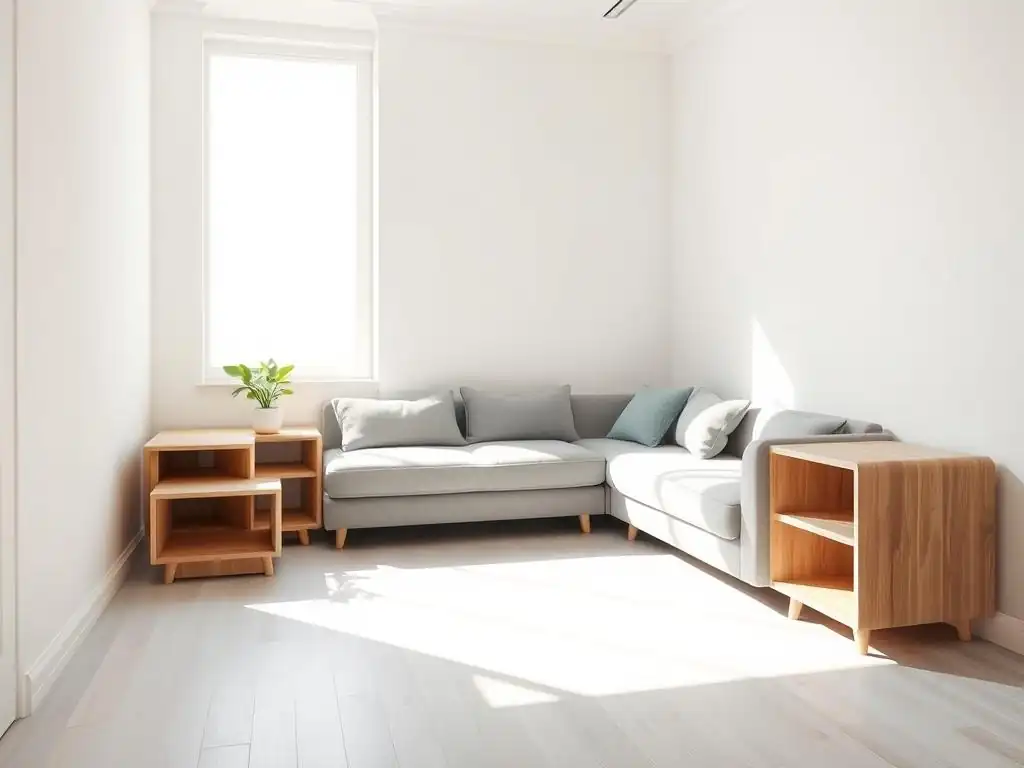
Welcome to UltimateLifeHacks, your destination for practical advice on maximizing your time and efficiency! Are you tired of feeling cramped in your small space? Discover how ingenious design can transform your living area. Our latest article on multifunctional furniture for small spaces reveals clever solutions to create a spacious and stylish home, even with limited square footage. Prepare to be amazed by the possibilities – let's unlock the potential of your home together!
- Maximizing Space with Multifunctional Furniture for Small Spaces
- Smart Design Hacks for Small Spaces Using Multifunctional Pieces
- Multifunctional Furniture Small Spaces: Design Tips for a Bigger Feel
- DIY Multifunctional Furniture Projects for Small Spaces
- Where to Find Multifunctional Furniture for Small Spaces
- Frequently Asked Questions
- Final Reflection: Unlocking Potential: Small Spaces, Big Lives
- Unleash Your Space's Potential: Design Hacks in Action!
Maximizing Space with Multifunctional Furniture for Small Spaces
Living in a small space doesn't have to mean sacrificing comfort or style. In fact, with a little creativity and the right approach, a small apartment or house can become a haven of efficiency and charm. This article delves into the world of multifunctional furniture, a game-changer for maximizing space and minimizing clutter in compact living environments. We'll explore how strategically choosing pieces that serve multiple purposes can dramatically improve your small space living experience, transforming a cramped area into a functional and aesthetically pleasing home.
This guide focuses on practical strategies and real-world examples to help you navigate the exciting possibilities of multifunctional furniture and design, specifically addressing the keyword "Multifunctional furniture small spaces" and offering actionable tips to optimize your living space. We'll cover everything from cleverly designed beds to versatile sofas, demonstrating how you can achieve a "big impact" even in a "small space." 🎉
Choosing the Right Multifunctional Furniture for Your Needs
Selecting multifunctional furniture requires careful consideration of your individual needs and lifestyle. Before you start shopping, create a detailed inventory of your belongings and how you use your space. Consider your storage needs: do you need more closet space, drawer space, or shelf space? What are your biggest space challenges? 🤔 Answering these questions will help you prioritize the features you need most in your multifunctional furniture.
For example, if you frequently host guests, a sofa bed might be a perfect solution, combining comfortable seating with extra sleeping space. If storage is your primary concern, look for pieces with built-in drawers, shelves, or hidden compartments. Remember to measure your space accurately before purchasing any furniture to ensure it fits comfortably and doesn't overwhelm the room. Don't forget about aesthetics!
Choose pieces that complement your existing décor and personal style to create a cohesive and inviting atmosphere. Prioritize quality materials and construction for long-term durability and value. Investing in high-quality multifunctional furniture is a worthwhile investment that will pay dividends in both space and style for years to come.
Space-Saving Furniture: Beds with Built-in Storage
Beds are often the largest piece of furniture in a bedroom, and they take up a considerable amount of space. However, many modern bed designs cleverly incorporate storage solutions, maximizing space and minimizing clutter. Beds with built-in drawers underneath provide ample storage for bedding, clothes, or other items. Some models even feature hidden compartments within the headboard or footboard. These storage solutions are incredibly useful for keeping your bedroom organized and free of clutter.
Consider the type of storage that best suits your needs. Drawers offer easy access to stored items, while hidden compartments are ideal for concealing items you don't need to access frequently. Also, consider the bed frame material and style to ensure it complements your existing bedroom décor.
A platform bed with built-in storage is a popular choice for its sleek design and functionality. Remember to measure your bedroom carefully to ensure the bed fits comfortably and leaves enough space for navigation. Investing in a bed with built-in storage is a practical and stylish way to optimize space in a small bedroom.
Multifunctional Sofas: Combining Seating and Storage
Multifunctional sofas are a fantastic option for small living rooms or apartments. These sofas often feature built-in storage compartments within the cushions or underneath the seating area. This hidden storage space is perfect for storing blankets, pillows, or other items, keeping your living room tidy and organized. Some models even include pull-out beds, providing extra sleeping space for guests.
When choosing a multifunctional sofa, consider the size and layout of your living room. Measure the space carefully to ensure the sofa fits comfortably without overwhelming the room. Also, consider the style and color of the sofa to ensure it complements your existing décor. Look for sofas made from durable and easy-to-clean materials.
Choose a sofa with storage that meets your specific needs—ample storage for blankets and pillows, or the added functionality of a pull-out bed. A multifunctional sofa is a versatile piece that can transform your living room into a functional and stylish space. Remember to consider the overall weight capacity of the storage compartments to avoid overloading them.
Clever Use of Vertical Space: Shelving Units and Wall-Mounted Furniture
Vertical space is often underutilized in small spaces. Capitalizing on this often-overlooked real estate is key to maximizing your area. Shelving units, for example, are incredibly versatile pieces of multifunctional furniture. Instead of cluttering your floor with bulky storage solutions, strategically placed shelving units can hold books, decorative items, and even small appliances, freeing up valuable floor space.
Consider open shelving for a more airy feel, or closed cabinets for a more streamlined look, depending on your aesthetic preferences and storage needs. The key is to select shelving that fits the dimensions of your room perfectly, avoiding anything too bulky or overwhelming. Think about utilizing the space above doorways or even along the ceiling; these are often forgotten areas brimming with potential storage.
Furthermore, wall-mounted furniture is another excellent way to utilize vertical space effectively. Wall-mounted desks, for instance, can transform a small corner into a dedicated workspace without taking up valuable floor space. These desks often fold away when not in use, making them ideal for small apartments or studios where space is at a premium. Similarly, wall-mounted shelves and cabinets offer additional storage options without the visual clutter of freestanding units. When choosing wall-mounted furniture, ensure that the walls are sturdy enough to support the weight and that you use appropriate wall anchors for secure installation.
Remember, safety is paramount; improperly installed wall-mounted furniture can be dangerous. Careful planning and secure installation are vital for maximizing the benefits of this space-saving approach. Careful consideration of weight capacity and wall type is crucial for safe and effective use. Don't overload your wall-mounted units; distribute weight evenly to avoid damage.
Transforming Tables: From Dining to Desk and Back Again
Transforming tables are a game-changer for small spaces. These ingenious pieces of multifunctional furniture seamlessly transition from a dining table to a desk, or even a workspace, depending on your needs. The versatility offered by these tables is unmatched, allowing you to optimize your space throughout the day. Imagine a compact dining table that, with a simple adjustment, transforms into a workspace for your laptop and other essentials. This eliminates the need for separate dining and work areas, saving considerable space.
Many transforming tables are designed with clever mechanisms, such as fold-down leaves or adjustable heights, to facilitate this transformation. Look for models constructed from durable materials like solid wood or high-quality laminate for long-lasting use. Consider the size and shape of the table carefully to ensure it fits comfortably in your space, both in its expanded and collapsed forms.
Before purchasing, check the dimensions and weight capacity to make sure it meets your needs and that it can handle the items you plan to place on it. For example, a table designed to support a laptop and a few books might not be suitable for a large family dinner. Paying attention to these details will help you find the perfect transforming table to optimize your small space.
Furthermore, some transforming tables incorporate additional storage solutions, such as drawers or shelves, further enhancing their multifunctional capabilities. This adds another layer of space-saving functionality, allowing you to store items neatly and keep your space organized.
Smart Design Hacks for Small Spaces Using Multifunctional Pieces
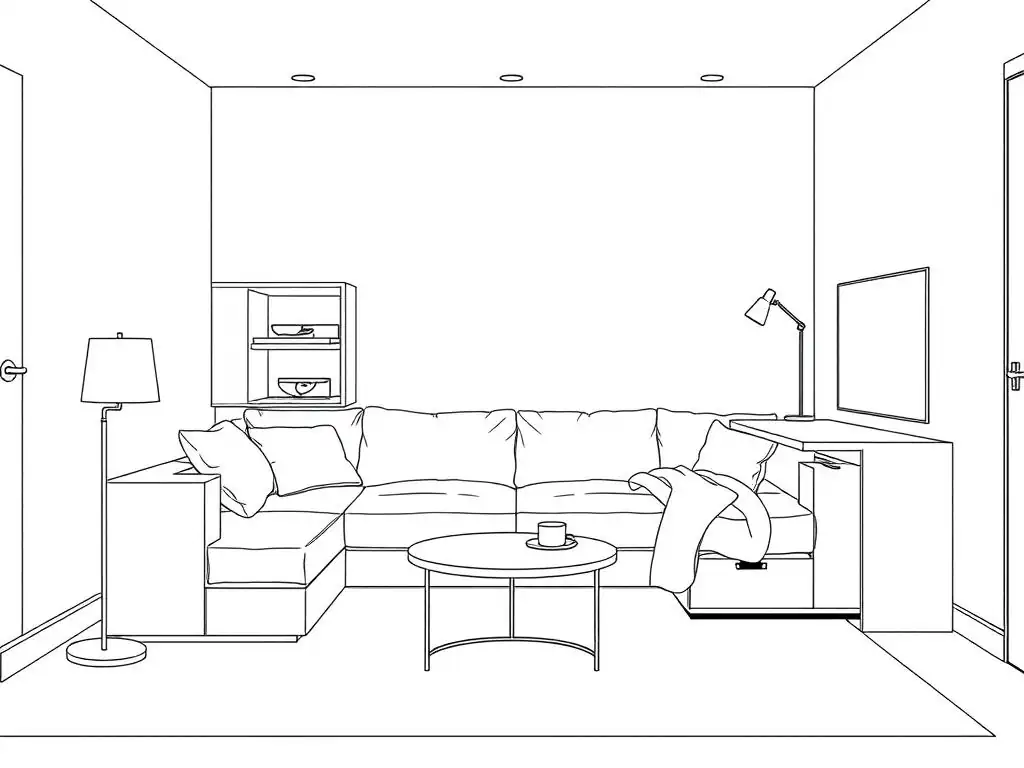
This section explores practical applications of multifunctional furniture and design elements to maximize space efficiency in small living areas. We'll delve into specific examples, highlighting how strategic choices can transform cramped spaces into organized and aesthetically pleasing environments. The key is to think vertically, utilize hidden storage, and select pieces that serve multiple purposes, all while maintaining a sense of style and comfort. This approach directly addresses the challenge of "Multifunctional furniture small spaces," allowing you to live comfortably even with limited square footage.
Optimizing Kitchen Space with Multifunctional Appliances
Small kitchens often present the biggest storage challenges. Traditional appliances and bulky cookware can quickly overwhelm a compact space. The solution lies in embracing multifunctional appliances. Consider a combination microwave-convection oven, which replaces two separate units, freeing up valuable counter and cabinet space. A slow cooker, Instant Pot, or air fryer can also significantly reduce the need for numerous pots and pans, simplifying cleanup and maximizing storage.
Furthermore, think vertically! Utilize wall-mounted spice racks, magnetic knife strips, and over-the-sink cutting boards to keep frequently used items readily accessible without cluttering countertops. Retractable faucet sprayers save space and enhance functionality. Investing in stackable containers for food storage is crucial for maximizing cabinet space and maintaining organization. Remember, even small changes, like using drawer dividers to organize utensils, can significantly improve the efficiency of your kitchen workflow. This strategic approach to appliance selection and organization directly addresses the limitations of "Multifunctional furniture small spaces" in a high-traffic area like the kitchen.
Bathroom Storage Solutions: Combining Style and Functionality
Bathroom space is often at a premium. Traditional bathroom furniture often lacks efficient storage, leading to clutter and a sense of crampedness. To combat this, consider a vanity with built-in drawers and compartments. Look for vanities with pull-out organizers for toiletries and makeup. These not only provide ample storage but also keep items neatly organized and easily accessible.
Vertical storage is key here as well. Utilize wall-mounted shelves for towels, toiletries, and decorative items. Over-the-toilet storage units are a space-saving marvel, offering extra storage without taking up valuable floor space. A ladder shelf can provide decorative storage and visual interest.
Don't overlook the potential of the space under the sink! Use drawer organizers and tiered shelving to maximize this often-underutilized area. Consider a mirrored medicine cabinet, which provides both storage and a reflective surface, visually expanding the space. The strategic use of multifunctional furniture and clever storage solutions is vital in tackling the issue of "Multifunctional furniture small spaces" in the often-challenging bathroom environment.
Multipurpose Furniture for Entryways: Creating Organized Spaces
Entryways are often neglected in terms of design and functionality. However, a well-designed entryway can set the tone for the entire home. A multifunctional piece of furniture, such as a hall tree or a bench with built-in storage, can transform a cluttered entryway into an organized and welcoming space. These pieces typically combine a seating area with storage compartments for shoes, coats, and bags.
Consider a slim console table with drawers to provide storage for keys, mail, and other essentials. A mirror mounted above the console can visually enlarge the space and improve functionality. Installing hooks on the wall for coats and bags frees up valuable space on the furniture itself.
Remember, the goal is to create a space that is both functional and aesthetically pleasing. Choosing furniture that serves multiple purposes is crucial when dealing with limited space. The thoughtful selection of multipurpose furniture is a core component of successfully addressing the complexities of "Multifunctional furniture small spaces," particularly in high-traffic areas like the entryway.
Small spaces demand creative storage solutions. Forget bulky wardrobes and cumbersome chests of drawers; instead, think vertically and utilize often-overlooked areas. Hidden storage can dramatically increase your usable space without sacrificing valuable floor area. For example, consider installing pull-out drawers under your bed. This seemingly simple addition can accommodate off-season clothing, extra bedding, or even shoes, keeping your bedroom clutter-free and maximizing the space.
Another excellent solution is to incorporate storage ottomans. These stylish pieces serve as comfortable seating while simultaneously providing hidden storage for blankets, pillows, or games. Think about the space under your stairs; this frequently wasted area can be transformed into a practical storage solution with custom-built shelving or drawers. Even the walls themselves offer potential. Floating shelves not only add visual interest but also provide a perfect place for books, decorative items, or even a small home office setup.
Remember, every inch counts in a small space, and clever use of hidden storage can dramatically transform your living environment. Investing in custom-made solutions might seem expensive initially, but the long-term benefits in terms of space optimization and improved organization make it a worthwhile investment. Consider the return on investment – a less cluttered, more functional space enhances your quality of life, improving your mood and potentially even increasing the value of your property. Don't underestimate the power of strategic storage in maximizing the functionality of your small space.
Multifunctional Lighting: Combining Ambiance and Practicality
In small spaces, lighting is crucial. It's not just about illumination; it's about creating the right atmosphere while optimizing space. Multifunctional lighting fixtures are a game-changer. Instead of relying on multiple light sources, consider incorporating pieces that serve dual purposes. For instance, a stylish floor lamp with integrated shelving can provide both ambient lighting and display space for books or plants.
Think beyond traditional table lamps; opt for LED strip lighting under cabinets or within shelving units to illuminate workspaces or display areas without taking up any additional counter or shelf space. Furthermore, consider using adjustable lighting fixtures that can be easily moved and repositioned to adapt to your needs. A swing-arm wall lamp, for example, can be adjusted to provide task lighting for reading or working while also offering softer ambient light when needed. Remember that the right lighting can significantly impact the perceived size of a room.
Brighter, more strategically placed lighting can make a small space feel larger and more open. By carefully choosing lighting fixtures that blend form and function, you can enhance the overall aesthetic of your small space while maximizing its functionality and creating a warm and inviting atmosphere. The key is to carefully plan your lighting scheme, incorporating a mix of ambient, task, and accent lighting to create a versatile and efficient system that meets all your needs. This careful approach to lighting design transforms a small space from cramped and dark to bright, airy, and welcoming.
Multifunctional Furniture Small Spaces: Design Tips for a Bigger Feel
This section dives deep into maximizing space in small apartments and homes using multifunctional furniture. We'll explore how strategic choices in furniture and design can create the illusion of a much larger living area, even in the most compact spaces. The key is to prioritize pieces that serve multiple purposes, minimizing clutter and maximizing functionality. This approach is crucial for achieving the coveted "Multifunctional furniture small spaces" ideal.
Creating an Illusion of Space with Mirrors and Light
Mirrors are a designer's secret weapon when it comes to small spaces. Strategically placed mirrors can dramatically increase the perceived size of a room. They reflect light, creating a brighter and airier atmosphere, and they visually extend the walls, making the room appear deeper and larger. Consider a large mirror on a wall opposite a window to maximize natural light reflection. Smaller mirrors can be incorporated into furniture pieces, such as the inside of a cabinet door, for a subtle but effective impact.
Beyond mirrors, thoughtful lighting is paramount. Layer your lighting sources using a combination of ambient, task, and accent lighting. Ambient lighting provides overall illumination, task lighting focuses on specific areas (like a reading nook or work desk), and accent lighting highlights architectural features or artwork. This layered approach prevents harsh shadows and creates a sense of spaciousness. Consider using brighter bulbs than you might typically choose for a larger space; the added brightness will contribute to the feeling of openness. Remember, well-lit spaces always feel larger than dimly lit ones.
Using Light Colors to Maximize the Feeling of Spaciousness
Light and bright color palettes are essential in creating the illusion of spaciousness. Dark colors absorb light, making a room feel smaller and more confined. Conversely, light colors, such as whites, creams, pastels, and light grays, reflect light, making the space appear larger and more open. This principle applies not only to wall colors but also to furniture and textiles.
Consider these examples: A white sofa will visually recede into the background, making the room seem larger than a dark brown or navy blue one. Light-colored rugs can also help to visually expand the floor space. However, avoid using only white; introducing subtle color variations through accent pieces and artwork keeps the space from feeling sterile. Think of using a light beige as your base color, accented with soft blues or greens. The goal is to maximize light reflection while maintaining visual interest. This approach is particularly effective for small living rooms and bedrooms.
The effect of light colors is amplified when combined with reflective surfaces, such as glossy floors or metallic accents. This combination creates a brighter, more open feel, effectively addressing the challenge of "Multifunctional furniture small spaces" design.
Decluttering Strategies to Enhance Space and Functionality
Decluttering is not merely about tidiness; it's a fundamental aspect of maximizing space in a small home. A cluttered space feels smaller and more cramped, regardless of its actual size. Implementing effective decluttering strategies is crucial for creating a functional and spacious environment. The goal is to remove anything that isn't essential or doesn't serve a purpose, focusing on only the items that add value to your life.
Here’s a structured approach:
- The 20/20 Rule: If an item can be replaced for under $20 within 20 minutes, get rid of it.
- The One-In, One-Out Rule: For every new item you bring into your home, remove a similar item.
- Regular Purges: Schedule regular decluttering sessions (e.g., once a month or every season) to maintain a clutter-free environment.
- Vertical Storage: Utilize vertical space with shelves, tall cabinets, and stackable containers.
- Hidden Storage: Employ storage solutions that are built-in or concealed, such as ottomans with storage, beds with drawers, or wall-mounted shelves.
By combining these decluttering strategies with the use of multifunctional furniture, you can significantly enhance both the space and functionality of your small living area. This synergistic approach is vital for creating a comfortable and efficient living space, successfully tackling the challenge of "Multifunctional furniture small spaces." Remember, a well-organized space feels larger and more inviting, regardless of its square footage.
Choosing the Right Fabrics and Textures for Small Spaces
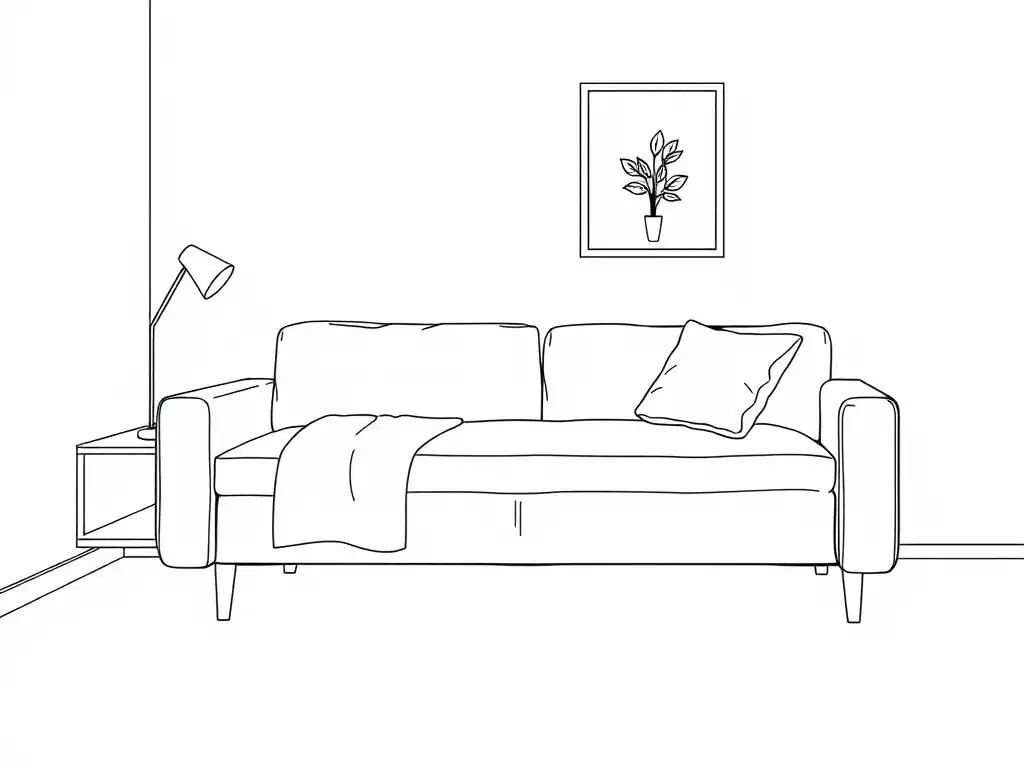
Selecting the appropriate fabrics and textures is crucial when maximizing the feel of space in a small apartment or room. The right choices can visually expand your area, while the wrong ones can make it feel cramped and cluttered. Light-colored fabrics, for instance, reflect light more effectively than darker ones, creating an illusion of spaciousness. Think creamy whites, soft beiges, and light grays. These colors bounce light around the room, making it appear larger and airier. Conversely, dark colors absorb light, making the space feel smaller and more enclosed.
Beyond color, texture plays a significant role. Smooth, sleek surfaces contribute to a sense of openness. Consider furniture upholstered in linen or microfiber, or opt for sleek, lacquered surfaces on tables and shelves. These materials reflect light and create a clean, uncluttered look. However, don't shy away from texture entirely!
A carefully chosen textured throw or rug can add visual interest without overwhelming the space. Look for textures with a subtle, rather than bold, pattern. A chunky knit throw in a light neutral color, for example, can add warmth and visual interest without sacrificing space. Remember, the goal is to create a balanced look – a blend of smooth and textured elements that work together harmoniously. Avoid overly busy patterns or heavily textured fabrics that can visually shrink the room.
Finally, consider the scale of your patterns. Small-scale patterns tend to work better in small spaces than large, bold ones. Large patterns can overpower a room and make it feel smaller. Opt for subtle patterns or solid colors to maintain a sense of spaciousness. Choosing the right fabrics and textures is a subtle but powerful tool in the arsenal of small space living; master it, and you'll be well on your way to creating a functional and beautiful home, even within tight constraints.
The Importance of Minimalist Design in Small Spaces
Minimalist design is paramount when dealing with multifunctional furniture small spaces. The core principle is to reduce clutter and maximize functionality. This isn't about stripping your space bare; it's about curating a collection of essential items that serve multiple purposes. In a small space, every item should earn its place. Ask yourself: Does this item serve a purpose? Does it add to the overall aesthetic? If the answer to either question is no, it's time to let it go.
Implementing minimalist design principles means embracing clean lines, simple shapes, and a neutral color palette. Avoid overly ornate furniture or fussy accessories that can visually clutter the space. Instead, opt for pieces with clean lines and simple designs. A minimalist approach to decor also means strategic storage.
Everything should have a designated place, and that place should be easily accessible. Consider using storage ottomans, beds with built-in storage, or wall-mounted shelves to maximize storage capacity without sacrificing valuable floor space. This approach not only frees up physical space but also creates a sense of calm and order, making the space feel more expansive.
Remember, a clutter-free environment is a peaceful environment, and in a small space, that sense of peace translates directly to a feeling of increased space. Minimalism isn't about deprivation; it's about intentional living and maximizing the potential of every square foot. By embracing minimalist principles, you can transform your small space into a haven of tranquility and functionality.
DIY Multifunctional Furniture Projects for Small Spaces
This section explores the rewarding and surprisingly simple world of DIY multifunctional furniture for small spaces. Creating your own pieces allows for complete customization to perfectly fit your needs and style, offering a significant cost advantage over buying pre-made options. Moreover, the satisfaction of building something yourself is unparalleled. Let's dive into some practical projects that maximize space and minimize clutter.
Building a Custom Murphy Bed with Integrated Storage
A Murphy bed is the quintessential space-saving marvel. Instead of buying a pre-assembled model, consider building your own to incorporate precisely the storage you need. This project requires some basic woodworking skills and tools, but the result is a truly personalized and efficient piece.
Imagine a Murphy bed that doesn't just disappear into the wall, but also hides away your seasonal clothing, extra bedding, or even a small home office setup! You can design compartments within the bed frame itself, or add flanking cabinets that seamlessly integrate with the bed's design. Consider using lightweight materials like plywood or MDF to keep the entire unit manageable.
Planning is key. Accurately measure your space to determine the bed's dimensions and storage capacity. Sketch out a detailed plan, including measurements for all parts and hardware. Consider using online resources or woodworking plans as a starting point, adapting them to your specific needs and storage requirements.
Remember to factor in the weight of the finished product, ensuring sturdy hinges and a secure locking mechanism for safety. Properly reinforcing the wall where the bed will be mounted is crucial for long-term stability. This project demands precision; don't rush the process. A well-executed Murphy bed with integrated storage can transform a small room into a versatile and functional space.
Creating a Fold-Down Desk for a Compact Workspace
A fold-down desk is another fantastic solution for small spaces, especially if you need a dedicated workspace without sacrificing valuable floor area. This project is less demanding than the Murphy bed, making it a good starting point for DIY beginners.
The core design involves a hinged tabletop that folds flat against the wall when not in use. You can construct this using readily available materials like plywood, sturdy brackets, and hinges. To enhance functionality, consider adding shelves or drawers underneath the desk for storing stationery, books, or other office supplies. The choice of material and finish is entirely up to you, allowing for seamless integration into your existing décor.
Consider the dimensions carefully. The desk should be large enough to comfortably accommodate your work needs while remaining compact when folded. Strong hinges are essential to ensure the desk folds smoothly and remains securely in place both open and closed. A simple locking mechanism can add an extra layer of security. Adding a stylish pull-out keyboard tray can further improve ergonomics and workspace optimization. A well-designed fold-down desk is a testament to the power of clever design in maximizing space in small apartments and studios.
Repurposing Old Furniture into Multifunctional Pieces
Repurposing is not only environmentally friendly but also a cost-effective way to create unique multifunctional furniture. Transforming old pieces into something new is a fantastic way to inject personality into your space while adhering to the "Multifunctional furniture small spaces" ethos.
An old dresser, for example, can be easily converted into a vanity with a mirror attached to the top. The drawers provide ample storage for cosmetics and accessories. Similarly, an old ladder can become a unique bookshelf, adding a rustic charm to your room. A sturdy trunk can be transformed into a coffee table with storage inside. The possibilities are endless, limited only by your creativity and the availability of old furniture.
Before starting any repurposing project, carefully assess the condition of the furniture. Repair any damage and clean it thoroughly. Sanding and repainting can significantly improve the look and feel of the piece. Consider adding new hardware, such as knobs or handles, to enhance its functionality and aesthetic appeal. Repurposing old furniture is a sustainable and creative way to create beautiful and functional pieces that perfectly complement a small space. It's a great way to practice your upcycling skills and minimize waste. ♻️
Simple DIY Storage Solutions for Small Spaces
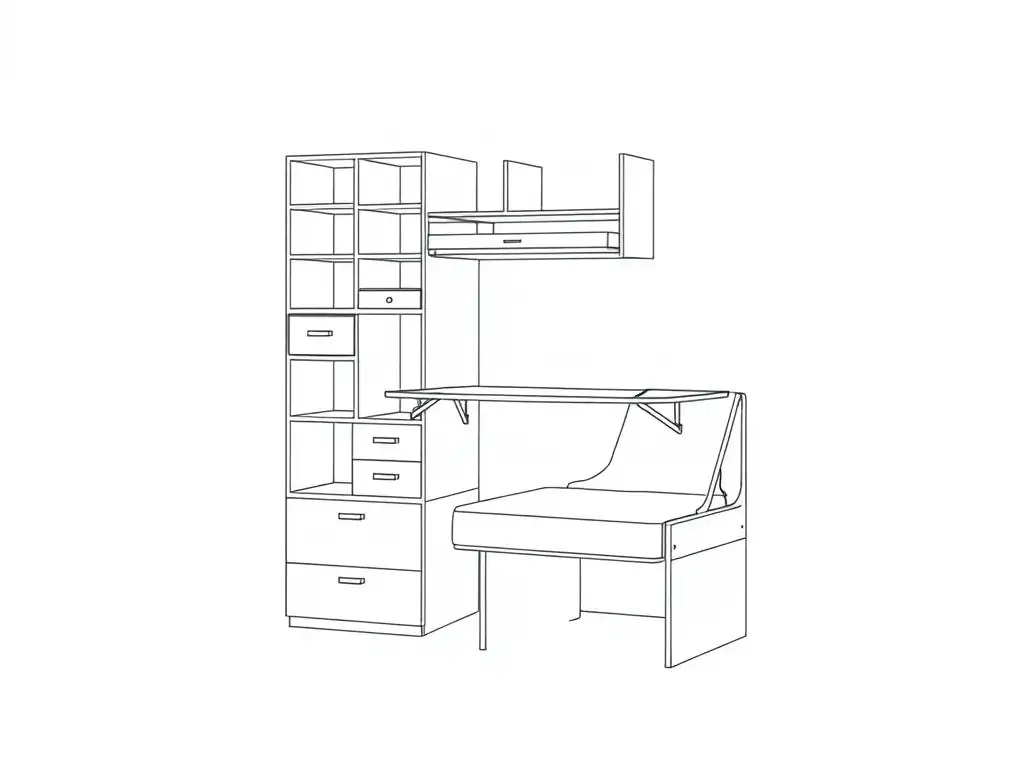
Creating extra storage in a small space doesn't require a hefty budget or extensive carpentry skills. Many simple DIY projects can dramatically increase storage capacity without sacrificing valuable floor space. One incredibly effective solution is building a vertical storage unit using repurposed wooden pallets. These pallets, often available for free or at a low cost from businesses, can be easily disassembled and reassembled into customized shelving units.
Simply sand down the wood, apply a coat of paint or stain for a polished look, and secure the pieces together using screws and wood glue. This approach allows for complete customization; you can adjust the shelf height to perfectly accommodate your storage needs, whether it's books, shoes, or household items. The rustic charm of reclaimed wood also adds a unique aesthetic touch to any room.
Another brilliant idea involves transforming old ladders into stylish and functional storage solutions. A sturdy, old wooden ladder can be leaned against a wall and used as a vertical shelving unit, perfect for displaying books, plants, or decorative items. For added stability, secure the ladder to the wall using brackets. If the ladder's condition allows, you could even add small shelves between the rungs to create more storage space.
This project is not only inexpensive but also visually appealing, offering a touch of vintage charm to your home. Remember to properly sand and clean the ladder before painting or staining it to ensure durability and a professional finish. The creative possibilities are endless! Consider using different paint colors or adding decorative elements to further personalize your storage solution.
Finally, consider repurposing old crates and boxes. These readily available items can be stacked to create unique and customizable storage solutions. A collection of vintage wooden crates can be arranged to form a visually appealing shelving unit. Alternatively, you can paint or decorate them to match your existing décor.
For a more modern look, consider using plastic or fabric storage boxes with lids to keep items organized and dust-free. These versatile storage options are perfect for everything from blankets and linens to toys and books, providing practical and stylish storage in even the smallest spaces. Remember to measure your space carefully before starting any project to ensure the storage solution fits seamlessly into your available area.
Upcycling Ideas for Multifunctional Furniture
Upcycling existing furniture is a fantastic way to create multifunctional pieces for small spaces while minimizing waste and maximizing your budget. A great example is transforming an old dresser into a stylish and practical vanity. By simply adding a mirror to the top of the dresser and incorporating some additional storage solutions like drawers or baskets, you can create a dedicated space for makeup and skincare products without taking up extra floor space. This also gives a new lease of life to an old piece of furniture, avoiding unnecessary landfill and reducing your environmental impact.
Another clever upcycling project involves converting an old suitcase into a unique side table or coffee table. A sturdy vintage suitcase, perhaps with some appealing patina, can be easily transformed into a charming piece of furniture. Simply add sturdy legs to the bottom of the suitcase, and you have an instant side table or coffee table.
The suitcase's built-in storage provides extra space for remotes, magazines, or other small items, making it a multifunctional masterpiece. This project demonstrates how readily available items can be repurposed into functional and aesthetically pleasing furniture for small spaces. Adding a coat of varnish or a decorative touch can enhance the final piece, reflecting your personal style.
Finally, consider repurposing old doors into unique shelving units or headboards. Old doors, often discarded during renovations, can be easily transformed into functional and visually appealing furniture. By attaching shelves to the back of the door, you can create a stylish shelving unit for books, plants, or decorative items. Alternatively, an old door can be mounted to the wall to create a unique headboard, adding a touch of rustic charm to your bedroom.
These projects not only highlight the creative possibilities of upcycling but also offer practical solutions for maximizing storage and functionality in small spaces. The potential for customization is vast, from painting the door to adding decorative elements, ensuring the finished piece perfectly complements your existing decor. Remember safety first; securely attach any shelving or headboards to the wall to avoid accidents.
Where to Find Multifunctional Furniture for Small Spaces
Finding the perfect multifunctional furniture for your small space can feel like searching for a needle in a haystack. However, with a bit of strategic searching, you can uncover amazing pieces that maximize your space and style. This section focuses on the best avenues for sourcing this type of furniture, ensuring you find exactly what you need to optimize your small living area. Remember, the key is to think outside the box and consider pieces that serve multiple purposes, maximizing your limited square footage. This approach is crucial for achieving the "Multifunctional furniture small spaces" ideal.
Online Retailers Specializing in Space-Saving Furniture
The internet offers a vast selection of multifunctional furniture, catering specifically to small space living. Many online retailers specialize in compact and cleverly designed pieces, making it easier than ever to find what you're looking for. These retailers often showcase detailed product descriptions, high-quality images, and customer reviews, allowing for informed purchasing decisions. You can find everything from Murphy beds and sofa beds to ottomans with hidden storage and expandable dining tables. The convenience of online shopping, coupled with the specialized inventory, makes online retailers a prime starting point in your search for "Multifunctional furniture small spaces".
Consider filtering your searches by features like "space-saving," "multifunctional," or "small apartment furniture" to refine your results. Pay attention to dimensions and materials to ensure the furniture fits your space and complements your existing décor. Reading customer reviews can provide invaluable insights into the quality, durability, and practicality of the furniture before you commit to a purchase. Don't forget to compare prices across different retailers to secure the best deal.
Local Furniture Stores Offering Multifunctional Options
While online shopping offers convenience, browsing local furniture stores provides a more tactile experience. You can physically inspect the quality of materials, test the functionality of the furniture, and get a better sense of scale. Many local furniture stores, even those not explicitly specializing in small space living, carry multifunctional pieces within their standard inventory.
These stores often have knowledgeable staff who can answer your questions and offer personalized recommendations based on your specific needs and space constraints. Don't hesitate to discuss your space limitations and desired functionalities with them. They might even be able to suggest alternative arrangements or complementary pieces you hadn't considered. This personalized approach is invaluable, especially when dealing with the complexities of optimizing "Multifunctional furniture small spaces". Remember to inquire about delivery options and assembly services, as these can be crucial factors when dealing with larger or more complex pieces.
Custom Furniture Makers for Unique Solutions
If you have a very specific vision or unusual space constraints, consider commissioning custom-made furniture. A skilled furniture maker can create a completely unique piece perfectly tailored to your needs and aesthetic preferences. This option is ideal for creating truly bespoke solutions that integrate seamlessly into your small space, addressing very specific needs that pre-made furniture may not meet. For example, you might commission a custom-built sofa with built-in storage that perfectly fits a niche in your living room or a Murphy bed with integrated shelving.
This approach allows for maximum customization, enabling you to specify materials, dimensions, and functionalities down to the smallest detail. However, custom furniture usually comes with a higher price tag and longer lead times. Thoroughly research local artisans and review their portfolios before commissioning a piece. Clear communication of your requirements is paramount to ensure the finished product meets your expectations and efficiently tackles the challenges of "Multifunctional furniture small spaces". Investing in a custom piece can be a worthwhile investment for a truly unique and perfectly fitting solution.
Secondhand and Antique Stores: Finding Unique Pieces
Secondhand and antique stores are treasure troves for unique and affordable multifunctional furniture. These stores often carry pieces with a history and character that you won't find in mass-produced furniture. Think about the potential of a vintage writing desk that can also serve as a vanity, or an old trunk that can be repurposed as a coffee table with storage. The charm of these pieces adds a unique touch to your small space, while their functionality maximizes your limited square footage.
Searching through secondhand stores requires patience and a keen eye, but the rewards can be significant. You might discover a beautiful, sturdy armoire that can serve as both clothing storage and a decorative focal point. Often, you can find pieces at a fraction of the cost of new furniture, allowing you to invest in higher-quality materials and craftsmanship. Remember to carefully inspect any secondhand furniture for signs of damage or wear before purchasing.
Negotiating the price is also a common practice, so don't be afraid to politely ask for a discount. The thrill of the hunt and the unique character of these pieces make secondhand shopping a rewarding experience for those looking for multifunctional furniture for small spaces. You'll be contributing to sustainable living practices while adding personality and functionality to your home.
Tips for Choosing and Purchasing Multifunctional Furniture
Choosing and purchasing multifunctional furniture requires careful consideration of several factors. First, assess your needs. What are the primary functions you need the piece to fulfill? Do you need extra storage, a workspace, or a sleeping area? Clearly defining your requirements will help you narrow down your options. Next, measure your space accurately.
This is crucial to ensure that the chosen furniture fits comfortably and doesn't overwhelm the room. Consider not only the dimensions of the piece itself but also the space needed for opening drawers, doors, or unfolding mechanisms. Then, consider the material and construction. Opt for durable and high-quality materials that can withstand daily use. Pay attention to the build quality—sturdy joints and solid construction are essential for longevity, especially for pieces that serve multiple purposes. Don't underestimate the importance of style and aesthetics.
The furniture should complement your existing décor and enhance the overall look of your small space. Finally, read reviews and compare prices. Before making a purchase, research different brands and models to ensure you're getting the best value for your money. Take your time, carefully weigh your options, and don't rush into a decision. Choosing the right multifunctional furniture can significantly improve the functionality and style of your small space, transforming it into a comfortable and efficient living environment. Remember, investing in well-chosen multifunctional furniture is an investment in your comfort and the overall efficiency of your small space.
Frequently Asked Questions
What is multifunctional furniture?
Multifunctional furniture refers to pieces that serve multiple purposes. This could be a sofa bed, a coffee table with storage, or a desk that folds away. It's ideal for maximizing space.
How can multifunctional furniture help in small spaces?
It significantly increases usable space by combining the functions of several pieces into one. This eliminates clutter and creates a more open and less cramped feeling.
What are some examples of multifunctional furniture for small spaces?
Excellent choices include sofa beds, ottomans with storage, wall-mounted desks, and Murphy beds. Think creatively about how you can combine functions!
Where can I find multifunctional furniture?
Many online retailers like Amazon and Wayfair, as well as specialty furniture stores, offer a wide selection. You can also find unique pieces at antique shops or through custom builders.
Are multifunctional furniture pieces more expensive than regular furniture?
Not necessarily. While some high-end pieces can be pricey, many affordable options are available. The long-term cost savings from not needing to buy multiple pieces often outweighs the initial investment.
Final Reflection: Unlocking Potential: Small Spaces, Big Lives
The ingenious use of multifunctional furniture isn't just a design trend; it's a vital solution for navigating the realities of increasingly limited living spaces. In a world grappling with urbanization and rising housing costs, maximizing space efficiency is no longer a luxury, but a necessity. This shift demands creative solutions, and multifunctional furniture offers a powerful response, transforming cramped quarters into comfortable and functional homes.
The impact of clever design on our daily lives is profound. It's about more than just aesthetics; it's about reclaiming control over our environment and fostering a sense of calm and order amidst potential chaos. Design is not just what it looks like and feels like. Design is how it works.
- Steve Jobs. This quote perfectly encapsulates the essence of multifunctional furniture – its beauty lies not only in its appearance but in its seamless integration into our lives, simplifying routines and enhancing our overall well-being. The ability to transform a space with a simple adjustment, to seamlessly switch between work and relaxation, speaks to a deeper need for adaptability and efficiency in our modern lives.
Consider the possibilities. Imagine the peace of mind that comes from a clutter-free home, the joy of a space that effortlessly adapts to your needs, the increased sense of freedom that comes with maximizing every square inch. You have the power to transform your living space, to create a haven that reflects your personality and supports your lifestyle. Start small, explore the possibilities of multifunctional pieces, and unlock the potential of your space. Embrace the challenge, and discover the joy of living large, even in a small space.
Unleash Your Space's Potential: Design Hacks in Action!
Thanks for exploring our clever design hacks for small spaces! You now have the tools to transform your home. Ready to put your new knowledge into practice?
- Maximize impact with a multifunctional piece: Identify a single piece of furniture—a sofa bed, a storage ottoman, or perhaps a cleverly designed bookcase—that will significantly improve your space. Then, visualize how it will fit and enhance the room.
- Share your transformation: Post a before-and-after picture on social media (or even in the comments below!) to showcase your design journey. Let's inspire each other!
- Rearrange your furniture: Before buying new furniture, experiment with different furniture arrangements to optimize space and improve the flow of your room.
What surprising space-saving solution will you try first?