
Transform Your Walls: Vertical Storage That Maximizes Every Corner

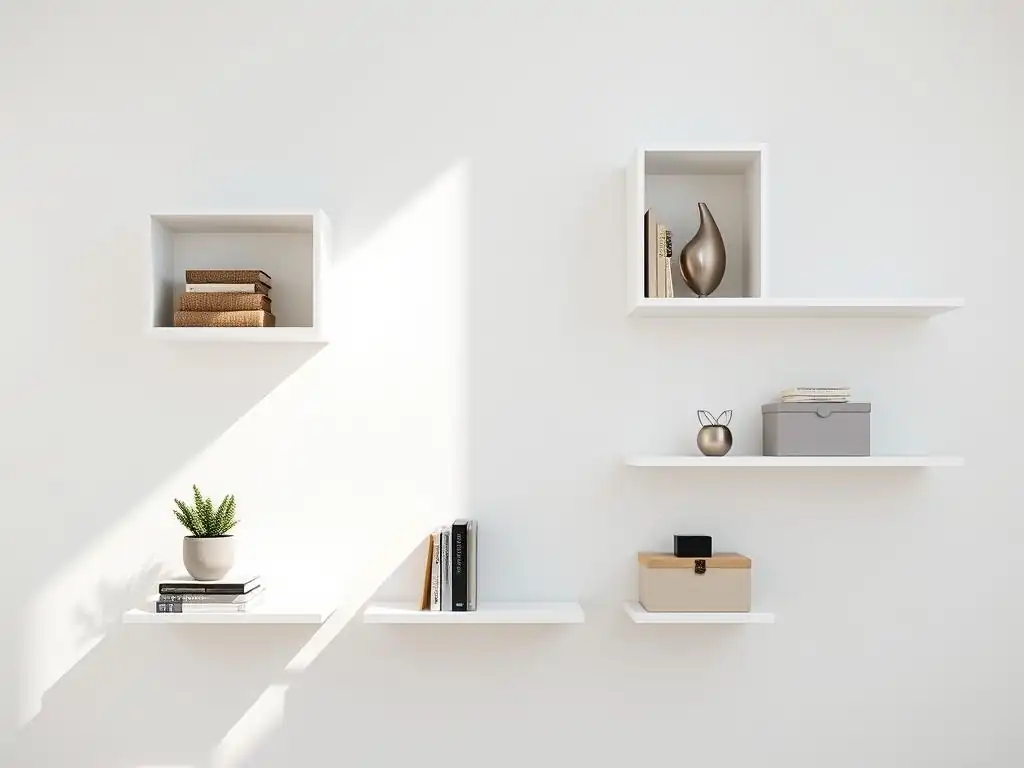
Ready to unlock the hidden potential in your home? At UltimateLifeHacks, we're dedicated to helping you conquer daily chaos and achieve peak productivity. This week, we delve into the art of space optimization with a game-changing solution: Maximize space vertical wall storage. Discover how transforming your walls can revolutionize your living space and free you from the clutter. Prepare to be amazed by what you can achieve with our innovative tips and tricks on maximizing every inch of your vertical space. Let's get started!
- Maximize Space: Vertical Wall Storage Solutions for Small Spaces
- Creative Vertical Storage Ideas to Maximize Space
- DIY Vertical Storage Projects for Every Budget
- Maximizing Space with Vertical Storage: Choosing the Right Materials
- Maintaining Your Vertical Storage System for Long-Term Efficiency
- Beyond Storage: Enhancing Your Space with Vertical Decor
- Frequently Asked Questions
- Final Reflection: Unlocking Space: The Transformative Power of Vertical Storage
- Unlock Your Space: Maximize Vertical Storage Today!
Maximize Space: Vertical Wall Storage Solutions for Small Spaces
Transforming a cramped living space into a functional and aesthetically pleasing haven is a challenge many face. But what if we told you the key to unlocking hidden potential lies right before your eyes—or rather, above your eyes? This article delves into the art of maximizing space through clever vertical wall storage, a game-changing strategy for small space living.
We'll explore how to effectively assess your space, plan your storage solutions, and ultimately, conquer clutter and reclaim precious square footage. Learn how to strategically utilize vertical space to achieve a more organized and spacious home, significantly improving your daily routines and overall quality of life. This guide focuses on practical, actionable steps to help you effectively implement vertical wall storage, making the most of your "Maximize space vertical wall storage" potential.
Understanding the Power of Vertical Space in Small Room Design
Often overlooked, vertical space represents a goldmine of untapped storage potential, especially in smaller living areas. Think about it: walls are vast, unused surfaces begging to be utilized. By strategically incorporating vertical storage solutions, you can dramatically increase your storage capacity without sacrificing valuable floor space. This approach not only keeps belongings organized and easily accessible but also contributes to a cleaner, more visually appealing environment. The impact on your daily routines is significant, as you’ll spend less time searching for items and more time enjoying your living space.
The benefits extend beyond mere organization. Vertical storage can enhance the overall aesthetic of a room. Well-designed shelves, racks, and other vertical storage units can become stylish design elements, adding character and personality to your home. They can also help define different zones within a room, creating a more functional and visually appealing layout.
Consider the impact of a beautifully organized spice rack in a kitchen, or a neatly arranged bookshelf in a living room – these are not just storage solutions; they're design features that elevate the overall ambiance. Furthermore, using vertical space frees up floor space, making smaller rooms feel significantly larger and more open. This is especially crucial for maximizing space in apartments, studios, or smaller homes.
Assessing Your Space: Identifying Areas for Vertical Storage Optimization
Before diving into the exciting world of vertical storage solutions, a thorough assessment of your space is crucial. This involves identifying areas where vertical storage would be most effective and practical. Consider the following:
- High-traffic areas: Where do you spend most of your time? Placing frequently used items within easy reach on vertical storage will improve efficiency.
- Underutilized spaces: Are there any empty wall sections or awkward corners? These are prime locations for installing vertical storage.
- Thematic organization: Group similar items together. For instance, dedicate a section of wall storage to books, another to kitchen utensils, and so on. This streamlines daily routines and makes finding items effortless.
- Weight considerations: Ensure that the walls can support the weight of the storage solutions and the items you plan to store. This is particularly important for heavier items.
- Accessibility: Consider your height and reach when planning the placement of storage units. Items you use frequently should be placed at a comfortable height.
A detailed inventory of your belongings is also essential. This helps determine the type and amount of vertical storage you will need. Remember, the goal is not only to store items but to do so in a way that is both functional and aesthetically pleasing. The careful consideration of these factors will ensure your vertical storage solutions are both effective and enhance your living space.
Measuring and Planning: A Step-by-Step Guide for Effective Wall Storage
Accurate measurements are paramount to successful vertical storage implementation. This seemingly simple step prevents costly mistakes and ensures a perfect fit for your chosen storage solution. Here's a step-by-step guide:
- Measure the wall space: Carefully measure the height and width of the wall area you intend to utilize for storage. Note any obstacles like electrical outlets or windows.
- Choose your storage solution: Based on your measurements and the items you plan to store, select appropriate storage solutions (shelves, cabinets, racks, etc.). Consider materials, style, and functionality.
- Sketch a plan: Create a simple sketch of your wall space, indicating the placement of your chosen storage solution. This visual representation helps visualize the final result and identify potential issues early on.
- Account for hardware: Consider the type and amount of hardware needed for installation. This might include screws, anchors, brackets, or other mounting materials.
- Check weight capacity: Ensure that your chosen storage solution and mounting hardware can safely support the weight of the items you intend to store. This is crucial for safety and longevity.
- Installation: Follow the manufacturer's instructions carefully during installation. If unsure, seek professional assistance.
By following these steps, you can ensure that your vertical storage solution is not only functional but also aesthetically pleasing and safely installed. Remember, careful planning and accurate measurements are essential for maximizing the impact of your vertical storage project. This detailed approach will transform your walls from empty space into organized and functional storage solutions, significantly improving your small space living experience.
Creative Vertical Storage Ideas to Maximize Space
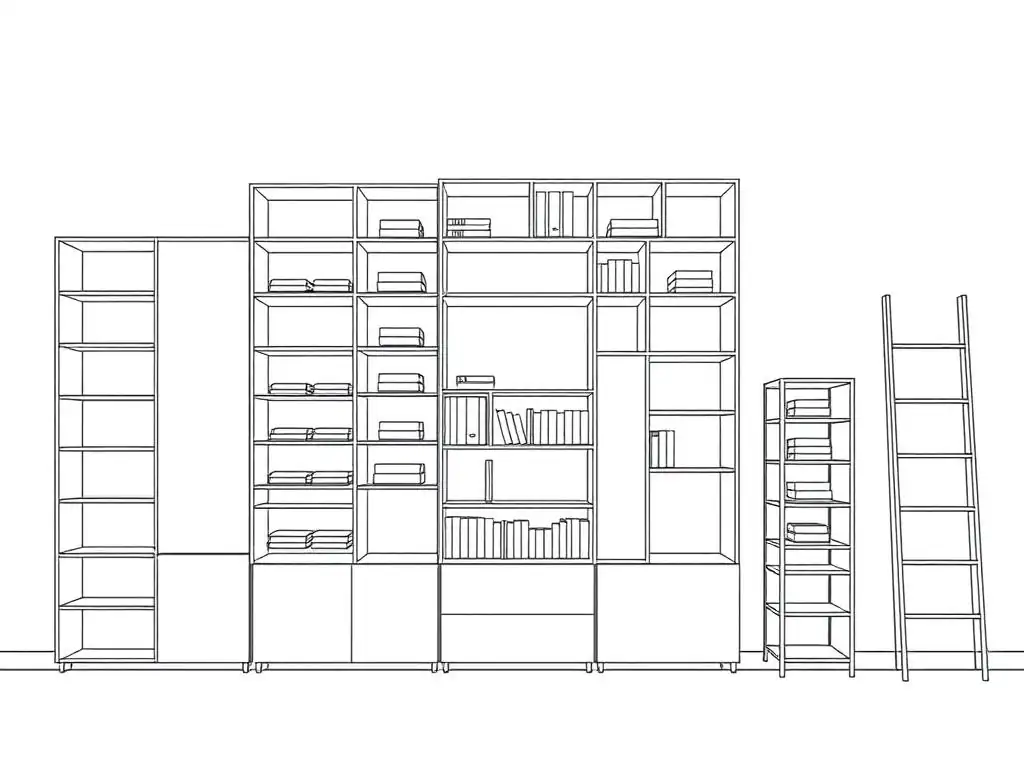
This section explores innovative ways to utilize vertical space, maximizing storage in even the smallest of rooms. We'll delve into practical solutions, focusing on how to effectively implement these ideas to boost your home's functionality and aesthetic appeal. Remember, the key to maximizing space vertical wall storage lies in creative thinking and strategic placement.
Shelving Solutions: From Floating Shelves to Customizable Units
Shelving is a classic yet incredibly versatile method for maximizing space vertical wall storage. The beauty lies in the sheer variety available. Floating shelves, for example, offer a sleek, modern look while saving floor space. They're perfect for displaying decorative items, books, or even small plants, adding personality to a room while providing storage. Consider using different sizes and depths to create a visually interesting and functional arrangement. For instance, a deeper shelf could hold heavier items like books, while shallower shelves can display smaller decorative pieces.
Think about the materials too! Wooden shelves offer a warm, natural feel, while metal shelves provide a more industrial aesthetic. Glass shelves create a feeling of spaciousness, ideal for showcasing collectibles. The choice is yours, depending on your existing décor and personal preference.
Customizable shelving units offer even greater flexibility. Modular systems allow you to tailor the configuration to your specific needs and the dimensions of your wall. You can adjust the height and width of the shelves, creating a truly personalized storage solution. This flexibility is particularly beneficial in irregularly shaped rooms or spaces with limited wall area. Careful planning, measuring, and selection of materials are key to success. Remember to consider the weight capacity of the shelves when choosing your unit and selecting items to store.
Wall-Mounted Organizers: Maximizing Space with Baskets and Drawers
Wall-mounted organizers offer a fantastic way to maximize space vertical wall storage, especially in areas where shelving might be impractical or visually overwhelming. These organizers come in a wide array of styles and materials, ranging from simple wire baskets to sophisticated drawer units. Baskets are ideal for storing items that don't require precise organization, like blankets, towels, or toys. The variety of materials – from woven seagrass to sturdy metal – adds texture and visual interest.
Drawer units, on the other hand, provide a more structured approach to storage. They're perfect for keeping smaller items organized and easily accessible. Consider using labelled drawers to further improve efficiency. For example, a kitchen wall-mounted organizer with labelled drawers could house spices, utensils, or even baking supplies.
In a bathroom, a similar unit could hold toiletries, makeup, or medications. The possibilities are truly endless! The key here is selecting organizers that complement your existing décor and are practical for the items you intend to store. Remember to account for the weight of items when choosing your wall-mounted unit to ensure its stability.
Repurposing Items for Vertical Storage: Creative DIY Ideas
Repurposing existing items is a fantastic way to maximize space vertical wall storage while adding a unique, personalized touch to your home. This approach is not only cost-effective but also environmentally friendly. Consider transforming old ladders into shelving units, adding a rustic charm to your space. Simply lean the ladder against the wall and secure it for stability. You can then use the rungs as shelves for books, plants, or decorative items.
Another creative idea is to repurpose old crates or wooden boxes. These can be easily mounted on the wall to create unique storage solutions. Paint them in vibrant colors or leave them with a natural wood finish, depending on your desired aesthetic. They're ideal for storing smaller items, such as toiletries, craft supplies, or even kitchen utensils. Remember to secure them properly to the wall to prevent accidents. This approach offers a fantastic opportunity for adding character and personality to your home while also making use of readily available materials. The possibilities are as limitless as your creativity!
DIY Vertical Storage Projects for Every Budget
This section explores diverse DIY vertical storage projects catering to various skill levels and budgets. We'll delve into detailed instructions, material lists, and cost estimations, allowing you to choose the perfect project to maximize space and elevate your home's aesthetic. Remember, maximizing space with vertical wall storage doesn't require a hefty investment; creativity and resourcefulness are your greatest allies! We'll focus on maximizing space using readily available materials, transforming unused wall space into functional and stylish storage solutions.
Building a Simple Wall Shelf: A Beginner-Friendly Tutorial
This project is perfect for absolute beginners looking to maximize space with minimal effort and cost. You can easily build a simple, yet effective, wall shelf using readily available materials from your local hardware store.
Materials:
- One 1x12 inch pine board (length determined by desired shelf size)
- Two 1x4 inch pine boards (cut to length to match shelf depth, typically 6-8 inches)
- Wood screws (1.5 inch)
- Wood glue
- Sandpaper (fine grit)
- Wood stain or paint (optional)
- Wall anchors and screws (appropriate for your wall type)
- Level
Instructions:
- Cut the 1x12 inch board to your desired length. This will be the shelf itself.
- Cut the 1x4 inch boards to the desired depth of your shelf. These will serve as the shelf supports.
- Apply wood glue to the ends of the support boards and attach them to the underside of the shelf board, one at each end. Secure them with wood screws.
- Sand down any rough edges or imperfections.
- Apply stain or paint (optional), allowing ample drying time.
- Using a level, mark the desired location on the wall for your shelf.
- Drill pilot holes and install wall anchors if necessary.
- Secure the shelf to the wall using the appropriate screws.
Estimated Cost: $15 - $30 (depending on material prices and shelf size)
Creating a Rustic Wall-Mounted Organizer: A Step-by-Step Guide
For a more rustic and visually appealing approach to maximizing space, consider building a wall-mounted organizer using reclaimed wood or pallet wood. This project offers a charming, farmhouse-style solution for vertical storage.
Materials:
- Reclaimed wood planks or pallet wood (various sizes)
- Wood screws
- Wood glue
- Sandpaper
- Metal brackets or hooks (optional, for hanging items)
- Wood stain or sealant (optional)
- Wall anchors and screws
Instructions:
- Clean and prepare your reclaimed wood, removing any nails or loose pieces. Sand down any rough surfaces.
- Arrange the wood planks to create your desired organizer design. Consider varying plank lengths and widths for a more rustic look.
- Secure the planks together using wood glue and screws, creating a sturdy structure.
- Apply wood stain or sealant to protect the wood and enhance its appearance. Allow ample drying time.
- Install metal brackets or hooks (optional) to hang items such as mugs, keys, or small bags.
- Mount the organizer to the wall using appropriate wall anchors and screws. Ensure it is level.
Estimated Cost: $20 - $50 (depending on reclaimed wood availability and added features)
Upcycling Old Ladders into Unique Storage Solutions
Upcycling old ladders provides a unique and visually striking way to maximize space. This project requires minimal effort and can transform a discarded item into a stylish and functional storage solution.
Materials:
- Old wooden ladder (in good condition)
- Sandpaper
- Wood stain or paint (optional)
- Wall anchors and screws
Instructions:
- Clean the ladder thoroughly and sand down any rough surfaces.
- Apply wood stain or paint (optional) to refresh the ladder's appearance.
- Securely mount the ladder to the wall using appropriate wall anchors and screws. Ensure the ladder is level and securely fastened for safety. Consider adding extra support if needed.
- Use the rungs of the ladder to store books, towels, plants, or other items.
Estimated Cost: $0 - $20 (depending on the cost of purchasing a used ladder, if necessary). This project focuses on maximizing space by repurposing existing items.
This variety of projects demonstrates that maximizing space with vertical wall storage is achievable for everyone, regardless of budget or DIY experience. Remember to always prioritize safety and use appropriate tools and materials for your chosen project. Happy crafting! 🎉
Maximizing Space with Vertical Storage: Choosing the Right Materials
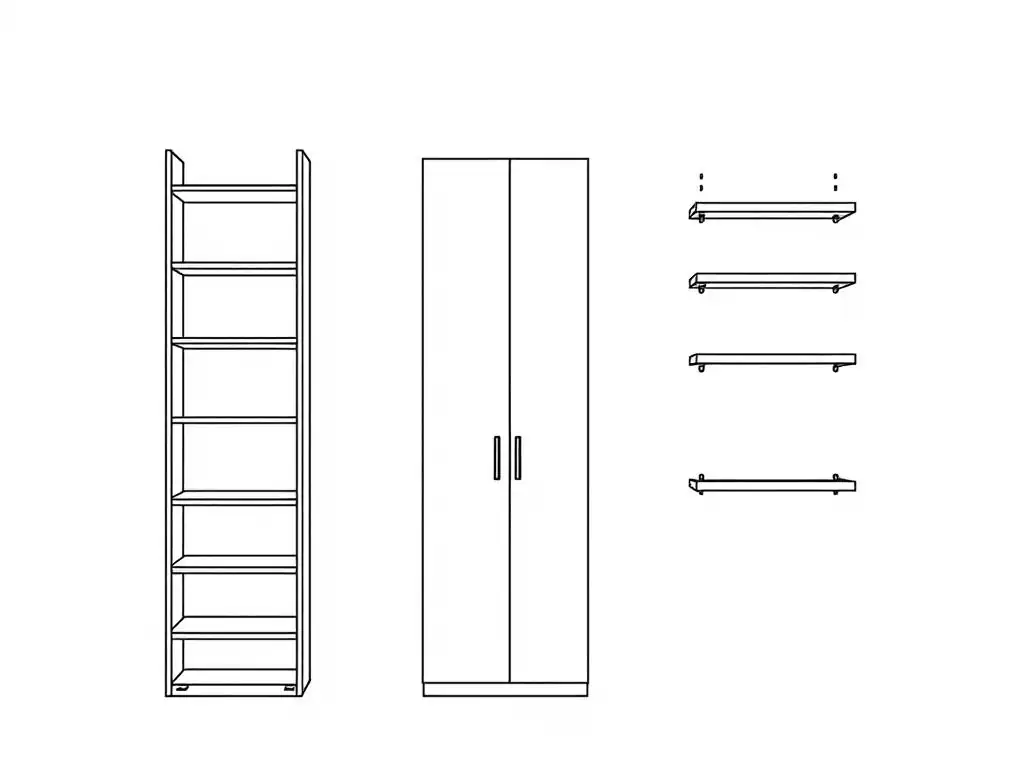
This section focuses on selecting the right materials for your vertical storage solutions to maximize space efficiently and effectively. The durability, aesthetics, and weight capacity of your chosen materials directly impact the longevity and safety of your storage system. Choosing wisely ensures your vertical storage not only looks great but also performs its function reliably for years to come.
Durability and Aesthetics: Selecting the Right Materials for Your Needs
The material you choose significantly impacts the durability and aesthetic appeal of your vertical storage. Several options exist, each with its own set of advantages and disadvantages.
Let's consider some popular choices:
- Wood: A classic and versatile option. Wood offers a warm, natural aesthetic and can be stained or painted to match any décor. However, wood's susceptibility to moisture and its relatively higher cost compared to other materials should be considered. Hardwoods like oak or maple are more durable and resistant to scratches than softer woods such as pine. The weight capacity of wooden shelves depends greatly on the type of wood, thickness, and construction. A well-built oak shelf can hold significantly more weight than a thin pine shelf.
- Metal: Metal shelving units, often made of steel or aluminum, offer exceptional durability and weight capacity. They're resistant to moisture and pests, making them ideal for storing heavier items in damp environments. However, metal can be prone to rust if not properly treated and may not offer the same aesthetic warmth as wood. Powder-coated finishes provide additional protection against rust and offer a wider range of color choices.
- Plastic: Plastic shelving is lightweight, inexpensive, and easy to clean. It's a good option for lighter items and areas prone to moisture, like bathrooms or laundry rooms. However, plastic shelves generally have a lower weight capacity than wood or metal and may not be as aesthetically pleasing. Consider the type of plastic; some are more durable and resistant to damage than others.
- Bamboo: A sustainable and eco-friendly option, bamboo offers a sleek, modern aesthetic while being surprisingly strong and durable. It is naturally resistant to moisture and insects, making it suitable for various environments. However, it might be slightly more expensive than some other options.
The table below summarizes the key characteristics of each material:
| Material | Durability | Aesthetics | Weight Capacity | Cost | Moisture Resistance |
|---|---|---|---|---|---|
| Wood | High (varies) | Warm, Natural | High (varies) | High | Low |
| Metal | Very High | Modern, Industrial | Very High | Medium | High |
| Plastic | Medium | Modern, Clean | Low | Low | High |
| Bamboo | High | Modern, Natural | Medium | Medium | High |
Choosing the right material involves carefully weighing these factors against your specific needs and budget. Consider the items you'll be storing, the environment, and your desired aesthetic when making your decision.
Matching Your Style: Choosing the Right Colors and Finishes
Once you've selected your material, the next step in maximizing space with vertical wall storage is choosing the right colors and finishes to complement your existing decor. A well-integrated storage solution enhances the overall look of your space, rather than detracting from it.
This stage allows for significant personalization. For example:
- A bright white finish can create a clean, airy feel, perfect for smaller rooms.
- Darker colors, like charcoal grey or navy blue, can add a touch of sophistication.
- Natural wood finishes, with their varying grains and tones, bring warmth and character.
- Metallic finishes, like brushed nickel or copper, can inject a modern or industrial vibe.
Consider the overall color palette of your room and choose a finish that complements, rather than clashes with, the existing colors. Think about using complementary colors or shades within the same color family for a cohesive look. A little bit of planning in this area can make a big difference in how well your vertical storage integrates with your existing space. Don't be afraid to experiment with different samples before making your final decision!
Considering Weight Capacity: Ensuring Your Storage is Safe and Secure
The weight capacity of your vertical storage is crucial for safety and functionality. Overloading shelves can lead to damage, injury, and even collapse. Always check the manufacturer's specifications for weight limits before placing items on the shelves. This is especially important when dealing with heavier items such as books, tools, or appliances.
Consider these factors when assessing weight capacity:
- Material: As discussed previously, different materials offer varying weight capacities. Metal shelves generally have a higher capacity than plastic or thin wood shelves.
- Shelf Construction: The construction method, including the type of brackets and supports used, significantly impacts weight capacity. Robust brackets and thicker shelving materials will naturally support heavier loads.
- Even Distribution: Distribute weight evenly across the shelf to prevent uneven stress and potential collapse. Avoid concentrating heavy items in one area.
- Wall Anchors: For added security, especially when installing heavier shelves, use appropriate wall anchors to ensure the shelves are securely fastened to the wall studs. This is particularly important in areas prone to seismic activity or where shelves are placed high on the wall.
Failure to consider weight capacity can result in accidents. Always prioritize safety by choosing appropriately sized shelves and using robust mounting hardware. Regularly inspect your shelves for any signs of damage or stress and address any issues promptly. Remember, a safe and secure storage solution is essential for maximizing space effectively and maintaining a safe living environment.
Maintaining Your Vertical Storage System for Long-Term Efficiency
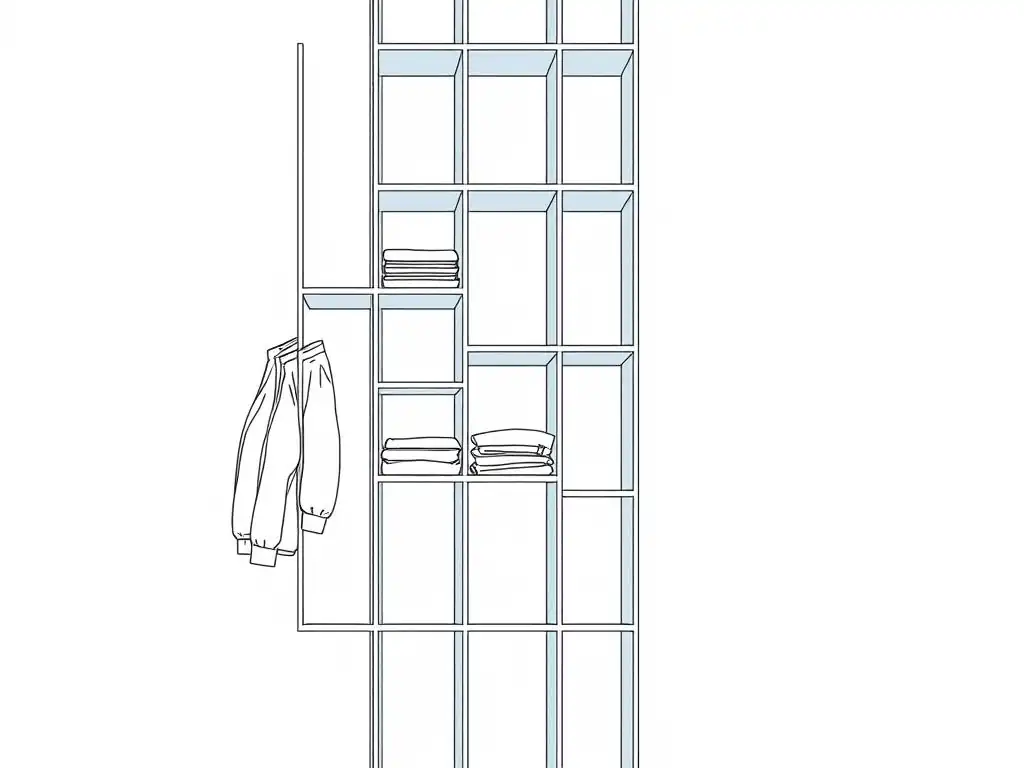
Maximizing space with vertical wall storage offers incredible benefits, but its long-term effectiveness depends on consistent maintenance. A well-maintained system not only preserves its functionality but also enhances its lifespan, ensuring you continue to reap the rewards of your space-saving solution. Neglecting maintenance can lead to clutter, damage, and ultimately, a less efficient system. This section delves into the crucial aspects of keeping your vertical storage setup in top shape.
Regular Cleaning and Organization Tips for Optimal Functionality
Regular cleaning and organization are paramount to maintaining a functional and visually appealing vertical storage system. Dust, dirt, and debris can accumulate quickly, affecting both the aesthetics and the efficiency of your storage. Here’s a practical cleaning schedule and some organization tips:
- Weekly Quick Clean: A quick wipe-down of shelves and surfaces with a damp cloth will prevent dust buildup. This simple task takes only a few minutes but makes a significant difference.
- Monthly Deep Clean: Once a month, dedicate more time to a thorough cleaning. Remove all items, wipe down each shelf and the wall unit itself, vacuum or dust any hard-to-reach areas, and inspect for any signs of damage.
- Seasonal Purge: At least twice a year, conduct a thorough inventory of your stored items. Discard or donate anything you no longer need. This prevents unnecessary clutter and maximizes the storage space's efficiency. Consider using labeled bins to categorize items, making retrieval much easier.
- Strategic Placement: Consider the frequency of item use when placing items on shelves. Frequently used items should be easily accessible, while infrequently used items can be placed higher up.
- Weight Distribution: Evenly distribute the weight of stored items to prevent shelves from sagging or becoming unstable. Heavier items should be placed on lower shelves.
Preventing Damage: Protecting Your Walls and Storage Units
Protecting your investment in vertical wall storage requires proactive measures. Damage to either the wall or the storage units themselves can negate the benefits of the system. Here's how to minimize damage and extend the life of your system:
| Potential Damage Source | Prevention Strategies |
|---|---|
| Excessive Weight | Ensure shelves are rated for the weight capacity; distribute weight evenly. Avoid overloading. |
| Moisture | Use moisture-absorbing packets in storage units, especially in humid environments. |
| Impact Damage | Handle items carefully when placing or removing them. Use protective padding where needed. |
| Wall Damage | Use appropriate wall anchors and ensure they are securely installed. |
| Sun Exposure | Avoid placing units in direct sunlight to prevent fading or warping of materials. |
Remember, preventative maintenance is far more cost-effective than repairs. A little care goes a long way in preserving your vertical storage system.
Repairing and Replacing Components: Maintaining the Integrity of Your System
Despite preventative measures, wear and tear is inevitable. Understanding how to repair or replace components ensures your vertical storage system remains functional and safe.
- Loose Screws/Fasteners: Regularly check all screws and fasteners for tightness. Tighten any loose screws or replace them if necessary. This prevents shelves from becoming unstable.
- Damaged Shelves: If a shelf becomes damaged, consider repairing it if possible (e.g., using wood glue and clamps for minor cracks). If the damage is extensive, replacing the shelf is the best option.
- Broken Anchors: If wall anchors fail, it's crucial to replace them immediately. Use anchors appropriate for your wall type and the weight of the storage unit. This ensures the safety and stability of the entire system.
- Damaged Doors/Drawers: Repair or replace damaged doors or drawers as needed. This maintains the functionality and aesthetic appeal of the system. Consider contacting a professional for significant repairs or replacements if DIY is beyond your skillset.
By addressing minor issues promptly, you prevent small problems from escalating into costly repairs or replacements. Remember to always prioritize safety when working with your vertical storage system. If you are unsure about any repair, it's always best to consult a professional.
Beyond Storage: Enhancing Your Space with Vertical Decor
This section explores how maximizing space with vertical wall storage isn't just about practicality; it's a powerful tool for enhancing the aesthetic appeal of your living space. We'll move beyond the purely functional aspects and delve into how clever vertical storage can become a key element in your interior design strategy. Think of it as a chance to transform empty wall space from a wasted opportunity into a visually engaging and organized environment. Properly implemented vertical storage solutions can significantly impact the overall feeling of spaciousness, even in the smallest apartments.
Decorative Storage Solutions that Double as Art
Forget bland, utilitarian storage units! The modern market offers a wealth of decorative storage solutions that seamlessly blend functionality with artistic flair. Consider these examples:
- Floating shelves with unique designs: Instead of plain wooden shelves, opt for shelves with intricate metalwork, colorful finishes, or even unique shapes. These can showcase your prized possessions while adding a touch of personality to your walls. Think geometric patterns, rustic wood finishes, or even shelves with built-in lighting to highlight your displays. This approach directly addresses the need to maximize space and improve the visual appeal.
- Repurposed items as storage: Get creative! Old ladders can become charming bookcases, vintage suitcases can be mounted on the wall to hold blankets, and even decorative crates can add rustic charm while providing extra storage. This approach encourages creative reuse, minimizing waste and maximizing your space simultaneously. This is a budget-friendly way to maximize space and achieve a unique look.
- Wall-mounted organizers with artistic features: Many wall-mounted organizers are now available in stylish designs, featuring attractive materials and colors. Look for options that incorporate interesting textures or patterns, or that mimic the style of other furniture pieces in your room. This allows for a cohesive and visually pleasing design.
Combining Functionality and Aesthetics: Creating a Stylish and Organized Space
The key to successful vertical storage lies in thoughtful planning and execution. Consider the following strategies to combine functionality and aesthetics:
- Color coordination: Using a consistent color palette for your storage solutions and surrounding décor creates a sense of harmony and visual spaciousness. Matching or complementing colors can make even a large amount of vertical storage feel less overwhelming. This approach leverages color psychology to maximize the perceived space.
- Strategic placement: Don't just randomly hang shelves. Consider the focal points of your room and strategically place your vertical storage to enhance these areas. For example, a shelf above a sofa can display artwork while providing convenient storage for books or remotes. This thoughtful placement directly impacts the overall visual balance of the room.
- Consistent style: Choose storage solutions that complement your overall interior design style. If you have a minimalist aesthetic, opt for sleek, modern shelves. If you prefer a rustic look, choose shelves made of reclaimed wood or metal. This cohesive style enhances the feeling of spaciousness and order.
Integrating Vertical Storage into Your Overall Interior Design
Integrating vertical storage effectively requires a holistic approach. Consider these advanced techniques for seamless integration:
- Built-in solutions: For a truly integrated look, consider built-in shelving or cabinetry. These solutions are custom-designed to fit your specific needs and space, maximizing storage capacity while maintaining a clean and cohesive aesthetic. This offers a high degree of customization to optimize space and design.
- Mirrors and reflective surfaces: Strategically placed mirrors can visually expand the space and enhance the impact of your vertical storage. They reflect light and create the illusion of more depth, making the room feel larger and more open. This is a classic design trick to maximize the perceived space.
- Lighting: Proper lighting is crucial for highlighting your storage solutions and the items within them. Consider using accent lighting to draw attention to your shelves and showcase your décor. This adds a layer of sophistication and emphasizes the decorative aspect of your storage. This technique is vital for showcasing the items stored and enhancing the visual appeal.
The effective use of "maximize space vertical wall storage" solutions transforms your home from a cluttered space into a stylish and functional haven. Remember, it's not just about storing your belongings; it's about enhancing your living environment.
Frequently Asked Questions
What is vertical wall storage?
Vertical wall storage refers to using your walls to maximize storage space instead of relying solely on floor space. This includes shelves, hooks, and other wall-mounted units to store items of all sizes. It's a great way to de-clutter and improve the look of your home.
How can I maximize space with vertical wall storage?
You can maximize space by carefully planning your storage solutions. Consider the items you need to store, their sizes, and the available wall space. Choose multi-functional units and utilize every inch of vertical space.
What types of vertical storage are best for small spaces?
For small spaces, consider slim shelves, floating shelves, and fold-down wall tables. These options provide ample storage without overwhelming the room. Utilize corners effectively with corner shelves.
Is vertical wall storage suitable for all types of homes?
Yes, vertical wall storage is adaptable to various home styles and sizes. From apartments to large houses, it can enhance storage in any room—bedrooms, kitchens, bathrooms, and more. The key is to choose storage solutions that fit your style and needs.
Where can I find more ideas for maximizing space with vertical wall storage?
You can find more ideas on websites like UltimateLifeHacks, which offers practical life hacks and productivity tips to help you optimize your daily routines and save space. Explore blogs, magazines, and home improvement stores for additional inspiration.
Final Reflection: Unlocking Space: The Transformative Power of Vertical Storage
The efficient use of vertical space isn't just a design trend; it's a crucial element in creating functional and comfortable living spaces in our increasingly crowded world. In a time when square footage is often a luxury, maximizing every inch becomes not just desirable, but essential for a life free from clutter and overflowing with possibilities.
The impact of thoughtful vertical storage extends far beyond simple organization; it influences our overall sense of well-being. A clutter-free environment fosters a clearer mind, allowing us to focus on what truly matters. As Marie Kondo wisely stated, Tidying is just a tool, not the ultimate goal. The goal is to live a more fulfilling life.
By embracing vertical storage solutions, we actively participate in creating a space that supports this goal, fostering a sense of calm and control amidst the chaos of modern life.
Now, consider your own living space. What corners are currently underutilized? What small changes could dramatically improve your functionality and peace of mind? Take a moment to visualize the transformation – the newfound space, the sense of order, the quiet satisfaction of a well-organized home. Embrace the power of vertical storage, and unlock the potential hidden within your walls. Begin your journey towards a more organized and fulfilling life today.
Unlock Your Space: Maximize Vertical Storage Today!
Thank you for exploring the world of vertical storage with us! We hope you've gained valuable insights into transforming your living space. Ready to put these ideas into action?
- Start your vertical storage makeover: Begin by identifying a single area in your home—a closet, a hallway, or even an underutilized corner—and brainstorm practical vertical storage solutions. Sketch out your ideas before purchasing any materials!
- Share your storage solutions: Share your progress by snapping a photo and posting it on social media using #UltimateLifeHacksStorage. Let's inspire each other!
- Explore more space-saving ideas: Visit our website's archives for additional clever ideas designed to maximize your home's potential.
Ready to unleash the hidden storage potential in your home? Which area will you tackle first?