
Kids and Zero Waste: Persuasive Strategies for Raising EcoConscious Children

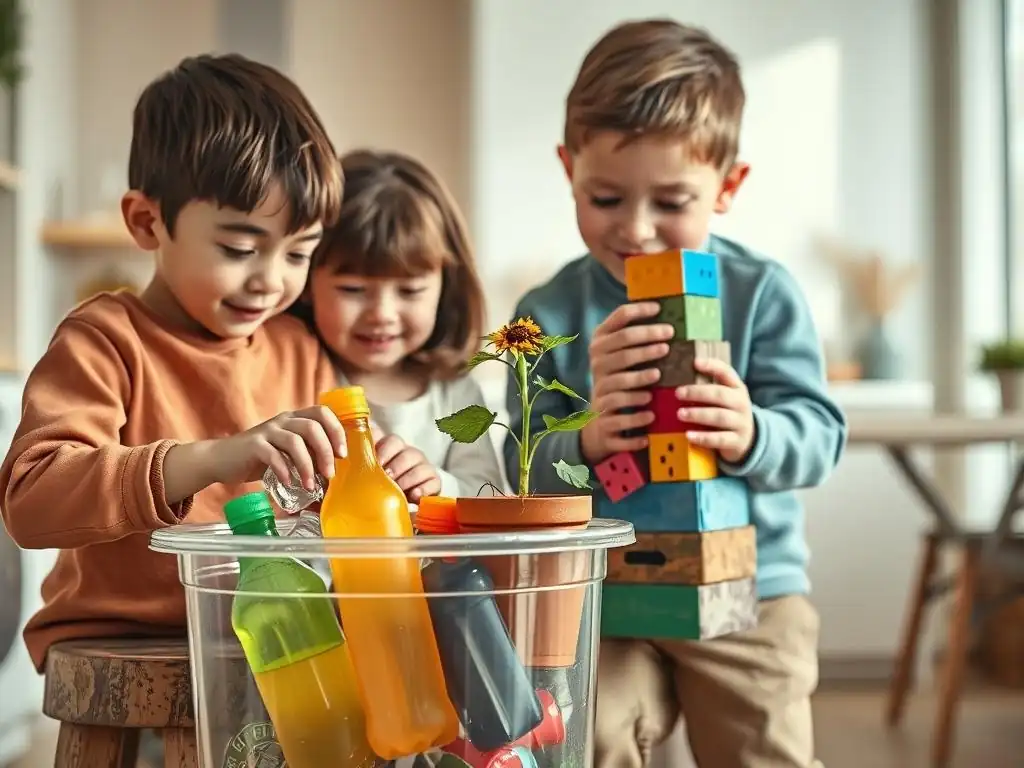
Ready to transform your family's routine and make a positive impact on the planet? At UltimateLifeHacks, we're dedicated to sharing practical strategies for a more efficient and fulfilling life. Discover our latest guide on Ecofriendly kids habits, packed with persuasive techniques to raise environmentally conscious children and build a sustainable future, one small step at a time. Dive in and unlock the secrets to effortless eco-living for the whole family!
- Introducing Ecofriendly Kids Habits: A Practical Guide
- Inculcating Eco-Conscious Habits: Practical Strategies for Parents
- Zero Waste Lifestyle for Kids: Practical Tips and Tricks
- Overcoming Challenges: Common Obstacles and Solutions
- Resources for Eco-Friendly Families: Books, Websites, and Organizations
- Sustaining Eco-Conscious Habits: Long-Term Strategies for Success
-
Frequently Asked Questions
- How can I teach my kids about zero-waste living?
- What are some fun, engaging activities to teach kids about environmental responsibility?
- My kids are picky eaters. How can I incorporate sustainable food choices into their diet?
- How can I reduce my child's environmental footprint without making it feel like a chore?
- What are some simple eco-friendly swaps I can make for kids' products?
- Final Reflection: Cultivating a Legacy of Sustainability
- Unleash Your Child's Eco-Warrior: Start Your Zero-Waste Journey Today!
Introducing Ecofriendly Kids Habits: A Practical Guide
Raising environmentally conscious children is no longer a niche pursuit; it's a crucial step towards a sustainable future. This comprehensive guide, designed to empower parents and caregivers, explores persuasive strategies for instilling eco-friendly habits in children of all ages. We'll move beyond simple recycling and delve into practical, engaging methods to cultivate a deep understanding of zero-waste principles and their positive impact on the planet.
This isn't about imposing restrictions; it's about fostering a generation that actively participates in environmental stewardship, understanding the long-term benefits for themselves and the world around them. We'll equip you with the tools and techniques to make eco-consciousness a natural part of your family's daily life, transforming challenges into opportunities for growth and positive change. This "Ecofriendly kids habits guide" will offer actionable steps to integrate sustainable practices into your family routine, effectively reducing your environmental footprint and shaping responsible citizens for tomorrow.
Why Teach Children Zero Waste Practices? Long-Term Benefits and Family Impact
Teaching children about zero-waste practices offers profound long-term benefits, extending far beyond simply reducing household waste. Early exposure to these concepts fosters a sense of responsibility towards the environment, cultivating a lifelong commitment to sustainability. This translates to informed consumer choices, reduced environmental impact, and a greater appreciation for the interconnectedness of our actions and their consequences.
Furthermore, incorporating zero-waste practices into family life strengthens family bonds through shared experiences and collaborative efforts. Family projects, such as composting or creating reusable alternatives, provide opportunities for bonding and learning, building valuable life skills and fostering a sense of collective responsibility. The positive impact extends beyond the family unit, influencing the broader community and contributing to a more sustainable future for generations to come.
Studies show that children who are exposed to environmental education from a young age are more likely to adopt sustainable lifestyles as adults, contributing to a significant reduction in overall environmental impact. Moreover, incorporating these practices into daily routines can lead to cost savings in the long run, highlighting the economic benefits alongside the environmental advantages. The benefits are multifaceted, encompassing environmental responsibility, family cohesion, and even financial prudence.
The Age Factor: Adapting Zero Waste Strategies for Different Age Groups
The approach to teaching zero-waste practices must be tailored to a child's developmental stage. What works for a toddler won't necessarily resonate with a teenager. For toddlers (ages 1-3), the focus should be on simple, hands-on activities like sorting recyclables into designated bins, using reusable snack containers, and minimizing single-use plastics. Positive reinforcement and playful engagement are key at this age.
Preschoolers (ages 3-5) can participate in age-appropriate gardening activities, learning about composting and the lifecycle of plants. They can also be involved in simple craft projects using recycled materials, fostering creativity and reducing waste simultaneously. For elementary school children (ages 6-12), introducing more complex concepts like reducing consumption, repairing items instead of replacing them, and choosing eco-friendly products becomes possible. Involving them in decision-making processes regarding household purchases and encouraging them to participate in community clean-up initiatives can further strengthen their commitment to sustainability.
Teenagers (ages 13-18) can take on more responsibility, such as researching sustainable brands, advocating for eco-friendly policies in school, and even starting their own small-scale zero-waste initiatives. This age group benefits from engaging in discussions about the broader societal implications of environmental issues and empowering them to make informed choices. Adapting your strategies to match their developmental stage ensures effectiveness and fosters a genuine, long-lasting commitment to eco-friendly living. The key is to make it fun, engaging, and age-appropriate, turning learning into a positive and rewarding experience.
Inculcating Eco-Conscious Habits: Practical Strategies for Parents
This section delves into practical, actionable steps parents can take to instill eco-friendly habits in their children. Raising environmentally conscious kids isn't about lecturing; it's about creating a supportive and engaging environment where sustainability becomes second nature. We'll explore effective strategies, focusing on making eco-consciousness a fun and rewarding experience, rather than a chore. This guide will help you cultivate an Ecofriendly kids habits guide that works for your family.
Lead by Example: Modeling Sustainable Behavior at Home
Children are incredibly observant. They learn far more from what they see you do than what you tell them. Therefore, the most impactful step towards raising eco-conscious children is to model sustainable behavior yourself. This means actively demonstrating waste reduction practices in your daily life.
Consider these examples:
- Reduce, Reuse, Recycle: Make it a visible family ritual. Sort recyclables together, compost food scraps, and visibly reuse containers whenever possible. Explain the process to your children, highlighting the positive impact of each action. For instance, show them how much less trash goes to the landfill when you recycle.
- Conscious Consumption: Avoid impulse purchases and encourage mindful shopping. Before buying something new, discuss whether you truly need it or if you can find a used alternative. Involve your children in this decision-making process to teach them about responsible consumption.
- Energy Conservation: Turn off lights when leaving a room, unplug electronics not in use, and limit water usage. Make these actions a family habit, and explain the reasons behind them, linking energy conservation to environmental protection. Track your energy usage to show the impact of these small changes.
- Sustainable Transportation: Prioritize walking, cycling, or using public transport whenever feasible. Explain the benefits of reducing your carbon footprint through sustainable transportation choices. This also promotes a healthy lifestyle!
Making it Fun: Engaging Activities to Teach Kids About Waste Reduction
Learning about environmental responsibility shouldn't feel like a lecture. Transforming the experience into fun, engaging activities is key to fostering lasting eco-conscious habits.
Here are some ideas:
- DIY Projects with Recycled Materials: Turn old cardboard boxes into castles, plastic bottles into planters, or t-shirts into reusable shopping bags. These creative activities not only teach kids about waste reduction but also stimulate their imagination and creativity. The possibilities are endless!
- Nature Walks and Clean-Ups: Organize family outings to local parks or nature reserves, combining fun with environmental action. Pick up litter along the way, teaching children about the importance of keeping our environment clean. This practical experience makes a significant impact.
- Composting Adventures: Turn composting into a science experiment. Observe the decomposition process, discuss the role of microorganisms, and learn about the benefits of nutrient-rich compost for plants. Make it a shared family responsibility.
- Educational Games and Books: There are many age-appropriate games and books that teach children about environmental issues and sustainable practices in a fun and engaging way. These resources can supplement your teaching efforts, reinforcing key concepts.
Gamification and Rewards: Motivating Children to Adopt Eco-Friendly Habits
Positive reinforcement is a powerful motivator, especially for children. Gamifying eco-friendly behaviors and incorporating reward systems can significantly enhance their adoption of sustainable practices.
Consider these strategies:
- Reward Charts: Create a chart to track progress towards specific eco-friendly goals, such as reducing water usage or recycling consistently. Award small prizes or privileges upon reaching milestones. This visual representation of progress boosts motivation.
- Family Challenges: Organize friendly competitions within the family, rewarding the most eco-conscious member with a small treat or special privilege. This adds an element of fun and friendly competition.
- Eco-Friendly Allowance: Tie a portion of their allowance to completing eco-friendly tasks, such as sorting recyclables or helping with composting. This connects responsibility with reward in a tangible way.
- Celebrate Successes: Acknowledge and celebrate every achievement, no matter how small. This positive reinforcement strengthens their commitment to eco-friendly habits. Make it a family affair!
Remember, consistency is key. By consistently modeling sustainable behaviors, making learning fun, and providing positive reinforcement, you can effectively instill eco-conscious habits in your children, fostering a generation that cares deeply about our planet. This comprehensive Ecofriendly kids habits guide provides a solid foundation for raising environmentally responsible children.
Zero Waste Lifestyle for Kids: Practical Tips and Tricks
This section dives deep into actionable strategies for integrating zero-waste principles into your children's lives, fostering eco-conscious habits from a young age. We'll move beyond simple concepts and explore practical applications that make a real difference. Remember, consistency is key – small, regular actions add up to significant environmental impact. This guide focuses on building ecofriendly kids habits, making sustainability a natural part of their routine.
Reducing Food Waste: Creative Meal Planning and Portion Control
Food waste is a significant contributor to environmental problems. Teaching children about mindful eating and reducing food waste starts with smart planning and portion control. Instead of large, overflowing plates, encourage smaller portions and offer seconds only if needed. This reduces both waste and the likelihood of picky eating.
Here are some practical tips:
- Plan your meals: A weekly meal plan, involving your children in the process, helps avoid impulse purchases and reduces the chance of food spoiling. Involve them in choosing recipes and creating a shopping list together – this boosts their engagement and ownership.
- Utilize leftovers creatively: Transform leftover chicken into soup, or turn stale bread into croutons. Get your kids involved in the creative process of repurposing leftovers; it’s a fun way to teach resourcefulness.
- Compost food scraps: Start a compost bin together – even a small one on a balcony works! This teaches children where food waste goes and its transformation into valuable soil. Make it a fun activity – they can help collect scraps and turn the compost.
- Embrace imperfect produce: Often, perfectly good fruits and vegetables are discarded due to minor cosmetic flaws. Choose “ugly” produce – it tastes just as good and costs less! This teaches children to look beyond appearances.
- Store food properly: Teach children how to properly store food to extend its shelf life. This includes understanding expiration dates and using FIFO (First In, First Out) principles. A fridge organization system, with kids' help, can make this a fun habit.
Minimizing Packaging: Smart Shopping Habits and Reusable Alternatives
Minimizing packaging is crucial for a zero-waste lifestyle. This requires a shift in shopping habits, moving away from single-use plastics and embracing reusable alternatives. Teaching your children about packaging awareness will equip them with lifelong skills to make sustainable choices.
Here's how to minimize packaging with kids:
- Shop at bulk stores: Bulk stores allow you to buy only the amount you need, reducing packaging waste significantly. Make it a family outing, involving your children in choosing products and measuring quantities.
- Use reusable bags and containers: Always carry reusable shopping bags and containers for groceries and snacks. Make it a game to remember them – stickers or fun designs can encourage their use.
- Buy products with minimal packaging: Choose products with minimal or recyclable packaging whenever possible. Read labels carefully and compare packaging options. Involve your kids in this process to help them understand the difference.
- Make your own snacks: Instead of buying pre-packaged snacks, make your own at home using reusable containers. This is not only healthier but also significantly reduces packaging waste. Children can participate in the preparation, increasing their engagement.
- Avoid individually wrapped items: Opt for larger packages or items sold in bulk to reduce the number of individual wrappers. This is a simple yet effective way to make a big difference.
Recycling and Composting: Making it a Family Affair
Recycling and composting are fundamental to a zero-waste lifestyle. Making it a family affair fosters teamwork and shared responsibility. Children learn about the importance of waste management and the circular economy.
Here's how to make it a family activity:
- Establish clear recycling rules: Designate specific bins for different recyclable materials (paper, plastic, glass, metal). Create colorful labels with pictures to make it easy for children to understand.
- Learn about local recycling programs: Research your local recycling guidelines and ensure everyone understands what's recyclable in your area. Make it a family project to learn about the local recycling center.
- Make composting fun: Turn composting into a science experiment. Observe the decomposition process and learn about the benefits of compost for plants. Children can even help create a compost tea for the garden.
- Organize regular recycling and composting sessions: Schedule regular times to empty recycling bins and add to the compost pile. Make it a routine, just like brushing teeth or tidying up toys.
- Reward system for participation: A simple reward system can encourage consistent participation in recycling and composting. Small rewards, like extra screen time or a family outing, can be powerful motivators. This fosters positive reinforcement around ecofriendly kids habits.
This comprehensive guide offers practical steps to integrating zero-waste practices into your family’s life, promoting sustainable living from a young age. By consistently applying these tips, you're not just reducing waste; you're cultivating responsible citizens and a healthier planet. ♻️
Sustainable Toys and Play: Choosing Durable and Eco-Friendly Options
Raising eco-conscious children often starts with mindful toy selection. Opting for durable, eco-friendly toys significantly reduces waste and minimizes the environmental impact associated with constant toy replacements. This conscious consumerism teaches children valuable lessons about resource management and responsible consumption from a young age. But how do you navigate the vast toy market and make informed choices?
One key strategy is to prioritize toys made from sustainable materials. Look for toys crafted from bamboo, organic cotton, recycled plastics, or sustainably harvested wood. These materials have a lower environmental footprint compared to plastic toys derived from petroleum. Consider the toy's construction – well-made, sturdy toys are less likely to break, extending their lifespan and reducing the need for replacements. Toys with simple designs, often featuring fewer parts, are usually more durable and easier to repair. This also encourages creativity as children can often use their imagination to extend the play possibilities.
Another effective approach is to encourage imaginative play with readily available materials. Cardboard boxes become rocketships, blankets transform into forts, and sticks become magical wands. This type of play fosters creativity, problem-solving skills, and a deeper appreciation for the resources around us. It's a fantastic way to minimize waste and reduce reliance on store-bought toys.
Furthermore, repurposing old items as toys teaches resourcefulness and reduces consumption. Old socks can become puppets, plastic bottles can be turned into quirky planters, and fabric scraps can become imaginative costumes. These activities not only entertain but also subtly teach children about the value of repurposing and reducing waste.
Remember to consider the toy's packaging. Look for toys with minimal packaging or packaging made from recycled and recyclable materials. Avoid excessive plastic wrapping, opting instead for toys with paper or cardboard packaging. This simple choice contributes significantly to reducing plastic waste, a crucial aspect of eco-friendly living. Finally, consider the toy's longevity.
Will it provide years of enjoyment? Does it encourage open-ended play, allowing for multiple uses and adaptations? These considerations ensure that your investment in sustainable toys is a long-term, environmentally responsible decision. By making conscious choices, you not only reduce your family's environmental impact but also model sustainable practices for your children, shaping their habits and values for a more eco-conscious future.
Overcoming Challenges: Common Obstacles and Solutions
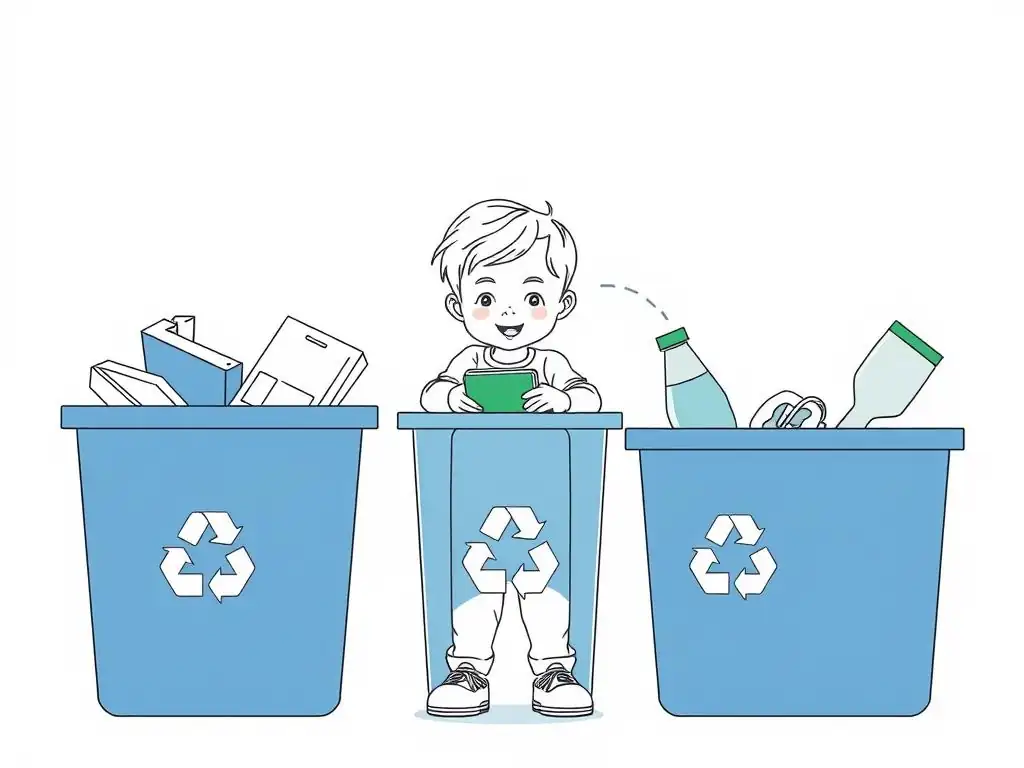
Raising eco-conscious children isn't always a smooth journey. Parents often encounter obstacles that can derail even the most well-intentioned efforts. Understanding these challenges and having proactive solutions in place is key to success in fostering sustainable habits in your kids. This section provides practical strategies to navigate these common hurdles and maintain momentum on your zero-waste parenting journey. This guide will help you cultivate environmentally friendly kids habits.
Dealing with Resistance: Strategies for Encouraging Participation
Children, especially younger ones, may resist changes to their routines. Introducing new eco-friendly practices can feel like an imposition, leading to pushback and frustration. The key is to make the transition engaging and fun, not a chore. Instead of dictating changes, involve your children in the process.
For example, let them help you sort recyclables, compost food scraps, or choose reusable containers for lunches. Turning these tasks into games can significantly increase their participation and understanding. Consider creating a reward system, not necessarily with material prizes, but with privileges like extra screen time or a special outing. Positive reinforcement and consistent encouragement are more effective than punishment.
Remember, patience is crucial; building sustainable habits takes time and consistent effort. Positive framing is key – instead of saying "Don't waste paper," try "Let's use both sides of this paper!" This subtle shift in language can make a big difference.
Another effective strategy is leading by example. Children are highly observant and learn through imitation. If they see you consistently practicing eco-friendly habits, they are more likely to adopt them themselves. This includes reducing your own waste, making conscious purchasing decisions, and actively participating in recycling and composting programs. In short, be the role model you want your children to emulate.
Finally, consider age-appropriate explanations. Younger children may respond better to simple, visual explanations, while older children can grasp more complex concepts about environmental impact. Tailoring your approach to their developmental stage will enhance their understanding and cooperation.
Balancing Convenience and Sustainability: Finding Practical Solutions
One of the most significant challenges in adopting zero-waste practices is the perceived inconvenience. Many parents worry that eco-friendly choices will add significant time and effort to their already busy lives. However, with careful planning and the right tools, it's possible to achieve a balance between convenience and sustainability.
This involves finding practical solutions to everyday challenges. For instance, instead of relying on single-use plastic bags, invest in reusable shopping bags that can be kept readily accessible in your car. Similarly, having a set of reusable water bottles and food containers readily available can minimize the need for disposable alternatives. Preparing lunches and snacks in advance can prevent impulsive purchases of individually packaged items.
Investing in durable, high-quality products, even if they are slightly more expensive upfront, can save money and reduce waste in the long run. This applies to everything from clothing and toys to kitchenware and cleaning supplies. Choosing products with minimal packaging, or those made from recycled materials, is also crucial. Consider a family-wide commitment to repairing items instead of immediately replacing them. This teaches valuable skills and reduces waste.
Planning ahead is key to minimizing waste. This includes creating shopping lists to avoid impulse purchases, preparing meals in advance to reduce food waste, and choosing reusable alternatives for everyday items. It's about incorporating sustainable choices into your routine, making them second nature, rather than an afterthought. Remember, small changes can make a big difference, and the long-term benefits of raising eco-conscious children far outweigh any perceived inconvenience. This ecofriendly kids habits guide is designed to help you navigate these challenges effectively.
Resources for Eco-Friendly Families: Books, Websites, and Organizations
This section provides a curated list of resources to help parents on their journey towards raising eco-conscious children. We've compiled a selection of children's books that promote environmental awareness, along with helpful websites and organizations offering support and guidance. These resources offer valuable tools and information to bolster your family's eco-friendly practices and solidify your commitment to a sustainable lifestyle. Remember, educating children about environmental responsibility is a crucial step in fostering long-term, positive change. This guide provides a starting point for building those crucial ecofriendly kids habits.
Recommended Children's Books on Environmentalism
Instilling eco-conscious values in children starts early, and what better way than through engaging storytelling? These books offer age-appropriate narratives that teach children about environmental issues in a fun and accessible manner. They are excellent tools to spark conversations and encourage active participation in environmental protection. Choosing the right book can significantly influence a child's understanding and appreciation for nature.
Here are some examples, categorized by age range:
Ages 3-5:
- The Lorax by Dr. Seuss: A classic tale highlighting the importance of environmental conservation and the consequences of deforestation. This story cleverly uses whimsical characters to convey a serious message.
- Miss Rumphius by Barbara Cooney: This heartwarming story emphasizes the beauty of nature and the responsibility we have to care for it. It subtly introduces the concept of leaving a positive impact on the world.
Ages 6-8:
- The Giving Tree by Shel Silverstein: Although not explicitly about environmentalism, this book explores themes of generosity and the interconnectedness of nature and humanity, prompting valuable discussions about resource management.
- We Are Water Protectors by Carole Lindstrom: This vibrantly illustrated book powerfully addresses the importance of protecting water resources and standing up for environmental justice.
Ages 9-12:
- Island of the Blue Dolphins by Scott O'Dell: This historical fiction novel subtly highlights the delicate balance of nature and the impact of human actions on the environment. It fosters empathy and understanding of different ecosystems.
- The One and Only Ivan by Katherine Applegate: While primarily focused on animal welfare, this book promotes awareness of ethical treatment of animals and indirectly addresses broader environmental issues.
Choosing books that resonate with your child's interests and reading level is key. Remember, reading together provides an opportunity to discuss the themes and encourage further exploration of environmental topics. This shared experience strengthens family bonds while fostering ecofriendly kids habits.
Useful Websites and Online Resources for Parents
Beyond books, numerous online resources offer practical tips, educational materials, and community support for eco-conscious families. These websites provide valuable information, empowering parents to make informed decisions and integrate sustainable practices into their daily lives. These resources are essential for navigating the complexities of eco-friendly living and building a strong foundation for ecofriendly kids habits.
Here are some examples categorized by their focus:
Educational Resources:
- Websites focused on sustainable living for families: These sites typically offer practical tips, DIY projects, and resources for reducing waste, conserving energy, and making eco-friendly choices in various aspects of family life. They often include age-appropriate activities for children.
- Environmental organizations with family programs: Many large environmental organizations offer educational materials, workshops, and family-friendly events designed to engage children in environmental stewardship. These often include information on local initiatives and volunteer opportunities.
Practical Guides and Tools:
- Websites and apps for tracking and reducing waste: These tools help families monitor their consumption, identify areas for improvement, and set goals for reducing their environmental footprint. Many offer personalized recommendations and progress tracking.
- Online communities and forums: Connecting with other eco-conscious families provides support, inspiration, and the opportunity to share experiences and learn from one another. These communities often offer valuable advice and resources.
By utilizing these resources, parents can effectively guide their children toward a more sustainable lifestyle. Remember, consistent effort and engagement are crucial in cultivating ecofriendly kids habits and creating a positive environmental impact. Building this foundation early is an invaluable gift for future generations.
Sustaining Eco-Conscious Habits: Long-Term Strategies for Success
Raising eco-conscious children isn't a sprint; it's a marathon. Initial enthusiasm can wane without consistent reinforcement and adaptation. The key to long-term success lies in building sustainable habits that integrate seamlessly into your family's lifestyle, rather than feeling like an added burden. This section focuses on strategies to ensure your eco-friendly efforts endure, fostering a genuine commitment to environmental responsibility in your children.
Building a Community: Connecting with Other Eco-Friendly Families
Finding your tribe is crucial. Connecting with other families who share your values creates a supportive network and provides opportunities for shared learning and encouragement. This isn't just about swapping tips on reusable lunchboxes; it's about building a collective commitment to sustainability. Consider these avenues:
- Local Eco-Groups: Search online for local groups focused on environmental initiatives, family-friendly activities, or zero-waste living. Many communities have active Facebook groups or meetups dedicated to sustainable practices. These groups often organize events like clothing swaps, workshops on composting, or even community cleanups – fantastic opportunities to engage your children.
- School Involvement: Partner with your child's school to implement eco-friendly initiatives. This could involve starting a recycling program, organizing a school garden, or participating in environmental awareness campaigns. Your involvement models proactive behavior, demonstrating that environmental responsibility is a shared community effort.
- Online Forums and Communities: Online platforms offer a wealth of resources and connections. Engage in discussions, share your successes and challenges, and learn from the experiences of other parents navigating similar journeys. This virtual community can provide valuable support and inspiration, especially when facing hurdles.
The power of collective action is undeniable. By connecting with like-minded families, you create a reinforcing loop of eco-conscious behavior, making sustainability a shared norm rather than an individual struggle. This collaborative approach fosters a sense of belonging and shared purpose, significantly increasing the likelihood of long-term success. The sense of community also provides invaluable emotional support, making the journey less daunting.
Review and Adapt: Regularly Assessing and Adjusting Your Approach
Consistency is key, but rigidity is the enemy of progress. Regularly reviewing and adapting your eco-friendly strategies is essential for maintaining momentum and addressing inevitable challenges. A rigid approach can lead to burnout and resentment, ultimately undermining your efforts. Instead, embrace flexibility and a growth mindset.
- Quarterly Check-ins: Schedule quarterly family meetings to discuss your progress. Celebrate successes, acknowledge challenges, and brainstorm solutions together. This participatory approach empowers children and fosters a sense of ownership. Use this time to analyze your waste output – are there areas where you can improve? Are certain strategies proving ineffective? Open communication is paramount.
- Data Tracking: Consider tracking your family's waste reduction efforts. This doesn't have to be overly complicated. A simple notebook or spreadsheet documenting your recycling, composting, and reusable item usage can provide valuable insights. Visualizing your progress can be incredibly motivating.
- Embrace Imperfection: Setbacks are inevitable. Don't let occasional slips derail your entire plan. Learn from mistakes, adjust your approach, and emphasize continuous improvement rather than striving for unattainable perfection. This fosters resilience and prevents discouragement. Remember, the goal is progress, not perfection. The journey towards an eco-friendly lifestyle is ongoing, and flexibility is vital. The most important aspect is to continue to strive towards a more sustainable future.
Frequently Asked Questions
How can I teach my kids about zero-waste living?
Start small! Focus on reducing single-use plastics like straws and bags. Introduce reusable containers for lunches and snacks. Gradually build upon these simple changes.
What are some fun, engaging activities to teach kids about environmental responsibility?
Organize a family recycling game, plant a garden together, or participate in a local cleanup event. Make it interactive and enjoyable!
My kids are picky eaters. How can I incorporate sustainable food choices into their diet?
Focus on seasonal fruits and vegetables from local farmers' markets. Involve them in the process of preparing meals. Introduce new foods gradually and creatively.
How can I reduce my child's environmental footprint without making it feel like a chore?
Frame eco-friendly habits as adventures and challenges. Reward their efforts with praise and positive reinforcement, not punishment. Make it a family effort!
What are some simple eco-friendly swaps I can make for kids' products?
Choose reusable cloth diapers instead of disposables, opt for bamboo or organic cotton clothing, and select wooden toys over plastic ones. Consider buying secondhand items whenever possible.
Final Reflection: Cultivating a Legacy of Sustainability
The urgent need to address climate change necessitates a shift in our collective mindset, and that shift begins with our children. Raising environmentally conscious kids isn't just a trend; it's a crucial step towards securing a healthier planet for future generations. The strategies outlined in this guide—from mindful consumption to creative reuse—are not merely suggestions, but essential tools for building a sustainable future.
The journey towards zero-waste living with children is rarely linear; it's a process of learning, adapting, and celebrating small victories. It's about fostering a deep appreciation for the natural world and instilling a sense of responsibility towards its preservation. This resonates deeply with me, as I've witnessed firsthand the transformative power of even small changes in our family's lifestyle. The best time to plant a tree was 20 years ago. The second best time is today.
This quote perfectly encapsulates the urgency and the enduring impact of our actions, no matter how small they may seem.
You, the reader, now hold the power to shape the future. Consider the habits you've learned and the strategies you've discovered within this guide. Don't be discouraged by challenges; embrace the journey of learning and growing alongside your children. Start small, be consistent, and remember that every conscious choice you make, every eco-friendly habit you instill, contributes to a larger movement towards a more sustainable world. Let's empower our children to become the stewards of a healthier planet, together.
Unleash Your Child's Eco-Warrior: Start Your Zero-Waste Journey Today!
Thank you for exploring practical ways to raise environmentally conscious children! You've learned valuable strategies for creating a more sustainable future, starting at home. Now let's put that knowledge into action.
Here's how you can begin making a difference:
- Start with one small change this week: Choose a single zero-waste tip from this article to incorporate into your family's routine. This could involve packing reusable lunch containers, refusing single-use plastics, or even starting a family compost bin. Small steps truly do lead to significant change!
- Share your experiences: Connect with other eco-conscious parents in our comments section and share your successes and challenges. What's been your easiest win? What's been your biggest hurdle? Sharing your journey will inspire others!
- Try a "No-Buy" Day: Take time to reflect on your needs versus habitual purchases. Begin with a single day of intentional non-consumption and see where it leads.
What simple change will you make this week to integrate zero-waste principles into your family life?