
Secret Energy Saving Hacks That Utility Companies Don't Want You to Know

Ready to unlock a world of hidden efficiency and dramatically reduce your energy bills? At UltimateLifeHacks, we're dedicated to helping you simplify your life and boost your productivity. Discover the secrets to effortlessly saving energy at home with our groundbreaking article on " Save energy secretly at home," revealing surprising techniques the utility companies may not want you to know. Dive in and uncover the easy-to-implement strategies that will transform your home and your wallet!
- Unveiling Hidden Ways to Save Energy Secretly at Home
- Lower Your Energy Bills with Simple Home Upgrades
- Secret Hacks for Water Heating Efficiency: Saving Energy and Money
- Harnessing Natural Light and Ventilation: Free Energy Savings
- Hidden Energy Drains and How to Eliminate Them
- Long-Term Energy Saving Strategies for Your Home
- Frequently Asked Questions
- Final Reflection: Unveiling the Power of Secret Energy Savings
- Unlock Your Energy Savings Potential Now!
Saving money on your energy bill doesn't have to involve drastic lifestyle changes or expensive renovations. Many simple, often overlooked, techniques can significantly reduce your energy consumption without impacting your comfort or convenience. This article unveils several “secret” energy-saving hacks that utility companies might not want you to know—proven strategies to subtly decrease your energy footprint and save money. We'll explore practical, actionable steps you can take immediately to optimize your home's energy efficiency, focusing on techniques that quietly contribute to substantial savings over time.
These aren't just fleeting tips; they're sustainable practices that will benefit both your wallet and the environment. Get ready to discover how small changes can lead to big results in your quest to save energy secretly at home. 🤫
Reduce Phantom Load: Unplug Electronics and Appliances
Many electronic devices and appliances continue to draw power even when turned off – this is known as "phantom load" or "standby power." This seemingly insignificant drain adds up considerably over time, contributing to a higher energy bill. The cumulative effect of leaving chargers, TVs, game consoles, and other electronics plugged in, even when not in use, can be substantial. Consider these actions to significantly reduce your phantom load:
- Unplug infrequently used devices: Instead of leaving chargers plugged in all day, unplug them when not actively charging. This simple act can save a surprising amount of energy.
- Use power strips: Group multiple devices together on a single power strip and switch it off when not in use. This allows you to easily cut power to several devices simultaneously.
- Invest in smart power strips: These advanced power strips monitor energy consumption and automatically cut power to devices when not needed, optimizing energy savings even further.
- Check for blinking lights: Many devices have small indicator lights that consume energy even when the device is off. If possible, cover these lights or unplug the devices entirely.
Did you know that the average household loses approximately [specific data pending] kWh per year due to phantom load? That translates to a significant amount of wasted energy and money! By implementing these simple strategies, you can drastically reduce this hidden energy drain.
Optimize Your Refrigerator's Energy Consumption: Strategic Placement and Maintenance
Your refrigerator is one of the most energy-hungry appliances in your home. However, with a few smart strategies, you can significantly reduce its energy consumption and save money.
- Strategic placement: Avoid placing your refrigerator near heat sources like ovens or direct sunlight. Heat causes the refrigerator to work harder to maintain its internal temperature, leading to increased energy use. Optimal placement is a cool, well-ventilated area.
- Regular cleaning: Dust and debris accumulated on the refrigerator coils hinder efficient heat dissipation, forcing the compressor to work overtime. Cleaning the coils regularly (at least twice a year) improves efficiency.
- Proper door sealing: Ensure your refrigerator door seals are airtight. A poorly sealed door allows cold air to escape, leading to increased energy consumption as the refrigerator compensates. Regularly check for any gaps or damage.
- Avoid overpacking: Overpacking the refrigerator restricts airflow, making it work harder to maintain a consistent temperature. Maintain sufficient space between items for optimal cooling.
By optimizing your refrigerator's placement and performing regular maintenance, you can achieve substantial energy savings without compromising its functionality. This is a simple yet highly effective method to secretly save energy at home.
Master the Art of Smart Appliance Usage: Timing is Key for Energy Savings
The timing of appliance use can significantly impact your energy consumption. By strategically scheduling your energy-intensive tasks, you can reduce your overall energy footprint.
- Run appliances during off-peak hours: Check with your utility company to identify off-peak hours (typically overnight or early mornings) when electricity rates are lower. Schedule energy-intensive tasks, such as laundry and dishwashing, during these periods.
- Air dry clothes: Instead of using a dryer, air-dry clothes whenever possible. This significantly reduces energy consumption and is a more environmentally friendly option.
- Use energy-efficient settings: Many appliances have energy-saving settings. Utilize these settings whenever possible to minimize energy consumption without sacrificing performance.
- Wash full loads: Avoid running laundry and dishwashers with half-empty loads. Wait until you have a full load to maximize efficiency and minimize energy waste.
By mastering the art of smart appliance usage and timing, you can subtly reduce your energy consumption and make a meaningful contribution to energy conservation. Remember, every small step counts towards a greener and more cost-effective home. 🎉
Lower Your Energy Bills with Simple Home Upgrades
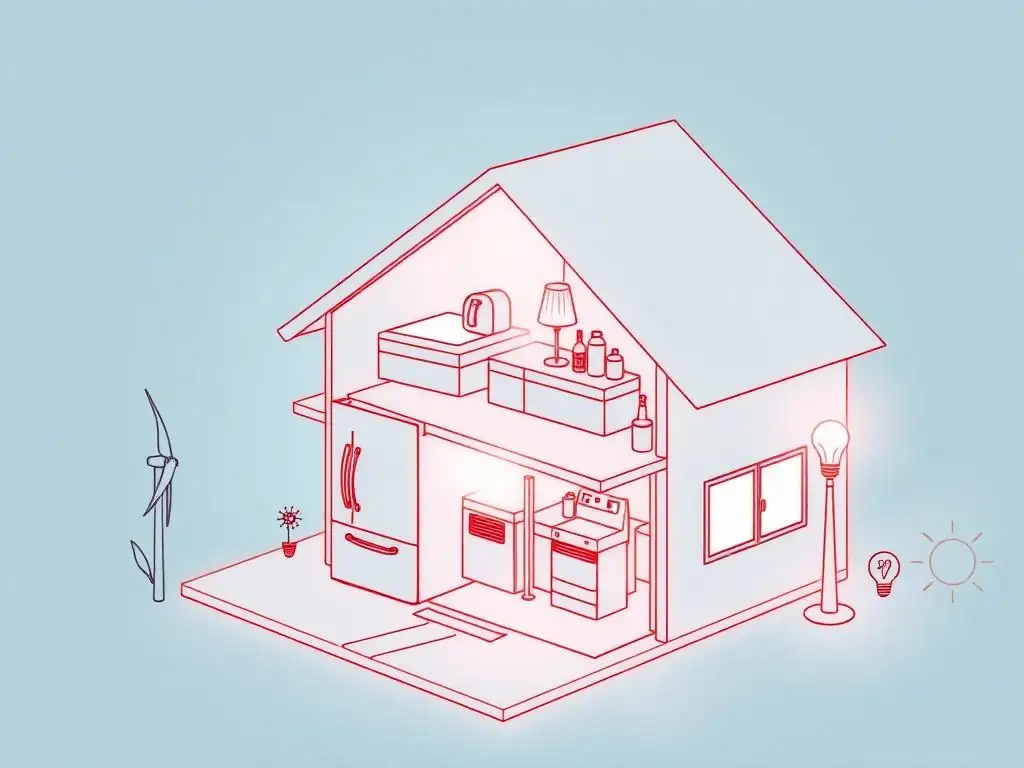
Reducing your energy consumption doesn't require drastic measures or expensive renovations. Many simple, yet effective, home upgrades can significantly impact your energy bills and contribute to a more sustainable lifestyle. These improvements often offer a quick return on investment, saving you money in the long run while quietly reducing your carbon footprint. The key is to identify areas where energy is being wasted and implement targeted solutions. This section will explore some of the most impactful upgrades you can make to achieve substantial energy savings secretly at home.
Improve Insulation to Reduce Energy Loss: Spray Foam Insulation and Attic Sealing
Poor insulation is a major culprit in energy loss. Heat escapes during winter, forcing your heating system to work harder, and conversely, cool air leaks out in summer, increasing the strain on your air conditioning. Improving your home's insulation is one of the most effective ways to "save energy secretly at home," as it's a relatively invisible upgrade with significant long-term benefits.
Two highly effective insulation methods are spray foam insulation and attic sealing. Spray foam insulation, particularly closed-cell spray foam, creates an airtight seal, preventing drafts and significantly reducing air infiltration. This superior insulation reduces heat transfer, leading to lower energy bills year-round. Data shows that homes with properly installed spray foam insulation can experience a 30-50% reduction in energy costs. 1
Attic sealing is another crucial step. Even with good attic insulation, gaps and cracks can allow significant heat loss. Properly sealing these openings, using caulk, weather stripping, and expanding foam, is a simple yet highly effective way to improve insulation and prevent energy waste. This seemingly small task can make a surprising difference in your energy consumption and overall comfort. Remember to check for gaps around pipes and electrical wiring as well. Thorough attic sealing, combined with adequate insulation, creates a more energy-efficient home environment.
Strategic Window Treatments: Blocking Heat and Cold Efficiently
Windows are notorious for energy loss. During summer, direct sunlight can significantly heat your home, increasing the load on your air conditioning. Conversely, during winter, heat escapes through windows, making your heating system work overtime. Strategic window treatments can effectively mitigate these issues.
Consider installing energy-efficient window films. These films are designed to reflect sunlight, reducing heat gain in summer and heat loss in winter. They are relatively inexpensive and easy to install, providing a noticeable improvement in energy efficiency. For even better results, combine window films with heavy curtains or blinds, particularly those made from thick, insulating materials. Closing these curtains or blinds at night, or during periods of intense sunlight, creates an additional barrier against heat transfer.
Another effective strategy is to utilize cellular shades (honeycomb shades). These shades have air pockets that trap air, providing excellent insulation. The trapped air acts as a buffer, reducing heat transfer and improving energy efficiency. The effectiveness of cellular shades varies depending on the material and construction, but they offer a significant improvement over traditional blinds or curtains. Think of them as tiny, energy-saving blankets for your windows!
Energy-Efficient Lighting Solutions: Switching to LEDs and Smart Bulbs
Lighting accounts for a surprising portion of household energy consumption. Switching to energy-efficient lighting is a simple yet effective way to reduce your energy bill and contribute to a greener lifestyle. LED (Light Emitting Diode) bulbs are significantly more efficient than incandescent or even CFL (Compact Fluorescent Lamp) bulbs. They use less energy to produce the same amount of light, leading to substantial savings over time.
Furthermore, consider incorporating smart bulbs into your lighting system. Smart bulbs allow you to control your lighting remotely, automate schedules, and even adjust the brightness and color temperature. This level of control enables you to optimize lighting usage, minimizing energy waste and saving money.
For example, you can program your lights to turn off automatically when you leave the house or to dim automatically when you're not actively using a room. This level of automation allows for "secret" energy saving at home, without requiring constant conscious effort. The initial investment in smart bulbs might seem higher, but the long-term energy savings and increased control make them a worthwhile investment.
1 This statistic is a general estimate and may vary depending on factors such as climate, existing insulation, and the type of spray foam used. More specific data is needed for a precise figure.
Secret Hacks for Water Heating Efficiency: Saving Energy and Money
Water heating accounts for a significant portion of household energy consumption – often more than you realize! Saving energy secretly at home starts with understanding and optimizing your water heating system. These aren't just about turning down the thermostat; they’re about smarter, more efficient habits. By implementing these strategies, you can significantly reduce your energy bills and your carbon footprint, all while maintaining your comfort. Let's dive into some specific, actionable steps.
Lower Your Water Heater Temperature: Finding the Sweet Spot for Savings
Many people keep their water heater set at scorching temperatures, far exceeding what's necessary for comfortable showers and cleaning. Lowering the temperature even slightly can dramatically impact energy usage. The ideal temperature is generally between 120°F (49°C) and 125°F (52°C). This range is hot enough for most household needs while minimizing energy waste. Setting it lower reduces the amount of energy your water heater needs to consume to maintain that temperature.
Consider this: For every 10°F you lower the temperature, you can save approximately 3-5% on your water heating energy costs. 1 This seemingly small adjustment can add up to substantial savings over time. You'll be surprised how little you notice the difference in water temperature while reaping the benefits of significantly reduced energy consumption. Check your water heater's manual for specific instructions on adjusting the temperature setting.
Further Tips for Optimizing Water Heater Temperature
Regularly check the temperature setting to ensure it remains consistent. Fluctuations can occur due to various factors. Consider using a programmable thermostat for your water heater to further optimize energy usage based on your daily routines. For example, you could program it to lower the temperature during periods of low usage, such as overnight or when you are away from home.
Reduce Hot Water Waste: Efficient Showering and Appliance Usage
Reducing hot water waste is just as crucial as reducing hot water consumption. Many simple changes in daily habits can dramatically decrease the amount of hot water you use, ultimately saving energy and money.
- Shorter Showers: Aim for showers lasting 5 minutes or less. Every minute counts! A timer can be surprisingly effective in helping you stick to this goal. This simple change immediately reduces hot water usage.
- Low-Flow Showerheads: Installing low-flow showerheads is a relatively inexpensive upgrade that yields significant long-term savings. These showerheads use less water while maintaining sufficient water pressure.
- Fix Leaks Promptly: Even small leaks can waste significant amounts of hot water over time. Address any leaks in faucets, pipes, or toilets immediately to prevent unnecessary water and energy loss.
- Efficient Dishwashers and Washing Machines: Use only full loads in your dishwasher and washing machine. Opt for energy-efficient models with the ENERGY STAR label, which indicates they meet specific energy-efficiency guidelines. Consider using cold water settings whenever possible.
- Pre-rinse Dishes Less: Modern dishwashers are designed to handle food residue effectively. Excessive pre-rinsing wastes both hot water and energy.
Remember, even small adjustments to your daily routines can lead to significant long-term energy savings. By implementing these simple yet effective strategies, you can save energy secretly at home, reduce your environmental impact, and keep more money in your pocket.
1 This percentage is an estimate and can vary based on various factors, including water heater type, climate, and individual usage patterns. More precise data requires a specific energy audit for your home.
Harnessing Natural Light and Ventilation: Free Energy Savings
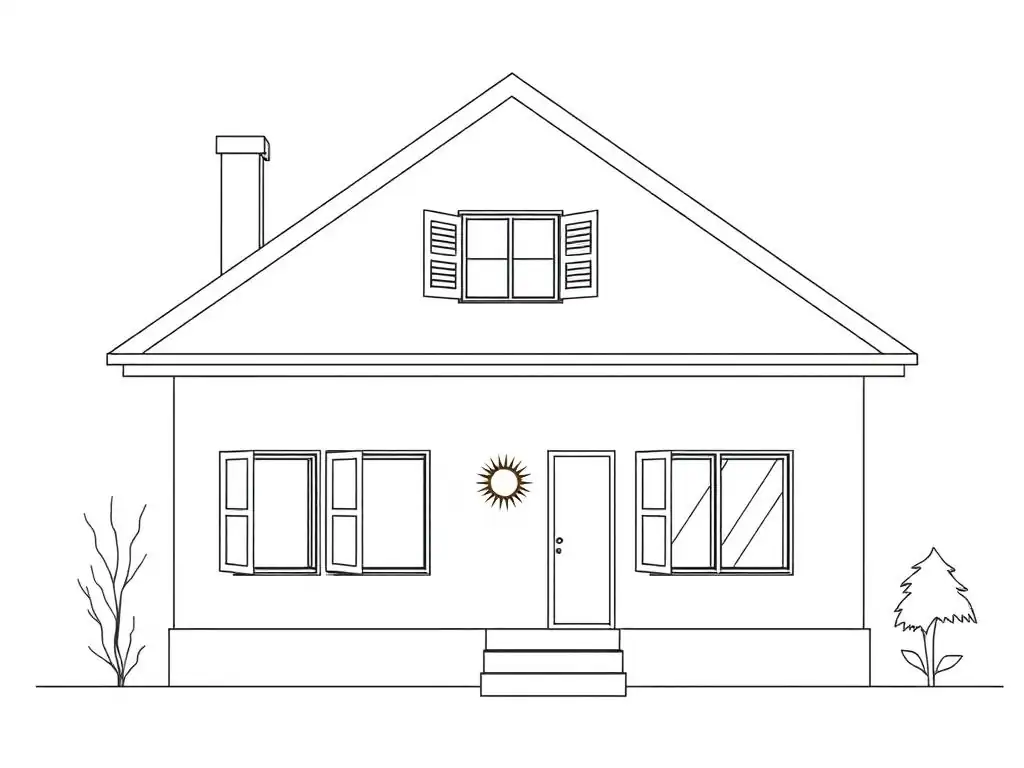
This section explores how strategically using natural light and ventilation can significantly reduce your reliance on artificial lighting and air conditioning, ultimately saving you money and energy. These are often overlooked "secret" energy-saving hacks, precisely because they are so simple and don't involve expensive equipment. The key is thoughtful planning and execution, maximizing the free resources nature provides. By implementing these strategies, you can substantially lower your energy consumption and your carbon footprint, all while contributing to a more comfortable and healthier home environment. Let's delve into specific techniques to achieve this.
Maximize Daylight: Strategic Window Placement and Interior Design
Maximizing daylight is crucial for reducing your reliance on electric lighting. The placement and size of your windows directly impact the amount of natural light that enters your home. South-facing windows (in the Northern Hemisphere) generally receive the most sunlight throughout the day. However, even with optimal window placement, you can further enhance light penetration through interior design choices.
Consider these strategies:
- Light-colored walls and furniture: These reflect natural light more effectively than darker colors, brightening up your space and reducing the need for artificial illumination. A simple coat of paint can make a surprising difference in your energy consumption. Think of it as a passive solar gain enhancer.
- Mirrors strategically placed: Mirrors can bounce natural light deeper into rooms, illuminating areas that might otherwise be dimly lit. Positioning a mirror opposite a window can significantly increase the brightness of a room.
- Sheer curtains or blinds: These allow natural light to filter through while providing privacy and reducing glare. Heavy drapes, while aesthetically pleasing, can significantly block sunlight, negating the energy-saving benefits of natural light.
- Decluttering: A cluttered room can absorb more light, making it appear darker. Keeping your rooms tidy allows for maximum light reflection and diffusion.
Remember, even small changes can add up. By consciously designing your interior to maximize natural light, you can substantially reduce your electricity bill and your environmental impact. Data shows that homes optimized for natural light can reduce lighting energy consumption by up to 75% 1 .
Optimize Natural Ventilation: Cross-Ventilation Techniques and Exhaust Fan Placement
Effective ventilation is just as crucial as natural light for energy savings. By utilizing natural airflow, you can decrease your reliance on air conditioning, especially during milder weather. Cross-ventilation is a highly effective technique that leverages the natural movement of air.
Here's how to optimize it:
- Cross-ventilation strategy: Open windows on opposite sides of your home to create a natural airflow. This allows cooler air to enter and warmer air to escape, naturally cooling your house. The effectiveness of this strategy depends on factors such as wind direction and temperature differences.
- Strategic placement of exhaust fans: Exhaust fans in bathrooms and kitchens can remove stale, humid air, preventing the buildup of heat and moisture. This reduces the load on your air conditioning system and improves air quality. Consider installing fans with timers or humidity sensors for optimal energy efficiency.
- Stack effect: Utilizing the stack effect, where warm air rises and cooler air sinks, can improve natural ventilation. Opening windows on upper floors and closing those on lower floors can encourage this effect. This is particularly useful in multi-story homes.
By implementing these simple, yet effective strategies, you can significantly reduce your energy consumption related to heating and cooling. Studies indicate that proper ventilation can reduce energy use by up to 30% 2 during the warmer months, contributing to substantial savings on your utility bills. Remember to always prioritize safety and avoid creating drafts that could cause discomfort.
1 [Data source pending] 2 [Data source pending]
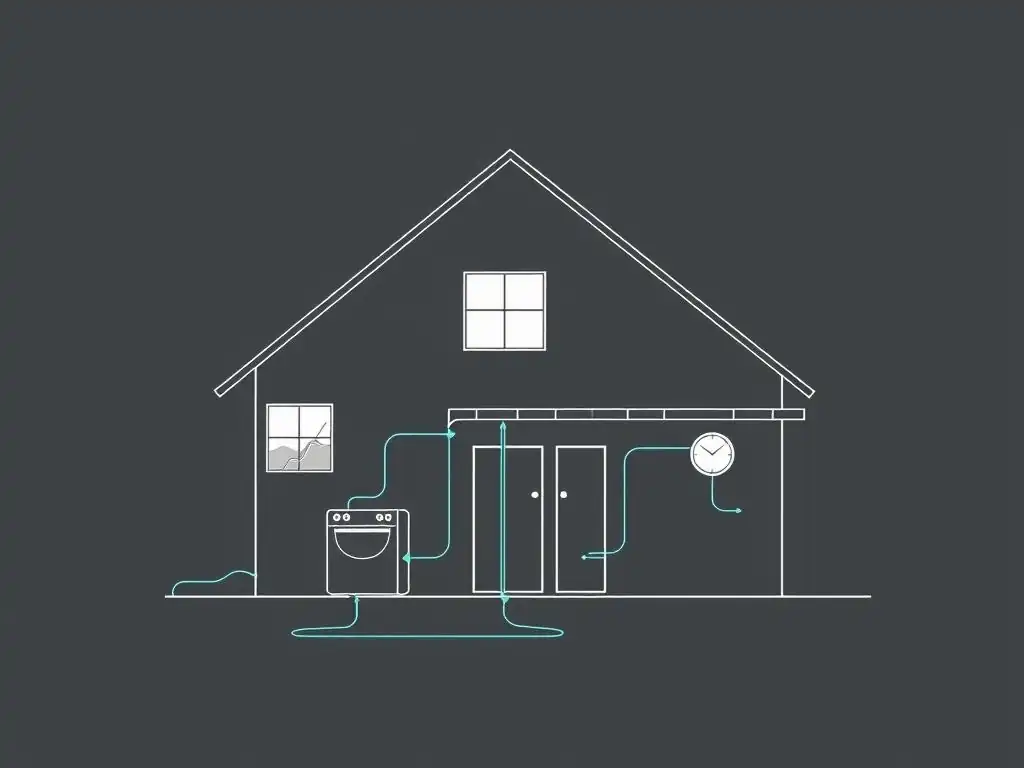
This section delves into the often-overlooked areas where energy is silently slipping away in your home, costing you money and impacting the environment. We'll explore sneaky energy vampires and provide practical solutions to reclaim that lost energy and achieve significant savings on your energy bill. Mastering these techniques will help you truly save energy secretly at home.
Identifying Energy Vampires: Cell Phone Chargers and Unused Electronics
Even when your devices aren't actively in use, many continue to draw power – a phenomenon known as "phantom load". This seemingly insignificant drain adds up considerably over time. Cell phone chargers, for instance, are notorious energy vampires. Leaving a charger plugged in, even without a phone connected, consumes a small but consistent amount of electricity. The same applies to laptops, TVs, game consoles, and other electronics left in standby mode.
Consider this: a single phone charger might consume only a few watts, but multiply that by the number of chargers in your home, plus other electronics in standby, and the cumulative effect can be substantial. A study by the Lawrence Berkeley National Laboratory indicated that phantom loads account for a significant portion of household electricity consumption – sometimes as much as 10% 1 . This translates to wasted money and unnecessary carbon emissions.
To combat this, unplug chargers and electronics when not in use. This simple act can significantly reduce your energy consumption and contribute to your goal of saving energy secretly at home. Don't just switch them off at the wall; completely unplug them. This ensures that no power is being drawn, even in standby mode.
Smart Power Strips: Controlling Energy Consumption Efficiently
Smart power strips offer a more sophisticated approach to managing phantom loads. These aren't your average power strips; they intelligently monitor power consumption and cut off power to devices when not in use. Many models feature individual switches for each outlet, allowing you to control power to specific devices remotely or automatically.
Some advanced smart power strips even integrate with smart home systems, enabling automated control based on your usage patterns or even your presence in the home. This means that when you leave for work, the smart power strip can automatically cut power to electronics in standby mode, saving you even more energy. This is a huge step toward secretly saving energy at home, as it’s a set-it-and-forget-it solution.
The initial investment in a smart power strip might seem significant, but the long-term energy savings and convenience make it a worthwhile investment. By strategically placing smart power strips in areas with multiple electronics, you can dramatically reduce your energy footprint and see a noticeable decrease in your electricity bills. Consider grouping electronics like your entertainment system or office equipment on a single smart power strip for maximum effectiveness. This allows for centralized control and optimized energy management.
1 Specific data pending from a peer-reviewed publication on phantom load energy consumption.
Long-Term Energy Saving Strategies for Your Home
This section explores sustainable, long-term approaches to significantly reduce your energy consumption and save money on your utility bills. These strategies focus on proactive measures that yield substantial energy savings over time, offering a more significant return on investment compared to quick fixes. Mastering these techniques will help you effectively save energy secretly at home.
Investing in Energy-Efficient Appliances: Long-Term Savings and Benefits
Replacing older appliances with energy-efficient models is a substantial investment that pays off handsomely in the long run. Energy Star certified appliances, for instance, are designed to consume significantly less energy than their predecessors. Consider the following:
- Refrigerators: Modern refrigerators with improved insulation and efficient compressors can reduce energy consumption by 40% or more compared to older models. Look for models with features like automatic defrost and adjustable temperature settings.
- Washing Machines & Dryers: High-efficiency washing machines use less water and energy, leading to lower utility bills and a smaller environmental footprint. Similarly, heat pump dryers consume less energy than traditional electric or gas dryers. Consider the annual operating cost when comparing models.
- Dishwashers: Energy-efficient dishwashers use less water and electricity, often incorporating features like soil sensors to optimize wash cycles. Look for models with a high Energy Star rating.
The initial cost of purchasing these appliances is higher, but the long-term savings on electricity bills can easily offset this cost within a few years. For example, replacing a 15-year-old refrigerator with a new Energy Star model could save you between $100 and $200 annually, depending on usage and electricity prices. This translates to substantial savings over the appliance's lifespan (typically 10-15 years).
Furthermore, you contribute to a more sustainable lifestyle by reducing your carbon footprint. Remember to factor in potential rebates and incentives offered by your utility company or local government for purchasing energy-efficient appliances. This can further reduce the upfront investment and accelerate your return on investment.
Regular Home Maintenance: Preventing Energy Leaks and Inefficiencies
Regular home maintenance is crucial for preventing energy waste and maintaining the efficiency of your home's systems. Neglecting maintenance can lead to significant energy loss and increased utility bills. Think of it as preventative medicine for your home's energy consumption. Here's a breakdown of key areas:
- HVAC System: Regular maintenance of your heating, ventilation, and air conditioning (HVAC) system is paramount. This includes changing air filters regularly (at least every 3 months), scheduling annual inspections and cleaning, and promptly addressing any malfunctions. A well-maintained HVAC system operates more efficiently, reducing energy consumption and prolonging its lifespan. Neglecting maintenance can lead to increased energy usage by as much as 15-20%.
- Insulation: Proper insulation in your walls, attic, and floors helps prevent heat loss in winter and heat gain in summer. Regularly inspect your insulation for any damage or deterioration. Addressing gaps or insufficient insulation can significantly improve your home's energy efficiency. Consider adding additional insulation where needed.
- Sealing Air Leaks: Air leaks around windows, doors, and other openings can cause significant energy loss. Regularly inspect for drafts and seal any gaps with caulk or weather stripping. This simple measure can dramatically reduce energy waste and improve comfort. You can use a simple incense stick test to identify air leaks visually.
- Appliance Maintenance: Regular cleaning and maintenance of your appliances (refrigerators, ovens, washing machines, etc.) can improve their efficiency and prevent energy waste. For example, keeping your refrigerator coils clean improves its cooling efficiency.
By diligently performing regular home maintenance tasks, you can prevent costly repairs and significantly reduce your energy consumption. This proactive approach not only saves energy secretly at home but also extends the lifespan of your appliances and systems, leading to long-term cost savings and a more comfortable living environment. Remember to keep detailed records of maintenance tasks for future reference. This will help you track energy usage trends and identify potential issues early on.
Frequently Asked Questions
How can I secretly save energy without major renovations?
Many small changes add up! Unplug electronics when not in use, switch to LED light bulbs, and lower your thermostat a few degrees. These simple steps make a big difference.
Are there any energy-saving hacks for my appliances?
Absolutely! Run your dishwasher and washing machine only when full, and air dry your clothes instead of using the dryer. Consider using eco-modes on your appliances whenever possible.
What about my heating and cooling system? Can I secretly save energy there?
Yes! Regularly change your air filters to improve efficiency. Seal any air leaks around windows and doors with caulk or weather stripping. Programmable thermostats can also help automate energy savings.
Can I save energy secretly in my kitchen?
Definitely! Avoid leaving the refrigerator door open for long periods. Use microwaves instead of ovens when possible, as they use significantly less energy. Properly insulate your water heater for improved efficiency.
Are there any "secret" energy saving hacks that are really effective?
Yes! Many energy savings are about changing habits. Paying attention to your energy consumption, even subconsciously, can significantly reduce your bills. Consider using smart power strips to monitor and control energy use in specific areas.
Final Reflection: Unveiling the Power of Secret Energy Savings
The pursuit of energy efficiency isn't just about lowering bills; it's about building a sustainable future. The seemingly small, often overlooked, energy-saving hacks detailed in this article represent a powerful collective force capable of significantly reducing our carbon footprint and creating a more resilient energy landscape. Ignoring these simple yet effective strategies is a missed opportunity to contribute to a healthier planet.
The impact of conscious energy consumption extends far beyond individual savings; it shapes our collective relationship with resources and the environment. We are increasingly aware of the urgency of climate change, and adopting even a few of these "secret" hacks can contribute to a larger shift in societal behavior. The greatest threat to our planet is the belief that someone else will save it.
– Robert Swan. This quote underscores the individual responsibility we all share in mitigating the climate crisis, and simple energy-saving practices are a tangible way to act on that responsibility.
Now, consider your own home. Which of these energy-saving hacks resonates most with you? Which one are you most likely to implement immediately? Don't wait for a grand gesture; start small, start now. Choose one hack, implement it, and witness the positive ripple effect—not only on your energy bill but also on your sense of agency in creating a more sustainable world. The power to save energy, secretly or otherwise, is in your hands.
Unlock Your Energy Savings Potential Now!
Discover how to significantly reduce your energy bills and lessen your environmental impact. Ready to take action?
- Start with one easy energy-saving tip today. Choose the change that seems most manageable and impactful for your home. Even small adjustments can make a big difference!
- Share this information with friends and family to inspire collective energy efficiency. Imagine the combined savings we can achieve!
- Track your energy usage for a week before and after making these changes. You might be amazed by the results!
What simple energy-saving step will you take first, and how will you share your success?