
Smartphone Hacks for Better Language Learning: Apps and Resources

Ready to unlock a world of effortless language acquisition? At UltimateLifeHacks, we're dedicated to streamlining your life, and that includes mastering new languages. This article dives into the best language learning smartphone apps, offering practical tips and resources to boost your fluency faster than you ever thought possible. Discover the hidden potential of your smartphone and transform your language learning journey – let's get started!
- Leveraging Your Smartphone for Effective Language Acquisition
- Best Language Learning Smartphone Apps: A Curated Selection
- Beyond Apps: Utilizing Smartphone Features for Language Mastery
- Optimizing Your Smartphone for a Seamless Language Learning Experience
- Maximizing Your Language Learning Journey with Smartphone Tools
-
Frequently Asked Questions
- What are some of the best language learning smartphone apps?
- How can I use my smartphone to improve my pronunciation?
- Are there any free language learning apps that are effective?
- How can I integrate language learning into my daily routine using my smartphone?
- What are some non-app smartphone resources for language learning?
- Final Reflection: Unlocking Linguistic Potential in Your Pocket
- Unlock Your Language Learning Potential Today!
Leveraging Your Smartphone for Effective Language Acquisition
Learning a new language can feel like a daunting task, but with the right tools and techniques, it can be an enjoyable and rewarding experience. In today's digital age, your smartphone has become a powerful ally in this endeavor. This article explores how you can effectively leverage your smartphone's capabilities to accelerate your language learning journey, focusing on the best apps and resources available.
We'll delve into the reasons why smartphones are uniquely suited for language acquisition and how they can help you overcome common challenges faced by learners. Ultimately, we aim to provide you with actionable strategies to make the most of your smartphone as a personalized language learning companion, helping you achieve fluency faster and more efficiently.
This guide is designed for all levels, from absolute beginners to those looking to refine their existing skills. Get ready to unlock the potential of your smartphone and transform your language learning experience!
Why Smartphones are Ideal for Language Learning
Smartphones offer unparalleled convenience and accessibility for language learning. Their portability allows for consistent practice wherever you are – during commutes, lunch breaks, or even waiting in line. This consistent, bite-sized learning is crucial for retaining vocabulary and grammar.
Furthermore, the vast array of language learning apps available provides personalized learning experiences tailored to individual needs and learning styles. These apps often incorporate gamification techniques, making the learning process more engaging and less tedious. Smartphones also facilitate access to a wealth of supplementary resources, such as podcasts, audiobooks, and online dictionaries, all readily available at your fingertips.
The integration of speech recognition and text-to-speech features allows for interactive practice and immediate feedback, accelerating the learning process. Finally, the ability to connect with native speakers through language exchange apps fosters real-world communication practice, a key component of language fluency. The combination of these features makes smartphones an indispensable tool for modern language learners.
Overcoming Common Language Learning Challenges with Smartphone Apps
Many learners struggle with consistency, motivation, and finding relevant, engaging learning materials. Smartphones, equipped with the right apps, can directly address these challenges. For instance, apps offering spaced repetition systems (SRS) like Anki help learners retain information effectively by scheduling reviews at optimal intervals.
This combats the problem of forgetting newly learned vocabulary and grammar. Gamified language learning apps use points, badges, and leaderboards to boost motivation and make learning fun, encouraging regular engagement. Furthermore, many apps offer personalized learning paths, adapting to individual strengths and weaknesses, ensuring a more effective and less frustrating experience.
The accessibility of diverse learning materials – from interactive lessons to authentic audio and video content – caters to different learning styles and preferences, overcoming the limitations of traditional learning methods. Finally, apps that connect learners with native speakers help overcome the fear of speaking and provide valuable opportunities for real-world communication practice, a crucial step towards fluency. By strategically utilizing these apps, learners can overcome common hurdles and significantly improve their language learning outcomes.
Best Language Learning Smartphone Apps: A Curated Selection
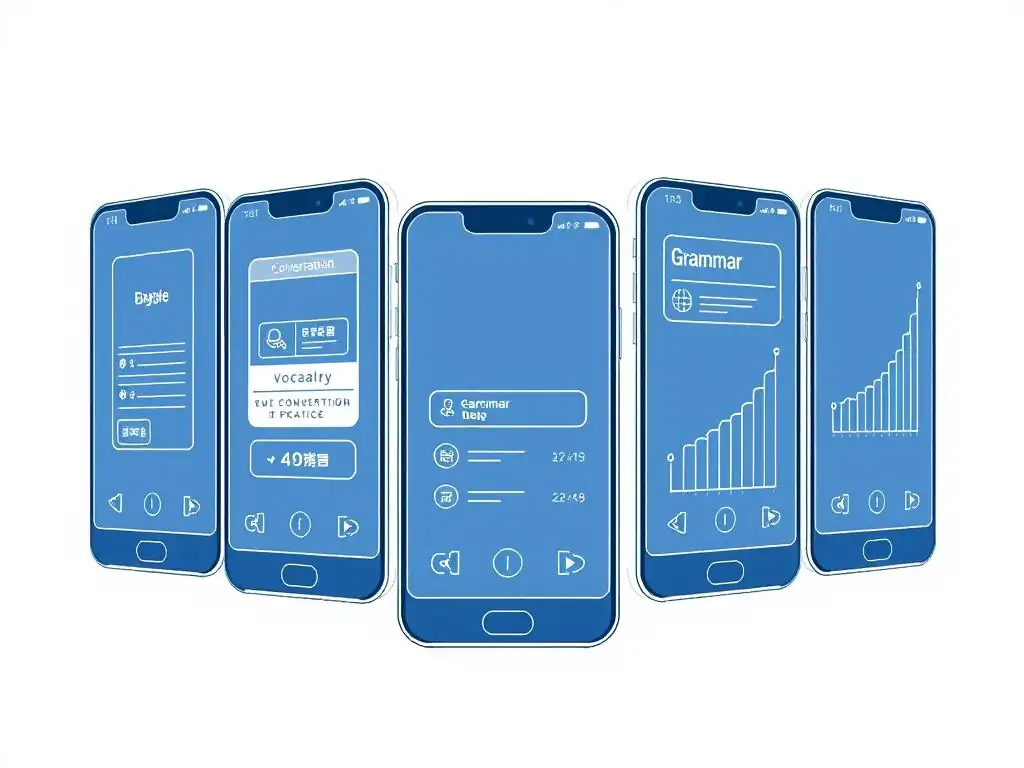
This section dives deep into the world of language learning apps available on your smartphone, focusing on those offering the best features and user experiences for effective language acquisition. We'll explore apps categorized by their strengths, helping you choose the perfect tools to achieve your language learning goals. Remember, consistent use and a well-rounded approach are key to success. Finding the best app often depends on your individual learning style and preferences.
Top Apps for Vocabulary Building and Memorization
Many effective language learning journeys begin with building a solid vocabulary foundation. These apps excel at making vocabulary acquisition engaging and memorable:
Several apps utilize spaced repetition systems (SRS), a proven technique for optimized memorization. These systems present words at increasing intervals, based on your recall performance. This ensures that you revisit challenging words more frequently, strengthening your memory trace. One example is [App Name A], which boasts a sophisticated SRS algorithm and gamified learning experiences. Its intuitive interface makes learning enjoyable, even for those new to language learning apps.
Another strong contender in this category is [App Name B], which emphasizes visual learning. It incorporates images and contextual examples to help you grasp the meaning of new words more readily. This visual approach can be incredibly effective for learners who benefit from seeing words in action. [App Name B] also offers personalized learning paths, adapting to your individual progress and focusing on your weaker areas. This personalized approach is a significant advantage for learners seeking focused improvement.
Finally, [App Name C] stands out with its extensive vocabulary databases and customizable learning plans. Users can select specific vocabulary lists tailored to their interests or professional needs. The app also offers progress tracking features, allowing users to monitor their learning journey and celebrate their achievements. This feature is crucial for maintaining motivation and staying on track with your language acquisition goals.
| App Name | Key Features | Strengths | Best For |
|---|---|---|---|
| [App Name A] | Spaced Repetition System (SRS), Gamification | Effective memorization, engaging learning experience | Visual learners, those who prefer gamified learning |
| [App Name B] | Visual learning, personalized learning paths | Strong visual memory reinforcement, personalized approach | Learners who prefer visual aids and personalized learning |
| [App Name C] | Extensive vocabulary databases, customizable plans | Targeted vocabulary building, progress tracking | Learners with specific vocabulary needs |
Best Apps for Conversational Practice and Pronunciation Improvement
Moving beyond vocabulary, mastering conversational skills and accurate pronunciation is crucial for fluency. These apps provide opportunities for practice and feedback:
Effective conversational practice often involves interacting with native speakers. [App Name D] connects users with native speakers for real-time conversations, offering valuable opportunities for practicing their speaking skills and receiving immediate feedback. This immersive experience is invaluable for improving fluency and confidence.
For pronunciation improvement, [App Name E] is a popular choice. This app provides detailed phonetic guidance and allows users to record themselves speaking, comparing their pronunciation to native speakers. This self-assessment feature helps identify areas for improvement and track progress over time. The app also offers personalized feedback and exercises targeting specific pronunciation challenges.
Beyond structured lessons, apps that encourage informal conversation are also beneficial. [App Name F], for example, facilitates language exchange among users, fostering a supportive community where learners can practice in a low-pressure environment. The social aspect of this app can be a powerful motivator and enhance the overall learning experience. This informal setting encourages natural language use, improving fluency and confidence.
Effective Apps for Grammar Learning and Exercises
A strong grammatical foundation is essential for clear and accurate communication. These apps offer structured grammar lessons and exercises:
[App Name G] focuses on providing comprehensive grammar lessons, categorized by skill level. It offers interactive exercises and quizzes to reinforce learning and track progress. The app's structured approach makes it ideal for learners who prefer a systematic learning path. The app also includes detailed explanations and examples, clarifying complex grammatical concepts.
[App Name H] takes a more personalized approach to grammar learning. It assesses your current grammar knowledge and tailors lessons to your individual needs. This adaptive learning system ensures that you focus on areas where you need improvement, maximizing learning efficiency. The app also incorporates real-world examples and scenarios, making grammar lessons more relevant and engaging.
For those who prefer a more visual approach to grammar, [App Name I] uses diagrams and visual aids to explain complex grammatical structures. This visual representation can be particularly helpful for learners who find it easier to understand concepts visually. The app also includes interactive exercises and quizzes, ensuring effective knowledge retention. The visual approach simplifies complex grammar rules, making learning more intuitive and accessible.
Immersive Language Learning Apps: Utilizing Multimedia Content
Immersive language learning apps represent a significant leap forward in mobile-based language acquisition. Unlike traditional flashcard apps, these platforms prioritize contextual learning, mimicking real-world language exposure. They achieve this through a rich blend of multimedia content, including high-quality audio recordings from native speakers, engaging video lessons, and interactive exercises that actively engage multiple senses. This multi-sensory approach is crucial for effective learning, reinforcing vocabulary and grammar through varied stimuli. The brain processes information more effectively when presented in different formats, leading to stronger memory retention and a deeper understanding of the target language.
One key aspect of effective immersive apps is their ability to simulate real-life conversations. Many incorporate speech recognition technology, allowing users to practice pronunciation and receive instant feedback. This interactive component is invaluable, as it helps users identify and correct pronunciation errors early on, preventing the development of bad habits that can be difficult to break later.
Furthermore, the best apps integrate gamification techniques, rewarding progress and maintaining user engagement. This incentivized learning environment keeps users motivated and encourages consistent practice, a crucial factor in long-term language acquisition success. The incorporation of interactive games, challenges, and progress tracking features helps maintain consistent engagement and fosters a positive learning experience, making the process enjoyable and less daunting.
The quality of the multimedia content itself is paramount. High-definition video and crystal-clear audio recordings from native speakers are essential for accurate pronunciation and natural language comprehension. Many top-tier apps collaborate with professional linguists and educators to ensure the accuracy and effectiveness of their learning materials. This collaborative approach provides users with a high-quality learning experience, increasing the likelihood of success.
Moreover, the best apps adapt to individual learning styles and paces, providing personalized learning paths and adjusting difficulty levels based on user performance. This personalized approach is crucial for optimizing the learning experience and maximizing its effectiveness for each individual user. The ability to customize lessons and focus on specific areas of weakness is a significant advantage for learners who need targeted support in certain aspects of the language.
Beyond Apps: Utilizing Smartphone Features for Language Mastery

This section explores how to leverage your smartphone's built-in functionalities beyond dedicated language learning apps, maximizing your learning potential. We'll move beyond the "best language learning smartphone apps" lists and delve into the often-overlooked features already at your fingertips. Optimizing these tools can significantly boost your language acquisition journey, enhancing both fluency and comprehension. Think of your phone as a multifaceted language learning tool, not just a vessel for apps.
Smartphones for Listening Practice: Podcasts and Audiobooks
Your smartphone is a portable library of audio resources perfect for improving listening comprehension. Podcasts offer diverse content, from language learning-specific shows to news broadcasts and interviews, exposing you to natural speech patterns and various accents. Many podcasts are available at different speeds, allowing you to adjust the pace according to your proficiency. Start with slower, clearer podcasts and gradually increase the speed as your comprehension improves. Remember to actively engage with the audio—take notes, pause to look up unfamiliar words, and try to summarize what you've heard.
Furthermore, audiobooks provide immersive listening experiences. Choose books you enjoy in your target language, starting with simpler texts before moving to more complex narratives. The combination of listening and following along with the written text (if available) enhances vocabulary acquisition and improves your understanding of sentence structure. Listening to audiobooks while commuting or exercising transforms otherwise unproductive time into valuable learning opportunities.
This passive learning approach, coupled with active engagement, significantly contributes to language fluency. For example, listening to a podcast in Spanish while exercising and then writing down new vocabulary afterwards is a highly effective learning strategy. Think of it as "passive absorption" followed by "active recall."
Using Your Phone's Camera for Real-World Language Learning
Your smartphone's camera offers surprising opportunities for language learning beyond simply taking pictures of flashcards. Use it to capture images of street signs, menus, product labels, and other real-world text in your target language. This provides immediate context, making vocabulary acquisition more meaningful and memorable. The act of photographing these items forces you to actively engage with the language in its natural environment, reinforcing learning through visual association.
Moreover, utilize translation apps in conjunction with your camera. Many translation apps offer instant translation capabilities by simply pointing your camera at text. This allows for quick and easy understanding of unfamiliar words and phrases encountered in daily life. This "point-and-translate" method facilitates practical application of the language, bridging the gap between theoretical knowledge and real-world usage. For instance, capturing an image of a restaurant menu and then using a translation app to decipher the dishes allows for immediate practical application of newly acquired vocabulary. This real-world application reinforces learning and boosts confidence.
Leveraging Text-to-Speech and Speech-to-Text for Enhanced Learning
Your smartphone's text-to-speech and speech-to-text functionalities are powerful tools for improving pronunciation and comprehension. Text-to-speech allows you to listen to the pronunciation of new words and phrases, helping you to improve your accent and intonation. This feature is particularly useful for practicing difficult sounds or mastering complex sentence structures. Furthermore, you can use it to listen to articles or texts you're reading, providing an additional layer of auditory reinforcement.
Conversely, speech-to-text allows you to practice speaking the language by dictating sentences or paragraphs and then reviewing the transcribed text for accuracy. This provides immediate feedback on your pronunciation and grammar, helping you to identify areas for improvement. Regular use of speech-to-text can dramatically improve speaking fluency and confidence.
You can even use it to record yourself speaking and then compare your pronunciation to native speakers, identifying areas where you need to refine your accent or intonation. This self-assessment process, facilitated by your phone's features, is invaluable for language learning. The combination of text-to-speech and speech-to-text creates a powerful feedback loop, enhancing both your listening and speaking skills.
Optimizing Your Smartphone for a Seamless Language Learning Experience
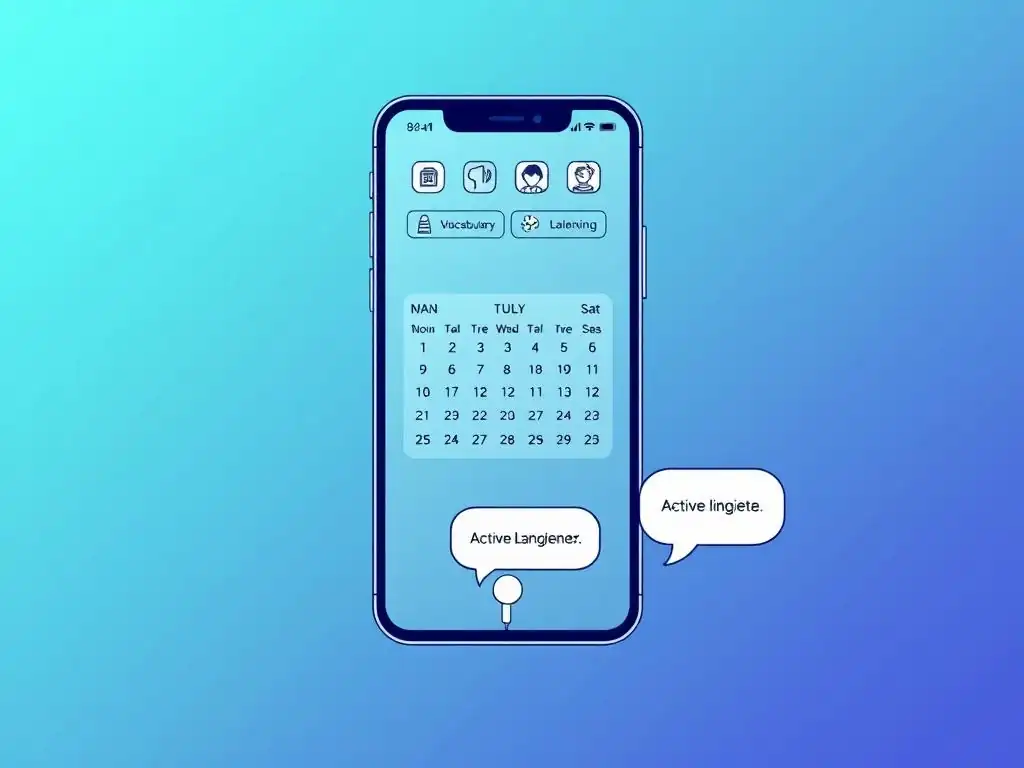
This section focuses on transforming your smartphone from a potential distraction into a powerful tool for language acquisition. By implementing a few simple organizational and technological tweaks, you can create a highly effective personalized language learning environment directly within your pocket. We'll explore specific strategies to maximize your phone's potential for language learning success, focusing on the best ways to leverage its capabilities to aid your studies. Remember, consistency is key, and a well-organized digital space significantly contributes to maintaining that consistency.
Creating a Dedicated Language Learning Folder on Your Phone
Digital clutter can be a major obstacle to productivity. A disorganized phone filled with unrelated apps and files makes it harder to access your learning materials quickly and efficiently. Creating a dedicated folder for all your language learning resources is the first step towards a streamlined learning experience. This dedicated space should house everything related to your language studies, including:
- Downloaded language learning apps (like Duolingo, Memrise, Babbel – consider which apps best suit your learning style).
- PDFs of textbooks or workbooks.
- Audio files of podcasts, audiobooks, or language lessons.
- Images and flashcards you've created or downloaded.
- Screenshots of useful vocabulary or grammar points.
Think of it as your portable language learning classroom. The key is to keep this folder neatly organized. Consider subfolders for different aspects of your learning, such as "Vocabulary," "Grammar," "Audio," and "Practice Exercises." This hierarchical structure minimizes search time and promotes a sense of order, making it easier to stay on track with your studies. A well-structured folder system reduces the cognitive load associated with finding the right resource, allowing you to focus on learning rather than searching. This simple organizational hack can significantly boost your learning efficiency.
Utilizing Reminders and Notifications for Consistent Practice
Consistency is paramount in language learning. Leveraging your smartphone's reminder and notification features can help you establish a regular study routine. Instead of relying on willpower alone, set recurring reminders for specific language learning activities. For example:
- Daily Vocabulary Review: Set a reminder for 15 minutes of vocabulary review each morning.
- Grammar Practice: Schedule a 30-minute session for grammar exercises three times a week.
- Listening Comprehension: Set a reminder to listen to a language podcast during your commute.
- Speaking Practice: Schedule time for a conversation with a language partner using a language exchange app.
Customize the notification settings to ensure they are noticeable but not overly intrusive. Experiment with different notification sounds and vibration patterns to find what works best for you. The goal is to create gentle nudges that remind you to engage with the language without feeling overwhelmed or annoyed. Remember, small, consistent efforts are far more effective than sporadic bursts of intense study. This strategic use of notifications transforms your phone into a personalized learning coach, gently guiding you towards your language learning goals.
Managing Distractions and Maintaining Focus with Smartphone Settings
Your smartphone is a double-edged sword. While it offers incredible language learning tools, it's also a significant source of distraction. To maximize your learning efficiency, you need to actively manage these distractions. Here's how:
- Turn off non-essential notifications: Silence notifications from social media apps, games, and other irrelevant applications during your dedicated study time. Consider using "Do Not Disturb" mode or a focus mode built into your phone's operating system.
- Limit app usage: Use built-in screen time management tools to set limits on the time you spend on distracting apps. This helps create a healthy balance between learning and leisure.
- Use website blockers: If you find yourself frequently distracted by specific websites or apps, consider using website blockers to temporarily restrict access during your study sessions. This prevents impulsive distractions and keeps you focused on the task at hand.
- Choose a dedicated learning space: Designate a specific area where you’ll use your phone for language learning. This helps mentally associate that space with focused study, minimizing distractions.
By proactively managing distractions, you create a more conducive environment for focused learning. This mindful approach helps you harness the power of your smartphone for language acquisition without falling prey to its inherent distractions. The key is to utilize your phone's features strategically, turning it into a powerful tool rather than a source of procrastination. Remember, a distraction-free environment is crucial for efficient language learning.
Maximizing Your Language Learning Journey with Smartphone Tools
Smartphones have revolutionized how we learn, offering unparalleled access to language learning resources. This section explores how to leverage these tools effectively, transforming your phone into a powerful language acquisition engine. We'll move beyond simply listing apps and delve into strategies for maximizing their potential, focusing on creating a personalized and sustainable learning experience. The "best language learning smartphone apps" are ultimately those that best fit your learning style and goals.
Tracking Progress and Staying Motivated with Language Learning Apps
Many language learning apps incorporate progress tracking features, but simply logging hours isn't enough for sustained motivation. Effective tracking involves understanding what progress means to you. Are you focusing on vocabulary acquisition, grammatical accuracy, conversational fluency, or a combination?
For example, Duolingo provides detailed statistics on streaks, lessons completed, and skill progress. However, this data becomes truly valuable when paired with personal goals. Instead of aiming for a generic "daily streak," set specific, measurable, achievable, relevant, and time-bound (SMART) goals. This could involve mastering 50 new vocabulary words related to a specific topic within a week, achieving a certain score on a grammar quiz, or having a short conversation with a native speaker by a set date.
Consider using a separate productivity app like Habitica to gamify your language learning. Habitica allows you to create personalized quests and rewards, linking your language learning tasks to virtual achievements and tangible rewards. This gamification can significantly boost motivation and adherence to your study schedule.
Remember to regularly review your progress. Don't just look at the numbers; analyze your strengths and weaknesses. Are you struggling with certain grammatical concepts? Do you need to focus on expanding your vocabulary in a specific area? This reflective process is crucial for adapting your learning strategy and maintaining long-term engagement. Regular self-assessment, perhaps through writing short journal entries or recording yourself speaking, offers valuable insights.
Finding Language Learning Communities and Support Online
Learning a language shouldn't be a solitary endeavor. Connecting with others significantly enhances motivation and provides opportunities for practice and feedback. Smartphones facilitate this connection through various apps and online platforms. Many language learning apps themselves include social features, allowing you to connect with other learners and native speakers.
Beyond dedicated language learning apps, consider using general social media platforms like HelloTalk or Tandem. These apps are designed specifically for language exchange, connecting you with native speakers who are also learning your language. You can engage in text, voice, or video chats, practicing your conversational skills in a supportive environment. Remember to be respectful of others' time and language abilities – offering mutual help is key to a successful language exchange.
Furthermore, online forums and communities dedicated to specific languages offer valuable resources and support. These platforms often have experienced learners and native speakers who can answer questions, provide feedback, and share helpful learning materials. Actively participating in these communities can expose you to diverse perspectives and enhance your understanding of the language and culture.
Think of it as joining a global study group, always available at your fingertips. The key is to find communities that align with your learning style and goals, fostering a sense of belonging and encouraging consistent engagement. Remember, consistent practice and interaction are crucial for fluency.
Frequently Asked Questions
What are some of the best language learning smartphone apps?
Several apps excel at different aspects of learning. Duolingo is great for vocabulary and basic grammar, while Memrise uses flashcards and mnemonics for memorization. Babbel offers more structured courses, and Rosetta Stone provides a more immersive experience.
How can I use my smartphone to improve my pronunciation?
Many apps offer speech recognition features, allowing you to practice pronunciation and receive feedback. You can also use your phone to record yourself speaking and compare it to native speakers' recordings available online. YouTube and other platforms have many videos from native speakers.
Are there any free language learning apps that are effective?
Yes! Duolingo and Memrise offer substantial free content, though paid versions unlock additional features. The effectiveness depends on your learning style and commitment, but free apps can be a great starting point.
How can I integrate language learning into my daily routine using my smartphone?
Use short, focused sessions throughout the day. Set reminders to practice vocabulary or grammar for 5-10 minutes. Utilize downtime like commutes or waiting in lines to listen to podcasts or audiobooks in your target language.
What are some non-app smartphone resources for language learning?
Your smartphone can access online dictionaries, translation tools, and language learning websites. You can also use it to find language exchange partners via apps like HelloTalk or Tandem, and access podcasts and YouTube channels in your target language.
Final Reflection: Unlocking Linguistic Potential in Your Pocket
The accessibility of language learning has been revolutionized, and smartphones are at the forefront of this transformation. No longer are language acquisition resources confined to dusty textbooks and expensive courses; the power to learn a new language rests quite literally in the palm of your hand. This accessibility democratizes learning, opening doors to global communication and cultural understanding for anyone with a smartphone.
The impact of readily available language learning apps is profound, reshaping how we approach education and personal growth. These tools are not just about memorizing vocabulary; they foster a sense of community, connecting learners worldwide through shared goals and interactive exercises. This interconnectedness is crucial, mirroring the very nature of language itself as a tool for connection and understanding. Language is the road map of a culture. It tells you where its people come from and where they are going.
- Rita Mae Brown. This quote perfectly encapsulates the journey of language learning, and the smartphone apps discussed in this article provide invaluable tools to navigate that journey.
Now, consider your own linguistic aspirations. What language has always captivated you? What new horizons could opening yourself to a different language unlock? Don't let the opportunity pass you by. Download one of the apps discussed, dedicate even just fifteen minutes a day to learning, and watch as your linguistic abilities blossom. Embrace the power of technology, and embark on your own personal journey of linguistic discovery. The world awaits your conversation.
Unlock Your Language Learning Potential Today!
Thank you for exploring these smartphone tips—we hope you've discovered some new ways to enhance your language learning! Now it's time to apply what you've learned.
- Start using a language learning app: Download one of the apps we mentioned and spend just 15 minutes today familiarizing yourself with its features.
- Share your favorite tip: Tell a friend or family member about your favorite tip from this article; inspiring others is a great way to stay motivated.
- Set a small, achievable goal: This week, aim to learn five new words or practice a short conversation.
Ready to transform your language learning using your smartphone? What's your first step towards progress today?