
UltimateLifeHacks: The Ultimate Guide to Social Media Influencer Marketing


Dive into the world of UltimateLifeHacks and unlock the secrets to a more productive and fulfilling life! We're dedicated to sharing practical tips and tricks that streamline your daily routine. But are you really maximizing your time and efficiency? This article on Influencer Marketing Time Saving Hacks reveals groundbreaking strategies to transform your social media game—discover how to reclaim your valuable hours and achieve remarkable results. Ready to explore the possibilities? Let's get started!
- Understanding Influencer Marketing: A Strategic Approach
- Streamlining Your Influencer Outreach Process
- Content Strategy for Influencer Marketing
- Measuring Success and Optimizing Your Influencer Marketing Strategy
- Advanced Influencer Marketing Techniques
- Case Studies: Real-World Examples of Successful Influencer Marketing
-
Frequently Asked Questions
- How can I save time finding relevant influencers for my campaigns?
- What are some time-saving strategies for managing influencer collaborations?
- How can I efficiently track the results of my influencer marketing campaigns?
- What are some quick ways to improve communication with influencers?
- How can I save time on content creation for influencer campaigns?
- Final Reflection: Mastering the Influencer Marketing Clock
- Ignite Your Influencer Marketing Strategy Today!
Understanding Influencer Marketing: A Strategic Approach
Influencer marketing, a cornerstone of modern digital strategy, offers unparalleled potential for brand growth and engagement. But navigating this landscape effectively requires a strategic approach that goes beyond simply sending products to popular accounts. This ultimate guide will equip you with the time-saving hacks and practical tips needed to maximize your ROI and achieve measurable results in influencer marketing. We'll delve into defining clear goals, identifying the right influencers, and optimizing your budget to ensure your campaigns are not only impactful but also highly efficient, saving you valuable time and resources.
Ultimately, mastering influencer marketing is about building authentic relationships and leveraging the power of trust to drive tangible business outcomes. This guide focuses on achieving this efficiently, saving you time and boosting your bottom line. Let's explore how to make influencer marketing truly work for you.
Defining Your Influencer Marketing Goals and KPIs
Before launching any influencer campaign, clearly defining your goals and Key Performance Indicators (KPIs) is paramount. This crucial first step prevents wasted time and resources on ineffective strategies. What are you hoping to achieve? Increased brand awareness? Higher website traffic? More sales conversions? Your goals should be SMART: Specific, Measurable, Achievable, Relevant, and Time-bound.
For example, instead of a vague goal like "increase brand awareness," a SMART goal would be: "Increase brand awareness by 25% within three months, as measured by an increase in social media mentions and website traffic."
Defining your KPIs is equally crucial. These are the metrics you'll use to track your progress towards your goals. Common KPIs for influencer marketing include:
| KPI | Description | Measurement Method |
|---|---|---|
| Reach | The total number of unique users exposed to your campaign. | Social media analytics platforms |
| Engagement (Likes, Shares, Comments) | The level of interaction with your campaign content. | Social media analytics platforms |
| Website Traffic | The number of visitors directed to your website from influencer content. | Google Analytics |
| Conversions (Sales, Leads) | The number of sales or leads generated as a direct result of the influencer campaign. | E-commerce platforms, CRM systems |
| Brand Mentions | The number of times your brand is mentioned across social media platforms. | Social listening tools, social media analytics platforms |
By establishing clear goals and KPIs upfront, you can efficiently track your campaign's success and make data-driven adjustments along the way, saving time and maximizing your return on investment. Remember to align these KPIs with your overall marketing strategy.
Identifying the Right Influencers for Your Brand
Finding the right influencers is critical for a successful campaign. Don't waste time on influencers who don't align with your brand values or target audience. Consider these factors:
- Niche Relevance: Choose influencers whose audience aligns with your target demographic and interests. A tech product shouldn't be promoted by a food blogger, for example.
- Audience Engagement: High engagement rates (likes, comments, shares) indicate a loyal and responsive following. Look beyond follower count; genuine engagement is key.
- Authenticity: Select influencers whose content style and values resonate with your brand. Authenticity builds trust and fosters genuine connections with consumers.
- Transparency and Disclosure: Ensure influencers comply with FTC guidelines regarding sponsored content disclosure. Transparency builds consumer trust and avoids potential legal issues.
Utilize influencer marketing platforms and tools to streamline your search and efficiently identify potential partners. These tools often offer filtering options based on niche, audience demographics, and engagement metrics, saving you significant time in manual research.
Budgeting and ROI for Efficient Influencer Campaigns
Budgeting is a crucial aspect of efficient influencer marketing. Determine a budget that aligns with your goals and resources. Consider factors such as influencer fees, campaign duration, and potential additional costs (e.g., content creation, analytics). Remember, it's not about spending the most; it's about spending smartly.
Tracking your ROI is essential to ensure your campaigns are effective and worth the investment. Use the KPIs you defined earlier to measure the success of your campaigns and identify areas for improvement. Regularly analyze your data to optimize your spending and maximize your return. Don't be afraid to experiment with different influencer types and campaign strategies to find what works best for your brand. A well-structured budget, combined with diligent ROI tracking, ensures your time and resources are used effectively. This data-driven approach is key to optimizing future campaigns and achieving sustainable growth.
Streamlining Your Influencer Outreach Process
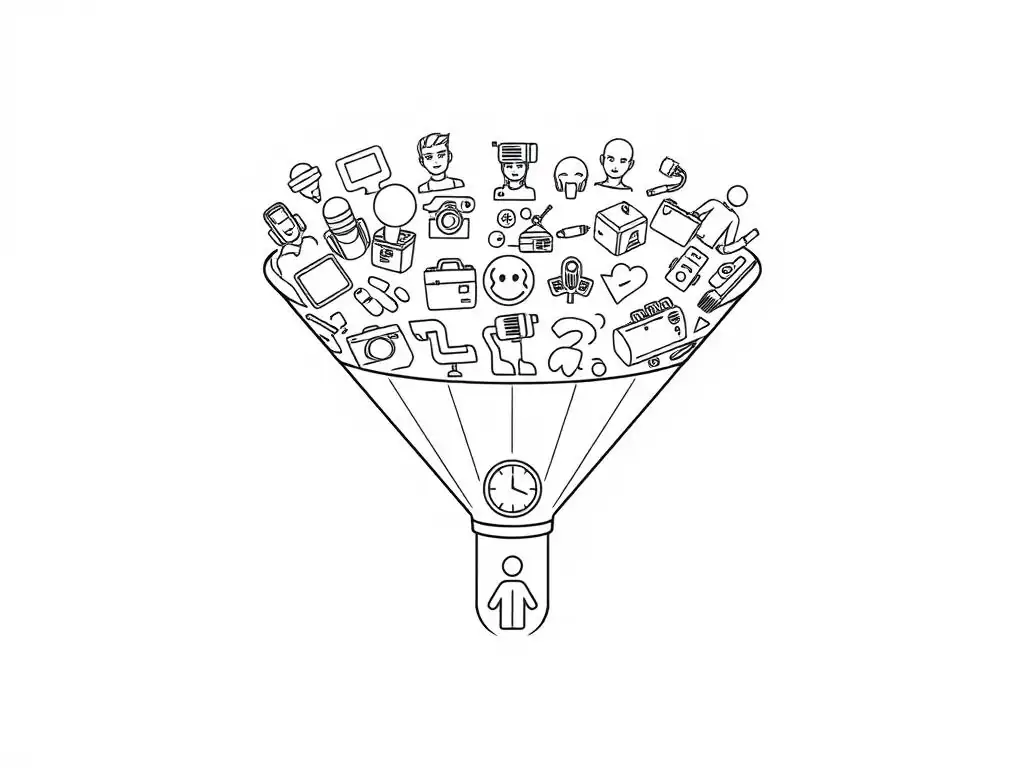
Influencer marketing, while incredibly powerful, can be incredibly time-consuming if not approached strategically. This section focuses on streamlining your outreach, saving you valuable time and resources. The key is to leverage technology and establish efficient workflows. Remember, the goal is to maximize impact while minimizing the hours spent on administrative tasks. This directly addresses the core need for "Influencer marketing time saving hacks".
Utilizing Influencer Marketing Platforms and Tools
Many platforms are designed to simplify influencer discovery, communication, and campaign management. These tools often offer features such as advanced search filters (allowing you to specify niche, audience size, engagement rate, and more), automated outreach capabilities, and performance tracking dashboards. Choosing the right platform depends on your budget and specific needs. Some platforms cater to smaller businesses with simpler needs, while others offer sophisticated features for enterprise-level campaigns.
Consider the following factors when selecting a platform: ease of use, integration with existing marketing tools, cost-effectiveness, and the breadth of influencer profiles available within your target niche. Properly utilizing these tools can drastically reduce the time spent on manual searches, individual outreach emails, and spreadsheet management. Instead of spending hours scouring social media, you can focus on strategic campaign development and relationship building. The efficiency gains from utilizing these platforms directly translate into significant time savings.
For example, a platform might allow you to filter influencers based on factors like follower demographics, past brand collaborations, and content style, ensuring a more targeted and effective outreach process. This targeted approach, facilitated by technology, drastically reduces the time spent on irrelevant outreach and improves campaign ROI.
Automating Influencer Communication and Collaboration
Automation is your secret weapon in saving time with influencer marketing. Tools allow you to automate repetitive tasks like sending initial outreach emails, following up with potential collaborators, and distributing campaign briefs. This not only saves time but also ensures consistency and professionalism in your communications.
Consider using email marketing software with automation features. You can set up automated email sequences triggered by specific actions, such as a potential influencer opening your initial outreach email or responding to your campaign brief. These automated sequences can nurture relationships and keep communication flowing without requiring constant manual intervention.
Furthermore, project management tools can streamline collaboration with influencers. Shared documents, task lists, and progress trackers enable seamless communication and efficient workflow management. This reduces the need for lengthy email chains and ensures everyone stays informed and on track. This proactive approach to communication, aided by automation, ensures a smooth and efficient campaign execution process, saving you considerable time and effort.
Effective Influencer Relationship Management (IRM) Strategies
Building lasting relationships with influencers is crucial for long-term success. Effective IRM strategies not only improve campaign performance but also save time in the long run. Instead of constantly searching for new influencers for each campaign, nurturing existing relationships allows you to tap into a pre-qualified network of collaborators.
Implementing a CRM (Customer Relationship Management) system specifically designed for influencer marketing can be incredibly beneficial. This allows you to track interactions, campaign performance, and influencer preferences, ensuring personalized and efficient communication. Regular communication, beyond just campaign collaborations, is key.
Sending personalized messages acknowledging their work, sharing relevant industry news, or simply checking in helps build strong relationships that translate into smoother and more efficient collaborations down the line. This long-term strategy, while requiring initial investment, saves significant time in the long run, reducing the need for constant outreach and relationship building. The time saved can be re-allocated to higher-level strategic tasks, boosting overall campaign effectiveness.
Content Strategy for Influencer Marketing
Effective influencer marketing hinges on a robust content strategy. This isn't just about finding the right influencers; it's about crafting compelling narratives that resonate with their audiences and align with your brand's values. A well-defined content strategy ensures your campaign's success by maximizing reach and impact, ultimately saving you valuable time and resources. This section details how to optimize your approach for maximum efficiency.
Providing clear, concise, and engaging content briefs is paramount for efficient influencer marketing. Vague instructions lead to wasted time and subpar results. A well-structured brief saves both you and the influencer time and frustration. Consider including the following elements:
- Campaign Goals: Clearly state the objectives (e.g., increase brand awareness, drive website traffic, boost sales). Quantify these goals whenever possible (e.g., "increase website traffic by 15%").
- Target Audience: Define your ideal customer profile. What are their demographics, interests, and online behaviors? This allows influencers to tailor their content effectively.
- Brand Guidelines: Include your brand's voice, tone, and visual style guide. This ensures brand consistency across all influencer-generated content. Provide examples of successful previous campaigns, if applicable.
- Content Pillars: Outline key messages and topics the influencer should focus on. This ensures alignment with your overall marketing strategy.
- Call to Action (CTA): Specify the desired action from the audience (e.g., "visit our website," "sign up for our newsletter," "make a purchase"). Make it clear and concise.
- Timeline and Deliverables: Set realistic deadlines and clearly outline the required deliverables (e.g., number of posts, video length, hashtags).
- Payment and Contract Terms: Clearly outline payment terms and any legal agreements. This helps avoid miscommunication and disputes.
Using a template for your briefs ensures consistency and streamlines the process, saving you significant time in the long run. Think of it as an assembly line for content creation; a well-oiled machine produces better results faster. For example, a standardized template can help you quickly check if all the necessary information is included before sending it to an influencer. This minimizes back-and-forth communication, a common time waster.
Repurposing Influencer Content Across Multiple Platforms
Repurposing content generated by influencers is a powerful time-saving strategy. Instead of commissioning entirely new content for each platform, repurpose existing material to maximize its reach and impact. A single high-quality video, for instance, can be easily adapted for various platforms.
- Short-form video: A longer influencer video can be trimmed into several engaging short-form clips for platforms like TikTok, Instagram Reels, and YouTube Shorts.
- Social media graphics: Key quotes or visuals from influencer videos can be transformed into eye-catching graphics for use on Instagram, Facebook, and Pinterest.
- Blog posts and articles: Transcribe influencer videos into blog posts or articles, adding valuable written content to your website.
- Email marketing: Use snippets of influencer content in your email newsletters to engage subscribers and drive traffic to your website.
Strategic repurposing ensures maximum value from your initial investment in influencer marketing. Consider creating a content calendar that maps out how each piece of influencer-generated content can be utilized across different platforms. This organized approach helps avoid redundancy and ensures consistent brand messaging. This process is akin to maximizing the yield from a single harvest – you use every part of the crop for different purposes.
Measuring and Analyzing Influencer Campaign Performance
Measuring the success of your influencer marketing campaigns is crucial for optimizing future efforts and proving ROI. Don't just rely on vanity metrics (likes, comments, shares). Focus on key performance indicators (KPIs) that directly relate to your campaign goals.
| KPI | Description | Measurement Method |
|---|---|---|
| Website Traffic | Number of visitors driven to your website from influencer content. | Google Analytics |
| Conversions | Number of sales, sign-ups, or other desired actions. | Website analytics, CRM data |
| Brand Mentions | Number of times your brand is mentioned on social media. | Social listening tools |
| Engagement Rate | Average engagement (likes, comments, shares) per post. | Social media analytics |
| Reach and Impressions | Number of unique users who saw influencer content. | Social media analytics |
| Influencer Sentiment | Overall positive or negative sentiment expressed about your brand. | Sentiment analysis tools |
Regularly analyzing these KPIs provides valuable insights into what's working and what's not. This data-driven approach allows you to refine your influencer marketing strategy, saving time and resources in the long run. It's like having a compass guiding your efforts, ensuring you're always heading in the right direction. By tracking these metrics diligently, you can optimize your future campaigns for better results. This process ensures that your "Influencer marketing time saving hacks" are indeed effective.
Measuring Success and Optimizing Your Influencer Marketing Strategy
Influencer marketing, while offering immense potential for brand growth, requires meticulous tracking and analysis to truly maximize its effectiveness. Simply collaborating with influencers isn't enough; understanding how your campaigns perform is crucial for optimizing your return on investment (ROI) and refining your strategy over time. This section focuses on practical methods to measure success and adapt your approach for better results. We'll explore how to efficiently track key metrics and leverage data to refine future influencer marketing endeavors, ultimately saving you valuable time and resources. This is key to mastering the art of Influencer marketing time saving hacks.
Tracking Key Metrics: Reach, Engagement, and Conversions
Effectively tracking key metrics is the cornerstone of successful influencer marketing. Don't just rely on vanity metrics; focus on data that directly reflects your campaign goals. Here's a breakdown of essential metrics and how to track them efficiently:
- Reach: This measures the total number of unique individuals exposed to your campaign through the influencer's content. Tools like social media analytics dashboards provide this data directly. Look beyond simple follower counts; consider the influencer's engagement rate to gauge the actual reach of their content. A high follower count with low engagement suggests a less effective reach.
- Engagement: This goes beyond simple likes and comments. Consider metrics like shares, saves, and click-through rates (CTR) on links embedded in the influencer's posts. High engagement indicates a resonating message and a successful connection with the target audience. Analyzing the type of engagement (e.g., thoughtful comments vs. generic likes) offers valuable insights into audience sentiment. For example, a high number of shares suggests your campaign is generating significant word-of-mouth marketing.
- Conversions: This is the ultimate metric, reflecting the direct impact of your influencer campaign on your business goals. Track website traffic from the influencer's posts, lead generation (e.g., email sign-ups), and sales attributed to the campaign. Use UTM parameters in your campaign links to accurately track traffic sources and conversions originating from each influencer's content. This precise measurement is vital for understanding your ROI and justifying future investment in influencer marketing. Consider A/B testing different call-to-actions (CTAs) within influencer posts to optimize conversion rates.
Analyzing Campaign Data to Improve Future Strategies
Raw data is only valuable when analyzed and interpreted. Analyzing your campaign data requires a structured approach. Consider the following steps for effective analysis:
- Data Aggregation: Compile data from all relevant sources – social media analytics, your website's analytics platform, and any custom tracking you've implemented. Use spreadsheets or dedicated analytics tools to organize this data effectively.
- Benchmarking: Compare your campaign's performance against industry benchmarks and previous campaigns. This helps identify areas of strength and weakness. For example, compare your CTR to the average CTR for similar campaigns in your niche.
- Identifying Trends: Look for patterns and trends in the data. Did certain types of content perform better than others? Which influencers generated the highest engagement and conversions? Understanding these trends is crucial for tailoring future campaigns.
- Qualitative Analysis: Don't solely rely on quantitative data. Analyze comments and feedback from your audience to understand their perceptions of the campaign. This qualitative data complements the quantitative data, providing a more comprehensive understanding of campaign effectiveness.
Adapting Your Strategy Based on Performance Data
The insights gained from data analysis should directly inform your future influencer marketing strategies. Here's how to effectively adapt your approach:
- Influencer Selection: Based on performance data, refine your criteria for selecting influencers. Focus on those who consistently deliver high engagement and conversions aligned with your campaign goals. Prioritize quality over quantity.
- Content Strategy: Adjust your content strategy based on what resonated with your audience. If certain types of content performed exceptionally well, replicate that success in future campaigns. If certain messages fell flat, analyze why and adjust your approach accordingly.
- Budget Allocation: Allocate your budget strategically, prioritizing influencers and content formats that have proven successful. Shift resources away from underperforming areas to maximize your ROI.
- Campaign Timing: Analyze the timing of your campaigns. Did certain days or times of the week yield better results? Optimize your campaign scheduling based on these findings.
By consistently tracking, analyzing, and adapting your strategy, you can transform your influencer marketing efforts from a potentially costly endeavor into a highly efficient and effective engine for brand growth. Remember, consistent optimization is key to mastering Influencer marketing time saving hacks and achieving sustainable success.
Advanced Influencer Marketing Techniques

This section delves into sophisticated strategies to optimize your influencer marketing campaigns, focusing on maximizing efficiency and minimizing time investment. We'll explore techniques that go beyond basic influencer outreach, helping you achieve better results with less effort. Remember, effective influencer marketing isn't just about finding influencers; it's about strategically leveraging their reach and influence to achieve your specific marketing goals. Mastering these advanced techniques is key to unlocking the true potential of influencer marketing time saving hacks.
Leveraging User-Generated Content (UGC)
User-Generated Content (UGC) is a goldmine for boosting your brand's authenticity and reach. Instead of solely relying on professionally produced content from influencers, actively encourage your audience and existing influencer collaborators to create their own content featuring your products or services. This approach significantly reduces your workload and expands your content pool organically.
Think about it: Instead of spending hours crafting marketing copy and visuals, you can simply re-share compelling UGC from satisfied customers. This not only saves time but also increases trust and engagement. Why? Because UGC feels authentic and relatable, far more so than traditional advertising.
Here's how to effectively leverage UGC:
- Run contests and giveaways: Incentivize user-generated content by offering prizes for the most creative or engaging posts featuring your brand. This can be as simple as a gift card or a featured spot on your social media channels.
- Create branded hashtags: Develop unique and memorable hashtags to easily track and identify user-generated content related to your brand. This simplifies the process of finding and re-sharing relevant posts.
- Partner with influencers who actively encourage UGC: Look for influencers who already have a strong engagement rate and a history of fostering a community that generates content. Their established audience will be more likely to participate in your UGC campaigns.
- Monitor social media mentions: Regularly check mentions of your brand or products on social media platforms. You might discover hidden gems of UGC that you can re-purpose.
By actively encouraging and strategically using UGC, you can significantly reduce the time and resources spent on content creation while simultaneously enhancing your brand's online presence and building stronger customer relationships. This is a prime example of an influencer marketing time saving hack that yields significant returns.
Collaborating with Micro-Influencers for Targeted Reach
While macro-influencers boast massive followings, micro-influencers (those with smaller, highly engaged audiences) often offer a more cost-effective and targeted approach. Their smaller, niche audiences are typically more engaged and receptive to their recommendations, resulting in higher conversion rates. This translates to a more efficient use of your marketing budget and time.
Consider these benefits:
- Higher engagement rates: Micro-influencers often have a more intimate relationship with their followers, leading to higher levels of interaction and engagement with your brand's message.
- Improved ROI: Collaborating with multiple micro-influencers can often yield a better return on investment compared to working with a single macro-influencer. The cost is significantly lower, and the targeted reach is often more effective.
- Increased authenticity: Micro-influencers often come across as more authentic and relatable, enhancing the credibility of your brand message.
- Easier management: Managing multiple micro-influencer campaigns can be simpler than coordinating a single campaign with a macro-influencer, saving you valuable time and administrative overhead.
To successfully leverage micro-influencers, focus on identifying those whose audience aligns with your target demographic and brand values. This ensures that your marketing efforts reach the most receptive audience, maximizing your impact and minimizing wasted resources. This represents another powerful influencer marketing time saving hack.
Implementing Influencer Marketing Automation Tools
Automation is key to streamlining your influencer marketing efforts. Several tools can significantly reduce the time spent on tasks like influencer discovery, campaign management, and performance tracking. Investing in these tools is a strategic influencer marketing time saving hack that pays off in the long run.
Here are some key features to look for in influencer marketing automation tools:
- Influencer discovery and vetting: These tools help you identify influencers based on specific criteria, such as audience demographics, engagement rates, and content relevance. They also assist in verifying the authenticity of influencer accounts.
- Campaign management: These tools allow you to manage multiple influencer campaigns simultaneously, simplifying communication, tracking progress, and ensuring timely delivery of deliverables.
- Performance tracking and reporting: These tools provide comprehensive data on campaign performance, allowing you to measure ROI and optimize future campaigns based on concrete results. This eliminates the need for manual data gathering and analysis, saving you considerable time.
- Communication and collaboration: Streamlined communication features allow for efficient messaging and file sharing with influencers, avoiding email chains and improving overall collaboration.
By leveraging the power of automation, you can significantly reduce the time spent on administrative tasks, allowing you to focus on the strategic aspects of your influencer marketing campaigns. Remember, choosing the right tools is crucial; research and compare features to find the best fit for your needs and budget. This is a crucial step in mastering influencer marketing time saving hacks.
Case Studies: Real-World Examples of Successful Influencer Marketing
This section showcases real-world applications of effective influencer marketing strategies, highlighting how brands successfully leveraged influencer collaborations to achieve their marketing objectives while saving valuable time and resources. These case studies demonstrate how smart planning and the implementation of time-saving hacks can significantly boost the ROI of influencer marketing campaigns. We'll explore diverse approaches, from micro-influencer campaigns to automated outreach and content repurposing.
Case Study 1: Dove and their successful micro-influencer campaign
Dove, a brand synonymous with real beauty, masterfully utilized micro-influencers in a campaign focused on body positivity. Instead of partnering with a few mega-influencers, they collaborated with hundreds of micro-influencers—individuals with smaller but highly engaged followings. This approach significantly reduced the time investment in negotiations and contract management compared to working with a smaller number of larger influencers.
Each micro-influencer created authentic content reflecting their personal experiences with Dove products, resulting in a diverse and relatable campaign that resonated deeply with their target audience. The campaign's success stemmed from its scalability and authenticity, demonstrating the power of micro-influencers in reaching niche audiences efficiently.
The overall time spent managing the campaign was drastically reduced due to the streamlined communication and content creation process inherent in working with numerous smaller influencers. This approach showcases a powerful influencer marketing time saving hack: leverage the reach of many smaller accounts rather than a few large ones.
Case Study 2: Nike and their automated influencer outreach strategy
Nike, a global sportswear giant, streamlined their influencer outreach process by implementing an automated system. They utilized a sophisticated software solution to identify relevant influencers, analyze their engagement metrics, and automatically send personalized outreach messages. This automated system drastically reduced the manual effort involved in searching for, contacting, and vetting potential influencers. The automation significantly decreased the time spent on tedious tasks, allowing their marketing team to focus on strategic planning and campaign execution.
This automated approach is a prime example of how technology can be leveraged to save time in influencer marketing. Data analysis integrated into the system also allowed for efficient tracking of campaign performance, further optimizing their outreach strategy and proving the effectiveness of this influencer marketing time saving hack. The result was a more efficient and scalable influencer program, generating a higher volume of quality collaborations with minimal manual intervention.
Case Study 3: Glossier and their innovative content repurposing techniques
Glossier, a beauty brand known for its strong online presence, exemplifies the power of content repurposing in influencer marketing. Instead of commissioning entirely new content for each campaign, they actively encouraged influencers to repurpose existing content, such as product reviews or makeup tutorials, adapting them slightly to fit their individual styles. This not only saved time and resources but also fostered a sense of community and authenticity.
The repurposing strategy minimized the need for extensive content creation, allowing influencers to focus on what they do best – engaging with their audiences. This influencer marketing time saving hack significantly reduced the overall production time and costs associated with influencer marketing while maintaining a consistent brand message.
Glossier's success demonstrates that smart content strategies can significantly boost efficiency without compromising the quality or impact of influencer collaborations. This highlights the importance of planning for content repurposing from the outset of any influencer marketing campaign.
Frequently Asked Questions
How can I save time finding relevant influencers for my campaigns?
Use influencer marketing platforms that allow you to filter by demographics, niche, and engagement metrics. This drastically reduces the time spent manually searching. Automated tools can also help.
What are some time-saving strategies for managing influencer collaborations?
Employ project management software to track communication, deadlines, and deliverables. Templates for contracts and briefs streamline the process and ensure consistency.
How can I efficiently track the results of my influencer marketing campaigns?
Utilize analytics dashboards provided by influencer marketing platforms or social media networks. Focus on key metrics like reach, engagement, and conversions to measure ROI.
What are some quick ways to improve communication with influencers?
Establish clear communication channels from the start (e.g., dedicated Slack channel or email thread). Use pre-written templates for initial outreach and feedback requests.
How can I save time on content creation for influencer campaigns?
Provide influencers with clear creative briefs outlining your brand's voice and messaging. Offer high-quality assets (images, videos) to reduce their workload and ensure brand consistency.
Final Reflection: Mastering the Influencer Marketing Clock
The relentless pace of social media demands efficiency, and for those navigating the world of influencer marketing, time is truly money. This guide has explored a range of strategies designed to streamline your campaigns, from automating repetitive tasks to leveraging data analytics for smarter decision-making. The ability to optimize your time is no longer a luxury; it's the key to success in this ever-evolving landscape.
The impact of influencer marketing on our culture is undeniable; it's reshaped how brands connect with consumers and how individuals build their personal brands. The power of influence is not about forcing people to do things, but about inspiring them to want to do things.
This quote highlights the ethical and impactful nature of genuine influencer relationships, a cornerstone of successful and sustainable campaigns. We've seen firsthand how strategic planning and the right tools can transform a chaotic process into a well-oiled machine, allowing you to focus on building authentic connections rather than getting bogged down in administrative tasks.
Now, it's your turn. Take the knowledge gained from this guide and apply it to your own influencer marketing strategies. Experiment with the time-saving hacks, analyze your results, and refine your approach. Remember, the journey to mastering influencer marketing is ongoing, but with the right tools and mindset, you can conquer the clock and achieve remarkable results. Embrace the challenge, and watch your campaigns flourish.
Ignite Your Influencer Marketing Strategy Today!
Thank you for exploring the world of influencer marketing with us! We hope you've gained valuable insights and strategies to significantly expand your brand's reach. Now, let's put your new knowledge into action.
- Craft a targeted influencer outreach campaign: Identify several influencers whose audience aligns perfectly with your brand and personalize your outreach messages. Avoid generic templates; a genuine approach is crucial for immediate impact.
- Share your key takeaway: What was the most insightful or valuable tip you learned today? Share it on your favorite social media platform and tag us—let's start a conversation!
- Explore additional resources: Dive deeper into the resources we provided and experiment with different strategies to discover what works best for your brand.
What's the one thing you're most excited to implement from today's guide to elevate your influencer marketing efforts?