
Budget Bites: Hacks for Eating Well Without Breaking the Bank While Traveling in Asia

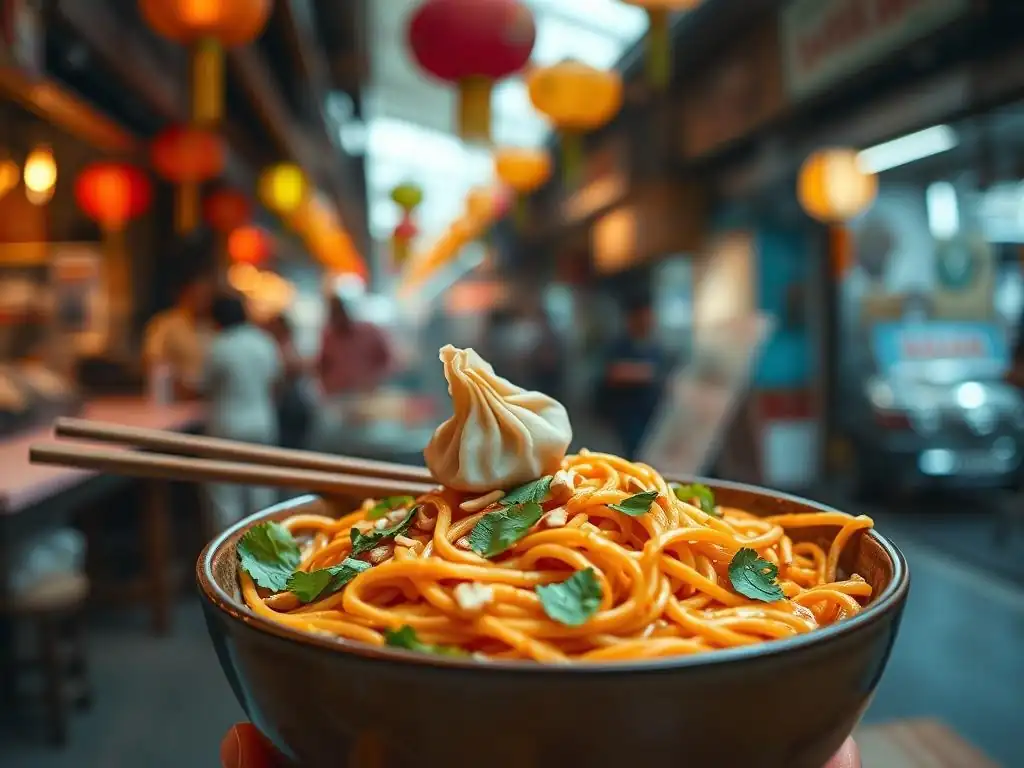
Tired of tourist traps draining your travel budget? Discover the secret to delicious and affordable Asian cuisine with our game-changing food hacks. Forget overpriced meals – we'll reveal how to eat like a local, savor authentic flavors, and keep more money in your pocket for unforgettable experiences. Dive into our Cheap Asian travel food hacks and unlock the ultimate culinary adventure!
- Cheap Asian Travel Food Hacks: Mastering the Art of Affordable Eats
- Beyond Street Food: Affordable Restaurant Options in Asia
- Smart Shopping Strategies for Budget-Friendly Asian Food
- Hydration Hacks: Staying Hydrated Without Spending a Fortune
-
Frequently Asked Questions
- What are some cheap and delicious Asian street food options?
- How can I avoid getting sick from street food?
- Are there any apps or websites helpful for finding affordable eats?
- What are some tips for saving money on drinks while traveling in Asia?
- Beyond street food, what other budget-friendly dining options exist?
- Final Reflection: The Enduring Allure of Budget-Friendly Asian Cuisine
- Unlock Your Asian Culinary Adventure: Budget-Friendly Eats Await!
Cheap Asian Travel Food Hacks: Mastering the Art of Affordable Eats
Embarking on an Asian adventure shouldn't mean sacrificing delicious food for budget constraints. This comprehensive guide unveils a treasure trove of practical tips and tricks to help you savor the diverse culinary landscape of Asia without breaking the bank. We'll explore the secrets to navigating bustling street markets, uncovering hidden gems in local supermarkets, and even mastering simple Asian recipes to cook your own budget-friendly meals. Get ready to unlock the art of affordable eating and experience the authentic flavors of Asia without emptying your wallet!
This guide focuses on actionable strategies and real-world examples to help you maximize your food budget while minimizing compromise on taste and quality. Prepare for a delicious and budget-conscious journey through Asia's vibrant food scene! 🍜
Street food is the undisputed king of affordable Asian cuisine. However, navigating these vibrant, often chaotic, markets requires a strategic approach. This section will equip you with the knowledge and confidence to confidently explore and enjoy the best street food offerings while prioritizing safety and value.
Identifying Authentic and Safe Street Food Stalls
Choosing the right street food stall can be the difference between a culinary delight and a stomach ache. Look for stalls with a constant stream of customers—a good indicator of popularity and freshness. Observe the hygiene practices; clean utensils, food preparation areas, and well-maintained cooking equipment are crucial. Don't be afraid to ask locals for recommendations! Their insights can lead you to hidden gems and help you avoid potential pitfalls. Prioritize stalls with visible food handling permits and certifications, if available. Trust your gut; if something seems off, it's always best to err on the side of caution.
Negotiating Prices Like a Pro: Tips and Tricks for Street Food Bargains
Negotiating prices is common practice in many Asian street markets. Start by politely inquiring about the price and then, depending on the situation, offer a slightly lower price. A friendly smile and respectful demeanor go a long way. Remember that bargaining is a social interaction, so maintain a positive attitude even if you don't get the exact price you want.
Knowing the approximate price range for common dishes beforehand can help you negotiate effectively. Consider purchasing multiple items at once to potentially secure a better overall price. Remember, a little negotiation can save you significant money over the course of your trip.
Must-Try Street Food Dishes in Popular Asian Destinations
Asia boasts an incredible array of street food delights. From the flavorful Pad Thai in Thailand to the savory Banh Mi in Vietnam and the aromatic Ramen in Japan, the possibilities are endless! Each region offers unique culinary treasures waiting to be discovered. Researching local specialties before your trip can help you prioritize your culinary adventures and ensure you don't miss out on the must-try dishes. Consider creating a "must-try" list tailored to your itinerary, incorporating both popular and lesser-known options. This will enhance your culinary experience and allow you to fully appreciate the diversity of Asian street food.
Beyond the bustling street food scene lie the local markets—hidden oases of fresh produce, affordable staples, and authentic culinary experiences. These markets offer a unique opportunity to immerse yourself in the local culture and discover incredible value.
Discovering Local Markets: Finding the Freshest Ingredients at Unbeatable Prices
Local markets are often less touristy than street food stalls, meaning you'll find fresher ingredients at significantly lower prices. Take some time to explore different markets in your area to compare prices and quality. Engage with vendors; they're often happy to share tips and advice, offering a unique cultural exchange. Observe how locals shop; they often know the best deals and freshest produce. Buying fruits, vegetables, and other staples in bulk can significantly reduce costs. This strategy is particularly useful for longer trips or if you plan to cook some of your own meals.
Cooking Your Own Meals: Simple Asian Recipes for Budget Travelers
Cooking your own meals is one of the most effective ways to save money while traveling. Many Asian countries offer readily available, affordable ingredients. Start with simple recipes that use readily available ingredients and require minimal cooking equipment. Online resources offer a wealth of simple Asian recipes perfect for budget travelers. Consider learning a few basic cooking techniques to prepare various dishes. Embrace the local flavors by incorporating readily available local herbs and spices. This adds an authentic touch to your culinary journey while saving money.
Essential Kitchen Tools for Budget-Conscious Travelers
While you don't need a full kitchen setup, a few essential tools can significantly enhance your cooking experience and save you money. A portable cutting board, a sharp knife, a sturdy pot, and some reusable containers are all you really need to prepare simple, delicious meals. Consider lightweight and compact tools to minimize luggage space and weight. Opt for durable materials to ensure your tools last the duration of your trip. Prioritize multi-functional tools that can serve multiple purposes, reducing the number of items you need to pack.
Beyond Street Food: Affordable Restaurant Options in Asia
While street food offers incredible value and authentic culinary experiences, relying solely on it during your Asian travels can become monotonous. Fortunately, a wealth of affordable restaurant options exist beyond the bustling street stalls, catering to diverse tastes and budgets. This section explores strategies for identifying and utilizing these budget-friendly alternatives, helping you enjoy delicious meals without emptying your wallet. We'll delve into discovering hidden gems, navigating menus, and leveraging technology to maximize your culinary adventures while sticking to your "cheap Asian travel food hacks" budget.
Finding truly affordable and delicious meals often requires venturing slightly off the beaten tourist path. Tourist hotspots are frequently associated with inflated prices. To discover authentic and cheap eats, consider these strategies:
- Observe the Locals: Pay attention to where local people are eating. Busy, unassuming restaurants filled with locals are a strong indicator of quality and affordability. Avoid places with predominantly Western clientele, which often signal higher prices.
- Explore Residential Areas: Venture beyond the main tourist zones into residential neighborhoods. These areas often house smaller, family-run restaurants offering delicious home-style cooking at significantly lower prices.
- Look for Smaller Establishments: Large, flashy restaurants are rarely the most budget-friendly. Look for smaller, less conspicuous eateries. These often boast more authentic and affordable menus.
- Ask for Recommendations: Don't hesitate to ask your hotel staff, tour guides, or even locals for recommendations on affordable restaurants. Word-of-mouth is invaluable in uncovering hidden culinary gems. This local knowledge is key to unlocking the best "cheap Asian travel food hacks."
Identifying Local Favorites: Recognizing Authentic and Affordable Restaurants
Several visual and contextual cues can help you identify authentic and affordable restaurants in Asia:
| Cue | Description | Significance |
|---|---|---|
| Crowded with Locals | The restaurant is busy with local patrons, not just tourists. | High likelihood of authentic food and reasonable prices. |
| Simple, Unassuming Decor | The restaurant's interior is basic and unpretentious, not overly decorated or modern. | Often indicates lower overhead costs, translating to lower prices for diners. |
| Menu Primarily in Local Language | The menu is predominantly written in the local language, with minimal English translation. | Suggests it caters primarily to locals, often a sign of authenticity and value. |
| Family-Run Establishment | The restaurant appears to be run by a family, often with family members working in various roles. | Often implies a focus on traditional recipes and homemade food. |
| Daily Specials | The restaurant advertises daily specials or set meals at attractive prices. | A great way to try local dishes at a reduced cost. |
Understanding Menu Prices and Portions: Avoiding Tourist Traps
Navigating Asian menus can sometimes be challenging, especially when it comes to understanding portion sizes and prices. To avoid tourist traps:
- Look for Set Meals: Set meals (often called "lunch sets" or "combo meals") are frequently the most cost-effective option, offering a complete meal at a discounted price.
- Check for Hidden Charges: Be aware of potential hidden charges, such as service charges or extra fees for condiments. Clarify any ambiguities with your server.
- Observe Portion Sizes: If possible, observe the portion sizes served to other diners before ordering. This prevents ordering too much or too little food.
- Negotiate Prices (where appropriate): In some smaller, less formal establishments, polite negotiation may be possible, particularly if you're ordering multiple dishes.
Utilizing Apps and Websites for Budget-Friendly Restaurant Finds
Technology plays a significant role in discovering affordable dining options. Several apps and websites are designed to help travelers find cheap and delicious meals.
Best Apps for Finding Cheap Eats in Asia
Many apps offer user reviews, photos, and price ranges, allowing you to compare options and find the best deals. Specific app names and features are [specific information pending], as the best apps vary by region. However, look for apps that focus on local reviews and user-generated content. This is crucial for finding authentic "cheap Asian travel food hacks."
Online Resources for Discovering Local Restaurant Deals
Beyond apps, several websites provide information on local restaurants and food deals. Again, [specific information pending] regarding specific websites, as they are region-dependent. Look for travel blogs, forums, and local city guides that focus on budget travel. These often feature detailed reviews and recommendations for affordable eateries, providing invaluable "cheap Asian travel food hacks." Remember to check multiple sources to ensure accuracy and get a wide range of opinions.
Smart Shopping Strategies for Budget-Friendly Asian Food

This section dives deep into practical strategies to navigate Asian grocery stores and markets, maximizing your food budget while minimizing waste. Mastering these techniques is key to enjoying delicious and nutritious meals without emptying your wallet during your Asian adventure. We'll cover everything from identifying affordable options to cleverly storing your purchases to avoid spoilage. This is all about achieving the sweet spot of "Cheap Asian travel food hacks" – delicious food, minimal cost, and zero regrets.
Grocery Shopping Like a Local: Finding Affordable Groceries in Asian Supermarkets
Asian supermarkets are treasure troves of affordable and delicious ingredients. However, navigating them efficiently requires a strategic approach. Forget the imported goods; focus on locally sourced produce, meats, and staples. These are consistently cheaper and often fresher. Look for smaller, family-run supermarkets rather than large chains; they often have better prices and more personalized service. Learning a few basic phrases in the local language, even just "hello" and "thank you," can go a long way in fostering positive interactions and potentially uncovering hidden deals.
Essential Groceries for Budget Travelers
Prioritize staples that are versatile and can be used in multiple meals. Rice, noodles (various types! ), eggs, tofu, and frozen vegetables are your best friends. These form the backbone of many affordable and satisfying meals. Consider buying in bulk (more on this in the next section) whenever possible. Don't forget the local spices and sauces – a little goes a long way in adding flavor and making simple dishes extraordinary. A small investment in these can transform your budget meals into flavorful culinary experiences. For example, a single bottle of fish sauce can elevate countless noodle dishes.
Utilizing Local Markets for Bulk Purchases: Savings Tips and Tricks
Local markets are where the real savings happen. These vibrant hubs offer significantly lower prices than supermarkets, particularly for fresh produce and staples bought in bulk. However, remember to bargain respectfully. A polite negotiation can often lead to substantial discounts, especially if you're buying larger quantities. Observe how locals shop and interact with vendors; this provides valuable insights into the unspoken rules of market etiquette. Don't be afraid to point and gesture – a shared smile often transcends language barriers. Remember to bring reusable bags to minimize your environmental impact and potentially secure a better price!
Minimizing Food Waste: Smart Packing and Storage Techniques
Even with careful planning, food waste can creep in. By implementing smart packing and storage techniques, you can significantly reduce this and stretch your budget even further. This is crucial for travelers, especially those backpacking or moving frequently. The goal is to keep your food fresh and prevent spoilage, saving money and reducing your environmental footprint.
Packing Smart: Avoiding Unnecessary Food Waste
Before you even hit the grocery store, plan your meals. This helps you avoid impulse buys and ensures you only purchase what you need. Utilize reusable containers instead of single-use plastic bags whenever possible. This reduces waste and allows for more efficient organization. Consider using smaller, reusable food bags for smaller portions, especially for fruits and vegetables that might bruise easily. This allows you to portion out your food to avoid excess and minimize waste.
Efficient Food Storage: Keeping Groceries Fresh on the Go
Proper food storage is paramount. Invest in a small, portable cooler bag to keep perishable items fresh, particularly in warmer climates. Reusable ice packs are a better alternative to ice, as they don't melt and create excess water. Learn to utilize simple preservation methods like drying or pickling for certain foods, extending their shelf life significantly. For example, herbs can be stored in a damp paper towel and sealed in a bag to maintain freshness for several days. A little planning and organization can go a long way in minimizing food waste and maximizing your budget.
Hydration Hacks: Staying Hydrated Without Spending a Fortune

Staying hydrated is crucial, especially when exploring the vibrant, often hot and humid, climates of Asia. However, constantly buying bottled water can quickly drain your travel budget. This section outlines clever strategies to keep your water bottle full without emptying your wallet. Mastering these cheap Asian travel food hacks extends beyond just food; it's about mindful resource management for a healthier and more economical trip.
Avoiding Bottled Water: Safe and Affordable Hydration Alternatives
The ubiquitous plastic water bottle is a significant contributor to both your travel expenses and environmental impact. Fortunately, numerous alternatives exist in Asia, offering both affordability and sustainability. Consider these options:
- Refillable water bottles: Investing in a high-quality, reusable water bottle is a one-time cost that pays off handsomely over the course of your trip. Look for bottles with durable materials and easy-to-clean designs. Many travelers appreciate insulated bottles to keep their water cool throughout the day.
- Local water sources (with purification): Many Asian countries have tap water that's perfectly safe to drink after proper purification (see below). This is a significantly cheaper option than bottled water, allowing you to significantly reduce your spending on hydration. Always check local advisories before relying on tap water.
- Negotiating with vendors: Street vendors often sell water in larger, more affordable quantities than individual bottles. Don't hesitate to ask for a discount if you purchase multiple liters or a larger container. This is a particularly effective cheap Asian travel food hack in local markets.
- Enjoying hydrating fruits and vegetables: Many fruits and vegetables commonly found in Asian markets, such as watermelon, pineapple, and cucumbers, have high water content and can contribute to your daily hydration needs. This not only saves money but also adds variety to your diet.
Utilizing Water Purification Methods
If you choose to utilize tap water, ensuring its safety is paramount. Several purification methods offer peace of mind and protect your health:
Utilizing Water Purification Methods
- Water purification tablets: These are lightweight, portable, and highly effective at killing bacteria and viruses. They are readily available in most pharmacies and outdoor gear stores. Simply follow the instructions on the packaging for optimal results. Remember to always allow the recommended time for the tablets to fully purify the water.
- Portable water filters: These filters range in size and filtration capabilities. Some are small and easily attached to your water bottle, while others are larger and can filter larger volumes of water. Consider your travel style and water consumption needs when choosing a filter. Regular maintenance, according to the manufacturer's instructions, is crucial for optimal performance.
- Boiling water: This is a reliable method, though it might not be practical everywhere. Boiling water for at least one minute kills most harmful bacteria and viruses. However, it requires access to a heat source and consumes fuel or electricity. This method is more suitable for longer stays in guesthouses or homestays rather than on-the-go situations.
Finding Free Water Refills: Hotels, Restaurants, and Other Options
Many establishments are happy to provide free water refills, saving you money and reducing waste. Don't be shy about asking:
- Hotels: Most hotels offer complimentary water in rooms or at reception. Many also have water dispensers in public areas.
- Restaurants: Some restaurants provide free water, especially with meals. Even if they don't, asking politely might result in a free refill.
- Cafes: Similar to restaurants, some cafes offer free water refills, especially if you purchase something else.
- Local markets: While not always guaranteed, some local markets have water fountains or vendors who might be willing to refill your bottle for a small fee or even for free.
By combining these strategies, you can enjoy ample hydration throughout your Asian adventure without significantly impacting your travel budget. Remember that proactive hydration planning is a key component of a successful and enjoyable trip, making it a crucial element in our cheap Asian travel food hacks.
Frequently Asked Questions
What are some cheap and delicious Asian street food options?
Many street food stalls offer incredibly affordable and tasty meals. Look for local favorites like Pad Thai, Pho, or various noodle soups. These are usually significantly cheaper than restaurant meals.
How can I avoid getting sick from street food?
Choose stalls that are busy and popular, indicating fresh ingredients and high turnover. Look for vendors with good hygiene practices, and opt for hot, cooked foods over raw options.
Are there any apps or websites helpful for finding affordable eats?
Yes! Apps like HappyCow (for vegetarians/vegans) and local food delivery apps often showcase budget-friendly options. Check online reviews to find highly-rated, inexpensive eateries.
What are some tips for saving money on drinks while traveling in Asia?
Bring a reusable water bottle and refill it at your accommodation or with filtered water. Avoid bottled drinks whenever possible, as they can be expensive. Local teas and juices are usually more affordable alternatives.
Beyond street food, what other budget-friendly dining options exist?
Consider local markets for fresh produce and ingredients to prepare your own meals. Look for smaller, family-run restaurants away from major tourist areas for more authentic and affordable dining experiences.
Final Reflection: The Enduring Allure of Budget-Friendly Asian Cuisine
The art of savoring delicious Asian food without emptying your wallet remains a crucial skill for the modern traveler, a testament to the enduring power of resourceful exploration. This isn't just about pinching pennies; it's about unlocking authentic cultural experiences and connecting with local life on a deeper level, far beyond the confines of tourist traps. The ability to navigate the vibrant street food scenes and local markets of Asia unlocks a world of flavor and adventure.
The impact of budget-conscious eating on the travel experience is profound. It allows for extended journeys, deeper immersion in local communities, and a more authentic understanding of the region's culinary heritage. Not all those who wander are lost.
This quote, often attributed to Tolkien, perfectly encapsulates the spirit of budget travel – the freedom to explore without the constraints of expensive meals allows for unexpected discoveries and serendipitous encounters. The memories forged over bowls of steaming noodles in a bustling night market are often far richer than those made in upscale restaurants.
Now, consider your own upcoming adventures. Will you embrace the challenge of finding those hidden culinary gems? Will you dare to venture beyond the familiar, to explore the vibrant tapestry of flavors waiting to be discovered in local markets and street food stalls? I encourage you to approach your next trip with a spirit of culinary curiosity, to embrace the unexpected, and to savor the delicious rewards of budget-friendly eating. The journey itself, and the flavors you uncover along the way, will be worth far more than any price tag.
Unlock Your Asian Culinary Adventure: Budget-Friendly Eats Await!
Thanks for exploring the world of delicious and affordable Asian cuisine! You've discovered a wealth of tips to enjoy amazing food without breaking the bank. Ready to put your new knowledge to the test?
- Embrace Local Markets: Visit your nearest local market for fresh, inexpensive ingredients. You'll uncover hidden gems and authentic flavors you won't find anywhere else. This is the key to truly budget-friendly eating!
- Share Your Culinary Successes: Snap a photo of your delicious and affordable meal and share it on social media using #BudgetTravelEats to inspire fellow travelers. Let's build a community of savvy food lovers!
- Embrace the Unexpected: Try a new street food dish you've never encountered before. What culinary surprise will you discover on your next Asian adventure?
What's the most exciting and unexpected dish you plan to try on your next trip?