
Carryon Packing: Why Less is More When You Travel

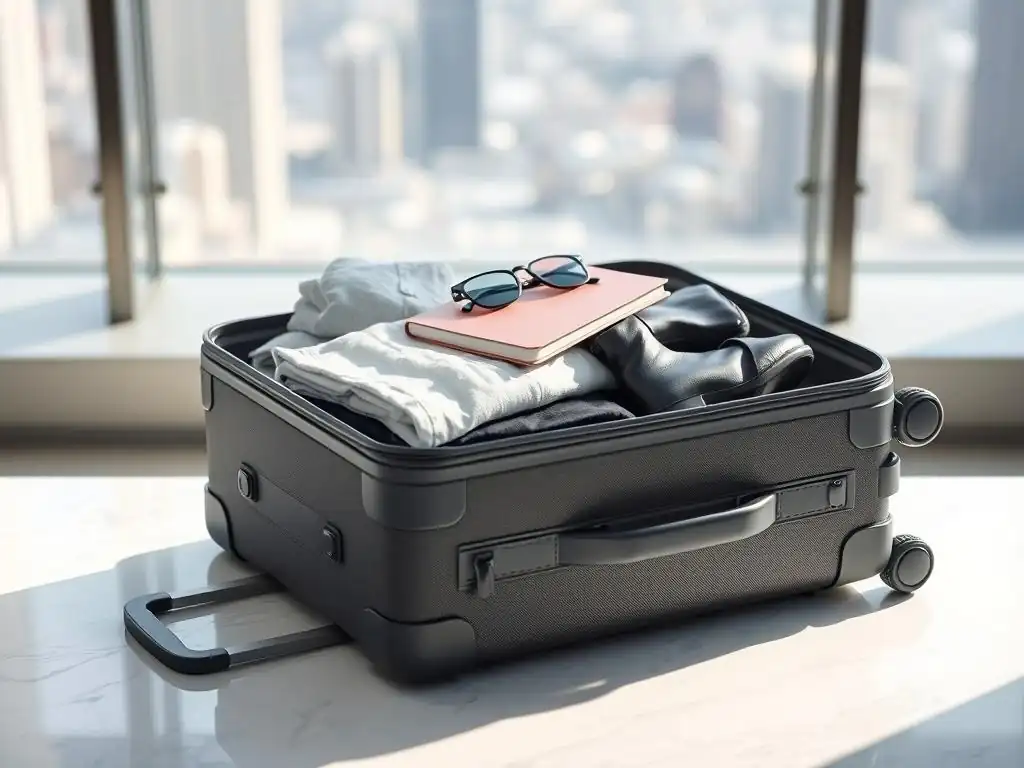
Ready to conquer the chaos of travel and embrace effortless journeys? On UltimateLifeHacks, we're dedicated to streamlining your life, one hack at a time. Discover the liberating power of minimalist travel with our insightful guide on Travel light packing tips. Learn how to pack smarter, not harder, and unlock the freedom of carrying only a carry-on. Intrigued? Let's dive into the secrets of efficient packing and transform your next adventure!
- The Ultimate Guide to Travel Light Packing Tips
- Essential Packing List for Carry-on Travel: What to Bring
- Effective Packing Techniques: Maximizing Space and Minimizing Wrinkles
- Travel Light Packing Tips: Avoiding Overpacking Mistakes
- Travel Light Packing Tips: Adapting to Different Climates
- Beyond the Bag: Smart Travel Strategies for Light Packing
-
Frequently Asked Questions
- What are the main benefits of traveling with carry-on luggage only?
- How can I pack light without sacrificing essential items?
- What are some essential items to include in a carry-on suitcase for a week-long trip?
- Are there any specific techniques for maximizing space in a carry-on bag?
- What if I'm traveling somewhere with different weather conditions?
- Final Reflection: The Liberating Power of Light Travel
- Unlock Effortless Travel: Pack Smart, Travel Lighter!
The Ultimate Guide to Travel Light Packing Tips
Traveling shouldn't feel like a logistical nightmare. Lugging around oversized suitcases, navigating crowded airports with cumbersome baggage, and worrying about lost luggage are all unnecessary stressors that can significantly detract from your vacation experience. This guide focuses on mastering the art of carry-on-only packing, offering practical and effective strategies to streamline your travel routine and maximize your enjoyment.
We'll explore the numerous benefits of traveling light and delve into the mindset shift required to embrace minimalist packing. By the end, you'll be equipped with the knowledge and techniques to pack efficiently, ensuring that your focus remains on creating unforgettable travel memories, not wrestling with your luggage. This guide is your passport to stress-free travel, offering practical travel light packing tips to transform your next trip.
Why Choose Carry-on Only Travel? Benefits of Light Packing
Choosing to travel with only a carry-on bag offers a multitude of advantages, significantly enhancing your overall travel experience. The benefits extend beyond simply avoiding baggage fees; they impact your time, stress levels, and even your enjoyment of the destination.
Let's delve into the key advantages:
- Increased Mobility and Freedom: Imagine effortlessly navigating bustling airports and train stations without the burden of heavy luggage. You'll be able to move quickly and freely, saving valuable time and energy. This is especially beneficial when dealing with connecting flights or public transportation.
- Reduced Stress and Anxiety: The anxiety associated with lost or delayed luggage is eliminated entirely. Knowing your belongings are always with you provides peace of mind and allows you to fully relax and enjoy your trip.
- Cost Savings: Airlines often charge hefty fees for checked baggage, adding a significant expense to your travel budget. Carry-on-only travel allows you to avoid these extra costs, saving you money that can be better spent on experiences and memories.
- Improved Organization: When packing light, you're forced to be more organized and intentional about what you bring. This leads to a more efficient packing process and easier access to your belongings throughout your trip.
- Enhanced Travel Experience: Ultimately, traveling light allows you to focus on what truly matters: exploring your destination, connecting with people, and creating lasting memories. You'll be less burdened and more receptive to new experiences.
Mastering the Art of Minimalist Packing: A Mindset Shift
The transition to minimalist packing often requires a significant shift in mindset. It's about letting go of the fear of "needing" a vast array of clothing and accessories and embracing the freedom of traveling light.
Here's how to cultivate this mindset:
- Identify Your Essentials: Before you even begin packing, take stock of your absolute necessities. Think about the activities you'll be doing and the climate you'll be experiencing. Be brutally honest – do you really need five pairs of shoes? Probably not.
- Embrace Versatility: Choose clothing items that can be mixed and matched to create multiple outfits. Neutral colors and versatile fabrics are your best friends. Think layers!
- The "One-Week Rule": A helpful guideline is to limit yourself to one week's worth of clothing, even if your trip is longer. You can always do laundry along the way, or even purchase inexpensive items at your destination.
- Plan Your Outfits: Before you start packing, plan out your outfits for each day of your trip. This will help you avoid overpacking and ensure you have everything you need. This can be done visually with a simple spreadsheet or digitally using a packing app.
- Roll, Don't Fold: Rolling your clothes instead of folding them saves space and minimizes wrinkles. This technique is a game-changer for maximizing space in your carry-on.
This mindset shift, coupled with practical packing techniques, will empower you to travel light and experience the transformative benefits of carry-on-only travel. The journey to becoming a minimalist packer is one of intentionality and self-discovery, ultimately leading to more enjoyable and stress-free travel adventures.
Essential Packing List for Carry-on Travel: What to Bring
This section details a streamlined packing list designed to maximize space and minimize weight for carry-on-only travel. Remember, the key to successful carry-on packing is versatility – choosing items that can be mixed and matched to create multiple outfits. This strategy significantly reduces the number of items you need to bring while maintaining a varied wardrobe. Mastering this skill is key to efficient travel and avoiding checked baggage fees. Let's dive into the specifics.
Clothing Essentials: Choosing Versatile and Packable Items
The foundation of efficient carry-on packing lies in selecting versatile clothing items. Forget packing an outfit for every day; instead, focus on items that can be mixed and matched to create several different looks. Think neutral colors that coordinate easily. Here's a sample packing list for a 7-day trip, adaptable to shorter or longer durations:
- Tops: 3-4 versatile tops (e.g., t-shirts, blouses, or henleys) in neutral colors. Consider quick-drying fabrics like merino wool or synthetic blends for easy washing and faster drying times.
- Bottoms: 2 pairs of versatile bottoms (e.g., jeans, leggings, or travel pants). Choose lightweight, wrinkle-resistant materials.
- Dress/Skirt (Optional): One versatile dress or skirt can add variety and sophistication to your wardrobe without taking up much space. Opt for wrinkle-resistant fabrics like jersey or crepe.
- Outerwear: 1 lightweight jacket or sweater that can layer easily. Choose a packable option like a down jacket or fleece.
- Underwear and Socks: 7 pairs of underwear and socks. Consider merino wool socks for their moisture-wicking properties.
- Pajamas: 1 lightweight pajama set.
This list prioritizes versatility and minimizes bulk. Remember to choose wrinkle-resistant fabrics to avoid ironing hassles upon arrival. Packing cubes can further enhance organization and compression.
Toiletries and Travel-Sized Containers: Smart Packing Solutions
Packing toiletries efficiently requires careful planning and the use of travel-sized containers. Airlines have strict liquid restrictions, so adhering to these rules is crucial. Using reusable, leak-proof travel containers is environmentally friendly and cost-effective in the long run.
Here are some tips for packing toiletries:
- TSA-compliant containers: Ensure all liquid containers are 3.4 ounces (100ml) or less and fit within a single, quart-sized, clear, resealable plastic bag.
- Solid toiletries: Opt for solid shampoos, conditioners, and soaps to avoid liquid restrictions altogether. These are also often more environmentally conscious.
- Multi-purpose products: Choose products that serve multiple purposes, such as a tinted moisturizer that doubles as sunscreen and foundation.
- Sample sizes: Utilize hotel amenities and sample sizes where possible to reduce the overall weight and volume of your toiletries.
- Travel-sized toothbrush and toothpaste: These save space and weight compared to full-sized versions.
Remember to check the airline's specific regulations regarding liquids before your trip to avoid any issues at security. Careful planning in this area can significantly reduce the overall weight and bulk of your luggage.
Electronics and Gadgets: Streamlining Your Tech Essentials
Technology can be both a blessing and a curse when traveling light. While keeping connected is important, carrying unnecessary gadgets only adds weight and bulk. Here's a strategic approach to packing electronics:
| Device | Considerations |
|---|---|
| Smartphone | Your primary device; ensure it's fully charged before departure. |
| Portable Charger | Essential for long journeys and ensuring your phone stays powered. |
| Headphones/Earbuds | Noise-canceling options can improve travel comfort. |
| E-reader/Tablet (Optional) | Replace heavy books with an e-reader or tablet for entertainment. |
| Adapter (if needed) | Check the voltage and plug type of your destination and pack accordingly. |
Avoid bringing unnecessary electronics. Consider using cloud storage to reduce the need for physical storage devices like external hard drives. Prioritize essential devices and remember to charge everything before you leave. Proper organization within your carry-on will keep your electronics safe and easily accessible throughout your journey. This careful selection of electronics will ensure you stay connected without unnecessary weight.
Documents and Important Papers: Staying Organized
Keeping your important documents organized is crucial for smooth travel, especially when sticking to carry-on luggage. The last thing you want is to scramble through your bag at the airport gate, desperately searching for your boarding pass. A well-organized system for your travel documents will save you stress and time. Consider using a dedicated travel document holder or a slim, zippered pouch to keep everything together.
This dedicated space prevents your important papers from getting lost amongst your clothes and toiletries. Think of it as a mini-safe for your travel essentials. Inside, you should meticulously arrange the following:
- Passport/ID: This is obviously the most important item. Ensure it's easily accessible and in perfect condition. Consider making a photocopy and storing it separately from the original, in case of loss or theft.
- Boarding Passes: Print or download electronic versions, but always have a backup. Screen shots on your phone are useful, but a paper copy provides a failsafe.
- Visa (if applicable): If your destination requires a visa, keep it readily available and check its expiration date well in advance.
- Travel Insurance Information: Note down the contact number of your insurance provider and your policy number. This information is vital in case of emergencies.
- Hotel/Accommodation Confirmation: Having a physical or digital copy of your booking confirmation will prevent any unforeseen issues upon arrival.
- Emergency Contact Information: Keep a list of emergency contacts, including phone numbers and addresses, readily accessible. This is especially important if traveling alone.
- Copies of Credit Cards and Driver's License: Carry photocopies of your credit cards and driver's license, stored separately from the originals. This is a crucial backup in case of theft or loss. Remember to not include your PINs.
Remember, digital copies are convenient, but always have a physical backup for reliability. A small, lightweight waterproof pouch is a great investment for keeping all these essential documents safe and dry, even if your bag gets slightly wet. Employing this system will significantly reduce your travel anxiety and ensure a smoother journey. Remember, when traveling light, organization is key!
Effective Packing Techniques: Maximizing Space and Minimizing Wrinkles
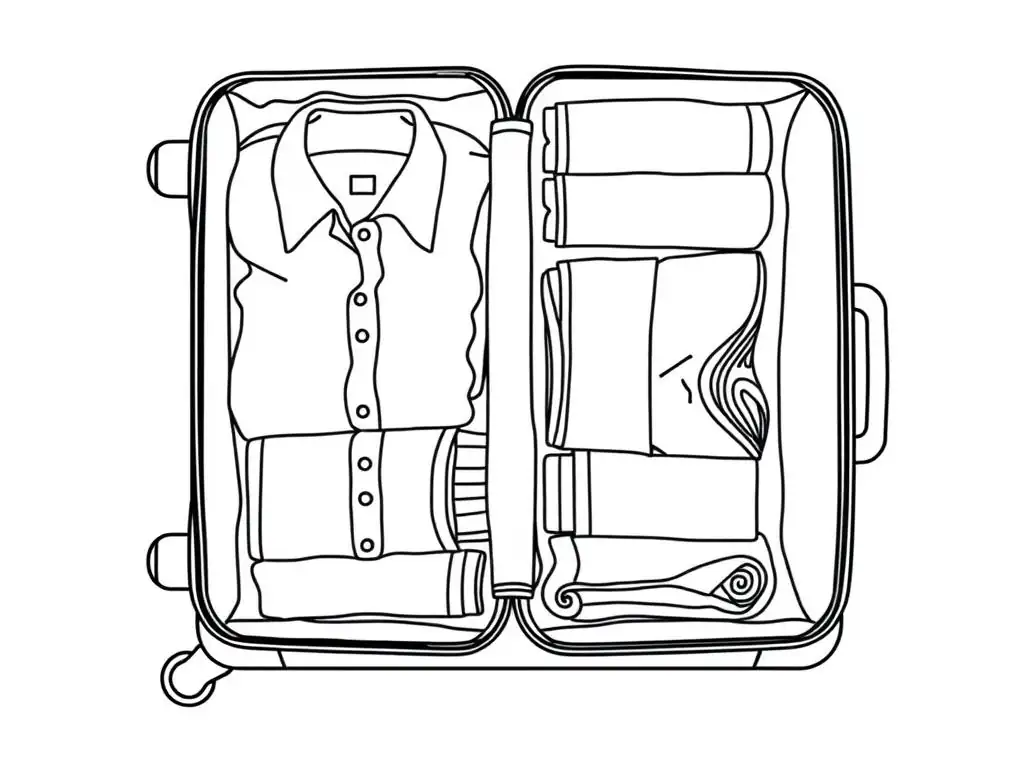
This section delves into practical techniques to optimize your carry-on packing, ensuring you travel light while keeping your clothes wrinkle-free. Mastering these methods is key to achieving the ultimate travel light packing experience. We'll explore how to maximize space and minimize wrinkles, directly addressing the needs of the frequent traveler seeking efficient packing solutions. This is about more than just fitting everything in; it's about streamlining your packing process for a smoother, stress-free journey.
The Rolling Method: A Space-Saving Packing Technique
The rolling method is a cornerstone of efficient packing, significantly reducing wrinkles and maximizing space within your carry-on. Instead of folding clothes, you tightly roll each item individually. This technique compresses garments, allowing you to fit more into a smaller space. For example, a single rolled t-shirt takes up considerably less space than a folded one. The tighter the roll, the less likely your clothes are to wrinkle. This technique is particularly effective for soft items like t-shirts, underwear, and lightweight trousers. However, delicate fabrics might require a gentler approach, possibly incorporating tissue paper to prevent creasing.
Consider this example: Let's say you typically pack 7 folded t-shirts. By rolling them, you can often fit 2-3 extra shirts in the same space, freeing up valuable room for other essentials. This translates directly into reduced weight and a more manageable carry-on bag. The rolling method is a simple yet powerful way to optimize your carry-on luggage space, making it an invaluable technique for any frequent traveler aiming for efficient packing.
Layering Clothes: Optimizing Space and Versatility
Layering clothing is another crucial aspect of travel light packing tips, boosting both space efficiency and outfit versatility. Instead of packing multiple bulky items, choose versatile garments that can be mixed and matched to create different outfits. For instance, a neutral-colored base layer (like a t-shirt) can be paired with various tops, cardigans, or jackets, significantly reducing the overall number of items you need. This approach minimizes the volume of your luggage, allowing you to pack more efficiently.
Think of it this way: Instead of packing five different shirts, consider packing two neutral-colored shirts and three colorful scarves or shawls. The scarves add visual interest and can easily transform your outfits, reducing the need for multiple shirts. This strategic layering approach minimizes packing volume while maximizing the number of different outfits you can create. Remember to consider the climate of your destination and pack accordingly, ensuring that your layers are both appropriate and adaptable to changing weather conditions.
Utilizing Packing Cubes: Organization and Compression
Packing cubes are game-changers for organized and efficient packing. These fabric containers compress clothes, creating more space in your luggage and preventing items from shifting around during transit. Different sized cubes allow you to categorize your belongings (e.g., shirts, pants, underwear), making it much easier to find what you need without unpacking your entire bag. The compression aspect of packing cubes is particularly useful for bulky items like sweaters or jeans.
Consider this scenario: You're packing for a week-long trip. Using packing cubes, you can neatly organize your clothes by category, maximizing space and minimizing wrinkles. This also helps you manage your weight. By compressing clothes, packing cubes can reduce the overall volume of your luggage, making it easier to lift and carry, especially on long journeys. The added organization significantly streamlines the packing and unpacking process, saving you both time and frustration. Ultimately, packing cubes improve the efficiency of your packing process, turning it into a more manageable and enjoyable aspect of travel preparation.
Travel Light Packing Tips: Avoiding Overpacking Mistakes
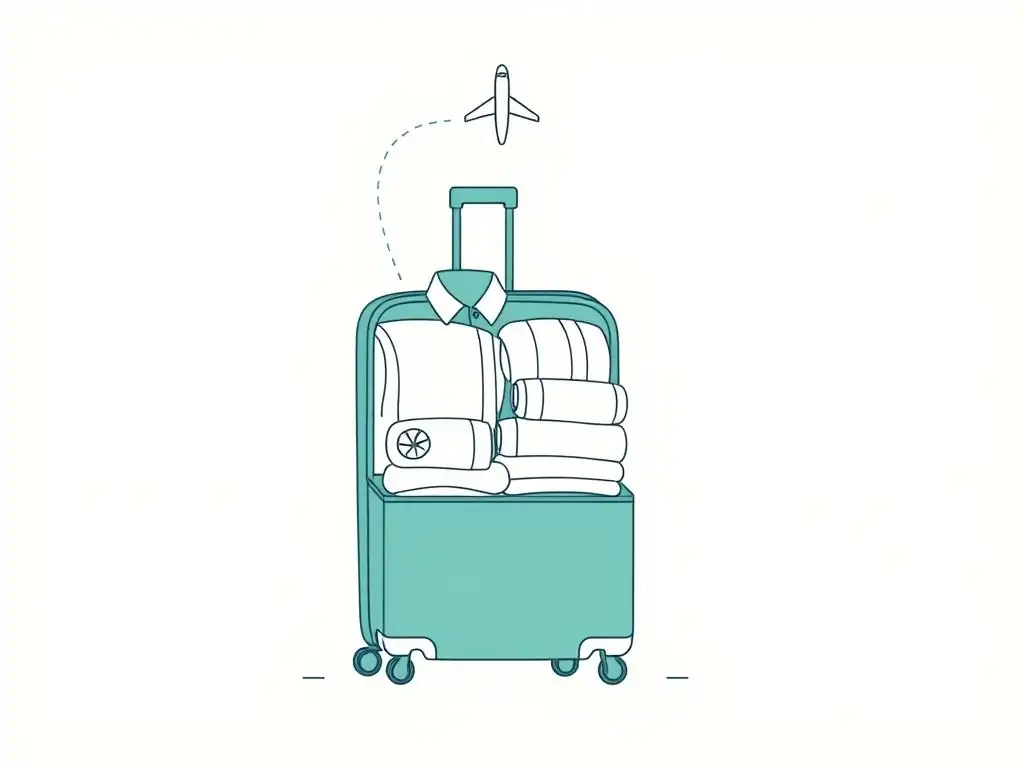
Overpacking is a common travel woe, leading to hefty baggage fees, strained muscles, and unnecessary stress. Mastering the art of "travel light packing tips" isn't about sacrificing comfort; it's about strategic planning and mindful packing. This section delves into common overpacking pitfalls and provides actionable strategies to avoid them, ensuring your next trip is smoother and more enjoyable. Efficient packing directly translates to a more relaxed and rewarding travel experience.
The Importance of a Detailed Packing List: Planning Ahead
A comprehensive packing list is the cornerstone of successful light packing. It's not just a random jotting down of items; it's a carefully considered inventory tailored to your specific trip. Instead of vaguely listing "clothes," break it down: "2 pairs of versatile pants," "3 t-shirts (merino wool preferred for odor resistance)," "1 lightweight sweater," and so on. Consider the climate, activities planned, and the duration of your stay.
For example, a 5-day trip to a warm, sunny location might only require:
| Item Category | Specific Items | Quantity | Notes |
|---|---|---|---|
| Tops | T-shirts (quick-drying material), tank tops | 3-4 | Choose neutral colors to mix and match |
| Bottoms | Versatile pants (convertible pants are great!) | 2 | Consider lightweight, wrinkle-resistant fabrics |
| Outerwear | Light jacket or sweater | 1 | Depending on the climate |
| Underwear & Socks | Underwear, socks | 5-7 | Merino wool or other quick-drying options |
| Shoes | Comfortable walking shoes, sandals (optional) | 1-2 | Choose versatile shoes |
| Accessories | Sunglasses, hat, scarf (optional) | As needed | Consider multi-functional accessories |
| Toiletries | Travel-sized toiletries (TSA compliant) | As needed | Use reusable containers to minimize waste |
| Documents & Electronics | Passport, phone, charger, adapter (if necessary) | 1 each | Keep these items readily accessible |
Remember to check the weather forecast just before you leave to make any necessary adjustments to your packing list. This proactive approach minimizes the risk of overpacking and ensures you have exactly what you need. This meticulous planning significantly contributes to efficient packing and a stress-free journey.
Packing Only What You Need: A Practical Approach
Once you have your detailed list, the next step is ruthless editing. Ask yourself for each item: "Can I wear this more than once?" "Can I borrow or buy this at my destination?" "Is this truly essential, or just a 'nice-to-have'?" Be honest with yourself—most "nice-to-haves" can be left behind.
Consider versatile clothing items that can be mixed and matched to create multiple outfits. Darker colors hide stains better, reducing the need to pack excessive changes of clothing. Rolling your clothes instead of folding them saves space and minimizes wrinkles. Utilize packing cubes to compress your clothing and keep everything organized. These small changes can make a significant difference in your packing efficiency.
Saying No to Impulse Packing: Discipline and Focus
The final hurdle in mastering travel light packing tips is resisting the urge to impulsively throw in "just one more thing." This often happens at the last minute, leading to overstuffed bags and unnecessary weight. Stick to your meticulously crafted packing list. If you haven't included it on the list, it's likely not essential.
Discipline and focus are key to successfully packing light. The satisfaction of arriving at your destination with a manageable carry-on bag is well worth the effort of resisting those last-minute packing impulses. Remember, the goal is to travel with ease and enjoy your trip, not to be burdened by excessive luggage.
Travel Light Packing Tips: Adapting to Different Climates
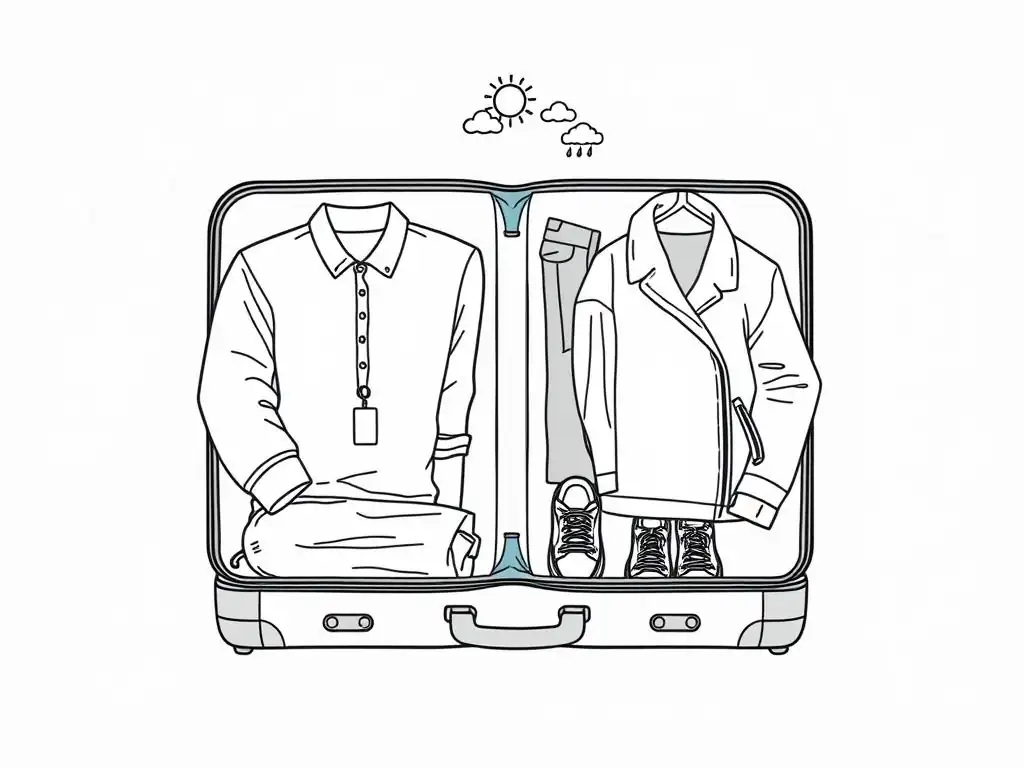
Mastering the art of travel light packing isn't just about minimizing the number of items; it's about strategic packing that adapts to varying climates and conditions. Successfully navigating diverse weather patterns with a carry-on only requires careful consideration and planning. Let's explore how to efficiently pack for both warm and cold weather destinations.
Packing for Warm Weather Destinations: Lightweight Clothing Choices
Packing for warm weather destinations requires prioritizing lightweight, breathable fabrics. Forget bulky sweaters and heavy jeans! The key is to choose versatile items that can be mixed and matched to create multiple outfits. Think linen, cotton, and quick-drying synthetic materials.
Here's a sample packing list for a warm-weather trip (adjust quantities based on trip length):
- Tops: 3-4 lightweight t-shirts, 1-2 nicer tops for evenings
- Bottoms: 2 pairs of lightweight shorts or a skirt, 1 pair of lightweight pants (convertible pants are great!)
- Dress: 1 versatile sundress or maxi dress
- Underwear & Socks: Enough for each day, plus one extra set. Consider merino wool or other moisture-wicking materials.
- Swimsuit: 1-2 (depending on the length of your trip)
- Lightweight jacket or shawl: For cooler evenings or air-conditioned spaces. A thin, packable rain jacket is also beneficial.
- Shoes: 1 pair of comfortable walking sandals or flip-flops, 1 pair of nicer sandals or walking shoes (depending on activities).
- Accessories: Sunglasses, hat, scarf (can double as a shawl).
- Toiletries: Travel-sized essentials in reusable containers.
Remember to roll your clothes instead of folding them to save space and minimize wrinkles. Using packing cubes can further organize your belongings and compress your clothing. Utilizing every inch of space is crucial for efficient warm-weather packing, allowing you to maximize your carry-on's capacity.
Packing for Cold Weather Destinations: Layering and Essential Items
Packing for cold climates demands a different approach. Instead of bulky items, focus on layering. This allows you to adjust to fluctuating temperatures throughout the day. The key is to select warm, yet compact, clothing pieces.
Here’s a suggested packing list for a cold-weather trip:
| Item Category | Specific Items | Notes |
|---|---|---|
| Base Layers | Thermal underwear (top & bottom), lightweight socks | Merino wool or synthetic materials are ideal for wicking away moisture. |
| Mid Layers | Fleece jacket, sweater, long-sleeved shirt | Choose versatile pieces that can be worn alone or layered. |
| Outer Layer | Waterproof and windproof jacket | Essential for protection against harsh weather conditions. |
| Bottoms | Warm pants or jeans, leggings | Consider quick-drying materials to avoid dampness. |
| Accessories | Warm hat, gloves, scarf | These items are crucial for retaining body heat. |
| Shoes | Waterproof and insulated boots | Ensure they are comfortable for extended periods of walking. |
| Toiletries | Travel-sized essentials | Include lip balm and hand cream to combat dry skin. |
Remember to prioritize versatile items that can be mixed and matched. A good quality down jacket or a packable puffer jacket is a worthwhile investment for cold weather travel. Even though it seems bulky, it will be worth it for the warmth and space-saving properties of a compression bag. Proper layering is key to staying warm and comfortable while minimizing the volume of your luggage. This approach allows for adaptability to changing temperatures and reduces the need for excessive clothing. This ensures you can effectively practice travel light packing tips even in the coldest of climates.
Remember to check the weather forecast before your trip and adjust your packing list accordingly. Even with careful planning, unexpected weather changes can occur, so be prepared for some flexibility. Smart packing is all about preparation and adapting your strategy to different conditions.
Beyond the Bag: Smart Travel Strategies for Light Packing
This section delves into the strategic thinking behind successful light packing, moving beyond the mere selection of a carry-on bag. Mastering the art of travel light isn't just about the bag itself; it's about a mindset shift and a proactive approach to planning. This allows you to maximize your travel experience and minimize the stress often associated with lugging around excessive baggage. We'll explore how smart choices and thoughtful preparation can significantly impact your travel efficiency and enjoyment. Remember, the goal is to pack smart, not just light.
Choosing the Right Carry-on Bag: Size and Features
Selecting the perfect carry-on bag is crucial for successful light packing. Airlines have specific size restrictions, so understanding these limitations before you even begin packing is paramount. A bag that's slightly too large can lead to gate-checking fees and unnecessary hassle. Consider these factors:
- Size Compliance: Always check the specific carry-on size limits of your airline before purchasing a bag. Airlines often have different dimensions for their carry-on allowance. A seemingly small difference can mean the difference between a smooth journey and a stressful one. Even a few inches can be the deciding factor.
- Material and Durability: A durable bag will withstand the rigors of travel. Look for sturdy materials that can protect your belongings from bumps and scratches. Consider the weight of the bag itself; a heavier bag will eat into your weight allowance.
- Compartments and Organization: Multiple compartments, pockets, and organizational features can make packing significantly easier and more efficient. Dedicated spaces for shoes, electronics, and toiletries help keep everything separated and readily accessible. This will save you time and frustration during your trip.
- Wheels and Handle: If you'll be navigating airports and other busy areas, consider a bag with smooth-rolling wheels and a comfortable handle. This will make maneuvering significantly easier, especially if you're traveling long distances.
Packing for Different Types of Trips: Business vs. Leisure
The contents of your carry-on will vary drastically depending on the type of trip you're taking. A business trip requires a different packing strategy compared to a leisure vacation. Let's explore the nuances:
Business Trips: Focus on wrinkle-resistant clothing items. Pack versatile pieces that can be mixed and matched to create multiple outfits. A blazer or suit jacket can be worn multiple times. Prioritize essential documents, a laptop, and chargers. Consider using packing cubes to maintain organization and minimize wrinkles. Remember, professionalism is key.
Leisure Trips: You have more flexibility with your clothing choices. Pack comfortable clothing that suits the activities you'll be doing. Think about layering options to adapt to varying weather conditions. Include any necessary gear for your hobbies or planned activities (hiking boots, swimwear, etc.). Don't forget essentials like sunscreen and insect repellent. Consider rolling your clothes instead of folding them to save space and minimize wrinkles.
The Value of Planning: Making the Most of Your Trip
Planning is the cornerstone of successful light packing. A well-thought-out packing list eliminates impulse packing and ensures you have only what you truly need. Consider these steps:
- Create a Detailed Packing List: Make a list of everything you think you might need. Then, ruthlessly eliminate unnecessary items. Be honest with yourself about what you'll actually use. Revise this list multiple times. This process itself will help you identify items you can easily do without.
- Check the Weather Forecast: Pack appropriate clothing based on the forecast. Layering is your friend; it allows you to adapt to changing temperatures without carrying extra bulky items. This prevents overpacking for unpredictable weather.
- Consider Laundry Options: If your trip is longer than a few days, factor in the possibility of doing laundry. This significantly reduces the amount of clothing you need to pack. Plan ahead and research laundry options at your destination.
- Utilize Online Checklists: Many websites and apps provide downloadable packing lists tailored to different types of trips. These can be a great starting point to create your own customized list. This will save you planning time and ensure you don't miss crucial items.
By following these strategies, you'll not only master the art of "travel light packing tips," but also elevate your overall travel experience. Enjoy the freedom and efficiency of carrying only what you need! ✈️
Frequently Asked Questions
What are the main benefits of traveling with carry-on luggage only?
Carrying only a carry-on offers several advantages: you'll save time by skipping baggage claim, avoid checked baggage fees, and have greater mobility throughout your trip. It also forces you to pack lighter and smarter.
How can I pack light without sacrificing essential items?
The key is to be strategic and selective. Choose versatile clothing items that can be mixed and matched, and only pack what you truly need. Consider using packing cubes to maximize space.
What are some essential items to include in a carry-on suitcase for a week-long trip?
Essentials include versatile clothing (layers are key), underwear and socks, toiletries (travel-sized), necessary medications, important documents (passport, tickets), and a universal adapter.
Are there any specific techniques for maximizing space in a carry-on bag?
Yes! Roll your clothes instead of folding them to save space and minimize wrinkles. Use packing cubes to compress items and keep things organized. Choose lightweight materials and avoid bulky items.
What if I'm traveling somewhere with different weather conditions?
Plan your outfits around versatile layers. Pack lightweight, quick-drying materials that can be easily washed and dried. Consider packing a small umbrella or rain jacket instead of a bulky raincoat.
Final Reflection: The Liberating Power of Light Travel
The pursuit of effortless travel isn't just about fitting more into your suitcase; it's about freeing yourself to truly experience the journey. In a world obsessed with accumulating possessions, embracing minimalist packing offers a powerful antidote, allowing you to shed unnecessary weight – both literally and figuratively – and embrace the adventure ahead with open arms and a lighter heart.
The shift towards mindful travel, away from the frantic rush of ticking off sights, is profoundly impacting how we approach packing. We're moving away from the tyranny of the overflowing suitcase, recognizing that true travel lies in the experiences, not the accumulation of souvenirs. This resonates deeply with my own travel philosophy; I've found that the less I carry, the more I truly see and appreciate. Not all those who wander are lost.
– J.R.R. Tolkien. This quote perfectly captures the spirit of light travel – the freedom to explore unexpected paths, to embrace spontaneity, and to truly connect with the places and people you encounter.
So, as you prepare for your next adventure, I urge you to consider the transformative power of packing light. Don't just pack your bags; pack your experiences. Choose quality over quantity, intention over impulse. Let go of the unnecessary weight, and discover the liberating joy of truly experiencing the world, one mindful step at a time. The journey awaits – and it's far more rewarding when you travel light.
Unlock Effortless Travel: Pack Smart, Travel Lighter!
Thank you for joining us on this journey to lighter luggage and stress-free travel! We hope you've discovered the transformative power of mindful packing. Ready to put these tips into action?
- Embrace minimalist packing: Begin planning your next trip with a focused, pared-down packing list. Challenge yourself to eliminate unnecessary items; you might be surprised how much you can leave behind!
- Share your packing successes: Tell us about your favorite packing tip or a surprising item you managed to leave at home in the comments below. Let's inspire each other!
- Visualize a stress-free journey: Spend a few minutes imagining yourself effortlessly navigating airports and hotels with a light, manageable bag. This visualization will make your travel experience significantly more enjoyable.
What's one item you're committed to leaving at home on your next adventure?