
Emergency Travel Plans: What To Do When Disaster Strikes

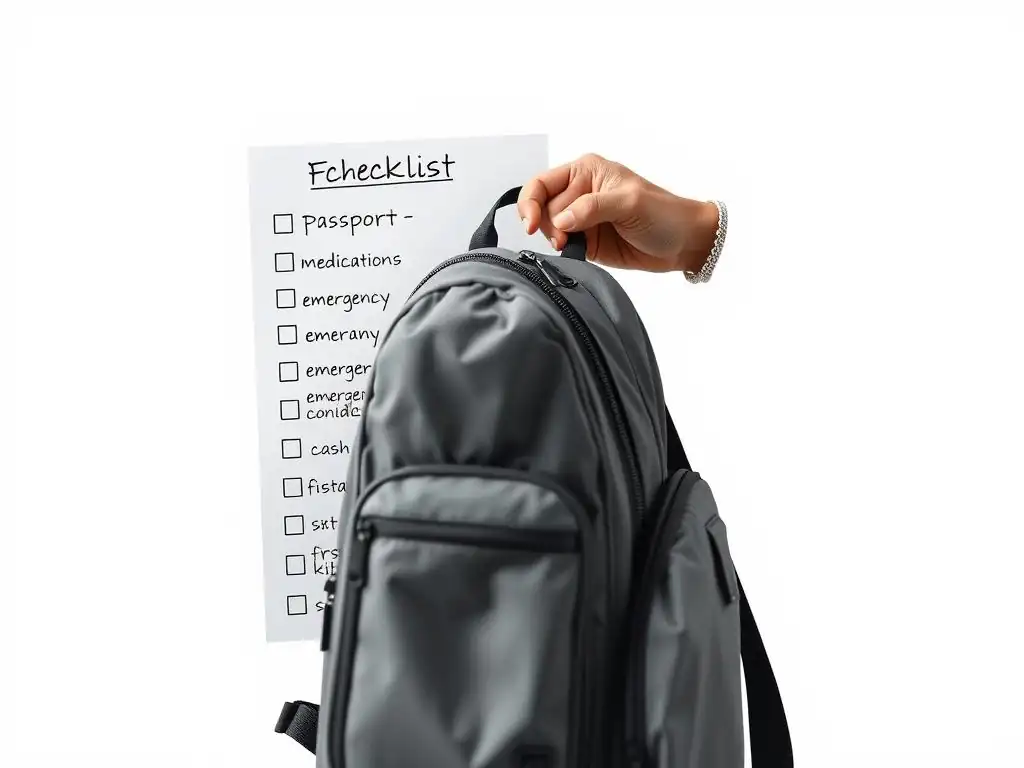
Ready to conquer chaos and travel smarter? At UltimateLifeHacks, we equip you with the practical tools and strategies to streamline your life. But what happens when the unexpected occurs? Our latest Travel Hacks article reveals an essential Emergency Travel Plan Checklist – your passport to peace of mind, no matter where your adventures take you. Discover how to prepare for unforeseen circumstances and navigate any crisis with confidence. Dive in and learn how to transform potential travel nightmares into manageable situations!
- Building Your Essential Emergency Travel Plan Checklist
- Responding to Unexpected Events: Handling Travel Disruptions
- Staying Safe During Natural Disasters and Other Emergencies
- Post-Emergency Actions: Returning Home Safely
- Creating a Comprehensive Emergency Travel Plan Template: A Step-by-Step Guide
-
Frequently Asked Questions
- What is an emergency travel plan, and why is it important?
- What should I include in my emergency travel plan checklist?
- How can I stay safe while traveling during an emergency?
- What if I lose my passport or other important documents while traveling?
- How does having an emergency travel plan improve my overall travel experience?
- Final Reflection: Navigating Uncertainty: The Power of Preparedness
- Ready Your Emergency Kit: Take Control of Your Travel Safety Now!
Building Your Essential Emergency Travel Plan Checklist
Traveling can be an enriching experience, opening doors to new cultures and adventures. However, unforeseen circumstances can sometimes disrupt even the most meticulously planned trips. This article focuses on creating a robust emergency travel plan checklist, a crucial component of responsible travel preparation. We'll guide you through pre-trip preparations, essential packing considerations, and strategies for ensuring your safety and well-being should unexpected events arise.
Developing a comprehensive emergency travel plan checklist isn't just about reacting to crises; it's about proactively mitigating risks and ensuring peace of mind throughout your journey. This proactive approach will allow you to focus on enjoying your trip knowing you're prepared for anything. Mastering the art of emergency preparedness transforms potential anxieties into confident anticipation, making your travels smoother and more enjoyable. This guide will help you build a personalized "Emergency travel plan checklist" to handle any situation with confidence.
Pre-Trip Preparations: Crucial Steps for a Smooth Journey
Before even stepping foot on the plane, several key actions can significantly reduce stress and improve your ability to handle emergencies. Thorough pre-trip planning is paramount to a successful and safe journey. This involves more than just booking flights and accommodations; it's about anticipating potential problems and creating solutions before they become crises.
This phase involves several crucial steps:
- Researching your destination: Understanding local laws, customs, and emergency services is vital. Knowing where to find medical facilities, police stations, and embassies in your destination country can be crucial in an emergency.
- Checking travel advisories: Staying informed about any potential safety concerns or travel restrictions issued by your government is essential. Understanding these advisories allows you to make informed decisions and adjust your plans as needed.
- Making copies of important documents: Create digital and physical copies of your passport, visa, driver's license, travel insurance policy, and other essential documents. Store these copies separately from the originals, ideally in a secure cloud service and a physical location separate from your main luggage.
- Informing your bank and phone provider: Notify your bank and mobile phone provider of your travel dates and destinations to avoid any issues with accessing funds or using your phone overseas. This simple step can prevent significant headaches down the line.
- Learning basic phrases in the local language: Even a few basic phrases in the local language can be incredibly helpful in emergency situations. Knowing how to ask for help, directions, or medical assistance can significantly improve your chances of a positive outcome.
Packing Your Emergency Kit: Essential Items and Considerations
Your emergency kit is your lifeline in unexpected situations. It should be easily accessible and contain everything you might need for a short-term emergency. Remember, this kit is designed for immediate needs until professional help arrives.
Consider including:
- First-aid kit: A comprehensive first-aid kit with bandages, antiseptic wipes, pain relievers, and any personal medications.
- Essential medications: Pack a sufficient supply of any prescription medications, along with a copy of your prescription.
- Copies of important documents: As mentioned above, having readily available copies of your passport, insurance, and other crucial documents is essential.
- Cash and credit cards: Ensure you have a mix of local currency and credit/debit cards, keeping them separate for security.
- Portable charger: A portable charger for your phone is invaluable in emergency situations.
- Water and high-energy snacks: Non-perishable food items and water bottles can sustain you until help arrives.
- Small flashlight or headlamp: A small, reliable light source is incredibly useful in various emergency situations.
Documenting Important Information: Passports, Insurance, and Contact Details
Keeping your essential information organized and readily accessible is paramount. This includes not only the physical documents but also the digital records.
This involves:
- Passport and visa details: Note down your passport number, expiry date, and visa information. Store this information securely both digitally and in a separate physical location.
- Travel insurance policy details: Keep a record of your policy number, contact information for your insurer, and a summary of your coverage.
- Emergency contact details: Make a list of emergency contacts, including family, friends, and your embassy or consulate. Share this information with someone who isn't traveling with you.
- Flight and accommodation details: Keep a record of your flight numbers, hotel reservations, and any other travel arrangements. This information is crucial if your plans are disrupted.
- Medical information: Note any allergies, pre-existing medical conditions, and the names of your medications. This is particularly crucial for situations requiring medical attention.
Keeping your loved ones informed about your travel plans is a crucial aspect of safety and peace of mind. This allows them to assist you in an emergency.
Here's how:
- Share your itinerary: Provide a detailed itinerary to at least one trusted contact, including flight numbers, hotel information, and planned activities.
- Regular check-ins: Establish a regular check-in schedule to keep your contact updated on your whereabouts.
- Emergency contact information: Provide your contact information and instructions on how to reach you in case of an emergency.
- Location sharing: Consider using location-sharing apps to provide real-time updates on your location to your trusted contact. This allows them to track your movements and respond quickly if needed.
- Pre-arranged meeting points: If traveling with others, establish pre-arranged meeting points in case you get separated.
Remember, preparation is key. A well-thought-out emergency travel plan checklist can significantly reduce stress and improve your ability to handle unexpected events during your travels. Enjoy your adventures with confidence!
Responding to Unexpected Events: Handling Travel Disruptions
Unexpected events can significantly disrupt even the most meticulously planned trips. A robust emergency travel plan checklist is crucial for mitigating these disruptions and ensuring a smoother, safer journey. This section focuses on practical strategies for navigating common travel emergencies. Effective planning minimizes stress and maximizes your ability to adapt to unforeseen circumstances. The key is proactive preparation, allowing you to react decisively when things go wrong.
Dealing with Flight Cancellations and Delays: Practical Solutions
Flight cancellations and delays are unfortunately common occurrences. Being prepared can significantly reduce the impact on your trip. First, understand your rights as a passenger. Airlines often offer rebooking options, hotel accommodations, and meal vouchers depending on the reason for the delay and the length of the disruption. Always confirm these options with the airline staff.
Secondly, having a backup plan is essential. Consider having alternative flight options in mind, perhaps with different airlines or nearby airports. This requires some pre-trip research, identifying potential alternatives and comparing prices. Keep copies of your itinerary and booking confirmations readily available – both digital and physical.
Finally, consider travel insurance that covers flight disruptions. Many policies reimburse for expenses incurred due to delays or cancellations, such as meals, accommodation, and transportation. Remember to meticulously document all expenses and keep receipts for potential reimbursement claims. Having a checklist of what to do in these situations can help you stay calm and organized during a stressful time.
Medical emergencies abroad can be particularly daunting. Comprehensive travel insurance is paramount. Ensure your policy covers emergency medical evacuation, hospitalization, and repatriation. Before you travel, familiarize yourself with the policy details, including contact information for your insurer and any necessary pre-authorization procedures. Knowing the process before you need it is crucial.
Furthermore, research healthcare facilities near your destination. Identify hospitals and clinics that cater to international patients. Note their contact details and check their reputation, if possible. Consider downloading a translation app to facilitate communication with medical professionals. Carrying a list of any allergies, medications, and pre-existing conditions can also prove invaluable in an emergency situation. This proactive approach to healthcare planning is a critical component of any robust emergency travel plan checklist.
Lost or Stolen Belongings: Protecting Yourself and Your Valuables
Losing or having your belongings stolen while traveling is a distressing experience. Prevention is key. Keep valuables secure, using hotel safes where available, and avoid carrying large sums of cash. Consider using a money belt or other discreet methods of carrying important documents and credit cards. Make photocopies of your passport, driver's license, and other essential documents and store them separately from the originals. Consider storing digital copies in the cloud or emailing them to yourself.
In case of theft, report the incident immediately to the local authorities and your embassy or consulate. Obtain a police report, which is usually required for insurance claims. Your travel insurance should cover the replacement of lost or stolen items, up to a specified limit. Remember to carefully document everything, including details of stolen items, their value, and any expenses incurred as a result. A well-defined process for handling lost or stolen belongings is a critical element of any comprehensive emergency travel plan checklist. Remember to always prioritize your safety and well-being.
Staying Safe During Natural Disasters and Other Emergencies
This section focuses on practical steps to enhance your safety during unforeseen travel disruptions. A robust emergency travel plan checklist is crucial for mitigating risks and ensuring a swift, safe response to unexpected events. Remember, proactive planning is key to minimizing stress and maximizing your well-being in challenging situations.
Understanding Regional Risks: Researching Potential Hazards at Your Destination
Before embarking on any journey, understanding the potential hazards at your destination is paramount. Thorough research is the cornerstone of a comprehensive emergency travel plan checklist. This involves more than just checking the weather forecast; it necessitates a deeper dive into the region's specific vulnerabilities.
Consider these factors:
- Natural Disasters: Are earthquakes, hurricanes, floods, wildfires, or tsunamis common in the area? Research historical data to gauge the likelihood and severity of such events. For example, if traveling to a coastal region prone to hurricanes, understanding the hurricane season and evacuation routes is vital.
- Geopolitical Instability: Is the region politically stable? Are there any ongoing conflicts or civil unrest that could impact travel safety? Reliable news sources and government travel advisories should be consulted.
- Health Risks: What are the prevalent health risks in the destination? Are there endemic diseases or outbreaks that require specific vaccinations or precautions? The Centers for Disease Control and Prevention (CDC) website offers valuable information on this front.
- Crime Rates: What is the local crime rate? Are there specific areas to avoid, or precautions to take to minimize the risk of theft or assault? Local police reports and travel blogs can offer insights.
By diligently researching these factors, you can create a personalized emergency travel plan checklist that addresses the specific risks you might encounter. This proactive approach empowers you to make informed decisions and take appropriate preventive measures. Remember, knowledge is your strongest defense.
Evacuation Procedures: Knowing What to Do in Case of Emergency
Having a clear evacuation plan is a critical component of any comprehensive emergency travel plan checklist. This involves understanding the local emergency procedures and identifying potential escape routes. This isn't just about knowing where to go, but how to get there safely and efficiently.
Consider these steps:
- Identify Escape Routes: Before arriving at your accommodation, familiarize yourself with multiple escape routes from your hotel, rental property, or any other lodging. Note the locations of emergency exits, stairwells, and assembly points.
- Locate Emergency Services: Know the local emergency numbers (equivalent of 911) and how to contact them. Download a translation app if necessary.
- Pack an Emergency Kit: A well-stocked emergency kit is essential. This should include essentials such as water, non-perishable food, a first-aid kit, a flashlight, a whistle, and copies of important documents (passport, insurance information, etc.). Consider including a portable charger for your phone.
- Establish a Rendezvous Point: Designate a specific meeting point with your travel companions in case you become separated during an evacuation.
- Practice Your Plan: Before a crisis hits, practice your evacuation plan. This will help you and your travel companions react quickly and efficiently in a real emergency.
Communication Strategies: Staying Connected During a Crisis
Maintaining communication during a crisis is vital. A robust communication strategy is a cornerstone of a well-rounded emergency travel plan checklist. However, relying solely on your cell phone might not always be reliable, especially during widespread power outages or network congestion.
Here are some strategies to consider:
- Multiple Communication Methods: Don't rely solely on your mobile phone. Consider carrying a satellite phone or a two-way radio for situations where cellular service is unavailable.
- Inform Loved Ones: Before your trip, inform family and friends of your itinerary, including your accommodation details and planned activities. Regularly update them on your location and well-being.
- Pre-Planned Messages: Prepare short, pre-written text messages to send to loved ones to quickly convey your status in case of an emergency. For example, "Safe, but delayed." or "Evacuating, will update when possible."
- Emergency Contacts List: Keep a physical copy of emergency contact information, including local emergency services, your embassy or consulate, and family/friends. This is especially crucial if your phone is lost or damaged.
By implementing these strategies, you can significantly improve your ability to stay connected and informed during a crisis, ensuring that you can receive assistance and keep your loved ones updated on your safety. Remember, clear and consistent communication is crucial during emergencies.
Post-Emergency Actions: Returning Home Safely
After a travel emergency, safely returning home is paramount. This involves more than just booking a flight; it requires careful planning and proactive steps to minimize further complications and ensure your well-being. An effective emergency travel plan checklist should incorporate detailed procedures for this crucial phase.
Successfully navigating the insurance claims process after a travel emergency is crucial for recovering financial losses. Many insurance policies cover trip cancellations, medical emergencies, and lost luggage, but understanding the specific terms and conditions of your policy is vital. Before you even depart, familiarize yourself with your policy's claim procedures. Note down the claim number, the contact information for the insurance provider, and any necessary documentation requirements.
Following an emergency, act swiftly. Gather all relevant documentation, including flight itineraries, medical bills (if applicable), police reports (for theft or loss), and photographic evidence of damaged belongings. Many insurance companies have online portals for submitting claims, streamlining the process. However, be prepared for potential delays; processing times can vary significantly depending on the insurer and the complexity of the claim.
Maintain meticulous records of all communication with your insurer, including emails, phone calls, and claim tracking numbers. If you encounter difficulties, don't hesitate to escalate your concerns to a supervisor or file a formal complaint. Remember, meticulous record-keeping is your best ally in ensuring a smooth claims process.
Consider the potential for multiple claims. For example, you might have separate claims for flight cancellations, medical expenses, and lost baggage. Treat each claim individually and ensure you submit all necessary documentation for each. Proactive communication with your insurer is key; don't wait for them to contact you – keep them updated on your progress and any additional information they might require. A well-documented and promptly submitted claim significantly increases the chances of a successful outcome.
Contacting Your Embassy or Consulate: Seeking Assistance When Needed
When facing a significant travel emergency abroad, contacting your country's embassy or consulate can be invaluable. These organizations offer assistance to citizens in distress, providing support ranging from emergency passport replacement to connecting you with local resources. They may also help facilitate communication with local authorities and provide information on local laws and customs.
Before you travel, it's wise to locate the contact information for your embassy or consulate in your destination country. Save this information in multiple places – your phone, a printed document, and perhaps even in an email to a trusted friend or family member. This proactive step can prove crucial in the event of a communication blackout.
When contacting the embassy or consulate, be prepared to provide detailed information about your situation, including your passport number, location, and the nature of the emergency. The level of assistance provided can vary depending on the circumstances and the resources available. However, they often provide essential guidance and support, helping you navigate unfamiliar legal and bureaucratic systems. Their role is to advocate for your safety and well-being, particularly in situations where you might face language barriers or cultural differences. Remember, they are there to assist; don't hesitate to reach out – even for seemingly minor issues.
Recovering from Travel Disruptions: Minimizing Losses and Stress
Recovering from travel disruptions caused by emergencies requires a multifaceted approach. Beyond the immediate practical steps, consider the emotional toll and the need for self-care. The unexpected nature of these events can be stressful, and prioritizing your mental and physical well-being is as important as addressing logistical issues.
One critical aspect of recovery is minimizing financial losses. Beyond insurance claims, explore potential compensation from airlines or travel agencies for cancelled flights or disrupted itineraries. Keep records of all expenses incurred due to the emergency, including transportation, accommodation, and communication costs. This documentation can be essential when seeking reimbursement from relevant parties.
Beyond the financial aspects, consider the emotional recovery. Allow yourself time to process the experience. Talk to friends, family, or a mental health professional if needed. Engage in activities that promote relaxation and well-being. Remember that recovery is a process, and it's okay to take time to heal.
Consider journaling or mindfulness techniques to help you process your emotions and move forward. Prioritize self-care to better manage the stress and anxiety often associated with such unexpected events. Building resilience is key to handling future unforeseen circumstances. Your emergency travel plan checklist should include a self-care component to address this often-overlooked aspect of emergency travel.
Creating a Comprehensive Emergency Travel Plan Template: A Step-by-Step Guide
Creating a robust emergency travel plan is crucial for navigating unforeseen circumstances while traveling. This isn't about being overly cautious; it's about being prepared. A well-structured emergency travel plan checklist minimizes stress and maximizes your ability to react effectively to unexpected events. This section outlines the key components of a comprehensive template.
Downloadable Emergency Travel Plan Checklist: [Link to Downloadable Checklist]
We understand the value of a readily available, practical tool. That's why we've created a downloadable emergency travel plan checklist designed to streamline the process. This checklist covers essential aspects, from contact information to crucial documents. [Link to Downloadable Checklist] will provide you with a structured framework to fill in your specific details. It’s designed to be easily printable and adaptable to various travel situations. Remember to keep a digital copy as well, stored in a readily accessible cloud service or on multiple devices. This ensures redundancy in case of physical loss. The checklist includes sections for:
- Personal Information: Full name, date of birth, passport number, emergency contact details (at least two, with their phone numbers and email addresses), allergies, and any relevant medical conditions.
- Travel Itinerary: Flight details (airline, flight numbers, times), hotel reservations (name, address, contact information), planned activities, and transportation methods.
- Important Documents: Passport/Visa copies (stored separately from the originals), driver’s license copy, travel insurance policy details, and credit card information (consider storing this separately in a secure, encrypted format).
- Emergency Contacts: Local embassy contact information, travel agent details (if applicable), and the numbers for local emergency services.
- Financial Information: Credit card numbers, bank contact information, emergency funds access details (e.g., travel money card PIN).
- Medical Information: List of medications, allergies, and any pre-existing medical conditions. Include doctor's contact information if possible.
This comprehensive approach ensures you’re ready for any eventuality.
Personalizing Your Checklist: Tailoring it to Your Specific Needs and Destinations
A generic emergency travel plan checklist is a good starting point, but personalization is key. Consider these factors when tailoring your checklist:
- Destination-Specific Risks: Research potential hazards at your destination. Are there prevalent diseases? Is there political instability? Are there specific safety concerns? Adjust your checklist accordingly. For example, a trip to a remote area might necessitate including a detailed map and survival gear information. A trip to a major city may focus more on pickpocketing prevention strategies.
- Individual Needs: Do you have any specific medical needs or conditions that require additional planning? Are you traveling with children or elderly companions? These factors will influence the level of detail needed in your plan. Consider packing extra medications or including specific instructions for caregivers.
- Mode of Transportation: Are you flying, driving, or using public transportation? Your emergency plan should address the specific risks associated with each mode. For example, if you're driving, include roadside assistance information.
- Trip Length: The length of your trip will affect the amount of supplies and provisions you need. A longer trip will require more thorough planning for food, water, and medications.
Remember, the more specific your plan is to your individual needs and circumstances, the more effective it will be. This personalized approach to your emergency travel plan checklist ensures that you are prepared for a wide range of potential situations.
Regularly Reviewing and Updating Your Plan: Ensuring its Relevance
Your emergency travel plan isn't a "set it and forget it" document. Regular review and updates are essential to maintain its relevance and effectiveness. Consider these points:
- Before Each Trip: Review your checklist before each trip, ensuring that all information is current and accurate. Update contact information, check expiration dates on documents, and verify travel insurance coverage.
- After Each Trip: After each trip, reflect on your experience. Were there any unforeseen events? Did your plan work effectively? What could be improved? Use this feedback to refine your checklist and make it even more robust.
- At Least Annually: Even if you don't travel frequently, review and update your checklist at least once a year. This ensures that your contact information, passport details, and other crucial information remain up-to-date.
By consistently reviewing and updating your emergency travel plan checklist, you’ll significantly enhance your preparedness and safety while traveling. This proactive approach transforms your checklist from a static document into a dynamic tool that adapts to your evolving needs and circumstances. This diligent approach to maintaining your emergency travel plan checklist is a crucial element of responsible and safe travel.
Frequently Asked Questions
What is an emergency travel plan, and why is it important?
An emergency travel plan is a preparedness document outlining steps to take during unexpected events while traveling. It's crucial for safe and efficient response to crises, minimizing disruption and ensuring your well-being. It helps you stay calm and think clearly during stressful situations.
What should I include in my emergency travel plan checklist?
Your checklist should include essential contact information (family, embassy), copies of important documents (passport, insurance), emergency funds, medical information, and details about your travel itinerary. Consider also packing a small emergency kit.
How can I stay safe while traveling during an emergency?
Prioritize your personal safety by following local advisories, staying informed through reliable news sources, and heeding official instructions. Maintain communication with loved ones and be aware of your surroundings. Trust your instincts.
What if I lose my passport or other important documents while traveling?
Immediately report the loss to the local authorities and your country's embassy or consulate. File a police report and obtain a replacement passport as soon as possible. Having copies of your documents will greatly expedite this process.
How does having an emergency travel plan improve my overall travel experience?
A well-prepared plan reduces stress and anxiety, allowing you to enjoy your trip more. Knowing you're prepared for unexpected events provides peace of mind and lets you focus on the fun aspects of traveling. It ensures a smoother and safer journey.
The ability to adapt and respond effectively during unforeseen crises is no longer a luxury; it's a necessity. In an increasingly volatile world, the knowledge and skills outlined in this article – creating a robust emergency travel plan – are more critical than ever before. The unpredictable nature of natural disasters, geopolitical events, and even personal emergencies underscores the urgent need for proactive planning.
The impact of effective emergency preparedness extends far beyond individual safety; it ripples outwards, strengthening community resilience and fostering a sense of collective responsibility. The best way to predict the future is to create it.
- Abraham Lincoln. This quote perfectly encapsulates the proactive nature of emergency planning; by taking control of our preparedness, we shape a more secure future for ourselves and those around us. The feeling of empowerment that comes from knowing you're ready to face the unexpected is invaluable.
Now, consider your own circumstances. What steps can you take today to enhance your personal emergency travel plan? Perhaps it's updating your contact list, refining your evacuation route, or finally assembling that essential emergency kit. Don't let the fear of the unknown paralyze you; instead, embrace the opportunity to build a stronger, more resilient future. Take action, and empower yourself with the knowledge and tools to navigate whatever life throws your way.
Ready Your Emergency Kit: Take Control of Your Travel Safety Now!
Thanks for learning about crucial emergency travel planning! You now have the knowledge to confidently navigate unexpected situations. Let's put that knowledge into action:
- Assemble your personalized emergency kit: This is the most important step! Review the checklist from the article and gather essential items. Start packing today!
- Share your travel plans with loved ones: Ensure they know how to reach you in an emergency. A quick conversation can make all the difference.
- Boost your kit with a portable solar charger: This is a game changer for maintaining communication in remote areas.
What essential item are you adding to your emergency kit? Let's share ideas in the comments!