
The Future of Hotel Booking: AIPowered Tools for Smart Travelers


Ready to revolutionize your travel planning? At UltimateLifeHacks, we're dedicated to helping you reclaim your time and boost your efficiency. Forget endless scrolling and frustrating searches – we're unveiling the secrets to seamless travel with our latest deep dive into AI hotel booking tools. Discover how these innovative technologies are transforming the way smart travelers plan their getaways and experience the ultimate in convenience. Dive in and unlock a world of effortless travel!
- AI Hotel Booking Tools: Revolutionizing Travel Planning
- Top AI-Powered Hotel Booking Platforms: A Comparison
- Beyond Basic Search: AI's Enhanced Features for Hotel Bookings
- The Future of AI in Hotel Booking: Emerging Trends
- Maximizing Your AI Hotel Booking Experience: Practical Tips
- Frequently Asked Questions
- Final Reflection: AI's Arrival in the Hotel Booking Landscape
- Unlock Your Smart Travel Future: Book Smarter, Not Harder!
AI Hotel Booking Tools: Revolutionizing Travel Planning
The travel industry is undergoing a significant transformation, driven by the rapid advancements in artificial intelligence (AI). Gone are the days of endless scrolling through countless hotel listings, comparing prices, and meticulously reading reviews. AI-powered hotel booking tools are emerging as game-changers, offering a personalized and efficient way to plan and book accommodations.
This article explores the future of hotel booking, focusing on how AI is streamlining the process and empowering travelers to make smarter choices. We'll delve into the capabilities of AI-driven hotel recommendation engines, personalized suggestions based on your past travel data, and ultimately how these tools are saving time and optimizing the overall travel experience.
The rise of AI hotel booking tools represents a significant shift towards a more intuitive and user-friendly approach to travel planning, directly addressing the needs of the modern, tech-savvy traveler seeking efficiency and value for their money. This is a deep dive into the world of "AI hotel booking tools," exploring how this technology is reshaping the travel landscape.
Understanding the Power of AI in Hotel Searches
AI significantly enhances hotel searches by moving beyond simple keyword matching. Traditional search engines rely on basic algorithms, often failing to understand the nuances of a traveler's needs. AI, however, leverages machine learning to understand context, preferences, and even implied desires.
For instance, an AI-powered system can understand that a search for "romantic getaway in Paris" implies a desire for a luxurious hotel with amenities catering to couples, rather than simply returning a list of hotels located in Paris. This contextual understanding allows for more accurate and relevant results, saving users valuable time and effort. Furthermore, AI can analyze vast datasets of hotel information, including pricing, availability, guest reviews, amenities, and location data, to provide a comprehensive and nuanced understanding of each hotel's suitability for a particular traveler.
This surpasses the capabilities of traditional search methods, which often present a limited and potentially misleading view. The integration of natural language processing (NLP) further refines the search process, allowing users to express their needs in natural language rather than relying on specific keywords. This makes the search process more intuitive and accessible to a wider range of users.
AI-Driven Hotel Recommendation Engines: Finding Your Perfect Match
AI-driven hotel recommendation engines are at the forefront of this technological revolution. These sophisticated systems analyze user preferences and travel history to provide highly personalized recommendations. They go beyond simply matching keywords; instead, they identify patterns and correlations in user data to predict the types of hotels a traveler is most likely to enjoy.
For example, if a user consistently books boutique hotels in city centers with high ratings, the AI engine will prioritize similar options in their future searches. This level of personalization ensures that users are presented with hotels that truly align with their individual tastes and preferences. Moreover, these engines can dynamically adjust recommendations based on real-time factors, such as current prices, availability, and even weather conditions.
This dynamic approach ensures that users always have access to the most relevant and up-to-date information. The use of sophisticated algorithms allows these engines to learn and adapt over time, continuously improving the accuracy and relevance of their recommendations. This constant learning and improvement process ensures that the user experience is consistently enhanced.
Personalized Hotel Suggestions Based on Past Travel Data and Preferences
The ability to leverage past travel data is a key differentiator of AI-powered hotel booking tools. By analyzing previous bookings, including dates, locations, hotel types, and even specific amenities selected, these tools can create detailed user profiles that inform future recommendations. This personalized approach ensures that users are not bombarded with irrelevant suggestions. For example, if a user previously booked a family-friendly hotel with a pool and kids' club, the AI system will prioritize similar options in their future searches for family vacations.
This level of personalization drastically reduces the time and effort required to find suitable accommodations. Furthermore, AI can analyze user reviews and ratings to understand their preferences in greater detail. For instance, if a user consistently gives high ratings to hotels with exceptional customer service, the AI system will prioritize hotels known for their outstanding service.
This nuanced understanding of user preferences allows for a level of personalization that is simply unattainable with traditional search methods. This feature ultimately leads to a more satisfying and stress-free travel experience, allowing users to focus on enjoying their trip rather than spending hours searching for the perfect hotel. The use of AI in this context is not merely about automation; it's about enhancing the overall user experience and empowering travelers with the tools they need to make informed decisions.
Advanced Filtering and Search Capabilities with AI: Specific Needs, Easy Search
AI-powered hotel booking tools are transforming the way travelers search for accommodations. Gone are the days of endless scrolling through generic listings. These tools leverage advanced algorithms to understand your specific needs and preferences, delivering highly personalized search results. Instead of manually filtering by price, location, and amenities, you can simply describe your ideal hotel – "a boutique hotel near the Eiffel Tower with a rooftop pool and excellent reviews" – and the AI will do the heavy lifting. This intuitive approach saves significant time and effort, allowing you to focus on the exciting aspects of your trip.
The power of AI in filtering goes beyond simple keyword matching. It understands context and nuances. For example, if you mention "romantic getaway," the AI might prioritize hotels with features like couples' spa packages or private balconies. Similarly, if you're traveling with family, it might highlight hotels with family-friendly amenities such as kids' clubs or connecting rooms.
This level of personalization ensures that the search results are not only relevant but also cater to your unique travel style and requirements. The algorithms analyze vast datasets of hotel information, user reviews, and even real-time availability, providing a much more comprehensive and accurate search experience than traditional methods. This sophisticated filtering minimizes irrelevant results, leading to a more efficient and enjoyable booking process.
The future of hotel searches is about expressing your needs naturally, and letting AI handle the complex task of finding the perfect match. This personalized approach represents a significant leap forward in travel planning convenience, saving valuable time and reducing the frustration often associated with finding the right hotel. It's a true revolution in how we approach accommodation booking.
Top AI-Powered Hotel Booking Platforms: A Comparison

This section dives deep into the leading AI-powered hotel booking platforms, analyzing their key features, advantages, and disadvantages. We'll focus on how these tools leverage artificial intelligence to enhance the user experience and streamline the hotel booking process, ultimately saving you time and money. Understanding the nuances of each platform will empower you to choose the best AI hotel booking tool for your specific travel needs. Remember, the best tool depends on your individual preferences and priorities.
Kayak: Features, Pros, and Cons
Kayak, a well-known travel search engine, incorporates AI to significantly improve its hotel search functionality. Its AI algorithms analyze vast amounts of data to provide users with personalized recommendations and competitive pricing.
Explore and compare hotel prices from multiple sources
Kayak's strength lies in its ability to aggregate hotel prices from numerous online travel agencies (OTAs) and booking sites. This comprehensive search ensures you're not missing out on the best deals. The AI algorithms go beyond simple price comparisons; they analyze factors like room type, amenities, guest reviews, and location to present the most relevant options. For example, if you prioritize proximity to specific attractions, Kayak's AI will prioritize hotels that meet this criteria, even if slightly more expensive than others further away. This intelligent filtering significantly reduces the time spent sifting through irrelevant results.
User-friendly interface with robust filtering options
The platform boasts an intuitive interface, making navigation and filtering effortless. Beyond basic filters like dates and budget, Kayak allows you to refine your search using AI-powered suggestions. For instance, if you enter "family-friendly hotel near a beach," the AI will intelligently suggest hotels matching these criteria, potentially including those with kids' clubs, pools, or other family-oriented amenities. This advanced filtering significantly reduces the time spent manually reviewing numerous listings. The AI also learns from your past searches and preferences, tailoring future searches to your typical travel style.
Price Comparison and Value for Money
Kayak excels at presenting price comparisons in a clear and concise manner. It doesn't just show the price; it highlights the best deals and potential savings compared to other options. The AI algorithms take into account various factors—including taxes, fees, and potential discounts—to give you a true picture of the overall value. This transparency helps you make informed decisions, maximizing your budget and ensuring you get the best possible value for your money. The AI even predicts potential price fluctuations, allowing you to make strategic booking decisions based on predicted price increases or decreases.
Expedia: Features, Pros, and Cons
Expedia, another giant in the online travel industry, also utilizes AI to enhance its hotel booking capabilities. Their AI focuses on personalized recommendations and package deals, making it a strong contender in the AI hotel booking tools market.
Package deals combining flights and hotels
Expedia's AI excels at suggesting package deals that combine flights and hotels. This feature is particularly valuable for travelers who book both simultaneously. The AI intelligently analyzes flight and hotel availability, pricing, and your specified travel dates to find the most cost-effective packages. It considers various flight options and hotel choices, optimizing for your preferred travel times and budget constraints. This integrated approach simplifies the booking process and often leads to significant savings compared to booking flights and hotels separately.
Extensive hotel database with detailed descriptions
Expedia boasts a vast database of hotels worldwide, providing detailed descriptions, high-quality photos, and user reviews. The AI helps to personalize the presentation of this information, prioritizing hotels that match your preferences and travel style. For instance, if you're a frequent business traveler, the AI might highlight hotels with business centers and convenient locations. If you're a leisure traveler, it might prioritize hotels with amenities like pools or spas. This tailored approach significantly improves the user experience, making it easier to find the perfect hotel for your needs.
Price Comparison and Value for Money
Similar to Kayak, Expedia utilizes AI to compare prices across various hotels and packages. It presents the information in a user-friendly format, highlighting potential savings and value-added features. The AI algorithms also consider factors like cancellation policies and potential hidden fees, ensuring transparency and helping you make informed decisions. Expedia's AI-powered price comparison engine is constantly updated, ensuring you have access to the most current and accurate pricing information. This ensures you're always getting the best possible value for your hotel booking.
Booking.com: Features, Pros, and Cons
Booking.com, a long-standing giant in the online travel agency (OTA) space, has aggressively integrated AI into its platform to enhance user experience and streamline the hotel booking process. This translates to a more efficient and personalized search experience for users seeking "AI hotel booking tools". The platform leverages machine learning to understand user preferences and present highly relevant options, significantly reducing the time spent sifting through countless listings.
This AI-driven approach is particularly beneficial for travelers with specific needs or preferences, such as proximity to certain landmarks, specific amenities, or particular price ranges. The algorithm learns from past searches and bookings, refining its suggestions over time to become increasingly tailored to individual user profiles. This makes finding the perfect accommodation much faster and easier than traditional search methods.
Guest reviews and ratings integrated into search results
One of Booking.com's key strengths lies in its robust and highly visible guest review system. AI plays a crucial role in processing and analyzing these reviews, allowing the platform to present search results that prioritize accommodations with high ratings and positive feedback relevant to the user's search criteria.
The system goes beyond simply displaying a numerical score; it uses natural language processing (NLP) to identify recurring themes and sentiments within reviews. This allows users to quickly grasp the overall experience at a given hotel, addressing concerns such as cleanliness, noise levels, staff friendliness, and proximity to attractions.
For example, a user searching for a family-friendly hotel near a theme park will see reviews highlighting these aspects prominently displayed in the search results, making the decision-making process significantly faster and more informed. This intelligent filtering of reviews is a core component of Booking.com's AI-powered approach to hotel booking, directly benefiting users looking for reliable and trustworthy information.
Wide range of accommodation types beyond hotels
Booking.com's AI-powered search engine doesn't limit itself to hotels. It offers a vast selection of accommodations, including apartments, villas, guesthouses, hostels, and even unique stays like treehouses or yurts. This diverse range is seamlessly integrated into the AI-driven search, allowing users to easily filter and compare options across various accommodation types based on their needs and budget.
The algorithm understands the nuances of different accommodation types, taking into account factors like amenities, space, and location to present the most relevant options. For instance, a family traveling with children might be presented with apartments offering more space and kitchen facilities, while a solo traveler might be shown more budget-friendly hostels or smaller hotel rooms. This comprehensive approach ensures that users aren't restricted to traditional hotel options and can find the perfect accommodation for their specific travel style and preferences, demonstrating Booking.com's commitment to providing a comprehensive AI-powered hotel booking experience.
Price Comparison and Value for Money
Booking.com utilizes AI to analyze a vast amount of pricing data from various sources, providing users with a clear understanding of value for money. The platform doesn't just display prices; it uses sophisticated algorithms to compare prices across different dates, accommodation types, and locations. This allows users to identify potential savings and make informed decisions based on price fluctuations.
Furthermore, the AI considers factors beyond the base price, such as included amenities, cancellation policies, and potential added fees, to provide a more holistic assessment of value. This helps users avoid unexpected costs and choose accommodations that offer the best overall value for their money. This intelligent price comparison feature, powered by AI, is a key advantage for budget-conscious travelers seeking the best deals on their hotel bookings, showcasing how "AI hotel booking tools" are revolutionizing the way people plan their trips.
Beyond Basic Search: AI's Enhanced Features for Hotel Bookings
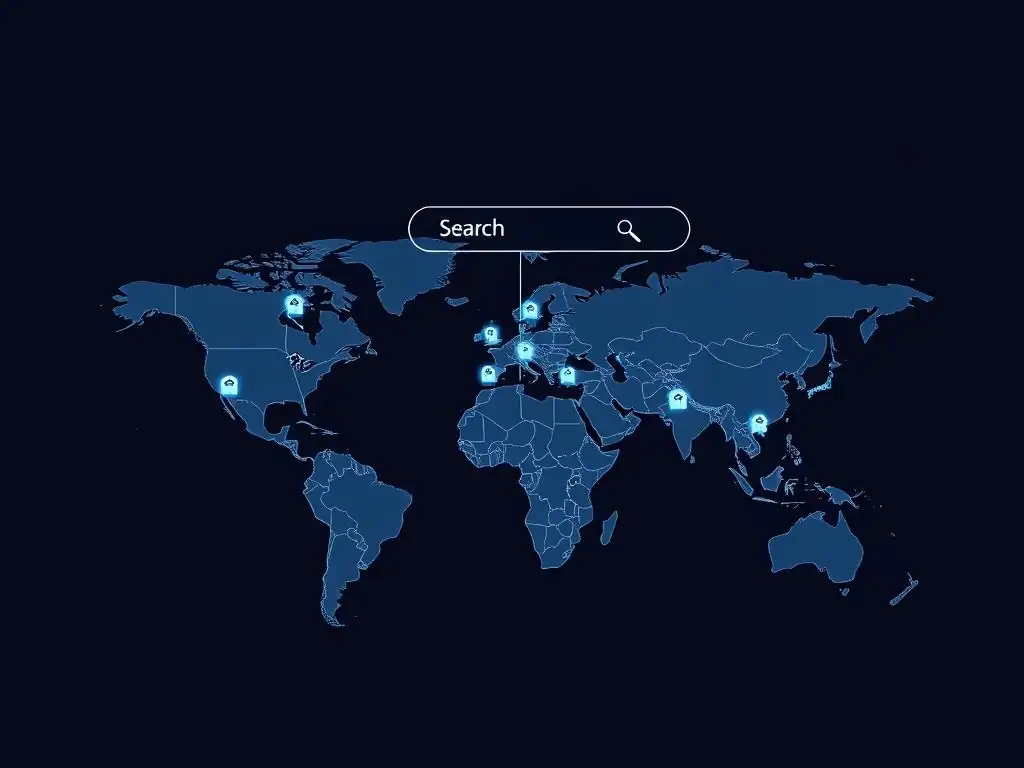
This section delves into the advanced capabilities of AI-powered hotel booking tools beyond simple search functionality. We'll explore how these tools leverage artificial intelligence to offer a more personalized and efficient booking experience, ultimately saving you time and money. Forget sifting through endless listings – AI streamlines the process, making finding your perfect hotel a breeze. The future of hotel booking is intelligent, adaptive, and incredibly user-friendly. We'll examine how AI transforms the traditional booking process, highlighting key features that set these tools apart.
AI-Powered Price Prediction and Alerts: Saving Money on Your Next Trip
AI algorithms analyze vast datasets of historical pricing data, current market trends, and even real-time demand fluctuations to predict future price movements for hotels. This predictive capability is a game-changer for budget-conscious travelers. Instead of booking impulsively, you can use AI-powered tools to identify the optimal time to book, potentially saving hundreds of dollars on your accommodation. Many tools offer price drop alerts, notifying you via email or app notification if the price of your chosen hotel falls below a specified threshold.
For example, imagine you're planning a trip to Paris in six months. An AI-powered booking tool might predict that hotel prices will be lower in late September than in July. This allows you to strategically plan your trip around optimal pricing, maximizing your travel budget.
The level of sophistication varies across different AI hotel booking tools; some might only offer basic price prediction, while others incorporate more complex factors like seasonality, events, and local demand to provide highly accurate forecasts. This feature alone makes AI-powered tools invaluable for savvy travelers seeking to optimize their spending. The potential savings are significant, especially for popular destinations during peak seasons.
Dynamic Package Deals and Customized Travel Itineraries
Beyond simply finding the best hotel price, sophisticated AI hotel booking tools can assemble personalized travel packages. These packages dynamically combine flight and hotel bookings, often offering significant discounts compared to booking each element separately. Furthermore, these AI systems can analyze your preferences (based on your past bookings, search history, or explicitly stated preferences) to suggest customized travel itineraries.
Imagine inputting your desired travel dates, destination (e.g., "Rome, Italy"), and budget. The AI could suggest not just a hotel, but also a flight, potential sightseeing tours, and even restaurant reservations, all tailored to your interests and financial constraints. This holistic approach to travel planning significantly reduces the time and effort required to organize a trip, transforming the potentially stressful process into a streamlined and enjoyable experience.
The level of customization offered varies across different platforms, but the trend is towards increasingly personalized and dynamic travel packages. This represents a significant advancement over traditional booking methods, offering a much more seamless and user-friendly experience.
Chatbots for Instant Hotel Booking Assistance and Support
Many AI-powered hotel booking tools now integrate intelligent chatbots to provide instant customer support and assistance. These chatbots can answer frequently asked questions, troubleshoot booking issues, and even guide you through the booking process in real-time. This 24/7 availability is a significant advantage, particularly for travelers in different time zones or those who encounter unexpected problems during their trip.
For instance, if you encounter a problem with your booking – perhaps a flight delay affecting your hotel check-in – you can instantly contact the chatbot for assistance. The chatbot might be able to re-schedule your booking, provide alternative accommodation options, or connect you with a human customer service representative if necessary. This immediate support minimizes disruption and stress, enhancing your overall travel experience.
The use of AI-powered chatbots is steadily improving, with more sophisticated natural language processing capabilities allowing for more natural and intuitive conversations. This feature is a key differentiator for AI hotel booking tools, showcasing the power of AI to enhance customer service and support.
AI-Driven Translation Tools for Seamless International Bookings
AI is revolutionizing international travel by breaking down language barriers. Many AI-powered hotel booking platforms now integrate real-time translation tools, making it significantly easier to navigate foreign websites and communicate with hotel staff. This feature is invaluable for travelers who may not be fluent in the local language. Imagine trying to decipher a complex cancellation policy written entirely in Mandarin – a daunting task for most. With AI translation, this becomes a simple process, boosting confidence and reducing the risk of misunderstandings.
The accuracy of these translation tools is constantly improving. While perfect translation remains an elusive goal, the current level of accuracy is sufficient for most travel-related communications. These tools can translate not only website text but also instant messages, emails, and even voice conversations, depending on the specific platform. This means travelers can easily clarify booking details, request special amenities, or address any issues that arise during their stay, all without the need for a human translator.
Furthermore, the integration of AI-driven translation directly within the booking process streamlines the entire experience. Instead of needing to switch between multiple apps or websites, users can complete the entire booking process – from searching for hotels to confirming their reservation – in their native language. This seamless integration minimizes friction and enhances the overall user experience, transforming what was once a potentially stressful process into a straightforward and enjoyable one.
This ease of use is a key advantage for AI-powered hotel booking tools, attracting a broader range of users, including those less tech-savvy or those who previously avoided international travel due to language barriers. The accessibility offered by AI translation is a significant step towards democratizing international travel.
The Future of AI in Hotel Booking: Emerging Trends
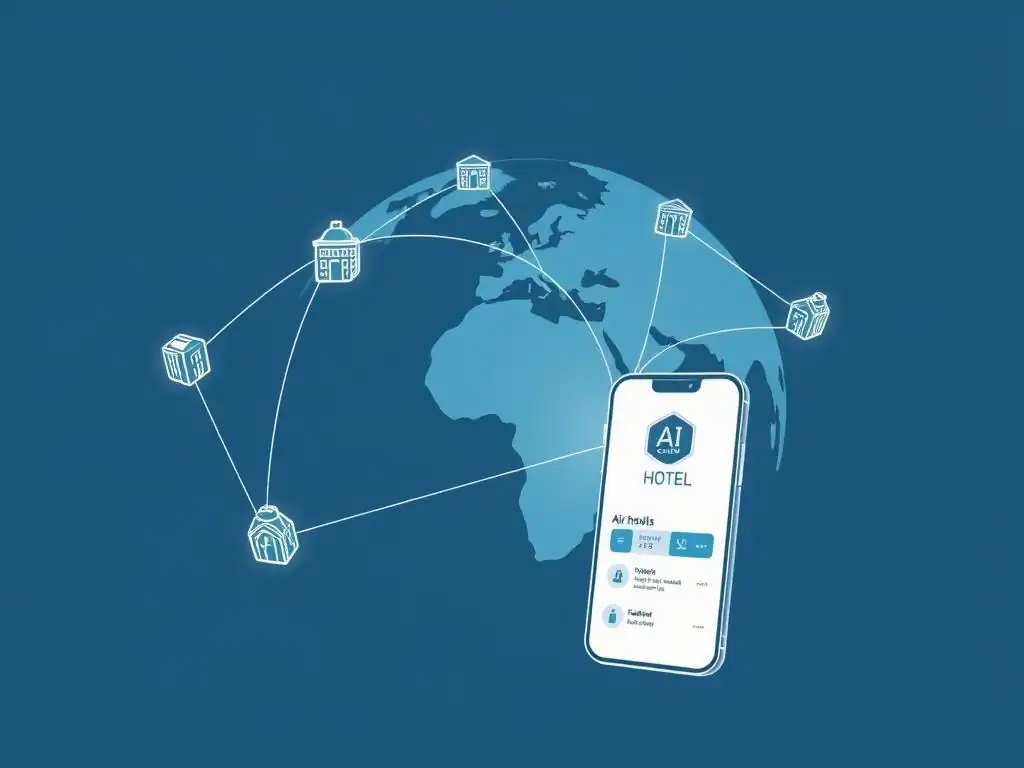
The travel industry is undergoing a significant transformation, driven largely by the rapid advancements in artificial intelligence (AI). AI hotel booking tools are no longer a futuristic concept; they're rapidly becoming the norm, offering travelers unprecedented levels of convenience, personalization, and efficiency. This section explores some of the key emerging trends shaping the future of AI-powered hotel booking.
The integration of AI is revolutionizing how we plan and book our accommodations, moving beyond simple search functionalities to offer truly intelligent and adaptive travel solutions. This shift promises to significantly improve the overall travel experience, making it smoother, more enjoyable, and less stressful.
Predictive Analytics for Personalized Travel Recommendations
AI algorithms are becoming increasingly adept at analyzing vast datasets of traveler preferences, past booking history, and real-time market data to provide highly personalized travel recommendations. This goes far beyond simply showing hotels within a specified price range and location. For example, an AI-powered system could analyze your past travel patterns, noting your preference for boutique hotels versus large chains, your typical length of stay, and your preferred amenities (e.g., swimming pool, fitness center, free breakfast).
Using this information, the system can proactively suggest hotels that perfectly match your unique profile, even before you specify your search criteria. Furthermore, predictive analytics can anticipate your needs, such as suggesting nearby restaurants based on your dietary preferences or recommending activities based on your interests, effectively curating a personalized travel itinerary. This level of personalization elevates the booking experience from a transactional process to a truly tailored travel planning service.
The ability to anticipate needs and preferences offers a significant competitive advantage for AI-powered hotel booking platforms. This predictive capability allows for proactive suggestions, leading to increased user satisfaction and potentially higher conversion rates.
Integration with Smart Travel Assistants and Voice Search
The rise of smart speakers and virtual assistants like Siri, Alexa, and Google Assistant has significantly impacted how people interact with technology. AI hotel booking tools are seamlessly integrating with these platforms, allowing users to book hotels using voice commands. Imagine simply saying, "Alexa, book me a hotel in Paris for next weekend near the Eiffel Tower," and having the AI assistant handle the entire process, including price comparisons, availability checks, and booking confirmations.
This hands-free approach to booking significantly streamlines the process, particularly for travelers on the go or those who prefer a more conversational interaction with technology. The convenience factor alone is a powerful driver of adoption, making voice-based booking a significant trend in the AI-powered hotel booking landscape.
Moreover, this integration expands accessibility, making hotel booking easier for individuals with disabilities or those who find traditional interfaces challenging to navigate. The future likely involves even more sophisticated voice interactions, allowing for nuanced requests and more complex booking scenarios.
Enhanced Security and Fraud Prevention using AI
Security is paramount in the online travel industry, and AI plays a crucial role in enhancing security measures and preventing fraudulent activities. AI algorithms can analyze vast amounts of data to identify suspicious patterns and transactions, flagging potentially fraudulent bookings or payments. This includes detecting anomalies in booking behavior, such as unusually high numbers of bookings from a single IP address or inconsistencies in billing information.
Machine learning models can be trained to recognize and prevent various types of fraud, improving the overall security of the booking process for both travelers and hotels. This proactive approach to fraud prevention builds trust and confidence in the platform, encouraging users to book with greater peace of mind. AI-powered security measures are constantly evolving to stay ahead of sophisticated fraud attempts, ensuring a safer and more reliable booking experience.
The ongoing development and refinement of these AI algorithms are essential to maintaining the integrity and trustworthiness of AI hotel booking tools. This continuous improvement is a key factor in ensuring the long-term success and adoption of these technologies.
The Impact of AI on Hotel Pricing Strategies and Customer Loyalty Programs
AI is revolutionizing how hotels set prices and manage customer loyalty programs. Gone are the days of static pricing models; AI algorithms now analyze vast datasets—including real-time demand, competitor pricing, historical booking data, and even weather forecasts—to dynamically adjust prices. This dynamic pricing allows hotels to maximize revenue by optimizing prices based on fluctuating demand. For example, a hotel might increase prices during peak tourist season or major events, while offering discounts during slower periods to fill vacancies. This sophisticated approach ensures hotels capture maximum profit while maintaining occupancy rates.
Furthermore, AI enhances customer loyalty programs by providing personalized recommendations and offers. By analyzing customer preferences, past booking history, and online behavior, AI can predict what types of deals or upgrades a guest might find appealing. This level of personalization leads to increased customer engagement and satisfaction, fostering stronger loyalty. Instead of generic email blasts, AI facilitates targeted communication, offering tailored discounts, early access to special offers, or even complimentary upgrades based on individual customer profiles.
This proactive approach to customer relationship management significantly improves retention rates and boosts the overall return on investment for loyalty programs. The result is a win-win situation: hotels increase revenue and customer loyalty simultaneously. This is a significant shift from traditional, less targeted methods of managing customer loyalty. The data-driven approach of AI-powered loyalty programs allows for a much more precise and effective approach to customer retention.
Maximizing Your AI Hotel Booking Experience: Practical Tips
This section delves into practical strategies for optimizing your experience with AI-powered hotel booking tools. Mastering these techniques will allow you to leverage the power of AI to secure the best possible accommodations at the best possible price, saving you both time and money. Remember, while AI can significantly streamline the process, human oversight remains crucial for achieving truly optimal results.
AI hotel booking tools excel at uncovering hidden gems and unique accommodations that might otherwise escape your notice. Traditional search engines often prioritize large chains and well-known properties. However, AI algorithms can analyze vast datasets of user reviews, ratings, and descriptions to identify smaller, independent hotels, boutique stays, and even unique experiences like glamping or stays in converted barns – all based on your specified preferences.
For example, by inputting preferences such as "eco-friendly hotel near a national park with excellent hiking trails," an AI-powered tool can sift through thousands of listings to identify properties perfectly matching your criteria, even if they lack extensive online marketing. Furthermore, some AI tools utilize natural language processing (NLP) to understand nuanced requests, allowing you to specify preferences beyond simple keywords. You could, for example, ask for a hotel with "a charming, rustic atmosphere" and the AI will interpret this subjective description to suggest fitting options.
This ability to understand context and nuance sets AI apart from traditional search methods. By specifying your desires in detail, you unlock the AI's potential to unearth truly exceptional and personalized travel experiences. Don't be afraid to experiment with descriptive language to see what hidden gems you can uncover!
Understanding the Limitations of AI in Hotel Booking
While AI hotel booking tools offer significant advantages, it's crucial to acknowledge their limitations. AI algorithms rely on the data they are fed; inaccuracies or biases in this data can lead to flawed recommendations. For instance, a hotel might have overwhelmingly positive reviews on one platform but negative ones on another. The AI may struggle to reconcile these conflicting reports, potentially leading to an inaccurate overall assessment.
Another limitation lies in the AI's inability to fully grasp subjective preferences. While NLP has improved dramatically, AI still struggles to interpret highly nuanced requests or understand the subtle differences between similar-sounding descriptions. For example, specifying a "quiet" hotel might yield different results depending on the AI's interpretation of "quiet." One AI might prioritize hotels in remote locations, while another might focus on hotels with soundproof rooms. Therefore, always cross-check AI recommendations with other sources and reviews to ensure they align with your expectations.
Finally, the AI's understanding of real-time availability and pricing can be impacted by delays in data updates from hotels. This can lead to situations where a hotel appears available through the AI tool but is actually booked upon trying to finalize the reservation. This highlights the need for careful verification before committing to a booking.
Combining AI Tools with Traditional Booking Methods for Optimal Results
To maximize your chances of securing the perfect accommodation, a hybrid approach combining AI tools with traditional booking methods is often most effective. Start by using an AI-powered tool to research potential options and identify properties that match your criteria. Then, cross-reference these results with reviews on multiple platforms (e.g., TripAdvisor, Booking.com) to get a more holistic picture of each hotel's strengths and weaknesses.
This dual approach allows you to leverage the efficiency of AI while mitigating its limitations. The AI can efficiently narrow down the possibilities, while manual verification ensures the accuracy and reliability of your final choice. Furthermore, you can use traditional methods to check for special offers or discounts not captured by the AI.
Many hotels offer exclusive deals directly through their websites or via email newsletters. By combining the power of AI with the thoroughness of traditional booking methods, you gain a significant advantage in securing the ideal hotel at the best possible price. This strategic combination ensures a smooth and successful hotel booking experience, maximizing your travel enjoyment.
Protecting Your Data and Privacy When Using AI-Powered Booking Platforms
Using AI-powered hotel booking platforms offers unparalleled convenience, but it's crucial to understand the implications for your data and privacy. These platforms often collect significant personal information, including your travel preferences, payment details, and even your browsing history. Understanding how this data is collected, used, and protected is paramount to ensuring a safe and secure booking experience.
One key aspect is the platform's privacy policy. Before using any AI-powered booking tool, carefully review its privacy policy. Look for clear statements about data collection practices, data sharing with third parties, and data retention policies. Pay close attention to how the platform uses your data for personalized recommendations—while convenient, this personalization often comes at the cost of increased data collection. Legitimate platforms will clearly outline their data usage practices. Be wary of platforms that are vague or opaque about their data handling procedures.
Consider the security measures implemented by the platform. Does it use encryption to protect your personal and financial information? Does it have robust security protocols in place to prevent data breaches? Look for indicators of security certifications or adherence to industry best practices. Reputable platforms prioritize security and will openly communicate their efforts in this area. A lack of transparency in security measures should raise red flags.
Furthermore, be mindful of the data you share. Avoid providing unnecessary personal information. Only share what's absolutely necessary for the booking process. Many platforms offer guest accounts, allowing you to save preferences without necessarily linking your full personal details. This can significantly reduce your digital footprint and enhance your privacy.
Finally, stay updated on data privacy regulations and best practices. Familiarize yourself with relevant laws like GDPR (General Data Protection Regulation) or CCPA (California Consumer Privacy Act) to understand your rights and how to protect your data. By being informed and proactive, you can significantly reduce the risks associated with using AI-powered hotel booking tools and maintain control over your personal information. Remember, a secure and private booking experience is a crucial aspect of responsible travel planning.
Frequently Asked Questions
What are AI-powered hotel booking tools?
AI-powered hotel booking tools use artificial intelligence to analyze vast amounts of data to find the best hotel deals and options based on your specific needs and preferences. They often offer personalized recommendations and streamline the booking process.
How do AI hotel booking tools save me time?
These tools automate the search process, eliminating the need to manually check multiple websites. They also filter results based on your criteria, saving you time spent sifting through irrelevant options. You get faster booking.
Are AI hotel booking tools more expensive than traditional methods?
Not necessarily. While some premium services might charge extra fees, many free AI-powered tools are available. They often find better deals by accessing a wider range of options than you could manually.
What kind of information do AI hotel booking tools need from me?
To provide personalized recommendations, these tools typically ask for your travel dates, destination, budget, and preferences (e.g., amenities, star rating). The more information you provide, the better the results.
How secure are AI hotel booking tools regarding my personal data?
Reputable AI hotel booking tools prioritize data security and comply with relevant privacy regulations. However, it's always wise to check the privacy policy of any tool before providing your personal information.
Final Reflection: AI's Arrival in the Hotel Booking Landscape
The integration of AI into hotel booking is no longer a futuristic fantasy; it's the present reality reshaping how we plan and experience travel. This shift promises a more personalized, efficient, and ultimately enjoyable travel experience for everyone, from budget backpackers to luxury travelers. The implications are vast, impacting not only the way we book rooms but also the very nature of the hospitality industry itself.
The rapid advancement of AI-powered tools has fundamentally altered the power dynamic between traveler and provider. The ability to access real-time data, personalized recommendations, and predictive pricing models empowers travelers like never before. This shift towards a more informed and empowered consumer is a positive development, fostering greater transparency and competition within the industry. The best way to predict the future is to create it.
- Peter Drucker. This quote perfectly encapsulates the proactive role AI plays in shaping the future of hotel booking, allowing us to actively participate in its evolution.
Consider the implications of this technological leap. How will you leverage AI-powered tools to enhance your next trip? Will you embrace the convenience of AI-driven recommendations, or will you prefer a more hands-on approach? The future of hotel booking is not predetermined; it's a collaborative journey shaped by both technological innovation and individual choices. Embrace the possibilities, explore the tools available, and embark on your next adventure with the power of AI at your fingertips.
Unlock Your Smart Travel Future: Book Smarter, Not Harder!
Thank you for exploring the future of hotel booking with us! You now have the knowledge to plan your next trip with unparalleled efficiency using artificial intelligence. Ready to put that knowledge into action?
- Book your next hotel using an AI-powered travel tool. Experiment with different platforms and compare their offerings – you might be surprised by the deals you find!
- Share this article with your fellow travel enthusiasts and spread the word about the benefits of using AI in travel planning.
- Leave a comment below and share your experience using AI tools for travel! What unexpected advantages did you discover?
What innovative travel tip will you discover next?