
Stay Connected: Communication Hacks for Remote Adventure Destinations


Ready to unlock the secrets to seamless productivity, even from a breathtaking remote location? At UltimateLifeHacks, we equip you with the tools to conquer your to-do list and embrace adventure. This week, we're diving into essential remote work communication tips that will keep you connected and efficient, no matter where your travels take you. Discover how to maintain peak performance while exploring the world – your journey to optimized living starts now!
- Mastering Remote Work Communication in Unconventional Locations
- Enhancing Communication Efficiency While Traveling
- Effective Communication Strategies for Remote Adventure Work
- Maintaining Work-Life Balance While Traveling Remotely
- Safety and Emergency Communication Protocols for Remote Work
-
Frequently Asked Questions
- How can I improve communication with my team while working remotely from a different time zone?
- What are some effective tools for remote team communication?
- How can I maintain a strong work-life balance while working remotely from an exciting location?
- How do I overcome communication barriers caused by language differences in a remote team?
- What are some tips for building rapport and trust with remote colleagues I've never met in person?
- Final Reflection: Bridging the Distance, Strengthening Connections
- Unlock Your Next Adventure: Stay Connected, Anywhere
Mastering Remote Work Communication in Unconventional Locations
Staying connected while working remotely from breathtaking, yet often challenging, adventure destinations requires a strategic approach. This article delves into practical communication hacks specifically designed for remote workers embracing unconventional locations. We'll explore how to overcome connectivity hurdles, select the appropriate communication tools, and optimize data usage to ensure seamless communication even in the most remote corners of the world.
Whether you're chasing waterfalls in Southeast Asia, trekking through the Andes, or exploring the Australian outback, maintaining consistent communication is key to productivity and peace of mind. This guide provides actionable strategies to help you conquer the communication challenges inherent in remote adventure travel, maximizing both your work efficiency and your travel experience.
Mastering these techniques will transform your remote work adventures from stressful struggles to seamless successes, allowing you to fully immerse yourself in the beauty of your surroundings while staying connected to your professional life. This is crucial for anyone searching for effective remote work communication tips.
Overcoming Connectivity Challenges in Remote Areas
Working remotely in remote areas presents unique connectivity challenges. Reliable internet access can be inconsistent or even nonexistent in many adventure travel destinations. This often necessitates creative solutions and a proactive approach to communication planning. Unexpected outages are a real possibility, so having a backup plan is essential for maintaining productivity and avoiding missed deadlines. Consider the following factors when planning your remote work adventure:
- Infrastructure limitations: Many remote areas lack the robust infrastructure found in urban centers. This can result in slow speeds, limited bandwidth, and frequent interruptions.
- Geographical factors: Mountains, dense forests, and vast distances can significantly impact signal strength and connectivity.
- Weather conditions: Rain, snow, and extreme temperatures can disrupt satellite and cellular signals.
Successful remote work in these environments requires adaptability and preparation. This means researching connectivity options before you go, having backup communication methods, and understanding the limitations you might encounter. A flexible work schedule can also help mitigate the impact of connectivity issues.
Choosing the Right Communication Tools for Adventure Travel
Selecting the right communication tools is paramount for effective remote work in challenging locations. Your choice should depend on factors like the availability of internet access, the type of work you do, and your budget. Consider these options:
Selecting Reliable Satellite Internet Options
Satellite internet offers a potential solution in areas with limited or no terrestrial internet access. However, it can be expensive and the latency (delay) can be high, impacting real-time communication. Research different satellite providers and compare their coverage, speeds, and pricing before committing. Consider the data allowance carefully, as exceeding your limit can lead to significant extra costs.
Utilizing Offline Communication Methods
Even with the best technology, connectivity issues can still arise. Therefore, having offline communication methods is crucial. These include:
- Pre-written email responses: Prepare responses to frequently asked questions in advance to save time and bandwidth.
- Offline document editing: Use software that allows you to work offline and sync later.
- Two-way radios: For immediate communication in areas with no cellular or internet service.
- Satellite phones: For voice communication in remote areas lacking cellular coverage. These offer a reliable backup for emergencies.
Optimizing Mobile Data Usage for Remote Work
Mobile data is another option, but it can be expensive and data limits are often easily exceeded. Optimizing data usage is crucial for maintaining cost-effectiveness. Consider these strategies:
- Compressing files: Reduce the size of files before sending them to conserve data.
- Using data-saving apps: Many apps offer features to reduce data consumption.
- Scheduling downloads and uploads: Perform data-intensive tasks during times of greater connectivity or when you have access to Wi-Fi.
- Utilizing Wi-Fi whenever possible: Take advantage of any available Wi-Fi hotspots to minimize mobile data usage.
By carefully considering these factors and implementing the strategies outlined above, remote workers can significantly improve their communication effectiveness and maintain seamless connectivity, even in the most remote and challenging adventure destinations. Remember that planning and preparation are key to successful remote work in unconventional locations.
Enhancing Communication Efficiency While Traveling
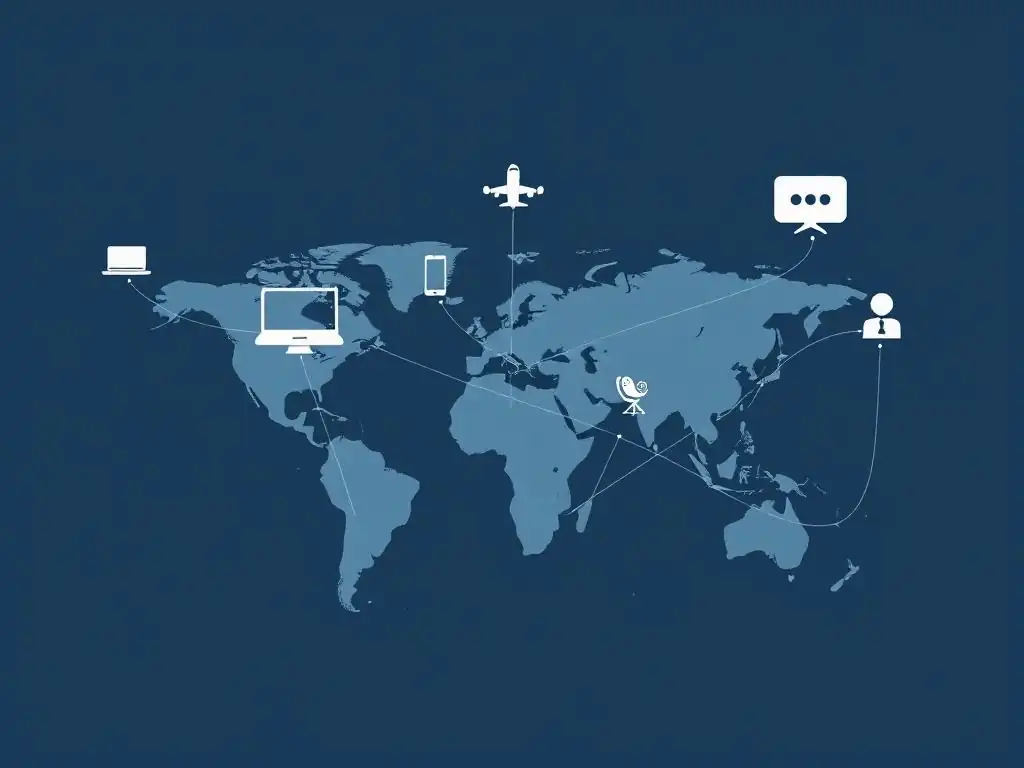
This section focuses on practical strategies to maintain seamless communication while working remotely in adventurous locations, addressing the challenges unique to remote work communication in such settings. We'll explore time zone management, streamlined communication protocols, and prioritizing communication during expeditions. Effective communication is paramount for successful remote work, especially when venturing off the grid. These tips will help you stay connected and productive, no matter where your adventures take you.
Time Zone Management Strategies for Remote Teams
Effective time zone management is crucial for remote teams, particularly when one or more members are working from significantly different time zones. Miscommunication and missed deadlines are common pitfalls if this isn't handled properly. Let's explore some strategies to overcome these challenges:
- Establish Overlapping Work Hours: Designate specific times when team members in different time zones can be online simultaneously. Even an hour of overlap can facilitate real-time collaboration and quick responses to urgent issues. This might involve adjusting individual schedules slightly to accommodate the shared window.
- Asynchronous Communication Tools: Embrace tools that facilitate asynchronous communication, such as project management software (e.g., Asana, Trello), communication platforms (e.g., Slack), and email. This allows team members to contribute and respond at their most convenient times, regardless of time zone differences.
- Clearly Defined Response Times: Set realistic expectations for response times. For example, agree that emails will be answered within 24 hours, acknowledging that this might be during the recipient's evening or early morning, depending on the time zone.
- Utilize Scheduling Tools: Tools like Calendly or Doodle Poll can simplify scheduling meetings and calls that accommodate various time zones. These tools automatically calculate and display times in each participant's local time, preventing confusion and missed appointments.
- Regular Check-ins: Schedule regular team check-ins, either synchronously or asynchronously, to ensure everyone is on the same page and to address any emerging challenges. These can be brief, focused updates rather than lengthy meetings.
Streamlining Communication Protocols for Adventure Trips
Maintaining clear communication while on an adventure trip requires a structured approach. Unreliable internet access and unpredictable situations necessitate pre-planned communication protocols. Here's how to streamline your communication:
- Pre-Trip Briefing: Before embarking on your adventure, hold a thorough briefing with your team (if applicable) outlining communication protocols, emergency contact information, and backup plans for communication outages.
- Designated Check-in Times: Establish specific times for daily or periodic check-ins, even if these are just short text messages or emails to confirm safety and well-being.
- Backup Communication Methods: Don't rely solely on internet-based communication. Have backup options like satellite phones or two-way radios for emergencies or situations with limited internet access. Consider the specific challenges of your destination when choosing backup methods.
- Concise and Clear Messaging: Prioritize brevity and clarity in your communications. When internet access is limited, lengthy messages may be difficult to send and receive.
- Emergency Contact List: Create a comprehensive emergency contact list readily accessible to all team members, including local emergency services and relevant contacts back home.
Prioritizing Communication During Expeditions
During expeditions, communication priorities shift towards safety and critical updates. Effective communication can be the difference between a successful trip and a potentially dangerous situation.
- Emergency Procedures: Develop clear and concise emergency procedures, including communication protocols for various scenarios, such as injuries, equipment malfunctions, or unexpected weather changes.
- Regular Safety Checks: Implement regular safety checks, especially in remote or challenging environments. This might involve scheduled check-in calls or text messages to confirm everyone's safety and well-being.
- Location Sharing: Utilize location-sharing apps or devices to enable real-time tracking of team members' locations, particularly in areas with limited visibility or communication.
- Limited Social Media: Minimize reliance on social media during expeditions, focusing instead on reliable communication channels for critical updates and safety information. The focus should be on efficient and reliable communication, not social media updates.
- Post-Expedition Debrief: After the expedition, conduct a debrief to review communication successes and areas for improvement. This ensures continuous refinement of your protocols for future adventures. This allows for learning and improvement in future remote work communication strategies.
Effective Communication Strategies for Remote Adventure Work
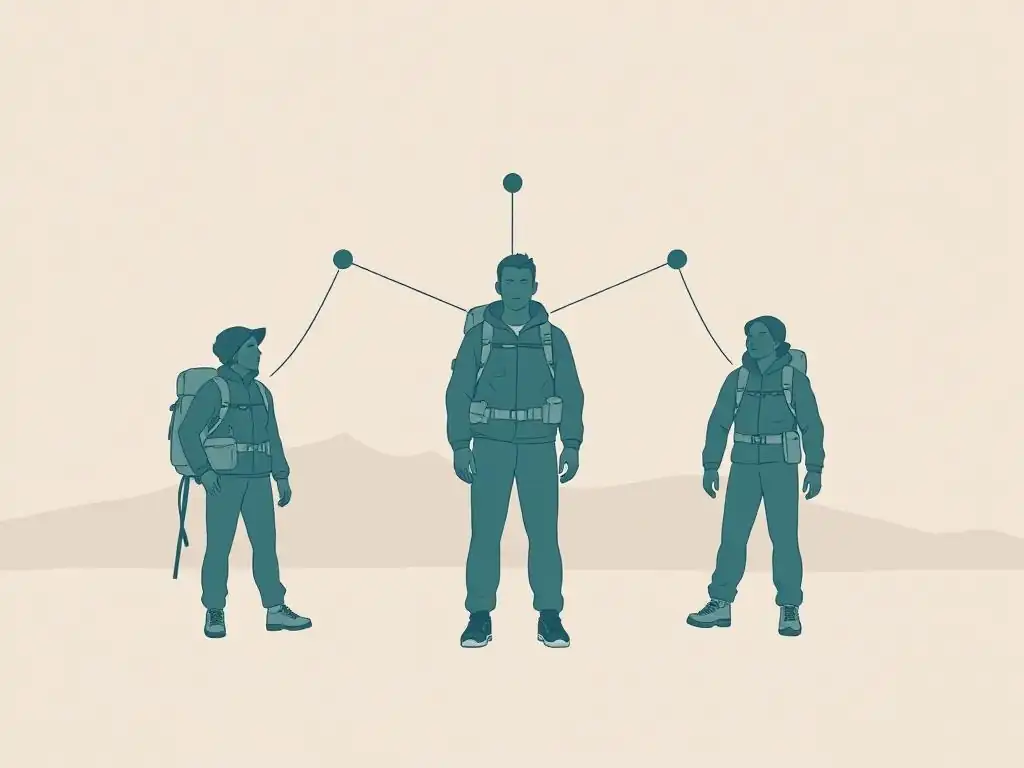
This section delves into practical communication strategies specifically designed for individuals working remotely in adventurous locations. Maintaining effective communication while navigating challenging environments and time zones is crucial for project success and team cohesion. These strategies focus on building strong relationships, ensuring clear communication, and leveraging technology to bridge geographical distances. Mastering these techniques will significantly enhance your remote work experience, regardless of your adventurous destination. Remember, clear and consistent communication is the cornerstone of successful remote work, particularly in unpredictable environments.
Building Strong Relationships with Remote Colleagues
Building strong relationships with remote colleagues is paramount, especially when working in diverse and geographically dispersed teams. While physical proximity is absent, fostering a sense of camaraderie and trust is achievable through deliberate effort. Regular virtual social gatherings, even informal ones, can help build rapport. Consider scheduling virtual coffee breaks or casual team chats to encourage informal interaction beyond work-related discussions.
These seemingly small interactions contribute significantly to team cohesion and improve overall communication effectiveness. Furthermore, actively participating in team-building activities, such as online games or virtual escape rooms, can create a more engaging and connected work environment. Remember that strong relationships act as a buffer against communication challenges that might arise from distance and varying time zones. Investing time in these relationships yields significant returns in terms of improved team performance and overall project success.
Maintaining Clear and Concise Communication Practices
Clear and concise communication is essential in any work environment, but it becomes even more critical when working remotely, especially in adventurous locations where access to reliable communication might be intermittent. Prioritize brevity and clarity in your messages. Avoid jargon and ensure your communication is easily understood by everyone on the team. Use bullet points and numbered lists to structure information logically, making it easier to digest.
Before sending any message, pause and ask yourself: "Is this message clear, concise, and easily understood?". Consider using a consistent communication style guide within your team to ensure uniformity and avoid misunderstandings. Regularly review and update this style guide to adapt to evolving needs and preferences. This proactive approach minimizes ambiguity and ensures everyone is on the same page.
Leveraging Technology for Seamless Collaboration
Technology plays a vital role in bridging the communication gap inherent in remote work, particularly in adventure travel contexts. Choosing the right tools and mastering their functionalities is crucial for seamless collaboration and efficient project management. The ability to effectively utilize these technologies directly impacts your productivity and overall success while working remotely. The selection of technologies should be tailored to the specific needs and challenges of your remote work environment. Consider factors such as internet connectivity, device accessibility, and team preferences when making these crucial decisions.
Utilizing Project Management Software for Remote Teams
Project management software is indispensable for remote teams, providing a centralized platform for task assignment, progress tracking, and communication. Tools like Asana, Trello, or Monday.com offer features such as task lists, deadlines, file sharing, and progress visualization. Effective utilization of these platforms minimizes confusion and ensures everyone is aware of their responsibilities and deadlines.
Regularly update project status within the chosen platform, maintaining transparency and accountability across the team. This proactive approach reduces the likelihood of misunderstandings and ensures that everyone is informed about the project's progress. Furthermore, utilizing the integrated communication features within these platforms streamlines communication and keeps all relevant information within a central hub.
Mastering Video Conferencing for Remote Adventures
Video conferencing is crucial for maintaining a personal connection and facilitating real-time collaboration despite geographical distance. Platforms like Zoom, Google Meet, or Microsoft Teams allow for face-to-face interaction, improving communication clarity and fostering stronger team relationships. Prior to any video conference, ensure a stable internet connection and a quiet environment. Utilizing features like screen sharing for presentations or collaborative document editing enhances productivity during meetings.
Remember to utilize the chat function for quick questions or comments, keeping the main conversation focused and efficient. Regularly test your video conferencing setup to ensure seamless functionality before important meetings. Proactive preparation ensures a smooth and productive virtual meeting experience.
Employing Instant Messaging for Quick Updates
Instant messaging platforms like Slack or Microsoft Teams provide a quick and efficient way to share updates, ask quick questions, and maintain ongoing communication throughout the workday. Using designated channels for specific projects or topics helps organize conversations and prevents information overload. However, remember to be mindful of using instant messaging appropriately.
Avoid excessive use and ensure important decisions and detailed discussions are handled through more formal communication channels. This approach maintains a balance between efficient quick communication and the need for thorough and documented discussions for critical decisions. Utilize the search function within these platforms to quickly locate past conversations and avoid unnecessary repetition.
Maintaining Work-Life Balance While Traveling Remotely

Maintaining a healthy work-life balance while enjoying the freedom of remote work in exotic locations is crucial for both productivity and well-being. The allure of constant adventure can easily blur the lines between work and leisure, leading to burnout. This section offers strategies to prevent this and cultivate a sustainable rhythm for your remote work travels. Effective boundary setting is paramount, as is prioritizing self-care to avoid the pitfalls of overwork and travel fatigue. Remember, the goal is to enjoy the experience, not just endure it.
Setting Boundaries Between Work and Adventure
One of the biggest challenges of remote work in adventure destinations is the temptation to constantly be "on." The stunning views, exciting activities, and spontaneous opportunities can easily distract from your work schedule. To prevent this, establish clear boundaries. This means dedicating specific times for work and strictly adhering to them. For example:
- Designated Work Hours: Set a consistent daily schedule, mirroring your typical office hours as closely as possible. This provides structure and predictability.
- Dedicated Workspace: Even if it's just a corner of your hotel room or a quiet spot outdoors, having a designated workspace signals to your brain that it's "work time."
- Technology Time-Outs: Schedule specific times to disconnect from work emails and notifications. This allows for true relaxation and prevents constant interruptions.
- Weekend Disconnect: Completely disconnect from work during weekends to fully immerse yourself in the travel experience. This prevents burnout and allows for recharging.
Consider using productivity apps to help manage your time and tasks effectively. These tools can help you stay organized and focused, ensuring you complete your work within your designated hours. Remember, a well-defined schedule is key to successfully integrating work and adventure.
Prioritizing Self-Care During Remote Work Trips
The excitement of remote work travel can lead to neglecting self-care routines. However, prioritizing your physical and mental well-being is not optional; it's essential for maintaining productivity and enjoying your trip. Remember, you're not just working; you're also on vacation.
- Hydration and Nutrition: Maintain a healthy diet and stay hydrated, even with the temptation of indulging in local delicacies. Proper nutrition fuels your body and mind, improving focus and energy levels.
- Regular Exercise: Incorporate physical activity into your daily routine, even if it's just a short walk or a quick yoga session. Exercise helps reduce stress, boosts mood, and improves sleep quality.
- Mindfulness and Relaxation: Schedule time for mindfulness practices like meditation or deep breathing exercises. This helps manage stress and improve mental clarity. Utilize the unique settings of your destination—the sounds of nature, the beauty of the landscape—to enhance your relaxation.
- Adequate Sleep: Prioritize sleep to ensure optimal cognitive function and prevent burnout. Adjust your sleep schedule gradually to accommodate time zone changes to minimize jet lag.
Neglecting self-care can lead to reduced productivity, increased stress, and even illness. Make self-care a non-negotiable part of your remote work travel plan. Think of it as an investment in your overall well-being and productivity.
Maximizing Productivity While Maintaining a Healthy Lifestyle
Balancing productivity with a healthy lifestyle while traveling remotely requires careful planning and discipline. It's about finding that sweet spot where you're achieving your work goals without sacrificing your well-being. Here are some strategies to help you achieve this:
| Strategy | Description | Example |
|---|---|---|
| Time Blocking | Allocate specific time slots for different tasks. | 9:00-10:30 AM: Emails; 10:30 AM-12:30 PM: Project A; 1:00-3:00 PM: Meetings |
| Prioritization | Focus on the most important tasks first. | Tackle high-priority projects early in the day when your energy is highest. |
| Batching Similar Tasks | Group similar tasks together to improve efficiency. | Respond to emails all at once, instead of sporadically throughout the day. |
| Utilizing Productivity Tools | Leverage technology to streamline workflows and enhance focus. | Use project management software, note-taking apps, and calendar reminders. |
| Regular Breaks | Take short breaks throughout the workday to prevent burnout and maintain focus. | Step away from your computer every hour for a short walk or stretch. |
| Leverage Downtime | Use travel time (e.g., on a plane or train) for less demanding tasks like reviewing documents or responding to emails. | Catch up on emails during your commute. |
Remember, the key to maximizing productivity while maintaining a healthy lifestyle is flexibility and adaptability. Be willing to adjust your plans as needed and don't be afraid to prioritize your well-being. The ultimate goal is to enjoy both the work and the adventure. This balanced approach will ensure a successful and fulfilling remote work experience.
Safety and Emergency Communication Protocols for Remote Work
Working remotely in adventure travel destinations presents unique challenges, demanding robust communication strategies, especially concerning safety and emergencies. Ignoring this aspect can transform a dream trip into a nightmare. This section focuses on establishing reliable emergency communication protocols to ensure your well-being while working remotely in isolated locations. Effective communication in such scenarios isn't just about convenience; it's a crucial element of risk mitigation.
Establishing Emergency Contact Procedures
Before embarking on your remote work adventure, meticulously establish clear emergency contact procedures. This isn't simply about providing a phone number; it's about creating a comprehensive plan. This plan should include:
- Designated Emergency Contacts: List at least three individuals – family, friends, or colleagues – who are aware of your travel plans and are readily available in case of an emergency. Provide them with detailed itinerary information, including planned locations and estimated check-in times. Consider providing a copy of your passport and visa information to at least one of these contacts.
- Regular Check-ins: Schedule regular check-in times with your designated contacts. These could be daily, or even twice daily depending on the remoteness of your location and the level of risk involved. Missed check-ins should trigger an automated alert to your emergency contacts. Consider using a service that can send an alert if you haven't responded to a check-in.
- Local Emergency Numbers: Research and record the local emergency numbers for your destination. This includes police, ambulance, and fire services. Keep this information readily accessible, perhaps even laminated and stored in a waterproof pouch.
- Medical Information: Ensure your emergency contacts have access to your medical history, including allergies, existing conditions, and any relevant medication you're taking. A digital copy stored in the cloud, accessible via password, is an efficient solution.
- Insurance Details: Your emergency contacts should also have access to your travel insurance policy details, including the insurer's contact information and your policy number. This is crucial for facilitating prompt medical assistance or evacuation if needed.
Utilizing GPS Tracking and Location Sharing Apps
Modern technology offers powerful tools for enhancing safety during remote work adventures. GPS tracking and location-sharing apps provide a safety net, allowing your contacts to monitor your movements and respond swiftly in case of emergencies. Several options are available, each offering different features and levels of functionality. Choosing the right app depends on your specific needs and the level of security you require.
Consider the following factors when selecting a location-sharing app:
| Feature | Importance | Example Apps |
|---|---|---|
| Real-time Tracking | Essential for emergency response | Find My, Google Maps Location Sharing |
| Offline Functionality | Crucial for remote areas with limited connectivity | Many apps offer offline map capabilities |
| Battery Consumption | Significant factor, especially in remote areas | Check reviews for battery efficiency data |
| Security and Privacy | Protect your personal information | Review app permissions and privacy policies |
| Two-way Communication | Enables direct contact with emergency contacts | Many apps integrate with messaging services |
Remember that battery life is a critical concern in remote locations. Regularly charge your device and consider carrying a portable power bank.
Communicating Effectively During Unexpected Situations
Even with meticulous planning, unexpected situations can arise during remote work adventures. Effective communication during these moments is paramount. Knowing how to communicate concisely and accurately in stressful situations is a critical skill.
Here are some key communication strategies for unexpected situations:
- Stay Calm: Panic clouds judgment. Take a deep breath and assess the situation calmly before attempting to communicate.
- Prioritize Information: Focus on conveying essential information – your location, the nature of the emergency, and any immediate needs.
- Use Multiple Communication Channels: Don't rely on a single method of communication. If your phone signal is weak, consider using satellite communication devices or shortwave radios (where appropriate).
- Provide Regular Updates: Keep your emergency contacts informed about the situation's progress. Regular updates alleviate anxiety and provide reassurance.
- Document Everything: Record details of the incident, including dates, times, locations, and individuals involved. This information is crucial for insurance claims and any subsequent investigations.
Mastering these communication strategies is key to ensuring a safe and productive remote work experience in adventure travel destinations. Prioritizing safety and proactively addressing potential communication challenges minimizes risk and maximizes the enjoyment of your remote work adventure. 🌍
Frequently Asked Questions
How can I improve communication with my team while working remotely from a different time zone?
Use asynchronous communication tools like email and project management software to avoid constant real-time interactions. Schedule regular virtual meetings at times convenient for everyone, and clearly define communication expectations.
What are some effective tools for remote team communication?
Consider using platforms like Slack, Microsoft Teams, or Zoom for instant messaging, video conferencing, and file sharing. Project management tools like Asana or Trello help keep everyone organized and on track.
How can I maintain a strong work-life balance while working remotely from an exciting location?
Establish clear boundaries between work and personal life. Designate a specific workspace and stick to a consistent work schedule. Remember to take regular breaks and prioritize self-care.
How do I overcome communication barriers caused by language differences in a remote team?
Use clear and concise language, avoiding slang or idioms. Employ translation tools when necessary, and encourage team members to actively clarify any misunderstandings.
What are some tips for building rapport and trust with remote colleagues I've never met in person?
Utilize video conferencing whenever possible to foster a personal connection. Share updates about your life (professionally appropriate) to build relationships. Actively participate in team-building activities.
Final Reflection: Bridging the Distance, Strengthening Connections
The rise of remote work has irrevocably altered the professional landscape, demanding innovative communication strategies to maintain productivity and collaboration, especially in geographically dispersed teams. This shift necessitates a move beyond simple email chains and into a world of proactive communication, leveraging technology to foster a sense of shared purpose and connection, even across vast distances. The challenges are real, but the rewards of seamless remote collaboration are even greater.
The impact of effective communication in remote settings extends far beyond mere task completion; it shapes team morale, fosters innovation, and ultimately determines the success or failure of a project. The single biggest problem in communication is the illusion that it has taken place.
- George Bernard Shaw. This quote rings particularly true in the context of remote work, highlighting the need for constant vigilance and proactive measures to ensure clear, consistent, and empathetic communication. My own experiences working remotely have underscored the importance of establishing clear communication protocols and utilizing a variety of tools to keep everyone informed and engaged.
Now, consider your own communication style and the tools you currently employ. Are you proactively fostering connection within your team? Are you utilizing the diverse range of communication platforms available to ensure everyone feels heard and valued? Take this opportunity to assess your current strategies and identify areas for improvement. Embrace the challenge of bridging the distance, not just geographically, but also emotionally, to build stronger, more resilient, and ultimately more successful remote teams. The future of work is remote, and mastering communication is the key to unlocking its full potential.
Unlock Your Next Adventure: Stay Connected, Anywhere
Thanks for joining us on this journey into seamless remote communication! We hope you discovered practical strategies to stay connected while exploring the world. Now it's time to put your knowledge into practice.
- Prioritize your essential contacts: Identify the people you need to contact most during your travels and establish your preferred communication method for each. This will reduce stress and ensure you remain in close contact with loved ones.
- Test your technology beforehand: Pack a portable charger and verify your international roaming plan. A little preparation can prevent significant communication issues during unexpected events.
- Share your adventure! Tell us about your experiences and how these tips are helping you stay connected – we'd love to hear from you in the comments below!
So, what's the first communication strategy you'll use on your next incredible journey?