
Stay Safe in the Wilderness: Vital First Aid and Survival Hacks for Hikers

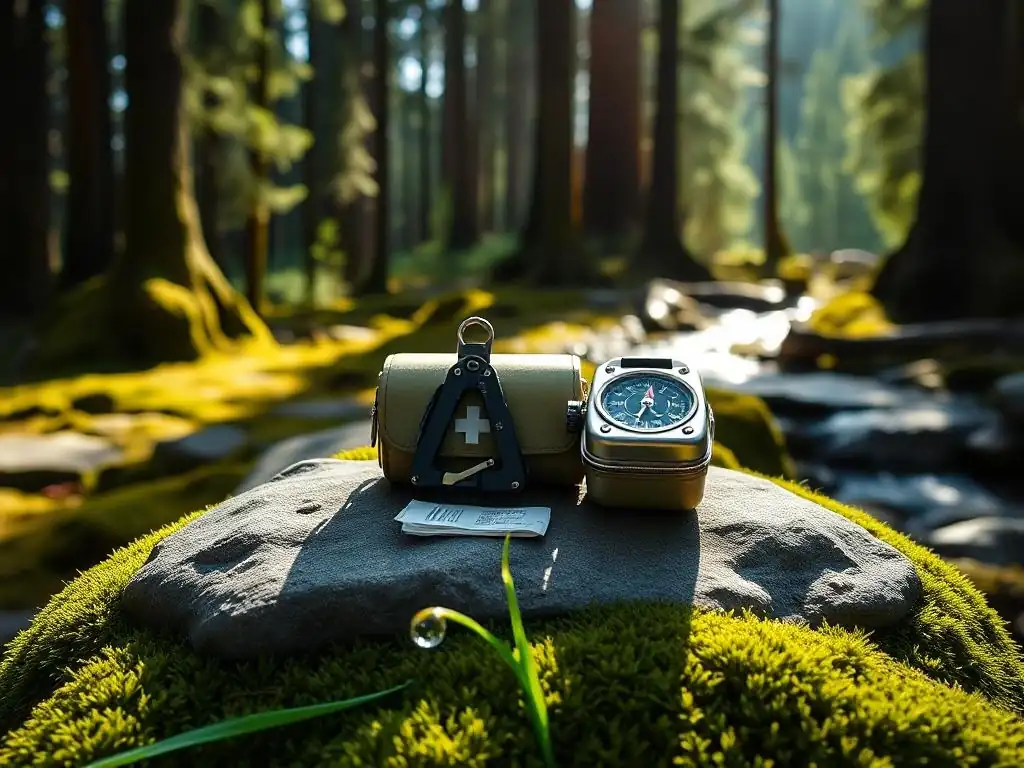
Ready to unlock a world of effortless efficiency and unbelievable time-saving strategies? Welcome to UltimateLifeHacks, your ultimate resource for optimizing daily life. But what happens when your perfectly planned routine meets the unexpected? Discover essential wilderness first aid and survival hacks that will transform your next hiking adventure from potential peril into a triumphant journey. Dive into our "Travel Hacks" section and learn how to stay safe and prepared, no matter where your path leads. Are you ready to conquer the wild?
- Essential Wilderness First Aid Kit Checklist for Hikers
-
Advanced Wilderness Survival Hacks for Hikers
- Building a Shelter in the Wilderness: Techniques and Essential Materials
- Finding and Purifying Water Sources in the Wild: Safe Hydration Techniques
- Signaling for Help in Emergency Situations: Effective Methods and Tools
- Navigating Without a GPS: Using Map and Compass Skills Effectively
- Starting a Fire Without Matches: Essential Survival Techniques
- Essential Survival Skills for Hikers: Navigation and Shelter
-
Wilderness First Aid and Survival: Prevention is Key
- Pre-Hike Planning and Preparation: Risk Assessment and Mitigation
- Essential Hiking Gear for Safety and Comfort: Checklist and Tips
- Staying Aware of Your Surroundings: Wildlife Awareness and Safety Precautions
- Recognizing and Avoiding Dangerous Situations: Weather and Terrain Awareness
- Communicating Your Hiking Plans: Sharing Itinerary with Loved Ones
- Advanced Wilderness Survival Techniques: Food and Water Procurement
- Staying Safe: Wildlife Encounters and Emergency Procedures
- Post-Hike Recovery and First Aid Follow-Up
- Frequently Asked Questions
- Final Reflection: Embracing the Wild with Informed Preparedness
- Unlock Your Wilderness Confidence: Take the Next Step
Essential Wilderness First Aid Kit Checklist for Hikers
Embarking on a hiking adventure into the wilderness offers unparalleled opportunities for rejuvenation and connection with nature. However, the tranquility of the outdoors can quickly turn challenging if unforeseen circumstances arise. This article provides vital wilderness first aid and survival hacks specifically tailored for hikers, focusing on preparedness and practical solutions to common and serious injuries encountered far from civilization.
Mastering these skills will significantly enhance your safety and confidence while exploring the wild, transforming potentially perilous situations into manageable challenges. We'll cover essential kit packing, treatment of minor and major injuries, and crucial survival techniques that can be the difference between a memorable hike and a serious emergency. Learning these "Wilderness first aid survival hacks" is not just about preparedness; it's about responsible enjoyment of the natural world.
Packing Your Wilderness First-Aid Kit: Must-Have Items and Their Uses
A well-stocked first-aid kit is your lifeline in a wilderness emergency. Don't rely on a generic kit; customize yours for hiking, considering the specific challenges you might face. Weight is a factor, so prioritize essential items. Here's a suggested checklist:
- Wound Care: Antiseptic wipes, sterile gauze pads (various sizes), adhesive bandages (assorted sizes), medical tape, antibiotic ointment, trauma shears, roller bandages.
- Pain Relief: Ibuprofen or acetaminophen (ensure you're not allergic), pain relief cream.
- Infection Prevention: Antibacterial wipes, antiseptic solution.
- Blister Treatment: Second-skin bandages, blister pads.
- Emergency Supplies: Emergency blanket, whistle, lighter or waterproof matches, knife or multi-tool, signaling mirror.
- Other Essentials: Tweezers, safety pins, hand sanitizer, personal medications (if applicable).
Consider adding items based on your planned trip's duration and location: for example, extra water purification tablets or a water filter for longer treks, and insect repellent for areas prone to mosquitoes or ticks. Remember to check expiration dates regularly and replace outdated items promptly. Properly storing your kit in a waterproof container is crucial. A well-organized kit allows for quick access to needed supplies in stressful situations. Think about color-coding or using different compartments to help you locate items swiftly.
Dealing with Minor Injuries: Cuts, Scrapes, and Blisters in the Wild
Minor injuries, while seemingly insignificant, can quickly become infected if not treated properly in the wilderness. Cuts, scrapes, and blisters are common occurrences during hikes. Here’s how to handle them effectively:
- Cuts and Scrapes: Clean the wound thoroughly with antiseptic wipes or solution. Remove any visible debris. Apply antibiotic ointment and cover with a sterile bandage. Monitor for signs of infection (redness, swelling, pus). Larger or deep wounds may require more advanced treatment and possibly evacuation.
- Blisters: Do not pop a blister unless it's already broken. If broken, clean it gently and apply antibiotic ointment. Use blister pads or second-skin bandages to cushion the area and prevent further irritation. Proper footwear is key to blister prevention.
Remember, even minor injuries can become major problems if left untreated, especially in a remote area. Always err on the side of caution and seek medical attention if the injury worsens or shows signs of infection. Proper hygiene is paramount in preventing infection. Always wash your hands before and after treating any injury.
Treating More Serious Injuries: Sprains, Fractures, and Hypothermia in Remote Areas
Serious injuries require immediate attention and, often, evacuation. Knowing how to provide initial care can significantly improve the chances of a positive outcome.
- Sprains and Fractures: Immobilize the injured area using a splint made from readily available materials like sticks and bandages. Elevate the injured limb if possible. Administer pain relief as needed. Evacuation is usually necessary for suspected fractures.
- Hypothermia: Hypothermia is a life-threatening condition caused by exposure to cold temperatures. Signs include shivering, confusion, drowsiness, and slowed breathing. Get the victim to a warmer location, remove wet clothing, and wrap them in warm blankets or layers of clothing. Give them warm, sweet drinks if conscious. Immediate evacuation is crucial.
In cases of serious injuries, your first priority is to stabilize the victim and seek help. Use your whistle or signaling mirror to attract attention. If possible, send someone for help while you continue to provide basic first aid. Knowing your location and having a pre-planned communication strategy are critical for successful rescue efforts. Remember, prevention is always better than cure. Proper training, careful planning, and a well-stocked first-aid kit are essential for safe and enjoyable wilderness adventures.
Wilderness First Aid for Allergic Reactions and Insect Bites/Stings
Dealing with allergic reactions and insect bites or stings in the wilderness requires swift action and the right supplies. Severe allergic reactions, particularly anaphylaxis, can be life-threatening, demanding immediate attention. Knowing how to recognize the signs and administer appropriate first aid is crucial for survival. Symptoms of anaphylaxis can include difficulty breathing, swelling of the throat and tongue, hives, dizziness, and a rapid heartbeat. If you suspect anaphylaxis, the primary treatment is administering epinephrine (adrenaline) via an auto-injector, such as an EpiPen ® , if the individual carries one. This should be followed by immediate evacuation to seek professional medical help. Remember, time is of the essence in these situations. Always ensure that anyone prone to severe allergic reactions carries their prescribed auto-injector and knows how to use it. Regularly check the expiration date on the auto-injector.
Beyond anaphylactic reactions, insect bites and stings can cause significant discomfort and, in some cases, serious complications. The severity varies depending on the insect and the individual's reaction. Common reactions include localized pain, swelling, redness, and itching. Treatment typically involves cleaning the affected area with soap and water to prevent infection. Applying a cold compress can help reduce swelling and pain.
Over-the-counter pain relievers, such as ibuprofen or acetaminophen, can manage discomfort. For intense itching, hydrocortisone cream can provide relief. However, be aware of potential allergic reactions even to these common remedies. Monitor the affected area closely for signs of infection, such as increased pain, swelling, pus, or red streaks. If infection is suspected, immediate medical attention is needed.
Specific insect bites and stings require specific considerations. For example, bee stings require removing the stinger as quickly as possible, ideally by scraping it off with a flat edge, rather than pinching, which can release more venom. Tick bites require careful removal with tweezers, grasping the tick close to the skin's surface and pulling steadily upwards. After removal, thoroughly clean the bite area and monitor for signs of Lyme disease, such as a characteristic bullseye rash.
Always consult a medical professional if you suspect a tick-borne illness. Packing a variety of topical creams and ointments designed to treat insect bites and stings can prove invaluable in mitigating discomfort and preventing secondary infections. Remember, prevention is key; using insect repellent and wearing protective clothing can significantly reduce the risk of bites and stings in the first place. This proactive approach is a crucial component of any wilderness first aid strategy.
Advanced Wilderness Survival Hacks for Hikers
This section delves into crucial wilderness survival techniques beyond basic first aid, focusing on practical solutions for hikers facing unexpected challenges. Mastering these skills can significantly improve your chances of survival and safe return in emergency situations. We'll explore building emergency shelters, securing potable water, and effectively signaling for rescue. Remember, preparedness is key to a successful and safe hiking experience.
Building a Shelter in the Wilderness: Techniques and Essential Materials
Finding or constructing adequate shelter is paramount in harsh weather conditions. The type of shelter you build will depend heavily on available resources and the prevailing weather. Let's explore a few options:
- Debris Hut: This simple shelter utilizes readily available natural materials like branches, leaves, and pine boughs. The structure is essentially a lean-to, using a sturdy branch as a ridgepole and layering debris against it to create insulation and wind protection. This method is quick and efficient, but offers less protection against heavy rain.
- Tarp Shelter: A lightweight tarp is an invaluable piece of survival gear. It can be utilized in various configurations, from a simple lean-to to a more complex A-frame shelter, depending on the number and length of available poles or branches. Proper anchoring is crucial to prevent wind damage.
- Natural Shelters: Utilize existing natural features whenever possible. Overhanging rock formations, dense thickets, or even hollowed-out logs can provide significant protection from the elements. Always assess the stability and safety of the natural shelter before taking refuge.
Essential materials for shelter construction include:
| Material | Purpose | Importance |
|---|---|---|
| Strong Branches | Ridgepole, support structure | Provides structural integrity |
| Smaller Branches | Framework, insulation | Creates a stable and insulated structure |
| Leaves & Pine Boughs | Insulation, waterproofing | Protects against wind and rain |
| Paracord/Rope | Securing shelter components | Ensures stability and prevents collapse |
| Tarp (optional) | Additional waterproofing and wind protection | Provides superior weather protection |
Remember to prioritize shelter construction over other tasks if facing severe weather conditions. A well-constructed shelter significantly increases survival chances. Always consider factors like drainage to avoid flooding inside your shelter.
Finding and Purifying Water Sources in the Wild: Safe Hydration Techniques
Dehydration is a serious threat in the wilderness. Locating and purifying water sources is crucial for survival. While streams and rivers might seem like obvious choices, stagnant water carries a high risk of contamination.
Finding potable water requires careful observation and consideration:
- Moving Water: Prioritize moving water sources like streams and rivers over stagnant pools. Moving water is less likely to harbor harmful bacteria and parasites. However, always filter or purify the water before consumption.
- Dew Collection: In arid climates, collecting morning dew from vegetation can provide a small but valuable amount of water. Use a clean cloth or tarp to collect the dew.
- Rainwater Collection: Collect rainwater using tarps or any available waterproof material. Rainwater is generally safe to drink, but it's still advisable to filter or purify it.
Purifying water is just as important as finding it. Several methods exist:
- Boiling: Boiling water for at least one minute at a rolling boil kills most harmful microorganisms.
- Water Purification Tablets: These tablets contain chemicals that effectively disinfect water. Follow the manufacturer's instructions carefully.
- Water Filter: A high-quality water filter removes sediment, bacteria, and parasites. Choose a filter with a pore size small enough to remove harmful microorganisms.
Always err on the side of caution when it comes to water purification. Even seemingly clean water can harbor dangerous pathogens. Never underestimate the importance of safe hydration in wilderness survival.
Signaling for Help in Emergency Situations: Effective Methods and Tools
Knowing how to effectively signal for help can be the difference between life and death in a wilderness emergency. Multiple methods should be employed simultaneously to maximize your chances of rescue.
Effective signaling techniques include:
- Whistle: A whistle is a highly effective tool for long-distance signaling. Use three short blasts repeated at regular intervals.
- Mirror: A signal mirror can reflect sunlight over long distances, creating a highly visible signal. Point the mirror towards potential rescuers, such as aircraft or other hikers.
- Fire: A large, smoky fire is easily visible from the air. Use dry material and build a fire in an open area for maximum visibility.
- Ground-to-Air Signals: Create large, easily visible signals on the ground using rocks, branches, or brightly colored clothing. Common signals include an "X" for distress, or three large fires arranged in a triangle.
Essential tools for signaling include:
- Whistle: A loud, reliable whistle is essential for signaling.
- Signal Mirror: A compact and lightweight mirror can be incredibly effective.
- Brightly Colored Clothing: Wear or display brightly colored items to improve visibility.
- Fire Starter: A reliable fire starter is crucial for building a rescue signal fire.
Remember, persistence is key. Continue signaling until help arrives. Conserve your energy, but don't give up hope. Effective signaling greatly increases your chances of rescue in a wilderness emergency.

Losing your GPS in the wilderness can be a terrifying experience, but mastering map and compass navigation is a crucial wilderness first aid survival hack. It's a fundamental skill that can prevent you from becoming disoriented and lost. Effective navigation begins long before you hit the trail. Before embarking on any hike, thoroughly study your chosen route on a topographic map.
Understand the contours of the land, identify key landmarks like rivers, ridges, and prominent hills, and note any potential hazards. Practice using your compass in your backyard or a familiar park to build confidence and proficiency. This pre-trip preparation is crucial for your safety.
Once on the trail, constantly cross-reference your location on the map with your compass bearings. Learn to take accurate bearings from prominent features and use back bearings to confirm your position. Remember that a compass only points to magnetic north, which isn't always perfectly aligned with true north. Understanding declination – the angle between magnetic and true north – is essential for accurate navigation. Your map should indicate the declination for your area.
Regularly check your map and compass to ensure you're staying on course. Pay close attention to subtle changes in terrain, vegetation, and landmarks to confirm your progress. Don't rely solely on one method – consistently double-check your position using multiple techniques. Practicing these techniques regularly will significantly improve your ability to navigate effectively and safely, a crucial wilderness first aid survival hack for any hiker.
Starting a Fire Without Matches: Essential Survival Techniques
Knowing how to start a fire without matches is a critical wilderness first aid survival hack, particularly in emergency situations. It provides warmth, cooks food, purifies water, and signals for rescue. Several methods exist, each requiring practice and patience. The hand drill method, while challenging, is a reliable technique. It involves rotating a spindle rapidly against a fireboard, generating friction to create embers. This requires specific wood selection – a softwood fireboard and a hardwood spindle – and a significant amount of physical exertion.
Another option is the bow drill method, which uses a bow to spin the spindle, making the process more efficient. This method still requires practice and the right materials, but it's generally considered more effective than the hand drill. The flint and steel method involves striking a piece of flint against steel to create sparks. These sparks ignite tinder, a highly flammable material like dry bird nests, birch bark, or commercial fire starters. This method requires a good understanding of tinder preparation and spark catching. Regardless of the method you choose, ensuring you have dry tinder is paramount. Always prepare your tinder materials in advance. Practice these techniques before you need them; the more familiar you are, the better your chances of success in a survival situation. Mastering fire starting is a vital wilderness first aid survival hack that can significantly increase your chances of survival in a challenging environment.
This section focuses on crucial wilderness survival skills that can significantly improve your chances of staying safe during hiking expeditions. We'll delve into the practical aspects of navigation and shelter construction, providing you with actionable knowledge to enhance your preparedness in unpredictable situations. Mastering these skills isn't just about survival; it's about boosting your confidence and enjoying a more fulfilling experience in nature. Effective wilderness first aid survival hacks are only part of the equation; knowing your surroundings and having a safe place to rest are equally important.
Effective navigation is paramount for wilderness survival. Before embarking on any hike, thoroughly study your chosen trail's map and compass. Understanding topographic lines, elevation changes, and trail markers is crucial. Don't rely solely on GPS; technology can fail. Practice map and compass skills before hitting the trail.
A good starting point is learning how to orient your map to the terrain. This involves aligning the map's north arrow with the magnetic north indicated by your compass. Then, you can use landmarks visible on the map to confirm your location. Practicing this skill repeatedly will build confidence and improve reaction time in emergencies.
Remember, even experienced hikers can get lost, so constant awareness of your surroundings is key. Regularly check your location against your map and compass, especially at junctions or when visibility is poor. Consider learning celestial navigation techniques as a backup for situations where traditional tools may be unavailable. This involves using the stars and sun to determine your cardinal directions, a skill that adds an extra layer of security to your wilderness first aid survival hacks arsenal.
Building Different Types of Wilderness Shelters: Pros and Cons of Each
Building a shelter is a fundamental wilderness survival skill. The type of shelter you choose depends heavily on the available resources, weather conditions, and your skill level. Here's a comparison of some common shelter types:
| Shelter Type | Pros | Cons | Materials Needed |
|---|---|---|---|
| Lean-to | Simple to construct, good wind protection, relatively quick to build | Offers limited protection from rain, requires a sturdy support structure | Branches, leaves, debris |
| Debris Hut | Excellent insulation, good protection from the elements | Time-consuming to build, requires significant material gathering | Branches, leaves, pine needles, other natural debris |
| A-frame | Strong, durable, good protection from rain and wind | Requires more skill and time to build than a lean-to | Branches, sturdy poles, leaves, debris |
| Tarp Shelter | Lightweight, versatile, easy to transport | Offers minimal protection from wind unless properly anchored | Tarp, rope, stakes |
Remember that the effectiveness of any shelter hinges on proper construction. Ensure your shelter is adequately insulated and waterproofed to withstand the elements. The goal is to create a microclimate warmer and drier than the surrounding environment, enhancing your chances of survival.
Improvised Shelter Construction: Utilizing Natural Resources Effectively
When resources are limited, improvisation becomes crucial. Nature offers many materials that can be used for shelter construction. For example, a natural rock overhang can provide excellent shelter, requiring minimal construction. Large fallen logs can also serve as a base for a lean-to. Even dense bushes can offer some protection from wind and rain, though they offer minimal insulation.
Remember to prioritize drainage to avoid hypothermia. Consider building your shelter on higher ground to avoid flooding. The key is to observe your surroundings carefully, identifying natural features that can be incorporated into your shelter design. Think creatively!
A simple debris hut, for instance, can be dramatically improved with the addition of a waterproof tarp if you happen to have one on hand. Incorporating natural materials such as moss or pine needles can significantly improve insulation, adding another layer of protection against the cold. This creative approach to using available resources is a key component of effective wilderness first aid survival hacks. Always prioritize safety and practicality when constructing your shelter.
Wilderness First Aid and Survival: Prevention is Key
Prevention is paramount when it comes to wilderness first aid and survival. A well-planned hike significantly reduces the likelihood of needing extensive first aid or rescue. This section focuses on proactive measures to ensure a safe and enjoyable outdoor experience. Mastering these preventative strategies is arguably the most crucial wilderness first aid survival hack.
Pre-Hike Planning and Preparation: Risk Assessment and Mitigation
Before embarking on any hike, thorough planning is essential. This involves a comprehensive risk assessment, considering factors like the trail's difficulty, weather conditions, and potential hazards. For example, a challenging mountain trail in unpredictable weather presents a higher risk than a well-maintained, flat path on a sunny day.
This risk assessment should inform your preparation. Check the weather forecast meticulously; unexpected storms can drastically alter conditions. Knowing the terrain helps you choose appropriate footwear and clothing. Consider potential wildlife encounters; research local fauna and learn how to react safely if you encounter bears, snakes, or other potentially dangerous animals.
Another critical aspect is informing others of your plans. Share your itinerary, including the trail you'll be hiking, your expected return time, and emergency contact information, with a friend or family member. This ensures someone knows your whereabouts and can raise the alarm if you don't return as scheduled. This simple action is a powerful wilderness first aid survival hack that can be lifesaving.
Here's a simple checklist to aid your pre-hike planning:
- [ ] Check the weather forecast.
- [ ] Research the trail difficulty and terrain.
- [ ] Identify potential hazards (wildlife, weather, terrain).
- [ ] Pack appropriate gear (see below).
- [ ] Inform someone of your hiking plans.
- [ ] Download offline maps and navigation apps.
Essential Hiking Gear for Safety and Comfort: Checklist and Tips
Carrying the right gear is crucial for both safety and comfort during your hike. This isn't just about convenience; it's about preparedness. Consider this a critical element of your wilderness first aid survival hacks strategy. Improper gear can exacerbate minor injuries or lead to more serious problems.
Your essential gear should include:
| Gear Item | Importance | Notes |
|---|---|---|
| First-aid kit | Essential for treating minor injuries and stabilizing more serious ones. | Ensure it's well-stocked and tailored to potential hazards. |
| Navigation tools (map, compass) | Crucial for staying on course, especially in areas with poor cell service. | Learn how to use them before your hike. |
| Extra food and water | Prevents dehydration and hypoglycemia, especially during longer hikes. | Pack more than you think you'll need. |
| Appropriate clothing | Layers are essential to adapt to changing weather conditions. | Include rain gear, even on sunny days. |
| Sturdy footwear | Prevents blisters and ankle injuries. | Break in your boots before your hike. |
| Headlamp or flashlight | Essential for navigating in low-light conditions. | Carry extra batteries. |
| Sunscreen and insect repellent | Protects your skin from sunburns and insect bites. | Apply liberally and reapply as needed. |
| Multi-tool or knife | Useful for various tasks, from repairing gear to preparing food. | Choose a durable and reliable tool. |
| Whistle | Can signal for help in an emergency. | Three short blasts is the international distress signal. |
| Emergency shelter (e.g., bivy sack) | Provides protection from the elements in case of unexpected delays or injuries. | Lightweight and easy to pack. |
Staying Aware of Your Surroundings: Wildlife Awareness and Safety Precautions
Awareness of your surroundings is a cornerstone of wilderness safety. This involves not only observing the trail but also being mindful of potential wildlife encounters. This is a crucial aspect of your wilderness first aid survival hacks toolkit. Remember, reacting proactively is often better than reacting defensively.
Understanding local wildlife is paramount. Research the common animals in the area and learn about their behavior. For example, knowing how to react to a bear encounter can be crucial. Avoid surprising animals; make noise while hiking to alert them to your presence.
Practice safe food storage techniques to minimize the risk of attracting animals. Store food and scented items in bear-resistant containers or hang them from a tree.
Stay on marked trails to avoid getting lost and to minimize your impact on the environment. Avoid approaching or feeding wildlife, as this can lead to dangerous situations. Respect their space and observe them from a safe distance. Always carry bear spray in bear country and know how to use it effectively. This preparedness is a key component of effective wilderness first aid survival hacks. Remember, prevention is always better than cure.
Recognizing and Avoiding Dangerous Situations: Weather and Terrain Awareness
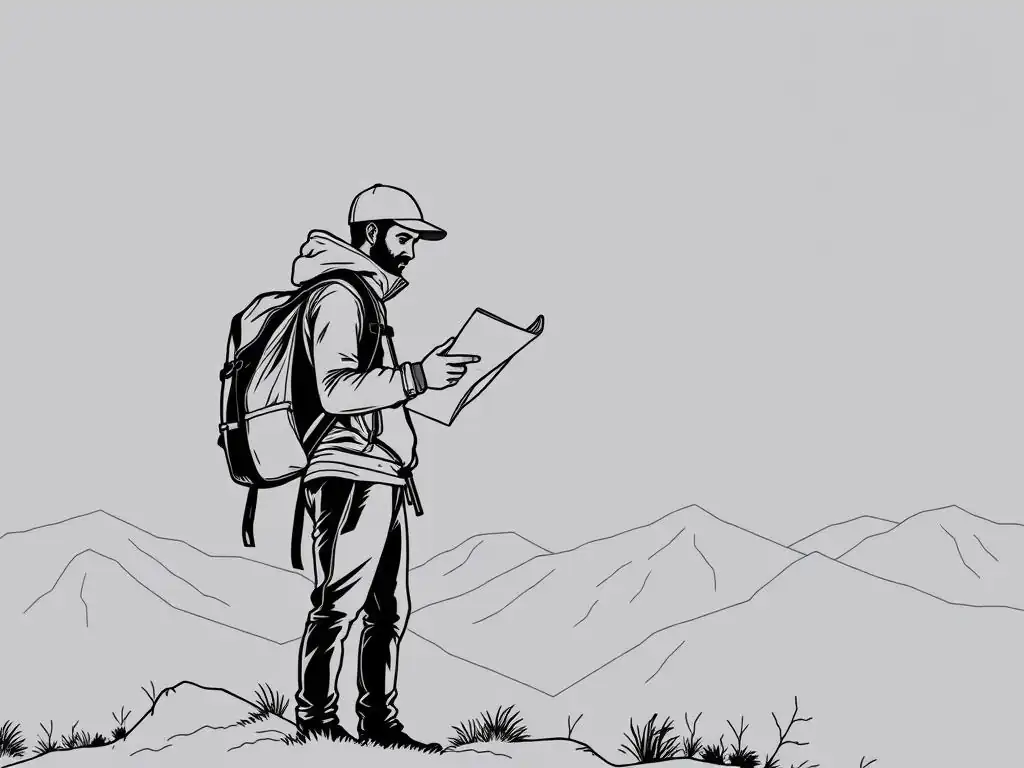
Understanding the environment is paramount for wilderness safety. Before embarking on any hike, meticulously check the weather forecast. Don't rely solely on a quick glance; delve into detailed reports, noting predicted temperature fluctuations, precipitation chances, and wind speeds. Unexpected changes in weather can quickly transform a pleasant hike into a perilous situation. For example, a sudden thunderstorm in mountainous terrain can lead to flash floods and lightning strikes, posing significant risks. Always pack appropriate clothing layers to adapt to changing conditions—waterproof outerwear is essential, as are extra layers for warmth even during summer months.
Terrain awareness is equally critical. Study maps and trail descriptions carefully, identifying potential hazards like steep inclines, rocky paths, river crossings, and areas prone to landslides. Assess your own physical capabilities honestly; don't overestimate your fitness level or underestimate the difficulty of the trail. Choosing a trail that aligns with your experience and physical condition is a crucial preventative measure.
Consider the time of year; trails can become more treacherous during winter due to ice and snow, while summer heat can lead to dehydration. Carrying a map and compass, and knowing how to use them, is vital, even in this age of GPS devices. GPS can fail—battery depletion is a real possibility—making traditional navigation skills essential for wilderness first aid survival hacks.
Communicating Your Hiking Plans: Sharing Itinerary with Loved Ones
Open communication is a cornerstone of safe wilderness adventures. Never hike alone, if possible. But even if hiking with a group, informing others of your plans is crucial. Before you set off, create a detailed itinerary that includes:
- Trail name and location: Be specific; don't just say "a trail near Yosemite."
- Start time and estimated return time: Account for potential delays.
- Emergency contact information: Provide the phone numbers of all participants.
- Description of your group: Number of hikers and any relevant medical conditions.
- Planned route: Include specific landmarks or trail junctions.
Share this itinerary with at least one person who is not participating in the hike—a family member, friend, or neighbor. Ask them to contact emergency services if you haven't returned by your estimated return time. Consider leaving a copy of your itinerary in your vehicle, as well.
The more people know your plans, the better the chances of a swift rescue if something goes wrong. In addition to a physical copy, utilizing a shared digital calendar or similar apps can provide real-time location sharing (if your phone has service), offering an additional layer of safety. These simple wilderness first aid survival hacks could be the difference between a safe trip and a dangerous situation.
Advanced Wilderness Survival Techniques: Food and Water Procurement
This section delves into crucial wilderness survival skills focusing on securing essential resources: food and water. Successfully navigating challenging situations requires knowing how to identify safe food sources and purify water effectively. Mastering these techniques significantly increases your chances of survival and comfortable experience in the wilderness. These Wilderness first aid survival hacks are invaluable for any hiker.
Foraging for Edible Plants: Identification and Safe Harvesting
Foraging can provide vital sustenance in a survival situation, but it demands caution. Improper identification can lead to severe illness or even death. Never consume a plant unless you are 100% certain of its edibility. Several resources can aid in identification, including field guides specific to your geographical location. These guides often include detailed descriptions, illustrations, and even photographs to help you distinguish between edible and poisonous plants.
Remember that even edible plants can cause problems if improperly prepared. Some require thorough cooking to neutralize toxins, while others may cause allergic reactions in certain individuals. Always start with a small test portion of any new plant to monitor for adverse effects before consuming a larger quantity.
Here's a simplified process for safe foraging:
- Thorough Identification: Use multiple reliable sources (field guides, experienced foragers) to confirm the plant's identity.
- Harvesting: Gather only what you need, leaving enough for the plant to regenerate and for wildlife. Use clean tools to avoid contamination.
- Preparation: Cook edible plants thoroughly whenever possible to eliminate potential toxins or bacteria.
- Moderation: Start with small portions of any new plant to check for allergic reactions.
- Documentation: Keep a detailed record of plants you've successfully identified and consumed – this is a valuable skill to develop for future trips.
Learning to forage effectively is a skill that develops over time with practice and careful study. It's a crucial part of developing comprehensive wilderness first aid survival hacks. Consider taking a foraging class from a qualified expert before relying on this method in a survival situation.
Finding and Purifying Water: Methods and Considerations
Finding a reliable water source is paramount in wilderness survival. Dehydration sets in quickly, and without access to clean water, your survival time drastically reduces. While streams and rivers might seem like obvious choices, they can harbor harmful bacteria, viruses, and parasites. Therefore, purification is crucial.
Several methods exist for locating water:
- Following animal trails: Animals often lead to water sources. Look for tracks and droppings.
- Searching depressions in the terrain: Water often collects in low-lying areas.
- Checking for dew: Early mornings can reveal dew on vegetation, which can be collected.
Once you locate water, purification is vital. Boiling water for at least one minute is the most reliable method. However, if you lack a pot or fuel, you can use water purification tablets or a portable water filter. These are invaluable wilderness first aid survival hacks to ensure safe drinking water.
Remember to consider these factors when finding and purifying water:
- Water source: Avoid stagnant water, which is more likely to be contaminated.
- Contamination: Even clear water can contain harmful microorganisms.
- Quantity: Gather enough water for your needs, considering the possibility of finding additional sources being difficult.
Building a Water Filter: DIY Solutions for Safe Drinking Water
While commercial water filters are ideal, constructing a DIY filter can be a lifesaver in emergencies. This requires resourcefulness and understanding of filtration principles. A simple filter can be created using readily available materials.
One effective method involves layering different materials inside a container to create a multi-stage filtration system. Here's a possible layered approach:
- Outer Layer (Coarse Filter): Cloth or a layer of charcoal to remove larger debris and sediments.
- Middle Layer (Fine Filter): Sand, gravel, and charcoal to trap smaller particles and microorganisms.
- Inner Layer (Final Filter): Clean cloth or a tightly woven material to prevent any remaining particles from passing through.
This DIY filter is not a replacement for boiling or using purification tablets, but it can significantly improve the water's clarity and reduce the number of contaminants before resorting to other purification methods. Remember that this method is intended as a supplemental wilderness first aid survival hack, and should be followed by a more reliable purification method if possible. The effectiveness of this filter depends heavily on the materials used and the quality of the water source. Thorough cleaning of the materials before construction is essential.
Staying Safe: Wildlife Encounters and Emergency Procedures
Staying safe in the wilderness requires preparedness and knowledge. Understanding how to react to unexpected wildlife encounters and knowing emergency procedures can be the difference between a memorable hike and a dangerous situation. This section focuses on practical wilderness first aid survival hacks specifically related to wildlife and emergencies. We'll explore proactive measures and reactive strategies, ensuring you're equipped to handle various scenarios.
Encountering Wildlife: Safe Practices and Emergency Protocols
Unexpected wildlife encounters are a real possibility when venturing into the wilderness. Prevention is key. Always practice Leave No Trace principles, properly storing food and minimizing scent trails. Carrying bear spray 🐻❄️ in bear country is crucial, and knowing how to use it effectively is equally important. Practice makes perfect; familiarize yourself with the spray's mechanism before your hike.
When encountering wildlife, observe from a safe distance. Never approach or attempt to feed animals. Slow, deliberate movements can help avoid startling them. If an animal approaches, make yourself appear larger by raising your arms and making noise. Back away slowly, avoiding direct eye contact which can be perceived as aggressive. Different animals require different approaches. For example, encountering a moose 🦌 requires a different response than encountering a snake 🐍. Knowing the specific behaviors of animals in your hiking area is essential for safe navigation.
Specific data on wildlife encounters is region-dependent. For example, the frequency of bear encounters in the Rocky Mountains is significantly higher than in the Appalachian Trail. [Specific data on wildlife encounter frequency pending for various regions]. Understanding these regional differences allows for better preparedness and more effective prevention strategies.
Dealing with Aggressive Animals: Prevention and Response Strategies
While preventative measures are crucial, knowing how to respond to aggressive animal behavior is vital. This includes understanding the warning signs of aggression – which vary significantly between species. A bear might stand on its hind legs to appear larger, while a moose might paw the ground. A snake might coil and hiss. Recognizing these signs allows for early intervention and minimizes the risk of attack.
If an animal attacks, your response depends on the animal involved. For example, defending against a bear attack might involve fighting back aggressively, while defending against a mountain lion attack might involve playing dead. [Specific response strategies for various animals pending, including detailed descriptions of self-defense techniques]. This information should be researched thoroughly and practiced with appropriate training to ensure effective and safe execution.
The severity of injuries from animal attacks can range dramatically. Minor scratches can be treated with basic first aid, but more serious injuries may require advanced medical attention. Knowing how to assess the severity of an injury and provide immediate care is a vital wilderness first aid survival hack.
Emergency Communication: Utilizing Technology and Signaling Techniques
Reliable communication in remote areas can be challenging. While cell service may be nonexistent, having a backup plan is essential. A satellite messenger, such as a personal locator beacon (PLB), can be a lifesaver in emergency situations. These devices transmit your location to emergency services, regardless of cell service availability.
However, technology isn't always reliable. Knowing how to signal for help using visual and audible methods is crucial. This includes creating a signal fire 🔥, using a mirror to reflect sunlight, or arranging rocks or branches to form a distress signal. Understanding the international distress signal (three of anything – three fires, three whistles, three flashes of light) can increase your chances of rescue.
Remember to always inform someone of your hiking plans, including your route and expected return time. This allows someone to raise the alarm if you don't return as scheduled. This simple precaution, coupled with knowledge of wilderness first aid survival hacks, significantly increases your safety in the wilderness.
Post-Hike Recovery and First Aid Follow-Up
This section focuses on the crucial post-hike recovery phase and the necessary follow-up actions after administering wilderness first aid. Proper aftercare can significantly impact healing and prevent minor injuries from escalating into more serious problems. Remember, even seemingly insignificant scrapes or blisters can become infected if not treated appropriately. Effective wilderness first aid survival hacks extend beyond immediate treatment in the field; they encompass diligent post-hike care.
Treating Injuries After Returning from a Hike: Aftercare and Monitoring
Returning from a hike doesn't signal the end of your responsibility for your well-being. Proper aftercare is a critical component of wilderness first aid and significantly improves the chances of a swift recovery. Let's explore some key aspects:
- Cleaning and Dressing Wounds: Upon returning home, thoroughly clean any wounds with mild soap and water. Avoid harsh chemicals or scrubbing, as this can damage delicate tissues. Apply a sterile dressing to protect the wound from further contamination and promote healing. Change the dressing regularly, following the instructions on the packaging.
- Blister Care: Blisters are a common hiking ailment. If a blister is intact, leave it alone unless it's causing significant pain. However, if it's broken, gently clean it and apply an antibiotic ointment before covering it with a sterile bandage. Consider using blister pads for friction prevention in the future.
- Muscle Soreness and Strain Management: Gentle stretching and warm baths can alleviate muscle soreness and strain. Over-the-counter pain relievers like ibuprofen can help manage discomfort, but always follow the recommended dosage. Rest is crucial; avoid strenuous activities until the pain subsides.
- Hydration and Nutrition: Replenishing fluids and electrolytes lost during the hike is essential for recovery. Drink plenty of water and consider electrolyte drinks, especially if you experienced significant sweating. Consume nutritious meals rich in protein and carbohydrates to support muscle repair.
- Monitoring for Infection: Carefully monitor any wounds for signs of infection, such as increased pain, swelling, redness, warmth, or pus. If you notice any of these symptoms, seek professional medical attention immediately. This proactive approach is vital for preventing minor injuries from becoming serious health concerns. Ignoring these signs can lead to complications requiring more extensive treatment.
When to Seek Professional Medical Attention: Recognizing Severe Symptoms
While many minor injuries can be managed with basic wilderness first aid and subsequent home care, some situations necessitate immediate professional medical attention. Recognizing severe symptoms is crucial for effective wilderness first aid survival hacks. Delays can have serious consequences.
Here's a table summarizing critical situations requiring professional medical attention:
| Symptom | Severity | Action |
|---|---|---|
| Severe bleeding | Uncontrollable bleeding, blood spurting, soaking through bandages in minutes. | Seek immediate emergency medical assistance. |
| Broken bones | Deformity, extreme pain, inability to bear weight. | Immobilize the injured area and seek emergency medical attention. |
| Head injury | Loss of consciousness, persistent headache, vomiting, confusion, seizures. | Seek immediate emergency medical assistance. |
| Deep wounds | Wounds that penetrate deep into the tissue, exposing bone or tendon. | Seek immediate emergency medical assistance. |
| Signs of infection | Increased pain, swelling, redness, warmth, pus, red streaks spreading from wound. | Seek medical attention as soon as possible. |
| Severe allergic reaction | Difficulty breathing, swelling of the face or throat, hives, dizziness. | Administer epinephrine (if available) and seek immediate emergency care. |
| Heatstroke or hypothermia | High body temperature, confusion, seizures (heatstroke); low body temperature, shivering, confusion (hypothermia). | Seek immediate emergency medical assistance. |
Remember, when in doubt, it's always better to err on the side of caution and seek professional medical attention. Your health and safety are paramount. Effective wilderness first aid survival hacks prioritize prevention and early intervention. Don't hesitate to consult a doctor or other healthcare professional for any concerns following your hike.
Frequently Asked Questions
What are the most essential items for a wilderness first-aid kit?
A comprehensive kit should include bandages of various sizes, antiseptic wipes, pain relievers, scissors, and a first-aid manual. Consider adding items specific to your environment and planned activities.
How do I treat a minor wound in the wilderness?
Clean the wound thoroughly with antiseptic wipes, then apply a clean bandage. Monitor for signs of infection, such as increased pain, swelling, or redness. Seek further medical attention if necessary.
What should I do if I encounter a severe bleeding injury?
Apply direct pressure to the wound using a clean cloth. Elevate the injured limb if possible and seek immediate evacuation if the bleeding is uncontrolled or the injury is severe.
What are some essential wilderness survival hacks beyond first aid?
Knowing how to build a shelter, find a water source, and signal for help are crucial. Pack a reliable map and compass, and learn basic navigation skills before venturing out.
How can I prevent injuries while hiking?
Proper preparation is key. Wear appropriate footwear and clothing, stay hydrated, and be aware of your surroundings. Take breaks and avoid pushing yourself beyond your limits.
Final Reflection: Embracing the Wild with Informed Preparedness
The wilderness offers unparalleled beauty and adventure, but its unforgiving nature demands respect and preparedness. A single misstep can quickly transform a thrilling hike into a desperate struggle for survival. This underscores the critical importance of mastering essential first aid and survival skills before venturing into the wild.
The impact of wilderness survival knowledge extends far beyond personal safety; it fosters a deeper connection with nature and a heightened sense of responsibility towards the environment. Understanding the delicate balance of the ecosystem and the potential consequences of our actions cultivates a more mindful approach to outdoor recreation. The best way to find yourself is to lose yourself in the service of others.
– Mahatma Gandhi. This quote, while not directly about wilderness survival, speaks to the interconnectedness of our actions and their ripple effects, a concept deeply relevant to responsible wilderness exploration.
Now, consider your own adventures. Will you approach your next hike with a renewed sense of awareness, armed with the knowledge to navigate unexpected challenges? Will you share these vital skills with fellow adventurers, ensuring that the joy of the wilderness is accessible to all while minimizing risk? The power to safeguard yourself and others in the wild rests in your hands – embrace it, and let your journey be defined not just by breathtaking views, but by the unwavering confidence of preparedness.
Unlock Your Wilderness Confidence: Take the Next Step
Thanks for exploring essential first aid and survival skills with us! We hope you feel more prepared and confident to tackle your next outdoor adventure. Ready to put your new knowledge into practice?
- Master a crucial first-aid technique: Choose one skill from the article and practice it today. For example, try treating a simulated blister or practicing building a makeshift splint from readily available materials. Even a small step significantly boosts your preparedness.
- Share this knowledge: Discuss your key takeaway with a friend, family member, or fellow hiker – spreading awareness can save lives!
- Challenge yourself: Plan a short hike this week, incorporating your new knowledge into your preparation. Note your progress and any necessary adjustments along the way.
What wilderness survival skill are you most eager to learn next? Let's discuss in the comments!