
Travel Like a Pro: Mastering the Art of Minimalist Packing

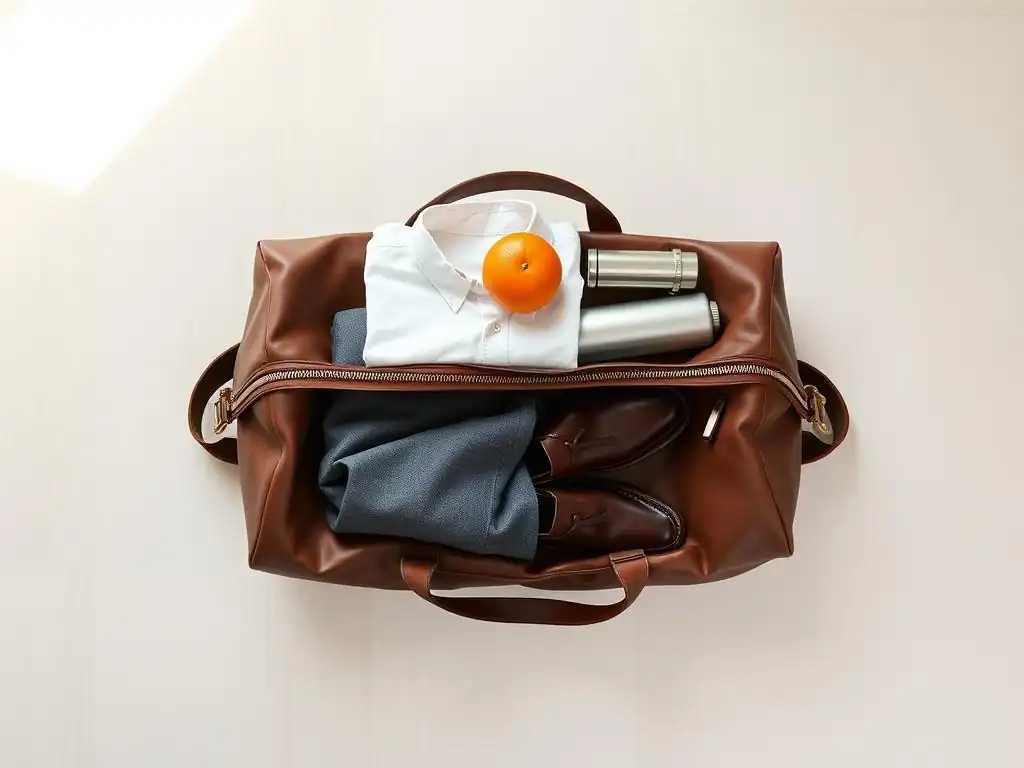
Ready to transform your travel experience? At UltimateLifeHacks, we're dedicated to helping you conquer everyday challenges with simple yet powerful solutions. Forget the stress of overpacking – discover the secrets to minimalist packing and unlock the freedom of effortless travel. Our expert guide on minimalist packing travel tips will show you how to pack light, travel smart, and arrive feeling refreshed and ready for adventure. Dive in and learn how to pack less, experience more!
- The Ultimate Guide to Minimalist Packing for Travel
- Essential Packing List for Minimalist Travel
- Mastering the Art of Rolling and Folding for Efficient Packing
- Packing Cubes: Your Secret Weapon for Organized Minimalist Packing
- Lighten Your Load: Tips for Reducing Excess Baggage
- Packing for Different Types of Trips: Adapting Your Strategy
- Post-Trip Organization: Unpacking Like a Pro
-
Frequently Asked Questions
- What is minimalist packing, and why should I care?
- How do I determine what constitutes "essential" items for my trip?
- What are some tips for packing clothes efficiently for a minimalist trip?
- Are there any specific items I should always pack, regardless of the trip?
- How can I maintain a minimalist packing approach while still feeling prepared for unexpected situations?
- Final Reflection: The Liberating Power of Less
- Unlock Your Effortless Travel: Pack Smarter, Not Harder!
The Ultimate Guide to Minimalist Packing for Travel
Packing for a trip can often feel like a daunting task, a chaotic scramble of stuffing clothes, toiletries, and gadgets into a suitcase. But what if packing could be a streamlined, efficient process, freeing you from the burden of excess baggage and allowing you to focus on the journey itself? This guide delves into the art of minimalist packing, providing practical tips and strategies to help you travel lighter, smarter, and with significantly less stress.
We'll explore the numerous benefits of minimalist packing, guide you through the essential planning steps, and equip you with the knowledge to master this valuable travel skill. By the end, you'll be confident in your ability to pack efficiently for any adventure, transforming your travel experience from stressful to seamless.
This comprehensive guide will help you conquer the art of minimalist packing and become a true travel pro, maximizing your enjoyment and minimizing your baggage. Let's embark on this journey to mastering minimalist packing, optimizing your travel experiences for years to come.
Why Choose Minimalist Packing? Benefits and Advantages
Minimalist packing offers a wealth of advantages that extend far beyond simply saving space in your luggage. It's a transformative approach to travel that improves your overall experience in several key ways. Consider these significant benefits:
- Reduced Travel Stress: Say goodbye to the anxiety of overweight baggage fees and the frantic search for lost items. Packing light significantly reduces travel stress, allowing you to focus on enjoying your trip. ✈️
- Increased Mobility and Freedom: Imagine effortlessly navigating crowded airports, public transport, and unfamiliar streets without the hindrance of heavy luggage. Minimalist packing grants you greater mobility and freedom to explore.🚶
- More Time for Experiences: Instead of spending precious time unpacking and repacking, you can dedicate more time to exploring new places, engaging in activities, and creating lasting memories. 📸
- Cost Savings: Airlines often charge hefty fees for overweight baggage. By packing light, you can avoid these extra costs and save money for other aspects of your trip. 💰
- Enhanced Organization: Minimalist packing encourages careful planning and thoughtful selection of items, leading to better organization and easier access to your belongings. This is especially helpful when staying in budget accommodations or navigating unfamiliar areas. 🗂️
- Environmental Consciousness: Traveling with less baggage contributes to a smaller carbon footprint, aligning with environmentally conscious travel practices. 🌍
Assessing Your Trip: Planning for Minimalist Packing Success
Before you even begin selecting clothes, consider the following crucial aspects of your trip to optimize your packing strategy. This careful planning is the cornerstone of successful minimalist packing:
- Destination and Climate: The weather conditions at your destination will significantly influence your clothing choices. Research the expected temperatures and pack accordingly. Consider layering to adapt to changing conditions. ☀️🌧️
- Trip Length: The duration of your trip will directly impact the quantity of items you need. A week-long trip requires more clothing than a weekend getaway, but even longer trips can be packed minimally with strategic choices. 🗓️
- Activities Planned: Will you be hiking, attending formal events, or relaxing on a beach? The type of activities you plan to engage in will dictate the specific items you need to bring. 🥾💃🏖️
- Accommodation Type: Will you be staying in a hotel, hostel, or camping? This will determine the need for certain items, such as toiletries or specialized gear. 🏨🏕️
- Laundry Access: If laundry facilities are available at your destination or along the way, you can pack fewer clothes. Consider this vital factor in your planning. 🧺
By carefully considering these factors, you can create a personalized packing list tailored to your specific trip, ensuring you only bring the essentials and nothing more. This thoughtful approach is the key to mastering minimalist packing and enjoying a stress-free travel experience.
Essential Packing List for Minimalist Travel
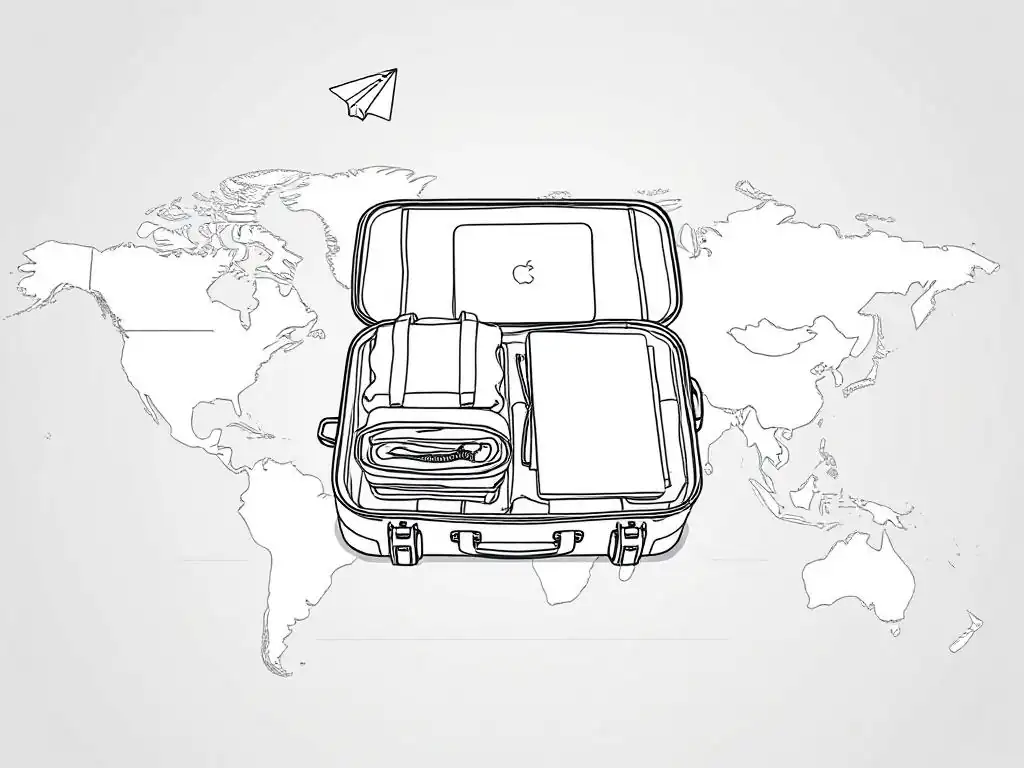
This section details the core components of a minimalist packing list, focusing on maximizing versatility and minimizing bulk. Remember, the key to successful minimalist packing is choosing items that serve multiple purposes and can be easily mixed and matched. We'll explore clothing, toiletries, and tech/documents, offering practical strategies for each category. Mastering these techniques will transform your travel experience, allowing for effortless movement and reduced stress associated with lugging around heavy baggage. This is all about refining your packing skills to become a true minimalist packing pro.
Clothing: Choosing Versatile and Packable Items
The foundation of minimalist packing lies in selecting versatile clothing items. Forget packing an outfit for every occasion; instead, opt for pieces that can be easily mixed and matched to create various looks. Consider the climate and activities planned for your trip when making your selections.
- Neutral Colors: Stick to neutral colors like black, navy, gray, and beige. These colors coordinate easily and avoid clashing.
- Layering: Pack layers instead of bulky items. A lightweight base layer, a versatile sweater, and a waterproof outer shell can handle a wide range of temperatures.
- Quick-Drying Fabrics: Choose quick-drying fabrics like merino wool or synthetic blends. These materials dry quickly, which is crucial if you're doing laundry on the go or facing unexpected rain.
- Versatile Items: Focus on versatile items. A simple black dress, for example, can be dressed up or down with different accessories.
- A pair of comfortable walking shoes is a must.
- A scarf can serve as a neck warmer, head wrap, or even a makeshift blanket.
- A sarong can be a beach cover-up, a skirt, or a shawl.
- Example Packing List (7-day trip):
- 2 pairs of versatile pants (e.g., convertible pants)
- 3 t-shirts
- 1 long-sleeved shirt
- 1 light sweater or fleece
- 1 lightweight waterproof jacket
- Underwear and socks (7 pairs each)
- 1 versatile dress or skirt (optional)
Remember to roll your clothes instead of folding them to save space and minimize wrinkles. This simple technique alone can significantly increase your packing efficiency. Consider using packing cubes to further organize and compress your belongings.
Toiletries: Travel-Sized Essentials and Multi-Use Products
Minimizing toiletries is crucial for lightweight travel. Travel-sized containers are your best friend, but even better is reducing the number of products you need in the first place.
- Multi-Use Products: Opt for products with multiple uses, such as a tinted moisturizer that doubles as sunscreen and foundation, or a shampoo/conditioner combo.
- Solid Products: Consider solid versions of toiletries like shampoo bars, conditioner bars, and deodorant sticks. These are lightweight, leak-proof, and TSA-friendly.
- Reusable Containers: Invest in reusable travel-sized containers to refill from larger bottles at home, reducing waste and saving money.
- Sample Sizes: Take advantage of sample sizes provided by hotels or purchase travel-sized versions of your favorite products.
- Example Toiletries List:
- Toothbrush and toothpaste (travel-sized)
- Shampoo/conditioner bar or travel-sized bottles
- Soap or body wash (travel-sized)
- Deodorant (stick or travel-sized)
- Sunscreen (travel-sized)
- Moisturizer (travel-sized)
- Any necessary medications (in original containers)
By strategically choosing your toiletries, you can significantly reduce the weight and bulk in your luggage. Remember to check the TSA guidelines for carrying liquids in your carry-on baggage.
Tech and Documents: Streamlining Your Digital and Physical Essentials
In today's digital age, you can significantly reduce the amount of physical documents you need to carry. However, careful planning is essential to ensure you have access to the necessary information when you need it.
- Digital Copies: Scan all important documents such as your passport, driver's license, and travel insurance information. Store these digitally in a secure cloud storage service and on your phone. This eliminates the need to carry physical copies, reducing the risk of loss or damage.
- Travel Apps: Utilize travel apps to manage your flights, hotels, and transportation. Many apps offer offline access, allowing you to access your itinerary even without internet connectivity.
- Minimal Tech: Take only the essential electronics – a smartphone, a portable charger, and perhaps a small tablet if absolutely necessary. Avoid bringing unnecessary gadgets.
- Physical Essentials: While most documents can be digital, it’s wise to carry one physical copy of your passport and a printed copy of your itinerary, just in case of emergencies.
- Example Tech & Documents List:
- Smartphone
- Portable charger
- Passport (physical and digital copy)
- Travel insurance information (physical and digital copy)
- Flight/hotel confirmations (physical and digital copy)
- Credit cards and debit cards
- Emergency contact information (physical and digital copy)
By following these guidelines, you’ll successfully streamline your digital and physical essentials for minimalist travel. Remember to always back up your important data and keep your devices charged to avoid any unnecessary complications. This careful approach will ensure a smooth and stress-free trip.
Emergency Kit: Packing for Unexpected Situations
Packing light doesn't mean leaving your safety to chance. A well-curated emergency kit can be surprisingly compact yet invaluable in unexpected situations. Think of it as insurance for your trip, providing peace of mind and the resources to handle minor mishaps effectively. This isn't about packing for a wilderness expedition; instead, it focuses on essentials for common travel issues.
Consider a small, lightweight, waterproof pouch to house your kit. This keeps everything organized and protected from the elements. The contents should be tailored to your specific destination and travel style, but here are some key items to include:
- First-aid essentials: Band-aids (assorted sizes), antiseptic wipes, pain relievers (ibuprofen or paracetamol), anti-diarrheal medication, motion sickness medication (if prone), allergy medication (if applicable), and any personal prescription medications. Remember to check the regulations regarding carrying medications on airplanes.
- Personal hygiene: A small travel-sized hand sanitizer, a few individually wrapped tissues, and a small tube of toothpaste are sufficient for most trips. Consider a small bar of soap if you prefer not to use liquid soap.
- Basic tools: A small multi-tool can surprisingly solve many problems. It might include a knife, scissors, screwdriver, and pliers. A pen and small notepad can also prove useful for filling out customs forms or jotting down important information.
- Copies of important documents: Keep photocopies of your passport, driver's license, travel insurance information, and flight/hotel confirmations. Store these separately from the originals, ideally in a different bag or even digitally on a cloud service. This is crucial if your main bag gets lost or stolen.
- Cash and a backup payment method: While credit cards are convenient, having some local currency and a backup payment method (like a debit card) can prevent financial issues in case of card malfunctions or limited card acceptance.
Remember that the weight and size of your emergency kit should be minimal. Prioritize the items most relevant to your itinerary and personal needs. By thoughtfully selecting items, you'll have a small but effective kit that can address common travel emergencies without adding significant bulk to your luggage. This strategic approach aligns perfectly with the principles of minimalist packing while ensuring your safety and preparedness. Consider the specific risks of your travel destination when tailoring this kit – a trip to a remote mountain range will require different preparations than a city break in Europe.
Mastering the Art of Rolling and Folding for Efficient Packing
This section delves into the core techniques of minimalist packing: rolling and folding. Mastering these methods is crucial for maximizing space in your luggage and minimizing wrinkles in your clothes, ensuring you arrive at your destination looking and feeling your best. We'll explore both techniques, highlighting their advantages and best practices for different garment types. Remember, the goal of minimalist packing is to pack smart, not just light.
The Rolling Technique: Maximizing Space and Minimizing Wrinkles
The rolling technique is a cornerstone of efficient packing, particularly for soft, less structured items. It's surprisingly effective at reducing wrinkles and maximizing space compared to traditional folding. The process is simple but requires a bit of practice to perfect.
First, lay the garment flat on a surface. Smooth out any wrinkles. Then, starting from one end, tightly roll the garment into a compact cylinder. The tighter the roll, the less likely it is to wrinkle. Secure the rolled garment with a rubber band if desired, though this is often unnecessary with practice.
Advantages of Rolling:
- Space-saving: Rolled clothes occupy less space than folded clothes, allowing you to fit more items into your bag.
- Wrinkle reduction: Rolling helps to prevent creases and wrinkles, especially in softer fabrics like t-shirts and pajamas.
- Easy organization: Rolled clothes are easy to stack and organize within your luggage, making it easier to find what you need.
Consider these tips for optimal rolling:
- Start with larger items: Begin with bulky items like sweaters or jeans, placing them at the bottom of your bag for stability.
- Vary the rolling technique: For items prone to wrinkling (like linen shirts), try a slightly looser roll.
- Use compression bags: Consider using compression bags for extra space savings, especially for bulky items like sweaters.
Think of it this way: Rolling your clothes is like creating your own custom-made clothing compartments within your luggage! It’s a simple change with a big impact.
Folding Techniques: Optimizing Space for Different Garment Types
While rolling is excellent for many items, some garments benefit from specific folding techniques. This is particularly true for more structured clothing such as dress shirts or trousers. The key is to employ techniques that minimize wrinkles and maximize space utilization.
Folding Techniques for Different Garments:
| Garment Type | Folding Technique | Notes |
|---|---|---|
| Dress Shirts | Lay flat, fold sleeves inward, fold in thirds | Use tissue paper between layers to prevent wrinkles. |
| Trousers/Pants | Fold in half lengthwise, then fold in thirds | Fold the waistband neatly. |
| Sweaters/Jumpers | Fold in half, then in thirds or quarters | Consider rolling for softer sweaters to save space and prevent wrinkles. |
| Underwear/Socks | Fold neatly into small squares or rolls | This maximizes space and keeps undergarments organized. |
| Dresses | Fold in half, then in thirds or quarters, depending on length | Consider hanging more delicate dresses if possible. |
Remember, practice makes perfect! Experiment with different folding and rolling techniques to find what works best for your packing style and the types of clothing you typically travel with. The ultimate goal is to create a system that is efficient, minimizes wrinkles, and allows you to travel light and worry-free. This approach allows for a more enjoyable and stress-free travel experience, allowing you to focus on the destination, not the luggage!
This meticulous approach to packing directly translates to a more efficient and enjoyable travel experience, reducing stress and maximizing your time for what truly matters: experiencing your destination. By mastering these techniques, you'll become a minimalist packing pro in no time!
Packing Cubes: Your Secret Weapon for Organized Minimalist Packing
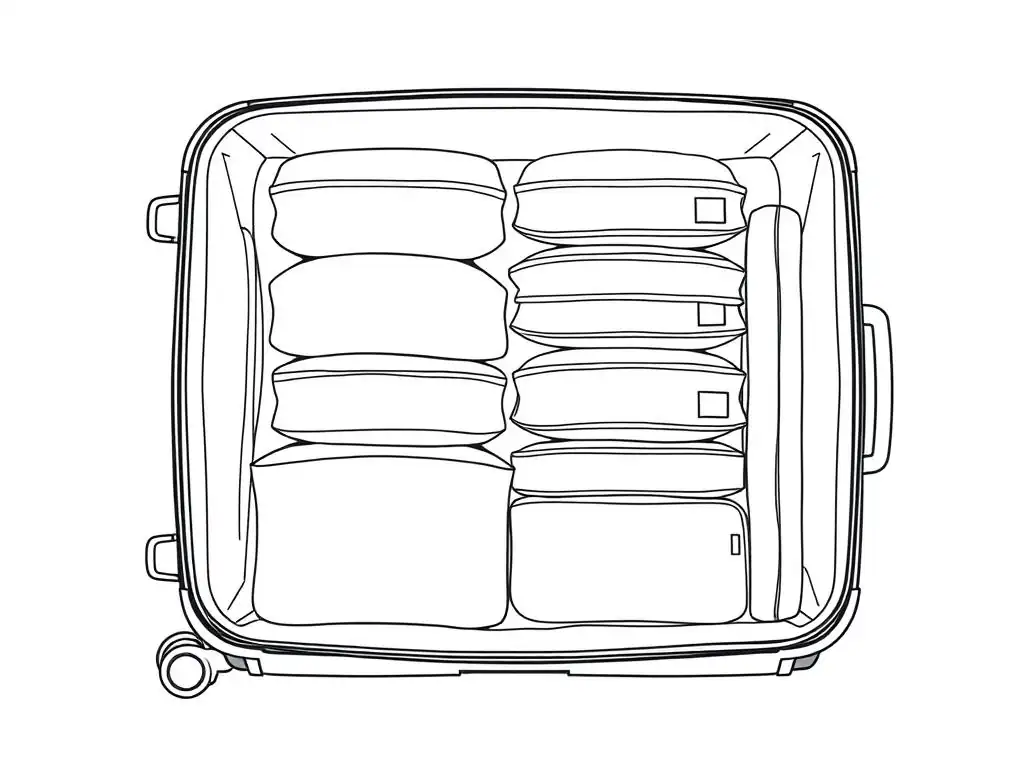
Packing cubes are often touted as a minimalist packing essential, and for good reason. They're lightweight, compressible containers that transform the chaotic jumble of a suitcase into a neatly organized system. But choosing the right ones and using them effectively is key to truly maximizing their benefits for minimalist travel. This section delves into the nuances of using packing cubes to streamline your packing process and conquer the challenges of limited luggage space.
We'll explore how to select the perfect cubes for your travel style and unpack the secrets to achieving optimal organization. Mastering this technique is a significant step towards achieving truly effective minimalist packing. This will help you achieve your goal of being a pro at minimalist packing travel tips.
Choosing the Right Packing Cubes for Your Needs
The market offers a bewildering array of packing cubes in various sizes, materials, and designs. Choosing the right ones depends heavily on your individual travel style and the length of your trip. Consider these factors:
- Trip Length: For shorter trips (a weekend getaway, for instance), a smaller set of 2-3 cubes might suffice. Longer trips necessitate a more comprehensive set, perhaps including larger cubes for bulky items like sweaters and smaller ones for underwear and socks.
- Clothing Types: If you primarily pack wrinkle-prone clothing, consider cubes made from a softer, less compressive material to minimize creasing. For items that compress easily, a more durable, highly compressible cube will be perfect.
- Material: Packing cubes are typically made from nylon or polyester. Nylon is often more durable and water-resistant, while polyester tends to be more lightweight and breathable.
- Features: Some packing cubes come with additional features like compression straps, mesh panels for ventilation, or even built-in handles. Assess whether these extra features are necessary for your needs. Don't overcomplicate things; simpler is often better when it comes to minimalist packing.
Here's a sample packing cube configuration for a 7-day trip:
| Cube Size | Contents | Quantity |
|---|---|---|
| Large | Shirts, pants, sweaters | 1 |
| Medium | Underwear, socks, t-shirts | 2 |
| Small | Toiletries, accessories, electronics | 1 |
Remember, the goal is to optimize your space and minimize the number of cubes you need to carry. Over-packing cubes can negate their benefits. Careful planning and mindful selection are paramount.
Maximizing Space and Organization with Packing Cubes
The true power of packing cubes lies not just in their ability to contain items, but in their ability to organize them efficiently. Think of them as building blocks for a perfectly packed suitcase. Here are some tips for maximizing space and organization:
- Roll, Don't Fold: Rolling your clothes instead of folding them saves space and minimizes wrinkles. This is particularly beneficial when using compression cubes.
- Layer Strategically: Place heavier items at the bottom of your suitcase and lighter items on top. This helps maintain balance and prevents heavier items from crushing lighter ones. Use the cubes to create distinct layers within your suitcase.
- Utilize Compression: Compression cubes are invaluable for bulky items like sweaters and jackets. Compress these items to free up significant space in your suitcase.
- Color-Coding (Optional): For extra organization, consider using different colored packing cubes for different categories of clothing (e.g., tops, bottoms, underwear). This makes finding specific items much easier.
- Leave Some Room: Don't overstuff your packing cubes. Leaving a little extra room allows for easier packing and unpacking, and prevents items from getting crushed. Remember, the goal is minimalist packing travel tips, not maximum compression.
By following these strategies, you can transform your packing experience from a stressful chore into a streamlined, efficient process. Packing cubes, when used effectively, are an invaluable tool for achieving minimalist packing success and maximizing your luggage space. They are the secret weapon for any traveler seeking to pack light and travel smart.
Lighten Your Load: Tips for Reducing Excess Baggage
Minimalist packing is all about strategic choices. It's not about deprivation, but about maximizing the utility of every item you bring. The key to successful minimalist packing lies in careful planning and a ruthless assessment of what you truly need versus what you merely want. Overpacking adds unnecessary weight, increases the risk of lost luggage, and frankly, just makes traveling more stressful. This section focuses on practical strategies to drastically reduce your baggage and travel lighter, ultimately enhancing your overall travel experience. Let's dive in!
Digital Decluttering: Leaving Unnecessary Items Behind
In today's digital age, we often carry around a significant amount of unnecessary physical weight in the form of gadgets and their accessories. Before you even start packing physical items, consider a digital declutter. This means carefully reviewing the items you plan to bring and thinking about digital alternatives.
For example, instead of bringing multiple guidebooks, consider downloading digital versions onto your tablet or smartphone. This saves space and weight, and also allows for easier updates and access to information. Similarly, instead of carrying around a physical camera, consider relying on your smartphone's camera for most of your photos. Most modern smartphones boast impressive camera capabilities, suitable for capturing travel memories. Think about it: do you really need that bulky DSLR and all its lenses, or can you manage with your phone?
Consider these practical steps:
- Check your apps: Delete unused apps on your phone to free up space.
- Cloud storage: Utilize cloud storage services like Google Drive, Dropbox, or iCloud to store important documents and photos, eliminating the need to carry physical copies.
- Digital tickets: Print your boarding passes and other tickets only if absolutely necessary. Most airlines and venues allow digital access.
This pre-packing digital purge will save you significant space and weight in your luggage. ✈️
Multi-Functional Items: Making the Most of Your Limited Space
The essence of minimalist packing lies in choosing versatile items that serve multiple purposes. This eliminates the need for numerous single-use items, significantly reducing your overall baggage. Instead of packing separate items for each function, look for items that can perform several roles.
Here's a table illustrating the principle:
| Single-Use Item | Multi-Functional Alternative |
|---|---|
| Separate toiletries | Travel-sized toiletries containers, solid shampoo bars, reusable cotton rounds |
| Heavy sweater | Lightweight, quick-drying merino wool layer |
| Multiple pairs of shoes | Two pairs of versatile shoes (walking shoes & dressier option) |
| Large, bulky towel | Quick-drying microfiber travel towel |
Consider these examples of multi-functional items:
- A sarong: Can be used as a scarf, beach cover-up, or even a makeshift blanket.
- A zip-top bag: For toiletries, wet clothes, or as a makeshift laundry bag.
- A power bank: Charges multiple devices on the go, eliminating the need for separate chargers.
By strategically choosing multi-functional items, you can significantly reduce the number of items you need to pack while maintaining comfort and functionality. Smart choices, like these, are the cornerstone of successful minimalist packing for any trip. Remember, less is truly more when it comes to travel!
Packing for Different Types of Trips: Adapting Your Strategy
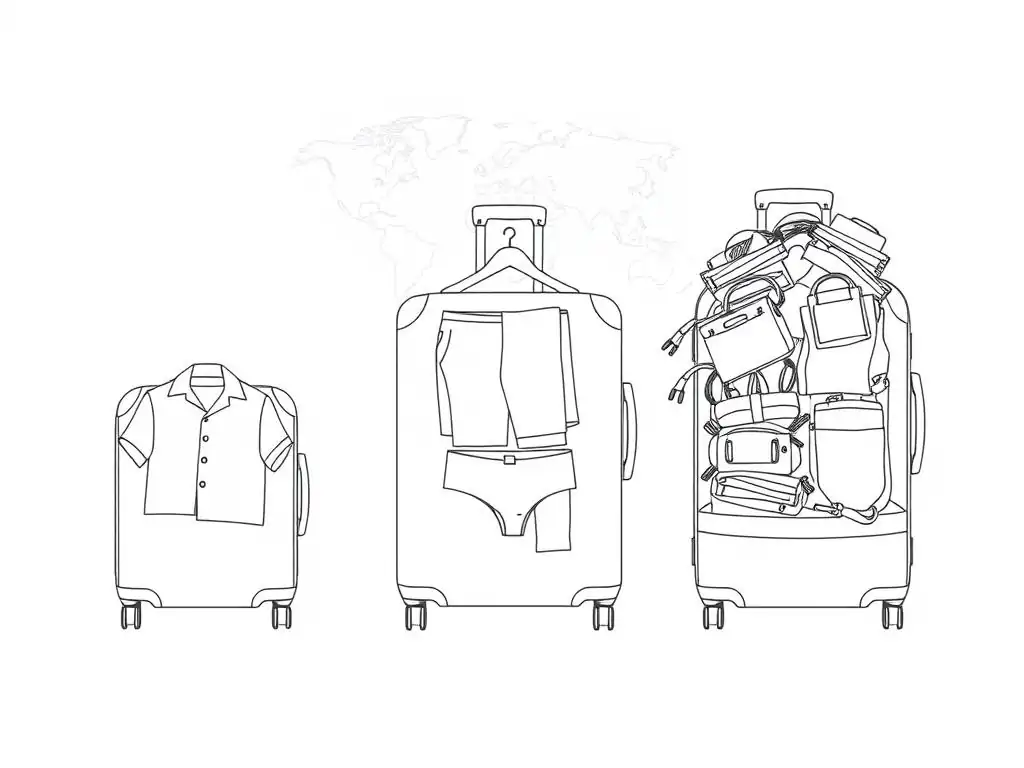
Mastering minimalist packing isn't about a one-size-fits-all approach; it's about adapting your strategy to the specific needs of your trip. The key to successful minimalist packing lies in understanding the context of your journey and prioritizing accordingly. Whether you're jetting off for a quick weekend escape or embarking on a month-long backpacking adventure, the core principles remain the same—but the application varies significantly.
This section will delve into how to tailor your minimalist packing list for different trip durations and styles. Remember, the goal is to pack light, not to sacrifice comfort or essentials. Effective minimalist packing travel tips hinge on careful planning and a flexible mindset.
Minimalist Packing for Weekend Getaways
Weekend getaways offer the perfect opportunity to hone your minimalist packing skills. The shorter duration drastically reduces the number of items you need. The key is to choose versatile clothing items that can be mixed and matched. Think capsule wardrobe!
For example, a successful weekend getaway packing list might include:
- Two pairs of versatile bottoms: One pair of dark-wash jeans and one pair of comfortable leggings or trousers.
- Three tops: A neutral-colored t-shirt, a button-down shirt (easily dressed up or down), and a lightweight sweater or cardigan.
- One dress (optional): A simple dress can serve as both a daytime outfit and an evening option, saving valuable space.
- Underwear and socks: Choose quick-drying materials for comfort and ease of packing.
- Toiletries: Utilize travel-sized containers to minimize bulk and adhere to airline liquid restrictions. Consider solid toiletries to further reduce weight and the risk of spills.
- Shoes: One pair of comfortable walking shoes and one pair of dressier shoes (optional, depending on your plans).
- Accessories: A scarf or shawl can add warmth and style, while a small jewelry selection can elevate your look.
- Tech: Phone, charger, portable power bank (optional).
Remember to roll your clothes instead of folding them to save space and minimize wrinkles. Using packing cubes can also help organize your belongings and compress your clothing. By strategically selecting items and employing these simple techniques, you can easily pack for a weekend getaway in a small carry-on bag, freeing yourself from the hassle of checked baggage. This approach to minimalist packing for weekend trips ensures you can maximize your time exploring and minimizing time spent on luggage.
Minimalist Packing for Longer Adventures
Longer adventures require a more strategic approach to minimalist packing. While the core principles remain the same—versatility, functionality, and necessity—the volume of items needs careful consideration. The key here is to select durable, high-quality items that can withstand wear and tear.
For example, a successful packing list for a two-week backpacking trip might include:
- Base layers: Merino wool or synthetic base layers are ideal for wicking moisture and regulating temperature.
- Mid-layers: A fleece jacket or lightweight down jacket provides extra warmth.
- Outer shell: A waterproof and windproof jacket is essential for protection against the elements.
- Versatile bottoms: Two pairs of durable hiking pants or convertible pants that can be adapted to different conditions.
- Tops: A mix of t-shirts and long-sleeved shirts depending on the climate.
- Underwear and socks: Again, quick-drying materials are key. Consider packing more pairs to allow for washing and drying time.
- Shoes: One pair of sturdy hiking boots and a pair of lightweight sandals or camp shoes.
- Toiletries: Choose travel-sized, refillable containers to minimize waste. Consider solid shampoo, conditioner, and soap for weight reduction.
- First-aid kit: A comprehensive first-aid kit is crucial for longer trips.
- Other essentials: A headlamp, a multi-tool, a reusable water bottle, and a small backpack for day trips.
For longer trips, consider the climate and activities planned. Research the destination's weather patterns and adjust your clothing choices accordingly. Prioritize items that are lightweight, quick-drying, and versatile. Remember, you can always wash clothes along the way, so don't overpack! By carefully considering these factors, you can successfully pack for longer trips while still maintaining a minimalist approach. This will allow you to enjoy the journey without being burdened by excessive luggage. This is a key aspect of effective minimalist packing travel tips for longer adventures.
Post-Trip Organization: Unpacking Like a Pro
Returning from a trip shouldn't feel like another chore. Efficient unpacking is key to maintaining the minimalist momentum you established before you left. This section focuses on how to seamlessly transition from traveler to homebody, minimizing the unpacking time and maximizing the feeling of rejuvenation. We'll cover cleaning and maintaining your gear, ensuring your next adventure starts with a well-organized and ready-to-go kit. Remember, proactive post-trip organization is a crucial element of successful minimalist packing for future travels.
Cleaning and Maintaining Your Minimalist Travel Gear
The first step to unpack like a pro is a systematic approach. Don't just dump everything on the bed! Instead, designate specific areas for different items. For example, have a space for clothing, toiletries, electronics, and documents. This immediately reduces visual clutter and allows for efficient cleaning.
Once you've sorted your belongings, address each category individually. Clothing should be inspected for stains or damage. Immediately wash anything requiring attention. For delicate items, hand-washing is often preferred to prevent shrinkage or damage. Air-drying is often faster and more convenient than using a dryer, especially for smaller items.
Toiletries require a different approach. Check expiration dates and discard any products nearing the end of their shelf life. Clean and dry any containers to prevent mildew or bacteria growth. This is especially important for reusable containers and travel-sized bottles.
Electronics deserve special care. Gently clean screens and keyboards with a microfiber cloth. Charge all devices and store them in their designated cases or bags. This will protect them from damage and keep them organized for your next trip. Remember to back up any important data from your devices immediately after returning home.
Finally, review and organize your documents. Discard any unnecessary papers, such as expired boarding passes or outdated maps. File important documents, like receipts and travel insurance information, in a designated folder for easy access in the future. This careful attention to detail will make your next trip planning much smoother. This meticulous process, while seemingly time-consuming at first, will save you considerable time and effort in the long run, truly embodying the spirit of efficient minimalist packing.
Repacking for Your Next Adventure: Streamlining the Process
Efficient unpacking directly influences the speed and effectiveness of repacking. If you've followed the cleaning and maintenance steps outlined above, your gear should be clean, organized, and ready to be repacked. This is where the true benefit of minimalist packing shines.
Begin by laying out all your travel essentials. Review your packing list from your previous trip, noting any items that were unnecessarily bulky or unused. This allows for making informed decisions about what to include on your next adventure.
Consider using packing cubes or compression bags to further optimize space and organization. These tools help keep items neatly separated and compressed, maximizing the space within your luggage. This is especially valuable when traveling with a carry-on bag only.
Before completely repacking, consider your next destination's climate and activities. This helps you avoid packing unnecessary items. For example, you wouldn't pack heavy winter clothes for a trip to a tropical island. This is where careful planning and a well-maintained packing list become invaluable. Remember, the goal is to pack only what you truly need, minimizing weight and maximizing efficiency.
Finally, weigh your luggage before leaving home. This helps avoid unexpected baggage fees and ensures you're adhering to airline restrictions. This simple step can save you time, money, and stress. By following these tips, your repacking process will become a quick and easy task, a testament to the power of efficient minimalist packing and preparation. The time saved translates into more time for enjoying your next adventure, showcasing the true value of this travel approach.
Frequently Asked Questions
What is minimalist packing, and why should I care?
Minimalist packing means traveling with only the essentials, avoiding unnecessary items. It saves you time and money on baggage fees, makes travel easier, and reduces stress. You'll also be more mobile and enjoy your trip more.
How do I determine what constitutes "essential" items for my trip?
Consider the climate, activities planned, and duration of your trip. Make a list, then ruthlessly cut back. Pack versatile clothing items that can be mixed and matched. Prioritize items you absolutely need, not just items you want.
What are some tips for packing clothes efficiently for a minimalist trip?
Roll your clothes instead of folding to save space and minimize wrinkles. Choose neutral colors that can be combined easily. Utilize packing cubes to organize and compress your belongings. Consider wearing your bulkiest items on the plane.
Are there any specific items I should always pack, regardless of the trip?
Yes! Always pack essential documents (passport, tickets), medications, a universal adapter (if needed), and a first-aid kit. Don't forget a reusable water bottle and a portable charger for your electronics.
How can I maintain a minimalist packing approach while still feeling prepared for unexpected situations?
Pack lightweight, versatile items that can serve multiple purposes. For example, a sarong can be a scarf, beach cover-up, or even a makeshift blanket. Remember, you can always buy things you need at your destination if absolutely necessary.
Final Reflection: The Liberating Power of Less
The art of minimalist packing isn't just about fitting more into a smaller space; it's about reclaiming your freedom and presence on the journey itself. In a world obsessed with accumulating possessions, embracing intentional minimalism in travel offers a powerful antidote, allowing you to experience the world more fully, rather than being weighed down by material burdens. This shift in perspective is more relevant than ever in our fast-paced, hyper-connected lives.
The impact of minimalist travel extends far beyond the practical. It's a philosophy that encourages mindfulness and a deeper appreciation for experiences over things. It forces us to prioritize what truly matters, stripping away the unnecessary to reveal the core of what brings us joy. As Antoine de Saint-Exupéry wisely said, What is essential is invisible to the eye.
By packing lightly, we free ourselves not only from physical weight, but also from the mental clutter that often accompanies over-planning and over-packing. This allows us to be more open to spontaneous adventures and unexpected encounters, enriching our travel experiences immeasurably.
Consider the transformative power of this approach. You've learned practical tips and tricks for efficient packing, but more importantly, you've discovered a mindset shift. Now, I challenge you to apply this principle beyond your suitcase. What aspects of your life could benefit from a similar decluttering? What truly essential elements will you prioritize, and what can you let go of to create space for more meaningful experiences? Embrace the liberating power of less, and embark on a journey of intentional living, both on and off the beaten path.
Unlock Your Effortless Travel: Pack Smarter, Not Harder!
Thank you for exploring the world of minimalist packing! We hope you've discovered valuable strategies for simplifying your travel and eliminating unnecessary baggage. Ready to apply your new knowledge?
Here's how to proceed:
- Master your minimalist packing list: Create a personalized packing list tailored to your next trip, focusing on essential items and versatile clothing. This is the key to stress-free travel!
- Try a visual packing strategy: Lay out everything you believe you need, then eliminate half. You'll be amazed at how much you can travel with!
- Share your minimalist packing tips: Share your favorite packing hacks or travel experiences with others in the comments below. Let's build a supportive community of savvy travelers!
What's one item you'll gladly leave behind on your next adventure?