
Secret Weapon for Your Wallet: Top Budgeting Apps That Actually Make Saving Easy

Welcome to UltimateLifeHacks, your ultimate resource for practical tips and tricks to conquer your daily life. Are you ready to unlock the secret to effortless saving? We've uncovered the best budgeting apps that will revolutionize your finances and finally make saving money feel achievable. Dive in and discover which app will become your secret weapon for a healthier financial future – you won't believe how easy it can be!
- Understanding Your Spending Habits: The First Step to Financial Freedom
-
Best Budgeting Apps for Saving Money: A Detailed Comparison
- Mint: A Comprehensive Personal Finance App for Beginners
- YNAB (You Need A Budget): Zero-Based Budgeting for Maximum Control
- Personal Capital: Advanced Budgeting and Investment Tracking
- EveryDollar: A Simple Budgeting App Based on Dave Ramsey's Principles
- PocketGuard: Automated Budgeting and Spending Alerts
- Choosing the Best Budgeting App for Your Needs: Factors to Consider
- Maximizing Your Savings with Budgeting Apps: Tips and Tricks
- Beyond Budgeting Apps: Additional Tools for Financial Wellness
- Conclusion: Taking Control of Your Finances with the Right Tools
- Frequently Asked Questions
- Final Reflection: Unlocking Financial Freedom Through Tech
- Unlock Your Financial Freedom: Start Budgeting Today!
Understanding Your Spending Habits: The First Step to Financial Freedom
Taking control of your finances can feel daunting, but the journey to financial freedom starts with a single, crucial step: understanding where your money goes. This isn't about guilt or shame; it's about gaining valuable insight into your spending habits to make informed decisions and achieve your financial goals. This article explores the power of budgeting apps as a secret weapon in your fight for financial wellness, focusing on how these tools can simplify the process and make saving money easier than ever before.
We'll delve into some of the best budgeting apps available, highlighting their features and benefits, ultimately helping you choose the perfect app to streamline your finances and reach your savings targets. Successfully managing your money isn't about deprivation; it's about making conscious choices aligned with your financial aspirations.
Let's explore how the right budgeting app can help you achieve just that. We'll be looking at how to best use these apps to conquer the challenge of "Best budgeting apps for saving money".
Tracking Expenses: Why It's Crucial for Effective Budgeting
Before you can start saving, you need to know where your money is going. Many people underestimate their daily spending, leading to surprise overdrafts and unmet financial goals. Manually tracking every expense can be tedious and prone to errors, but budgeting apps automate this process, providing a clear picture of your spending habits. These apps often integrate directly with your bank accounts and credit cards, automatically categorizing transactions.
This allows you to quickly identify areas where you're overspending. For example, you might discover that your daily coffee habit is costing you significantly more than you initially thought, or that subscription services you've forgotten about are eating into your savings. This level of detailed tracking is invaluable for effective budgeting, allowing you to make conscious choices about your spending and redirect funds towards savings.
The ability to visualize your spending patterns—often presented through charts and graphs— further enhances your understanding and empowers you to make informed financial decisions. Think of it as a financial check-up, revealing hidden areas for improvement. This detailed tracking is the bedrock of successful budgeting.
Identifying Spending Leaks: Common Mistakes and How to Avoid Them
Once you have a clear picture of your spending, you can start identifying areas for improvement. Common spending leaks include: subscriptions you no longer use, impulse purchases, eating out too often, and unnecessary entertainment expenses. Budgeting apps often help highlight these areas by categorizing your spending and providing summaries.
For instance, you might see that you're spending a significant portion of your income on dining out. Armed with this information, you can set realistic goals to reduce this expense, such as cooking more meals at home or opting for cheaper lunch options. Another common mistake is failing to track cash spending.
Many budgeting apps allow you to manually input cash transactions, ensuring a comprehensive overview of your finances. By meticulously analyzing your spending data, you can pinpoint your spending leaks and develop strategies to plug these holes and redirect funds towards your savings goals. This process is iterative; continuous monitoring and adjustments are key to long-term success.
Setting Realistic Financial Goals: Short-Term and Long-Term Strategies
The ultimate goal of budgeting is to achieve your financial aspirations. This might involve saving for a down payment on a house, paying off debt, or building an emergency fund. Budgeting apps can help you set realistic goals by allowing you to create budgets and track your progress.
You can break down larger goals into smaller, more manageable milestones, making the process less overwhelming. For instance, if your goal is to save $10,000 for a down payment, you can set a monthly savings goal of $833. The app will then help you track your progress, providing motivation and accountability.
Furthermore, many apps allow you to set different budgets for various aspects of your life, such as groceries, entertainment, and transportation, giving you a more granular control over your finances. By combining short-term and long-term strategies, you can create a comprehensive financial plan that aligns with your overall life goals. This detailed approach is crucial for achieving sustainable financial success.
Best Budgeting Apps for Saving Money: A Detailed Comparison
This section dives deep into the features and functionalities of some of the best budgeting apps available, helping you decide which one best suits your needs and financial goals. We'll explore their strengths and weaknesses, providing a comprehensive comparison to aid in your selection process. Finding the best budgeting app for saving money is crucial for improving your financial wellness.
Mint: A Comprehensive Personal Finance App for Beginners
Mint is a popular choice, particularly for those new to budgeting. Its user-friendly interface and comprehensive features make it an excellent starting point for anyone looking to gain control of their finances. Mint offers a holistic approach, extending beyond simple budgeting to encompass a broader view of your financial health.
Mint's Features: Budgeting, Expense Tracking, Credit Score Monitoring
Mint excels in automated expense tracking. Simply link your bank accounts, credit cards, and investment accounts, and Mint automatically categorizes your transactions. This significantly reduces the manual effort required for budget management. Beyond tracking, Mint provides robust budgeting tools allowing you to set monthly budgets for various categories, receive alerts for overspending, and visualize your spending habits through clear, intuitive charts and graphs. Additionally, Mint offers free credit score monitoring, a valuable feature for anyone looking to improve their financial standing. This all-in-one approach simplifies financial management, consolidating various aspects into a single, easy-to-use platform.
Mint's Pros and Cons: User Experience and Limitations
Pros:
- Ease of use: The intuitive interface makes it accessible to beginners.
- Automated tracking: Saves significant time and effort.
- Comprehensive features: Combines budgeting, expense tracking, and credit score monitoring.
- Free to use: Accessibility for a wide range of users.
Cons:
- Data security concerns: As with any app that accesses financial data, security is a consideration.
- Limited customization: While user-friendly, some users might find the customization options limited compared to other apps.
- Over-reliance on automation: Manual review and adjustment are still necessary for accurate budgeting.
Is Mint the Right Budgeting App for You?
Mint is ideal for individuals who prioritize ease of use and a comprehensive overview of their finances. If you're new to budgeting or prefer a simple, automated system, Mint is a strong contender. However, if you require highly customizable budgeting features or have specific financial goals beyond basic expense tracking, you might want to explore other options.
YNAB (You Need A Budget): Zero-Based Budgeting for Maximum Control
YNAB (You Need A Budget) takes a different approach, employing a zero-based budgeting methodology. This method emphasizes assigning every dollar a specific purpose, ensuring that your income is fully allocated. This approach fosters greater control and awareness of your spending habits, leading to more effective saving strategies.
YNAB's Methodology: How Zero-Based Budgeting Works
Zero-based budgeting means that every dollar you earn is assigned a specific purpose. You're not simply tracking spending; you're actively planning how every dollar will be used. This proactive approach encourages mindful spending and helps prevent overspending by allocating funds before they're even received. YNAB guides you through this process, helping you prioritize your spending based on your values and financial goals. It's a more involved process than simple expense tracking, but many users find the increased control worthwhile.
YNAB's Features: Goal Setting, Debt Management, and Reporting Tools
YNAB offers powerful features beyond basic budgeting. It facilitates goal setting, allowing you to allocate funds towards specific objectives like saving for a down payment, paying off debt, or even planning a vacation. The app also provides robust debt management tools, helping you create and track debt repayment plans. Comprehensive reporting tools provide insightful visualizations of your financial progress, allowing you to monitor your spending habits and adjust your budget accordingly. The app also includes educational resources and community support, further enhancing the user experience.
YNAB's Pros and Cons: Learning Curve and Cost
Pros:
- Zero-based budgeting: Provides unparalleled control over your finances.
- Powerful features: Offers robust goal setting, debt management, and reporting tools.
- Strong community support: Provides valuable resources and assistance.
Cons:
- Steeper learning curve: Requires a greater understanding of budgeting principles.
- Subscription cost: Unlike Mint, YNAB requires a paid subscription.
This comparison provides a starting point for your research. Remember that the "best" budgeting app depends on individual needs and preferences. Consider your financial goals, tech proficiency, and budget when making your decision. Finding the right app is a crucial step towards achieving your financial wellness objectives.
Personal Capital: Advanced Budgeting and Investment Tracking
Personal Capital stands out as a powerful budgeting app, but it's more than just a budgeting tool; it's a comprehensive financial dashboard. It excels at providing a holistic view of your finances, seamlessly integrating budgeting with investment tracking and retirement planning. Unlike many apps that focus solely on spending, Personal Capital empowers users to manage their entire financial landscape from a single, user-friendly interface. This makes it particularly attractive to individuals with diverse investment portfolios and a keen interest in long-term financial planning.
The app's strength lies in its ability to connect to various financial accounts, automatically aggregating data on bank accounts, credit cards, investments, and retirement accounts. This automated aggregation saves significant time and effort compared to manual entry. The data visualization is also exceptional, presenting complex financial information in an easily digestible format, making it far easier to understand your overall financial health.
Personal Capital's Features: Retirement Planning, Investment Analysis, and Fee Analysis
Personal Capital offers a robust suite of features designed to streamline financial management. Its retirement planning tools provide projections based on your current savings and spending habits, helping you visualize your retirement readiness and adjust your savings strategy accordingly. This feature alone makes it a valuable tool for long-term financial security. Furthermore, its investment analysis capabilities go beyond simple tracking. The app provides detailed analyses of your investment portfolio's performance, asset allocation, and potential risks.
This granular level of detail allows for informed decision-making and optimization of your investment strategy. Equally important is Personal Capital's fee analysis tool, which automatically identifies and highlights excessive fees associated with your investments. This can lead to significant savings over time by identifying areas where your money is being unnecessarily eroded. The ability to easily compare investment performance against benchmarks further enhances its value for serious investors.
Personal Capital's Pros and Cons: Sophistication and Data Security
Personal Capital's sophistication is both a strength and a weakness. While its advanced features are invaluable for experienced investors, the interface might feel overwhelming to beginners. The comprehensive nature of the app requires a certain level of financial literacy to fully utilize its capabilities. On the positive side, the detailed reports and analyses offer unparalleled insights into one's financial health.
However, the app's reliance on connecting to numerous financial accounts raises concerns about data security. While Personal Capital employs robust security measures, users should be aware of the inherent risks associated with aggregating sensitive financial information in a single platform. It's crucial to understand the app's security protocols and to regularly monitor account activity for any irregularities.
Personal Capital's Suitability for Experienced Investors
Personal Capital is best suited for individuals with a moderate to high level of financial literacy and existing investment portfolios. Its advanced features and detailed reporting are most beneficial to those actively managing investments and seeking sophisticated tools for financial planning. Beginners might find the interface daunting and the level of detail overwhelming.
For those comfortable with financial terminology and concepts, however, Personal Capital offers a powerful and comprehensive solution for managing their entire financial life. The app's focus on investment analysis and retirement planning makes it an excellent choice for individuals actively working towards long-term financial goals. Its ability to identify and highlight areas for improvement in investment performance and fee management makes it a valuable asset for experienced investors aiming for optimal returns.
EveryDollar: A Simple Budgeting App Based on Dave Ramsey's Principles
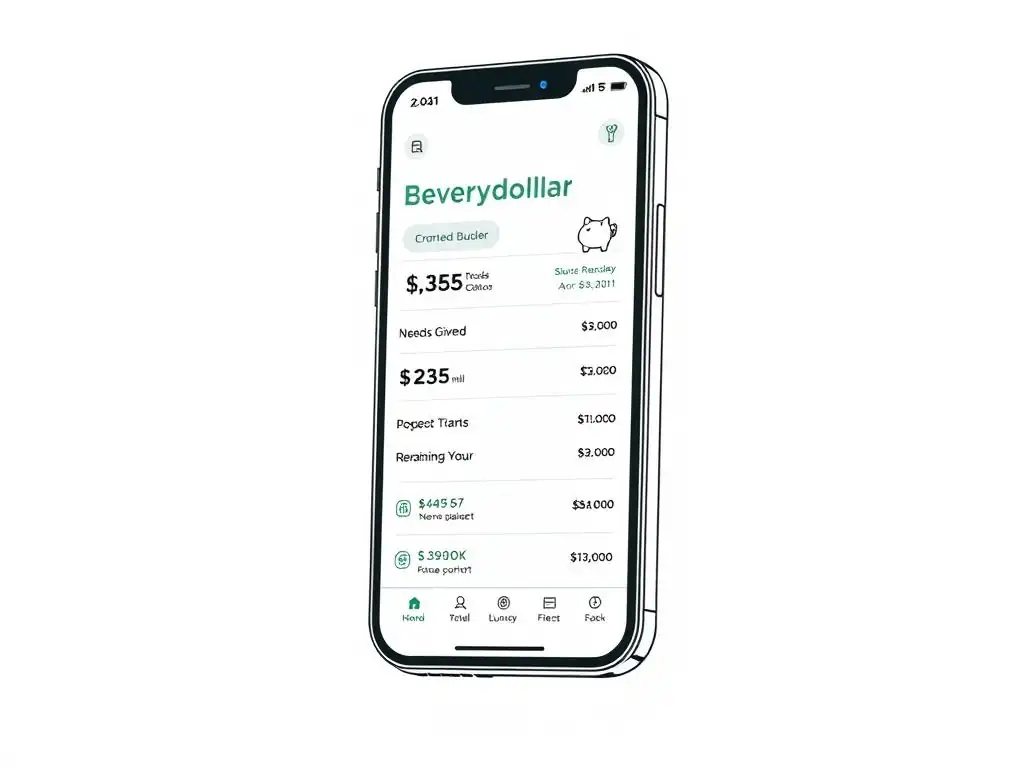
EveryDollar is a budgeting app built on the principles of financial guru Dave Ramsey. Its core philosophy emphasizes zero-based budgeting, meaning that every dollar is assigned a specific purpose before the month begins. This approach helps users gain control over their spending and prioritize their financial goals.
The app's intuitive interface and straightforward design make it accessible to users of all technical skill levels, unlike some more complex budgeting apps that can feel intimidating to those new to personal finance management. This simplicity is a key strength, allowing users to quickly grasp the core concepts and start budgeting effectively. The focus on debt reduction and financial peace of mind aligns perfectly with Ramsey's philosophy of intentional spending and financial freedom.
EveryDollar's Features: Easy-to-Use Interface, Debt Snowball Method Integration
EveryDollar's design prioritizes ease of use. The interface is clean and intuitive, making it easy to track income and expenses. A key feature is its seamless integration with the debt snowball method, a popular debt reduction strategy advocated by Dave Ramsey. This method involves paying off the smallest debts first to build momentum and motivation, which can be crucial for individuals struggling with debt.
The app allows users to easily input their debts, track payments, and visualize their progress towards becoming debt-free. This visual representation of progress is a powerful motivational tool, encouraging users to stay committed to their debt reduction goals. Furthermore, the app offers helpful reporting features that provide insights into spending habits and progress towards financial goals.
EveryDollar's Pros and Cons: Simplicity vs. Advanced Features
EveryDollar's simplicity is both its greatest strength and its biggest limitation. While its ease of use is highly appealing to beginners and those seeking a straightforward budgeting solution, it lacks the advanced features found in more sophisticated apps. For instance, it doesn't offer investment tracking or sophisticated financial analysis tools.
This lack of advanced features might be a drawback for users with complex financial situations or those seeking a more comprehensive financial management solution. However, for those primarily focused on budgeting and debt reduction, EveryDollar's simplicity is a significant advantage, allowing them to focus on the fundamentals without being overwhelmed by complex features.
EveryDollar for Debt Reduction and Financial Peace of Mind
EveryDollar excels in helping users achieve debt reduction and financial peace of mind. Its focus on zero-based budgeting and integration with the debt snowball method provides a structured approach to tackling debt. The app's ability to track progress and visualize debt payoff is a powerful motivational tool, helping users stay committed to their financial goals.
By providing a clear and simple framework for managing finances, EveryDollar empowers users to gain control of their spending and prioritize their financial well-being. The app's alignment with Dave Ramsey's principles resonates with individuals seeking a structured and disciplined approach to personal finance, offering a pathway toward financial freedom and a sense of accomplishment. The emphasis on intentional spending fosters a mindful approach to managing finances, leading to increased financial awareness and ultimately, peace of mind.
PocketGuard: Automated Budgeting and Spending Alerts
PocketGuard distinguishes itself with its user-friendly interface and automated budgeting features. It’s designed for those who want a straightforward approach to managing their finances without getting bogged down in complex spreadsheets or manual calculations. The app connects to your bank accounts and credit cards to automatically categorize your transactions, providing a real-time view of your spending.
This automated tracking is a significant advantage, eliminating the tedious task of manually inputting every purchase. The app learns your spending habits over time, offering increasingly accurate predictions and personalized insights. This learning aspect is crucial for long-term financial planning and improved budgeting accuracy.
For users who prefer a hands-off approach to budgeting, PocketGuard's automated features are incredibly appealing, simplifying financial management considerably. The app's strength lies in its simplicity and ease of use, making it accessible to a wide range of users, regardless of their financial literacy level. It's a great option for beginners taking their first steps towards improved financial management.
PocketGuard's Features: Real-Time Spending Tracking, Automated Savings
PocketGuard offers robust real-time spending tracking, instantly updating your budget as you make transactions. This immediate feedback loop is vital for staying aware of your spending habits and preventing overspending. The app automatically categorizes transactions, providing clear insights into where your money is going. Beyond tracking, PocketGuard boasts an automated savings feature.
Users can set a savings goal, and the app will automatically allocate funds from your available income towards that goal. This automated saving feature is a powerful tool for building savings consistently, even with irregular income. The app also provides helpful alerts and notifications, notifying users when they are approaching their spending limits or when unusual transactions occur.
These features contribute to a proactive approach to budgeting, helping users maintain financial control and avoid unexpected financial surprises. PocketGuard's ability to integrate with multiple accounts simplifies the process of tracking all your finances in one place. This centralized view enhances the overall user experience, providing a comprehensive overview of your financial situation.
PocketGuard's Pros and Cons: Ease of Use vs. Customization Options
One of PocketGuard's biggest strengths is its ease of use. The intuitive interface and automated features make it incredibly accessible, even for users with limited financial experience. The app's simplicity is a significant advantage, making budgeting less daunting and more manageable. However, this simplicity comes at the cost of customization options. While the automated features are convenient, some users may find the lack of granular control frustrating.
Experienced budgeters who prefer highly customized budgeting approaches might find PocketGuard's limitations restrictive. For example, the automatic categorization might not always be perfectly accurate, requiring manual adjustments. The limited customization options might also be a drawback for users with complex financial situations or specific budgeting needs. The balance between ease of use and customization is a crucial factor to consider when choosing a budgeting app, and PocketGuard leans heavily towards user-friendliness.
PocketGuard for On-the-Go Budget Management
PocketGuard excels as a budgeting app for on-the-go management. Its mobile-first design and real-time updates ensure you always have a clear picture of your finances, regardless of your location. The app's notifications and alerts provide timely reminders about your spending, helping you stay within your budget even when you're busy.
This accessibility is crucial for maintaining financial control in today's fast-paced world. The app's intuitive interface also makes it easy to check your budget and make adjustments quickly, even on a smaller screen. PocketGuard's seamless integration with mobile banking apps further enhances its convenience, streamlining the process of tracking your finances and making on-the-go budget adjustments a breeze.
The app's portability and ease of use make it an ideal tool for managing your finances effectively, wherever you are. This feature is particularly beneficial for individuals with busy lifestyles who need a convenient and efficient way to monitor their spending and savings.
Choosing the Best Budgeting App for Your Needs: Factors to Consider
Selecting the best budgeting app for saving money isn't about finding the most popular one; it's about finding the app that best aligns with your individual financial habits and goals. Several key factors influence this decision. Understanding these factors empowers you to make an informed choice and maximize your savings potential. Consider your current financial situation, your tech proficiency, and your preferred budgeting style. Are you a meticulous tracker, or do you prefer a more streamlined approach?
Do you need a simple expense tracker, or a comprehensive financial management system? Answering these questions will guide you towards the perfect budgeting app match. For instance, someone comfortable with complex spreadsheets might prefer a more feature-rich app, while someone seeking simplicity might benefit from a user-friendly app with a minimal interface. The right app should feel like an extension of your financial strategy, not a frustrating chore.
Budget App Features: What to Look For in a Financial Management Tool
A robust budgeting app offers more than just basic expense tracking. Look for features that support your specific needs and enhance your savings journey. Essential features include:
- Automated Transaction Categorization: This significantly reduces manual data entry, saving you valuable time. Apps with advanced AI-powered categorization are particularly helpful.
- Goal Setting and Tracking: Define specific savings goals (e.g., emergency fund, down payment, vacation) and monitor your progress. Visual progress trackers are highly motivating.
- Budgeting Methods Support: Does the app support different budgeting methods, such as the 50/30/20 rule, zero-based budgeting, or envelope budgeting? Flexibility is key.
- Financial Reporting and Analytics: Comprehensive reports provide insights into spending habits, allowing you to identify areas for improvement and optimize your budget. Visual representations, like charts and graphs, are extremely beneficial.
- Bill Payment Reminders: Avoid late fees and missed payments with automated reminders.
- Debt Management Tools: For users with debt, features that help track and manage debt repayment are invaluable.
- Subscription Management: Easily track and manage recurring subscriptions to identify potential areas for cost savings.
Consider this example: App A offers basic expense tracking and goal setting but lacks automated categorization. App B, however, boasts AI-powered categorization, detailed financial reports, and subscription management, making it a more powerful tool for long-term savings. Choosing between these depends on your individual needs and comfort level with technology.
A budgeting app's user interface (UI) and user experience (UX) are crucial. A poorly designed app can quickly become frustrating and lead to abandonment. Look for an app with:
- Intuitive Navigation: The app should be easy to navigate, with clear menus and readily accessible features. A cluttered or confusing interface will hinder your progress.
- Clean and Visually Appealing Design: A pleasant visual design can significantly improve the overall user experience and make budgeting feel less like a chore.
- Mobile Optimization: Ensure the app is optimized for both smartphones and tablets, allowing for convenient access on the go. Mobile accessibility is essential for tracking expenses in real-time.
- Customizability: The ability to personalize the app to match your preferences and needs will increase its usability and effectiveness.
The best budgeting apps for saving money prioritize user experience. A well-designed interface promotes consistent use, leading to better financial management and improved savings results. Think about apps you already enjoy using – what makes their interface so effective? Look for similar qualities in a budgeting app.
Security and Privacy: Protecting Your Financial Data
Protecting your financial data is paramount. When choosing a budgeting app, prioritize security and privacy features:
- Data Encryption: Ensure the app uses robust encryption methods to protect your sensitive financial information.
- Two-Factor Authentication (2FA): 2FA adds an extra layer of security, making it more difficult for unauthorized users to access your account.
- Privacy Policy Transparency: Carefully review the app's privacy policy to understand how your data is collected, used, and protected. Look for clear and concise explanations of their data security practices.
- Reputation and Reviews: Check online reviews and ratings to gauge the app's security track record and user experiences. A history of security breaches should be a major red flag.
Never compromise on security. Your financial data is valuable, and choosing a trustworthy app is a crucial step in protecting it. Prioritize apps with a strong reputation for security and transparent privacy policies. The peace of mind knowing your data is safe is invaluable.
Cost and Pricing Models: Free vs. Paid Budgeting Apps
Choosing between a free and a paid budgeting app is a crucial first step in optimizing your financial management. Free apps often offer a basic suite of features, perfect for those just starting their budgeting journey or seeking simple tracking capabilities. These typically include basic expense categorization, income tracking, and perhaps some rudimentary reporting. However, limitations often arise.
You might encounter restrictions on the number of accounts you can link, limited transaction history, or a lack of advanced features like budgeting tools, financial planning assistance, or robust investment tracking. The free version might also be ad-supported, which can be distracting and occasionally intrusive. Consider Mint, a popular free budgeting app, as an example. While it provides a solid foundation for tracking spending, its reliance on advertising and limitations on certain advanced features might push users toward a paid alternative if their needs grow more complex.
Paid budgeting apps, on the other hand, often provide a more comprehensive and feature-rich experience. These typically offer unlimited account linking, advanced reporting and analytics, personalized financial insights, and sometimes even access to financial advisors or educational resources. The absence of ads enhances usability, and the advanced features can significantly contribute to more effective budgeting and financial goal setting.
The cost, however, is a significant factor. Subscription fees can range from a few dollars to tens of dollars per month, depending on the features and level of support offered. Before subscribing, carefully evaluate whether the additional features justify the cost based on your individual financial needs and budgeting goals.
A premium app might offer features like automated savings goals, investment tracking capabilities, and debt management tools – features often absent in free alternatives. The value proposition is thus crucial: consider whether the enhanced functionality and lack of ads outweigh the monthly expense. Ultimately, the best budgeting app for you depends on your individual needs and budget, balancing the cost with the features offered.
Maximizing Your Savings with Budgeting Apps: Tips and Tricks
Budgeting apps are powerful tools, but their effectiveness hinges on how you use them. Simply downloading an app isn't enough; you need a strategic approach to truly maximize your savings potential. This section explores practical tips and tricks to get the most out of your chosen budgeting app and achieve your financial goals. Remember, the "best" budgeting app for saving money is the one you consistently use and find user-friendly.
Creating a Realistic Budget: Setting Achievable Financial Goals
Before even launching your chosen budgeting app, it's crucial to establish realistic financial goals. Avoid setting overly ambitious targets that lead to frustration and abandonment. Start by honestly assessing your income and expenses. Many budgeting apps help with this initial step by automatically categorizing transactions from linked bank accounts. However, manual input might be necessary for some transactions, especially those made in cash.
Consider using the 50/30/20 budgeting rule as a starting point: allocate 50% of your after-tax income to needs (housing, food, transportation), 30% to wants (entertainment, dining out), and 20% to savings and debt repayment. Adjust these percentages based on your individual circumstances. For example, someone with significant student loan debt might allocate a higher percentage to debt repayment initially. The key is to create a budget that feels attainable and motivates you to stick with it. Regularly reviewing and adjusting your budget is key to long-term success. Don't be afraid to make changes as needed; life throws curveballs! 🤑
Automating Savings: Setting Up Recurring Transfers
One of the most effective ways to boost your savings is to automate the process. Most budgeting apps allow you to schedule recurring transfers from your checking account to your savings account. This removes the temptation to spend that money and makes saving effortless. Even small, regular transfers add up significantly over time.
Consider setting up automated transfers on payday. This ensures that a portion of your income is automatically saved before you even have a chance to spend it. Many apps offer features to round up purchases and automatically transfer the difference to savings. This "micro-saving" approach can accumulate surprisingly quickly. For instance, if you round up all purchases to the nearest dollar, the accumulated savings can be quite substantial over a year. This is a fantastic strategy for passively increasing your savings without even noticing the small individual deductions.
Tracking Progress and Making Adjustments: Regular Budget Reviews
Consistent monitoring is vital for successful budgeting. Regularly review your budget to track your progress towards your financial goals. Most budgeting apps provide visual representations of your spending habits, allowing you to easily identify areas where you might be overspending. This data-driven approach lets you make informed decisions about your spending.
Aim for weekly or bi-weekly budget reviews. This allows you to catch potential overspending early and make necessary adjustments before it becomes a significant problem. Don't be discouraged by occasional setbacks; view them as learning opportunities. Analyze your spending patterns to understand why you overspent in certain areas and develop strategies to avoid similar situations in the future. Remember, budgeting is an ongoing process, not a one-time event. Consistent tracking and adaptation are key to long-term financial success. 📈
Utilizing Budgeting App Features for Debt Reduction Strategies
Budgeting apps aren't just for tracking spending; many offer powerful tools to actively tackle debt. Understanding and leveraging these features is crucial for maximizing your savings and achieving financial freedom. Several apps provide dedicated debt reduction tools, allowing you to input your outstanding debts, interest rates, and minimum payments.
This detailed information allows the app to generate personalized repayment plans, often suggesting strategies like the debt snowball or debt avalanche method. The debt snowball method prioritizes paying off the smallest debts first for psychological motivation, while the debt avalanche method focuses on paying off the highest-interest debts first to minimize overall interest paid. Choosing the right strategy depends on your personal preferences and financial situation.
Many apps go beyond simple repayment plans. They often integrate with your bank accounts to automatically categorize transactions and identify spending related to debt payments. This automated tracking provides a clear picture of your progress and helps you stay accountable.
Some even allow you to set up automatic transfers to your debt repayment accounts, ensuring consistent payments and preventing missed deadlines. This automation significantly reduces the risk of late fees and helps you stay on track with your debt reduction goals. Features like this are invaluable for individuals who struggle with consistently managing their finances or find it difficult to stick to a repayment plan.
Furthermore, some advanced budgeting apps offer simulations to predict the impact of different repayment strategies. You can input various scenarios—such as increasing your monthly payments or making extra payments—to see how it affects the total interest paid and the overall time it takes to become debt-free. This "what-if" analysis is incredibly useful for making informed decisions and fine-tuning your debt reduction plan.
By experimenting with different scenarios, you can identify the most efficient and effective path to financial freedom, tailored to your unique circumstances. Remember to always compare these app projections with independent financial advice to ensure accuracy and suitability for your individual financial situation. This combined approach offers a powerful strategy for effective debt management.
Beyond Budgeting Apps: Additional Tools for Financial Wellness
Budgeting apps are a fantastic starting point for improving your financial health, but they're just one piece of the puzzle. To truly achieve financial wellness, a holistic approach is necessary. This section explores supplementary tools and resources that, when combined with your chosen budgeting app, can significantly enhance your journey towards financial freedom. Mastering your finances involves more than just tracking expenses; it requires planning, education, and sometimes, professional guidance.
Utilizing Online Financial Calculators for Planning
Online financial calculators are invaluable tools for making informed financial decisions. These calculators, often available for free on reputable financial websites, can help you model different scenarios and project your financial future with greater accuracy. They can be particularly useful for complex calculations that are difficult to perform manually.
For example, a mortgage calculator can show you how much your monthly payments will be based on the loan amount, interest rate, and loan term. This allows you to explore different mortgage options and determine the affordability of various properties. Similarly, a retirement calculator can estimate how much you need to save each month to reach your retirement goals, considering factors like your current age, desired retirement age, and expected rate of return on your investments.
Many calculators also allow you to adjust variables, such as inflation rates or investment returns, to see how different economic conditions might affect your financial projections. This "what-if" analysis is crucial for developing a robust and resilient financial plan. Remember to use calculators from trusted sources to ensure accuracy and avoid misleading results. Understanding the inputs and outputs of these calculators is key to interpreting the results effectively. Don't just blindly accept the numbers; understand the underlying calculations and assumptions.
Accessing Free Financial Literacy Resources Online
Improving your financial literacy is an ongoing process. Thankfully, a wealth of free resources is readily available online. Many reputable organizations offer educational materials covering various aspects of personal finance, from budgeting and saving to investing and debt management.
These resources often come in various formats, including:
- Articles and blog posts: These provide concise information on specific topics.
- Videos and webinars: These offer a more visual and interactive learning experience.
- Infographics and downloadable guides: These present complex information in a visually appealing and easily digestible manner.
- Interactive quizzes and assessments: These help you test your understanding and identify areas where you need improvement.
By actively seeking out and utilizing these free resources, you can significantly enhance your financial knowledge and make more informed decisions. This continuous learning is vital for adapting to changing economic conditions and navigating the complexities of personal finance effectively. Look for resources from government agencies, non-profit organizations, and well-established financial institutions to ensure credibility and accuracy. Remember to critically evaluate the information you find, comparing it with multiple sources to avoid misinformation.
Seeking Professional Financial Advice When Needed
While budgeting apps and online resources are excellent tools, there are situations where seeking professional financial advice is crucial. A qualified financial advisor can provide personalized guidance based on your unique circumstances and goals. This is particularly important when dealing with complex financial situations, such as:
- Retirement planning: A financial advisor can help you develop a comprehensive retirement plan that considers your risk tolerance, investment goals, and expected income in retirement.
- Investment management: They can assist in building a diversified investment portfolio that aligns with your risk profile and financial objectives.
- Estate planning: An advisor can help you create a will, establish trusts, and plan for the distribution of your assets after your death.
- Debt management: If you're struggling with significant debt, a financial advisor can help you develop a strategy for debt consolidation or repayment.
The cost of professional financial advice can vary, but the potential benefits—improved financial outcomes and reduced stress—often outweigh the expense. Remember to thoroughly research potential advisors and choose someone with the appropriate credentials and experience. Don't hesitate to ask questions and ensure you feel comfortable with their approach and recommendations. A good financial advisor will work collaboratively with you to achieve your financial goals. Think of it as an investment in your long-term financial well-being.
Conclusion: Taking Control of Your Finances with the Right Tools

The journey to financial wellness is paved with smart choices, and selecting the right budgeting app is a crucial step. This isn't just about tracking expenses; it's about gaining a comprehensive understanding of your financial habits, identifying areas for improvement, and ultimately, achieving your financial goals. By leveraging the power of technology, you can transform your relationship with money from one of anxiety to one of empowerment. The best budgeting apps for saving money aren't just tools; they are partners in your financial journey.
Your Journey to Financial Freedom Starts Here!
Embracing a budgeting app is the first step towards a more financially secure future. It's about more than just saving money; it's about gaining control, building confidence, and achieving long-term financial stability. Remember, the best app for you will depend on your individual needs and preferences. Consider factors like ease of use, features offered, and integration with your existing financial accounts.
Don't be afraid to experiment with a few different options before settling on the one that best suits your lifestyle. The key is consistency – once you've chosen an app, commit to using it regularly. This consistent tracking will provide invaluable insights into your spending habits, allowing you to make informed decisions and adjust your budget accordingly. Think of it as a personal financial coach readily available at your fingertips, 24/7.
The process might seem daunting at first, but the rewards are significant. Imagine the satisfaction of effortlessly tracking your progress towards financial goals, whether it's paying off debt, saving for a down payment, or simply having more financial breathing room. The ability to visualize your finances in a clear and concise manner can be incredibly motivating.
This increased awareness will empower you to make conscious decisions about your spending, leading to increased savings and a more secure financial future. You'll likely discover hidden expenses you never knew existed, providing opportunities to optimize your spending and free up more resources for your priorities.
Beyond Budgeting: Unlocking the Full Potential of Financial Apps
While budgeting apps are fantastic for tracking expenses and creating a budget, many offer additional features that can further enhance your financial well-being. Many apps provide features like bill payment reminders, investment tracking, and even debt repayment strategies. Exploring these advanced features can significantly improve your overall financial management. Consider these added benefits as you evaluate different apps; they can provide a holistic approach to financial planning, going beyond simple budgeting. This integrated approach simplifies your financial life, reducing the need for multiple applications and streamlining your financial overview.
Think of it this way: a robust budgeting app isn’t just about restricting spending; it's about empowering informed financial decisions. By understanding where your money goes, you can prioritize your spending and allocate resources more effectively. This can lead to significant improvements in your overall financial health and provide a sense of control and confidence you may not have experienced before.
Choosing the Right App for Your Unique Needs: A Personalized Approach
The selection of a budgeting app is a deeply personal choice. What works perfectly for one person might not be suitable for another. Consider your financial literacy level, tech savviness, and specific financial goals when making your decision. If you're new to budgeting, a simpler app with an intuitive interface might be preferable. For those with more complex financial situations, an app with more advanced features and customization options might be a better fit.
Remember, there is no one-size-fits-all solution. Take the time to research and compare different options, reading reviews and trying out free trials to find the perfect fit. Your financial health deserves a personalized approach. Don't settle for an app that doesn't meet your specific needs; the right app will empower you to take control of your finances and achieve your financial dreams.
Maintaining Momentum: Tips for Long-Term Success with Budgeting Apps
The key to long-term success with any budgeting app is consistency. Make it a habit to update your transactions regularly, ideally daily or at least weekly. This ensures accurate data and allows you to track your progress effectively. Set realistic goals and celebrate your milestones along the way.
Don't be discouraged by occasional setbacks; view them as learning opportunities to refine your budgeting strategy. Remember that building healthy financial habits takes time and effort, but the rewards are well worth it. Consistent use, combined with a proactive approach to financial planning, will set you on the path to long-term financial success. Celebrate your small wins and stay motivated; financial wellness is a marathon, not a sprint.
Frequently Asked Questions
What makes these budgeting apps stand out from others?
These apps offer user-friendly interfaces, robust features beyond basic tracking, and often include helpful tools like automated savings and financial goal setting, making saving easier than ever before. They go beyond simple expense tracking.
Are these budgeting apps secure for managing my financial data?
Reputable apps utilize strong encryption and security protocols to protect your sensitive financial information. Always check user reviews and app store ratings to gauge the security measures in place. Look for apps with proven security track records.
How much do these "best budgeting apps" cost?
Many top budgeting apps offer free versions with limited features, while premium subscriptions unlock advanced functionalities. The cost varies, but the benefits often outweigh the expense for serious savers. Consider your needs and budget.
Which app is best for beginners to personal finance?
Several apps cater to beginners with intuitive interfaces and helpful tutorials. Look for apps with clear explanations of features and strong user support. Start with a free version to explore before committing.
Can these apps help me reach specific financial goals?
Yes, many apps allow you to set custom financial goals, such as saving for a down payment or a vacation. They often provide progress tracking and personalized recommendations to help you stay on track and achieve your objectives. They offer powerful goal setting tools.
Final Reflection: Unlocking Financial Freedom Through Tech
Mastering your finances shouldn't feel like a Herculean task; with the right tools, saving money can be surprisingly simple and even enjoyable. The explosion of budgeting apps offers a powerful testament to this, transforming how we approach personal finance and empowering individuals to take control of their financial futures. This shift from traditional, often cumbersome methods, to intuitive, accessible digital solutions marks a significant step towards widespread financial literacy and stability.
The impact of these apps extends far beyond simple expense tracking; they're reshaping our relationship with money itself. By providing clear visualizations of spending habits and offering personalized guidance, they foster a greater sense of awareness and responsibility. This conscious engagement with our finances is crucial for long-term financial health. As personal finance guru Dave Ramsey famously said, A budget is telling your money where to go instead of wondering where it went.
These apps are the key to having that crucial conversation with your money.
Now, consider your own financial journey. What steps will you take to integrate these technological advancements into your life? Will you explore the apps highlighted in this article, or perhaps delve into others to find the perfect fit for your needs? The path to financial freedom is paved with intention and action. Take the first step today – download an app, set a budget, and begin building a brighter, more secure financial future for yourself. The power to control your finances is in your hands.
Unlock Your Financial Freedom: Start Budgeting Today!
Ready to take control of your finances and build a healthier relationship with money? We've compiled a list of helpful budgeting apps to get you started. Let's begin!
- Get Started: Download your favorite budgeting app from our list and create your first budget this week. Don't delay—even small steps make a big difference!
- Share the Knowledge: Share this article with a friend who might find these budgeting tips helpful. A little support can go a long way!
- Track Your Progress: Use your new app to track your spending for a week. Analyze your results and see what surprises you discover about your spending habits.
Ready to achieve your financial goals? What's your biggest financial challenge, and how will you use your new budgeting app to overcome it?