
AllergyProof Your Bedroom: Simple Hacks for a Healthier Sleep


Ready to transform your bedroom into a sanctuary of peaceful, allergy-free sleep? At UltimateLifeHacks, we're dedicated to simplifying your life with practical solutions. Discover amazing allergyproof bedroom sleep hacks that will dramatically improve your sleep quality and overall well-being. Dive in and unlock the secrets to a healthier, more restful night's sleep—starting now!
- Understanding Allergy Triggers in the Bedroom
-
AllergyProofing Your Bedroom: Step-by-Step Guide
- Bedding Selection: Choosing Hypoallergenic Materials
- Mattress Protection: Encasing for Dust Mite Control
- Laundry Habits: Washing Bedding Regularly at High Temperatures
- Air Purification: Investing in an Air Purifier with HEPA Filter
- Reducing Clutter: Minimizing Dust Collection Points
- Regular Cleaning Routine: Vacuuming and Dusting Schedule
- Humidity Control: Maintaining Optimal Moisture Levels
-
Advanced Allergy Hacks for a Superior Sleep Environment
- Specialized Bedding: Choosing Organic and Natural Materials
- Air Quality Monitoring: Using Sensors to Track Allergen Levels
- Natural Remedies: Essential Oils and Air Purifiers
- Professional Cleaning: Deep Cleaning Services for Allergen Removal
- Creating a Clean Sleep Sanctuary: Establishing a Consistent Routine
- Maintaining Your AllergyProof Bedroom: Long-Term Strategies
-
Frequently Asked Questions
- What are the most common bedroom allergens affecting sleep?
- How can I effectively remove dust mites from my bedroom?
- What are some simple ways to reduce pet dander in my bedroom?
- How can I prevent pollen from entering my bedroom?
- Are there any specific bedding materials best suited for allergy sufferers?
- Final Reflection: Breathing Easy, Sleeping Soundly
- Breathe Easy: Transform Your Bedroom into a Sanctuary
Understanding Allergy Triggers in the Bedroom
A restful night's sleep is crucial for overall health and well-being, but for millions, allergies stand in the way of achieving this essential element of a healthy lifestyle. This article focuses on transforming your bedroom into an allergy-proof sanctuary, improving your sleep quality and overall health. We'll explore common allergy triggers found in bedrooms, methods for identifying your specific allergens, and the significant impact bedroom allergies have on your sleep.
By implementing the simple yet effective hacks detailed below, you can significantly reduce allergy symptoms and enjoy more peaceful, uninterrupted sleep. This guide provides practical, actionable steps to allergy-proof your bedroom and reclaim the restorative power of sleep, contributing to a healthier and more productive life.
Learning to manage bedroom allergies is a key step in optimizing your daily routine and improving your overall quality of life. This is especially important for those seeking to improve their sleep hygiene and achieve a more productive daily routine.
Common Bedroom Allergens: Dust Mites, Pollen, Pet Dander
Dust mites are microscopic creatures that thrive in warm, humid environments, making your bed a perfect breeding ground. Their droppings are a major allergen for many. Pollen can easily infiltrate your bedroom through open windows or even cling to clothing. Different pollen types peak at different times of the year, so understanding your local pollen calendar is key. Pet dander, the microscopic flakes of skin shed by pets, is another significant allergen. Even if your pet isn't allowed in the bedroom, dander can easily be carried in on clothing or bedding.
Consider this table summarizing common allergens and their sources:
| Allergen | Source | Impact on Sleep |
|---|---|---|
| Dust Mites | Bedding, carpets, upholstered furniture | Itching, sneezing, congestion, insomnia |
| Pollen | Outdoor air, carried indoors | Coughing, sneezing, runny nose, restless sleep |
| Pet Dander | Pets (cats, dogs, etc.) | Itching, sneezing, watery eyes, disrupted sleep |
| Mold | Damp areas, walls, carpets | Respiratory problems, coughing, difficulty breathing |
| Cockroach allergen | Cockroaches | Allergic reactions, asthma exacerbations |
We'll explore more detailed strategies for managing these allergens further in the article. Remember, even small changes can make a big difference in your sleep quality. 😴
Identifying Your Specific Allergens: Testing and Observation
Pinpointing the specific allergens triggering your symptoms is crucial for effective allergy management. This can involve several methods. A visit to an allergist for allergy testing (skin prick test or blood test) is highly recommended. This provides a definitive diagnosis and identifies specific triggers.
However, careful observation can also be helpful. Keep a detailed sleep diary noting symptoms, exposure to potential allergens, and environmental factors. For example, do your symptoms worsen after spending time with pets? Do you notice a difference on days with high pollen counts? This information, combined with professional testing, paints a complete picture of your allergy profile.
Identifying your specific allergens allows for targeted treatment and prevention strategies, paving the way for a more comfortable and restful sleep. This proactive approach is key to successfully allergy-proofing your bedroom and improving your sleep quality.
The Link Between Bedroom Allergies and Sleep Quality: Impact on Restful Sleep
Allergies and sleep disturbances are intimately linked. Allergic reactions, such as nasal congestion, sneezing, coughing, and itching, directly interfere with sleep. The resulting discomfort and disrupted sleep cycles lead to fatigue, reduced daytime alertness, and decreased overall quality of life. Chronic sleep deprivation further weakens the immune system, making you more susceptible to infections and exacerbating allergic reactions. The vicious cycle of allergies and poor sleep can significantly impact your physical and mental well-being.
The impact on sleep isn't just about the immediate symptoms; it also affects the quality of your sleep stages. Frequent awakenings due to allergy symptoms prevent you from achieving deep, restorative sleep, leading to daytime sleepiness and difficulty concentrating. Therefore, addressing bedroom allergies is essential for improving sleep quality and overall health. The following sections will provide detailed strategies to mitigate the impact of bedroom allergens on sleep.
AllergyProofing Your Bedroom: Step-by-Step Guide
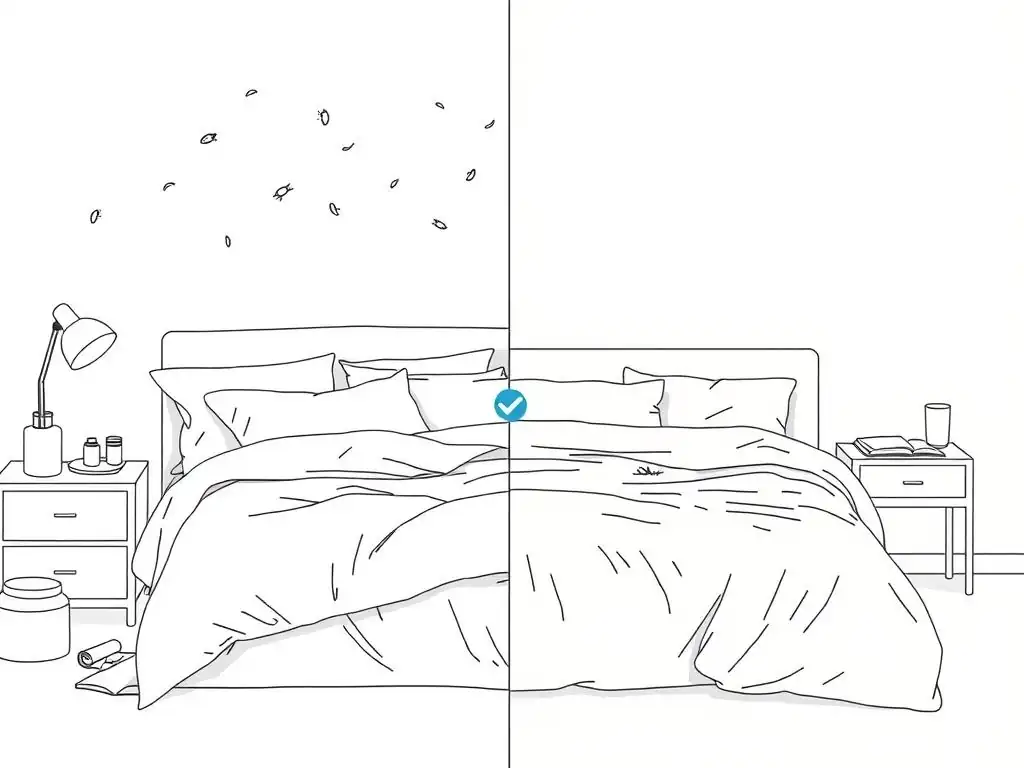
This section details practical steps to transform your bedroom into a sanctuary free from allergy triggers, promoting better sleep and overall well-being. We'll focus on actionable strategies to minimize allergens and improve your sleep quality, targeting the keyword "Allergyproof bedroom sleep hacks" and its semantic variations. Remember, consistent application of these hacks is key to achieving a truly allergy-proof sleep environment.
Bedding Selection: Choosing Hypoallergenic Materials
Selecting the right bedding is paramount for an allergy-proof bedroom. Dust mites, a common culprit behind allergy symptoms, thrive in bedding materials like cotton and down. Opting for hypoallergenic alternatives significantly reduces their habitat.
Several hypoallergenic materials offer superior allergy protection:
- Synthetic fibers: Polyester and microfiber are excellent choices. They're resistant to dust mite infestation and are easy to clean. Microfiber, in particular, is often chosen for its softness and ability to wick away moisture.
- Bamboo: Naturally hypoallergenic and incredibly soft, bamboo fabric is a luxurious and allergy-friendly option. It's also breathable, regulating temperature and moisture for optimal comfort.
- Tencel (Lyocell): Made from wood pulp, Tencel is known for its smooth texture, breathability, and inherent resistance to dust mites and bacteria.
Consider the thread count as well. While a higher thread count doesn't automatically equate to better allergy protection, a tighter weave can make it more difficult for dust mites to penetrate the fabric. Look for bedding with a thread count of at least 300.
Remember to check care labels carefully! Many hypoallergenic materials require specific washing instructions to maintain their allergy-resistant properties. We'll cover washing techniques in a later section. Choosing the right materials is a crucial first step in your journey towards an allergy-proof bedroom and improved sleep.
Mattress Protection: Encasing for Dust Mite Control
Dust mites are microscopic creatures that live in mattresses, feeding on dead skin cells. Their droppings are a significant allergen. A mattress encasing is a critical component of your allergy-proofing strategy.
A high-quality mattress encasing acts as a physical barrier, preventing dust mites from accessing your mattress. Look for encasings made from tightly woven, hypoallergenic materials such as:
- Allergy-proof zippered encasings: These are essential. The zipper ensures a complete seal, preventing dust mites from escaping.
- Materials like Tencel or microfiber: These materials offer superior protection against dust mite penetration.
Regularly washing your mattress encasing according to the manufacturer's instructions will remove accumulated dust mites and their allergens. This simple step contributes significantly to a healthier sleep environment. Consider washing your encasing at least every three months, or more frequently if you experience increased allergy symptoms. The investment in a quality mattress encasing is a crucial step towards allergy-proof sleep, offering long-term protection and improved sleep quality.
Laundry Habits: Washing Bedding Regularly at High Temperatures
Regular washing of bedding is crucial for eliminating dust mites and their allergens. High temperatures are key to effectively killing dust mites.
- Washing Temperature: Wash all bedding, including sheets, pillowcases, blankets, and mattress encasings, in hot water (at least 130°F or 54°C) weekly, or more frequently if necessary. This high temperature effectively kills dust mites.
- Drying: Tumble dry your bedding on a high heat setting to further eliminate dust mites. Avoid line-drying, as this can reintroduce dust mites.
- Detergent: Use a hypoallergenic laundry detergent to avoid irritating sensitive skin. Avoid fabric softeners, as these can trap allergens in the fabric.
Maintaining a consistent and thorough laundry routine is a cornerstone of allergy-proofing your bedroom. This practice, combined with the other steps outlined above, contributes significantly to a healthier and more restful sleep. Consistent high-temperature washing is one of the most effective allergy-proof bedroom sleep hacks available. Don't underestimate the power of a regular, thorough wash cycle!
Air Purification: Investing in an Air Purifier with HEPA Filter
Investing in a high-quality air purifier with a HEPA (High-Efficiency Particulate Air) filter is a crucial step in allergy-proofing your bedroom. HEPA filters are designed to trap at least 99.97% of airborne particles, including dust mites, pollen, pet dander, and mold spores—all common allergy triggers. Don't just look at the price tag; consider the purifier's Clean Air Delivery Rate (CADR), which indicates how quickly it cleans the air in a specific room size.
A higher CADR is generally better for larger bedrooms. Furthermore, look for features like an activated carbon filter, which helps eliminate odors and volatile organic compounds (VOCs) that can exacerbate allergies. Regularly replacing the filter according to the manufacturer's instructions is vital to maintain optimal performance and prevent the purifier from becoming a breeding ground for allergens itself.
Consider placing the air purifier in a central location within your bedroom to ensure even air circulation and maximum effectiveness. For best results, run the air purifier continuously, especially at night while you sleep.
Reducing Clutter: Minimizing Dust Collection Points
Clutter is a dust magnet. Bookshelves packed to the brim, overflowing dressers, and piles of clothes on the floor all provide perfect hiding places for dust mites and other allergens. Allergyproofing your bedroom means decluttering aggressively. Start by removing unnecessary items from your bedroom. Donate or discard anything you haven't used in the past year. For items you wish to keep, ensure they are neatly stored in closed containers or cabinets to prevent dust accumulation.
Regularly wiping down surfaces will help remove accumulated dust and prevent allergens from becoming airborne. Consider replacing heavy curtains with blinds or lightweight curtains that can be easily cleaned. 🧸 This simple act can significantly reduce the amount of dust that settles in your room. Remember, a clean and organized space is a healthier space, especially for allergy sufferers. Regularly decluttering should become part of your allergy-proofing routine.
Regular Cleaning Routine: Vacuuming and Dusting Schedule
A consistent cleaning routine is fundamental to maintaining an allergy-free bedroom. This isn't about a single deep clean; it's about a regular, scheduled approach to minimizing allergens. Vacuuming at least once a week, preferably with a vacuum cleaner equipped with a HEPA filter, is essential for removing dust mites and their droppings from carpets, rugs, and upholstered furniture. Pay particular attention to areas under the bed and in corners, where dust tends to accumulate.
Dusting should also be a weekly task, focusing on surfaces like shelves, window sills, and furniture. Use a damp microfiber cloth to trap dust particles instead of spreading them around. Consider using allergen-blocking bedding, such as mattress and pillow encasements, which prevent dust mites from inhabiting your bedding. Washing all bedding, including sheets, pillowcases, blankets, and comforters, in hot water (at least 130°F) weekly will kill dust mites and eliminate allergens.
📅 Establish a consistent cleaning schedule and stick to it religiously. A regular cleaning routine is far more effective than occasional deep cleans in maintaining an allergy-free environment. Remember to wash your hands thoroughly after cleaning to prevent the spread of allergens.
Humidity Control: Maintaining Optimal Moisture Levels
Maintaining the right humidity levels in your bedroom is crucial for allergy sufferers. Too much moisture encourages the growth of dust mites, a significant allergen for many. Conversely, excessively dry air can irritate your respiratory system, worsening allergy symptoms. The ideal humidity level for your bedroom is generally between 30% and 50%. Going outside this range can significantly impact your sleep quality and exacerbate allergy symptoms.
Several methods exist to control humidity. A hygrometer is your first line of defense. This inexpensive device measures the humidity in the air, providing you with real-time data. Based on the hygrometer's reading, you can then implement appropriate measures.
If the humidity is too high (above 50%), consider using a dehumidifier. These appliances actively remove moisture from the air, creating a more comfortable and allergy-friendly environment. Remember to empty the dehumidifier's water reservoir regularly to prevent mold and mildew growth, which can also trigger allergies. Proper ventilation is also key; open windows on dry days to allow for natural air circulation and moisture reduction. Using an exhaust fan in the bathroom after showering can also help to remove excess moisture from the air.
On the other hand, if the humidity is too low (below 30%), you might need a humidifier. These devices add moisture to the air, preventing dryness and irritation. There are several types available: cool-mist humidifiers, warm-mist humidifiers, and ultrasonic humidifiers. Each has its own advantages and disadvantages, so choose the one best suited to your needs and preferences.
Remember to clean your humidifier regularly to avoid the growth of bacteria and mold. Regularly changing the water is also crucial for maintaining hygiene and preventing the spread of allergens. Consider using distilled water to minimize mineral buildup and potential allergen contamination. A simple solution for adding a little extra humidity is to place bowls of water near radiators or heat sources during colder months.
This provides a gentle, low-maintenance way to increase moisture levels. Ultimately, consistent monitoring with a hygrometer and the strategic use of dehumidifiers or humidifiers will ensure your bedroom maintains the optimal humidity level for a restful, allergy-free sleep.
Advanced Allergy Hacks for a Superior Sleep Environment
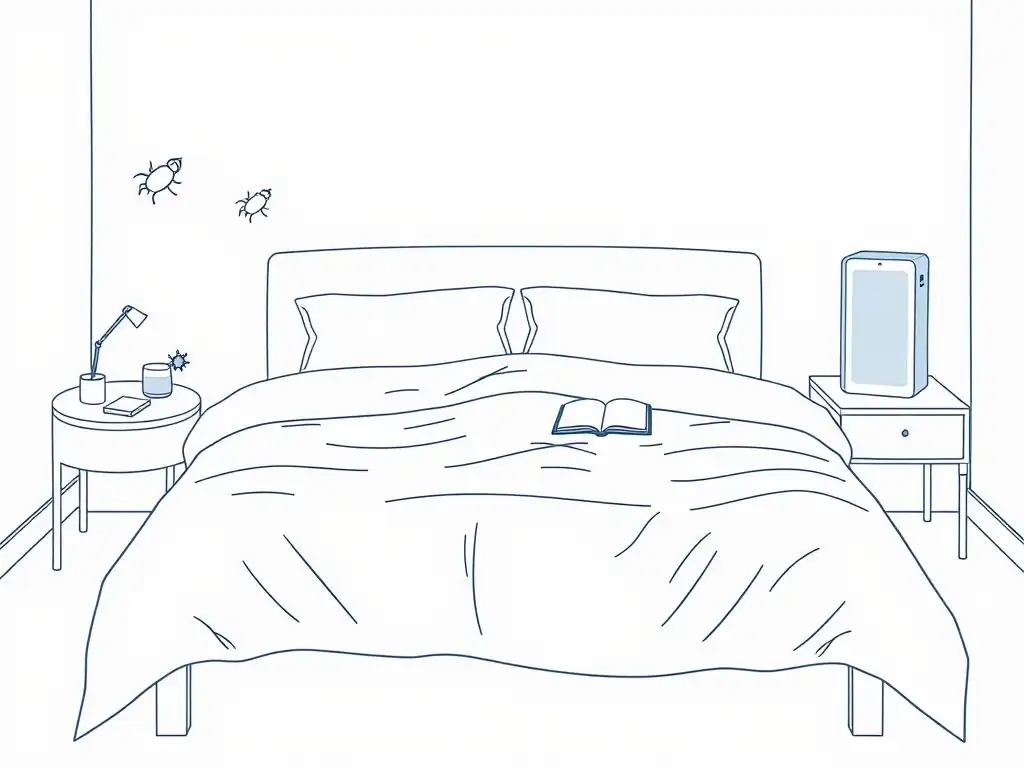
This section delves into more advanced strategies for creating an allergy-proof bedroom, focusing on techniques beyond the basics to achieve superior sleep quality for allergy sufferers. We'll explore specialized bedding choices, air quality monitoring, and the use of natural remedies to minimize allergen exposure and maximize your comfort. Remember, a truly allergy-proof bedroom is a layered defense, and these advanced hacks will help bolster your existing strategies.
Specialized Bedding: Choosing Organic and Natural Materials
Selecting the right bedding is crucial for allergy sufferers. Standard bedding often harbors dust mites, a significant allergen. Opting for organic and natural materials significantly reduces this risk. Let's examine some superior choices:
- Organic Cotton: Grown without pesticides, organic cotton minimizes exposure to chemicals that can irritate sensitive airways. Look for certifications like GOTS (Global Organic Textile Standard) to ensure authenticity. Consider thread count – higher thread counts generally mean a tighter weave, reducing the likelihood of allergens penetrating the fabric.
- Bamboo Sheets: Bamboo is naturally hypoallergenic and antimicrobial, making it an excellent choice for allergy sufferers. It's also incredibly soft and breathable, contributing to a more comfortable sleep environment. Bamboo sheets often boast moisture-wicking properties, beneficial for those who perspire during the night.
- Wool Blankets: Wool is naturally resistant to dust mites and other allergens. It's also a fantastic temperature regulator, keeping you warm in the winter and cool in the summer. However, ensure you choose a hypoallergenic wool variety if you have very sensitive skin.
- Encasements: Investing in allergen-proof encasements for your mattress, pillows, and even your comforter is a vital step. These tightly woven covers prevent dust mites and their allergens from escaping into your sleeping environment. They are typically machine washable, making maintenance easy. Regularly washing these encasements is crucial to maintain their effectiveness.
Air Quality Monitoring: Using Sensors to Track Allergen Levels
While proactive measures are essential, monitoring your bedroom's air quality provides valuable insights. Smart air quality sensors can detect various allergens, including pollen, dust mites, and mold spores. These sensors often provide real-time data on air quality, helping you understand when allergen levels are high and prompting you to take corrective actions, such as closing windows or using an air purifier.
Several sensors on the market offer different features, including:
| Feature | Description | Importance for Allergy Sufferers |
|---|---|---|
| Allergen Detection | Identifies specific allergens like pollen, mold, and dust mites. | Direct measurement of allergens in your sleep environment. |
| Particulate Matter (PM) Detection | Measures tiny particles in the air that can trigger allergic reactions. | Indicates overall air quality and potential allergen presence. |
| Volatile Organic Compound (VOC) Detection | Measures chemicals released from household products that can irritate allergies. | Helps identify potential sources of indoor air pollution. |
| Temperature and Humidity Monitoring | Tracks temperature and humidity levels, influencing allergen growth. | Optimal levels minimize dust mite and mold growth. |
Using this data, you can adjust your allergy-proofing strategies accordingly. For example, if the sensor indicates high pollen levels, you might close windows and run an air purifier. Consistent monitoring offers a data-driven approach to managing your allergies and improving your sleep quality.
Natural Remedies: Essential Oils and Air Purifiers
Beyond technological solutions, natural remedies can contribute to a healthier sleep environment. Essential oils, like lavender and eucalyptus, possess calming properties and may help alleviate allergy symptoms. However, it's crucial to use them cautiously, as some individuals may be sensitive to certain scents. Always dilute essential oils properly and test a small area before widespread use.
Air purifiers, especially those with HEPA filters, effectively remove allergens from the air. Choose a purifier appropriate for your bedroom size and consider models with additional features like allergen sensors or smart home integration. Remember to replace filters regularly according to the manufacturer's recommendations to maintain optimal performance. Regular cleaning of the purifier itself is also essential.
Implementing these advanced allergy hacks, in conjunction with basic allergy-proofing techniques, creates a comprehensive strategy for achieving a truly allergy-proof bedroom and, ultimately, a more restful and healthy sleep. Remember, consistency is key to success. Regular maintenance and monitoring are crucial for long-term effectiveness.
Professional Cleaning: Deep Cleaning Services for Allergen Removal
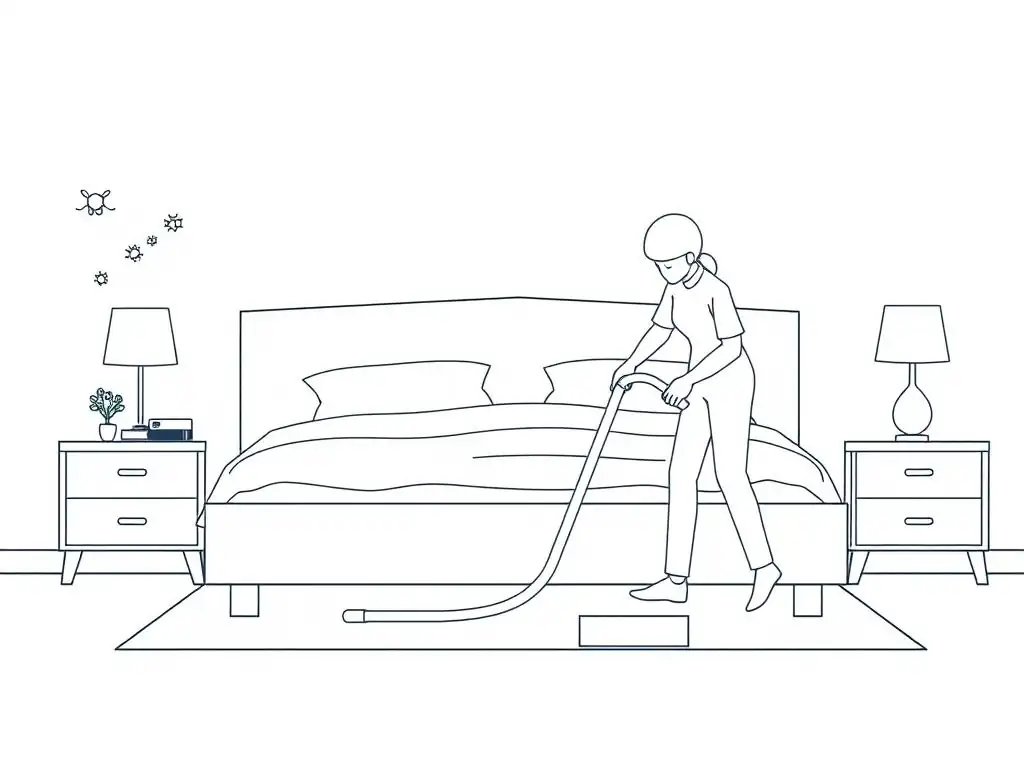
Professional cleaning services offer a powerful weapon in your arsenal against allergens. While regular cleaning is crucial, a deep clean performed by professionals can reach areas and eliminate allergens you might miss. These services typically employ specialized equipment and techniques to remove dust mites, pet dander, pollen, and mold spores from carpets, upholstery, mattresses, and even hard-to-reach areas like air vents. The use of HEPA-filtered vacuums is key, ensuring that the allergens aren't simply redistributed into the air during cleaning.
Furthermore, professional cleaners often use eco-friendly cleaning solutions that are less likely to trigger allergies or irritate sensitive respiratory systems. Consider the investment in a professional deep clean at least twice a year, particularly during peak allergy seasons, for a significant reduction in airborne allergens within your bedroom. The noticeable improvement in your sleep quality following a professional cleaning makes it a worthwhile investment for a healthier sleep environment.
Many services offer specialized allergy-proofing packages, which further enhances the effectiveness of the cleaning process. This often includes specialized treatments for mattresses and carpets to eliminate dust mites and other allergens more effectively. Don't underestimate the power of professional help in creating a truly allergen-free sanctuary.
Creating a Clean Sleep Sanctuary: Establishing a Consistent Routine
Establishing a consistent cleaning routine is paramount to maintaining an allergy-proof bedroom. This isn't about a massive, time-consuming undertaking each day, but rather a series of small, manageable steps integrated into your daily or weekly schedule. Consider these crucial elements:
- Daily Tasks: Make your bed each morning to prevent dust and allergen accumulation. Quickly wipe down surfaces like your nightstand and dresser to remove dust and debris. If you have pets, grooming them outside the bedroom minimizes dander spread.
- Weekly Tasks: Vacuum or mop your floors, paying special attention to corners and under furniture. Use a HEPA-filtered vacuum cleaner to ensure maximum allergen removal. Wash your bedding (sheets, pillowcases, blankets, duvet covers) in hot water (at least 130°F) to kill dust mites. Consider using allergy-specific detergents.
- Monthly Tasks: Deep clean your mattress using a specialized mattress cleaner or by vacuuming it thoroughly. Wash curtains and drapes in hot water. Dust all surfaces thoroughly, including light fixtures and window sills.
- Seasonal Tasks: During peak allergy seasons, consider using an air purifier with a HEPA filter to remove airborne allergens. Change air filters in your HVAC system regularly. Thoroughly clean or replace any air conditioning filters. Consider professional cleaning services for a truly deep clean, as mentioned previously.
Consistency is key. By incorporating these simple steps into a regular routine, you'll significantly reduce allergen levels, improving your sleep quality and overall well-being. Remember, a clean bedroom is a healthy bedroom, leading to a more restful and allergy-free sleep. The effort is well worth the reward of a cleaner, healthier sleep environment.
Maintaining Your AllergyProof Bedroom: Long-Term Strategies
Successfully allergy-proofing your bedroom isn't a one-time fix; it's an ongoing commitment to maintaining a clean and allergen-free environment. Consistent effort is key to enjoying the benefits of a healthier sleep, free from allergy symptoms. This section details the long-term strategies you need to implement for lasting success in your quest for an allergyproof bedroom. Remember, even small, consistent actions significantly impact your overall allergy control.
Regular Maintenance: Continued Cleaning and Monitoring
Regular cleaning is the cornerstone of maintaining your allergyproof bedroom. This isn't just about occasional tidying; it requires a consistent, proactive approach. Think of it as preventative maintenance for your respiratory health. Here's a detailed breakdown:
- Weekly Cleaning: Vacuum your entire bedroom, paying special attention to carpets, rugs, and under furniture. Use a vacuum with a HEPA filter to trap microscopic allergens like dust mites and pollen. Consider using a steam cleaner for carpets and upholstery to eliminate dust mites more effectively. Don't forget to clean your window sills and baseboards, often overlooked areas where dust accumulates.
- Monthly Deep Cleaning: Once a month, dedicate time to a thorough deep clean. This involves washing all bedding – sheets, pillowcases, blankets, and comforters – in hot water (at least 130°F) to kill dust mites. Laundering your curtains and drapes also falls under this deep clean. Dust all surfaces meticulously, including lamps, shelves, and picture frames.
- Allergen Monitoring: Regularly monitor allergen levels in your bedroom. You can use an affordable air quality monitor to track dust, pollen, and other allergens. This data-driven approach allows you to adjust your cleaning schedule and strategies as needed, ensuring optimal allergy control. Knowing your specific triggers and their levels can significantly improve your sleep quality. For instance, higher pollen counts during certain seasons might require more frequent cleaning.
- Professional Cleaning: Consider scheduling professional cleaning services for your bedroom at least twice a year, particularly for hard-to-reach areas or specialized cleaning tasks. Professional cleaners often have specialized equipment and expertise in allergen removal.
Seasonal Adjustments: Adapting to Changing Allergen Levels
Allergen levels fluctuate throughout the year. Pollen counts are high in spring, while mold spores might be more prevalent in damp autumn months. Adapting your allergyproofing strategies to these seasonal changes is crucial for maintaining a consistently allergen-free environment.
- Spring (Pollen Season): During spring, pollen is a major concern. Keep windows and doors closed as much as possible, and use an air purifier with a HEPA filter to remove pollen from the air. Change your air filters regularly, ideally every month. Consider using a damp cloth to wipe down surfaces to remove pollen that has settled.
- Summer (Mold and Dust Mites): Summer often brings increased humidity, creating favorable conditions for mold growth. Use a dehumidifier to control moisture levels in your bedroom. Regularly check for mold growth in damp areas, such as corners and around windows. Continue your regular cleaning schedule, focusing on areas prone to mold.
- Autumn (Mold and Leaf Debris): Autumn brings falling leaves, which can carry mold and other allergens into your bedroom. Regularly clean your window sills and sweep the floor to remove any debris that might have entered. Ensure proper ventilation to prevent mold growth.
- Winter (Dust Mites): During winter, dry air can exacerbate dust mite problems. Use a humidifier to maintain optimal humidity levels, reducing dust mite activity. Continue your regular cleaning schedule to control dust mite populations.
Preventing Allergen Reintroduction: Avoiding Triggers
Even with regular cleaning, allergens can be reintroduced into your bedroom through various means. Proactive measures to avoid these triggers are essential for maintaining a truly allergyproof space.
- Pet Dander: If you have pets, keep them out of your bedroom as much as possible. Regularly groom your pets and wash their bedding to minimize dander.
- Outdoor Allergens: Avoid bringing outdoor allergens inside. Remove your shoes before entering your bedroom, and wash your clothes after spending time outdoors.
- Food Allergens: If you have food allergies, avoid eating in your bedroom to prevent allergen particles from settling in the air.
- Cosmetics and Fragrances: Use fragrance-free cosmetics and cleaning products in your bedroom. Strong scents can trigger allergic reactions and worsen existing conditions.
- Mold Prevention: Regularly inspect for any signs of mold or water damage, promptly addressing any issues to prevent allergen build-up. This includes checking pipes, windows, and walls for any leaks.
Remember, consistency is key to maintaining an allergyproof bedroom. By combining regular cleaning, seasonal adjustments, and allergen avoidance, you can significantly improve your sleep quality and overall well-being. A proactive approach to allergy management will lead to a healthier and more restful sleep environment.
Reviewing and Updating Your Allergyproofing Strategy: Continuous Improvement
Maintaining an allergy-proof bedroom isn't a one-time fix; it's an ongoing process. Your needs and sensitivities might change over time, and new products or techniques may emerge. Regularly reviewing and updating your strategy is crucial for long-term success in achieving a consistently allergy-free sleep environment. Think of it as preventative maintenance for your respiratory health.
One effective approach is to conduct a thorough bedroom audit at least twice a year – ideally, in spring and fall, when allergen levels tend to fluctuate. This involves a systematic check of all the elements contributing to your allergy-proofing efforts. Start by visually inspecting your bedding for any signs of wear and tear.
Look for rips or stains that could harbor dust mites or other allergens. Check the condition of your mattress protector and pillow encasings; consider replacing them every 1-2 years, even if they appear undamaged, to ensure optimal protection. Dust mites have a surprisingly long lifespan, and their casings can degrade over time, making them less effective barriers.
Next, examine your air filtration system. Is the filter clean and functioning properly? Replace HEPA filters according to the manufacturer's recommendations, or more frequently if you notice a decrease in air quality. Consider investing in an air purifier with a high-quality HEPA filter, especially if you live in an area with high pollen counts or other environmental allergens. Regularly cleaning the purifier itself, including replacing or washing pre-filters, is just as vital as replacing the HEPA filter. Remember, a dirty purifier is essentially useless.
Beyond the physical aspects, consider your lifestyle. Have you recently introduced new pets, plants, or cleaning products that might be triggering allergies? Do you need to adjust your cleaning routine, perhaps increasing the frequency of vacuuming or dusting? Consider using hypoallergenic cleaning products to minimize exposure to harsh chemicals that can exacerbate allergies.
Finally, pay attention to your body's signals. Are you experiencing more allergy symptoms than usual? This could indicate a need to reassess your allergy-proofing strategy and identify potential gaps in your approach. Keeping a detailed allergy diary can be invaluable in tracking patterns and pinpointing potential triggers. This proactive approach ensures that your allergy-proofing efforts remain effective and tailored to your individual needs, leading to consistently better sleep and improved overall health. Remember, a proactive approach to allergy management is a key ingredient in achieving a truly allergy-proof bedroom and enjoying the benefits of restful, uninterrupted sleep. 😴
Frequently Asked Questions
What are the most common bedroom allergens affecting sleep?
The most common culprits are dust mites, pet dander, and pollen. Mold spores and certain fabrics can also contribute to allergy symptoms disrupting sleep. Minimizing these allergens is crucial.
How can I effectively remove dust mites from my bedroom?
Regularly wash bedding in hot water (at least 130°F), use allergy-proof encasements for mattresses and pillows, and vacuum frequently using a HEPA filter vacuum cleaner. These steps significantly reduce dust mite populations.
What are some simple ways to reduce pet dander in my bedroom?
Keep pets out of the bedroom entirely, if possible. If not, regularly bathe your pet and use specialized pet dander-reducing sprays or wipes. A HEPA air purifier can also help capture airborne dander.
How can I prevent pollen from entering my bedroom?
Keep windows closed during high pollen counts. Use an air conditioner with a HEPA filter and change your air filters regularly. Shower and change clothes before bed to remove pollen from your body and hair.
Are there any specific bedding materials best suited for allergy sufferers?
Hypoallergenic bedding made from materials like microfiber or bamboo are often recommended. Avoid natural fibers like down or feather which are more likely to harbor dust mites. Regular washing is still essential regardless of material.
Final Reflection: Breathing Easy, Sleeping Soundly
The quest for a truly allergy-proof bedroom isn't just about eliminating dust mites; it's about reclaiming the restorative power of sleep. A good night's rest is fundamental to our physical and mental well-being, and for millions suffering from allergies, achieving this can feel like an uphill battle. This article has explored practical, accessible solutions, demonstrating that even small changes can make a significant difference in the quality of your sleep.
The impact of allergies on our daily lives, and particularly on sleep, is often underestimated. The constant struggle against sneezing, coughing, and itchy eyes can lead to chronic fatigue and a diminished quality of life. It's a silent battle fought in the quiet hours of the night, often leaving sufferers feeling defeated before the day even begins. Sleep is the golden chain that binds health and our bodies together.
– Thomas Dekker. This quote highlights the crucial link between sleep and overall well-being, a connection that is profoundly affected by allergies. We must prioritize creating a sanctuary where rest is truly possible.
Now, consider your own bedroom. What small adjustments can you make today to create a more allergy-friendly environment? Perhaps it's washing your bedding more frequently, investing in a hypoallergenic mattress protector, or simply ensuring better ventilation. Take a moment to assess your space, identify potential allergens, and implement even one of the strategies discussed. The reward – a night of undisturbed, restorative sleep – is worth the effort. Start breathing easier, and start sleeping soundly.
Breathe Easy: Transform Your Bedroom into a Sanctuary
Thanks for exploring allergy-proofing strategies! We hope you feel empowered to create a more restful sleep environment. Ready to improve your sleep?
- Prioritize one key change today: Focus on your biggest bedroom allergen—whether it's dust mites, pet dander, or pollen—and implement a solution from the article. This is the fastest way to see noticeable improvements.
- Share your allergy-proofing success! Let us know in the comments what you're trying—we'd love to hear about your progress and any challenges you encounter.
- Create a "clean air" routine. This could be as simple as airing out your bedding daily or regularly dusting hard-to-reach areas.
What's your biggest obstacle to creating an allergy-free sleep sanctuary, and how will you overcome it?