
The Power of Podcasts: Learn a Language While You Commute or Relax

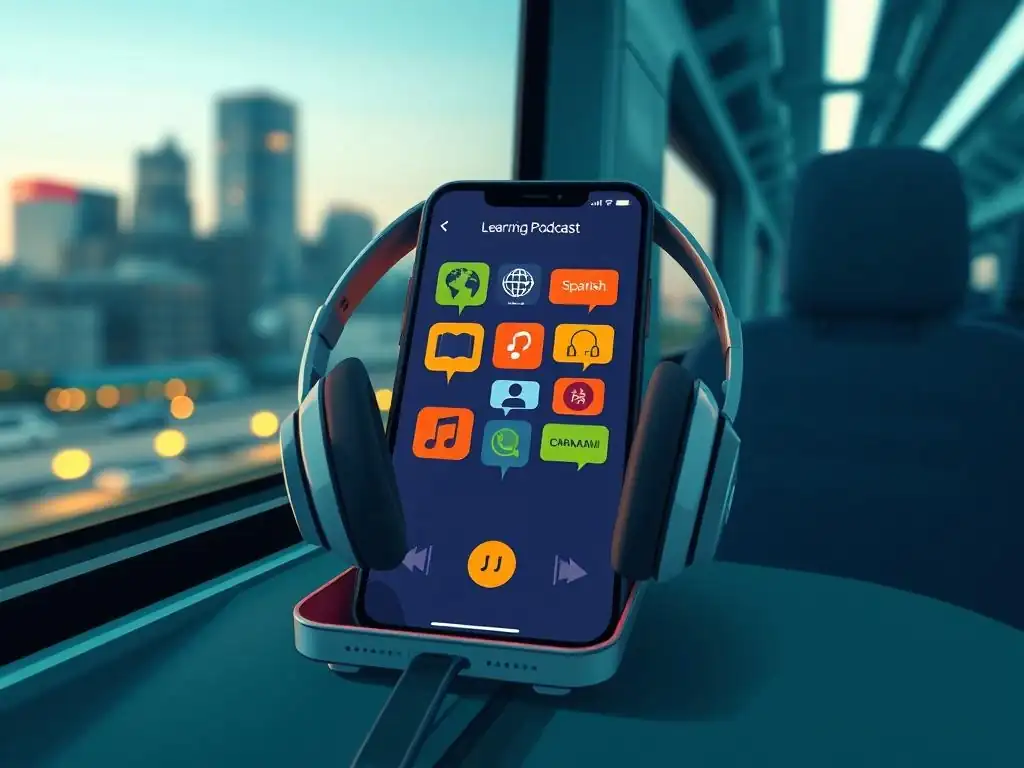
Ready to unlock the secret to mastering a new language without sacrificing precious free time? At UltimateLifeHacks, we believe in maximizing your potential. This is why we’re excited to introduce you to the revolutionary power of Learn language commuting podcasts – a game-changing approach to language acquisition that seamlessly integrates into your daily commute or relaxation time. Discover how to transform your downtime into a productive learning experience and unlock fluency faster than you ever thought possible. Let's dive in!
- Harnessing the Power of Podcasts for Language Acquisition
- Choosing the Right Language Learning Podcasts: A Comprehensive Guide
-
Top 5 Podcasts to Learn a Language While Commuting
- Coffee Break Languages: Spanish - A Review and Affiliate Link
- Notes in Spanish: Immersive Lessons for Spanish - A Review and Affiliate Link
- SpanishPod101: Focus on Vocabulary Building in Spanish - A Review and Affiliate Link
- Easy Spanish: Cultural Insights and Language Learning - A Review and Affiliate Link
- Duolingo Podcast: Gamified Language Learning Through Podcasts - A Review and Affiliate Link
- Maximizing Your Language Learning with Podcasts: Effective Strategies
- Beyond the Commute: Using Podcasts for Language Learning at Home and Beyond
- Frequently Asked Questions about Language Learning Podcasts
- Resources and Tools to Enhance Your Podcast Language Learning Journey
-
Frequently Asked Questions
- How can podcasts help me learn a new language while commuting?
- What are some good podcasts for learning languages while commuting?
- Are language learning podcasts effective for long-term language acquisition?
- How much time should I dedicate daily to language learning podcasts?
- Can I use language learning podcasts even if I'm not commuting?
- Final Reflection: Unlocking Linguistic Worlds Through Auditory Adventures
- Unlock Your Language Learning Potential: Start Speaking Today!
Harnessing the Power of Podcasts for Language Acquisition
Learning a new language can feel like a monumental task, often requiring significant time and dedication. But what if you could transform your daily commute or relaxation time into productive language learning sessions? This article explores the surprisingly effective power of podcasts for language acquisition, specifically focusing on how you can seamlessly integrate language learning into your existing routine, maximizing your time and minimizing the feeling of extra effort.
We'll delve into the specific advantages of using podcasts for language learning while commuting, the benefits of language immersion through this medium, and how busy professionals can optimize their time to achieve fluency. By the end, you'll understand how to effectively utilize podcasts to learn a language, whether you're a seasoned language learner or just starting your journey. Let's unlock the potential of your downtime and turn your commute into a classroom!
Why Podcasts are Ideal for Language Learning on the Go
Podcasts offer a unique and convenient approach to language learning, particularly for those with busy schedules. Unlike traditional classroom settings or structured online courses, podcasts provide flexible, on-demand access to language learning materials. This means you can listen while commuting to work, exercising at the gym, cooking dinner, or even relaxing before bed. The passive nature of listening allows you to absorb language naturally, improving comprehension and vocabulary organically.
Many podcasts cater specifically to language learners, offering lessons, dialogues, and cultural insights at various proficiency levels. Furthermore, the repetition inherent in listening to podcasts reinforces learning, aiding memorization and pronunciation. This accessibility and flexibility make podcasts a powerful tool for anyone aiming to learn a language efficiently and effectively. The convenience factor alone makes them a top choice for busy individuals who struggle to find dedicated study time.
Learn Language Commuting: Time Optimization for Busy Professionals
For busy professionals, commuting often represents wasted time. However, by strategically incorporating language learning podcasts into your commute, you can transform this otherwise unproductive time into a valuable learning opportunity. Think of it as a personalized language tutor accompanying you on your daily journey.
Imagine listening to a podcast discussing current events in your target language, gradually improving your understanding of vocabulary related to business, politics, or culture. This approach not only enhances your language skills but also expands your general knowledge. The key is to choose podcasts tailored to your level and interests, ensuring the content remains engaging and avoids feeling like a chore.
Consistent listening, even for short periods during your commute, can significantly contribute to language acquisition over time. This time optimization strategy allows busy professionals to integrate language learning into their lives without sacrificing valuable personal time. The cumulative effect of consistent listening during your commute can be truly transformative.
Benefits of Using Podcasts for Language Immersion
Immersion is a cornerstone of effective language learning, and podcasts offer a unique avenue for achieving this. By listening to native speakers discussing a variety of topics, you're exposed to authentic language use, including colloquialisms, idioms, and natural speech patterns. This exposure helps you develop a better ear for the language's rhythm and intonation, improving your pronunciation and comprehension. Many podcasts incorporate diverse accents and speaking styles, broadening your understanding of the language's nuances.
Furthermore, listening to podcasts about various topics – from news and current events to storytelling and comedy – provides a richer cultural context, enriching your learning experience beyond vocabulary and grammar. This immersion aspect, coupled with the convenience of podcasts, creates a potent combination for accelerated language acquisition. Regular listening contributes significantly to a deeper understanding of the target language and culture.
Choosing the Right Language Learning Podcasts: A Comprehensive Guide
Learning a new language through podcasts offers incredible flexibility, allowing you to integrate language acquisition into your daily commute, workouts, or relaxation time. However, navigating the vast landscape of language learning podcasts requires a strategic approach. This section will guide you through selecting podcasts that perfectly align with your needs and learning style, maximizing your language learning efficiency. Finding the right "Learn language commuting podcasts" is key to success.
Finding Podcasts Tailored to Your Language Learning Level (Beginner, Intermediate, Advanced)
Choosing a podcast appropriate for your current language proficiency is crucial. Starting with a podcast too advanced can be frustrating and demotivating, while one too basic might hinder your progress. Many podcasts clearly indicate their target level. Look for descriptions including terms like "beginner," "intermediate," or "advanced." Some even use the Common European Framework of Reference for Languages (CEFR) levels (A1, A2, B1, B2, C1, C2).
Consider these additional indicators:
- Vocabulary: Beginner podcasts use simple vocabulary and sentence structures. Intermediate podcasts introduce more complex words and grammatical structures. Advanced podcasts incorporate idiomatic expressions and nuanced vocabulary.
- Pace of Speech: Beginners benefit from slower speech with clear pronunciation. Intermediate podcasts might have a slightly faster pace. Advanced podcasts often feature native speakers conversing at a natural speed.
- Content Complexity: Beginner podcasts often focus on basic greetings, introductions, and everyday situations. Intermediate podcasts delve into more complex topics. Advanced podcasts discuss sophisticated themes and current events.
Here's a table summarizing the key differences:
| Level | Vocabulary | Pace of Speech | Content Complexity | Example Topic |
|---|---|---|---|---|
| Beginner | Simple, high-frequency | Slow, clear pronunciation | Basic greetings, introductions | Ordering food at a restaurant |
| Intermediate | More complex, varied | Moderate speed | Everyday conversations, travel | Describing your hobbies, discussing current events |
| Advanced | Nuanced, idiomatic | Native speaker speed | Complex discussions, debates | Analyzing political commentary, literature discussions |
Remember, it's perfectly acceptable to move between levels as your skills improve. Don't be afraid to graduate to a more challenging podcast once you feel confident.
Podcasts for Specific Language Needs (Business Spanish, Conversational French, etc.)
Not all language learning is created equal. Your goals will influence your podcast selection significantly. Are you aiming for conversational fluency, business proficiency, or perhaps academic mastery? The best "Learn language commuting podcasts" will cater to your specific needs.
For example:
- Business Spanish: Podcasts focusing on business Spanish will cover vocabulary and phrases related to negotiations, meetings, presentations, and financial terminology. They might include role-playing scenarios and interviews with professionals.
- Conversational French: These podcasts will focus on everyday expressions, casual conversations, and cultural insights. They might feature informal dialogues and discussions on everyday topics.
- Academic German: Podcasts designed for academic purposes will delve into more formal language, specialized vocabulary, and complex grammatical structures. They might discuss academic papers or research findings.
Carefully examine the podcast description and sample episodes to determine if the content aligns with your specific language learning goals. Don't be afraid to sample several podcasts before committing to one.
Evaluating Podcast Quality: Content, Audio Clarity, and Engagement
Beyond the level and focus, the overall quality of the podcast is paramount. A poorly produced podcast, regardless of its content, can be frustrating and ineffective.
Consider these factors:
- Content Quality: Is the information accurate and engaging? Does it offer a balanced mix of vocabulary, grammar, and cultural insights? Does the content feel relevant and motivating?
- Audio Clarity: Is the audio clear and easy to understand? Is there background noise or distortion? Clear audio is essential for effective listening comprehension. Poor audio quality can make even the best content difficult to follow.
- Engagement: Does the podcast host have an engaging personality? Does the podcast utilize varied techniques to keep you interested (e.g., storytelling, interviews, interactive exercises)? A captivating podcast will keep you coming back for more.
Remember, finding the perfect "Learn language commuting podcasts" is a process. Don't be discouraged if you need to try a few before you find the one that best suits your needs and learning style. Happy listening!
Top 5 Podcasts to Learn a Language While Commuting
Learning a new language doesn't have to consume your entire day. Leveraging your commute time – those otherwise wasted minutes – is a fantastic way to boost your language skills. Podcasts offer a flexible and convenient method for language acquisition, allowing you to absorb vocabulary and grammar passively while driving, walking, or even relaxing at home. This section highlights five excellent podcasts designed to seamlessly integrate language learning into your daily routine, maximizing your time and accelerating your progress.
These podcasts cater to different learning styles and proficiency levels, ensuring there's a perfect fit for your needs. Remember, consistent engagement is key to language mastery. Even short, regular listening sessions can significantly improve your fluency and comprehension. Let's dive into our top picks for "Learn language commuting podcasts."
Coffee Break Languages: Spanish - A Review and Affiliate Link
Coffee Break Languages is renowned for its accessible and engaging approach to language learning. Their Spanish podcast stands out for its structured lessons, gradual progression, and clear pronunciation. Each episode typically covers a specific grammatical concept or vocabulary set, building upon previous knowledge. The conversational style makes learning feel less like a chore and more like an engaging dialogue. The hosts' clear and friendly delivery makes understanding even complex grammatical points surprisingly easy.
The podcast utilizes a blend of teaching methodologies, incorporating dialogues, vocabulary exercises, and cultural insights. This multifaceted approach caters to various learning styles, ensuring a comprehensive learning experience. For example, one lesson might focus on ordering food in a restaurant, providing practical vocabulary and phrases in context.
Another might delve into the intricacies of the subjunctive mood, explaining its usage through clear explanations and examples. The integration of cultural elements adds depth and context, enriching the learning experience beyond mere grammar and vocabulary acquisition. This makes Coffee Break Languages a fantastic option for beginners and intermediate learners alike aiming to improve their Spanish language skills while commuting.
Notes in Spanish: Immersive Lessons for Spanish - A Review and Affiliate Link
Notes in Spanish takes a different approach, offering a more immersive and less structured learning experience. Instead of focusing on discrete grammatical points, this podcast emphasizes natural language acquisition through engaging conversations and real-life scenarios. This method encourages learners to pick up language organically, mimicking how one learns a native language. The conversational style helps learners to internalize natural speech patterns and rhythms.
The podcast often features native speakers discussing a variety of topics, from everyday life to cultural events. This exposure to authentic Spanish speech is invaluable for improving comprehension and pronunciation. For instance, listeners might encounter discussions about Spanish cuisine, music, or current events, providing a rich cultural context to the learning process. This immersive approach is particularly beneficial for intermediate and advanced learners looking to refine their fluency and improve their understanding of colloquialisms. The lack of rigid structure, however, might not be ideal for absolute beginners needing a more structured framework.
SpanishPod101: Focus on Vocabulary Building in Spanish - A Review and Affiliate Link
SpanishPod101 distinguishes itself with its focus on vocabulary building. While grammar is covered, the primary emphasis is on expanding learners' lexicon. This podcast utilizes a variety of techniques to facilitate vocabulary acquisition, including repetition, contextualization, and mnemonic devices. The lessons often introduce new words and phrases through engaging dialogues and real-life situations.
The podcast caters to different levels, offering lessons for beginners, intermediate, and advanced learners. Each lesson typically focuses on a specific theme or topic, allowing learners to build vocabulary related to that area. For example, a lesson on travel might introduce vocabulary related to airports, hotels, and transportation. A lesson on food might cover various types of Spanish cuisine and related vocabulary.
This thematic approach is effective in building a broad and relevant vocabulary, making it easier for learners to communicate in various contexts. While the focus on vocabulary is a strength, learners might need to supplement this podcast with additional resources to cover grammar in more depth. The sheer volume of vocabulary introduced, however, is a significant advantage for those seeking to rapidly expand their Spanish lexicon.
Easy Spanish: Cultural Insights and Language Learning - A Review and Affiliate Link
Easy Spanish is a fantastic podcast for learners of all levels, particularly those interested in immersing themselves in the Spanish-speaking culture. What sets Easy Spanish apart is its focus on more than just vocabulary and grammar. Each episode delves into various aspects of Spanish-speaking culture, from traditional celebrations and customs to modern trends and social issues. This contextual learning makes the language acquisition process far more engaging and memorable.
The hosts, who are native speakers, use clear and concise language, making it easy to follow even for beginners. They often incorporate real-life dialogues and anecdotes, providing a natural and authentic listening experience. The podcast offers a gradual progression in difficulty, starting with simpler conversations and gradually introducing more complex grammatical structures and vocabulary. This structured approach ensures that learners are challenged but not overwhelmed.
Furthermore, the podcast's consistent release schedule and extensive archive provide a wealth of material for continuous learning. The conversational style and cultural insights offered make it a truly enriching experience for anyone looking to learn Spanish while also gaining a deeper understanding of the Hispanic world. While an affiliate link could be included here to support the creators and this website, remember to always disclose any affiliate relationships transparently.
Duolingo Podcast: Gamified Language Learning Through Podcasts - A Review and Affiliate Link
Duolingo, renowned for its popular language-learning app, extends its gamified approach to podcasting with its engaging and interactive podcast series. Unlike many language-learning podcasts that focus solely on conversational fluency, the Duolingo Podcast cleverly integrates elements of its app's popular game mechanics. This makes the learning process much more entertaining and motivating, especially for those who thrive on achieving goals and earning rewards. The podcast presents short, digestible lessons focusing on specific vocabulary and grammar points, often using storytelling and real-world scenarios to reinforce learning.
The interactive elements encourage active participation, prompting listeners to test their comprehension and apply what they've learned. The podcast is structured to be accessible to beginners, gradually increasing in complexity as the episodes progress. The clear pronunciation and carefully selected vocabulary make it a valuable resource for building a solid foundation in the chosen language.
While the gamified elements are a significant advantage, the podcast also provides a good amount of practical conversational phrases, making it useful for both beginners and those looking to improve their conversational skills. An affiliate link could be included here, directing users to the Duolingo app or podcast, fostering a streamlined learning experience. Remember to always be transparent about any affiliate partnerships.
Maximizing Your Language Learning with Podcasts: Effective Strategies

Learning a language while commuting or relaxing with podcasts offers incredible convenience. However, simply listening isn't enough to truly master a new tongue. This section details strategies to maximize your language acquisition through podcast consumption, transforming passive listening into active learning. The key is to approach podcast listening strategically, turning your commute or downtime into effective study sessions. This is crucial for optimizing your "learn language commuting podcasts" strategy.
Active Listening Techniques for Optimal Absorption
Active listening is paramount when using podcasts to learn a language. Passive listening, where you simply let the audio wash over you, yields minimal results. Active listening, however, involves conscious engagement with the material. Here's how to transform your listening experience:
- Repetition and shadowing: Listen to a segment repeatedly, then try to mimic the speaker's pronunciation. This "shadowing" technique improves pronunciation and fluency. Focus on mimicking intonation and rhythm, not just individual words.
- Note-taking: Jot down unfamiliar words and phrases. Don't interrupt your flow too much, but note enough to later review and add to your vocabulary. Consider using a digital note-taking app for easy access and organization.
- Contextual understanding: Don't just focus on translating individual words. Try to grasp the overall meaning of sentences and paragraphs. Pay attention to the context clues provided by the speaker.
- Varying listening speeds: Start with a slower speed to grasp the fundamentals, then gradually increase the speed as your comprehension improves. Many podcast apps allow for speed adjustments. This gradual increase will challenge you and improve your comprehension of faster speech patterns.
- Focused attention: Minimize distractions. Find a quiet environment where you can concentrate fully on the podcast. Eliminate multitasking; true learning requires focused attention.
Combining Podcasts with Other Language Learning Methods (Apps, Courses)
Podcasts shouldn't be your sole language learning method. For comprehensive learning, integrate them with other resources. Think of podcasts as a supplementary tool, enhancing what you learn elsewhere.
| Method | How Podcasts Complement | Example |
|---|---|---|
| Language Learning Apps (Duolingo, Memrise) | Reinforce vocabulary and grammar learned through apps with real-world examples. | Using a podcast to hear words learned on Duolingo in context. |
| Online Language Courses (Coursera, edX) | Supplement course material with authentic audio examples and conversational practice. | Listening to a podcast that discusses topics covered in an online course. |
| Textbooks/Workbooks | Apply grammar rules and vocabulary learned in textbooks through listening practice. | Listening to a podcast to practice the grammar points learned in a textbook. |
This synergistic approach creates a well-rounded learning experience. Combining different methods caters to various learning styles and strengthens your understanding in multiple ways. Consider using podcasts to reinforce concepts learned through more structured methods, and vice versa.
Creating a Personalized Language Learning Plan with Podcasts
To truly leverage podcasts for language acquisition, develop a tailored plan. Consider these factors:
- Your current level: Begin with podcasts designed for your proficiency level. Starting too advanced will lead to frustration; starting too basic will hinder progress.
- Your learning style: Some learners prefer structured lessons, while others thrive on immersion. Choose podcasts that align with your preferences.
- Your interests: Select podcasts on topics that genuinely interest you. This will keep you engaged and motivated throughout your language learning journey. Choosing engaging content is key to consistent learning.
- Time commitment: Establish a realistic schedule for listening. Even short, consistent listening sessions are more effective than sporadic marathon sessions.
A sample plan might involve:
- Week 1-4: Beginner podcast, 15 minutes daily, focusing on vocabulary and basic grammar.
- Week 5-8: Intermediate podcast, 20 minutes daily, incorporating shadowing and note-taking.
- Week 9-12: Advanced podcast, 30 minutes daily, engaging in active listening and discussing podcast content with a language partner (if available).
Remember to track your progress and adjust your plan as needed. Flexibility and adaptation are crucial for successful language learning. This personalized approach will significantly enhance your "learn language commuting podcasts" experience.
Tracking Your Progress and Staying Motivated
Maintaining momentum when learning a new language, especially while juggling a busy schedule, requires consistent effort and effective tracking. Simply listening to podcasts isn't enough; you need a system to monitor your progress and stay motivated. Many language learners find themselves starting with enthusiasm, only to lose steam after a few weeks. This is where a structured approach becomes crucial.
One effective method is to create a simple spreadsheet or use a dedicated language learning app that allows you to log your listening sessions. Record the date, the podcast episode you listened to, and an estimate of your comprehension level (e.g., low, medium, high). This simple act of recording your activity can significantly improve accountability and provide a visual representation of your progress. Seeing the accumulation of listening sessions over time can be incredibly motivating.
Beyond simply logging sessions, consider incorporating active recall techniques. After listening to a podcast, take a few minutes to write down key vocabulary words and phrases you learned. Try to use them in simple sentences to solidify your understanding. You could also create flashcards using these words and phrases for later review. This active recall process strengthens memory and reinforces learning far more effectively than passive listening alone.
Furthermore, setting realistic goals is paramount. Don't aim to become fluent overnight. Instead, set achievable, short-term goals, such as listening to one podcast episode per day or learning five new words per week. Celebrate these small victories to maintain your motivation. Reward yourself for reaching milestones, whether it's treating yourself to a coffee, watching an episode of your favorite show, or engaging in a hobby you enjoy.
Finally, remember that setbacks are a normal part of the learning process. Don't get discouraged if you miss a day or struggle with a particular concept. Simply acknowledge it, adjust your approach if needed, and get back on track. Consistency is key, and even small amounts of consistent effort will yield significant results over time. The key is to find a system that works for you and stick with it. Remember, learning a language is a marathon, not a sprint! 🎉
Beyond the Commute: Using Podcasts for Language Learning at Home and Beyond
The beauty of language learning podcasts lies in their flexibility. While "Learn language commuting podcasts" is a popular search term, and rightly so, the benefits extend far beyond your daily drive or train ride. Think about those moments at home – folding laundry, cleaning the kitchen, even relaxing in the bath. These seemingly mundane tasks become opportunities for enriching language acquisition.
Instead of passively listening to music, you're actively engaging with audio content designed to improve your vocabulary, pronunciation, and comprehension. This multi-tasking approach significantly increases your learning efficiency and maximizes your time. The key is to integrate podcast listening seamlessly into your existing routine, turning otherwise unproductive time into valuable learning experiences. This strategy doesn't require extra time commitment; it simply repurposes time you already have.
Language Learning Podcasts for Relaxation and Mindfulness
Many language learning podcasts are designed to be calming and engaging, making them ideal for relaxation and mindfulness practices. These podcasts often incorporate slow speech, clear pronunciation, and soothing background music. They prioritize comprehension over speed, allowing you to absorb the language at your own pace without feeling overwhelmed.
Imagine unwinding after a long day, listening to a podcast about the culture associated with your target language, complete with gentle music and a calming voice. This approach not only improves your language skills but also promotes a sense of well-being. For example, a podcast focusing on [Specific example of a relaxing language learning podcast focusing on a specific language, e.g., Spanish nature sounds and vocabulary] could be incredibly effective for both language acquisition and stress reduction.
The combination of language learning and relaxation creates a positive feedback loop, making the learning process more enjoyable and sustainable. This approach is particularly useful for learners who struggle with maintaining motivation. The key is to find podcasts that align with your personal preferences and learning style.
Podcasts for Language Practice and Conversation
Beyond passive listening, many podcasts incorporate interactive elements designed to enhance language practice and conversation skills. These podcasts often include exercises, quizzes, and opportunities for active participation. Some even feature role-playing scenarios or discussions, allowing you to simulate real-life conversations. For instance, a podcast might present a dialogue between two native speakers, followed by comprehension questions and vocabulary exercises.
This active engagement significantly improves retention and fluency. Furthermore, some podcasts offer community forums or online groups where learners can interact with each other and native speakers, further enhancing their language skills. This collaborative approach fosters a sense of community and provides valuable opportunities for feedback and improvement.
The active participation required in these podcasts promotes deeper engagement and faster learning, turning the passive act of listening into an active learning experience. The focus shifts from simply understanding the language to actively using and practicing it, leading to more significant progress. Remember, consistent practice is crucial for language fluency, and these interactive podcasts provide a structured and engaging way to achieve that.
Frequently Asked Questions about Language Learning Podcasts

This section addresses common queries regarding the effectiveness and optimal use of language learning podcasts, specifically focusing on their application for commuters and those seeking relaxed learning environments. We'll explore their efficacy, ideal listening time, and suitability for exam preparation. This information is crucial for maximizing your language acquisition journey using this convenient and accessible learning method.
Are language learning podcasts effective?
The effectiveness of language learning podcasts hinges on several factors, most importantly, your commitment and learning style. While they aren't a magic bullet, consistent engagement with well-structured podcasts can significantly boost your language skills. Many studies show that passive listening, while helpful for vocabulary acquisition, is less effective than active engagement. Therefore, the best language learning podcasts encourage active participation.
Think of it this way: simply listening is like watching a movie in a foreign language – you might pick up some words, but you won't necessarily grasp grammar or conversational nuances. Effective podcasts incorporate various techniques to maximize learning. These include:
- Repetition and spaced repetition: Key vocabulary and phrases are repeated throughout the podcast, reinforcing memory. Some even employ spaced repetition systems (SRS), optimizing recall over time.
- Interactive exercises: Many podcasts include quizzes, vocabulary challenges, or pronunciation practice, actively engaging the listener.
- Real-life conversations: Exposure to natural speech patterns and colloquialisms is crucial. Podcasts often feature realistic conversations, helping you understand the rhythm and flow of the language.
- Clear learning objectives: The best podcasts outline their learning goals for each episode, allowing you to track your progress and focus your efforts.
However, it's important to remember that podcasts are most effective when combined with other learning methods, such as active vocabulary practice, grammar study, and speaking exercises. They are a valuable supplement, not a replacement, for comprehensive language learning. The key is consistent effort and active participation. Think of it as a supportive ingredient in your overall language learning recipe – crucial, but not the whole meal.
How much time should I dedicate to listening to language learning podcasts daily?
The optimal daily listening time depends on your individual learning style, language proficiency level, and available time. There's no one-size-fits-all answer. However, consistency is far more important than duration. Even 15-30 minutes of focused listening each day can yield significant results over time. Trying to cram in an hour-long session when you're tired or distracted will likely be less productive than shorter, more attentive sessions.
Consider your commute. A 30-minute commute each way provides a perfect opportunity to incorporate a podcast into your daily routine. This translates to an hour of passive language exposure, which, when combined with active learning, can be highly beneficial. If your commute is shorter, consider listening during other times, such as during your lunch break, while exercising, or even while doing household chores. The goal is to integrate the podcasts seamlessly into your existing schedule, making language learning a consistent part of your day. Remember, small, consistent efforts compound over time, producing significant results.
Can I use language learning podcasts to prepare for a language proficiency test?
Language learning podcasts can be a valuable supplement to your test preparation, but they shouldn't be your sole method of study. While they improve listening comprehension and vocabulary, they typically don't cover the grammar and writing skills often tested in proficiency exams. Therefore, it's crucial to use podcasts strategically as part of a broader study plan.
Podcasts can help you:
- Improve your listening comprehension: Regular listening will familiarize you with the types of questions and accents you might encounter during the test.
- Expand your vocabulary: Exposure to a wider range of vocabulary will enhance your ability to understand and respond to questions.
- Get accustomed to the rhythm of the language: This can reduce anxiety and improve your overall performance.
However, you'll also need to focus on:
- Grammar study: Utilize textbooks, online courses, or tutors to master the grammatical structures tested in the exam.
- Writing practice: Regular writing exercises are essential for improving your writing skills and preparing for the writing section of the test.
- Practice tests: Take practice tests to assess your progress and identify areas where you need improvement. This is crucial for familiarizing yourself with the test format and timing.
In short, podcasts can be a valuable tool in your language proficiency test preparation arsenal, but they should be part of a comprehensive study strategy. They are a useful addition, providing valuable listening practice and vocabulary enrichment, but not a standalone solution. Remember to integrate them with other study methods for optimal results.
What are some free language learning podcasts?
Many excellent podcasts offer free language learning resources. The availability and quality can vary, however, depending on the language you're learning and your proficiency level. Some podcasts focus on vocabulary building, while others incorporate grammar lessons or cultural insights. Finding the right fit often requires some experimentation.
For example, podcasts focusing on beginner-level Spanish often prioritize pronunciation and basic conversational phrases. You might find episodes dedicated to greetings, ordering food, or asking for directions – essential for early-stage learners. These often incorporate slow, clear speech and repetition to aid comprehension.
Conversely, podcasts aimed at intermediate or advanced learners might delve into more complex grammatical structures, idiomatic expressions, or cultural nuances. These could include discussions on current events, interviews with native speakers, or storytelling in the target language. The pace will typically be faster, requiring a higher level of comprehension.
It's important to remember that "free" doesn't always mean "high quality". While many excellent free podcasts exist, some may contain ads or have less polished production values. Don't be afraid to sample several before settling on one that suits your learning style and preferences. Consider checking reviews and ratings before committing significant time to a particular podcast to ensure it aligns with your needs and expectations.
Remember to consider factors such as the host's accent, the pace of speech, and the overall structure of the episodes. A well-structured podcast with clear learning objectives is more likely to be effective than one with a haphazard approach. Finding the perfect free "learn language commuting podcasts" is achievable with a bit of research!
Resources and Tools to Enhance Your Podcast Language Learning Journey
Learning a language through podcasts is a fantastic way to passively absorb new vocabulary and grammar, but supplementing this method with dedicated language learning tools can significantly accelerate your progress. This section outlines some key resources to maximize your learning efficiency and solidify your understanding. Remember, consistent effort is key to mastering any language! The effective use of these tools, in conjunction with your podcast listening, represents a powerful strategy for achieving your language learning goals. This approach is especially suitable for those looking to learn a language while commuting, a time often wasted otherwise.
Recommended Language Learning Apps to Complement Podcasts (Duolingo, Babbel, Memrise - Affiliate Links where applicable)
Language learning apps offer structured lessons, gamified exercises, and progress tracking that perfectly complements the immersive experience of language podcasts. They help you actively practice what you passively absorb from podcasts. Consider these popular options:
- Duolingo: Known for its gamified approach, Duolingo provides bite-sized lessons focusing on vocabulary, grammar, and pronunciation. Its interactive exercises and progress tracking make learning engaging and motivating. The app's strength lies in its accessibility and ease of use, making it ideal for beginners and those short on time. It’s particularly useful for reinforcing vocabulary and grammar points encountered in your podcasts. You can use it to build a strong foundation and then use podcasts to expand your knowledge and fluency.
- Babbel: Babbel takes a more comprehensive approach, offering structured courses that delve deeper into grammar and cultural nuances. Its lessons are designed by language experts and focus on practical conversational skills. Babbel is a great choice if you're aiming for fluency and want a more structured learning experience beyond what podcasts alone can provide. The focus on conversation makes it especially valuable in pairing with podcasts that emphasize spoken language.
- Memrise: Memrise leverages flashcards and mnemonic techniques to help you memorize vocabulary effectively. Its unique approach uses images and associations to make learning more memorable. This is particularly useful for boosting vocabulary retention, a crucial aspect of language learning. Combining Memrise with podcasts allows you to actively learn new words introduced in your listening sessions. You can create custom flashcards based on words and phrases heard in your podcasts for enhanced retention.
Essential Tools for Note-Taking and Vocabulary Building (Evernote, Anki - Affiliate Links where applicable)
Effective note-taking and vocabulary management are critical for consolidating your learning from podcasts. These tools can help you organize your learning, track your progress, and build a robust vocabulary:
- Evernote: Evernote is a powerful note-taking app that allows you to organize your language learning notes, vocabulary lists, and podcast transcripts. You can create separate notebooks for different podcasts or language learning topics, making it easy to review and search for specific information. This centralized repository helps you consolidate your learning from various sources. For example, you could note down unfamiliar words and phrases from a podcast, then later create flashcards for them using Anki (see below). The flexibility of Evernote allows you to adapt it to your specific learning style.
- Anki: Anki is a powerful spaced repetition system (SRS) flashcard software. It uses algorithms to optimize the timing of your reviews, ensuring you review information just before you're likely to forget it. This significantly improves vocabulary retention. By creating flashcards based on words and phrases from your podcasts, you can dramatically improve your vocabulary retention rate. Combining Anki with podcasts is a highly effective method for building a strong and lasting vocabulary. You can create flashcards based on specific podcasts, categorize them by theme, and track your progress using Anki's powerful features. This targeted approach ensures you remember crucial vocabulary from your listening sessions.
Remember that consistent use of these tools, combined with regular podcast listening, will significantly boost your language learning journey. Don't be afraid to experiment and find the combination that best suits your learning style and goals! Happy listening and learning! 🗣️🎧
Frequently Asked Questions
How can podcasts help me learn a new language while commuting?
Many language learning podcasts offer bite-sized lessons perfect for commutes. They incorporate vocabulary, grammar, and conversation practice in engaging formats, making learning convenient. You can passively absorb information during your travel time.
What are some good podcasts for learning languages while commuting?
Several excellent podcasts cater to different languages and learning styles. Look for podcasts specifically designed for beginners or intermediate learners, focusing on your target language. Reviews and recommendations online can be very helpful in finding the best fit for you.
Are language learning podcasts effective for long-term language acquisition?
Podcasts are a supplementary tool, best used in conjunction with other learning methods. While effective for vocabulary and basic grammar, they might not fully replace structured learning for fluency. Consistent listening and active engagement are key to maximizing their effectiveness.
How much time should I dedicate daily to language learning podcasts?
Even short listening sessions, like 15-30 minutes during your commute, can significantly contribute to language acquisition. Consistency is more crucial than duration; aim for regular listening rather than sporadic, long sessions.
Can I use language learning podcasts even if I'm not commuting?
Absolutely! Podcasts are a flexible tool. You can listen while exercising, doing chores, or even relaxing at home. Their portability makes them ideal for learning anytime, anywhere.
Final Reflection: Unlocking Linguistic Worlds Through Auditory Adventures
The accessibility of language learning has been revolutionized, and podcasts are leading the charge. No longer confined to stuffy classrooms or expensive tutors, the power to acquire new languages is now readily available, nestled within our daily commutes and moments of relaxation. This accessibility democratizes language learning, empowering individuals to pursue personal and professional growth in ways previously unimaginable.
The impact of readily available language learning resources like podcasts is profound, reshaping how we approach personal development and global interconnectedness. The ease of integrating language acquisition into our existing routines fosters a sense of empowerment and continuous learning. This shift towards casual, yet effective, learning methods underscores a broader cultural shift towards personalized education. The beautiful thing about learning is that nobody can take it away from you.
- B.B. King. This quote perfectly encapsulates the enduring value of self-directed learning, a value amplified by the convenience and flexibility of podcast-based language learning.
Now, consider your own journey. What language has always captivated you? What new horizons might open up with the ability to speak another tongue? I encourage you to explore the vast world of language learning podcasts. Embrace the opportunity to transform your commute into a classroom, your downtime into a linguistic adventure. Download an app, select a podcast, and begin your journey towards fluency. The world awaits, ready to be understood and experienced through the lens of a new language.
Unlock Your Language Learning Potential: Start Speaking Today!
Thank you for exploring the world of language learning through podcasts! We hope you've discovered a new way to make your commute or downtime more productive and engaging. Now it's time to put your knowledge into practice.
- Begin your language learning journey today: Choose a podcast from our suggestions and dedicate just 15 minutes a day to listening. Even small, consistent effort makes a huge difference!
- Share your favorite language learning podcast with friends – spread the word about this fun and effective method.
- Connect with others in an online language learning community to boost your motivation and accelerate your progress.
So, which podcast will you choose to begin your adventure? Let us know in the comments below – we'd love to hear about your progress!