
The Art of Energy Conservation: Creative Hacks for a More Sustainable Life

Welcome to UltimateLifeHacks, your gateway to a more efficient and fulfilling life! Are you ready to unlock the secrets to sustainable living? We're diving deep into the world of energy conservation, revealing ingenious and practical hacks that will not only save you money but also significantly reduce your environmental impact. Discover how simple changes can make a huge difference in your daily routine – explore our groundbreaking article on Sustainable Living Energy Hacks and start your journey towards a greener, more productive tomorrow.
- Sustainable Living Energy Hacks: Introduction to Conscious Consumption
- Simple Sustainable Living Energy Hacks for the Home
- Sustainable Living Energy Hacks: Kitchen and Bathroom Efficiency
- Sustainable Living Energy Hacks Beyond the Home
- Creative Sustainable Living Energy Hacks: DIY Solutions and Innovations
- Sustainable Living Energy Hacks: Long-Term Strategies for Energy Independence
- Sustainable Living Energy Hacks: Resources and Further Learning
-
Frequently Asked Questions
- What are some simple energy hacks I can implement at home?
- How can I reduce my energy consumption in the kitchen?
- What role does insulation play in sustainable living and energy conservation?
- Are there any energy-saving hacks for transportation?
- How can I make my home more energy-efficient in the long term?
- Final Reflection: Harnessing the Power of Small Changes for a Brighter Future
- Unlock Your Sustainable Power: Start Conserving Today!
Sustainable Living Energy Hacks: Introduction to Conscious Consumption
Embarking on a journey towards sustainable living often feels overwhelming. The sheer volume of information, coupled with the perceived difficulty of making significant changes, can be paralyzing. However, the path to a more sustainable lifestyle is paved with small, manageable steps, and many of those steps can translate into significant energy savings—both for the planet and your wallet.
This article focuses on practical, creative energy hacks that empower you to make a real difference in your daily life. We'll explore simple yet effective strategies to conserve energy, reducing your environmental impact while simultaneously lowering your energy bills. By understanding your energy footprint and recognizing the profound consequences of energy waste, you'll be motivated to embrace these sustainable living energy hacks and create a more environmentally friendly and financially savvy future.
We'll cover everything from simple behavioral changes to clever DIY solutions, all designed to integrate seamlessly into your existing routines. Let's begin by understanding the foundation of sustainable energy consumption: your personal energy footprint.
Understanding Your Energy Footprint: A Starting Point for Sustainable Living
Before you can effectively conserve energy, it's crucial to understand how much energy you currently consume. Your energy footprint encompasses all the energy used directly and indirectly as a result of your activities. This includes electricity used in your home, the fuel used for transportation, the energy embedded in the products you consume, and even the energy required to produce your food. Tracking your energy usage, even on a basic level, provides invaluable insights into areas where you can make the biggest impact.
Simple steps like monitoring your electricity bill, keeping track of your mileage, and reflecting on your consumption habits can reveal patterns and areas ripe for improvement. Consider using a home energy monitor to visualize your real-time energy consumption, fostering awareness and encouraging mindful energy use. The data you gather will form the basis for your personalized energy-saving plan, allowing you to target specific areas for optimization.
Remember, even small reductions in your energy footprint contribute to a larger collective impact. Think of it as a series of small victories that add up to a significant win for the environment. 📈
The Impact of Energy Waste on the Planet and Your Wallet: Motivations for Change
The consequences of energy waste extend far beyond simply higher utility bills. The excessive consumption of energy contributes significantly to climate change, air and water pollution, and the depletion of natural resources. The burning of fossil fuels to generate electricity releases greenhouse gases into the atmosphere, trapping heat and contributing to global warming. This leads to a cascade of negative effects, including rising sea levels, more frequent and intense extreme weather events, and disruptions to ecosystems.
Furthermore, energy waste has a direct impact on your finances. Reducing your energy consumption translates directly into lower utility bills, freeing up resources for other priorities. Consider this: a small reduction in energy usage, like switching to LED lighting or unplugging electronics when not in use, can accumulate into substantial savings over time.
The financial benefits, coupled with the positive environmental impact, provide powerful motivation to adopt sustainable energy practices. By actively reducing your energy footprint, you contribute to a healthier planet and a healthier bank account—a win-win scenario that makes sustainable living both rewarding and responsible. 💰🌍
Simple Sustainable Living Energy Hacks for the Home
This section delves into practical, easy-to-implement energy hacks for your home, contributing significantly to sustainable living and reducing your carbon footprint. These simple changes can lead to substantial energy savings over time, impacting both your wallet and the planet. We'll explore lighting upgrades, appliance optimization, and heating/cooling strategies to maximize efficiency and minimize energy waste. Remember, even small adjustments can collectively make a big difference in your journey towards sustainable living energy hacks.
Lighting Upgrades: Switching to Energy-Efficient Bulbs and Smart Lighting Solutions
Upgrading your home's lighting is one of the quickest and most impactful sustainable living energy hacks you can implement. Switching from traditional incandescent bulbs to energy-efficient alternatives like LEDs (Light Emitting Diodes) and CFLs (Compact Fluorescent Lamps) drastically reduces energy consumption. LEDs, in particular, boast significantly longer lifespans and consume far less energy to produce the same amount of light.
Consider this comparison: A 60-watt incandescent bulb uses approximately 60 watts of energy, while a comparable LED bulb might only use 8-10 watts. That's a massive difference! Over the lifespan of the bulb, the energy savings accumulate significantly. Furthermore, LEDs produce less heat, leading to lower cooling costs during warmer months.
Beyond simply changing bulb types, smart lighting solutions offer even greater control and efficiency. Smart bulbs allow you to schedule lighting, dim lights automatically, and even control them remotely using a smartphone app. This allows for optimized lighting usage, eliminating wasted energy from lights left on unintentionally. For example, you can program your lights to turn off automatically when you leave the house or go to bed. This level of control translates to significant energy savings and contributes significantly to your sustainable living goals.
Appliance Efficiency: Optimizing Washer, Dryer, and Refrigerator Usage for Energy Savings
Your household appliances are major energy consumers. Optimizing their usage is a crucial aspect of sustainable living energy hacks. Let's explore strategies for maximizing efficiency with your washer, dryer, and refrigerator.
- Washer & Dryer:
- Wash full loads: Avoid running partially filled loads. This wastes both water and energy.
- Use cold water: Most of the energy used by washing machines goes towards heating the water. Cold water washing is just as effective for many types of laundry.
- Air dry clothes whenever possible: Electric dryers are notorious energy guzzlers. Air drying clothes saves a considerable amount of energy.
- Choose energy-efficient models: When replacing appliances, look for Energy Star certified models, which meet specific energy-efficiency standards.
- Refrigerator:
- Keep the coils clean: Clean condenser coils regularly to ensure efficient cooling. Dust buildup can significantly reduce efficiency.
- Maintain proper temperature: Set the refrigerator temperature to 37-38°F (3-4°C) and the freezer to 0°F (-18°C).
- Don't overcrowd the refrigerator: Overcrowding hinders efficient airflow, forcing the compressor to work harder.
- Keep the door closed: Every time you open the refrigerator door, cold air escapes, forcing the compressor to work harder to maintain the temperature.
Heating and Cooling Optimization: Smart Thermostat Use and Natural Temperature Regulation
Heating and cooling often account for a significant portion of household energy consumption. Implementing smart strategies in this area is essential for achieving significant savings with your sustainable living energy hacks.
- Smart Thermostats: Smart thermostats learn your heating and cooling preferences and adjust automatically to optimize energy use. They can be programmed to lower temperatures when you're away from home or asleep, resulting in substantial energy savings. Many models offer detailed energy usage reports, allowing you to track your progress and identify areas for further improvement.
- Natural Temperature Regulation: Simple adjustments can significantly reduce reliance on heating and cooling systems.
- Open windows for ventilation: On cooler days, open windows to allow for natural ventilation, reducing the need for air conditioning.
- Use curtains and blinds strategically: Close curtains and blinds during the day to prevent sunlight from heating your home, and open them at night to allow for cooling.
- Plant trees and shrubs: Strategic landscaping can provide shade in the summer and reduce wind exposure in the winter, naturally regulating your home's temperature. This is a long-term solution that yields significant benefits over time.
By implementing these sustainable living energy hacks, you can significantly reduce your energy consumption, lower your utility bills, and contribute to a healthier planet. Remember, every small step counts towards a more sustainable future!
Sustainable Living Energy Hacks: Kitchen and Bathroom Efficiency
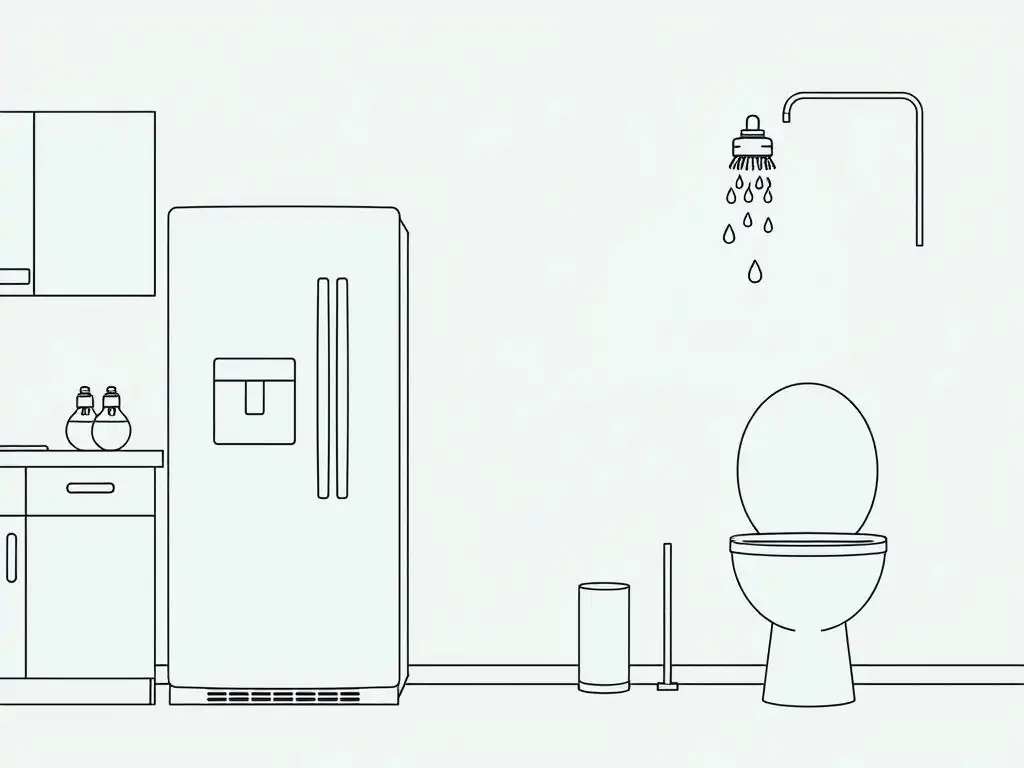
This section delves into practical, actionable energy-saving strategies specifically designed for the kitchen and bathroom – two areas often overlooked in the pursuit of sustainable living. We'll explore simple yet effective changes that can significantly reduce your energy consumption and contribute to a greener lifestyle. Implementing these "sustainable living energy hacks" not only benefits the environment but also your wallet.
Water Heating Conservation: Low-Flow Showerheads and Efficient Water Heaters
Heating water accounts for a substantial portion of household energy use. By making conscious choices about water usage and heater efficiency, you can dramatically reduce your carbon footprint. Consider these key strategies:
Switching to low-flow showerheads is an easy and effective first step. These showerheads use less water without sacrificing water pressure, leading to considerable savings on water heating costs. Many models are available, offering a range of spray patterns to suit individual preferences. Studies show that low-flow showerheads can reduce water consumption by up to 40%, translating directly into lower energy bills.
Upgrading to a more energy-efficient water heater is a long-term investment with substantial returns. Consider tankless water heaters, which heat water on demand, eliminating standby energy losses associated with traditional tank-style heaters. Alternatively, if replacing your water heater isn't feasible, ensure your current model is properly insulated and maintained to maximize its efficiency. Regular maintenance, such as flushing sediment from the tank, can significantly improve its performance and lifespan. Remember to check for government rebates or incentives that might be available for energy-efficient water heater upgrades in your area.
Reducing Kitchen Energy Consumption: Mindful Cooking and Appliance Usage
The kitchen is often the heart of the home, but it can also be a significant energy consumer. By adopting mindful cooking practices and optimizing appliance usage, you can significantly reduce your kitchen's energy footprint.
Mindful cooking involves a series of small changes that add up to big savings. Planning your meals ahead of time helps minimize cooking time and reduces wasted energy. Using lids on pots and pans traps heat, allowing food to cook faster and more efficiently. Choosing the right size burner for your cookware prevents energy loss.
For instance, using a small burner for a small saucepan is far more efficient than using a large burner. Similarly, only boiling the amount of water you need for a task reduces unnecessary energy expenditure. This simple act of awareness can make a big difference in your overall energy consumption.
Appliance usage also plays a crucial role in kitchen energy efficiency. Running a full dishwasher load, rather than multiple small loads, is more energy-efficient. Similarly, choosing energy-star rated appliances, such as refrigerators and ovens, ensures that your kitchen equipment is optimized for minimal energy use. Remember to regularly clean the condenser coils on your refrigerator to maintain its efficiency and prolong its life.
Consider using energy-saving modes on your appliances whenever possible. For instance, using the "eco" setting on your oven or dishwasher can significantly reduce energy consumption without compromising performance. These small changes, when consistently practiced, contribute significantly to sustainable living and reduced energy bills.
Sustainable Living Energy Hacks Beyond the Home
This section delves into practical, sustainable living energy hacks that extend beyond the confines of your home, focusing on areas where significant energy consumption often goes unnoticed. We'll explore strategies to minimize your environmental footprint and maximize energy efficiency in your daily routines, contributing to a more sustainable lifestyle. The key is to adopt mindful energy consumption habits wherever you go. Remember, even small changes can collectively make a big difference. Let's dive into some impactful strategies.
Transportation Choices: Exploring Public Transit, Cycling, and Walking
Transportation is a major contributor to carbon emissions. Switching from private vehicles to more sustainable alternatives is a powerful sustainable living energy hack. Let's examine the possibilities:
- Public Transit: Utilizing buses, trains, subways, and trams significantly reduces your carbon footprint compared to driving a car. Many cities offer extensive public transportation networks, making it a viable option for commuting and daily errands. Consider the convenience, cost-effectiveness, and environmental benefits before dismissing public transit. Planning your route in advance and utilizing apps to track schedules can optimize your journey.
- Cycling: Cycling is a fantastic way to reduce your reliance on fossil fuels while getting some exercise. It's a clean, efficient, and healthy alternative for shorter commutes and errands. Investing in a reliable bicycle and ensuring its regular maintenance is key to a smooth and safe cycling experience. Always prioritize safety by wearing a helmet and following traffic laws.
- Walking: Walking is the most sustainable form of transportation available! It offers numerous health benefits, reduces your carbon footprint to zero, and can be a great way to explore your surroundings. For short distances, walking is often the quickest and most convenient option. Consider integrating walking into your daily routine, even if it's just a short stroll during your lunch break.
Energy-Conscious Office Practices: Reducing Energy Use at Work
The workplace often presents opportunities for significant energy savings. Implementing energy-conscious practices at your office contributes to a more sustainable work environment and can even reduce your company's energy bills. Here are some practical steps:
- Power Down Electronics: Turning off computers, monitors, and other electronics at the end of the workday prevents unnecessary energy consumption. This simple act can lead to substantial savings over time. Encourage colleagues to adopt this habit. Consider using power strips to easily switch off multiple devices at once.
- Optimize Lighting: Utilize natural light whenever possible by opening blinds and curtains. This reduces reliance on artificial lighting, saving energy and improving workplace ambiance. When artificial lighting is necessary, opt for energy-efficient LED bulbs, which consume significantly less energy than traditional incandescent bulbs.
- Print Less, Recycle More: Reduce paper consumption by opting for digital documents whenever possible. When printing is unavoidable, use both sides of the paper and recycle used paper responsibly. This minimizes waste and conserves resources. Consider implementing a company-wide recycling program to further promote sustainability.
- Smart Thermostats: Many modern offices utilize smart thermostats that allow for programmable temperature settings, optimizing energy use during unoccupied hours. These devices can significantly reduce energy consumption while maintaining a comfortable work environment. Advocate for the implementation of smart thermostats if your office doesn't already have them.
By implementing these sustainable living energy hacks both at home and in the workplace, you can significantly reduce your overall energy consumption and contribute to a greener planet. Remember, every small step counts towards creating a more sustainable future.
Creative Sustainable Living Energy Hacks: DIY Solutions and Innovations
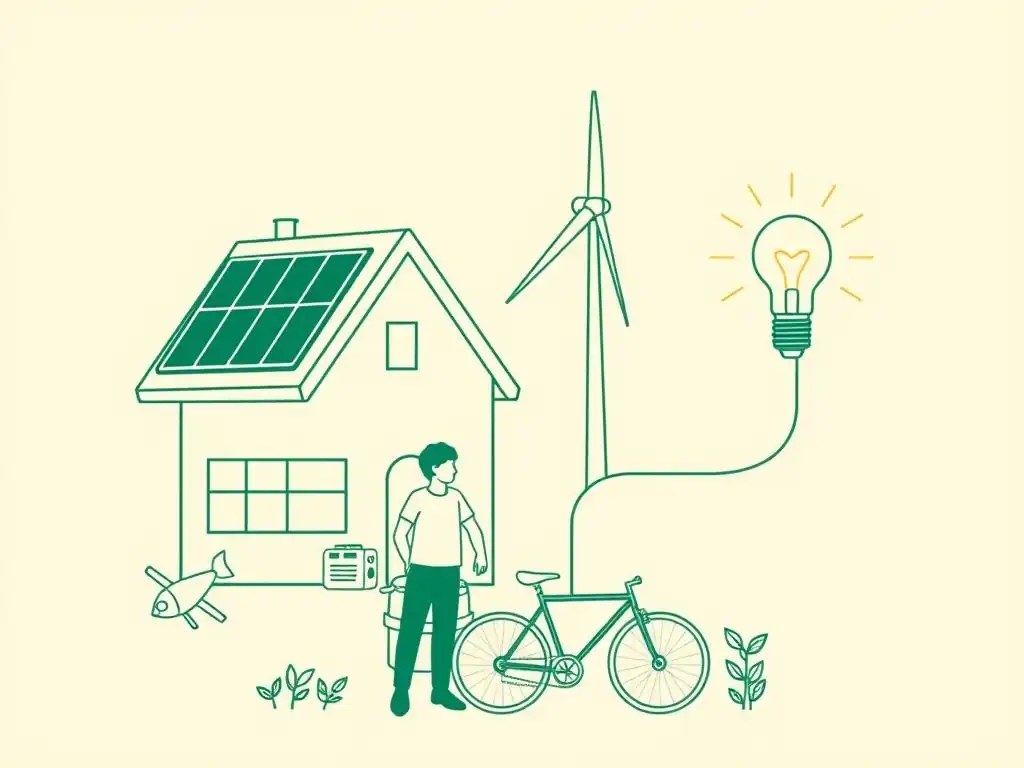
This section explores practical, do-it-yourself (DIY) energy-saving projects and innovative solutions to reduce your environmental footprint and energy consumption. We'll delve into simple home upgrades and ways to harness natural energy sources, contributing to a more sustainable lifestyle and saving you money on your energy bills. The focus here is on actionable steps you can take right now to improve your energy efficiency. These sustainable living energy hacks are designed to be both effective and achievable, regardless of your skill level.
DIY Energy-Saving Projects: Simple and Effective Home Upgrades
Many simple home modifications can significantly impact your energy consumption. These projects often require minimal tools and materials, making them perfect for beginners. Let's examine some impactful examples:
- Weatherstripping and Caulking: Addressing air leaks around windows and doors is a fundamental step. A thorough inspection can reveal drafts. Applying weatherstripping to windows and caulking around frames prevents cold air from entering during winter and hot air from escaping during summer. This simple hack can reduce heating and cooling costs by up to 10-15%, according to the Department of Energy's estimates. The upfront cost is minimal, and the long-term savings are substantial.
- LED Lighting Upgrades: Switching from incandescent or CFL bulbs to LEDs is one of the easiest and most effective energy-saving upgrades. LEDs consume significantly less energy while producing the same amount of light. The initial investment is quickly recouped through lower electricity bills. Moreover, LEDs have a much longer lifespan, reducing the frequency of bulb replacements. Consider using smart LED bulbs for further energy optimization via automated scheduling.
- Low-Flow Showerheads and Faucet Aerators: Replacing existing showerheads and faucet aerators with low-flow versions can dramatically reduce water and energy consumption. Heating water accounts for a significant portion of household energy use. Low-flow fixtures conserve water, thus reducing the energy required for heating. Many models are readily available and easy to install. Expect to see a noticeable decrease in your water bill, reflecting the energy savings.
- Insulation Improvements: Proper insulation in attics, walls, and floors is crucial for maintaining a comfortable indoor temperature year-round. Adding insulation reduces the energy needed to heat or cool your home. While this may require more effort than other projects, the long-term benefits are substantial, leading to significant reductions in energy costs and a smaller carbon footprint. Consider professional installation for optimal results, especially for more extensive projects.
Harnessing Natural Energy: Sunlight and Wind for Sustainable Living
Beyond DIY home upgrades, exploring renewable energy sources can further enhance your sustainable living efforts. While large-scale solar and wind power installations require significant investment, smaller-scale solutions can be implemented in many homes.
- Solar-Powered Devices: Incorporating solar-powered devices into your daily routine is an easy way to reduce reliance on grid electricity. Solar-powered garden lights, calculators, and even phone chargers are readily available and contribute to a more sustainable lifestyle. These small changes accumulate to noticeable energy savings over time.
- Passive Solar Design: Optimizing your home's design to maximize sunlight during winter and minimize it during summer is a passive way to harness solar energy. Strategically placing windows to capture sunlight for heating in winter and using awnings or trees to shade windows in summer can significantly reduce heating and cooling needs. This approach requires careful planning but can result in substantial long-term energy savings.
- Wind Power (Small Scale): While large-scale wind turbines are primarily for commercial use, small-scale wind turbines can be used in certain areas with consistent wind. However, their effectiveness depends heavily on wind availability and may not be practical for all locations. Thorough research and assessment are crucial before investing in a small wind turbine.
This detailed exploration of DIY projects and natural energy harnessing provides a comprehensive approach to sustainable living energy hacks, empowering you to make informed decisions and significantly reduce your energy consumption. Remember to always prioritize safety and consult professionals when necessary for larger projects.
Sustainable Living Energy Hacks: Long-Term Strategies for Energy Independence
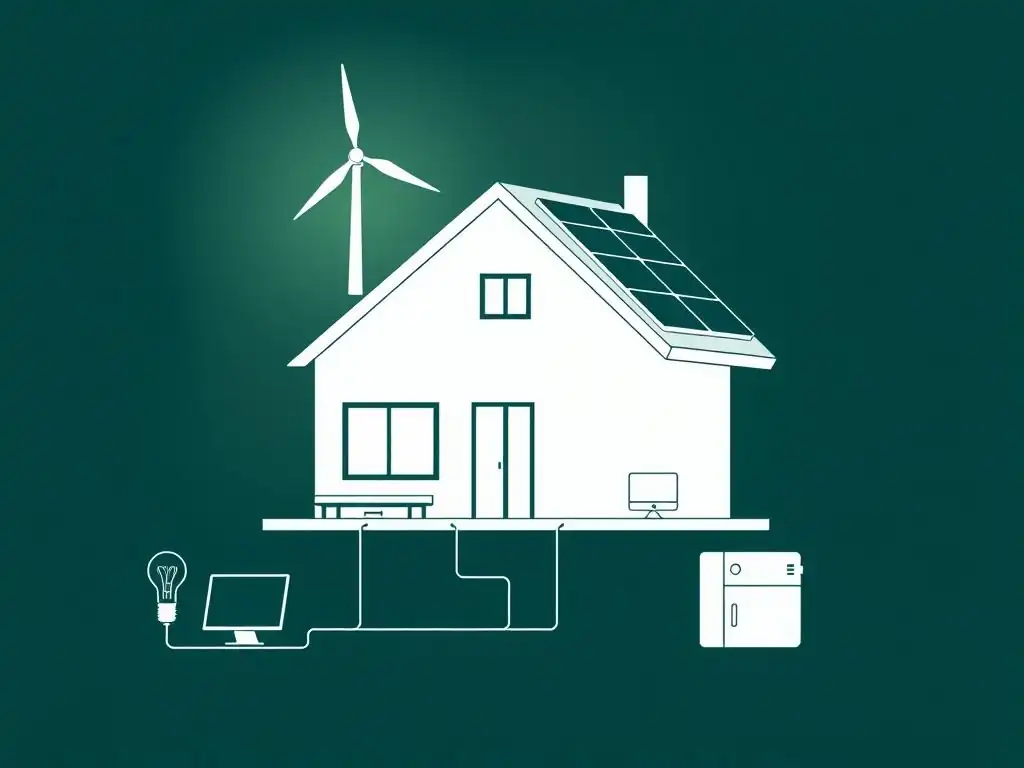
This section delves into long-term strategies for achieving energy independence and significantly reducing your reliance on non-renewable energy sources. Adopting these sustainable living energy hacks not only benefits the environment but also offers substantial financial savings over time. We'll explore how proactive planning and investment can pave the way for a more self-sufficient and environmentally conscious lifestyle. The transition may require initial investment, but the long-term rewards are considerable, both economically and environmentally. Remember, sustainable living is a journey, not a destination, and every step you take contributes to a healthier planet and a more secure future.
Investing in Renewable Energy: Solar Panels and Other Clean Energy Sources
Investing in renewable energy sources is a cornerstone of sustainable living and a powerful energy-saving hack. Solar panels are a popular choice, converting sunlight directly into electricity. The initial cost can be significant, but government incentives and decreasing panel prices are making them increasingly accessible. A thorough assessment of your energy needs and available sunlight is crucial before installation.
Consider factors like roof orientation, shading, and energy consumption patterns to maximize efficiency. Proper sizing ensures you generate enough energy to meet your demands, potentially even exceeding them, allowing you to sell excess energy back to the grid – a rewarding financial aspect of this energy independence strategy. Beyond solar, explore other options such as wind turbines (suitable for areas with consistent wind), geothermal energy (harnessing the Earth's heat), and even small-scale hydroelectric systems (if you have access to a water source).
Remember to research reputable installers and obtain multiple quotes to ensure you're getting the best value for your investment. The long-term benefits of reduced energy bills and minimized environmental impact far outweigh the upfront costs. This is truly a sustainable living energy hack with a significant return on investment.
Planning for a Sustainable Future: Long-Term Energy Conservation Goals
Effective energy conservation extends beyond immediate actions; it requires strategic long-term planning. Setting realistic and measurable energy conservation goals is crucial. Start by conducting a comprehensive energy audit to identify areas of high energy consumption in your home. This might involve professional assistance or a DIY approach using readily available energy monitoring tools.
Once you pinpoint energy-guzzling appliances and habits, create a prioritized plan to address them. This could involve replacing inefficient appliances with Energy Star-rated models, improving insulation to minimize heat loss, and adopting energy-conscious behaviors, such as switching to LED lighting and optimizing your thermostat settings. Regularly monitor your energy usage to track progress and identify areas needing further improvement. Consider creating a detailed timeline for implementing these changes, breaking down larger goals into smaller, manageable steps.
This approach minimizes overwhelm and keeps you motivated throughout the process. Documenting your progress, including cost savings and environmental impact reduction, provides valuable feedback and reinforces the positive impact of your sustainable living energy hacks. Remember, consistent effort and long-term commitment are key to achieving lasting energy independence and a truly sustainable future.
Sustainable Living Energy Hacks: Resources and Further Learning
This section delves into where you can find reliable information and connect with like-minded individuals to further your journey towards sustainable living energy hacks. Embracing sustainable practices requires ongoing learning and community engagement. Let's explore the resources available to help you on your path.
Finding Reliable Information on Energy Conservation and Sustainability
Navigating the world of energy conservation and sustainability can feel overwhelming. Information overload is a real challenge, with conflicting advice and unsubstantiated claims often clouding the issue. Therefore, it's crucial to identify trustworthy sources. Here's how to discern credible information from misleading content:
- Look for peer-reviewed studies and government reports: These sources undergo rigorous fact-checking and verification processes, ensuring the information's accuracy and reliability. Government agencies like the Environmental Protection Agency (EPA) often publish comprehensive reports on energy efficiency and renewable energy sources. Academic journals offer in-depth analyses of sustainable practices.
- Seek out reputable organizations: Many non-profit organizations and advocacy groups dedicate themselves to promoting sustainable living. These organizations often provide educational materials, guides, and resources based on scientific research and expert opinions. Look for organizations with a long-standing track record and transparent funding sources.
- Be wary of biased sources: Some websites or individuals may promote specific products or ideologies without presenting a balanced perspective. Always cross-reference information from multiple sources to ensure its validity. Consider the source's potential motivations and biases before accepting information at face value.
- Evaluate the evidence: Credible sources will present evidence to support their claims, citing studies, statistics, and data. Be skeptical of information lacking supporting evidence or relying heavily on anecdotal accounts.
Example: A claim stating "Switching to LED bulbs saves 75% on your electricity bill" should be backed by data from reputable sources showing the average energy consumption difference between LED and incandescent bulbs. Without such data, the claim remains unsubstantiated.
The quest for reliable information on sustainable living energy hacks is an ongoing process. Continuous learning and critical evaluation are key to making informed decisions that truly benefit both your household and the planet. Remember to always prioritize verifiable data over unsubstantiated claims.
Connecting with Communities Focused on Sustainable Living
Connecting with others passionate about sustainable living can significantly enhance your journey. Sharing experiences, exchanging tips, and learning from each other's successes and challenges fosters a sense of community and provides invaluable support. Several avenues exist for connecting with like-minded individuals:
- Local sustainability groups: Search online for local chapters of national organizations focused on environmental sustainability or energy conservation. Many cities and towns have active groups organizing workshops, events, and community projects related to sustainable living. These groups provide a fantastic opportunity to meet people with shared interests and learn practical skills.
- Online forums and communities: Numerous online platforms, including social media groups and dedicated forums, cater to individuals interested in sustainable living. These online communities offer a valuable space to ask questions, share insights, and learn from the experiences of others. Remember to be mindful of the information shared online and always prioritize verified information.
- Sustainable living workshops and courses: Participating in workshops and courses can provide structured learning opportunities and allow you to interact with instructors and fellow participants. These events often focus on specific aspects of sustainable living, such as energy efficiency, gardening, or waste reduction.
Participating in these communities provides more than just information; it cultivates a sense of belonging and shared purpose. The collective knowledge and support within these networks are invaluable assets on your path to sustainable living. Engaging with such communities makes the transition to a more sustainable lifestyle not only easier but also more rewarding. 🤝
Frequently Asked Questions
What are some simple energy hacks I can implement at home?
Switching to LED lightbulbs is a great start. Unplug electronics when not in use, and consider using smart power strips to easily cut power to multiple devices at once. These small changes add up to significant savings.
How can I reduce my energy consumption in the kitchen?
Use energy-efficient appliances, such as a dishwasher and refrigerator with high Energy Star ratings. Avoid opening the refrigerator door frequently and shorten shower times to reduce water heating energy consumption.
What role does insulation play in sustainable living and energy conservation?
Proper insulation in your home minimizes heat loss in winter and heat gain in summer, significantly reducing the energy needed for heating and cooling. This is a long-term investment with substantial energy savings.
Are there any energy-saving hacks for transportation?
Consider carpooling, using public transport, cycling, or walking whenever possible. If you drive, maintain your vehicle properly; well-maintained cars use less fuel. Driving efficiently also helps.
How can I make my home more energy-efficient in the long term?
Investing in solar panels or a home energy audit can provide a long-term solution to reduce your carbon footprint and energy bills. These are major investments, but offer substantial long-term savings.
Final Reflection: Harnessing the Power of Small Changes for a Brighter Future
The pursuit of sustainable living, once a niche movement, is now a global imperative. The urgency of climate change demands that we, as individuals and as a collective, actively participate in energy conservation, and the good news is that even small actions can make a significant difference. We've explored creative and practical hacks, demonstrating that sustainability isn't about drastic lifestyle overhauls, but about mindful choices and innovative solutions.
The impact of our energy consumption extends far beyond our individual homes; it shapes our communities, our economies, and the very planet we inhabit. The cumulative effect of millions making conscious choices about energy use is undeniable. The future belongs to those who believe in the beauty of their dreams.
- Eleanor Roosevelt. This quote resonates deeply, because believing in a sustainable future requires action, and the small steps we take today, the energy we consciously conserve, are the building blocks of that brighter tomorrow. We must remember that even seemingly insignificant changes, when multiplied across a population, can lead to transformative results.
Now, consider your own energy footprint. What small change, inspired by the hacks discussed in this article, can you implement today? Perhaps it's switching to LED lighting, unplugging electronics when not in use, or simply being more mindful of your heating and cooling habits. Start small, build momentum, and inspire others to join you. Let's collectively harness the power of these creative energy hacks and build a more sustainable and vibrant future, one conscious choice at a time.
Unlock Your Sustainable Power: Start Conserving Today!
Thank you for joining us on this journey to a more energy-efficient life! We hope you found some creative and practical ways to reduce your environmental impact. Now it's time to put your new knowledge into action.
- Prioritize one energy-saving change this week: Choose the most impactful action from the article – perhaps switching to LED lightbulbs, unplugging electronics when not in use, or optimizing your thermostat – and commit to it. This small step can make a significant difference!
- Share your favorite energy-saving tip: Spread the word! Tell your friends and family about the simple changes you're making. A little inspiration can go a long way towards creating a more sustainable community.
- Explore further resources: Learn more about sustainable living by researching local initiatives or community groups focused on energy conservation in your area. You might discover even more effective ways to save energy and reduce your carbon footprint.
Ready to make a real impact on your energy consumption and contribute to a greener future? What's the first energy-saving step you'll take?