
The Habit of Personal Development: Build a Positive Life by Improving Yourself

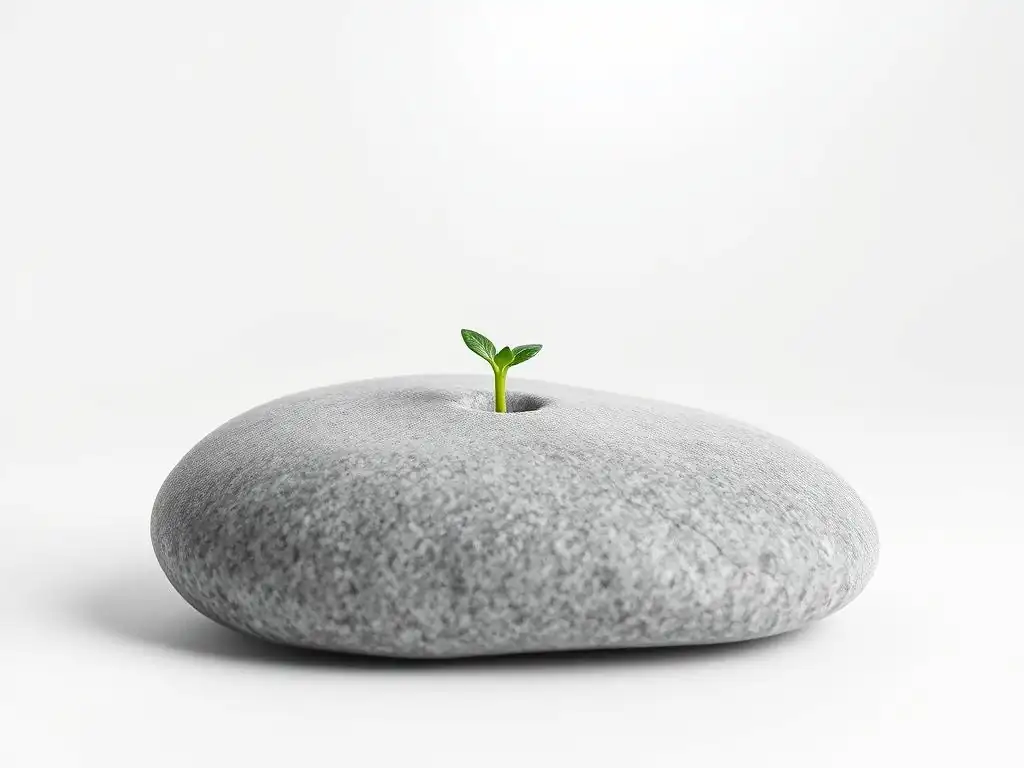
Ready to unlock your potential and transform your daily life? At UltimateLifeHacks, we're dedicated to providing you with practical strategies and actionable tips for maximizing your time and efficiency. This article dives deep into the power of improving yourself: daily habits, exploring how small, consistent changes can lead to monumental results in your personal growth. Discover the secrets to building positive routines and cultivating a life of purpose and productivity – let's get started!
- Understanding the Power of Daily Self-Improvement
- Cultivating Daily Habits for Self-Improvement
- Strategies for Consistent Self-Improvement
- Overcoming Obstacles in Your Self-Improvement Journey
- Maintaining Long-Term Personal Growth
-
Frequently Asked Questions
- How can I improve myself daily through habits?
- What are some examples of daily habits that contribute to personal development?
- How can I stay motivated to maintain new daily habits?
- What if I miss a day or slip up in my new habit routine?
- How long does it take to build a new habit for self-improvement?
- Final Reflection: Cultivating the Ever-Evolving Self
- Unleash Your Potential: Start Your Personal Growth Journey Today!
Understanding the Power of Daily Self-Improvement
Embarking on a journey of self-improvement isn't about drastic overnight transformations; it's a continuous process of refining your skills, nurturing your strengths, and addressing areas needing attention. This article explores the profound impact of cultivating daily habits designed to improve yourself, focusing on practical strategies to build a more positive and fulfilling life. We'll delve into defining personal development, setting achievable goals, and identifying key areas for growth, ultimately providing you with a roadmap for consistent self-improvement and achieving lasting positive change.
Mastering the art of "improve yourself: daily habits" is key to unlocking your full potential and building a life you truly love. This journey is about incremental progress, celebrating small wins, and fostering a mindset of continuous learning and growth. Let's begin!
Defining Personal Development and its Impact on Wellbeing
Personal development encompasses a wide range of activities aimed at improving your overall well-being. It's not solely about professional advancement; it's about holistic growth, encompassing physical, mental, and emotional aspects. Think of it as a lifelong commitment to becoming the best version of yourself. This involves actively working on self-awareness, identifying limiting beliefs, developing new skills, and fostering positive habits.
The impact on wellbeing is significant. Studies show that individuals actively engaged in personal development tend to experience higher levels of self-esteem, reduced stress, improved relationships, and increased life satisfaction. 📈 It's a journey of continuous learning and self-discovery, leading to a more fulfilling and meaningful existence. Remember, even small, consistent efforts can yield remarkable results over time.
The benefits extend beyond personal fulfillment. Improved self-confidence often translates to better performance in professional settings, stronger relationships, and an increased ability to manage challenges effectively. It's an investment in yourself that pays dividends in all aspects of your life. Consider this: how much more productive and joyful would your life be if you consistently worked on improving key areas?
Setting Realistic Goals for Self-Improvement
Setting realistic goals is crucial for sustainable self-improvement. Avoid overwhelming yourself with ambitious targets that are difficult to maintain. Instead, focus on small, achievable steps. For example, instead of aiming to learn a new language fluently in a month, set a goal to learn 10 new words per week. This approach makes the process less daunting and more manageable. Use the SMART goal framework: Specific, Measurable, Achievable, Relevant, and Time-bound. For instance, instead of "improve my fitness," a SMART goal would be "walk for 30 minutes three times a week for the next month."
Remember to break down larger goals into smaller, more manageable tasks. This creates a sense of accomplishment as you check off each milestone, keeping you motivated and engaged. Regularly review and adjust your goals as needed. Life circumstances change, and your goals should adapt accordingly. Flexibility and self-compassion are key components of a successful self-improvement journey. Don't be afraid to adjust your plans along the way; it's all part of the learning process. 🎉
Identifying Areas for Personal Growth: Strengths and Weaknesses Assessment
Before you can effectively improve yourself, you need to understand your current strengths and weaknesses. This honest self-assessment is crucial for setting targeted goals. Consider using various self-assessment tools, such as personality tests (like Myers-Briggs), skills assessments, or even simply journaling about your strengths and areas where you feel you could improve. Reflect on feedback received from others – constructive criticism can offer valuable insights into blind spots.
Once you've identified your strengths and weaknesses, prioritize areas for improvement. Focus on one or two key areas at a time to avoid feeling overwhelmed. For example, if you struggle with time management and public speaking, you might prioritize improving your time management skills first, then tackle public speaking once you've made significant progress in the first area. Remember, progress, not perfection, is the ultimate goal. Embrace the journey of self-discovery and celebrate your achievements along the way! This honest self-reflection is the foundation upon which you build a sustainable and fulfilling path to self-improvement.
Cultivating Daily Habits for Self-Improvement

This section delves into the practical application of daily habits designed to foster personal growth and contribute to a more fulfilling life. We'll explore specific techniques and strategies you can implement immediately to improve yourself, focusing on the power of mindful practices, physical activity, and nutritious eating. Remember, consistent effort is key; even small, incremental changes accumulate significant positive effects over time. The journey of self-improvement is a marathon, not a sprint, and these daily habits will be your reliable training regimen.
Incorporating Mindfulness and Meditation into Your Routine
Mindfulness and meditation are powerful tools for self-improvement, often overlooked in the pursuit of productivity. They aren't about escaping reality; rather, they're about engaging with it more fully and consciously. By practicing mindfulness, you cultivate a deeper awareness of your thoughts, feelings, and sensations, allowing you to respond to challenges with greater clarity and composure. Regular meditation, even for just 5-10 minutes daily, has been shown to reduce stress, improve focus, and enhance emotional regulation.
Several techniques can help you integrate mindfulness into your daily routine. Start with simple exercises like paying close attention to your breath during moments of stillness throughout the day. Notice the sensation of the air entering and leaving your nostrils, the rise and fall of your chest. You can also practice mindful eating, savoring each bite and appreciating the flavors and textures of your food. This simple act can transform a mundane task into a mindful experience.
For meditation, explore guided meditations available through apps or online resources. Begin with shorter sessions and gradually increase the duration as you become more comfortable. Consistency is crucial; aim for daily practice to reap the full benefits. Remember, the goal isn't to empty your mind, but to observe your thoughts and emotions without judgment, letting them pass like clouds in the sky. The benefits extend beyond stress reduction; improved focus and emotional intelligence are significant advantages in improving yourself and navigating daily life. The positive impact on your mental wellbeing is undeniable.
The Importance of Physical Exercise for Personal Growth
Physical exercise isn't just about physical health; it's a cornerstone of personal development. Regular physical activity boosts endorphins, which have mood-lifting effects, combating stress and improving overall well-being. Beyond the immediate benefits, consistent exercise cultivates discipline and resilience – qualities essential for achieving any personal goal. This translates directly into other areas of your life, fostering a sense of accomplishment and boosting your confidence.
The type of exercise doesn't matter as much as the consistency. Find an activity you enjoy – whether it's running, swimming, yoga, or weightlifting – and make it a regular part of your routine. Aim for at least 30 minutes of moderate-intensity exercise most days of the week. Even short bursts of activity throughout the day can add up and contribute to your overall fitness.
Remember to listen to your body and rest when needed. Prioritizing physical health is an investment in your overall well-being and significantly contributes to improving yourself holistically. The data overwhelmingly supports the link between physical activity and mental clarity.
Consider tracking your progress to maintain motivation. Use a fitness tracker or a simple journal to monitor your workouts and celebrate your achievements. This positive reinforcement reinforces the habit and makes it easier to stick with your exercise routine. The key is to find a sustainable plan that fits into your lifestyle, gradually increasing intensity and duration as your fitness improves.
Prioritizing Healthy Eating Habits for Improved Energy and Focus
Nutrition plays a pivotal role in your overall well-being and capacity for self-improvement. A balanced diet provides the energy and nutrients your body and mind need to function optimally. Consuming nutrient-rich foods fuels your brain, enhancing focus, concentration, and cognitive function. Conversely, a diet lacking in essential nutrients can lead to fatigue, brain fog, and decreased motivation, hindering your progress on your self-improvement journey.
Focus on incorporating whole, unprocessed foods into your diet. Fruits, vegetables, lean proteins, and whole grains provide sustained energy and essential vitamins and minerals. Limit processed foods, sugary drinks, and excessive caffeine, as these can lead to energy crashes and mood swings. Staying hydrated is also crucial; aim to drink plenty of water throughout the day. Proper hydration directly impacts cognitive function and energy levels. Consider keeping a food journal to track your intake and identify areas for improvement. This self-monitoring can be highly effective in making conscious dietary choices.
Planning your meals in advance can significantly simplify the process of eating healthy. Preparing meals and snacks ahead of time prevents impulsive unhealthy choices when hunger strikes. This proactive approach saves time and ensures you have nutritious options readily available. Small changes, like swapping sugary drinks for water or adding a serving of vegetables to each meal, can cumulatively have a major impact on your energy levels and overall health, supporting your efforts to improve yourself from the inside out. The connection between nutrition and cognitive function is well-established, making this a crucial aspect of your self-improvement strategy.
Developing a Growth Mindset: Embracing Challenges and Learning from Mistakes
Developing a growth mindset is paramount to self-improvement. It's the belief that your abilities and intelligence are not fixed, but rather malleable and capable of development through dedication and hard work. This contrasts with a fixed mindset, where individuals believe their talents are innate and unchangeable. Adopting a growth mindset allows you to view challenges not as threats, but as opportunities for growth and learning.
This shift in perspective is crucial for sustained self-improvement. When faced with setbacks – and setbacks are inevitable on the journey of self-improvement – a growth mindset allows you to analyze the situation objectively, identify areas for improvement, and adjust your approach accordingly. Instead of feeling discouraged or giving up, you see the mistake as a valuable learning experience, a stepping stone towards eventual success. This resilience is a key component of long-term personal development.
For example, consider someone trying to improve their public speaking skills. With a fixed mindset, the fear of failure might paralyze them, preventing them from even attempting a speech. However, with a growth mindset, they would embrace the challenge, view each presentation as a chance to refine their technique, and learn from any mistakes made. They would actively seek feedback, practice diligently, and celebrate small victories along the way. This iterative process, fueled by a growth mindset, is far more likely to lead to significant improvement than a fixed mindset approach.
Furthermore, cultivating a growth mindset involves actively seeking out challenges that push you beyond your comfort zone. This could involve taking on new responsibilities at work, enrolling in a challenging course, or learning a new skill. The discomfort associated with these challenges is precisely where the growth happens. By embracing these opportunities for growth, you demonstrate a commitment to self-improvement and strengthen your belief in your ability to learn and adapt.
Remember, the process of "Improve yourself: daily habits" is a marathon, not a sprint, and embracing challenges is crucial to reaching your goals. The more you challenge yourself, the more you'll expand your capabilities and unlock your potential. This continuous process of learning and adapting is central to a growth mindset and is essential for lasting personal development.
Strategies for Consistent Self-Improvement

This section delves into practical strategies to foster consistent self-improvement, focusing on techniques to integrate positive change into your daily life. Improving yourself isn't a one-time event; it's a continuous journey requiring dedication and adaptable methods. We'll explore actionable steps to build lasting positive habits and achieve sustainable personal growth. Remember, the key to successful self-improvement lies in consistent effort and mindful adjustments along the way. The journey to improve yourself is a marathon, not a sprint!
Creating a Personalized Self-Improvement Plan
Crafting a personalized self-improvement plan is crucial for effective progress. Generic advice rarely fits everyone's unique needs and aspirations. Consider these steps:
- Identify your core values: What truly matters to you? Understanding your values provides a compass for your self-improvement goals. For example, if family is a core value, a goal might be to dedicate more quality time to loved ones.
- Set SMART goals: Make your goals Specific, Measurable, Achievable, Relevant, and Time-bound. Instead of aiming vaguely to "improve your health," set a SMART goal like, "Lose 5 pounds by exercising three times a week for 30 minutes and following a healthier diet for the next two months."
- Break down large goals into smaller, manageable steps: Overwhelming yourself with massive goals leads to discouragement. Divide larger goals into smaller, achievable tasks. If your goal is to write a book, start with writing one chapter a week.
- Prioritize your goals: Not all goals are created equal. Focus on the most important ones first, ensuring you allocate adequate time and energy.
- Create a schedule: Integrate your self-improvement activities into your daily or weekly schedule, treating them as important appointments. This helps build consistency.
- Accountability partner: Find someone who supports your goals and can hold you accountable. Sharing your progress and challenges with them can provide motivation and guidance.
Tracking Progress and Celebrating Achievements
Regularly tracking your progress is essential for staying motivated and making necessary adjustments. This doesn't require complex systems; even simple methods can be highly effective.
- Use a journal or spreadsheet: Record your daily or weekly progress towards your goals. Note any challenges encountered and solutions implemented. This creates a visual representation of your journey, highlighting improvements and areas needing attention.
- Utilize habit tracking apps: Numerous apps are available to monitor your habits and provide feedback. These apps often provide visual progress charts and reminders, boosting motivation.
- Set milestones and celebrate achievements: Acknowledge and reward yourself for reaching milestones, no matter how small. Celebrating successes reinforces positive behavior and keeps you motivated. This could be a small treat, a relaxing activity, or simply taking time to appreciate your accomplishments. The act of celebrating helps solidify the positive habit loop.
- Analyze setbacks and adjust your plan: Setbacks are inevitable. Instead of getting discouraged, analyze what went wrong, adjust your strategy, and move forward. This iterative process is key to long-term success in self-improvement. Learn from your mistakes and refine your approach for better results.
Utilizing Journaling for Self-Reflection and Goal Setting
Journaling is a powerful tool for self-reflection and goal setting. It allows you to explore your thoughts and feelings, identify patterns, and gain clarity on your aspirations.
- Daily reflection: Spend a few minutes each day journaling about your progress, challenges, and emotions. This practice helps you gain self-awareness and identify areas for improvement.
- Goal setting and planning: Use your journal to define your goals, break them down into smaller steps, and create action plans.
- Identifying limiting beliefs: Journaling can help you identify and challenge negative or limiting beliefs that hinder your progress. By writing down these beliefs, you can begin to analyze their validity and develop more positive and empowering ones.
- Tracking mood and emotions: Journaling can help track your mood and emotions over time, allowing you to identify triggers and patterns. This self-awareness can be incredibly valuable in managing your emotional well-being and improving your overall mental health.
- Gratitude practice: Including a gratitude section in your journal can significantly improve your overall well-being and outlook. Regularly reflecting on things you're grateful for can shift your focus to the positive aspects of your life, boosting your happiness and motivation. This simple practice can have a surprisingly powerful impact on your self-improvement journey.
Remember, the journey to improve yourself is unique to you. Embrace the process, be patient with yourself, and celebrate every step forward. The consistent application of these strategies will pave the way for significant and lasting personal growth. 🎉
Seeking Support and Accountability from Others: Utilizing a Support Network
Building positive habits for self-improvement is rarely a solitary journey. Surrounding yourself with a supportive network can significantly boost your chances of success. This network can provide encouragement, motivation, and crucial accountability when you falter. Think of it as your personal "self-improvement squad."
One effective strategy is to find a friend, family member, or colleague who shares similar goals. Regular check-ins, whether weekly or daily, can create a sense of shared responsibility. Sharing your progress, challenges, and even setbacks fosters a sense of camaraderie and mutual support. Knowing someone is invested in your journey can be incredibly motivating, especially during tough times. For example, if your goal is to improve your fitness, a workout buddy can provide the encouragement needed to hit the gym even when you lack motivation.
Another powerful approach involves joining a support group or online community focused on personal development. These groups offer a space to connect with like-minded individuals, share experiences, and learn from others' successes and struggles. The collective energy and shared experiences can be incredibly uplifting and provide a sense of belonging. The anonymity offered by online communities can also be beneficial for those who feel hesitant to share their goals with people they know personally. Remember, vulnerability is strength in this context; sharing your struggles allows others to offer support and understanding.
Furthermore, consider seeking professional guidance. A therapist, life coach, or mentor can provide personalized support, strategies, and accountability. They offer an objective perspective, helping you identify and overcome obstacles that you might not recognize on your own. This professional support can be particularly valuable when tackling deeply ingrained habits or facing significant personal challenges.
A coach can help you create a personalized plan, track your progress, and adapt your strategies as needed. Investing in professional support is an investment in your personal growth and well-being. Remember, there’s no shame in seeking help; it's a sign of strength and self-awareness. The right support system can be the catalyst for achieving lasting positive change.
Overcoming Obstacles in Your Self-Improvement Journey

Embarking on a journey of self-improvement is commendable, but it's crucial to acknowledge that the path is rarely smooth. Obstacles will inevitably arise, testing your resolve and potentially derailing your progress. Understanding these challenges and developing strategies to overcome them is paramount to achieving lasting positive change. This section focuses on practical techniques to navigate these hurdles and maintain momentum in your "Improve yourself: daily habits" routine.
Identifying and Addressing Limiting Beliefs
One of the most significant obstacles to self-improvement is the presence of limiting beliefs – deeply ingrained negative thoughts and assumptions that hinder your progress. These beliefs, often formed subconsciously from past experiences, can manifest as self-doubt, fear of failure, or a belief that you're incapable of achieving your goals. Identifying and challenging these beliefs is crucial.
For example, someone aiming to improve their public speaking skills might harbor a limiting belief like, "I'm just not a good speaker; I'll always be nervous." This belief prevents them from practicing and seeking opportunities to improve. To overcome this, they need to actively challenge the belief. Techniques include:
- Cognitive Restructuring: Identify the negative thought ("I'm a bad speaker"), question its validity ("Is there any evidence to support this? Have I always been nervous? "), and replace it with a more positive and realistic affirmation ("I can improve my speaking skills with practice. I'll start small and build confidence gradually. ").
- Positive Self-Talk: Consciously replace negative self-criticism with encouraging and supportive statements. Instead of focusing on mistakes, emphasize progress and learning.
- Visualization: Imagine yourself successfully achieving your goals. Vividly picture yourself overcoming challenges and experiencing the positive outcomes. This helps build confidence and reduce anxiety.
Regularly practicing these techniques can significantly weaken the hold of limiting beliefs and pave the way for positive change. Remember, your beliefs shape your reality; by changing your beliefs, you change your actions and ultimately, your results. This is a key element in successfully improving yourself.
Managing Stress and Maintaining Motivation
Sustained self-improvement requires consistent effort and dedication. However, life inevitably throws curveballs – stressful situations, unexpected challenges, and periods of burnout. These can significantly impact your motivation and derail your progress. Effective stress management is therefore crucial for maintaining momentum in your "Improve yourself: daily habits" journey.
Consider these strategies:
- Mindfulness and Meditation: Regular practice can help you develop greater self-awareness, reduce stress, and improve focus. Even 5-10 minutes a day can make a significant difference.
- Time Management Techniques: Employing methods like the Pomodoro Technique (working in focused bursts with short breaks) can enhance productivity and prevent burnout.
- Prioritization and Goal Setting: Clearly defining your goals and prioritizing tasks based on their importance helps you stay focused and avoid feeling overwhelmed. Break down large goals into smaller, manageable steps to maintain a sense of accomplishment.
- Self-Care: Prioritizing activities that promote well-being, such as exercise, healthy eating, and sufficient sleep, is essential for maintaining energy levels and resilience.
Remember that maintaining motivation is an ongoing process. Celebrate small victories along the way, acknowledge your progress, and adjust your approach as needed. Don't be afraid to seek support from friends, family, or a mentor. Building a support network can provide encouragement and accountability.
Dealing with Setbacks and Maintaining Momentum
Setbacks are inevitable in any self-improvement journey. Whether it's missing a workout, failing to meet a deadline, or experiencing a temporary relapse, it's crucial to view these as learning opportunities rather than reasons to give up. The key is to maintain momentum despite these temporary disruptions.
Here's how to navigate setbacks effectively:
| Setback Type | Response | Example |
|---|---|---|
| Missed Workout | Don't beat yourself up; reschedule it. Focus on getting back on track ASAP. | Missed Monday's run? Do a shorter workout on Tuesday or Wednesday. |
| Unmet Deadline | Analyze why it happened. Adjust your schedule or approach for future tasks. | Missed project deadline? Identify time management issues and adjust. |
| Temporary Relapse | Acknowledge it, learn from it, and refocus on your goals. Don't let it derail you. | Missed a day of healthy eating? Don't give up; get back on track tomorrow. |
The ability to bounce back from setbacks is a crucial skill in self-improvement. Develop a mindset of resilience, viewing challenges as opportunities for growth and learning. Remember that progress is rarely linear; it's a journey with ups and downs. Focus on the long-term vision and keep moving forward. The effort to improve yourself is a marathon, not a sprint. 🥂
The Importance of Patience and Persistence in Personal Development
Personal development is not a sprint; it's a marathon. The journey of improving yourself, adopting new habits, and achieving your goals requires significant patience and unwavering persistence. Many individuals fall into the trap of expecting overnight transformations, leading to discouragement and ultimately, abandoning their efforts. This is where the crucial role of patience comes into play. Real, lasting change takes time. Your brain and body are adapting to new patterns and routines; this process requires consistent effort and understanding that setbacks are inevitable.
Consider the example of learning a new language. You won't become fluent overnight. There will be days when you struggle with grammar, pronunciation, or vocabulary. Yet, by consistently dedicating time to studying, practicing, and immersing yourself in the language, you will gradually see improvement. This same principle applies to all aspects of personal development, whether it's improving your fitness, developing a new skill, or cultivating positive relationships.
Persistence is equally vital. Challenges will arise. You might face moments of doubt, experience temporary plateaus, or encounter unexpected obstacles. These moments test your commitment. It's during these times that the power of persistence shines.
It's the ability to keep going, even when progress seems slow or nonexistent. It's about maintaining your focus on the long-term vision and refusing to let setbacks derail your efforts. Remember your "why"—the reason you embarked on this journey of self-improvement in the first place. This will fuel your determination and sustain your persistence through difficult times. Many successful individuals attribute their achievements to their relentless persistence in the face of adversity.
They didn't give up when things got tough; they persevered and eventually achieved their goals. This perseverance is a key ingredient in the recipe for success in personal growth. Embrace the challenges as opportunities for learning and growth, and never underestimate the power of consistent effort. The rewards of patience and persistence are immeasurable, leading to a more fulfilling and successful life.
Maintaining Long-Term Personal Growth
Maintaining momentum in personal development requires more than just initial enthusiasm; it demands a strategic, adaptable approach. Consistent effort and a willingness to evolve are crucial for achieving lasting positive change and truly improving yourself: daily habits are key, but only if they're sustainable. This section delves into the key strategies for ensuring your personal growth journey remains vibrant and effective over the long haul.
Continuously Learning and Expanding Your Knowledge
Continuous learning is the bedrock of long-term personal growth. It's not just about acquiring new skills; it's about cultivating a mindset of intellectual curiosity and a thirst for knowledge. This translates into actively seeking out new information, challenging your existing beliefs, and embracing diverse perspectives. Think of it as a continuous upgrade to your internal operating system.
Consider these practical steps:
- Dedicate time each day: Even 15-30 minutes of focused learning can make a significant difference. This could involve reading articles relevant to your interests, listening to podcasts during your commute, or taking online courses.
- Diversify your learning sources: Don't limit yourself to a single source of information. Explore books, articles, podcasts, workshops, and mentorship opportunities to gain a well-rounded understanding.
- Embrace challenges: Stepping outside your comfort zone and tackling new challenges is crucial for growth. This could involve learning a new language, taking on a challenging project at work, or participating in a public speaking event.
- Reflect on your learning: Regularly review what you've learned and how it applies to your life. Journaling can be a powerful tool for this process. Identify areas where you can improve your understanding and areas where you can apply this knowledge immediately.
This commitment to lifelong learning isn't just about acquiring facts; it's about enhancing your critical thinking skills, improving your problem-solving abilities, and boosting your overall cognitive function. The benefits extend far beyond the specific knowledge gained; they contribute to a more adaptable, resilient, and ultimately, more successful you. Remember, improving yourself: daily habits of learning are crucial for long-term success.
Adapting Your Strategies as Needed
Personal development isn't a linear path; it's an iterative process. What works today might not work tomorrow. Life throws curveballs, and your strategies need to be flexible enough to adapt to changing circumstances. Regular self-assessment is vital to identify what's working, what's not, and how you can refine your approach.
Here are some tips for adapting your strategies:
- Track your progress: Monitor your habits and goals regularly to identify areas for improvement. Use a journal, a spreadsheet, or a dedicated habit-tracking app. Quantifiable data will provide clear insights into your progress.
- Be open to feedback: Seek feedback from trusted friends, mentors, or coaches. Constructive criticism can reveal blind spots and help you refine your strategies.
- Don't be afraid to experiment: Try different approaches and techniques to find what works best for you. There's no one-size-fits-all solution to personal growth.
- Celebrate your successes: Acknowledge and celebrate your accomplishments, no matter how small. This positive reinforcement will help you stay motivated and committed to your goals. Positive reinforcement is key to building strong improve yourself: daily habits.
Ignoring the need for adaptation can lead to stagnation and ultimately, a sense of disillusionment. Flexibility and a willingness to adjust your approach are essential for sustained personal growth.
Embracing Lifelong Learning and Personal Evolution
The journey of personal development is not a destination but a continuous process of growth and transformation. Embracing lifelong learning means committing to a mindset of continuous improvement and personal evolution. It's about recognizing that you are constantly changing and evolving, and that your goals and priorities may shift over time.
This involves:
- Setting realistic goals: Avoid overwhelming yourself with too many goals at once. Focus on a few key areas and gradually expand your scope as you make progress.
- Prioritizing self-care: Personal development is not just about achieving external goals; it's also about nurturing your physical, mental, and emotional well-being. Prioritize sleep, exercise, healthy eating, and mindfulness practices.
- Building a supportive community: Surround yourself with positive and supportive people who encourage your growth and celebrate your successes. A strong support system can be invaluable during challenging times.
- Practicing self-compassion: Be kind to yourself, especially during setbacks. Remember that everyone makes mistakes, and that setbacks are opportunities for learning and growth.
Ultimately, improving yourself: daily habits of self-reflection, adaptation, and continuous learning are the keys to unlocking your full potential and living a more fulfilling life. This journey is unique to each individual, and the rewards are immeasurable.
The Ongoing Benefits of Consistent Self-Improvement
The journey of self-improvement is not a sprint; it's a marathon. The immediate gratification of achieving a single goal, like learning a new language or mastering a skill, is rewarding. However, the real power of focusing on "improve yourself: daily habits" lies in the cumulative effect of consistent effort over time. This sustained commitment unlocks a cascade of benefits that ripple through every aspect of your life.
One significant advantage is increased resilience. As you consistently challenge yourself and overcome obstacles—be it conquering a fear, managing stress more effectively, or building better relationships—you develop a stronger sense of self-efficacy. This inner strength equips you to handle future challenges with greater confidence and composure. Setbacks, while inevitable, become less daunting, viewed as opportunities for learning and growth rather than insurmountable defeats. This resilience translates into a more positive and proactive approach to life's inevitable ups and downs.
Furthermore, consistent self-improvement fosters a sense of purpose and fulfillment. The act of actively working towards becoming a better version of yourself provides a powerful sense of direction and meaning. This is especially true when you align your self-improvement goals with your core values and passions. The feeling of accomplishment, however small, fuels motivation and reinforces the positive feedback loop of growth. This sense of purpose is crucial for long-term well-being and happiness, providing a strong foundation for navigating life's complexities.
Beyond personal fulfillment, continuous self-improvement enhances your professional life. The skills and knowledge you acquire—whether it's through learning new software, improving communication skills, or developing leadership qualities—make you a more valuable asset in the workplace. This translates to increased opportunities for career advancement, higher earning potential, and greater job satisfaction. The commitment to self-improvement demonstrates a proactive and growth-oriented mindset, highly valued by employers in today's competitive landscape. In essence, investing in yourself is an investment in your future career success.
Finally, the habit of continuous self-improvement fosters stronger relationships. As you grow and evolve, you become more self-aware, empathetic, and emotionally intelligent. This increased self-understanding allows you to communicate more effectively, build deeper connections, and navigate interpersonal conflicts with greater grace and maturity. The positive changes you cultivate within yourself naturally radiate outwards, enriching your relationships with family, friends, and colleagues. This improved communication and emotional intelligence are key components of building and maintaining meaningful connections in all areas of your life. The benefits extend far beyond the individual, creating a positive ripple effect on those around you.
Frequently Asked Questions
How can I improve myself daily through habits?
Start small! Focus on building one or two positive habits at a time, like daily exercise or mindful meditation. Consistency is key – even small actions add up over time.
What are some examples of daily habits that contribute to personal development?
Consider incorporating journaling to reflect on your day, reading to expand your knowledge, or learning a new skill to challenge yourself. These all contribute to self-improvement.
How can I stay motivated to maintain new daily habits?
Track your progress using a journal or app. Celebrate small wins and reward yourself for reaching milestones. Remember your why – your ultimate goal for self-improvement.
What if I miss a day or slip up in my new habit routine?
Don't beat yourself up! Missing a day doesn't negate your progress. Forgive yourself, acknowledge it, and simply get back on track the next day. Consistency is more important than perfection.
How long does it take to build a new habit for self-improvement?
It generally takes 21-66 days to form a new habit, but it varies depending on the individual and the habit's complexity. Be patient and persistent, and you'll see positive changes over time.
Final Reflection: Cultivating the Ever-Evolving Self
The pursuit of personal development isn't a fleeting trend; it's the cornerstone of a fulfilling and impactful life. In a world that constantly demands more, the ability to adapt, learn, and grow is not just beneficial—it's essential for navigating the complexities of modern living and achieving genuine happiness. This journey of self-improvement, as explored throughout this article, is a continuous process, demanding consistent effort and a commitment to positive change.
The impact of prioritizing personal growth extends far beyond individual satisfaction; it ripples outwards, influencing our relationships, our communities, and even the wider world. We become more effective contributors, more compassionate individuals, and more resilient in the face of adversity. As Eleanor Roosevelt wisely stated, The future belongs to those who believe in the beauty of their dreams.
This belief, coupled with the daily practice of self-improvement, empowers us to shape a future aligned with our aspirations and values, creating a positive ripple effect in all aspects of our lives.
Consider the small, consistent actions you can take today to cultivate your personal growth. What single habit, however seemingly insignificant, can you integrate into your daily routine to propel you forward? Embrace the power of incremental progress. Don't be discouraged by setbacks; view them as opportunities for learning and refinement. The journey of self-improvement is a marathon, not a sprint, and every step you take, no matter how small, brings you closer to the best version of yourself. Begin now, and witness the transformative power of consistent self-development unfold.
Unleash Your Potential: Start Your Personal Growth Journey Today!
Thank you for exploring the power of personal development! We hope you've gained valuable insights into creating a more positive and fulfilling life. Now it's time to put these insights into action.
Here's how to get started:
- Prioritize one small, achievable goal: Identify one area you want to improve—for example, improving your sleep, incorporating daily exercise, or practicing mindful eating—and commit to one manageable step each day. This is your first step!
- Share your journey: Connect with others in our online community and share your experiences. Inspire others and find support along the way. Even simply telling a friend about your goal can significantly increase your commitment.
- Embrace new self-reflection techniques: Experiment with journaling, meditation, or guided visualization to discover what works best for you. This can be a surprisingly effective way to track your progress and identify areas needing attention.
What's one small step you can take towards personal growth today? Let's discuss it in the comments below!