
The Art of Compact Living: Mastering Multifunctional Design in Limited Spaces

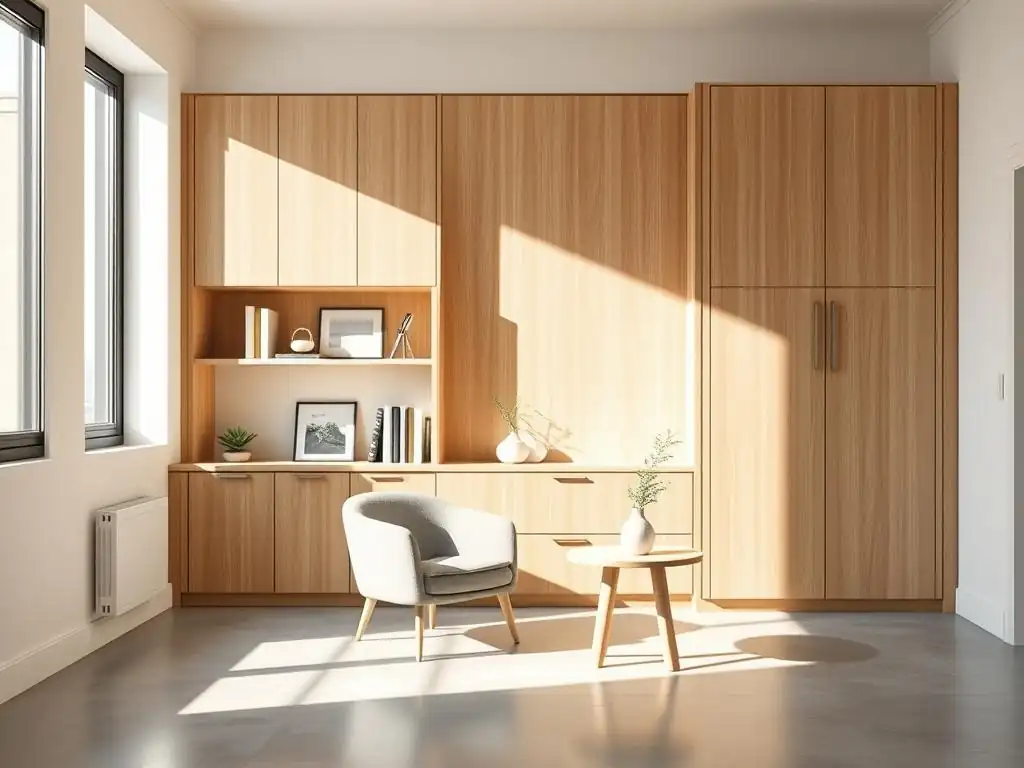
Welcome to UltimateLifeHacks, your portal to a more efficient and fulfilling life! Are you tired of clutter and cramped living? Discover how to transform your space from chaotic to calm with our expert guide on small space multifunctional furniture. We'll unveil the secrets to maximizing your living area and unlocking hidden potential, proving that even the smallest spaces can be beautifully organized and incredibly functional. Dive in and unlock the art of compact living!
- Maximizing Space with Small Space Multifunctional Furniture
- Smart Design Strategies for Small Space Living
- Multifunctional Furniture for Specific Rooms: Case Studies
- DIY and Budget-Friendly Multifunctional Furniture Projects
- Maintaining Order and Organization in Compact Spaces
- The Benefits of Embracing Compact Living: A Holistic Approach
- Frequently Asked Questions
- Final Reflection: Embracing the Elegance of Less: A Future of Functional Design
- Unleash Your Space: Design a Life You Love
Maximizing Space with Small Space Multifunctional Furniture
Living in a small space doesn't have to mean sacrificing comfort or style. In fact, it presents a unique opportunity to embrace creativity and ingenuity in home design. This article delves into the art of compact living, specifically focusing on how strategically chosen small space multifunctional furniture can transform a cramped apartment or tiny house into a functional and aesthetically pleasing haven.
We'll explore various space-saving furniture solutions and clever storage ideas to help you maximize every square inch of your living area, ultimately improving your daily routine and overall quality of life. Mastering multifunctional design isn't just about saving space; it's about optimizing your environment for maximum efficiency and comfort.
This guide will equip you with the knowledge and inspiration to create a small space that feels both spacious and personalized. We'll cover everything from selecting the right multifunctional pieces to seamlessly integrating clever storage solutions, ensuring your small space feels anything but small.
Choosing the Right Multifunctional Furniture for Your Needs
Selecting the right multifunctional furniture is crucial for successful compact living. The key is to identify your specific needs and prioritize accordingly. Consider your lifestyle, daily routines, and the specific challenges posed by your limited space. Do you need extra sleeping arrangements for guests? Is storage your biggest issue? Or perhaps you're lacking a dedicated workspace? Analyzing these factors will guide you towards the most effective furniture choices.
For example, a sofa bed instantly doubles as seating and sleeping space, eliminating the need for a separate guest bed. A coffee table with built-in storage provides a surface for drinks and snacks while concealing items such as blankets, books, or remotes. Similarly, ottomans with lift-tops can serve as extra seating, coffee tables, and hidden storage compartments.
The possibilities are endless, and the right choices depend entirely on your individual requirements. Before purchasing, carefully measure your space and consider the furniture's dimensions both when in use and when folded or stored. Pay close attention to material quality and durability to ensure longevity.
Space-Saving Furniture Solutions: Beds, Sofas, and Tables
Let's explore some specific examples of space-saving furniture that epitomizes the principles of multifunctional design.
- Beds: Murphy beds, also known as wall beds, are a classic solution for small spaces. These beds fold neatly into a wall unit, freeing up valuable floor space during the day. Many models incorporate built-in shelving or storage, maximizing their functionality even further. Consider the weight capacity and ease of operation when choosing a Murphy bed.
- Sofas: Sofa beds, as mentioned earlier, are incredibly versatile. Look for models with comfortable mattresses and sturdy frames for reliable daily use. Some even feature built-in storage underneath the seating cushions.
- Tables: Coffee tables with drawers or hidden compartments are excellent for storing remotes, magazines, and other small items. Consider nesting tables, which can be stored inside each other to save space when not in use. Lift-top coffee tables allow you to easily adjust the height, transforming them into a makeshift dining table or workspace. A wall-mounted drop-leaf table can be folded away when not needed, perfect for small kitchens or dining areas.
Incorporating Clever Storage Solutions into Multifunctional Designs
Effective storage is paramount in compact living. The beauty of multifunctional furniture lies in its ability to seamlessly integrate storage solutions into its design. Instead of relying on bulky, standalone storage units, consider incorporating storage directly into your furniture pieces.
Think about using:
- Under-bed storage: Utilize the space under your bed for storing out-of-season clothing, bedding, or luggage. Utilize storage containers to keep things organized and dust-free.
- Vertical storage: Maximize vertical space by using tall, narrow shelving units or wall-mounted cabinets. This is particularly effective in hallways or corners.
- Hidden storage: Look for furniture with built-in drawers, shelves, or compartments. This allows you to keep items neatly tucked away while still having easy access.
Remember, the goal is to create a balanced and harmonious living space. By carefully selecting multifunctional furniture and incorporating smart storage solutions, you can transform your small space into a comfortable, functional, and stylish home. The key is thoughtful planning and a keen eye for detail, allowing you to enjoy the benefits of compact living without compromising on comfort or convenience.
Smart Design Strategies for Small Space Living
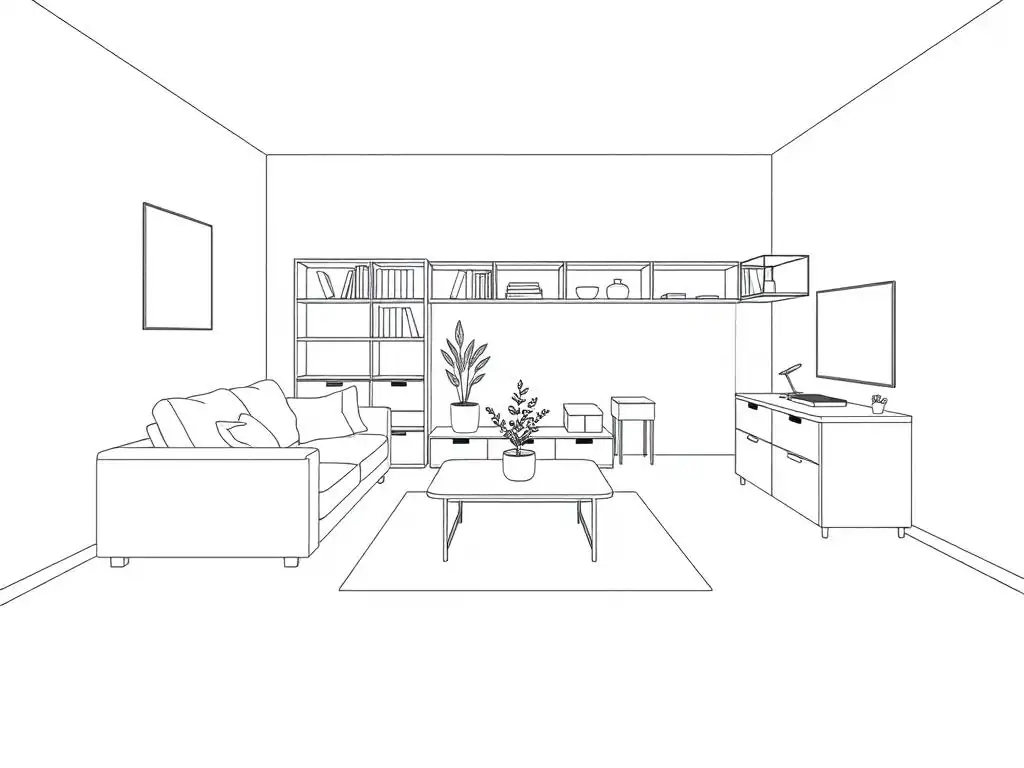
This section delves into practical, actionable strategies for maximizing functionality and minimizing clutter in small living spaces. We'll explore how clever design choices can transform a cramped apartment or tiny house into a comfortable and efficient home. The key lies in embracing small space multifunctional furniture and implementing smart design principles. Remember, it's not about sacrificing style for practicality; it's about finding the perfect balance.
Utilizing Vertical Space: Shelves, Wall Units, and Hanging Organizers
One of the most effective ways to conquer limited square footage is to utilize vertical space. Instead of spreading belongings across the floor, think upwards! This involves strategically incorporating shelves, wall units, and hanging organizers to store items efficiently.
Consider these points:
- Shelving: Open shelving provides visual lightness and easy access. Utilize different shelf depths and heights to accommodate various items, from books and decorative objects to storage bins. Consider using floating shelves to save floor space and create a modern aesthetic. For example, a simple floating shelf above a desk can house essential office supplies, freeing up desktop clutter.
- Wall Units: Wall units offer extensive storage capabilities, consolidating items that might otherwise be scattered around the room. Look for units with adjustable shelves and drawers to customize your storage according to your needs. Modular wall units are particularly versatile, allowing you to adapt the configuration as your needs change. A well-designed wall unit can even replace the need for a bulky dresser or wardrobe in a smaller bedroom.
- Hanging Organizers: Hanging organizers are a fantastic solution for maximizing closet space and keeping clothes neatly arranged. Over-the-door organizers, hanging shelves, and even specialized shoe organizers can significantly increase storage capacity without taking up valuable floor space. A simple calculation shows that hanging organizers can nearly double the usable space in a small closet. For instance, a typical closet with 2ft of hanging space could be made to hold twice as many items with the addition of a hanging organizer.
The effective use of vertical space is crucial for optimizing small spaces. It's about creating a system that allows you to store everything you need while maintaining a clean, uncluttered environment. This is a core principle of small space multifunctional furniture design.
Optical Illusions and Design Tricks to Enhance Space Perception
Even with efficient storage, the perception of space is critical. Clever design tricks can make a small room feel significantly larger. These techniques play with light, color, and visual lines to create the illusion of more space.
Here are some effective strategies:
- Mirrors: Strategically placed mirrors can dramatically expand the perceived size of a room. A large mirror on a wall can reflect light and create a sense of depth, making the space feel more open and airy. Consider a full-length mirror in a small bedroom or a smaller mirror in a hallway to enhance the sense of openness.
- Light Colors: Light and neutral colors on walls and floors create a sense of spaciousness. Dark colors absorb light, making a room feel smaller. Consider using light shades of beige, gray, or white to brighten up your small space. Experiment with different shades and textures to create a cohesive and visually appealing space.
- Minimalist Decor: Avoid overcrowding your space with unnecessary furniture and décor. A minimalist approach, focusing on essential items, will make the room feel less cluttered and more spacious. Choose multi-functional pieces that serve multiple purposes. This ties directly into the concept of small space multifunctional furniture.
- Decluttering Regularly: Regular decluttering is essential to maintaining a sense of spaciousness. Get rid of items you no longer need or use, and keep surfaces clear of clutter. Consider implementing a regular decluttering routine, perhaps once a month or even weekly, to maintain a clean and organized environment.
The Power of Light and Color in Small Room Design
Light and color are powerful tools in small space design. They dramatically influence the perception of size and ambiance.
Consider these points:
- Maximize Natural Light: Let in as much natural light as possible. Keep windows unobstructed and use sheer curtains or blinds to control light levels without blocking it completely. Natural light significantly brightens a space, making it feel larger and more inviting.
- Strategic Lighting: Incorporate multiple light sources to create a layered lighting scheme. This could include ambient lighting (overhead lights), task lighting (desk lamps), and accent lighting (decorative lamps or spotlights). Avoid relying solely on a single overhead light, as this can create harsh shadows and make the room feel smaller.
- Color Psychology: Light and bright colors, as mentioned earlier, create the illusion of more space. However, don't be afraid to use pops of color strategically to add personality and visual interest. Use bolder colors as accents on smaller items, like throw pillows or artwork, to avoid overwhelming the space. A well-balanced color scheme can make a small room feel vibrant and welcoming.
By understanding and applying these principles of light and color, you can significantly enhance the overall feel and functionality of your small space, making it both aesthetically pleasing and highly efficient. This is an important aspect of successfully incorporating small space multifunctional furniture into your design.
Multifunctional Furniture for Specific Rooms: Case Studies
This section delves into practical examples of how multifunctional furniture can dramatically improve the usability of small spaces. We'll explore specific room types, showcasing the transformative power of smart design choices when dealing with limited square footage. The key is to maximize vertical space and utilize clever storage solutions integrated directly into the furniture itself. This approach not only saves space but also enhances the overall aesthetic appeal of the room, proving that functionality and style aren't mutually exclusive, especially when focusing on small space multifunctional furniture.
Transforming a Small Bedroom with Multifunctional Furniture
A small bedroom often feels cramped and cluttered. However, with strategic furniture choices, you can create a haven of calm and efficiency. Consider a bed with built-in drawers for storing bedding, clothing, or seasonal items. This eliminates the need for a separate dresser, freeing up valuable floor space. Furthermore, a loft bed can dramatically increase usable space underneath, potentially creating a home office or a cozy reading nook.
Think about incorporating a Murphy bed, which folds away into the wall when not in use, revealing a functional workspace or additional living area during the day. This is a particularly effective solution for studio apartments or rooms with multiple purposes. Adding wall-mounted shelves above the bed also provides additional storage without taking up any floor space. Remember, vertical space is your friend when optimizing small bedrooms!
Finally, consider the material and color of your furniture. Lighter colors can make a small room feel more spacious. Opt for furniture that is both functional and aesthetically pleasing; a beautiful, space-saving piece of furniture can be both practical and a stylish addition to your bedroom.
Optimizing a Tiny Living Room with Space-Saving Design
The living room is often the heart of the home, but in a small space, it can quickly become overwhelmed with furniture. The key to optimizing a tiny living room lies in selecting pieces that serve multiple purposes. A sofa bed, for example, provides seating during the day and transforms into a comfortable bed for guests at night. This eliminates the need for a separate guest bed, significantly saving space.
Consider ottomans with storage compartments. These provide extra seating while simultaneously offering hidden storage for blankets, pillows, or games. Modular furniture systems are another excellent option. These flexible systems allow you to reconfigure your seating arrangement to suit your needs and the available space. You can easily adapt to different situations, like hosting a small gathering or simply relaxing with a book.
Coffee tables with drawers or shelves provide extra surface area and storage. Choose a coffee table with a lift-top mechanism to create a makeshift dining table for casual meals. This multifunctional approach maximizes the utility of a single piece of furniture, essential for small space multifunctional furniture solutions. Remember, clever storage is key to keeping your living room tidy and inviting.
Creating a Functional Kitchen in a Compact Space
A compact kitchen can be a challenge, but with careful planning and multifunctional furniture, you can create a highly efficient workspace. Vertical storage is crucial; utilize tall, narrow cabinets to maximize vertical space. Consider a pull-out pantry system which makes accessing items at the back of the cabinet much easier.
Multifunctional appliances are your best friend in a small kitchen. Look for appliances that combine several functions, such as a microwave oven with a convection feature, or a blender that also functions as a food processor. This reduces the number of individual appliances needed, freeing up valuable counter space. A kitchen island with integrated storage is another fantastic option; it can serve as both a prep area and additional storage.
Don't underestimate the power of clever organization. Utilize drawer dividers, spice racks, and other organizational tools to keep everything in its place. This makes your kitchen more efficient and easier to maintain. Consider using wall-mounted racks to store frequently used items, freeing up cabinet space for less frequently used items. The goal is to ensure every inch of space is utilized effectively, making your small kitchen a place of convenience and style, all while showcasing the power of small space multifunctional furniture.
DIY and Budget-Friendly Multifunctional Furniture Projects
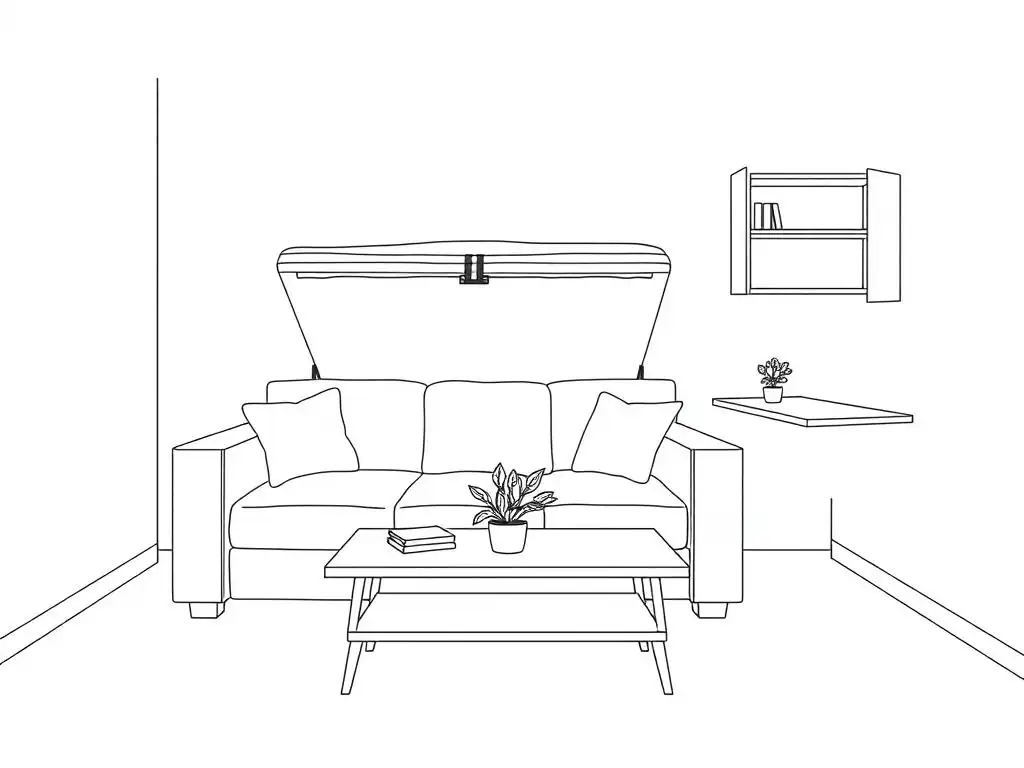
Mastering the art of compact living often involves creative solutions, and DIY projects are a fantastic way to achieve multifunctional design without breaking the bank. By repurposing existing items or using readily available materials, you can significantly enhance your small space's functionality and aesthetic appeal. This section focuses on practical, budget-friendly projects that demonstrate the power of ingenuity in small space living. Remember, even small changes can make a big difference in your overall living experience.
The key is to think outside the box and embrace the challenge of maximizing every inch of available space. This approach not only saves money but also adds a personal touch that mass-produced furniture often lacks. You'll be surprised by the transformation you can achieve with a little creativity and effort. The satisfaction of creating something useful and beautiful for your own home is unparalleled.
Repurposing Existing Furniture for Multifunctional Use
Repurposing existing furniture is one of the most effective and economical ways to introduce multifunctional elements into your small space. Instead of discarding old pieces, consider their potential for transformation. A simple coat of paint can dramatically alter the appearance of an old dresser, while adding extra shelves or drawers can significantly increase its storage capacity. For example, an old ladder can be easily transformed into a unique bookshelf by simply securing some shelves between the rungs.
This not only adds extra storage but also serves as a visually interesting piece of furniture. Similarly, an old suitcase can be repurposed into a coffee table or a side table by adding sturdy legs. The possibilities are endless, limited only by your imagination and resourcefulness. Think about what you already have and how you can creatively adapt it to your needs.
Consider these examples:
- Old Dresser: Instead of discarding an outdated dresser, consider adding a mirror to the back to create a vanity area. Alternatively, you can remove some drawers and install shelves for displaying items while retaining storage in the remaining drawers.
- Headboard: A headboard can be more than just a place to rest your head. By adding shelves or hooks, you can transform it into a small storage space for books, glasses, or other personal items. This clever use of vertical space saves valuable floor area.
- Old Doors: Reclaimed doors can become fantastic wall-mounted shelves or even unique coffee tables. A little sanding, painting, and the addition of legs can turn an old door into a stylish and functional piece of furniture.
Remember to consider the structural integrity of your repurposed furniture. Ensure that any modifications you make are secure and safe. A little extra care in the construction phase will ensure longevity and safety.
Simple DIY Projects to Maximize Storage and Functionality
Many simple DIY projects can significantly enhance storage and functionality in small spaces. These projects often require minimal tools and materials, making them accessible to even the most novice DIY enthusiasts. The focus should be on clever design and efficient use of space. The goal is to create pieces that seamlessly integrate into your existing décor while maximizing storage. Let's explore some examples:
- Floating Shelves: Floating shelves are a fantastic way to add storage without cluttering the floor. They are relatively easy to install and can be customized to fit any space. Use them to store books, plants, decorative items, or anything else you want to keep within easy reach. Consider using different sizes and shapes to create a visually interesting display.
- DIY Storage Ottomans: An ottoman is a versatile piece of furniture, and building your own allows you to customize it to your specific needs. You can incorporate storage inside by using sturdy containers or even repurposing old storage boxes. This provides seating and hidden storage in one compact unit.
- Wall-Mounted Organizers: Wall-mounted organizers are perfect for small spaces. These can be anything from simple pegboards to more elaborate systems that utilize hooks, shelves, and baskets. They're great for storing tools, jewelry, or other small items that are often difficult to organize in limited spaces. This vertical storage solution is space-saving and highly customizable.
Remember to prioritize functionality and aesthetics when undertaking these projects. Choose materials that complement your existing décor and ensure that the finished products are both visually appealing and highly functional. The small investment of time and effort will yield significant rewards in terms of improved organization and space efficiency in your small space. This is truly the essence of effective small space multifunctional furniture.
Maintaining Order and Organization in Compact Spaces
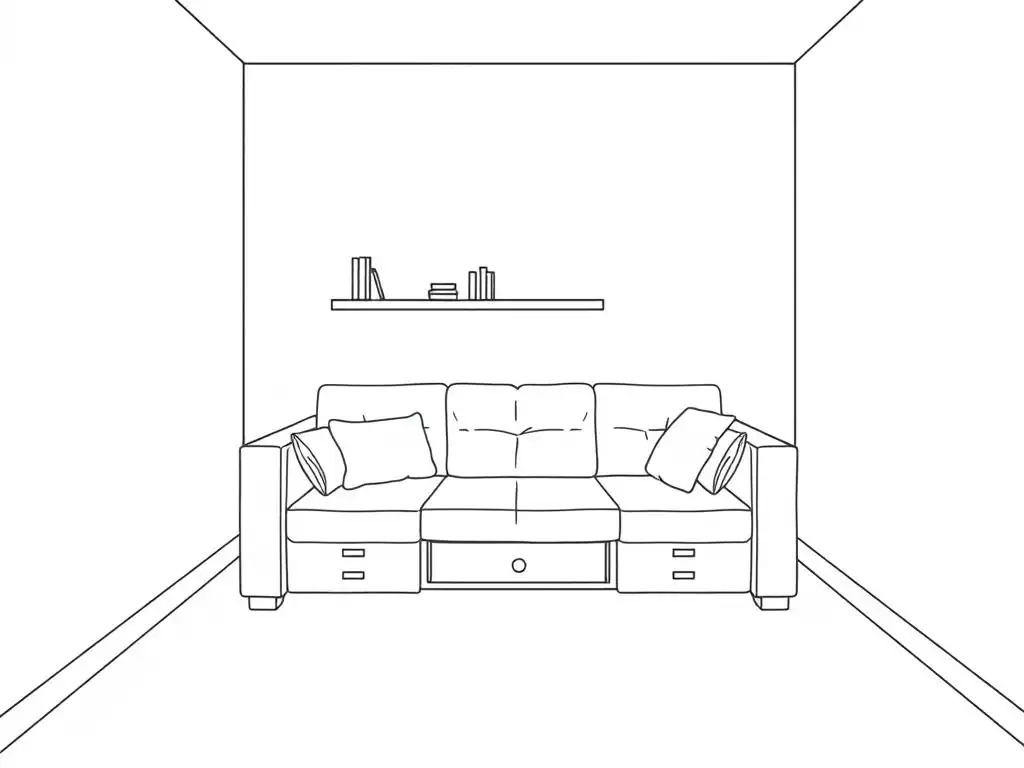
Living in a compact space presents unique challenges, but with the right approach, maintaining order and organization can be surprisingly achievable. The key lies in embracing mindful decluttering and implementing smart storage solutions that maximize vertical space and minimize visual clutter. This section will explore practical strategies to keep your small space feeling spacious and stress-free. Efficient organization isn't just about aesthetics; it's about improving your daily flow and mental wellbeing. The right approach to small space living can significantly boost your productivity and overall quality of life. Let's delve into the specifics.
Decluttering Strategies for Small Spaces
Decluttering in a small space isn't about simply throwing things away; it's a strategic process of evaluating each item's usefulness and sentimental value. The first step is to commit to a thorough decluttering session. Don't rush this process; take your time to methodically assess each item. Consider these key strategies:
- The 20/20 Rule: If an item costs less than $20 to replace and can be easily replaced within 20 minutes, consider discarding it. This rule helps you quickly eliminate unnecessary items.
- The One-In, One-Out Rule: For every new item you bring into your home, remove a similar item. This prevents accumulation and keeps your space clutter-free.
- The Seasonal Purge: Twice a year, declutter items that are not in use for that season. Store seasonal items in compact, labeled containers to keep them organized.
- The "Does it Spark Joy?" Method: Consider each item and ask yourself if it brings you joy. If not, let it go. This method, popularized by Marie Kondo, focuses on keeping only items that add positive energy to your life.
Remember, decluttering is an ongoing process, not a one-time event. Regularly reviewing your belongings will help prevent future accumulation and maintain a sense of order. The goal is to create a space that feels calm and inviting, even with limited square footage. Think about the feeling you want your home to evoke. A relaxed atmosphere is essential for well-being.
Smart Storage Solutions to Keep Your Home Tidy
Smart storage solutions are essential for maximizing space in a compact living environment. Vertical space is your best friend! Utilize every inch available, from floor to ceiling. Here are some practical solutions:
| Storage Solution | Description | Benefits |
|---|---|---|
| Vertical Shelving Units | Tall, narrow shelves that reach the ceiling. | Maximize vertical space, ideal for books, décor, and frequently used items. |
| Under-Bed Storage | Utilize the space under your bed with drawers, bins, or rolling storage containers. | Hidden storage, keeps floor space clear. |
| Wall-Mounted Shelves | Install shelves on walls to store books, plants, or decorative items. | Saves floor space, adds visual interest. |
| Over-the-Door Organizers | Hang organizers on the back of doors to store shoes, accessories, or cleaning supplies. | Maximizes often-unused space. |
| Multifunctional Furniture | Furniture with built-in storage, such as ottomans with storage or beds with drawers. | Combines functionality and storage in one piece of furniture. |
Remember to utilize clear, labeled containers to maintain organization and easily find what you need. This not only saves space but also saves you time and frustration in the long run. Investing in high-quality, space-saving storage solutions is an investment in your peace of mind and efficient living. Consider using stackable containers and utilizing vertical space with hanging organizers. These small changes can make a huge difference in how organized and spacious your small space feels. Remember, the goal is to create a functional and aesthetically pleasing environment that supports your lifestyle.
The Benefits of Embracing Compact Living: A Holistic Approach
Embracing compact living offers a surprising array of benefits that extend far beyond simply saving space. It's a holistic lifestyle choice impacting mental health, financial stability, and even environmental sustainability. By strategically utilizing small space multifunctional furniture, you unlock a world of possibilities, transforming limitations into opportunities for a more fulfilling life. This section delves into the key advantages of this increasingly popular approach to living.
Reducing Stress and Enhancing Well-being in Small Spaces
Contrary to popular belief, living in a smaller space doesn't automatically equate to increased stress. In fact, a well-designed compact living environment can significantly reduce clutter and promote a sense of calm. The key lies in mindful organization and the strategic use of small space multifunctional furniture. By eliminating unnecessary possessions and maximizing storage solutions, you create a more serene and peaceful atmosphere. This minimizes visual distractions and promotes a feeling of control, leading to reduced stress and improved mental well-being.
Studies have shown a correlation between clutter and increased anxiety levels. A tidy, organized space, even if small, allows for better focus and concentration, leading to improved productivity and reduced feelings of overwhelm. The deliberate selection of small space multifunctional furniture, such as sofa beds or ottomans with storage, further contributes to this sense of order and tranquility. This thoughtful approach to design enhances your overall sense of well-being, creating a sanctuary where you can relax and recharge. Think of the peace of mind knowing everything has its designated place, eliminating the constant search for lost items!
Environmental Impact of Compact Living and Sustainable Design
Compact living inherently promotes environmentally conscious practices. Smaller living spaces translate directly to reduced consumption of resources. Less space means less energy needed for heating and cooling, contributing to lower carbon emissions and a smaller environmental footprint. Furthermore, the adoption of small space multifunctional furniture often encourages a minimalist lifestyle, minimizing the need for excessive purchases and reducing waste.
The production and transportation of furniture contribute significantly to environmental impact. Opting for durable, high-quality, multifunctional pieces reduces the frequency of furniture replacements, lessening the demand for new resources and minimizing waste generation. Choosing sustainable materials, such as reclaimed wood or recycled materials, further enhances the eco-friendliness of your furniture choices.
This conscious approach to furnishing a compact space aligns perfectly with sustainable living principles, making a positive contribution to environmental preservation. The mindful selection of small space multifunctional furniture is not just about convenience; it's a statement of commitment to a greener future. Consider the long-term environmental benefits of buying less and choosing wisely – a powerful contribution to a sustainable lifestyle.
Frequently Asked Questions
What is multifunctional furniture?
Multifunctional furniture refers to pieces that serve multiple purposes. This could be a sofa bed, a storage ottoman, or a desk that folds away. It's key for maximizing space in smaller homes.
Why choose multifunctional furniture for a small space?
Choosing multifunctional furniture is crucial for small spaces because it helps optimize space utilization. It reduces clutter and allows you to accommodate more activities within a limited area.
Where can I find multifunctional furniture?
You can find multifunctional furniture at various retailers, both online and in physical stores. Check out major furniture stores, home goods shops, and even online marketplaces. Look for specific terms like "space-saving furniture" or "compact living solutions".
What are some examples of multifunctional furniture for small spaces?
Examples include sofa beds, ottoman storage, Murphy beds, fold-away desks, and shelving units with integrated seating. Consider your specific needs when choosing pieces.
How do I choose the right multifunctional furniture for my needs?
Consider your specific needs and lifestyle when selecting furniture. Think about the space you have available, the functions you require, and the overall aesthetic you want to achieve in your home. Prioritize quality and durability.
Final Reflection: Embracing the Elegance of Less: A Future of Functional Design
The art of compact living is no longer a niche pursuit; it's a vital response to the evolving needs of our increasingly urbanized world. The demand for efficient, stylish, and multifunctional furniture reflects a growing awareness of sustainable living and the desire to maximize space, both physically and mentally. This shift signifies a profound change in how we perceive our living environments and the role of design in enhancing our quality of life.
The exploration of small space multifunctional furniture has illuminated for me the powerful connection between design and well-being. It's not simply about cramming more into less; it's about curating a space that fosters creativity, tranquility, and a sense of purpose. As the renowned architect Mies van der Rohe famously stated, Less is more.
This principle, when applied thoughtfully, transcends mere aesthetics; it becomes a philosophy of mindful living, encouraging us to prioritize quality over quantity and intentionality over accumulation.
Consider the possibilities: a cleverly designed sofa bed that transforms your living room into a guest room in seconds, a coffee table with integrated storage, or a wall-mounted desk that disappears when not in use. These aren't just furniture pieces; they are solutions that empower you to reclaim your space and create a home that truly reflects your values and aspirations. I invite you to embrace the challenge of compact living, to explore the endless possibilities of multifunctional design, and to create a living space that is both beautiful and deeply meaningful.
Unleash Your Space: Design a Life You Love
Thank you for exploring the art of compact living with us! We hope you've found inspiring ideas to maximize your space and create a home that truly reflects your personality. Now it's time to put those ideas into action!
- Start a space-saving project: Identify one area of your home where you can implement a multifunctional design element—perhaps a clever storage solution or a piece of furniture that serves multiple purposes. Even small changes can make a significant difference!
- Share your compact living tips: Inspire others by sharing your favorite space-saving strategies or before-and-after photos on social media. Use #CompactLivingHacks to join the conversation!
- Explore our extensive online library: Discover more resources on organization, home design, and efficient living—we have many guides and inspirational ideas waiting for you!
What's one small change you'll make today to create a more functional and fulfilling living space?