
The Ultimate Energy Saving Toolkit: Essential Hacks for Every Budget

Ready to unlock a world of effortless efficiency and significant savings? At UltimateLifeHacks, we're dedicated to simplifying your life, one practical hack at a time. Our latest article dives deep into energy saving hacks and budget tips, revealing surprisingly simple strategies to dramatically reduce your energy consumption without breaking the bank. Discover how small changes can lead to massive results – let's explore the secrets to a more sustainable and affordable lifestyle, together.
- Affordable Energy Saving Hacks for Your Home
- Energy Efficient Appliances: Investing Wisely for Long-Term Savings
- Lighting Upgrades: Switching to Energy-Efficient Bulbs
- Heating and Cooling Optimization: Budget-Friendly Strategies
- Water Heating Efficiency: Saving Energy and Money on Hot Water
- Behavioral Changes: Simple Habits for Significant Energy Savings
- DIY Energy Saving Projects: Affordable Upgrades for Your Home
- Government Incentives and Rebates: Funding Your Energy Saving Journey
- Tracking Your Energy Consumption: Monitoring Progress and Identifying Areas for Improvement
- Frequently Asked Questions
- Final Reflection: Powering a Sustainable Future, One Hack at a Time
- Unlock Your Energy-Saving Potential!
Affordable Energy Saving Hacks for Your Home
Saving money on your energy bills doesn't require a complete home renovation or a hefty upfront investment. This guide explores practical, budget-friendly energy saving hacks that can significantly reduce your energy consumption and contribute to a more sustainable lifestyle. We'll delve into simple adjustments you can make today, explore methods for identifying hidden energy drains, and demonstrate how readily available technology can make a real difference in your energy usage and ultimately, your wallet.
These energy saving hacks budget tips are designed to be accessible to everyone, regardless of their financial situation, proving that making a positive impact on the environment doesn't have to break the bank. Let's explore how you can implement effective energy saving strategies without compromising your comfort or budget.
Reducing Energy Waste: Simple Steps for Significant Savings
Reducing energy waste often involves simple behavioral changes and minor adjustments around the home. These small steps, when implemented consistently, can lead to surprising savings over time. Here are some practical examples:
- Unplug electronics: Many devices consume energy even when turned off ("phantom loads"). Unplugging chargers, TVs, and other electronics when not in use can significantly reduce your energy consumption. Consider using smart power strips (discussed later) for easier management.
- Switch to LED lighting: LEDs use significantly less energy than incandescent or even CFL bulbs, offering substantial long-term savings. While the initial investment might seem higher, the energy savings quickly offset the cost. Consider replacing bulbs gradually, focusing on frequently used lights first.
- Optimize your thermostat: Programmable thermostats allow you to automatically adjust the temperature based on your schedule, reducing energy waste when you're away or asleep. Even a few degrees of adjustment can make a noticeable difference on your bill. Consider lowering the thermostat by a few degrees in winter and raising it in summer while you're away.
- Improve insulation: Proper insulation helps maintain a consistent temperature inside your home, reducing the strain on your heating and cooling systems. Simple measures like sealing gaps around windows and doors with weather stripping can improve efficiency considerably. Consider adding more insulation to attics and walls if feasible.
- Air dry clothes: Using a clothes dryer consumes a considerable amount of energy. Air drying clothes whenever possible, especially during warmer months, is a simple and effective way to reduce your energy footprint.
- Wash clothes in cold water: Most of the energy used in washing clothes goes to heating the water. Switching to cold water washing will drastically cut down on your energy usage without sacrificing cleaning power.
Low-Cost Energy Audits: Identifying Energy Drains in Your Home
Before investing in expensive energy-saving upgrades, it's crucial to pinpoint the areas in your home that are consuming the most energy. A low-cost energy audit can help identify these energy drains. While professional audits can be costly, you can perform a basic audit yourself using simple methods:
- Visual inspection: Walk through your home and look for obvious signs of energy waste, such as drafty windows, poorly sealed doors, and gaps in insulation. Pay close attention to areas where you feel drafts or experience temperature fluctuations.
- Check your energy bills: Analyze your energy bills to identify periods of high consumption. This can help you pinpoint the times when your energy usage is at its peak and potentially identify appliances or systems contributing to higher usage.
- Use a thermometer: Compare the temperature in different rooms to identify areas that are consistently warmer or cooler than others. This can indicate areas with poor insulation or air leaks.
By combining these simple methods, you can effectively identify energy drains in your home and prioritize energy-saving measures where they'll make the biggest impact. Remember, even small improvements can accumulate into significant long-term savings.
Smart Power Strips: Controlling Phantom Loads and Saving Money
Smart power strips offer a convenient and effective solution for managing phantom loads. Unlike traditional power strips, smart power strips allow you to control the power supply to individual outlets remotely, or based on usage patterns. This means you can easily turn off power to devices when not in use, preventing them from consuming energy unnecessarily.
The benefits of using smart power strips include:
- Reduced energy consumption: By eliminating phantom loads, smart power strips directly contribute to lower energy bills.
- Convenience: Easily control multiple devices with a single switch, or remotely via an app.
- Improved safety: Some smart power strips include surge protection to safeguard your electronics.
- Cost-effectiveness: The initial investment in a smart power strip is relatively low, and the long-term energy savings quickly offset the cost.
Investing in a smart power strip is a small step with a significant impact on your energy consumption and your budget. It’s a simple yet effective energy saving hack that can easily integrate into your existing energy saving routine.
Energy Efficient Appliances: Investing Wisely for Long-Term Savings
Investing in energy-efficient appliances is a cornerstone of any effective energy saving strategy, particularly when considering "energy saving hacks budget tips". While the initial cost might seem higher, the long-term savings on your energy bills—and the positive impact on the environment—make it a worthwhile investment. This section will explore how to make informed choices when purchasing appliances to maximize your savings. Remember, a small upfront investment can translate into significant cost reductions over the lifespan of the appliance.
Choosing Energy Star Certified Appliances: Understanding the Ratings
The Energy Star program provides a valuable benchmark for assessing an appliance's energy efficiency. Look for the Energy Star label—it indicates that the appliance meets stringent energy-efficiency guidelines set by the EPA and the Department of Energy. However, don't stop at just the label. Understanding the rating system is crucial for making optimal choices. Energy Star ratings aren't uniform across all appliance types. For example, refrigerators are rated on annual kilowatt-hour (kWh) consumption, while washing machines are rated based on both water and energy usage.
The rating scales often use a tiered system, with higher numbers indicating greater efficiency. For instance, a refrigerator with a higher Energy Star rating will consume less electricity than one with a lower rating, resulting in lower electricity bills. Consider comparing the annual energy consumption listed on the energy guide label of different models before making a purchase.
This allows for a direct comparison of operating costs, helping you identify the most budget-friendly, long-term option within your budget constraints. Prioritize appliances with the highest possible Energy Star rating within your price range. This approach effectively balances upfront cost with long-term savings, aligning with the principles of "energy saving hacks budget tips".
Refrigerator Efficiency: Optimizing Temperature and Placement for Maximum Savings
Even the most energy-efficient refrigerator can lose efficiency if not properly maintained and placed. Optimizing your refrigerator's performance is a simple yet often overlooked aspect of energy conservation. Maintaining the correct temperature is paramount. The ideal temperature for your refrigerator is between 35°F and 38°F (1.7°C and 3.3°C), while your freezer should be set to 0°F (-17.8°C). Regularly checking and adjusting these settings can significantly impact energy consumption.
Furthermore, the placement of your refrigerator significantly influences its energy efficiency. Avoid placing it near heat sources like ovens or stoves, or in direct sunlight. These factors can force the refrigerator to work harder to maintain the desired temperature, thus increasing energy consumption.
Leaving sufficient space around the refrigerator for proper ventilation is also critical, as it allows for optimal cooling and prevents overheating. Regular cleaning of the condenser coils (located on the back or bottom of the refrigerator) can improve cooling efficiency and reduce energy waste. These small adjustments, combined with choosing an energy-efficient model, represent practical "energy saving hacks budget tips" for your home.
Washing Machine and Dryer Hacks: Saving Water and Energy
Washing machines and dryers are significant energy consumers in many households. However, several simple "energy saving hacks budget tips" can significantly reduce their energy and water consumption. Firstly, always wash full loads. Running a half-empty washer or dryer wastes both energy and water. Secondly, utilize cold water cycles whenever possible. Heating water accounts for a substantial portion of a washing machine's energy consumption. Cold water washing is just as effective for most laundry, leading to significant savings.
For dryers, consider air-drying clothes whenever feasible. Air-drying is a remarkably energy-efficient alternative. If you must use a dryer, clean the lint trap before each use. A clogged lint trap reduces efficiency and can even pose a fire hazard.
Choosing a dryer with a sensor-dry feature can also help, as it automatically stops the cycle when clothes are dry, preventing over-drying and energy waste. By implementing these practical strategies, you can noticeably reduce your energy bills and minimize your environmental impact—all while sticking to a budget. These simple adjustments are perfect examples of practical "energy saving hacks budget tips" for efficient laundry routines.
Lighting Upgrades: Switching to Energy-Efficient Bulbs
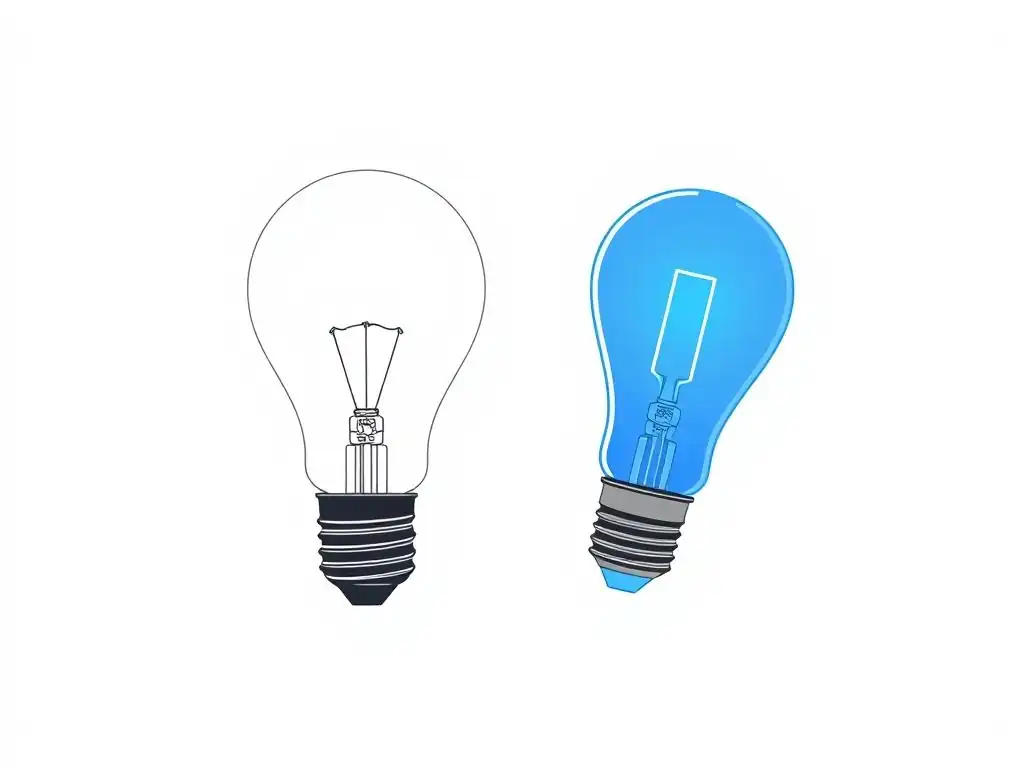
Energy saving hacks often start with simple changes, and upgrading your lighting is one of the most impactful and budget-friendly. Switching from incandescent bulbs to energy-efficient alternatives like LEDs can significantly reduce your electricity bill and your carbon footprint. This section will delve into the specifics of making this switch, focusing on the cost-effectiveness and long-term benefits.
We'll also explore maximizing natural light and automating your lighting system for further energy savings. Remember, even small changes in your lighting choices can contribute significantly to your overall energy saving goals. This is a key element of effective energy saving hacks on a budget.
LED Lighting: The Cost-Effective and Long-lasting Solution
LED (Light Emitting Diode) bulbs are the clear winner in the energy-efficiency race. They consume significantly less energy than incandescent or even CFL (Compact Fluorescent Lamp) bulbs, translating to lower electricity bills. While the initial investment might seem slightly higher, the long lifespan of LEDs more than makes up for it. A typical LED bulb can last 25,000 hours or more, compared to a few thousand hours for incandescent bulbs. This means fewer replacements, saving you money and reducing waste.
Consider the total cost of ownership: the initial purchase price plus the cost of replacements over the bulb's lifespan. You'll find that LEDs quickly become the most economical option. Furthermore, LEDs are available in a wide variety of styles and color temperatures, allowing you to find the perfect fit for any room in your home. This makes implementing these energy saving hacks budget-friendly and aesthetically pleasing.
Natural Light Optimization: Maximizing Sunlight and Reducing Artificial Lighting Needs
Before investing in new bulbs, consider optimizing your use of natural light. Natural light is free and significantly reduces the need for artificial lighting. Simple adjustments can make a big difference. For instance, strategically placing mirrors to reflect sunlight into darker corners of a room can significantly brighten the space, reducing the need for additional lighting. Keeping windows clean is crucial for maximizing natural light penetration.
Dirty windows can block up to 25% of incoming sunlight. Regular cleaning ensures optimal light transmission. Consider using sheer curtains or blinds instead of heavy drapes to allow ample sunlight while maintaining privacy. These seemingly small adjustments contribute to substantial energy savings over time, making these energy saving hacks both budget-friendly and effective.
Smart Lighting Systems: Automating Lighting for Energy Savings
Taking energy saving hacks to the next level involves smart lighting systems. These systems allow you to automate your lighting, ensuring lights are only on when needed. Smart bulbs can be programmed to turn on and off at specific times, or even triggered by motion sensors. Imagine automatically turning off lights in rooms that are unoccupied, or having lights turn on as you enter a room. This level of automation eliminates the need for manual control, preventing lights from being left on unintentionally.
While the upfront cost of a smart lighting system is higher, the long-term energy savings and convenience make it a worthwhile investment for many homeowners. This represents an advanced strategy for budget-conscious energy saving hacks. The initial cost can be offset by the significant reduction in energy consumption over time. Consider it a long-term investment in both energy efficiency and convenience.
Heating and Cooling Optimization: Budget-Friendly Strategies
This section delves into practical, budget-conscious strategies for optimizing your home's heating and cooling systems, significantly impacting your energy consumption and ultimately, your energy bill. We'll explore simple yet effective techniques that require minimal financial investment but yield substantial energy savings. Remember, even small changes can add up to significant reductions in your carbon footprint and monthly expenses, aligning perfectly with our "Energy saving hacks budget tips" focus.
Thermostat Programming: Saving Energy with Smart Scheduling
Smart thermostats are gaining popularity, and for good reason. They offer programmable scheduling, allowing you to automatically adjust temperatures based on your daily routine. For example, you can program the thermostat to lower the temperature by several degrees while you're at work or asleep, and then raise it again before you return home. This simple act can drastically reduce energy waste. While purchasing a smart thermostat represents an upfront cost, the long-term savings often outweigh the initial investment. Consider this: a study by the Department of Energy showed that programmable thermostats can save households an average of 10-12% on heating and 15% on cooling costs. 1 Even without a smart thermostat, manually adjusting your thermostat according to your schedule can provide noticeable savings. Think of it as a "manual smart thermostat"! Remember to utilize the "away" mode if your system offers it, maximizing energy efficiency while you're away from home. This simple adjustment directly contributes to achieving significant "Energy saving hacks budget tips".
Insulation Improvements: Reducing Heat Loss and Gain for Maximum Efficiency
Improving your home's insulation is a crucial step in optimizing heating and cooling efficiency. Proper insulation acts as a barrier, preventing heat from escaping during winter and preventing heat from entering during summer. This translates to reduced strain on your HVAC system and lower energy bills. While professional insulation installation can be costly, there are several budget-friendly options to consider.
For example, sealing air leaks around windows and doors with caulk or weather stripping is a simple yet highly effective method. This can significantly reduce drafts and improve your home's overall energy efficiency. Another inexpensive option is adding insulation to attics and crawl spaces.
This can be done relatively easily by yourself, reducing the need for expensive professional services. Consider the return on investment; improved insulation reduces your energy usage, leading to long-term savings that often exceed the initial cost of materials. This directly addresses the core principles of "Energy saving hacks budget tips".
Window Treatments: Blocking Sunlight and Heat for Energy Savings
Window treatments play a vital role in regulating indoor temperatures and reducing energy consumption. During summer months, sunlight streaming through windows can significantly increase indoor temperatures, forcing your air conditioning system to work harder. Conversely, during winter, heat can escape through windows, increasing heating costs. Investing in energy-efficient window treatments can drastically mitigate these issues.
Heavy curtains or drapes can effectively block sunlight and reduce heat transfer, while blinds or shades can be adjusted to control the amount of sunlight entering your home. Remember to close curtains and blinds during the hottest part of the day in summer and open them during the day in winter to maximize solar heat gain. A simple and inexpensive solution is to use reflective window film, which can significantly reduce heat gain during summer months. This simple upgrade directly contributes to our goal of "Energy saving hacks budget tips".
1 [Specific data source pending]
Water Heating Efficiency: Saving Energy and Money on Hot Water
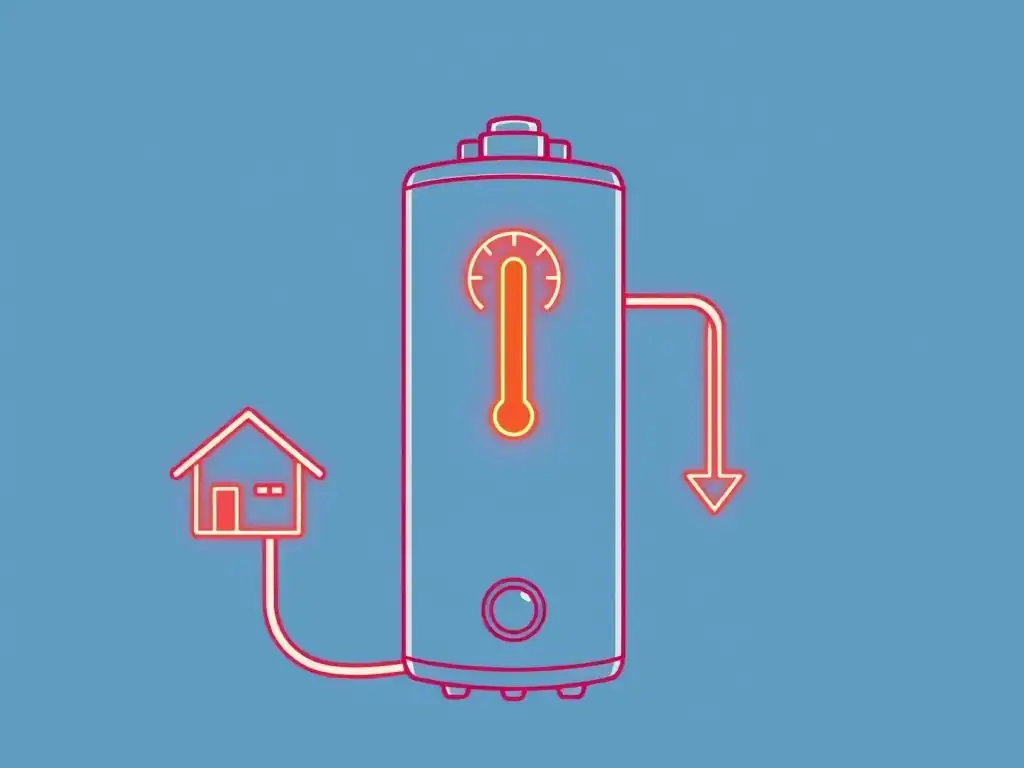
Water heating accounts for a significant portion of household energy consumption. Implementing energy-saving hacks in this area can lead to substantial savings on your utility bills and contribute significantly to your overall energy saving goals. This section focuses on practical strategies to improve water heating efficiency without breaking the bank. We'll explore simple adjustments and inexpensive upgrades that yield impressive results, aligning perfectly with your "energy saving hacks budget tips" search.
Lowering Your Water Heater Temperature: A Simple Yet Effective Hack
Many water heaters are set at a default temperature far higher than necessary. Lowering the thermostat setting by just 10°F (approximately 5.5°C) can reduce your energy consumption by 3-5%, representing considerable savings over time. The ideal temperature for your water heater is 120°F (49°C), hot enough to prevent the growth of harmful bacteria like Legionella, yet cool enough to avoid unnecessary energy waste. Remember, you can always adjust the temperature higher if you find the water too cool for your needs.
This small change is a quick win, offering immediate energy saving benefits with zero cost involved. It's a perfect example of how even minor adjustments can impact your overall energy consumption. This simple hack aligns perfectly with budget-conscious "energy saving hacks budget tips."
Insulating Your Water Heater: Preventing Heat Loss and Saving Energy
Heat loss from your water heater is a major source of wasted energy. Insulating your water heater can significantly reduce this loss, leading to improved efficiency and lower utility bills. While purchasing a new, better-insulated water heater might be a larger investment, adding an inexpensive insulating blanket is a much more budget-friendly solution. These blankets are readily available at most home improvement stores and are designed to fit various water heater sizes.
Simply wrap the blanket around your water heater, securing it according to the manufacturer's instructions. This simple upgrade can reduce standby heat loss by up to 40%, effectively saving energy and money. This is a fantastic example of an effective and affordable energy-saving hack. It's a straightforward method that delivers tangible results, aligning perfectly with the concept of "energy saving hacks budget tips."
Efficient Showering Habits: Saving Water and Energy Simultaneously
Showering consumes both hot water and energy. Adopting efficient showering habits can significantly reduce your water and energy usage. Consider installing a low-flow showerhead, which reduces water usage without sacrificing water pressure. These showerheads are relatively inexpensive and can save gallons of water per shower. Additionally, shorter showers significantly reduce both water and energy consumption.
Aim for showers lasting five minutes or less. Turning off the water while soaping up is another simple yet effective strategy. These simple behavioral changes, coupled with a low-flow showerhead, can significantly cut your hot water usage and contribute to substantial energy savings. These habits are cost-effective additions to your "energy saving hacks budget tips" arsenal, easily implemented and resulting in noticeable savings. This multifaceted approach addresses both water and energy conservation, promoting a more sustainable lifestyle.
Behavioral Changes: Simple Habits for Significant Energy Savings
Behavioral changes represent the cornerstone of effective energy saving, often yielding substantial reductions in energy consumption without significant financial investment. These simple shifts in daily routines can collectively lead to impressive results, contributing significantly to lowering your energy bills and minimizing your carbon footprint. The key lies in consistent application and mindful awareness of your energy usage patterns. This section details practical strategies to implement these changes effectively.
Unplugging Electronics: Minimizing Phantom Energy Consumption
Many electronic devices continue to draw power even when switched off – a phenomenon known as "phantom load" or "standby power." This seemingly insignificant drain adds up considerably over time. A simple yet impactful habit is to unplug chargers, electronic devices, and appliances when not in use. Consider using power strips to easily switch off multiple devices at once. For example, a single power strip can control all devices in your home office, allowing you to easily cut off phantom energy consumption when you leave for the day. Studies have shown that phantom load can account for up to 10% of household electricity consumption 1 . This seemingly small percentage translates to significant savings annually, especially when considering the cumulative effect across numerous devices. Prioritizing unplugging electronics is a key energy saving hack that requires minimal effort but yields considerable long-term benefits. Think about it: unplugging your phone charger when not in use is a simple action with a cumulative positive impact.
Conscious Appliance Usage: Optimizing Run Times and Load Sizes
Optimizing the use of energy-intensive appliances is crucial for maximizing energy savings. Running a dishwasher or washing machine only when fully loaded significantly reduces energy and water consumption per cycle. Similarly, choosing the appropriate wash cycle for your laundry—avoiding excessive heat and lengthy cycles when possible—contributes to energy efficiency. For example, opting for a cold water wash can save a substantial amount of energy compared to hot water cycles. Refrigerators and freezers benefit from regular cleaning and maintenance.
A clean condenser coil improves efficiency, reducing energy needed to maintain the desired temperature. Furthermore, consider the placement of your refrigerator; avoid placing it near heat sources like ovens or direct sunlight to minimize the energy it needs to maintain its temperature. These seemingly minor adjustments can collectively contribute to substantial energy savings over time. Remember, even small changes in appliance usage can impact your overall energy consumption.
Energy-Saving Habits for Every Room: Practical Tips for Everyday Life
Implementing energy-saving habits isn't limited to specific appliances; it extends to everyday practices throughout the house. In the living room, turning off lights when leaving a room seems obvious, yet it's often overlooked. Similarly, utilizing natural light whenever possible reduces the reliance on artificial lighting. In the bedroom, maintaining a comfortable temperature with minimal heating or cooling is crucial.
Consider using energy-efficient light bulbs (LEDs) throughout the entire house. In the kitchen, being mindful of oven usage—choosing lower temperatures and shorter cooking times whenever feasible—contributes to energy savings. Additionally, ensuring proper sealing around windows and doors minimizes energy loss through drafts.
These seemingly small adjustments, applied consistently across every room, collectively contribute to significant energy savings and a more sustainable lifestyle. Think of these habits as small investments that generate substantial long-term returns in the form of lower energy bills and a reduced environmental footprint. The key is consistency and mindful attention to detail in your daily routines.
1 [Specific data on phantom load percentage pending]
DIY Energy Saving Projects: Affordable Upgrades for Your Home
This section explores practical, budget-friendly DIY projects to significantly reduce your energy consumption. These hacks require minimal tools and readily available materials, making them perfect for anyone looking to boost their home's energy efficiency without breaking the bank. We’ll focus on projects that deliver substantial energy savings with a relatively small investment of time and money, aligning perfectly with the "energy saving hacks budget tips" keyword strategy. Remember, even small changes can accumulate into considerable long-term savings.
Weatherstripping and Caulking: Sealing Gaps and Cracks to Reduce Energy Loss
Drafts are a significant source of energy loss in many homes. Simple weatherstripping and caulking can effectively seal gaps and cracks around windows and doors, preventing cold air from entering during winter and hot air from escaping during summer. This translates directly into lower heating and cooling bills. The cost of weatherstripping and caulk is minimal – typically under $20 for a project covering several doors and windows.
Consider these points when undertaking this project:
- Material Selection: Choose high-quality weatherstripping appropriate for your door and window types. Foam, rubber, and felt are common options. For caulking, choose a paintable, exterior-grade caulk suitable for the material of your window frames and walls.
- Preparation is Key: Before you begin, clean the areas where you'll apply weatherstripping and caulk. Remove any loose paint, dirt, or debris for optimal adhesion.
- Application Techniques: Follow the manufacturer's instructions carefully for both weatherstripping and caulking. Ensure a complete and even seal to maximize its effectiveness. A smooth, even bead of caulk will be more effective at sealing gaps.
- Measuring and Cutting: Measure carefully before cutting weatherstripping to ensure a precise fit. Precise cuts will improve the effectiveness of the weatherstripping.
Here's a sample cost breakdown for a small project:
| Material | Quantity | Unit Cost | Total Cost |
|---|---|---|---|
| Weatherstripping | 2 rolls | $5 | $10 |
| Caulk | 1 tube | $10 | $10 |
| Total | $20 |
This simple project can yield significant energy savings, potentially reducing your energy bills by 5-10% depending on the severity of drafts in your home. This is a fantastic return on investment for a minimal time commitment.
Simple Insulation Projects: Affordable DIY Solutions for Better Energy Efficiency
Improving your home's insulation is another effective, budget-friendly energy-saving strategy. While professional insulation installation can be expensive, several DIY options exist, focusing on areas where heat loss is most pronounced.
- Attic Insulation: Adding more insulation to your attic is a high-impact project. Loose-fill insulation is relatively inexpensive and easy to install, requiring minimal tools and expertise. However, always prioritize safety when working in the attic, ensuring adequate ventilation and avoiding any potential hazards.
- Window Insulation Film: Applying window insulation film is a quick and affordable way to reduce drafts and heat loss. This plastic film creates an insulating air layer between the window and the room, reducing energy transfer. It's especially beneficial for older windows lacking efficient seals.
- Basement Insulation: If you have an unfinished basement, adding insulation to the walls and ceiling can dramatically improve your home's overall energy efficiency. Insulating the basement can be more challenging than attic insulation and might require more specialized tools. Always research local building codes before starting this project.
Remember to always check local building codes and regulations before starting any insulation project. Improper insulation can lead to moisture buildup and other problems. Prioritize safety and consult professionals if you have any doubts about your ability to complete the project safely and effectively. Properly installed insulation can reduce your energy bills by 10-20% or more, depending on the extent of the improvements.
Building Your Own Energy-Saving Devices: DIY Solar Oven, Homemade Draft Stopper
Creating your own energy-saving devices is a fun and rewarding way to reduce your energy consumption and save money. Two simple projects are a DIY solar oven and a homemade draft stopper.
- DIY Solar Oven: A solar oven harnesses the power of the sun to cook food, eliminating the need for electricity or gas. While the initial setup requires some effort, the long-term savings in energy costs can be substantial. Many online resources provide detailed instructions and design plans for building a solar oven using readily available materials like cardboard boxes, aluminum foil, and glass. The materials cost is typically under $15.
- Homemade Draft Stopper: A simple draft stopper can be crafted from readily available materials like fabric scraps, rice or beans, and a sturdy outer casing. This inexpensive solution effectively blocks drafts under doors, preventing energy loss and improving comfort. The cost is negligible if you use recycled materials.
These DIY projects not only save energy and money but also promote sustainability and resourcefulness. They are excellent examples of how small, creative solutions can make a significant difference in your home's energy efficiency and your environmental impact. The satisfaction of creating something functional and sustainable yourself is an added bonus.
Government Incentives and Rebates: Funding Your Energy Saving Journey
Embarking on an energy-saving journey doesn't have to break the bank. Many governments offer substantial incentives and rebates designed to encourage energy efficiency upgrades. These programs can significantly reduce the upfront cost of implementing energy-saving hacks, making them accessible to a wider range of budgets. Understanding and utilizing these resources is crucial for maximizing your savings and minimizing your environmental impact. The availability and specifics of these programs vary significantly by location, so thorough research is key.
Finding Local Energy Efficiency Programs: Accessing Rebates and Incentives
Locating available energy efficiency programs often begins with your local utility company. Many utilities offer rebates on energy-efficient appliances, such as high-efficiency HVAC systems, smart thermostats, and LED lighting. These rebates can range from a few dollars to hundreds, depending on the appliance and the program. Beyond utility companies, check your state or local government websites.
Many municipalities and state agencies have dedicated energy efficiency programs with various incentives, including rebates for insulation upgrades, window replacements, and energy audits. Searching online using keywords like "[your state/city] energy rebates" or "[your utility company] energy efficiency programs" will yield valuable results. Don't forget to explore federal programs as well; these often complement local initiatives and can provide additional funding opportunities. Remember to carefully review eligibility requirements and application processes for each program to ensure you qualify for the maximum benefits.
Some programs may have limited funding or deadlines, so acting promptly is advisable. For example, a recent program in California offered significant rebates for solar panel installations, while another in Texas provided funding for home weatherization improvements. These programs are constantly evolving, so regular checks are recommended to stay updated.
Utilizing Tax Credits for Energy Upgrades: Maximizing Your Savings
Federal and state tax credits can provide another avenue for significant savings on energy-efficient upgrades. These credits directly reduce your tax liability, effectively lowering the overall cost of your project. The Energy Efficient Home Improvement Credit, for instance, offers tax credits for qualified expenses related to energy-efficient improvements. These expenses often include the installation of energy-efficient doors, windows, insulation, and HVAC systems.
The credit amount varies depending on the type of upgrade and the total cost, making it crucial to understand the specific requirements and limitations. It's essential to keep meticulous records of all eligible expenses, including receipts and invoices, to claim the credit accurately during tax season. Consult a tax professional for personalized guidance on maximizing your tax benefits.
Careful planning and preparation are essential to ensure you meet all the requirements and claim the full amount of your tax credit. For example, a homeowner investing in new insulation might qualify for a substantial tax credit, further reducing the overall expense. The availability and specifics of tax credits change, so staying updated on current regulations is crucial.
Applying for Energy Audits and Subsidies: Securing Funding for Energy Efficiency Projects
An energy audit provides a comprehensive assessment of your home's energy consumption patterns, identifying areas for improvement and potential energy savings. Many government programs offer subsidies or partial funding for energy audits, making them a cost-effective way to begin your energy-saving journey. These audits often uncover hidden energy leaks and inefficient systems, providing a roadmap for targeted upgrades.
The information gathered from the audit can be invaluable when applying for other rebates and incentives. Some programs even bundle energy audits with subsidized upgrades, offering a complete package of services at a reduced cost. For example, a subsidized energy audit might reveal the need for improved window sealing, qualifying you for additional rebates on window replacement materials.
The process typically involves scheduling an appointment with a qualified energy auditor who will inspect your home and provide a detailed report outlining areas for improvement and estimated cost savings. Securing funding for an energy audit is a crucial first step toward implementing more significant energy-saving projects, making it a worthwhile investment with potentially substantial long-term returns. Remember to compare different auditing services and programs to find the best fit for your needs and budget.
Tracking Your Energy Consumption: Monitoring Progress and Identifying Areas for Improvement
Effective energy saving requires understanding where your energy is being used. Simply implementing hacks without knowing your baseline consumption is like trying to navigate without a map. Tracking your energy use allows you to pinpoint areas for improvement, measure the success of your implemented hacks, and stay motivated. This section outlines practical methods to monitor and analyze your energy usage, paving the way for significant savings.
Using Smart Meters and Energy Monitoring Tools: Understanding Your Energy Usage
Smart meters offer a granular view of your energy consumption, providing real-time data on your usage patterns. Many utilities offer these meters as standard, while others may have upgrade programs. These meters often come with accompanying apps or online portals, allowing you to visualize your energy use hourly, daily, or even weekly. This detailed breakdown helps identify peak usage times and high-consumption appliances. For example, you might discover your electric water heater is responsible for a significant portion of your evening energy bill, prompting you to explore energy-efficient heating options or adjust usage times.
Beyond smart meters, numerous energy monitoring tools are available, ranging from simple plug-in energy monitors to sophisticated whole-home systems. Plug-in monitors measure the energy consumption of individual appliances, enabling you to identify energy guzzlers in your home. Whole-home systems provide a comprehensive overview of your energy usage, often integrating with smart home ecosystems for automated energy management.
Investing in these tools, even budget-friendly options, can significantly improve your understanding of your energy consumption patterns and guide your energy saving strategies. The data provided allows for informed decision-making, ensuring your energy saving efforts are focused where they will have the greatest impact.
Analyzing Your Energy Bills: Identifying Trends and Areas for Improvement
Your energy bills are a treasure trove of information, often overlooked. Analyzing past bills reveals trends in your energy consumption. Look for patterns: Does your energy usage spike during certain months? Are there consistent increases over time? These insights can help pinpoint areas needing attention. For instance, consistently high bills during summer months might indicate inefficient air conditioning, while steadily rising bills could point to a gradual increase in appliance usage.
Carefully examining your bill's breakdown can also reveal specific contributors to high energy consumption. Many utility companies provide a detailed breakdown of your energy use by appliance type or area of the house (if smart meters are used). This allows you to identify energy-intensive appliances or rooms that require attention. For example, you may discover that your old refrigerator is consuming significantly more energy than a modern, energy-efficient model. This analysis informs your budget allocation for energy-efficient upgrades. This data-driven approach ensures that you’re not wasting money on energy-saving measures that won’t provide a substantial return on investment.
Setting Realistic Energy Saving Goals: Tracking Progress and Celebrating Success
Setting achievable energy saving goals is crucial for maintaining motivation and ensuring long-term success. Start by setting a small, attainable goal, such as reducing your energy consumption by 5% in the next month. This prevents feeling overwhelmed and increases the likelihood of achieving your goals. As you make progress, gradually increase your goals to challenge yourself further.
Regularly tracking your progress is essential for staying motivated and identifying areas for improvement. Use the data from your smart meter, energy monitoring tools, and energy bills to monitor your progress. Record your energy consumption each month and compare it to your previous consumption. Celebrating small victories along the way is equally important. Reward yourself for achieving milestones to maintain momentum and stay committed to your energy saving journey. This positive reinforcement helps solidify energy-saving habits and encourages continued efforts. Remember, even small changes can accumulate to significant savings over time. 🎉
Frequently Asked Questions
How can I save energy without breaking the bank?
Many simple changes can significantly reduce energy consumption without a large financial investment. These include switching to LED lighting, unplugging electronics when not in use, and improving insulation. Small steps add up to big savings!
What are some quick energy-saving hacks for my home?
Lower your thermostat a few degrees, wash clothes in cold water, and air dry your clothes instead of using a dryer. These actions provide instant energy savings and require minimal effort.
Are there energy-saving tips for my appliances?
Yes! Choose energy-efficient appliances when replacing old ones, look for the Energy Star label, and run your dishwasher and washing machine only when full.
How can I reduce my energy consumption during peak hours?
Shift energy-intensive tasks like laundry and dishwashing to off-peak hours. This helps lower your overall energy bill and reduces strain on the power grid. Consider using a smart power strip to manage energy usage.
What are some budget-friendly ways to improve home insulation?
Caulk and weatherstrip windows and doors to prevent drafts. Use insulating curtains or blinds to reduce heat loss in winter and heat gain in summer. These inexpensive solutions can make a substantial difference.
Final Reflection: Powering a Sustainable Future, One Hack at a Time
The pursuit of energy efficiency isn't just a trend; it's a necessity for a sustainable future. The escalating costs of energy and the urgent need to combat climate change make mastering energy-saving techniques more critical than ever before. This toolkit, filled with practical hacks for every budget, provides a tangible path towards a greener and more financially secure tomorrow.
The impact of even small changes in energy consumption is profound, both individually and collectively. We've explored simple yet effective strategies, from optimizing appliance usage to harnessing the power of natural light. These aren't mere suggestions; they are actionable steps towards a more responsible lifestyle. The greatest danger to our planet is the belief that someone else will save it.
– Robert Swan. This quote underscores the importance of individual action in the face of a global challenge. We all have a role to play, and even the smallest contribution makes a difference.
Now, consider your own energy consumption habits. What small changes can you implement today? Perhaps it's switching to LED bulbs, unplugging electronics when not in use, or simply being more mindful of your heating and cooling settings. Start small, build momentum, and inspire those around you to join the movement. Let's collectively power a brighter, more sustainable future, one energy-saving hack at a time.
Unlock Your Energy-Saving Potential!
Thank you for exploring our energy-saving resources! We hope you found helpful tips to reduce your energy bills and lessen your environmental impact. Now, let's put that knowledge into practice!
- Start with one significant change: Choose the most impactful action from the article, such as switching to LED lighting or improving your home's insulation, and commit to completing it this week. The savings will be well worth the effort!
- Share your energy-saving secrets: Do you have a favorite energy-saving trick that wasn't covered in the article? Share it in the comments below—let's create a community dedicated to energy efficiency!
- Challenge a friend to an energy-saving competition: See who can implement the most effective energy-saving strategies. Make it fun and share your progress to inspire others.
What's the first step you'll take today to significantly reduce your energy consumption?