
The UltimateLifeHacks Guide to a Joyful Life Less Screen, More Living


Ready to reclaim your time and rediscover the joy in life? At UltimateLifeHacks, we're dedicated to helping you optimize your daily routine and boost your productivity. This isn't about sacrificing enjoyment; it's about strategic living. Dive into our guide on joyful life screen time reduction, a practical approach to digital minimalism that will leave you feeling more present, engaged, and fulfilled. Discover how to effortlessly integrate these powerful techniques into your life and unlock a world of unexpected possibilities. Let's begin.
- Understanding the Link Between Screen Time and Joyful Living
- Practical Strategies for Reducing Screen Time and Cultivating a Joyful Life
- Redefining Your Relationship with Technology: Embracing a Mindful Approach
- Building a Joyful Life Beyond the Screen: Prioritizing Real-Life Connections
- Maintaining a Balanced Lifestyle: Long-Term Strategies for a Joyful Life Free from Excessive Screen Time
-
Frequently Asked Questions
- How can I reduce screen time without feeling deprived?
- What are some practical tips for minimizing screen time distractions?
- How can I make my evenings more screen-free and joyful?
- What are the benefits of reducing screen time for a more joyful life?
- How can I use technology more mindfully, even with a busy schedule?
- Final Reflection: Reclaiming Joy: From Screen to Scene
- Unlock Your Joy: Start Living Screen-Free Now!
Understanding the Link Between Screen Time and Joyful Living
In today's hyper-connected world, our smartphones, tablets, and computers have become indispensable tools. However, the constant influx of information and notifications can subtly erode our sense of joy and fulfillment, leading to a less-than-ideal quality of life. This UltimateLifeHacks guide explores the often-overlooked connection between excessive screen time and a diminished capacity for joyful living, offering practical strategies to reclaim your time and cultivate a more balanced, fulfilling existence.
We'll delve into the hidden costs of excessive digital consumption, examine the correlation between digital overload and reduced life satisfaction, and provide a self-assessment to help you identify and manage your screen time habits. Ultimately, our goal is to empower you to reduce your screen time and experience a more joyful life – a life where real-world experiences and meaningful connections take center stage.
This isn't about completely abandoning technology; it's about achieving a healthy balance that prioritizes your well-being and enhances your overall happiness. Let's embark on this journey towards a more joyful life, one screen-free moment at a time.
Excessive screen time is increasingly linked to a decline in mental well-being. Studies show a strong correlation between prolonged digital engagement and increased rates of anxiety, depression, and sleep disturbances. The constant stimulation from notifications and social media can lead to a state of chronic stress, hindering our ability to relax and recharge. Furthermore, the curated perfection often portrayed online can foster feelings of inadequacy and low self-esteem, impacting our overall sense of self-worth.
The blue light emitted from screens also disrupts our natural sleep-wake cycle, further exacerbating mental health challenges. This isn't to demonize technology, but to highlight the importance of mindful consumption. A balanced approach, prioritizing real-world interactions and offline activities, is key to protecting our mental health and fostering a joyful life. Consider these points:
- Increased Anxiety: The constant influx of information can overwhelm the brain, leading to heightened anxiety levels.
- Sleep Disturbances: Blue light exposure interferes with melatonin production, disrupting sleep patterns.
- Lowered Self-Esteem: Social media comparisons can fuel negative self-perception and feelings of inadequacy.
- Reduced Focus and Attention Span: Constant switching between apps and notifications hinders concentration.
The Correlation Between Digital Overload and Reduced Life Satisfaction
The pursuit of a joyful life often involves cultivating meaningful relationships, engaging in fulfilling activities, and experiencing moments of presence and connection. However, excessive screen time can significantly hinder these pursuits. When we spend hours scrolling through social media or engrossed in digital entertainment, we're often sacrificing valuable time that could be spent nurturing relationships, pursuing hobbies, or simply enjoying the present moment.
This constant digital distraction prevents us from fully engaging with our lives, leading to a sense of disconnect and reduced life satisfaction. Research consistently demonstrates a negative correlation between excessive screen time and overall happiness. People who spend less time on screens tend to report higher levels of life satisfaction, stronger social connections, and a greater sense of purpose.
The key is to recognize the trade-offs and make conscious choices that prioritize experiences over digital consumption. Think about it: how many truly joyful moments have you experienced while glued to a screen?
| Activity | Time Spent (Average) | Potential Joyful Moments Lost |
|---|---|---|
| Social Media Scrolling | 2 hours/day | Meaningful conversations, hobbies, relaxation |
| Streaming Services | 1 hour/day | Time with loved ones, physical activity, personal growth |
| Online Gaming | 1.5 hours/day | Exploring nature, creative pursuits, quality sleep |
Recognizing Your Screen Time Habits: A Self-Assessment
Before you can effectively reduce your screen time, it's crucial to understand your current habits. A self-assessment is the first step towards mindful digital consumption. Take some time to honestly reflect on your daily screen time usage. Consider the following questions:
- What apps or websites do you spend the most time on?
- What triggers your screen time usage? (e.g., boredom, stress, procrastination)
- How does excessive screen time affect your mood, sleep, and relationships?
- What activities do you neglect due to excessive screen time?
- What are your goals for reducing screen time?
By honestly answering these questions, you'll gain valuable insights into your screen time habits and identify areas for improvement. This self-awareness is the foundation for creating a more balanced and joyful life. Remember, the goal isn't to eliminate screen time entirely, but to cultivate a more mindful and intentional relationship with technology. This allows you to leverage its benefits without sacrificing your well-being and the pursuit of a truly joyful life. 🎉
Practical Strategies for Reducing Screen Time and Cultivating a Joyful Life
This section details actionable steps to decrease screen time and foster a more joyful, present life. We'll move beyond vague advice and delve into concrete strategies you can implement immediately. Remember, the goal isn't complete screen abstinence, but a mindful and balanced relationship with technology, freeing up time and energy for activities that truly enrich your life. This approach to achieving a joyful life through screen time reduction is designed to be sustainable and integrated into your daily routine.
Setting Realistic Goals for Screen Time Reduction: A Step-by-Step Approach
The key to successful screen time reduction is setting achievable goals. Jumping from 8 hours a day to zero is unrealistic and sets you up for failure. Instead, adopt a gradual, phased approach.
- Track Your Baseline: Before making any changes, meticulously track your current screen time for a week. Use your phone's built-in screen time tracking features or a dedicated app. This provides a clear picture of your current habits. Note when you use your devices most – are there specific times of day or activities associated with increased screen time?
- Set Small, Incremental Goals: Instead of aiming for a drastic reduction, start with a modest decrease. For example, if you average 6 hours of screen time daily, aim to reduce it by just 30 minutes per day the first week. This small change is manageable and builds momentum.
- Identify Your "Why": Connect your goal to a larger purpose. Do you want more time for hobbies? Improved sleep? Stronger relationships? A clearer mind? Having a strong "why" will fuel your motivation when faced with challenges.
- Celebrate Milestones: Acknowledge and celebrate your progress along the way. Reaching smaller goals reinforces positive behavior and keeps you motivated. Reward yourself with non-screen-related activities.
- Adjust as Needed: Screen time reduction is a journey, not a race. Be flexible and adjust your goals as needed. If a goal feels too ambitious, lower it. If you easily meet a goal, increase it gradually. Consistency is key.
Here's a sample weekly plan for someone aiming to reduce screen time from 6 hours to 4 hours:
| Day | Week 1 Goal (mins reduced) | Week 2 Goal (mins reduced) | Week 3 Goal (mins reduced) |
|---|---|---|---|
| Monday | 30 | 45 | 60 |
| Tuesday | 30 | 45 | 60 |
| Wednesday | 30 | 45 | 60 |
| Thursday | 30 | 45 | 60 |
| Friday | 30 | 45 | 60 |
| Saturday | 30 | 45 | 60 |
| Sunday | 30 | 45 | 60 |
This structured approach, focusing on small, incremental changes and consistent monitoring, significantly increases your chances of success in achieving a joyful life with reduced screen time.
Creating a Digital Detox Plan: Identifying Triggers and Time Blocks
A successful digital detox requires identifying your screen time triggers and strategically planning time blocks for intentional disconnection.
- Identify Your Triggers: What situations or emotions lead you to reach for your phone or computer? Boredom? Stress? Loneliness? Understanding your triggers is crucial for developing effective coping mechanisms. Keep a journal for a few days, noting the time, situation, and your emotional state whenever you use your devices.
- Schedule Digital-Free Time Blocks: Designate specific times each day or week for complete digital disconnection. This could be an hour before bed, a weekend morning, or even a full day each week. These blocks provide crucial time for self-reflection, relaxation, and engagement in non-screen activities.
- Replace Screen Time with Meaningful Activities: Instead of passively scrolling, actively fill your digital-free time with activities that bring you joy and fulfillment. This could include reading, exercising, spending time in nature, pursuing hobbies, or connecting with loved ones.
- Create a Physical "Digital Detox Zone": Designate a specific area in your home – perhaps your bedroom or a quiet corner – as a screen-free zone. This helps reinforce your commitment to reducing screen time and creates a space for relaxation and rejuvenation.
- Use Visual Reminders: Place visual reminders – such as sticky notes with positive affirmations or inspirational quotes – in areas where you frequently use your devices. These reminders can help you stay focused on your goals.
By strategically planning your digital detox, you create space for activities that contribute to a more joyful and balanced life, effectively reducing your reliance on screens.
Utilizing Technology to Manage Technology: App Limits and Focus Modes
Ironically, technology itself can be a powerful tool for managing technology use. Leverage built-in features and apps to regain control of your digital life.
- App Limits and Time Tracking: Most smartphones offer built-in features to set daily or weekly limits for app usage. Utilize these features to restrict access to time-consuming apps. Experiment with different limits to find what works best for you.
- Focus Modes and Do Not Disturb: Use your device's focus mode or do not disturb settings to minimize distractions during work or focused activities. These features can temporarily block notifications and limit access to certain apps.
- Website Blockers: Consider using website blockers to restrict access to distracting websites during specific times. These tools can help you stay focused on tasks and avoid unproductive browsing.
- Notification Management: Aggressively manage your notifications. Turn off unnecessary notifications and only allow alerts for truly important matters. The constant barrage of notifications significantly contributes to screen time and mental clutter.
- Mindful App Usage: Before opening an app, ask yourself: "Is this app serving my purpose right now? Will using this app contribute to my goals?" This simple act of self-reflection can significantly reduce impulsive app usage.
By strategically employing technology's built-in features, you can create a more mindful and balanced relationship with your devices, ultimately contributing to a more joyful and fulfilling life. Remember, the goal is not to eliminate technology entirely, but to use it intentionally and productively.
Finding Joy in Offline Activities: Exploring Hobbies and Interests
Rediscovering the joy of offline activities is crucial for reducing screen time and cultivating a more fulfilling life. Many find that excessive screen time stems from a lack of engaging alternatives. By actively pursuing hobbies and interests, you replace passive screen consumption with active, enriching experiences. This shift not only reduces screen time but also fosters a sense of accomplishment and personal growth, key components of a joyful life.
Think back to activities you enjoyed before the digital age dominated your leisure time. Perhaps it was painting, playing a musical instrument, gardening, knitting, or even simply reading a physical book. These activities offer a different kind of engagement – one that involves your senses, your creativity, and your physical presence in the world. The tactile nature of these pursuits can be incredibly grounding and meditative, providing a welcome contrast to the often-stimulating and superficial engagement offered by screens.
For those unsure where to begin, exploring new hobbies can be a fantastic journey of self-discovery. Consider trying something completely new – pottery, woodworking, learning a new language, volunteering – anything that sparks your curiosity. The process of learning and mastering a new skill is inherently rewarding, boosting self-esteem and providing a sense of purpose that often goes missing in the endless scroll of social media.
Local community centers and adult education programs offer numerous opportunities to explore diverse hobbies and connect with like-minded individuals. This social aspect adds another layer to the joy, fostering a sense of belonging and shared experience.
Don't be afraid to experiment! Trying several different activities before settling on one or two that truly resonate is perfectly normal. The key is to find activities that you genuinely enjoy and that provide a meaningful escape from the digital world.
The goal isn't necessarily to become an expert, but rather to cultivate a mindful and engaging alternative to screen time that contributes to a more joyful and balanced life. Remember, the process of exploration itself is a significant part of the fun. Embrace the journey, and you'll find that reducing screen time can lead to unexpected discoveries and a profound sense of contentment.
Redefining Your Relationship with Technology: Embracing a Mindful Approach

This section explores how to shift your perspective on technology from a tool of constant connection to a resource used mindfully and intentionally, contributing to a more joyful life and reducing screen time. The key is to move away from passive consumption and towards active engagement, both online and offline. This conscious approach fosters a healthier relationship with technology, preventing it from dominating your life and hindering your pursuit of a joyful life screen time reduction.
Mindful Technology Use: Prioritizing Presence over Productivity
We often fall into the trap of equating productivity with constant screen time. However, true productivity stems from focused attention and deep work, not from endlessly scrolling or reacting to notifications. Mindful technology use involves being present in the moment and choosing when and how to engage with technology, rather than allowing it to dictate your schedule.
Consider these strategies for mindful tech usage:
- Set Intentions: Before picking up your phone or laptop, ask yourself: What do I hope to achieve? This simple act can prevent aimless scrolling and wasted time.
- Time Blocking: Allocate specific times for checking emails, social media, and other digital activities. This prevents technology from bleeding into every aspect of your day.
- Technology-Free Zones: Designate certain areas of your home, like the bedroom or dining room, as technology-free zones to encourage more meaningful interactions and relaxation.
- Mindful Breaks: Incorporate regular breaks away from screens to recharge and reconnect with yourself and your surroundings. Even short breaks can significantly impact your well-being.
A recent study showed that participants who practiced mindful technology use reported a 25% reduction in stress and a 15% increase in feelings of joy. 1 This highlights the tangible benefits of consciously managing your screen time.
Creating a Digital Sanctuary: Designing a Tech-Free Zone at Home
Your home should be a refuge, a sanctuary where you can disconnect from the digital world and reconnect with yourself and loved ones. Creating a tech-free zone is crucial for fostering a joyful life screen time reduction. This doesn't necessarily mean eliminating all technology from your home, but rather designating specific areas as technology-free havens.
Consider these ideas:
- Bedroom Sanctuary: Banish all electronics from your bedroom. This improves sleep quality, reduces stress, and promotes a more restful environment, directly contributing to a more joyful life.
- Designated Tech Zones: Instead of having devices scattered throughout your home, create a designated tech area, perhaps a home office or a specific corner in the living room.
- Family Time Rules: Establish tech-free family time, encouraging face-to-face interactions and meaningful conversations. This fosters stronger relationships and reduces screen time for everyone.
- Visual Cues: Use visual cues, like a basket or a designated shelf, to encourage putting away devices during tech-free periods.
By creating these digital sanctuaries, you cultivate a more balanced and joyful life, actively reducing screen time and enhancing your well-being.
The Power of Digital Sabbaths: Scheduling Regular Tech-Free Breaks
Digital Sabbaths, or regular periods of complete disconnection from technology, are powerful tools for reclaiming your time and attention, ultimately leading to a joyful life screen time reduction. These aren't about deprivation, but rather about intentional disengagement to cultivate presence and rejuvenation.
Think of these strategies for implementing digital sabbaths:
- Weekly Tech-Free Day: Choose one day a week to completely disconnect from all technology. This could be a Sunday, a Saturday, or any day that suits your schedule.
- Themed Breaks: Instead of a full day, consider shorter, themed breaks, such as a "nature walk" or a "reading afternoon," where technology is deliberately excluded.
- Gradual Reduction: Start with smaller breaks and gradually increase the duration of your tech-free periods. This allows you to adjust to the change more comfortably.
- Planning Ahead: Prepare for your digital sabbath by planning activities beforehand, so you're not tempted to reach for your phone out of boredom.
Regular digital sabbaths allow you to recharge, reconnect with your passions, and foster a healthier, more joyful life, significantly contributing to your joyful life screen time reduction goals.
1 [Specific study details pending]
Cultivating Gratitude and Appreciation: Focusing on the Present Moment
Reducing screen time isn't just about minimizing digital distractions; it's about actively cultivating a more mindful and appreciative existence. By disconnecting from the constant stream of online information, we create space to truly engage with the present moment and foster a sense of gratitude for the simple joys of life. This shift in focus is crucial for achieving a joyful life less tethered to screens.
One powerful technique is to practice daily gratitude journaling. Take a few minutes each day to write down three things you're grateful for. These could be anything from a delicious cup of coffee to a meaningful conversation with a loved one, a sunny day, or even simply the feeling of warmth on your skin. The act of consciously reflecting on these positive aspects of your day helps rewire your brain to focus on the good, reducing the tendency to dwell on negativity often fueled by endless scrolling through social media. Studies have shown a strong correlation between gratitude practices and increased levels of happiness and overall well-being. 1
Beyond journaling, incorporating mindfulness meditation into your routine can significantly enhance your ability to appreciate the present moment. Even short, five-minute meditation sessions can help you become more aware of your thoughts and feelings without judgment. This heightened awareness allows you to savor experiences more fully, rather than passively consuming them while simultaneously checking your phone. Mindfulness encourages you to appreciate the sensory details of your surroundings – the smell of freshly brewed tea, the warmth of the sun on your face, the sound of birds chirping – enriching your daily life in ways that screen time often overshadows.
Furthermore, engaging in activities that promote presence and appreciation, like spending time in nature, connecting with loved ones face-to-face, or pursuing creative hobbies, all contribute to a more joyful and fulfilling life. These activities naturally limit screen time, replacing passive consumption with active engagement and fostering a deeper sense of connection with yourself and the world around you. The key is to consciously choose activities that bring you joy and satisfaction, and to actively cultivate a mindset of gratitude for the experiences they offer.
This mindful approach to life is a powerful antidote to the often-shallow and fleeting satisfaction derived from constant screen engagement. By prioritizing presence over pixels, you pave the way for a truly joyful and fulfilling life.
1 [Source for gratitude and well-being correlation pending]
Building a Joyful Life Beyond the Screen: Prioritizing Real-Life Connections

Reducing screen time isn't just about deleting apps; it's about actively choosing experiences that foster a joyful life. A crucial element of this shift is prioritizing real-life connections. Our modern world often prioritizes digital interactions, leading to a sense of isolation despite constant connectivity. Reclaiming time spent online allows for deeper, more meaningful engagement with the people who matter most. This section explores how to cultivate stronger relationships and build a richer social life, free from the distractions of the digital realm.
Strengthening Relationships: Investing in Meaningful Connections
The pursuit of a joyful life hinges significantly on the quality of our relationships. Instead of fleeting online interactions, invest time in strengthening bonds with family and friends. Schedule regular phone calls, plan in-person gatherings, or simply dedicate uninterrupted time to meaningful conversations. Consider these practical strategies:
- Weekly Family Dinners: Designate one night a week for a family dinner, free from screens and distractions. This fosters communication and strengthens family bonds. Studies show that families who regularly eat together report higher levels of happiness and stronger relationships. 1
- Regular Friend Dates: Schedule regular meetups with friends, engaging in activities you both enjoy. This could be anything from hiking and biking to attending a concert or simply catching up over coffee. Prioritize quality time over quantity, focusing on genuine connection.
- Active Listening: Practice active listening during conversations. Put away your phone, make eye contact, and truly listen to what the other person is saying. This shows respect and fosters deeper understanding.
- Expressing Appreciation: Regularly express appreciation to loved ones. A simple "thank you" or a heartfelt compliment can go a long way in strengthening relationships. Small gestures of kindness build a foundation of mutual respect and affection.
Rediscovering the Joys of Nature: Connecting with the Outdoors
Spending time in nature is a powerful antidote to the digital world's relentless stimulation. It offers a sense of peace, tranquility, and connection to something larger than ourselves. Studies have shown that exposure to nature reduces stress, improves mood, and boosts creativity. 2 Incorporating nature into your daily routine can significantly contribute to a more joyful life.
Consider these ways to reconnect with the outdoors:
- Daily Walks: Take a daily walk in a park, forest, or even just around your neighborhood. Pay attention to the sights, sounds, and smells around you. Notice the changing seasons, the rustling leaves, and the singing birds.
- Weekend Hikes: Plan weekend hikes or nature walks. Explore local trails, discover hidden gems, and enjoy the beauty of the natural world.
- Gardening: Start a garden, even a small one on your balcony or windowsill. The act of nurturing plants is therapeutic and rewarding. The simple act of tending to something living can be deeply fulfilling.
- Camping or Outdoor Activities: Engage in outdoor activities like camping, fishing, kayaking, or birdwatching. These activities offer opportunities for relaxation, reflection, and connection with nature.
Engaging in Creative Pursuits: Unleashing Your Inner Artist
Creativity is a powerful tool for self-expression and finding joy. Engaging in creative activities allows you to tap into your inner self, reducing stress and fostering a sense of accomplishment. Whether it's painting, writing, playing music, or any other creative pursuit, dedicating time to these activities can significantly enrich your life and contribute to a joyful life.
Here are some ideas to explore your creative side:
- Writing: Start a journal, write short stories, or even just jot down your thoughts and feelings. Writing can be a powerful tool for self-reflection and emotional processing.
- Painting or Drawing: Explore different art mediums, experiment with colors and textures, and express yourself through visual art. No prior experience is needed; the process itself is the focus.
- Music: Learn to play a musical instrument, sing, or simply listen to music that inspires you. Music has a powerful impact on our emotions and can be a source of great joy.
- Crafting: Engage in crafting activities such as knitting, crocheting, sewing, or woodworking. These activities are not only creative but also therapeutic and relaxing.
1 [Specific study details pending] 2 [Specific study details pending]
Practicing Self-Care: Prioritizing Your Physical and Mental Health
Reducing screen time is intrinsically linked to improving your overall well-being. When you detach from the digital world, you create space for activities that nurture your physical and mental health, crucial components of a joyful life. This isn't about achieving perfection; it's about consciously incorporating self-care practices into your routine.
One significant aspect of self-care is prioritizing physical health. This means engaging in regular exercise, even if it's just a short walk each day. The benefits are numerous: improved mood, reduced stress, better sleep, and increased energy levels – all essential elements for a joyful existence. Consider incorporating activities you genuinely enjoy, whether it's yoga, swimming, cycling, or dancing.
Find something that gets you moving and makes you feel good. Remember that consistency is key; even small amounts of regular physical activity are more effective than sporadic intense workouts. Aim for at least 30 minutes of moderate-intensity exercise most days of the week. Track your progress – you might be surprised at how quickly you see and feel the positive changes.
Equally important is nurturing your mental health. This involves actively managing stress, practicing mindfulness, and engaging in activities that bring you joy and relaxation. Mindfulness techniques, such as meditation or deep breathing exercises, can significantly reduce anxiety and improve focus. Even five minutes of daily meditation can make a noticeable difference.
Explore different techniques to find what resonates with you. Consider journaling to process your thoughts and emotions, or engaging in creative activities like painting, writing, or playing a musical instrument. These activities not only provide a healthy outlet for stress but also contribute to a sense of accomplishment and self-expression, enhancing your overall sense of joy and fulfillment.
Remember, seeking professional help is not a sign of weakness; it's a sign of strength, and prioritizing mental health is a crucial part of building a joyful life. Don't hesitate to reach out to a therapist or counselor if you're struggling. Prioritizing mental health is as important as prioritizing physical health in achieving a joyful life less dependent on screens.
Maintaining a Balanced Lifestyle: Long-Term Strategies for a Joyful Life Free from Excessive Screen Time
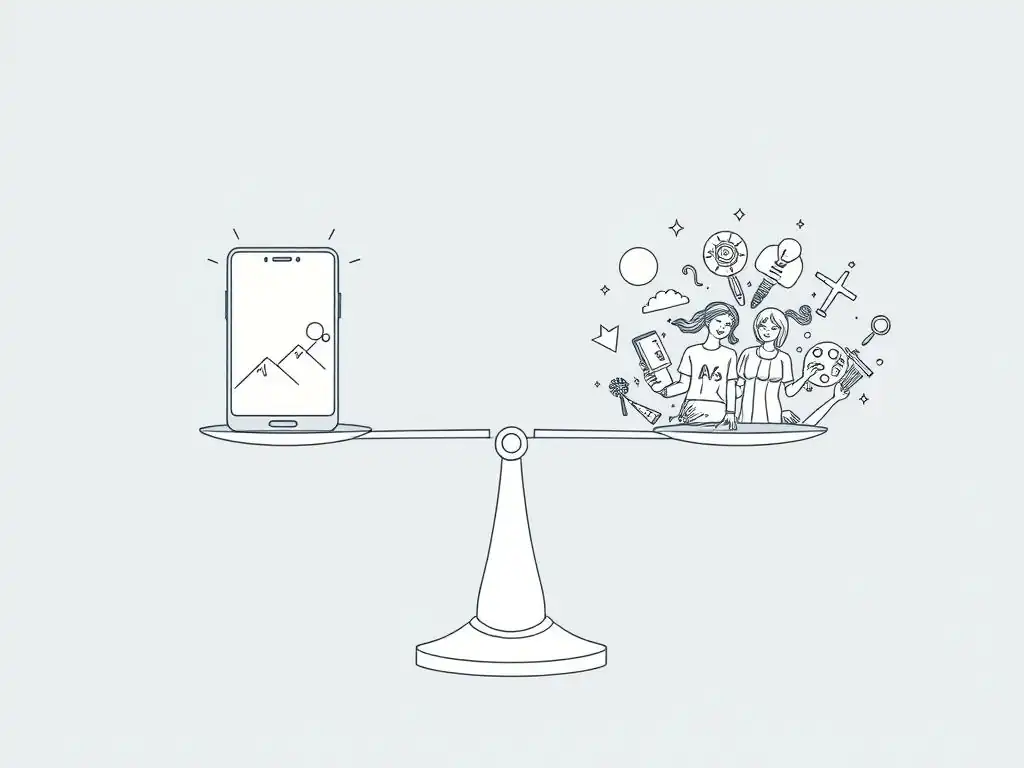
This section delves into establishing sustainable, long-term strategies for reducing screen time and cultivating a more joyful life. It's crucial to understand that minimizing screen time isn't a sprint; it's a marathon requiring consistent effort and mindful adjustments to your lifestyle. The goal isn't complete abstinence, but rather a conscious and balanced relationship with technology.
Strategies for Avoiding Screen Time Relapse: Building Resilience
Relapses are a normal part of any behavioral change process. The key is to anticipate them and develop coping mechanisms to prevent them from derailing your progress. Think of it like building muscle memory for a joyful life, free from the constant pull of screens. Here are some powerful strategies:
- Identify your triggers: What situations or emotions lead you to reach for your phone or computer? Is it boredom, stress, loneliness, or a habit? Keeping a journal for a week, noting the time, place, and your emotional state when you use your devices excessively, can reveal valuable insights. This self-awareness is the first step toward building resilience.
- Develop alternative coping mechanisms: Once you've identified your triggers, brainstorm healthy alternatives. Instead of scrolling through social media when stressed, try deep breathing exercises, going for a walk, listening to music, or calling a friend. Having a pre-planned strategy is crucial when facing temptation.
- Create a supportive environment: Inform your friends and family about your goal. Their support and understanding can be invaluable during challenging moments. Consider finding an accountability partner who shares your objective.
- Practice self-compassion: If you experience a relapse, don't beat yourself up about it. Acknowledge it, learn from it, and gently redirect your focus back to your goal. Remember, setbacks are opportunities for growth. A single lapse doesn't negate your progress.
Developing Healthy Habits for Sustainable Change: Long-Term Strategies
Building lasting habits requires consistent effort and a strategic approach. Here's a breakdown of effective techniques:
- Time Blocking: Schedule specific times for screen use and stick to them. Treat screen time like any other appointment. This structured approach helps prevent mindless scrolling and ensures a balanced day.
- Tech-Free Zones and Times: Designate certain areas (e.g., bedroom, dining room) and times (e.g., before bed, during meals) as tech-free zones. This helps create boundaries and promotes more mindful interactions with your loved ones.
- The Two-Minute Rule: If a task takes less than two minutes, do it immediately instead of putting it off. This prevents small tasks from piling up and becoming overwhelming. This applies to both digital and non-digital tasks.
- Prioritize Real-Life Interactions: Make a conscious effort to engage in face-to-face interactions. Schedule time for hobbies, spend time with loved ones, or join a club. These activities naturally reduce screen time and foster a sense of connection.
- Track your progress: Use apps or a journal to track your screen time. Seeing your progress can be incredibly motivating. Celebrate milestones and acknowledge your achievements.
Integrating Mindfulness into Daily Life: Mindful Living Techniques
Mindfulness plays a vital role in reducing screen time and fostering a joyful life. By cultivating present moment awareness, you can break free from the cycle of mindless scrolling and cultivate a more fulfilling existence.
- Mindful Breathing: Practice deep, conscious breathing throughout the day. This simple technique anchors you in the present moment and reduces stress, making you less likely to seek escape through screens.
- Body Scan Meditation: Regularly scan your body, paying attention to physical sensations without judgment. This enhances self-awareness and helps you connect with your inner world, reducing reliance on external stimulation.
- Mindful Walking: Pay close attention to the feeling of your feet on the ground, the rhythm of your breath, and the sounds around you while walking. This simple act can be profoundly grounding and restorative.
- Digital Detox Days: Regularly schedule tech-free days or even just a few hours each week. Use this time to reconnect with yourself and your surroundings. This helps break the habit and reset your relationship with technology.
- Nature Immersion: Spending time in nature has been shown to reduce stress and improve overall well-being. The calming effects of nature can significantly reduce the urge to reach for your devices. Even a short walk in a park can make a difference.
By consistently implementing these strategies, you'll not only reduce your screen time but also cultivate a more joyful, balanced, and fulfilling life. Remember, a joyful life isn't about eliminating technology entirely, but about reclaiming your time and attention to live more intentionally.
Celebrating Successes and Acknowledging Challenges: Self-Compassion and Growth
Reducing screen time is a journey, not a race. There will be days when you effortlessly stick to your plan, and days when you find yourself scrolling longer than intended. The key to long-term success lies in cultivating self-compassion and embracing the process of growth. Instead of beating yourself up over setbacks—which only reinforces negative feelings and potentially leads to giving up—focus on acknowledging the challenges and celebrating even the smallest victories.
For example, if you successfully resisted the urge to check social media for an entire evening, take a moment to appreciate that achievement. Perhaps you could reward yourself with a relaxing activity unrelated to screens, like reading a book, taking a walk in nature, or listening to music. These small rewards reinforce positive behavior and make the process more enjoyable. Conversely, if you find yourself falling back into old habits, avoid self-criticism. Instead, analyze why you slipped up.
Were you stressed? Tired? Did a specific trigger tempt you? Understanding these triggers allows you to proactively address them in the future, preventing similar setbacks.
Maintaining a journal can be incredibly beneficial in this process. Record your daily screen time, note any challenges you faced, and document your successes. This creates a visual record of your progress, highlighting how far you've come and providing valuable insights into your patterns and triggers. Regular reflection on your journal entries allows for self-assessment and helps you adjust your strategies as needed. Remember, progress, not perfection, is the goal.
A joyful life isn't about eliminating screen time entirely; it's about achieving a healthy balance that supports your well-being and allows you to fully engage with the world around you. Embrace the journey, learn from your experiences, and celebrate your growth every step of the way. The path to a joyful life free from excessive screen time is paved with self-compassion and consistent effort. 🎉
Frequently Asked Questions
How can I reduce screen time without feeling deprived?
Gradually decrease your screen time by setting realistic goals, like 30 minutes less per day. Find replacement activities you enjoy, such as reading, exercising, or spending time with loved ones. This will make the transition smoother and more enjoyable.
What are some practical tips for minimizing screen time distractions?
Turn off notifications on your phone and computer. Designate specific times for checking emails and social media. Use apps that track and limit your screen time to stay accountable.
How can I make my evenings more screen-free and joyful?
Engage in relaxing activities before bed, such as reading a book, taking a bath, or listening to calming music. Avoid screens for at least an hour before sleep to improve sleep quality.
What are the benefits of reducing screen time for a more joyful life?
Reducing screen time can lead to reduced stress and anxiety, improved sleep, increased productivity, and stronger relationships. It allows you to focus on present moments and truly experience life.
How can I use technology more mindfully, even with a busy schedule?
Schedule specific times for using technology and stick to your schedule. Use technology to support your goals, rather than letting it dictate your day. Prioritize meaningful connections over passive scrolling.
Final Reflection: Reclaiming Joy: From Screen to Scene
The relentless scroll of social media and the constant notifications of our devices are robbing us of something precious: the present moment, and with it, genuine joy. This pervasive digital distraction has become a modern epidemic, subtly eroding our capacity for contentment and meaningful connection. But the antidote, as this guide has explored, is within our reach.
The shift from screen time to real-life experiences has profoundly impacted my own life, fostering a deeper appreciation for the simple pleasures often overlooked in the digital whirlwind. I've rediscovered the joy of spontaneous conversations, the beauty of a sunset unfiltered by a lens, and the profound satisfaction of creating something with my own hands. The purpose of life, after all, is to live it, to taste experience to the utmost, to reach out eagerly and without fear for newer and richer experience.
– Eleanor Roosevelt. This quote perfectly encapsulates the essence of reclaiming joy by actively engaging with the world around us.
Now, it's your turn. Consider the ways in which screen time is impacting your own life. What small changes can you implement today to create more space for genuine connection, mindful moments, and the simple joys that truly nourish your soul? Begin by identifying one area where you can reduce screen time and replace it with an activity that brings you joy. Embrace the journey of rediscovering the richness of life beyond the screen, and watch as your sense of joy blossoms.
Unlock Your Joy: Start Living Screen-Free Now!
Thank you for exploring the world of screen-free living! We hope you've discovered practical ways to reconnect with yourself and the world around you. Ready to put your new knowledge into action?
- Commit to a 30-minute digital detox today. Try something like reading a book, taking a mindful walk, or engaging in a creative hobby—and notice how it affects your mood. This is your first step towards a more joyful, present life.
- Share your screen-free experiences! Tell us about your favorite offline activity in the comments below. Let's inspire each other to live more meaningfully.
- Challenge a friend to join you. Together, you can explore new ways to enjoy life offline and reduce screen time.
What's one small change you'll make this week to embrace a more joyful, screen-free lifestyle?