
Boost Your Concentration: Powerful Techniques for a Distracted World


Dive into a world of effortless efficiency and unlock your true potential with UltimateLifeHacks! Are you struggling to stay focused in today's hyper-connected world? Discover powerful techniques to dramatically improve your focus and reclaim your productivity. Our expert guide on Digital Minimalism reveals the secrets to conquering distractions and mastering your attention – ready to experience the transformative power of laser-sharp concentration? Let's get started!
- Understanding the Roots of Poor Focus: Why Can't I Concentrate?
-
Powerful Techniques to Improve Focus and Attention Span
- Mindfulness Meditation for Enhanced Concentration
- The Pomodoro Technique: Time Management for Focused Work
- Brain Training Exercises to Sharpen Your Mind
- Utilizing the Power of Active Recall to Boost Memory and Focus
- Creating a Dedicated Workspace Free From Distractions
- Incorporating Regular Breaks and Movement for Improved Focus
- Advanced Strategies to Enhance Your Concentration
- Maintaining Focus in the Digital Age: Combating Digital Distractions
- Sustaining Improved Focus: Long-Term Strategies
-
Frequently Asked Questions
- How can I improve my focus when I'm constantly bombarded with distractions?
- What are some practical techniques to boost my concentration?
- Are there any quick fixes to improve focus immediately?
- How can I improve my focus while working from home?
- What if these techniques don't work for me? Should I seek professional help?
- Final Reflection: Reclaiming Your Focus in a Hyper-Connected World
- Unlock Your Focus: Master Your Mind Today!
Understanding the Roots of Poor Focus: Why Can't I Concentrate?
In today's fast-paced, hyper-connected world, maintaining focus has become a significant challenge for many. The constant barrage of notifications, emails, and social media updates creates a relentless stream of distractions, eroding our ability to concentrate on tasks that demand our attention. This article delves into the core reasons behind poor concentration, exploring both internal and external factors that contribute to a distracted mind.
We'll uncover powerful techniques to reclaim your focus and boost your productivity, equipping you with practical strategies to navigate the digital age and achieve peak concentration. Mastering these techniques is crucial for improving efficiency, reducing stress, and ultimately, enhancing your overall well-being.
This guide offers actionable steps to improve focus, powerful techniques proven to combat distraction, and ultimately, help you achieve a more productive and fulfilling life. Learning to manage distractions is a key component of digital minimalism, a philosophy that encourages intentional consumption of technology to improve focus and well-being.
Identifying Your Distractions: Internal vs. External Interruptions
Understanding the nature of your distractions is the first step towards overcoming them. Distractions fall into two main categories: internal and external.
External interruptions are often easier to identify and address. These include:
- Technological distractions: Notifications from your phone, email alerts, social media updates, and the constant urge to check your messages.
- Environmental distractions: Noise from coworkers, traffic, or construction; cluttered workspaces; uncomfortable temperatures.
- Interruptions from others: Unexpected meetings, phone calls, or conversations.
Internal interruptions, however, are often more subtle and challenging to manage. These include:
- Mind wandering: Your thoughts drifting to unrelated topics, worries, or daydreams.
- Negative self-talk: Self-criticism, doubts, and anxieties that disrupt your concentration.
- Hunger, thirst, or physical discomfort: Basic physiological needs that demand attention.
Successfully managing your focus requires a conscious effort to identify and mitigate both internal and external interruptions. We'll explore specific strategies to tackle each type of distraction later in this article. For example, implementing the Pomodoro Technique can help manage mind-wandering, while creating a dedicated workspace can minimize environmental distractions.
The Impact of Stress and Anxiety on Focus
Stress and anxiety are significant impediments to concentration. When you're stressed or anxious, your brain is flooded with cortisol, a hormone that impairs cognitive function, including attention and focus. This physiological response makes it difficult to concentrate on tasks, leading to decreased productivity and increased frustration.
Studies have shown a strong correlation between chronic stress and decreased cognitive performance. High levels of stress can manifest as:
- Difficulty concentrating: Struggling to focus on tasks, even simple ones.
- Increased forgetfulness: Forgetting appointments, tasks, or important information.
- Impaired decision-making: Making poor choices due to clouded judgment.
- Reduced creativity: Struggling to come up with new ideas or solutions.
Managing stress through techniques like mindfulness meditation, regular exercise, and sufficient sleep is crucial for improving focus and overall cognitive function. We will discuss practical stress-reduction techniques further in the article. Prioritizing self-care is essential for maintaining a sharp mind and resisting the negative effects of stress on your concentration.
Recognizing the Role of Sleep Deprivation in Concentration Issues
Sufficient sleep is paramount for optimal cognitive function. Sleep deprivation directly impacts your ability to concentrate. When you're sleep-deprived, your brain struggles to filter out irrelevant information, leading to increased distractibility and impaired focus. The impact of sleep deprivation on concentration is significant and often underestimated.
The consequences of inadequate sleep include:
- Reduced attention span: Finding it difficult to maintain focus for extended periods.
- Impaired memory: Difficulty remembering information and recalling details.
- Slowed reaction time: Responding more slowly to stimuli and making more errors.
- Increased irritability and mood swings: Experiencing heightened emotional reactivity.
Aiming for 7-9 hours of quality sleep each night is crucial for maintaining optimal cognitive function and improving your ability to concentrate. We will explore practical tips to improve your sleep hygiene later in this article, including creating a relaxing bedtime routine and optimizing your sleep environment. Prioritizing sleep is a powerful yet often overlooked technique to drastically improve your focus and overall well-being. 😴
Nutritional Deficiencies and Their Effect on Cognitive Function
Nutritional deficiencies can significantly impact cognitive function, directly affecting your ability to concentrate and maintain focus. A balanced diet provides the essential building blocks for a healthy brain, and a lack of these nutrients can lead to a cascade of negative effects. For instance, deficiencies in iron, a crucial component of hemoglobin which carries oxygen to the brain, can cause iron-deficiency anemia.
This condition can lead to fatigue, brain fog, and difficulty concentrating, making it harder to sustain focus on tasks. Symptoms often include feeling mentally sluggish, experiencing memory problems, and struggling with simple decision-making processes – all detrimental to maintaining concentration.
Beyond iron, deficiencies in other vital nutrients like vitamin B12, crucial for nerve function and the production of neurotransmitters, can also significantly impair cognitive abilities. A lack of B12 can manifest as fatigue, memory loss, and difficulties with concentration and attention. Similarly, deficiencies in omega-3 fatty acids, essential for brain structure and function, have been linked to poorer cognitive performance, including reduced attention span and impaired executive function, both crucial for sustained focus.
Studies have shown a correlation between low omega-3 levels and increased risk of cognitive decline and difficulties with concentration. These deficiencies can manifest subtly, making it crucial to be aware of the symptoms and address them through dietary changes or supplementation under the guidance of a healthcare professional.
The impact of these deficiencies isn't just about feeling tired; it's about a demonstrable reduction in cognitive capacity. Consider a real-world example: a student struggling to focus during exams might find their performance hampered by an undiagnosed iron deficiency.
Similarly, a professional consistently missing deadlines or struggling to complete tasks might benefit from assessing their nutritional intake for potential deficiencies in B12 or omega-3s. Addressing these deficiencies through a balanced diet rich in iron-rich foods (like spinach and lentils), B12-rich foods (like meat and eggs), and omega-3-rich foods (like salmon and flaxseeds) can be a powerful, yet often overlooked, strategy to improve focus and concentration.
Remember, consulting a doctor or registered dietitian is crucial before making significant changes to your diet, especially if you suspect a nutritional deficiency. They can help you determine if supplementation is necessary and design a personalized plan to meet your individual nutritional needs and improve your cognitive function.
Powerful Techniques to Improve Focus and Attention Span
This section delves into practical, evidence-based techniques to significantly improve your focus and attention span in today's distracting digital world. We'll explore methods proven to enhance concentration, enabling you to achieve peak productivity and mental clarity. The techniques outlined below are designed to be easily integrated into your daily routine, offering tangible results with consistent practice. Remember, improving focus is a journey, not a destination; consistent effort yields the most significant improvements.
Mindfulness Meditation for Enhanced Concentration
Mindfulness meditation is a powerful tool for improving focus and attention. By training your mind to stay present, you reduce mental clutter and enhance your ability to concentrate on the task at hand. Studies have shown a direct correlation between regular mindfulness practice and improved attention span. 1
Practicing even 10-15 minutes of daily mindfulness meditation can yield noticeable improvements in your ability to resist distractions. The key is to focus on your breath, noticing sensations without judgment. When your mind wanders (and it will! ), gently redirect your attention back to your breath.
Here's a simple guided meditation technique:
- Find a quiet space where you can sit or lie down comfortably.
- Close your eyes and bring your attention to your breath. Notice the sensation of the air entering and leaving your nostrils.
- As you focus on your breath, thoughts will inevitably arise. Acknowledge them without judgment, and gently guide your attention back to your breath.
- Continue this process for 10-15 minutes.
Regular practice strengthens your ability to stay present and focused, making it easier to resist distractions throughout your day. You'll find that you're less likely to get sidetracked by notifications or irrelevant thoughts, leading to increased productivity and a greater sense of calm. This translates directly into improved ability to improve focus powerful techniques.
The Pomodoro Technique: Time Management for Focused Work
The Pomodoro Technique is a time management method that breaks down work into intervals, separated by short breaks. This structured approach leverages our natural tendency to focus intensely for short bursts before needing a rest. This structured approach is particularly effective for tackling challenging tasks that require sustained concentration.
The technique typically involves working in 25-minute intervals (pomodoros), followed by a 5-minute break. After four pomodoros, a longer break of 15-20 minutes is recommended. This cyclical approach combats mental fatigue and maintains sustained focus throughout the workday.
| Pomodoro Number | Work Time (minutes) | Break Time (minutes) |
|---|---|---|
| 1 | 25 | 5 |
| 2 | 25 | 5 |
| 3 | 25 | 5 |
| 4 | 25 | 15-20 |
Using a timer is crucial for successful implementation. Many apps and online timers are available, specifically designed for the Pomodoro Technique. The key is to fully commit to the work during the pomodoro and to completely disconnect during the breaks. This structured approach helps to improve focus powerful techniques by preventing burnout and maintaining consistent concentration.
Brain Training Exercises to Sharpen Your Mind
Engaging in brain training exercises can significantly enhance cognitive function, including focus and attention. These exercises challenge your brain, strengthening neural pathways responsible for concentration and cognitive flexibility. There are numerous brain training apps and websites available, offering a range of exercises designed to improve various cognitive skills.
Some effective brain training exercises include:
- Working memory tasks: These exercises involve remembering and manipulating information, like remembering sequences of numbers or images.
- Attention training: These exercises focus on maintaining attention and resisting distractions, often involving visual search tasks or selective attention games.
- Cognitive flexibility exercises: These exercises challenge your ability to switch between tasks and adapt to changing demands, often involving tasks that require shifting attention between different stimuli.
Regular engagement with brain training exercises can lead to noticeable improvements in your ability to focus, concentrate, and resist distractions. The key is to choose exercises you find engaging and to practice consistently. By consistently challenging your brain, you’re effectively strengthening the neural pathways related to focus, contributing to a more focused and attentive you, and providing you with more improve focus powerful techniques.
1 [Specific study details pending]
Utilizing the Power of Active Recall to Boost Memory and Focus
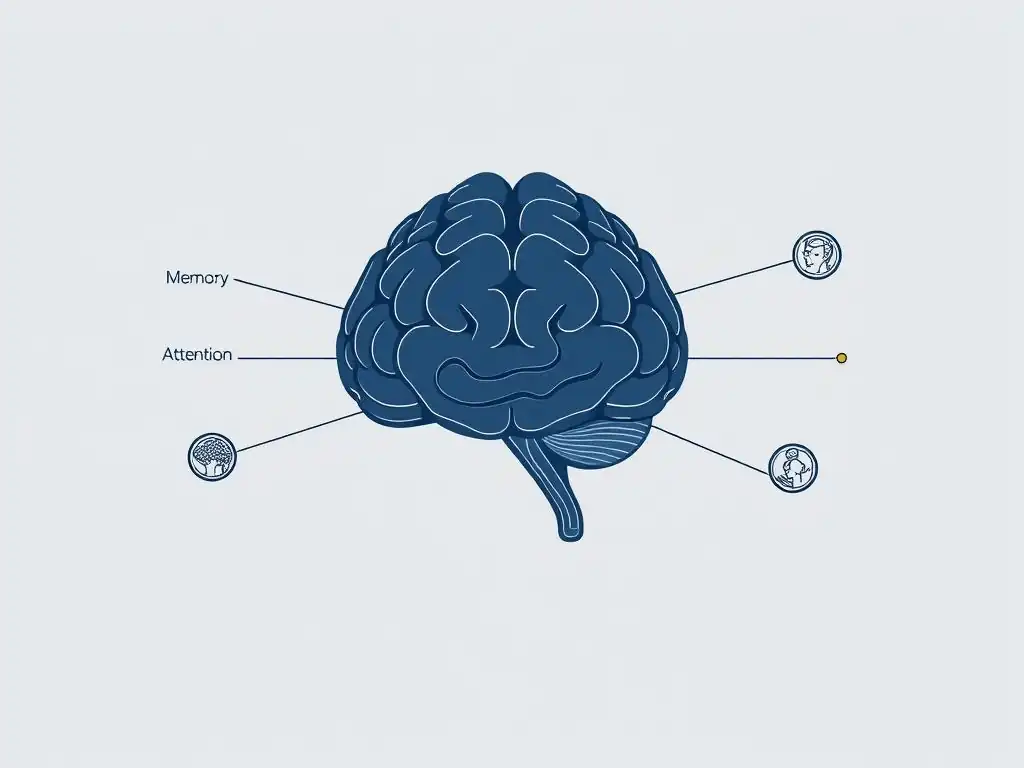
Active recall is a powerful learning technique that significantly improves both memory and focus. Instead of passively rereading notes or highlighting text, active recall forces your brain to actively retrieve information. This process strengthens neural pathways, making it easier to access information later and improving your overall cognitive function. Think of it like this: your brain is a muscle; the more you exercise it through active recall, the stronger it becomes.
One effective method is the Feynman Technique. This involves explaining a concept in simple terms, as if you were teaching it to someone with no prior knowledge. Identifying gaps in your understanding during this process highlights areas requiring further study, directly improving your focus and comprehension. Another practical application involves using flashcards.
Instead of simply reviewing the answer side, actively try to recall the information on the front before flipping the card. This active retrieval process is key. Regular practice of active recall, even for just 15-20 minutes a day, can dramatically improve your ability to concentrate and retain information, leading to a more focused and productive day. The key is consistency; make it a habit, and you'll see the benefits accumulate over time.
Creating a Dedicated Workspace Free From Distractions
A clutter-free and distraction-free workspace is paramount for improving focus. The physical environment significantly impacts cognitive performance. A messy desk often translates to a messy mind. Studies have shown a direct correlation between a clean, organized workspace and improved concentration. Start by decluttering your physical space. Remove unnecessary items, organize your materials, and ensure everything has its designated place. This simple act can significantly reduce visual clutter and mental distractions.
Beyond physical clutter, digital distractions are equally detrimental. Turn off notifications on your phone and computer. Consider using website blockers to prevent access to time-wasting websites during work hours. Some people find ambient noise helpful, while others prefer complete silence. Experiment to find what works best for you.
If you work from home, designate a specific area as your workspace, separate from relaxation areas. This mental separation helps signal to your brain that it's time to focus. By creating a dedicated and distraction-free workspace, you're setting the stage for improved concentration and increased productivity. Remember, your environment is a powerful tool; use it wisely.
Incorporating Regular Breaks and Movement for Improved Focus
Contrary to popular belief, continuous work is not the most efficient approach. Regular breaks and movement are crucial for maintaining focus and preventing burnout. The Pomodoro Technique, a time management method using 25-minute work intervals followed by 5-minute breaks, is a well-established technique to improve concentration. These short breaks allow your mind to rest and recharge, preventing mental fatigue and improving your ability to focus during the work periods.
In addition to short breaks, incorporate movement into your routine. A short walk, some stretching, or even a few minutes of light exercise can significantly improve blood flow to the brain, enhancing cognitive function and reducing stress. Extended periods of sitting can lead to decreased concentration and physical discomfort. Standing up and moving around regularly helps combat this.
Remember, these breaks aren't about wasting time; they're about optimizing your performance. By strategically incorporating regular breaks and movement, you can sustain focus throughout the day and prevent mental exhaustion. Experiment with different break durations and activities to find what works best for you, ensuring a sustainable and effective focus strategy.
Advanced Strategies to Enhance Your Concentration
This section delves into sophisticated techniques to significantly improve your focus, going beyond basic mindfulness exercises. We'll explore how strategic goal setting, effective prioritization, and precise time blocking can transform your ability to concentrate in today's demanding digital landscape. Remember, improving focus powerful techniques requires consistent effort and adaptation to find what works best for you.
Harnessing the Power of Goal Setting for Enhanced Focus
Setting clear, achievable goals is paramount to improving focus. Vague aspirations lead to diffused energy and diminished concentration. Instead, employ the SMART goal framework: Specific, Measurable, Achievable, Relevant, and Time-bound.
For example, instead of aiming for "improve focus," a SMART goal would be: "Improve focus by reducing daily interruptions by 50% within the next four weeks, measured by tracking interruptions using a timer app." This provides a concrete target, allowing you to monitor progress and stay motivated. Breaking down large goals into smaller, manageable tasks further enhances focus by providing a sense of accomplishment and preventing overwhelm.
This iterative process of achieving smaller milestones builds momentum and reinforces the positive feedback loop of improved concentration. Consider using a Kanban board or similar visual system to track your progress, making it tangible and motivating.
Prioritization Techniques: Mastering Your To-Do List
A cluttered to-do list is a focus killer. Effective prioritization is crucial. Instead of simply listing tasks, categorize them using methods like the Eisenhower Matrix (Urgent/Important), the MoSCoW method (Must have, Should have, Could have, Won't have), or simply ranking them by importance and urgency.
| Task | Importance | Urgency | Priority |
|---|---|---|---|
| Finish project proposal | High | High | 1 |
| Respond to client email | High | Medium | 2 |
| Schedule doctor's appt. | Medium | High | 3 |
| Clean desk | Low | Low | 4 |
Using these methods allows you to focus your energy on the most impactful tasks first, maximizing your productivity and minimizing the feeling of being overwhelmed. Remember to regularly review and adjust your priorities as new information emerges or circumstances change. This dynamic approach is key to maintaining focus in a constantly evolving environment. Don't be afraid to delegate or eliminate less important tasks to free up mental space for what truly matters.
Effective Time Blocking Strategies for Maximizing Productivity
Time blocking involves scheduling specific time slots for particular tasks. This structured approach eliminates decision fatigue and prevents task-switching, two major focus destroyers. Allocate dedicated blocks of time for deep work, minimizing distractions during these periods. This could involve turning off notifications, using website blockers, or working in a distraction-free environment.
For instance, you might schedule 90 minutes of focused writing from 9:00 AM to 10:30 AM, followed by a 15-minute break. Then, you could block out time for email responses, meetings, or other less demanding tasks. Experiment with different block lengths to find what suits your rhythm and energy levels best. The Pomodoro Technique (25-minute work intervals with short breaks) is a popular example of this approach.
Consistent application of time blocking cultivates a predictable workflow, enhancing your ability to maintain focus throughout the day. Remember to build in buffer time to account for unexpected interruptions or delays. Flexibility is key to successfully implementing time blocking and reaping its focus-enhancing benefits.
The Importance of Single-Tasking for Improved Concentration

Our modern world glorifies multitasking, often presenting it as a sign of efficiency. However, the reality is starkly different. The human brain isn't wired for effectively handling multiple complex tasks simultaneously. Attempting to do so leads to a phenomenon known as "task switching," where your brain rapidly shifts its focus between different activities. This constant switching incurs a significant cognitive cost, reducing overall efficiency and significantly hindering your ability to improve focus. Studies have shown that task switching can decrease productivity by as much as 40%, 1 leading to increased error rates and decreased quality of work. Instead of trying to juggle multiple emails, phone calls, and projects concurrently, embrace the power of single-tasking. Focus intently on one task at a time, completing it before moving on to the next. This focused approach allows your brain to allocate its resources more effectively, leading to deeper processing, improved comprehension, and ultimately, a greater sense of accomplishment. The feeling of completing a task thoroughly and efficiently contributes significantly to improved focus and reduces the mental clutter associated with unfinished business. By prioritizing single-tasking, you'll not only improve your focus but also experience a notable increase in your overall productivity and reduce stress levels. This mindful approach to work is a cornerstone of many successful productivity methodologies, emphasizing quality over quantity.
1 [Citation needed: Specific study showing 40% productivity decrease from task switching]
Learning to Say "No" to Reduce Cognitive Overload
In today's fast-paced world, it's easy to overcommit ourselves. We readily agree to extra projects, social engagements, and commitments, often without fully considering the impact on our mental well-being and ability to improve focus. This constant influx of demands leads to cognitive overload, a state where your brain is overwhelmed by the sheer volume of information and tasks it needs to process. This overload directly impacts your concentration, making it difficult to focus on even the most important tasks. Learning to say "no" is a crucial skill for anyone seeking to improve their focus and reduce stress.
It's not about being selfish; it's about prioritizing your mental health and maximizing your effectiveness. Before committing to anything new, take a moment to honestly assess your current workload and capacity. Consider the potential impact on your existing commitments and your overall well-being. If you feel overwhelmed, it's perfectly acceptable—indeed, essential—to politely decline. This might involve setting clear boundaries, communicating your limitations, and delegating tasks where possible.
By consciously managing your commitments and prioritizing your well-being, you'll create space for focused work and reduce the mental clutter that hinders concentration. This proactive approach to self-care is not only beneficial for your mental health but also a powerful technique for improving focus and achieving your goals. Saying "no" strategically empowers you to focus your energy on what truly matters, leading to increased productivity and a greater sense of control over your time and energy. This conscious decision-making process is vital for long-term sustainable focus and overall well-being.
Maintaining Focus in the Digital Age: Combating Digital Distractions

The digital age presents unprecedented challenges to sustained concentration. Constant notifications, readily available entertainment, and the ever-present allure of social media create a perfect storm of distractions, hindering productivity and impacting mental well-being. Improving focus powerful techniques requires a multi-pronged approach, addressing both the technological and behavioral aspects of our digital lives. This section will explore practical strategies to minimize digital distractions and cultivate a more focused mindset.
Minimizing Notifications and Optimizing Your Tech Setup
The incessant pinging and buzzing of notifications are significant impediments to concentration. A crucial step towards improving focus is to drastically reduce their frequency and intrusiveness. This involves more than just silencing your phone; it requires a strategic overhaul of your technological ecosystem.
Firstly, disable all non-essential notifications. This includes social media updates, email alerts (unless absolutely time-sensitive), news feeds, and game invites. For many apps, you can customize notification settings, choosing to receive only crucial alerts, such as direct messages or urgent reminders. Consider turning off notification previews entirely – those snippets of information can be surprisingly distracting, even when you don't consciously engage with them.
Secondly, optimize your workspace. A cluttered desk often mirrors a cluttered mind. Keep your workspace clean and organized, minimizing visual distractions. Consider using a dedicated device for work, if possible, leaving your personal phone and entertainment devices in another room. This creates a clear mental separation between work and leisure, fostering greater concentration.
Consider these statistics: A study by the University of California, Irvine, found that it takes an average of 23 minutes to regain focus after a disruption. Minimizing notifications directly reduces the frequency of these disruptions, leading to significant gains in productivity and overall focus throughout the day.
Utilizing Website Blockers and Productivity Apps
While willpower is essential, relying solely on self-discipline to resist digital distractions can be unrealistic. Fortunately, numerous tools can assist in this endeavor. Website blockers and productivity apps offer effective strategies for improving focus by actively limiting access to distracting websites and applications.
Website blockers, such as Freedom or Cold Turkey, allow you to schedule blocks of time during which specific websites or categories of websites (social media, news, etc.) are inaccessible. This creates a structured environment conducive to deep work, preventing impulsive checks of distracting sites. You can customize these blockers to fit your specific needs and work schedule.
Productivity apps, such as Forest or Focus To-Do, employ gamification techniques to encourage focus. Forest, for example, lets you plant a virtual tree; if you leave the app to browse distracting websites, the tree dies. This playful approach adds an element of accountability and motivation, making it easier to stay on task. These apps often incorporate features such as Pomodoro timers, which break work into focused intervals with short breaks in between, further enhancing concentration and preventing burnout. Choosing the right app depends on your personal preferences and the specific distractions you need to overcome.
Developing Healthy Digital Habits for Improved Focus
Technological tools are valuable aids, but lasting improvements in focus require cultivating healthy digital habits. This involves a conscious effort to restructure your relationship with technology, moving from passive consumption to intentional engagement.
One effective strategy is to schedule dedicated "digital detox" periods. These could be short breaks throughout the day or longer periods on weekends. During these periods, completely disconnect from all digital devices, engaging in activities that promote relaxation and mindfulness, such as reading, spending time in nature, or practicing meditation. This helps to reset your brain and reduce the constant stimulation from technology.
Another crucial aspect is to practice mindful technology use. Instead of passively scrolling through social media or mindlessly browsing the internet, engage with technology consciously and purposefully. Set clear goals for your online activities and stick to them. This prevents time from slipping away unnoticed and helps to maintain focus on your intended tasks.
Remember, technology is a tool; it should serve your goals, not dictate them. Cultivating these habits—deliberate digital detox periods and mindful technology use—will contribute significantly to improving your focus and overall well-being. The result will be a more productive and less stressful existence, free from the constant pull of digital distractions.
The Benefits of Digital Detox for Cognitive Function
Digital detox, or taking a break from digital devices and social media, offers significant cognitive benefits. Studies show that excessive screen time is strongly correlated with reduced attention spans and impaired cognitive function. By disconnecting, we allow our brains to rest and recover from the constant barrage of information and notifications. This break reduces mental clutter, allowing for clearer thinking and improved focus. The brain's executive functions, responsible for planning, problem-solving, and decision-making, improve noticeably after a digital detox.
This is because constant digital stimulation keeps these functions in a state of hyper-vigilance, depleting their resources. A period of disconnection allows these crucial cognitive processes to recharge and function more effectively. Furthermore, digital detox can lead to improvements in sleep quality. The blue light emitted from screens interferes with melatonin production, a hormone essential for regulating sleep cycles. Better sleep, in turn, significantly enhances cognitive performance, improving memory, concentration, and overall mental clarity.
In essence, a regular digital detox is not just a lifestyle choice; it's a proactive step towards improving cognitive health and enhancing one's ability to improve focus powerful techniques. The positive effects on concentration and mental acuity are undeniable, making it a powerful tool in the fight against digital distraction. Many individuals report experiencing heightened creativity and improved problem-solving skills after even short periods of disconnection from technology. This highlights the restorative power of a digital detox for the brain, allowing it to process information more efficiently and creatively. The improved cognitive function translates to increased productivity and a greater sense of well-being, contributing to a more balanced and fulfilling life.
Sustaining Improved Focus: Long-Term Strategies
Improving focus isn't a one-time fix; it's a journey requiring consistent effort and the adoption of long-term strategies. Simply implementing a few powerful techniques won't guarantee sustained improvement. You need to build habits that support your cognitive function over time. This section explores key elements for maintaining enhanced concentration in the long run. Think of it as building a strong foundation for a sharper, more focused mind. We'll examine how consistent routines, physical exercise, and mental well-being are interconnected and crucial for lasting results.
Building Consistent Routines for Enhanced Concentration
Consistency is key when it comes to improving focus. Our brains thrive on predictability. Establishing consistent routines, particularly around work and rest, significantly impacts our ability to concentrate. Think of it like training a muscle: regular exercise strengthens it. Similarly, regular practice of focus-enhancing techniques strengthens your cognitive abilities.
Here's a practical example: Instead of sporadically trying to focus, dedicate specific times each day to demanding tasks. For instance, you could schedule your most challenging work for the morning when your energy levels are typically highest. Following a consistent sleep schedule, waking up and going to bed around the same time each day, is also crucial. Sleep deprivation is a major impediment to focus.
Consider incorporating short, focused work sessions (e.g., the Pomodoro Technique with 25-minute work intervals and 5-minute breaks) into your routine. This structured approach helps manage attention fatigue and improves productivity. Consistency is more important than the specific technique; find a method that works for you and stick with it. The goal is to train your brain to associate specific times with focused work, making it easier to enter a state of concentration. This structured approach is key to building a routine for sustained focus improvement. Over time, you'll notice a significant increase in your ability to concentrate.
The Role of Physical Exercise in Cognitive Enhancement
The connection between physical health and cognitive function is undeniable. Regular physical exercise isn't just about physical fitness; it's a powerful tool for improving focus and concentration. Exercise increases blood flow to the brain, delivering more oxygen and nutrients, enhancing cognitive function. This improved blood flow directly contributes to improved attention and concentration.
Studies have shown a strong correlation between regular physical activity and improved cognitive performance, including enhanced attention span and reduced symptoms of ADHD. 1 Even moderate exercise, such as a brisk 30-minute walk, can significantly improve focus. Aim for at least 150 minutes of moderate-intensity aerobic activity per week, combined with strength training exercises twice a week. This holistic approach optimizes physical and cognitive well-being, leading to better focus. Don't underestimate the power of movement in sharpening your mind. Incorporate physical activity into your daily routine to experience the benefits firsthand. This is a crucial aspect of sustaining improved focus in the long term.
Prioritizing Mental Well-being for Improved Focus
Mental well-being is inextricably linked to our ability to focus. Stress, anxiety, and depression significantly impair concentration. Prioritizing mental health is, therefore, essential for sustaining improved focus. This means actively managing stress, practicing mindfulness, and seeking support when needed.
Techniques like meditation and deep breathing exercises can help calm the mind and improve focus. These practices help regulate the nervous system, reducing stress and enhancing cognitive function. Ensure you get enough sleep, maintain a healthy diet, and practice stress-reduction techniques regularly. Building resilience to stress is a crucial long-term strategy for maintaining focus.
Consider incorporating mindfulness practices into your daily routine, even for just a few minutes. Regular self-care is not a luxury; it's an investment in your mental and cognitive health, leading to sustained improvements in your ability to focus. Prioritizing mental well-being is an investment in long-term focus improvement.
1 [Specific study details pending]
Continuous Learning and Cognitive Stimulation
Engaging in continuous learning is crucial for maintaining improved focus and attention. Our brains, much like muscles, require consistent exercise to stay strong and agile. When we consistently challenge our minds with new information and skills, we enhance our cognitive reserve—a kind of mental resilience that protects against age-related decline and improves our ability to concentrate. This isn't about cramming for exams; it's about cultivating a lifelong love of learning. Think of it as mental fitness.
One effective strategy is to dedicate time each week to learning something new. This could involve anything from taking an online course in a subject that interests you—perhaps coding, photography, or a new language—to reading a challenging book, listening to educational podcasts, or even tackling a complex puzzle. The key is to choose activities that genuinely engage you and push you slightly beyond your comfort zone. The more stimulating the activity, the greater the benefit to your cognitive function and, consequently, your ability to improve focus powerful techniques.
Furthermore, incorporating diverse learning methods strengthens cognitive flexibility. Switching between reading, listening, and hands-on activities keeps your brain engaged and prevents mental fatigue, a major contributor to decreased concentration. For example, you could spend the morning reading a book on history, the afternoon listening to a podcast on neuroscience, and the evening working on a creative project, like painting or writing. This variety keeps your mind sharp and prevents it from becoming bored or complacent. Regular mental workouts, just like physical ones, are essential for long-term cognitive health and enhanced focus.
Seeking Professional Help When Needed
Despite our best efforts, sometimes maintaining focus can feel insurmountable. While the techniques discussed previously offer valuable tools for self-improvement, it's crucial to acknowledge that seeking professional help isn't a sign of weakness but rather a proactive step towards better mental wellbeing. If you're struggling with persistent difficulties concentrating, experiencing significant levels of distraction, or suspecting an underlying condition like ADHD, consulting a professional is essential.
Many mental health professionals, including therapists, psychiatrists, and neuropsychologists, specialize in helping individuals improve focus and attention. They can conduct thorough assessments to identify potential underlying causes for your difficulties, such as anxiety, depression, or learning disabilities. Based on these assessments, they can develop personalized strategies and treatment plans tailored to your specific needs. This might involve cognitive behavioral therapy (CBT), medication, or a combination of both.
Remember, there's no shame in seeking support; it demonstrates a commitment to your mental health and overall well-being. Professional guidance can provide invaluable insights and tools to overcome challenges and achieve sustained improvements in your ability to improve focus powerful techniques. Early intervention can often lead to significantly better outcomes. Don't hesitate to reach out for help if you're struggling; your mental health is paramount.
Frequently Asked Questions
How can I improve my focus when I'm constantly bombarded with distractions?
The key is to minimize interruptions. Turn off notifications, find a quiet workspace, and use techniques like the Pomodoro Technique to structure your work in focused bursts. Prioritize tasks to reduce mental clutter.
What are some practical techniques to boost my concentration?
Mindfulness meditation can significantly improve focus. Try incorporating short meditation sessions into your daily routine. Also, ensure you get enough sleep and exercise, as these impact cognitive function.
Are there any quick fixes to improve focus immediately?
While lasting focus requires consistent effort, taking deep breaths, stretching, or briefly stepping away from your work to clear your head can provide instant relief from mental fatigue and improve concentration in the short term.
How can I improve my focus while working from home?
Establish a dedicated workspace, free from household distractions. Communicate your work schedule to family members. Utilize noise-canceling headphones or calming background music to block out distractions.
What if these techniques don't work for me? Should I seek professional help?
If you're struggling significantly with focus despite trying various techniques, it's important to seek professional guidance. A therapist or doctor can help identify underlying issues like ADHD or anxiety that may be affecting your concentration.
Final Reflection: Reclaiming Your Focus in a Hyper-Connected World
The relentless barrage of notifications, the constant pull of social media, and the ever-present hum of information overload are not just modern inconveniences; they are active threats to our ability to focus and thrive. This article explored powerful techniques to combat these distractions and reclaim our mental clarity, offering practical strategies to improve concentration and unlock our full potential. The ability to focus deeply is no longer a luxury; it's a necessity for navigating the complexities of the 21st century.
The impact of sustained distraction on our mental well-being and productivity is undeniable. We live in a culture that glorifies multitasking, yet ironically, it's the singular, focused attention that allows us to truly achieve meaningful results and experience a sense of deep satisfaction. The key is not to prioritize what's on your schedule, but to schedule your priorities.
– Stephen Covey. This quote highlights the importance of intentional focus, a concept central to the techniques discussed throughout this article. The ability to prioritize and eliminate distractions is not merely a skill; it's a fundamental aspect of self-mastery.
Now, consider your own life. What areas are most impacted by a lack of focus? What small changes can you implement today to cultivate a more concentrated mind? Perhaps it's setting aside dedicated "focus time" free from interruptions, incorporating mindfulness practices into your routine, or simply learning to say "no" to less important tasks.
Embrace the power of focused attention; it's the key to unlocking your potential and living a more fulfilling, productive life. Start small, be patient with yourself, and celebrate your progress along the way. The journey to improved focus is a worthwhile investment in your well-being and success.
Unlock Your Focus: Master Your Mind Today!
Thank you for exploring ways to improve your concentration! We hope you found practical techniques to overcome distractions and unlock your brain's full potential. Now, it's time to put your new knowledge into practice.
- Prioritize one key strategy to reduce distractions: Choose the method that resonated most from the article—perhaps the Pomodoro Technique, mindfulness exercises, or a tidy workspace—and commit to using it daily for a week. Track your progress and observe the difference!
- Share your experiences: Let's build a supportive community! Share your successes and challenges in the comments below. Your insights could inspire others working to improve their focus.
- Expand your skillset: Ready to further enhance your focus? Try a new technique, such as meditation or time blocking, to discover what works best for you.
What small, consistent step will you take today to improve your concentration?