
The Ultimate Guide to Meal Prep Grains: Add Fiber to Your Diet

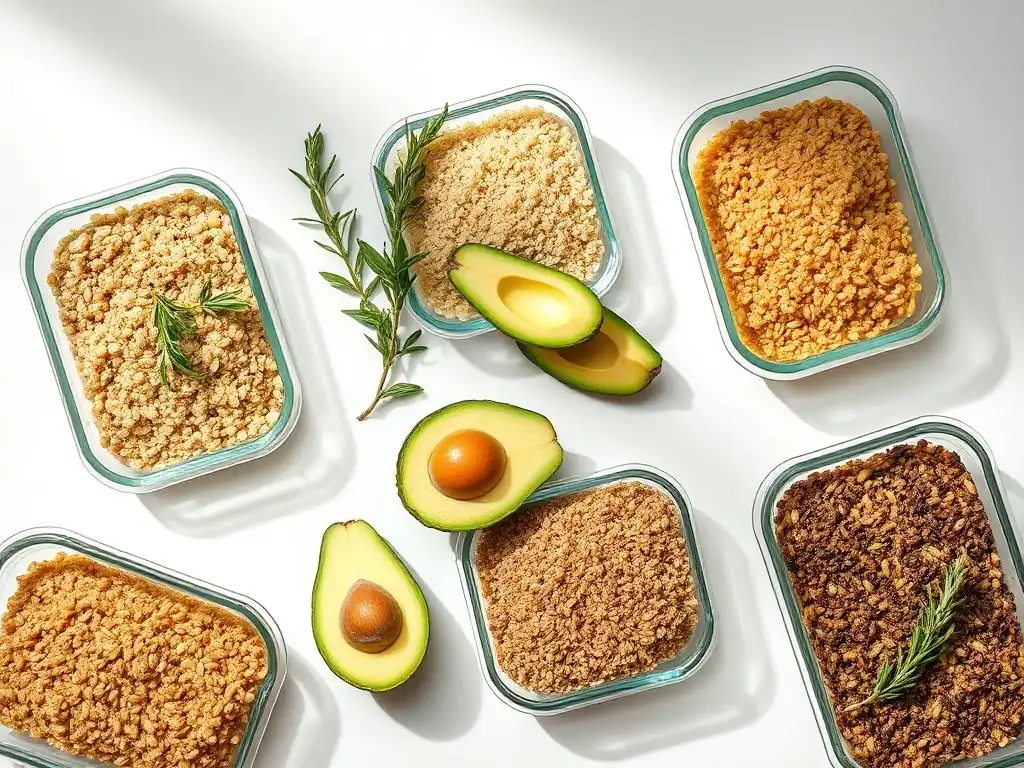
Ready to unlock a world of effortless efficiency and lasting well-being? At UltimateLifeHacks, we're dedicated to simplifying your life and boosting your productivity. Discover how even small changes can make a big difference, starting with our in-depth guide on meal prep grains for fiber. Learn the secrets to incorporating more fiber into your diet effortlessly and reap the rewards of improved health and increased energy. Dive in and uncover the transformative power of smart strategies!
- Understanding the Benefits of Fiber-Rich Grains for Meal Prep
- Selecting the Best Grains for Meal Prepping
- Mastering the Art of Meal Prepping Grains
-
Delicious and Versatile Meal Prep Grain Recipes
- High-Fiber Grain Bowls: A Customizable Option
- Quinoa Power Bowl: Detailed instructions and nutritional information
- Mediterranean Quinoa Bowl: Detailed instructions and nutritional information
- Quick and Easy Grain Salads: Perfect for Lunch
- Brown Rice and Chickpea Salad: Detailed instructions and nutritional information
- Savory Grain-Based Dishes: Dinner Solutions
- Meal Prepping Grains: Time-Saving Strategies
- Troubleshooting Common Meal Prep Grain Challenges
- Beyond the Basics: Exploring Different Grain Varieties
-
Frequently Asked Questions
- What are the best grains for meal prepping to increase fiber intake?
- How can I meal prep grains to maintain their nutritional value and fiber content?
- Are there any specific recipes ideal for meal prepping grains to maximize fiber?
- How much fiber should I aim for daily when incorporating meal-prepped grains?
- Can I add other ingredients to my meal-prepped grains to boost fiber further?
- Final Reflection: Sowing the Seeds of Health Through Meal-Prepped Grains
- Unlock Your Energy: Start Meal Prepping Grains Today!
Understanding the Benefits of Fiber-Rich Grains for Meal Prep
Adding fiber to your diet is crucial for optimal health and well-being. This guide delves into the world of meal prepping with fiber-rich grains, offering practical strategies and delicious recipes to seamlessly incorporate these nutritional powerhouses into your daily routine. We'll explore why choosing grains for meal prepping is a smart move, highlight the undeniable importance of fiber in your diet, and showcase a variety of fiber-rich grains that will elevate your meals and contribute to a healthier lifestyle. This isn't just about eating healthy; it's about simplifying your life and optimizing your nutrition through efficient meal preparation.
By the end of this guide, you'll be equipped with the knowledge and tools to effortlessly integrate fiber-rich grains into your weekly meal plan, making healthy eating a sustainable and enjoyable habit. Let's dive in and discover the ultimate guide to meal prepping with grains for a fiber-filled, productive life! 🎉
Why Choose Grains for Meal Prepping?
Grains are an incredibly versatile and convenient base for meal prepping. Their ability to be cooked in large batches and stored effectively makes them an ideal choice for busy individuals aiming for healthy, time-efficient eating. Think about it: a single batch of quinoa, brown rice, or farro can provide the foundation for numerous meals throughout the week. This significantly reduces cooking time and minimizes the daily decision fatigue associated with planning and preparing individual meals.
Furthermore, grains are cost-effective, readily available, and offer a blank canvas for creative culinary exploration. You can easily incorporate them into salads, bowls, soups, stir-fries, and countless other dishes, ensuring variety and preventing meal boredom. 🍲 The time saved by prepping grains in advance translates directly into more time for other aspects of your life, aligning perfectly with the principles of productivity and efficient time management.
The Importance of Fiber in Your Diet
Fiber, often overlooked, plays a pivotal role in maintaining a healthy digestive system and overall well-being. It's a type of carbohydrate that the body cannot digest, acting as a crucial component for regular bowel movements and preventing constipation. But the benefits extend far beyond regularity. Studies have shown a strong correlation between adequate fiber intake and reduced risk of chronic diseases, including heart disease, type 2 diabetes, and certain types of cancer.
Fiber helps regulate blood sugar levels, promotes satiety (making you feel full for longer), and contributes to a healthy gut microbiome – the collection of beneficial bacteria in your intestines that are essential for overall health. Aiming for the recommended daily fiber intake (approximately 25-30 grams) can be easily achieved by strategically incorporating fiber-rich grains into your diet. Don't underestimate the power of this often-overlooked nutrient! 💪
Fiber-Rich Grains: A Nutritional Powerhouse
Many grains are packed with fiber, offering a delicious and convenient way to boost your daily intake. Here's a breakdown of some excellent options for meal prepping:
| Grain | Approximate Fiber per Cooked Cup (grams) | Cooking Time (approx.) | Notes |
|---|---|---|---|
| Quinoa | ~5 | 15 minutes | Versatile, complete protein |
| Brown Rice | ~3.5 | 45 minutes | Hearty, classic choice |
| Oats (rolled) | ~4 | Varies (depending on type) | Excellent for breakfast or as a base |
| Farro | ~8 | 40-45 minutes | Nutty flavor, high in nutrients |
| Barley | ~6 | 45-60 minutes | Slightly chewy texture, great in soups |
| Wild Rice | ~3 | 45-60 minutes | Nutty flavor, high in antioxidants |
These are just a few examples, and the fiber content can vary depending on the specific brand and preparation method. Remember to always check the nutritional label for accurate information. Experiment with different grains to find your favorites and create a diverse and enjoyable meal prep routine. Remember to properly store your cooked grains to maintain freshness and prevent spoilage. Happy meal prepping! ✨
High-Fiber Grains: Quinoa, Oats, Brown Rice, Farro, Barley
Quinoa, oats, brown rice, farro, and barley stand out as excellent choices for meal prepping due to their high fiber content and versatility. These grains offer a significant boost to your daily fiber intake, contributing to improved digestive health, weight management, and overall well-being. The fiber in these grains helps you feel fuller for longer, reducing snacking and potentially aiding in weight loss efforts.
Furthermore, the soluble fiber found in many of these grains helps regulate blood sugar levels, which is particularly beneficial for individuals with diabetes or those looking to prevent blood sugar spikes. The preparation methods for these grains are also relatively straightforward, making them ideal for busy individuals who want to incorporate healthy eating habits into their routines. Choosing these grains is a smart step towards a more fiber-rich diet and efficient meal preparation.
Let's delve into the specifics of each grain:
- Quinoa: This complete protein boasts impressive fiber content, providing approximately 2.8 grams per cooked cup. Its mild flavor pairs well with various dishes, from savory bowls to sweet porridges. Meal prepping quinoa is simple; cook a large batch at the beginning of the week and incorporate it into salads, stir-fries, or as a side dish throughout the week. Its neutral taste makes it incredibly versatile, adapting easily to different flavor profiles. Consider adding spices like cumin, coriander, or paprika for extra flavor.
- Oats: A breakfast staple, oats are also a powerhouse of fiber, with about 4 grams per half-cup serving of rolled oats. They're incredibly easy to meal prep: cook a large batch and store it in the refrigerator for quick breakfasts, overnight oats, or as a base for baked goods. Experiment with different toppings like nuts, seeds, and fruits to keep your meals interesting. Steel-cut oats, while taking longer to cook, offer even more fiber and a chewier texture.
- Brown Rice: A classic whole grain, brown rice offers roughly 3.5 grams of fiber per cooked cup. It's a great base for bowls, salads, and as a side to various protein sources. Brown rice can be cooked in large batches and stored for the week. It's a versatile and satisfying grain that seamlessly integrates into various meal prep plans. Remember to rinse the rice before cooking to remove excess starch.
- Farro: This ancient grain provides a hearty and slightly nutty flavor with approximately 6 grams of fiber per cooked cup, making it a top contender for fiber-rich meal prepping. Farro requires a bit longer cooking time than other grains, but the nutritional benefits are worth the effort. It's delicious in salads, soups, or as a standalone side dish. Its slightly chewy texture offers a satisfying mouthfeel.
- Barley: Another excellent option, barley offers approximately 8 grams of fiber per cooked cup, a high amount compared to other grains. This grain adds a unique chewiness and slightly sweet flavor to meals. Barley is a bit more time-consuming to prepare but is well worth the effort for its high fiber content. It's a great addition to soups, stews, and salads. Consider pearl barley for a quicker cooking time.
By incorporating these high-fiber grains into your weekly meal prep routine, you'll significantly increase your fiber intake, promoting better digestion, weight management, and overall health. Remember to store your cooked grains properly in airtight containers in the refrigerator for up to 3-4 days to maintain freshness and quality. Experiment with different recipes and flavor combinations to keep your meal prep exciting and enjoyable. Enjoy the journey to a healthier and more efficient lifestyle!
Selecting the Best Grains for Meal Prepping
Choosing the right grains for meal prepping is crucial for maximizing nutritional benefits and minimizing prep time. This section focuses on selecting grains ideal for incorporating into your weekly meal prep routine, particularly for boosting your fiber intake. The key is to select grains that offer a good balance of nutritional value, ease of preparation, and storage longevity. We'll explore various options and factors to consider when making your selection. Remember, the best grain for meal prep grains for fiber will depend on your individual dietary needs and preferences.
Choosing Grains Based on Your Dietary Needs
Your dietary needs and preferences should heavily influence your grain selection. Are you vegetarian, vegan, gluten-free, or following a specific diet plan? This will significantly narrow down your options.
- Gluten-Free Options: Individuals with celiac disease or gluten sensitivity must choose gluten-free grains like quinoa, brown rice, amaranth, or millet. These offer excellent fiber content and versatility in meal prepping.
- Vegan and Vegetarian Options: Most grains are naturally vegan and vegetarian-friendly, providing a great source of plant-based protein and fiber.
- Specific Dietary Restrictions: If you have other dietary restrictions (e.g., low-FODMAP, specific allergies), carefully check the nutritional information and ingredient lists of your chosen grains.
Consider the following table to compare fiber content in popular meal prep grains:
| Grain | Fiber per Cooked Cup (grams) | Glycemic Index (GI) | Notes |
|---|---|---|---|
| Quinoa | ~5 | ~53 | Complete protein, high in magnesium |
| Brown Rice | ~3.5 | ~55 | Good source of manganese and selenium |
| Oats (rolled) | ~4 | ~55 | High in beta-glucan, soluble fiber |
| Amaranth | ~3 | ~35 | High in lysine, an essential amino acid |
| Millet | ~2 | ~70 | Gluten-free, good source of iron |
Remember that the fiber content can vary slightly depending on the brand and preparation method. Always check the nutrition label on the packaging for the most accurate information.
Quinoa: Nutritional Profile and Meal Prep Ideas
Quinoa is a powerhouse grain, offering a complete protein profile (containing all nine essential amino acids) and a substantial amount of fiber. A single cooked cup provides approximately 5 grams of fiber, contributing significantly to your daily fiber intake. Its mild flavor makes it exceptionally versatile for various meal prep scenarios.
Quinoa's high protein content also helps with satiety, keeping you feeling fuller for longer. This makes it an excellent choice for weight management and overall health.
Here are some meal prep ideas incorporating quinoa:
- Quinoa Salad: Combine cooked quinoa with chopped vegetables (cucumber, bell peppers, tomatoes), herbs (parsley, cilantro), and a lemon vinaigrette.
- Quinoa Bowls: Use quinoa as a base for bowls with various toppings like roasted vegetables, chickpeas, grilled chicken or tofu, and a tahini dressing.
- Quinoa Stuffed Peppers: Fill bell peppers with a mixture of cooked quinoa, ground meat (or lentils for vegetarian option), and your favorite spices.
Brown Rice: Nutritional Profile and Meal Prep Ideas
Brown rice, a whole grain, is another excellent option for meal prepping, offering a good source of fiber (approximately 3.5 grams per cooked cup) and essential nutrients. Unlike white rice, brown rice retains its bran and germ layers, which are rich in fiber, vitamins, and minerals.
Brown rice is a more affordable option than quinoa and offers a slightly nuttier flavor. Its slightly higher glycemic index (GI) compared to quinoa means it might cause a quicker spike in blood sugar levels, so it's best consumed as part of a balanced meal with protein and healthy fats.
Meal prep ideas for brown rice include:
- Brown Rice and Vegetable Stir-fry: Combine cooked brown rice with a variety of stir-fried vegetables and your choice of protein.
- Brown Rice Salad with Black Beans and Corn: A simple and refreshing salad with a southwestern flair.
- Brown Rice Fritters: Combine cooked brown rice with eggs, vegetables, and spices to create healthy and flavorful fritters.
Remember to store your prepared grains properly in airtight containers in the refrigerator to maintain freshness and prevent spoilage. Enjoy the convenience and nutritional benefits of meal prepping with these fiber-rich grains!
Oats: Nutritional Profile and Meal Prep Ideas
Oats are a powerhouse of fiber, boasting both soluble and insoluble varieties. Soluble fiber, like beta-glucan, helps lower cholesterol and regulate blood sugar levels, contributing significantly to improved heart health and weight management. Insoluble fiber, on the other hand, promotes healthy digestion and prevents constipation. A single cup of cooked oats can provide up to 8 grams of fiber, a substantial portion of the recommended daily intake. This makes oats a fantastic choice for incorporating extra fiber into your diet through meal prepping.
Beyond fiber, oats are an excellent source of essential minerals like magnesium and manganese, crucial for energy production and bone health. They also offer a good dose of protein, contributing to satiety and muscle maintenance. This comprehensive nutritional profile makes oats a versatile and healthy addition to any meal prep plan focused on boosting fiber intake.
Meal prepping with oats is incredibly easy and versatile. You can prepare large batches of overnight oats, varying the toppings and add-ins to keep things interesting throughout the week. Consider adding chia seeds for extra omega-3 fatty acids and fiber, berries for antioxidants, and nuts for healthy fats and protein. Another great option is to cook a large batch of steel-cut or rolled oats and use them as a base for bowls, salads, or even as a binder in veggie burgers. The possibilities are endless! Remember to store your prepped oats properly to maintain their freshness and nutritional value.
Storing Grains Properly for Optimal Freshness
Proper storage is crucial for maintaining the quality, taste, and nutritional value of your prepped grains, especially when it comes to maximizing their fiber content. Improper storage can lead to spoilage, the growth of mold, and a significant reduction in the fiber and nutrient content. To prevent this, follow these essential guidelines:
- Airtight Containers: This is the single most important step. Use airtight containers made of glass or food-grade plastic to keep air, moisture, and pests away from your grains. Avoid using flimsy plastic bags or containers that allow air to penetrate.
- Cool, Dark, and Dry Place: Store your prepped grains in a cool, dark, and dry place. Avoid storing them near heat sources like ovens or stoves, or in areas with high humidity, such as near sinks or windows. A pantry or cupboard away from direct sunlight is ideal.
- Freezing for Extended Storage: For longer-term storage (more than a few weeks), freezing your cooked grains is the best option. Portion them into freezer-safe containers or bags before freezing to make it easy to grab a serving when needed. Frozen grains retain their nutritional value better than grains stored at room temperature.
- Label and Date: Always label your containers with the type of grain and the date of preparation. This will help you track freshness and prevent accidental spoilage. Use a sharpie to write directly on the container or use masking tape and a label maker for better visibility.
By following these simple storage tips, you can ensure that your meal-prepped grains remain fresh, flavorful, and packed with fiber for weeks, allowing you to enjoy the benefits of your healthy meal prep strategy to the fullest. Remember, proper storage is just as important as the initial preparation process when it comes to maximizing the nutritional benefits of your meal prepping efforts. 🎉
Mastering the Art of Meal Prepping Grains
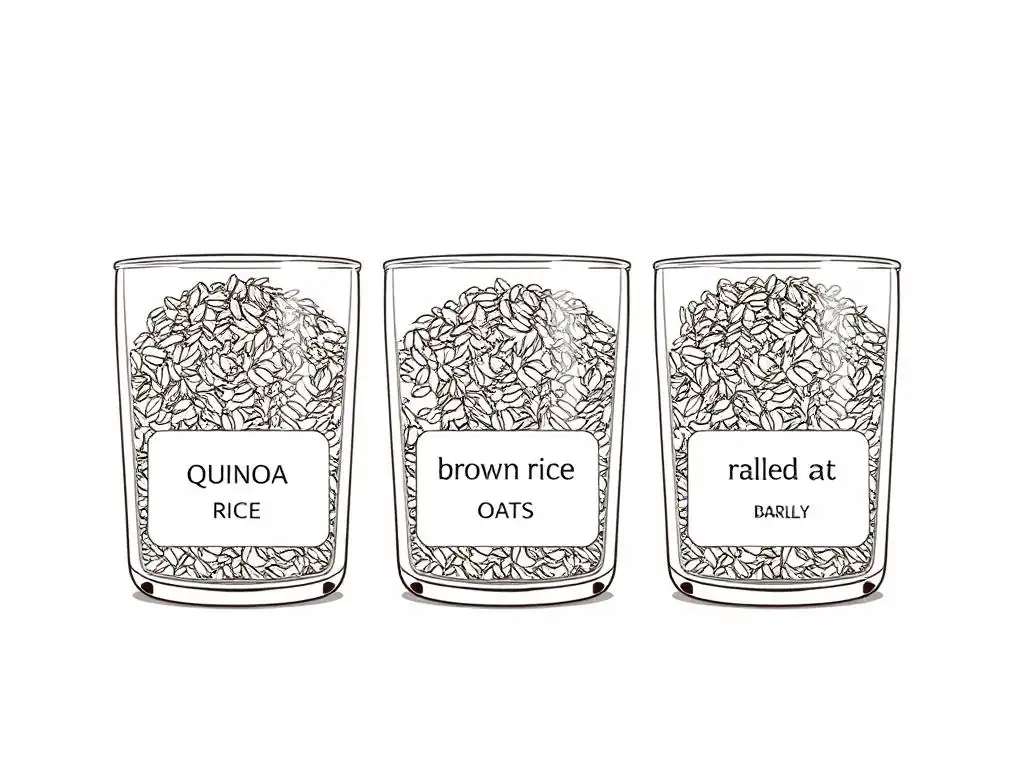
This section delves into the specifics of preparing grains for meal prepping, focusing on maximizing fiber intake and minimizing cooking time. Efficient grain preparation is crucial for successful meal prepping, allowing you to build a foundation of healthy, fiber-rich meals throughout the week. We'll explore techniques to ensure your grains are perfectly cooked, fluffy, and ready to be incorporated into a variety of dishes.
Remember, choosing the right grains and mastering their preparation is key to reaping the benefits of increased fiber in your diet – a cornerstone of improved digestive health and overall well-being. This guide focuses on maximizing the nutritional value of your meal prepped grains, specifically their fiber content, while maintaining ease and efficiency.
Cooking Grains Perfectly: Tips and Tricks
Cooking grains perfectly is more than just following a recipe; it's about understanding the nuances of each grain type and adapting your technique accordingly. Here are some essential tips to achieve consistently delicious results:
- The Right Ratio: Always use the correct water-to-grain ratio. This varies slightly depending on the grain, but generally, a 2:1 or 2.5:1 ratio (water to grain) works well. Check the package instructions for specifics. Using too much water results in mushy grains, while too little leads to dry, undercooked grains.
- Rinse Before Cooking: Rinsing grains, particularly brown rice and quinoa, helps remove excess starch and improve texture. This simple step enhances the fluffy texture and prevents sticking.
- Bring to a Boil: Start by bringing the water to a rolling boil before adding the grains. This ensures even cooking and helps prevent sticking.
- Simmer, Don't Boil: Once the grains are added, reduce heat to a simmer, cover the pot, and cook for the recommended time. Avoid vigorous boiling, which can break down the grains and impact their texture.
- Fluff with a Fork: Once cooked, fluff the grains gently with a fork to separate them and release excess steam. This creates a lighter, airier texture.
- Seasoning: Don't underestimate the power of seasoning! A pinch of salt enhances the flavor of most grains and helps them absorb the liquid. Experiment with other spices like garlic powder, onion powder, or herbs for added flavor complexity.
Cooking Quinoa: Detailed Instructions
Quinoa, a complete protein and excellent source of fiber, is a fantastic addition to any meal prep plan. Here's how to cook it perfectly:
- Rinse: Rinse 1 cup of quinoa under cold water until the water runs clear.
- Combine: In a medium saucepan, combine the rinsed quinoa with 2 cups of water and a pinch of salt.
- Boil: Bring the mixture to a boil over high heat.
- Simmer: Once boiling, reduce the heat to low, cover, and simmer for 15 minutes, or until all the water is absorbed and the quinoa is fluffy.
- Fluff: Remove from heat and fluff with a fork. Let it sit, covered, for 5 minutes before serving or storing.
This method yields approximately 2 cups of cooked quinoa. Remember to adjust the quantities based on your meal prep needs. Quinoa is incredibly versatile; it works well in salads, bowls, and as a side dish. Its high fiber content contributes significantly to your daily fiber intake, aiding digestion and promoting satiety.
Cooking Brown Rice: Detailed Instructions
Brown rice, a whole grain packed with fiber and nutrients, is a staple in many healthy diets. Follow these steps for perfectly cooked brown rice:
- Rinse: Rinse 1 cup of brown rice under cold water until the water runs clear.
- Combine: In a medium saucepan, combine the rinsed rice with 2.5 cups of water and a pinch of salt.
- Boil: Bring the mixture to a boil over high heat.
- Simmer: Once boiling, reduce the heat to low, cover, and simmer for 45-50 minutes, or until all the water is absorbed and the rice is tender but still slightly firm to the bite. Cooking times may vary depending on the brand and type of brown rice. Always check the package instructions.
- Rest: Remove from heat and let the rice sit, covered, for 10 minutes before fluffing with a fork.
Brown rice, with its higher fiber content compared to white rice, provides sustained energy and promotes healthy digestion. Its nutty flavor makes it a delicious and nutritious addition to your meal-prepped meals. Experiment with different cooking methods – you might discover a preference for a slightly firmer or softer texture. Remember to always check the package for specific cooking instructions as variations exist between brands.
Preventing Grain Waste: Smart Storage Solutions
Proper storage is crucial when meal prepping grains for fiber. Improper storage can lead to spoilage, insect infestation, and a significant loss of nutritional value, including a reduction in fiber content. To maximize the shelf life and nutritional integrity of your prepped grains, consider these strategies:
- Airtight Containers: The most effective method is storing cooked grains in airtight containers. These prevent moisture loss and exposure to air, which can lead to oxidation and rancidity. Glass containers are ideal as they are non-reactive and easy to clean. Plastic containers are acceptable, but ensure they are BPA-free and designed for food storage.
- Freezing for Extended Storage: For longer storage periods exceeding a week, freezing is your best bet. Portion your cooked grains into freezer-safe bags or containers, removing as much air as possible before sealing. Freezing helps to preserve both the texture and the nutritional content, including the precious fiber. Label each container with the date for easy tracking.
- Refrigerator Storage: If you plan on using your prepped grains within 3-5 days, refrigeration is sufficient. Store them in airtight containers in the refrigerator to maintain freshness and minimize the risk of bacterial growth. Remember, even refrigerated grains should be consumed promptly.
- FIFO Method: Utilize the "First In, First Out" (FIFO) method to ensure you use your oldest grains first. This will prevent waste and ensure you're always consuming the freshest ingredients. Rotate your containers regularly, placing newer batches at the back and older ones at the front.
How to Incorporate Prepped Grains into Your Weekly Meals
Meal prepping grains isn't just about cooking; it's about seamlessly integrating them into your weekly meals. Here are some creative and practical ways to use your prepped grains to boost your fiber intake:
- Breakfast Power Bowls: Start your day with a fiber-rich breakfast bowl. Combine your cooked grains (quinoa, brown rice, farro) with fresh or frozen fruits, nuts, seeds, and a dollop of yogurt or nut butter. This provides sustained energy and a healthy dose of fiber. For example, a quinoa breakfast bowl with berries and almonds is both delicious and nutritious.
- Hearty Salads: Add cooked grains to your salads for extra texture and fiber. Consider adding farro to a Mediterranean salad, brown rice to a southwestern-style salad, or quinoa to a vibrant green salad. The added grains will increase the satiety and nutritional value of your salad.
- Savory Grain Bowls: Create customizable grain bowls for lunch or dinner. Base your bowl on your prepped grains and then add your favorite protein source (grilled chicken, fish, tofu), roasted vegetables, and a flavorful sauce. A simple example could be a brown rice bowl with grilled chicken, roasted broccoli, and a teriyaki glaze.
- Grain-Based Soups and Stews: Incorporate prepped grains into soups and stews for added heartiness and fiber. For instance, barley adds a unique texture and flavor to vegetable soup, while quinoa can be a great addition to lentil soup.
- Stuffing and Fillings: Use your prepped grains as a base for stuffing vegetables (like bell peppers or zucchini) or as a filling for baked potatoes or omelets. This provides a healthy and fiber-rich alternative to traditional, less nutritious fillings.
Remember, the key to successful grain meal prepping for fiber is planning and organization. By utilizing these strategies, you can effortlessly incorporate more fiber into your diet and enjoy the convenience of prepped meals throughout the week. The added fiber will not only improve your digestive health but will also contribute to overall well-being and sustained energy levels.
Delicious and Versatile Meal Prep Grain Recipes
This section explores delicious and nutritious meal prep grain recipes, focusing on high-fiber options to boost your daily intake and contribute to a healthier lifestyle. We'll delve into specific recipes, providing detailed instructions and nutritional information to help you easily incorporate these fiber-rich meals into your weekly routine. Remember, proper meal prepping with grains is a fantastic way to increase your fiber intake, leading to improved digestion, weight management, and overall well-being. Finding the right meal prep grains for fiber is key to success!
High-Fiber Grain Bowls: A Customizable Option
High-fiber grain bowls offer incredible versatility. The base can be built around a variety of grains, each providing a unique nutritional profile and texture. Consider these options:
- Brown Rice: A classic choice, rich in fiber and magnesium. One cup of cooked brown rice contains approximately 3.5 grams of fiber.
- Quinoa: A complete protein source, packed with fiber and essential amino acids. A cup of cooked quinoa boasts around 2.8 grams of fiber.
- Farro: This ancient grain offers a nutty flavor and a hearty texture, with about 4 grams of fiber per cup cooked.
- Oats (rolled or steel-cut): Excellent sources of soluble fiber, contributing to heart health and blood sugar regulation. A half-cup of cooked oats provides around 4 grams of fiber.
Once you’ve chosen your grain, the possibilities for toppings are endless! Think about incorporating:
- Legumes: Chickpeas, lentils, and black beans add protein and fiber.
- Vegetables: Roasted sweet potatoes, broccoli, Brussels sprouts, and bell peppers provide vitamins and minerals.
- Fruits: Berries, apples, and pears offer sweetness and additional fiber.
- Nuts and Seeds: Almonds, walnuts, chia seeds, and flax seeds boost healthy fats and fiber content.
Remember to adjust portion sizes based on your individual dietary needs and calorie goals. A well-balanced grain bowl can easily provide 10-15 grams of fiber per serving—a significant contribution to your daily recommended intake! This makes high-fiber grain bowls an excellent addition to your meal prep strategy for maximizing fiber intake.
Quinoa Power Bowl: Detailed instructions and nutritional information
This recipe focuses on a quinoa-based power bowl, emphasizing ease of preparation and high fiber content.
Ingredients:
- 1 cup quinoa, rinsed
- 2 cups vegetable broth
- 1 cup chopped broccoli florets
- 1/2 cup chopped bell peppers (any color)
- 1/2 cup cooked chickpeas
- 1/4 cup chopped red onion
- 2 tablespoons olive oil
- 1 tablespoon lemon juice
- Salt and pepper to taste
Instructions:
- Combine quinoa and vegetable broth in a saucepan. Bring to a boil, then reduce heat and simmer for 15 minutes, or until all liquid is absorbed.
- While the quinoa cooks, roast the broccoli and bell peppers in a preheated oven at 400°F (200°C) for 15-20 minutes, or until tender-crisp.
- In a large bowl, combine the cooked quinoa, roasted vegetables, chickpeas, and red onion.
- Whisk together olive oil and lemon juice in a small bowl. Pour over the quinoa mixture and season with salt and pepper.
Nutritional Information (per serving, approximate):
- Calories: Approximately 400
- Fiber: Approximately 8 grams
- Protein: Approximately 15 grams
This recipe is easily adaptable; feel free to swap vegetables based on your preferences and seasonal availability. The key is to focus on nutrient-dense ingredients to maximize the nutritional value of your meal prep. This makes it a perfect example of meal prep grains for fiber.
Mediterranean Quinoa Bowl: Detailed instructions and nutritional information
This recipe offers a flavorful Mediterranean twist on a high-fiber quinoa bowl.
Ingredients:
- 1 cup quinoa, rinsed
- 2 cups water
- 1/2 cup chopped cucumber
- 1/2 cup chopped tomatoes
- 1/4 cup crumbled feta cheese
- 1/4 cup Kalamata olives, pitted and halved
- 2 tablespoons chopped fresh parsley
- 2 tablespoons olive oil
- 1 tablespoon lemon juice
- Salt and pepper to taste
Instructions:
- Cook quinoa according to package directions.
- While the quinoa cooks, prepare the vegetables.
- In a large bowl, combine the cooked quinoa, cucumber, tomatoes, feta cheese, olives, and parsley.
- Whisk together olive oil and lemon juice in a small bowl. Pour over the quinoa mixture and season with salt and pepper.
Nutritional Information (per serving, approximate):
- Calories: Approximately 350
- Fiber: Approximately 7 grams
- Protein: Approximately 12 grams
This Mediterranean-inspired bowl is a refreshing and healthy option perfect for lunch or dinner. The combination of fresh vegetables, healthy fats, and protein makes it a satisfying and nutritious meal. The inclusion of quinoa ensures a good source of meal prep grains for fiber. Enjoy!
Quick and Easy Grain Salads: Perfect for Lunch
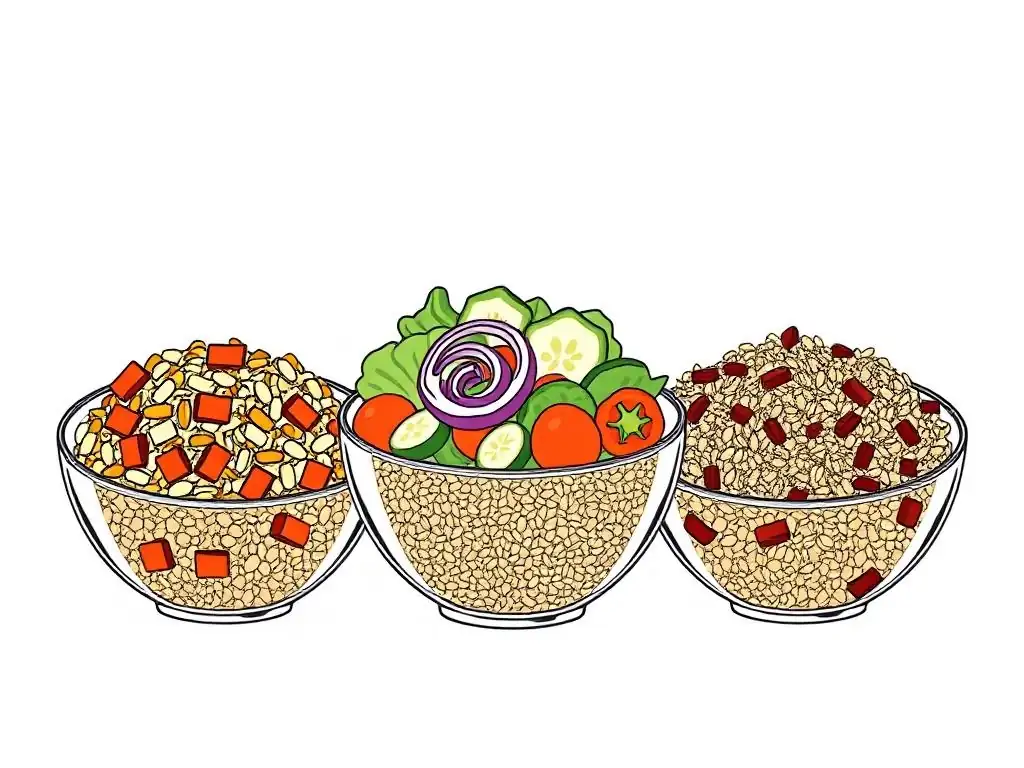
Quick and easy grain salads are a fantastic way to incorporate fiber-rich grains into your lunch routine. The beauty of these salads lies in their versatility; you can adapt them to your taste preferences and dietary needs. A simple base of cooked quinoa or farro, for example, can be transformed with an array of fresh vegetables, herbs, and proteins. Consider adding chopped cucumbers, bell peppers, tomatoes, and red onion for a vibrant crunch.
Fresh herbs like parsley, mint, or cilantro add a delightful aromatic dimension. For protein, grilled chicken, chickpeas, or even a handful of nuts and seeds provide satisfying satiety. A light vinaigrette, perhaps a lemon-herb dressing or a simple olive oil and vinegar mixture, ties everything together. These salads are not only quick to prepare but also highly portable, making them ideal for busy weekdays.
Remember to store your grain salads in airtight containers in the refrigerator to maintain freshness and prevent bacterial growth. Experiment with different grain types and combinations to discover your favorite flavor profiles. For instance, a barley salad with roasted vegetables and feta cheese offers a satisfying and nutritious lunch option. The key is to keep it simple, focusing on fresh, high-quality ingredients that complement each other.
Brown Rice and Chickpea Salad: Detailed instructions and nutritional information
This recipe provides a detailed guide to preparing a nutritious and flavorful brown rice and chickpea salad, a perfect example of meal prep grains for fiber.
Ingredients:
- 1 cup brown rice
- 1 can (15 ounces) chickpeas, rinsed and drained
- 1/2 cup chopped red onion
- 1/2 cup chopped cucumber
- 1/4 cup chopped fresh parsley
- 2 tablespoons olive oil
- 2 tablespoons lemon juice
- 1 teaspoon ground cumin
- Salt and pepper to taste
Instructions:
- Cook brown rice according to package directions. Allow to cool completely.
- In a large bowl, combine cooked brown rice, chickpeas, red onion, cucumber, and parsley.
- In a small bowl, whisk together olive oil, lemon juice, cumin, salt, and pepper.
- Pour dressing over the rice and chickpea mixture and toss gently to combine.
- Refrigerate for at least 30 minutes before serving to allow flavors to meld.
Nutritional Information (per serving, approximate):
| Nutrient | Amount |
|---|---|
| Calories | 350-400 |
| Protein | 10-12 grams |
| Fiber | 8-10 grams |
| Carbohydrates | 50-60 grams |
| Fat | 10-12 grams |
Note: Nutritional information is an approximation and may vary depending on specific ingredients used. This salad is packed with fiber, thanks to the brown rice and chickpeas, making it a great choice for digestive health and sustained energy throughout the day. The combination of flavors and textures creates a satisfying and healthy meal. Feel free to adjust the ingredients to match your preferences. Adding other vegetables, herbs, or spices can easily customize the recipe to your liking.
Savory Grain-Based Dishes: Dinner Solutions
Savory grain-based dishes offer a fantastic way to incorporate fiber-rich grains into your dinner routine. These dishes are hearty, flavorful, and perfect for meal prepping. Consider using grains like farro, barley, or quinoa as a base for your meal prep grains for fiber. These grains are not only packed with fiber but also offer a unique texture and flavor profile that complements various savory ingredients. One popular option is a hearty grain bowl, where you can combine your chosen grain with roasted vegetables like sweet potatoes, broccoli, and Brussels sprouts.
Adding a protein source, such as grilled chicken or chickpeas, completes the meal. A flavorful sauce, like a tahini dressing or a creamy pesto, ties everything together. Another excellent choice is a grain-based casserole. These casseroles are often layered with grains, vegetables, cheese, and meat, creating a comforting and nutritious dinner. For a vegetarian option, consider substituting the meat with lentils or mushrooms.
Remember to season your dishes generously with herbs and spices to enhance their flavor profile. Experiment with different flavor combinations to discover your favorite savory grain dishes. The possibilities are endless, allowing you to create unique and delicious meals that are both healthy and satisfying. Proper storage is crucial for maintaining the quality of your meal-prepped savory grain dishes. Storing them in airtight containers in the refrigerator ensures they remain fresh and flavorful for several days.
Meal Prepping Grains: Time-Saving Strategies
Meal prepping grains is a fantastic way to boost your fiber intake and streamline your weekly meals. The key is efficient preparation and smart storage to maximize freshness and minimize waste. This section focuses on practical strategies to incorporate more fiber-rich grains into your diet through effective meal prepping, saving you time and effort in the long run. We'll explore methods that ensure your grains remain nutritious and delicious throughout the week. Proper meal prepping of grains for fiber is a cornerstone of healthy eating and improved productivity.
Batch Cooking Grains for the Week
Batch cooking is the foundation of successful grain meal prepping. Instead of cooking a small portion of grains every day, dedicate a specific time, perhaps a Sunday afternoon, to cook a large batch. This approach significantly reduces cooking time throughout the week. Consider the volume you typically consume and adjust accordingly. For example, if you eat a cup of cooked grains daily, aim to cook at least 6-7 cups at once. This allows for flexibility in your meals and prevents last-minute cooking rushes.
Prioritize grains known for their high fiber content. Excellent choices include:
- Oats: Rolled oats, steel-cut oats, and even quick-cooking oats are all versatile and high in fiber.
- Brown Rice: A staple for its nutritional value and hearty texture.
- Quinoa: A complete protein source packed with fiber and other essential nutrients.
- Farro: A nutty-flavored grain with a chewy texture and high fiber content.
- Whole Wheat Berries: These take longer to cook, but the resulting fiber payoff is substantial.
Here’s a sample batch cooking schedule:
| Day | Grain Type | Quantity (Cups Uncooked) | Cooking Time (approx.) | Notes |
|---|---|---|---|---|
| Sunday | Brown Rice | 2 | 45 minutes | Use a rice cooker for even cooking |
| Sunday | Quinoa | 1.5 | 15 minutes | Rinse thoroughly before cooking |
| Sunday | Rolled Oats | 3 | Varies (check package) | Can be cooked on the stovetop or in a slow cooker |
Remember to cool your cooked grains completely before storing to prevent bacterial growth.
Freezing Cooked Grains for Extended Shelf Life
Freezing cooked grains is an excellent method to extend their shelf life and maintain their nutritional value. Proper freezing techniques are crucial to prevent freezer burn and maintain texture. Freezing cooked grains allows you to prepare a large batch and enjoy them throughout several weeks, maximizing your meal prep efficiency and ensuring a consistent supply of fiber-rich foods. This is particularly useful for busy individuals who may not have time for frequent cooking.
Specific Freezing Techniques and Tips for Grains
To freeze cooked grains effectively:
- Cool Completely: Allow the cooked grains to cool completely before freezing. This prevents the formation of ice crystals that can alter the texture.
- Portioning: Divide the cooled grains into freezer-safe containers or bags. Portion sizes should align with your typical serving sizes to avoid unnecessary thawing. Using smaller containers is generally better for easier thawing.
- Label and Date: Clearly label each container with the type of grain and the date of freezing. This helps with inventory management and ensures you use older portions first.
- Airtight Seal: Ensure an airtight seal to prevent freezer burn and maintain freshness. Remove as much air as possible from bags before sealing.
- Flat Freezing (Optional): For quicker freezing and easier portioning later, spread the cooked grains in a thin layer on a baking sheet before transferring them to freezer bags. This prevents the grains from clumping together.
Further Tips for Freezing Grains
Consider adding a tablespoon of olive oil to the grains before freezing to help prevent sticking and maintain moisture. Also, avoid refreezing thawed grains.
By following these simple steps, you can effortlessly incorporate more fiber into your diet through efficient meal prepping of grains, saving you valuable time and effort while promoting a healthier lifestyle. Remember, consistent meal prepping is key to reaping the long-term benefits of increased fiber intake.
Reheating Grains: Maintaining Texture and Flavor
Reheating meal-prepped grains correctly is crucial for preserving their texture and flavor. Overheating can lead to mushy grains, while underheating leaves them cold and potentially hard. The best method depends on the grain and your preferred reheating method.
For instance, brown rice, quinoa, and farro, which tend to dry out more easily than other grains, benefit from adding a splash of water or broth before reheating. This rehydrates the grains, preventing them from becoming overly dry and restoring their appealing texture. Microwaving is a quick option for these grains; simply add a tablespoon or two of liquid to the container, cover it, and microwave in 30-second intervals, stirring in between, until heated through. Avoid over-microwaving, as this can make the grains gummy.
Alternatively, reheating on the stovetop offers more control over the process. Add the grains to a saucepan with a little liquid, cover, and cook over low heat, stirring occasionally, until heated through. This method is particularly effective for larger batches of grains. The gentle heat prevents scorching and ensures even heating. For perfectly fluffy quinoa, a touch of butter or olive oil added during reheating can enhance its flavor and texture.
Steam reheating is another excellent choice, especially for maintaining the integrity of delicate grains. Place the grains in a steamer basket over simmering water, cover, and steam until heated through. This method is gentle and prevents the grains from becoming soggy.
Finally, remember that the initial cooking method also impacts reheating. Perfectly cooked grains initially will reheat more evenly and retain their texture better. Undercooked grains may remain hard even after reheating, while overcooked grains will likely become mushy.
Integrating Meal Prepped Grains into Your Weekly Routine
Successfully incorporating meal-prepped grains into your weekly routine requires planning and organization. The key is to create a system that works for your lifestyle and dietary needs. This might involve dedicating a specific day each week to grain preparation, or perhaps prepping grains in larger batches less frequently.
Consider your weekly schedule and identify the meals where you can easily incorporate prepped grains. For example, Monday's lunch could include a quinoa salad, Tuesday's dinner might feature brown rice bowls, and Wednesday's breakfast could be oatmeal with berries. Planning your meals in advance helps you avoid last-minute decisions and ensures you utilize your prepped grains efficiently.
To maximize efficiency, store your cooked grains properly. Allow them to cool completely before storing them in airtight containers in the refrigerator. This prevents condensation and helps maintain their freshness. Most cooked grains will last for 3-5 days in the refrigerator, though some, like quinoa, may last a bit longer. Proper storage is essential to preventing spoilage and maintaining optimal flavor and texture.
Beyond individual meals, think about how meal-prepped grains can streamline your entire week. Having a readily available base like cooked quinoa or brown rice simplifies the creation of quick and healthy meals throughout the week. This saves valuable time and reduces decision fatigue, particularly on busy days when you might be tempted to opt for less nutritious convenience foods. By building a system that integrates these grains seamlessly into your meals, you'll reap the rewards of both convenience and a fiber-rich diet.
Troubleshooting Common Meal Prep Grain Challenges
Meal prepping grains for fiber is a fantastic way to boost your daily intake and streamline your week, but it's not without its challenges. Let's address some common issues and provide effective solutions to ensure your meal-prepped grains remain delicious and nutritious. Successfully navigating these hurdles will significantly improve your experience and encourage consistent healthy eating. The key to success lies in understanding the science behind grain storage and preparation.
Dealing with Soggy Grains: Prevention and Solutions
Soggy grains are a common complaint among meal preppers. The culprit? Excess moisture. This can stem from several sources: improper cooking, inadequate cooling, or incorrect storage. Let's explore preventative measures and solutions.
Preventing soggy grains starts before cooking. Using the correct grain-to-water ratio is crucial. Always refer to the package instructions, as ratios can vary depending on the grain type. For example, brown rice often requires a 2:1 water-to-grain ratio, while quinoa might need a 1.5:1 ratio. Overcooking is another major cause, leading to mushy grains. Set a timer and check for doneness slightly before the recommended time. The grains should be tender but still retain a slight firmness.
Once cooked, thorough cooling is paramount. Spread the cooked grains in a single layer on a baking sheet to facilitate rapid cooling. This prevents steam from building up and making the grains soggy. Avoid piling them up in a container while still hot.
Finally, proper storage is key. Use airtight containers to prevent moisture absorption from the air. Consider adding a layer of paper towels to absorb any residual moisture before sealing the container.
Specific Solutions and Preventative Measures for Soggy Grains
Let's delve into more specific solutions for already soggy grains. While prevention is always the best approach, sometimes a rescue mission is necessary.
If your grains are slightly soggy, you can try spreading them on a baking sheet and letting them air dry for a few hours. This can help remove excess moisture. You can also gently toast them in a pan over medium heat for a few minutes to crisp them up. This works particularly well with grains like quinoa or farro.
For severely soggy grains, unfortunately, the best solution is often to discard them and start again. Attempting to salvage them might compromise their taste and texture beyond repair, potentially impacting the nutritional value. While disappointing, prioritizing food safety and quality is crucial. Consider this a learning experience to perfect your meal prep techniques.
Maintaining the Nutritional Value of Prepped Grains
Preserving the nutritional integrity of your meal-prepped grains is just as important as preventing sogginess. Vitamins and minerals can degrade over time, especially when exposed to light, air, and fluctuating temperatures.
To maximize nutritional value, store your cooked grains in an opaque, airtight container in the refrigerator. Aim to consume them within 3-5 days for optimal freshness and nutrient retention. Freezing is another excellent option for longer storage (up to 3 months). Freezing effectively halts enzymatic activity that degrades nutrients.
Remember, proper cooking techniques also contribute to nutrient retention. Overcooking can destroy some vitamins and minerals, so always follow package instructions and check for doneness regularly. Adding healthy fats, like olive oil or nuts, to your meal-prepped grains can improve the absorption of fat-soluble vitamins. This enhances the overall nutritional profile of your meals. Consider adding spices and herbs; not only do they enhance flavor, but they also often contain antioxidants that protect against nutrient loss.
By following these guidelines, you can confidently meal prep grains for fiber, knowing you're maximizing both taste and nutritional benefits. Happy meal prepping!
Tips for Preserving Nutrients During Storage and Reheating
Proper storage and reheating techniques are crucial for maintaining the nutritional value of your meal-prepped grains. Improper handling can lead to nutrient loss, particularly of heat-sensitive vitamins like vitamin C and certain B vitamins. To maximize nutrient retention, consider these strategies:
First, proper cooling is key. Allow your cooked grains to cool completely before storing them. This prevents the growth of harmful bacteria and minimizes enzymatic activity that can degrade nutrients. Aim for a temperature below 40°F (4°C) within two hours of cooking.
Second, optimal storage containers matter. Avoid storing your grains in metal containers, as this can lead to oxidation and nutrient loss. Instead, opt for airtight glass or BPA-free plastic containers. These containers will help maintain freshness and prevent moisture loss, which can affect both texture and nutrient content.
Third, consider portioning. Portioning your grains into individual containers not only saves time during the week but also minimizes exposure to air and light, both of which can contribute to nutrient degradation.
Finally, reheating methods significantly impact nutrient retention. Microwaving is generally the quickest method, but it can lead to some nutrient loss due to high heat. Steaming or gently reheating in a pan with a small amount of water is a gentler approach that preserves more nutrients. Avoid overcooking, as this will further diminish the nutritional value of your grains. Remember, reheating should be done only once for optimal food safety and nutrient preservation. Always ensure the grains are heated thoroughly to a safe internal temperature.
Using these storage and reheating strategies will help you enjoy the maximum nutritional benefits from your meal-prepped grains, maximizing your fiber intake and overall health. Remember, planning ahead and paying attention to detail will significantly improve the quality and nutritional value of your meal prepped meals.
Adapting Meal Prep Grains to Different Diets and Preferences
Meal prepping grains doesn't have to be a one-size-fits-all approach. The beauty of meal prepping lies in its adaptability to various dietary needs and preferences. Let's explore how you can customize your grain preparations for different dietary requirements:
For gluten-free diets, choose naturally gluten-free grains like quinoa, brown rice, millet, or amaranth. Ensure that you are using certified gluten-free products to avoid cross-contamination. Experiment with different gluten-free grain blends to discover your favorites. Adding gluten-free grains to your meal prep routine is a simple way to ensure you're meeting your dietary needs.
Those following a vegan or vegetarian diet will find that many grains are naturally vegan and vegetarian-friendly. Enhance the flavor and nutritional profile by adding various plant-based proteins such as lentils, beans, or chickpeas to your grain dishes. Consider incorporating a variety of vegetables and healthy fats, such as avocado or nuts, to create balanced and satisfying meals.
Individuals with diabetes should prioritize low-glycemic grains like quinoa or barley, which release sugar into the bloodstream more slowly than high-glycemic grains like white rice. Combining these grains with high-fiber vegetables and lean protein sources can help regulate blood sugar levels effectively. Always check the glycemic index of specific grains to make informed choices.
Those watching their sodium intake should avoid adding excessive salt during cooking. Instead, rely on herbs, spices, and citrus to enhance the flavor of your grain dishes. Using low-sodium broths or avoiding broth altogether can also significantly reduce the sodium content of your meal-prepped grains.
Finally, consider allergies and intolerances. Always check the ingredient list of any grains or other foods you use to ensure they are safe for consumption. If you have any specific dietary restrictions or allergies, always prioritize your health and safety by choosing appropriate ingredients and making necessary adjustments to your meal prep plan. Remember, mindful planning and flexible approaches can make meal prepping grains both enjoyable and beneficial for everyone.
Beyond the Basics: Exploring Different Grain Varieties
This section delves deeper into the world of meal prep grains, moving beyond the commonly known options like quinoa and brown rice to explore some lesser-known but equally nutritious choices. We'll focus on the nutritional profiles and versatile uses of these grains, highlighting their fiber content and suitability for meal prepping. Remember, incorporating a variety of grains into your meal prep strategy is key to maximizing nutritional benefits and preventing dietary boredom. This allows you to reap the rewards of meal prep grains for fiber in a delicious and sustainable way.
Freekeh: Nutritional Profile and Uses
Freekeh, a whole-wheat grain, offers a unique nutritional profile packed with fiber. Unlike many other grains, freekeh is harvested while still green and immature, then roasted. This process gives it a smoky, nutty flavor and preserves much of its nutrient content.
Freekeh boasts a higher protein content than many other grains, making it a satisfying and filling addition to your meals. Its fiber content is impressive, contributing to improved digestion and satiety. A typical serving (approximately 1 cup cooked) provides around 8 grams of fiber, significantly contributing to your daily fiber intake goals. This makes it an excellent choice for those seeking to increase their fiber intake through strategic meal prep grains for fiber.
Here's a breakdown of the nutritional benefits:
- High in Fiber: As mentioned, freekeh is an excellent source of both soluble and insoluble fiber, promoting gut health and regulating blood sugar levels.
- Good Source of Protein: Providing a decent amount of protein, freekeh can be a satisfying alternative or supplement to meat in vegetarian or vegan meals.
- Rich in Minerals: It contains essential minerals like magnesium, phosphorus, and manganese.
- Versatile in Cooking: Freekeh can be used in salads, soups, stews, or as a side dish. It holds its shape well when cooked, making it ideal for meal prepping.
Consider these meal prep ideas using freekeh:
- Freekeh Salad with Roasted Vegetables: Roast your favorite vegetables (broccoli, carrots, peppers) and toss them with cooked freekeh, herbs, and a lemon vinaigrette. This can be stored in the refrigerator for several days.
- Freekeh and Lentil Soup: A hearty and nutritious soup perfect for colder months. Prepare a large batch and freeze portions for quick meals.
- Freekeh Stuffed Peppers: Use cooked freekeh as a filling for bell peppers, along with other vegetables and spices.
Sorghum: Nutritional Profile and Uses
Sorghum, an ancient grain, is another excellent option for those looking to incorporate more fiber into their diet through meal prep grains for fiber. It's gluten-free, making it a suitable alternative for individuals with celiac disease or gluten intolerance. Its slightly sweet flavor and chewy texture make it a versatile ingredient.
One cup of cooked sorghum provides approximately 5-6 grams of fiber, depending on the variety. It’s also a good source of iron, magnesium, and antioxidants.
Here’s what makes sorghum stand out:
- Gluten-Free: A safe and nutritious option for those avoiding gluten.
- High in Antioxidants: Sorghum contains various antioxidants that contribute to overall health and well-being.
- Good Source of Minerals: Provides essential minerals like iron and magnesium.
- Versatile Use: Can be used as a porridge, in salads, or as a base for bowls.
Examples of sorghum-based meal prep ideas:
- Sorghum Breakfast Bowl: Combine cooked sorghum with berries, nuts, and seeds for a nutritious and filling breakfast.
- Sorghum Salad with Chickpeas and Herbs: A vibrant and flavorful salad perfect for lunch or a light dinner.
- Sorghum and Black Bean Burgers: A delicious and healthy vegetarian burger option.
Experimenting with Different Grain Combinations
The real power of meal prepping grains lies in the ability to experiment and combine different varieties. Mixing grains not only adds variety to your meals but also enhances the nutritional profile. For example, combining brown rice (a good source of manganese) with quinoa (a complete protein) creates a balanced and nutrient-rich meal. Similarly, combining freekeh with sorghum offers a unique flavor profile and a powerful fiber boost.
Consider these combinations:
| Grain Combination | Nutritional Benefits | Meal Prep Ideas |
|---|---|---|
| Quinoa & Brown Rice | Complete protein, high in fiber, rich in minerals | Buddha bowls, stir-fries, salads |
| Freekeh & Sorghum | High fiber, gluten-free, diverse minerals and antioxidants | Salads, grain bowls, soups |
| Oats & Barley | High in fiber, good source of B vitamins | Porridge, breakfast bowls, hearty side dishes |
Remember to always consider your individual dietary needs and preferences when choosing and combining grains. Happy meal prepping!
Frequently Asked Questions
What are the best grains for meal prepping to increase fiber intake?
The best grains for high-fiber meal prepping include quinoa, brown rice, oats (rolled or steel-cut), and barley. These are all versatile and nutritious, offering a good source of fiber and other essential nutrients.
How can I meal prep grains to maintain their nutritional value and fiber content?
Proper storage is key! Cook your grains according to package directions, then store them in airtight containers in the refrigerator for up to 5 days or freeze for longer storage. Avoid overcooking, which can reduce fiber content.
Are there any specific recipes ideal for meal prepping grains to maximize fiber?
Absolutely! Consider recipes like fiber-rich grain bowls with various vegetables and lean protein, or overnight oats with chia seeds and berries for added fiber. Explore grain salads with legumes for a protein and fiber boost.
How much fiber should I aim for daily when incorporating meal-prepped grains?
The recommended daily fiber intake varies depending on age and sex, but generally, aim for 25-30 grams per day. Meal prepping grains can contribute significantly to your daily fiber goals. Check food labels for accurate fiber content.
Can I add other ingredients to my meal-prepped grains to boost fiber further?
Yes! Add ingredients like nuts, seeds, beans, lentils, and berries to your cooked grains to significantly increase their fiber content and nutritional value. These additions also add flavor and texture.
Final Reflection: Sowing the Seeds of Health Through Meal-Prepped Grains
The convenience of meal prepping grains is undeniable, but its impact on our overall well-being, particularly through increased fiber intake, is transformative. We've explored the nutritional powerhouses among grains, highlighting their versatility and ability to significantly boost our daily fiber consumption, a crucial element often overlooked in modern diets. This isn't just about convenience; it's about proactively investing in our long-term health.
The shift towards mindful eating and prioritizing whole grains is a cultural movement slowly but surely gaining momentum. We're seeing a growing awareness of the connection between gut health and overall well-being, and the role of fiber in this equation is becoming increasingly clear. The food you eat can be either the safest and most powerful form of medicine or the slowest form of poison.
- Ann Wigmore. This quote underscores the profound impact our dietary choices have on our health, and incorporating fiber-rich, meal-prepped grains is a simple yet powerful step towards a healthier future.
Now, consider your own relationship with food. Are you ready to embrace the simplicity and health benefits of meal prepping grains? Start small, experiment with different grains and recipes, and discover the joy of nourishing your body with wholesome, fiber-packed meals. The journey to better health begins with a single, well-planned meal, and the rewards – increased energy, improved digestion, and a stronger sense of well-being – are well worth the effort. Let's cultivate a healthier lifestyle, one grain at a time.
Unlock Your Energy: Start Meal Prepping Grains Today!
Thanks for exploring the world of fiber-rich grains with us! We hope you've discovered delicious and easy ways to boost your health and energy. Now, let's put that knowledge into action.
- Try a new grain this week: Choose one from our article—quinoa, farro, or brown rice, for example—and plan to include it in at least three meals. Get creative: try grain salads, grain bowls, or even bake with it!
- Share your creations: Snap a photo of your delicious grain dish and share it on social media using #UltimateLifeHacksGrains – let's inspire each other!
- Learn more about grains: Visit our website, UltimateLifeHacks.org, for more information and recipes on various grains.
What's your favorite way to use grains, and which grain are you most excited to try?