
Busy But Fit: How to Build a Sustainable Fitness Routine Around Your Schedule


Feeling overwhelmed by a busy schedule and struggling to prioritize fitness? UltimateLifeHacks is here to change that. Discover how to seamlessly integrate a sustainable fitness routine into even the most demanding day, without sacrificing your productivity or sanity. Learn the secrets to building a Busy schedule fitness routine that actually works – dive in and unlock your potential for a healthier, more energized you!
- Understanding Your Busy Schedule & Fitness Goals
-
Crafting Your Personalized Busy Schedule Fitness Routine
- Choosing the Right Type of Exercise: Finding Activities You Enjoy
- Incorporating Short, High-Intensity Workouts (HIIT): Maximizing Results in Minimal Time
- Utilizing Your Commute for Fitness: Walking, Cycling, or Public Transport Options
- Sneaking in Exercise During Lunch Breaks: Quick Workouts at the Office or Gym
-
Building a Sustainable Fitness Routine: Tips & Strategies
- Consistency is Key: Creating a Realistic Exercise Schedule
- Setting Reminders & Using Accountability Apps: Staying on Track
- Finding a Workout Buddy: Boosting Motivation and Commitment
- Preventing Burnout: Rest and Recovery Strategies
- Making it Fun: Discovering Activities You Enjoy to Maintain Motivation
- Adapting Your Routine: Adjusting to Unexpected Changes in Schedule
- Nutrition for the Busy Fitness Enthusiast
- Maintaining Your Busy Schedule Fitness Routine Long-Term
- Frequently Asked Questions
- Final Reflection: Weaving Fitness into the Fabric of Life
- Unlock Your Fittest Self: Start Your Personalized Fitness Journey Today!
Understanding Your Busy Schedule & Fitness Goals
Juggling work, family, social life, and everything in between often leaves us feeling overwhelmed, with fitness often being the first thing to fall by the wayside. This article tackles the common challenge of maintaining a fitness routine amidst a jam-packed schedule. We'll explore practical strategies to build a sustainable fitness plan that seamlessly integrates into your daily life, ensuring you stay fit and healthy without sacrificing your commitments. We'll cover everything from realistically assessing your current time constraints to setting achievable goals and prioritizing fitness amidst the whirlwind of a busy life.
This guide is designed to help you reclaim your health and well-being, proving that a busy schedule is no excuse for neglecting your physical and mental health. Let's get started on building your personalized, sustainable "Busy But Fit" plan! 🚀
Assessing Your Current Schedule: Identifying Time Constraints
Before diving into workout plans, it's crucial to understand your current schedule's limitations. This isn't about finding fault; it's about working with your schedule, not against it. Grab a calendar or planner (digital or physical) and meticulously record your daily activities for a week. This includes work hours, commute time, family obligations, social events, meal times, and even sleep! Pay close attention to recurring time blocks and potential gaps.
Consider using a visual representation like this table to help you:
| Day | 7:00 AM - 8:00 AM | 8:00 AM - 9:00 AM | 9:00 AM - 12:00 PM | 12:00 PM - 1:00 PM | ... |
|---|---|---|---|---|---|
| Monday | Sleep | Commute | Work | Lunch | ... |
| Tuesday | Sleep | Commute | Work | Lunch | ... |
| Wednesday | Sleep | Commute | Work | Lunch | ... |
| Thursday | Sleep | Commute | Work | Lunch | ... |
| Friday | Sleep | Commute | Work | Lunch | ... |
| Saturday | Sleep | Errands | Social Event | Family Time | ... |
| Sunday | Sleep | Relaxation | Meal Prep | Family Time | ... |
Once you have a clear picture, identify consistent time blocks that are inflexible and those that offer potential flexibility. This honest assessment will be the foundation for creating a realistic and sustainable fitness plan. Remember, even small pockets of time can be utilized effectively!
Defining Realistic Fitness Goals: Short-Term & Long-Term Objectives
Setting achievable goals is paramount to long-term success. Avoid overly ambitious targets that lead to discouragement and abandonment. Instead, focus on creating a balance between short-term and long-term objectives.
- Short-Term Goals (1-4 weeks): These could include committing to 30 minutes of exercise three times a week, trying a new fitness class, or simply increasing your daily step count by 5,000. These small wins build momentum and confidence.
- Long-Term Goals (3-6 months or longer): These might involve running a 5k, losing a specific amount of weight, increasing strength levels, or improving overall fitness endurance. These goals provide a sense of direction and purpose.
Remember to make your goals SMART: Specific, Measurable, Achievable, Relevant, and Time-bound. For example, instead of "get in shape," aim for "walk for 30 minutes three times a week for the next month." This clarity prevents vagueness and ensures accountability. 🎉
Prioritizing Fitness: Integrating Exercise into Your Daily Life
Integrating fitness into your busy schedule requires strategic planning and prioritization. Consider these approaches:
- Early Morning Workouts: Starting your day with exercise can be incredibly effective. It sets a positive tone and ensures you get your workout done before other commitments take over.
- Lunchtime Fitness: Even a short 30-minute workout during your lunch break can make a significant difference. Utilize this time for a brisk walk, a quick gym session, or a bodyweight workout.
- Evening Exercise: If mornings and lunchtimes are impossible, allocate time in the evening. However, ensure you have a consistent time slot to avoid disruptions.
- Micro-Workouts: Short bursts of activity throughout the day can surprisingly add up. Take the stairs instead of the elevator, walk during phone calls, or do some quick stretches at your desk. These "micro-workouts" can significantly contribute to your overall activity levels.
- Weekend Warrior Approach: If weekdays are too packed, dedicate longer workout sessions on weekends. This could involve longer runs, hiking, cycling, or team sports. However, remember to maintain some activity during the week for optimal results.
Remember consistency is key! Even small efforts consistently applied will yield better results than sporadic bursts of intense activity. Find a fitness routine that fits your lifestyle and stick with it. The key is to find a sustainable approach that works for you. 💪
Crafting Your Personalized Busy Schedule Fitness Routine
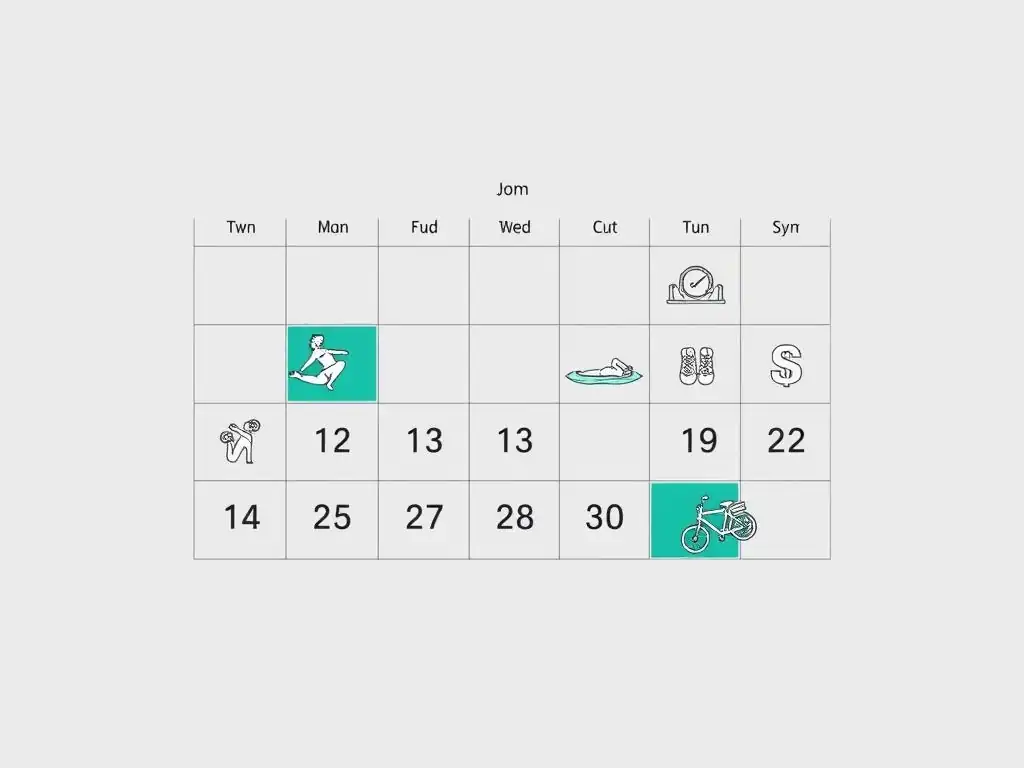
This section focuses on creating a fitness plan that seamlessly integrates into your already demanding schedule. The key is personalization; a routine that works for a CEO might not work for a stay-at-home parent. We'll explore strategies to build a sustainable fitness routine even with the most jam-packed "busy schedule fitness routine." Remember, consistency is more important than intensity – start small and gradually increase your activity levels.
The goal is to find a rhythm that fits your life, not to drastically alter it. Small, consistent changes add up to significant long-term results. Don't aim for perfection; aim for progress.
Choosing the Right Type of Exercise: Finding Activities You Enjoy
Finding enjoyable exercises is crucial for long-term adherence to a busy schedule fitness routine. Forcing yourself to do something you hate will lead to burnout and abandonment. Consider your preferences and explore various activities. Do you prefer individual workouts or group classes? Are you more motivated by structured routines or spontaneous activity?
Some people thrive in the structured environment of a gym, benefiting from the equipment and guided workouts. Others prefer the flexibility and freedom of outdoor activities like running, hiking, or cycling. Still others find joy and community in team sports or group fitness classes such as Zumba or yoga.
Think about what genuinely interests you. Do you enjoy the challenge of weight training, the meditative aspect of yoga, the cardiovascular boost of running, or the social interaction of team sports? Experiment with different types of exercise to find those that you look forward to, not dread. This discovery is key to building a sustainable "busy schedule fitness routine."
Remember to consider accessibility as well. If a gym is inconveniently located, it might not be the best choice for your busy schedule fitness routine. Similarly, if you lack the time for lengthy sessions, shorter, high-intensity workouts might be more suitable.
Incorporating Short, High-Intensity Workouts (HIIT): Maximizing Results in Minimal Time
High-Intensity Interval Training (HIIT) is a fantastic option for those with limited time. HIIT involves short bursts of intense exercise followed by brief recovery periods. This method is incredibly efficient, allowing you to achieve significant fitness gains in a fraction of the time required for traditional cardio. A 15-20 minute HIIT workout can be just as effective, if not more so, than a longer, less intense session.
Here's an example of a simple HIIT routine you can perform almost anywhere:
| Exercise | Duration | Rest | Reps |
|---|---|---|---|
| Jumping Jacks | 30 sec | 15 sec | 3 |
| Burpees | 30 sec | 15 sec | 3 |
| Mountain Climbers | 30 sec | 15 sec | 3 |
| Push-ups | 30 sec | 15 sec | 3 |
| Plank | 30 sec | 15 sec | 3 |
This routine can easily be adapted to your fitness level. You can adjust the duration of the exercises and rest periods as needed. Remember to consult your doctor before starting any new workout routine. This approach is especially useful for maintaining a productive "busy schedule fitness routine."
Utilizing Your Commute for Fitness: Walking, Cycling, or Public Transport Options
Your commute can be a surprisingly effective way to incorporate fitness into your day. If possible, replace your car with walking, cycling, or public transport. A brisk walk or cycle to work not only provides exercise but also reduces stress and improves mental clarity. Even if you can only incorporate a portion of your commute as active travel, it still contributes significantly to your overall fitness goals.
Consider these options:
- Walking: If your workplace is within a reasonable walking distance, try walking part or all of the way. This is a low-impact exercise that's easy on the joints and can be incorporated into almost any schedule.
- Cycling: Cycling is a more efficient way to cover longer distances than walking. It's a great cardiovascular workout and a fun way to commute.
- Public Transport: Even using public transport can be incorporated into a "busy schedule fitness routine." Get off the bus or train a stop early and walk the remaining distance. This adds extra steps to your day without requiring significant extra time.
Remember, even small changes can make a big difference. By strategically utilizing your commute, you can easily add extra activity to your day without disrupting your already busy schedule. This is a simple, effective way to build a sustainable fitness routine around your busy life.
Sneaking in Exercise During Lunch Breaks: Quick Workouts at the Office or Gym
Lunch breaks often represent the only feasible window for exercise amidst a jam-packed workday for many. Transforming this midday break into a mini-workout can significantly boost your fitness levels without sacrificing valuable work time. The key is to plan efficient, high-intensity workouts that deliver maximum results in minimal time.
Even without access to a gym, a surprisingly effective workout can be achieved at your workplace. Simple exercises like jumping jacks, high knees, burpees, and squats require no equipment and can be performed in a small space. A quick 15-minute burst of these exercises can elevate your heart rate, burn calories, and improve muscle tone.
Remember to incorporate stretches before and after your workout to prevent injury and improve flexibility. Consider creating a short routine you can easily repeat, ensuring consistency and maximizing your time efficiency. Many free workout apps offer short, guided routines perfect for lunch breaks, often categorized by available space and equipment.
For those with access to a nearby gym, the lunch break presents an even more advantageous opportunity. Instead of a long, drawn-out workout, focus on a specific muscle group or a particular type of training. For example, a 30-minute session focusing solely on weight training for your upper body, followed by a short cool-down, is far more effective than a longer, less focused session.
Alternatively, a high-intensity interval training (HIIT) session can be equally beneficial, delivering a significant cardiovascular workout in a short amount of time. Remember to prioritize efficient movements to maximize calorie burn and minimize rest time. Pre-planning your gym routine is crucial for making the most of your limited time.
Utilizing your lunch break for fitness is a powerful strategy in managing a "busy schedule fitness routine." The benefits extend beyond physical health; incorporating even a short workout can improve focus, energy levels, and overall mood, leading to increased productivity in the afternoon. Remember to listen to your body, adjust the intensity and duration of your workout as needed, and always prioritize safety.
Consistent short workouts can accumulate significant benefits over time, proving that even the busiest individuals can prioritize fitness. The key is strategic planning and efficient execution, turning a seemingly impossible task into a manageable and rewarding part of your daily routine.
Building a Sustainable Fitness Routine: Tips & Strategies
This section dives deep into practical strategies for building a fitness routine that seamlessly integrates into even the busiest of schedules. We'll explore techniques to ensure consistency, leverage technology for accountability, and harness the power of social support to maintain your fitness goals. Remember, a sustainable routine isn't about intense workouts every day; it's about finding a manageable approach that fits your life and helps you achieve long-term fitness success. This is key for anyone searching for a "busy schedule fitness routine".
Consistency is Key: Creating a Realistic Exercise Schedule
The cornerstone of any successful fitness plan, especially for those with busy schedules, is consistency. Forget the all-or-nothing approach. Instead, focus on building a routine that's realistic and sustainable in the long run. Start small. Instead of aiming for an hour-long workout daily, begin with 15-20 minutes, three times a week. This is far more achievable and less likely to lead to burnout.
Consider your weekly schedule. Identify consistent pockets of time – even 10-minute intervals can be beneficial. Are you a morning person? Perhaps a quick workout before work is ideal. Or, if evenings are better suited, dedicate 30 minutes after dinner to a home workout. The key is to schedule your workouts like any other important appointment.
Here's a sample schedule you can adapt:
| Day | Time | Activity | Duration | Notes |
|---|---|---|---|---|
| Monday | 7:00 - 7:30 AM | Yoga or Bodyweight Circuit | 30 min | Focus on flexibility and strength |
| Wednesday | 12:30 - 1:00 PM | Brisk Walk/Jog | 30 min | Incorporate into your lunch break |
| Friday | 6:00 - 6:30 PM | Strength Training (home workout) | 30 min | Utilize resistance bands or bodyweight |
Remember to build in rest days! Your body needs time to recover. Overtraining can lead to injury and derail your progress. Consider alternating between high-intensity and low-impact activities for optimal results and to prevent monotony. This approach is crucial for maintaining a long-term "busy schedule fitness routine".
Setting Reminders & Using Accountability Apps: Staying on Track
Life gets hectic. Even the best-laid plans can be easily forgotten amidst a whirlwind of deadlines and commitments. This is where technology comes in handy. Utilize calendar reminders, set alarms on your phone, or even leave sticky notes as visual cues. These simple reminders can make a huge difference in ensuring you stick to your workout schedule.
Furthermore, consider using accountability apps designed to help you stay on track. Many apps offer features like workout tracking, progress monitoring, and even social features that connect you with other users for added motivation. These apps provide a structured environment and often incorporate gamification to keep you engaged and motivated. Finding the right app can be a game changer for maintaining a successful "busy schedule fitness routine".
Finding a Workout Buddy: Boosting Motivation and Commitment
Working out with a friend or family member can significantly enhance your commitment and motivation. Having someone to hold you accountable, share the experience with, and even provide encouragement can make all the difference, particularly on those days when you lack motivation. This also helps to build in social connection which is important for overall well-being.
Consider finding a workout buddy with similar fitness goals and a compatible schedule. This could be a colleague, a friend, or even a family member. Plan your workouts together, making it a social event as well as a fitness endeavor. This shared commitment can help you stay consistent and maintain your "busy schedule fitness routine" even when life throws curveballs your way. The mutual support and encouragement will help overcome obstacles and celebrate milestones together. This shared journey often leads to greater long-term success.
Preventing Burnout: Rest and Recovery Strategies

Maintaining a busy schedule fitness routine requires a mindful approach to rest and recovery. Ignoring this crucial aspect can lead to burnout, injuries, and ultimately, abandoning your fitness goals altogether. Prioritizing recovery isn't about laziness; it's about optimizing your training for long-term success. This involves strategic planning and self-awareness.
One effective strategy is incorporating active recovery days into your weekly schedule. Instead of complete rest, engage in low-impact activities like yoga, stretching, or a leisurely walk. These activities promote blood flow, reduce muscle soreness, and help prevent stiffness without taxing your body excessively. Aim for at least one or two active recovery days per week, strategically placed between your more intense workouts.
Sleep is another critical component of recovery. Aim for 7-9 hours of quality sleep each night. Consistent sleep allows your body to repair and rebuild muscle tissue, crucial for muscle growth and performance improvement. Establish a regular sleep schedule, even on weekends, to regulate your body's natural sleep-wake cycle. Creating a relaxing bedtime routine, such as taking a warm bath or reading a book, can significantly improve sleep quality.
Finally, listen to your body. Don't push through pain. If you're feeling excessively fatigued or experiencing persistent pain, take a break. Rest is not a setback; it's a necessary component of progress. Ignoring your body's signals can lead to serious injuries that will sideline you for far longer than a planned rest period. Remember, sustainable fitness is a marathon, not a sprint.
Making it Fun: Discovering Activities You Enjoy to Maintain Motivation
Sustaining any fitness routine, especially with a busy schedule, hinges on enjoyment. If you dread your workouts, you're far less likely to stick with them. Therefore, finding activities you genuinely enjoy is paramount. This isn't about solely focusing on the most efficient calorie-burning exercises; it’s about discovering activities that align with your preferences and keep you engaged.
Experiment with different activities. Try various fitness classes, like Zumba, spin, or kickboxing. Explore outdoor activities such as hiking, swimming, or cycling. Perhaps you enjoy team sports like basketball or volleyball. The key is to find something that you look forward to, transforming exercise from a chore into a rewarding experience.
Consider incorporating elements of gamification into your routine. Use fitness trackers to monitor your progress and set achievable goals. Reward yourself for reaching milestones, but ensure these rewards align with your overall health and fitness goals. Joining a fitness challenge or participating in a group fitness class can also boost motivation through social interaction and friendly competition. Remember, the goal is to make fitness a sustainable and enjoyable part of your lifestyle, not a temporary fix.
Adapting Your Routine: Adjusting to Unexpected Changes in Schedule
Life is unpredictable. Unexpected events, such as work deadlines, family emergencies, or illnesses, can disrupt even the most meticulously planned fitness routine. The key to maintaining a busy schedule fitness routine lies in adaptability and flexibility. Rigid adherence to a strict schedule often leads to frustration and abandonment when faced with unforeseen circumstances.
Develop a flexible approach to your workouts. Instead of rigidly adhering to a specific time and duration, build in flexibility. If you miss a morning workout due to a late meeting, adjust by squeezing in a shorter, more intense workout later in the day or the next morning. Short, high-intensity interval training (HIIT) sessions are particularly effective for fitting fitness into a busy schedule.
Prioritize your workouts. Treat your fitness routine as an important appointment, scheduling it into your day like any other crucial commitment. This helps to emphasize its importance and makes it less likely to be overlooked or postponed. Utilize any spare moments throughout your day for short bursts of activity. A quick 10-minute walk during your lunch break or a set of bodyweight exercises before bed can significantly contribute to your overall fitness.
Finally, don't beat yourself up over missed workouts. Life happens. The most important thing is to get back on track as soon as possible. One missed workout doesn't negate all your previous efforts. Focus on consistency over perfection, and remember that even small steps contribute to long-term progress. Embrace the unexpected challenges as opportunities to test your resilience and adaptability.
Nutrition for the Busy Fitness Enthusiast
Maintaining a healthy diet is crucial when building a busy schedule fitness routine. Nutritional deficiencies can severely impact your energy levels, workout performance, and overall recovery. This section focuses on practical strategies to ensure you're fueling your body effectively, even with limited time. We'll explore efficient meal prep techniques, smart snacking options, and simple hydration strategies to optimize your fitness journey.
Quick and Healthy Meal Prep Ideas: Saving Time Without Sacrificing Nutrition
Time constraints often lead to unhealthy food choices. However, strategic meal prepping can significantly reduce cooking time and ensure you're consuming nutritious meals throughout the week. The key is to prepare components in advance. Instead of cooking a full meal every day, focus on prepping ingredients like chopping vegetables, cooking grains (quinoa, brown rice), and grilling chicken or fish. This way, assembling a healthy meal becomes a quick and easy task.
Here's a sample weekly meal prep plan:
| Day | Breakfast | Lunch | Dinner |
|---|---|---|---|
| Sunday | Overnight oats with berries & nuts | Quinoa salad with grilled chicken | Baked salmon with roasted vegetables |
| Monday | Leftover baked salmon & vegetables | Leftover quinoa salad | Chicken stir-fry with brown rice |
| Tuesday | Greek yogurt with granola & fruit | Chicken & veggie wraps | Leftover chicken stir-fry |
| Wednesday | Smoothie with spinach, banana & protein powder | Leftover chicken & veggie wraps | Lentil soup with whole-wheat bread |
| Thursday | Scrambled eggs with whole-wheat toast | Leftover lentil soup | Chicken breast salad with mixed greens |
| Friday | Leftover chicken breast salad | Tuna salad sandwich on whole-wheat bread | Pizza with whole-wheat crust & veggies |
| Saturday | Pancakes with fruit & a small amount of syrup | Leftover pizza | Out to eat (choose healthy options!) |
Remember to adjust portion sizes to your individual caloric needs and fitness goals. Prioritize lean protein sources, complex carbohydrates, and plenty of fruits and vegetables. Batch cooking on the weekend can save you significant time during the busy week.
Smart Snacking for Energy: Fueling Your Workouts Efficiently
Smart snacking is essential for maintaining energy levels between meals and fueling your workouts. Avoid sugary snacks and processed foods that lead to energy crashes. Instead, opt for nutrient-dense options that provide sustained energy.
Here are some excellent choices:
- Fruits: Apples, bananas, oranges – easily portable and packed with vitamins and fiber.
- Vegetables: Baby carrots, celery sticks with hummus – provide essential nutrients and fiber.
- Nuts and Seeds: Almonds, walnuts, pumpkin seeds – offer healthy fats and protein.
- Greek Yogurt: High in protein, keeping you feeling full and satisfied.
- Hard-boiled Eggs: Convenient and packed with protein.
Remember to plan your snacks in advance and keep healthy options readily available at your workplace or gym bag. This prevents impulsive unhealthy choices when hunger strikes. The right snack can significantly boost your workout performance and recovery.
Staying Hydrated on the Go: Simple Strategies for Maintaining Hydration
Dehydration can negatively affect your energy levels, workout performance, and overall health. Maintaining adequate hydration is crucial, especially when following a busy schedule fitness routine.
Here are some simple strategies:
- Carry a reusable water bottle: Keep it filled and readily accessible throughout the day. Set reminders on your phone to encourage regular sips.
- Infuse your water: Add slices of lemon, cucumber, or berries for a refreshing flavor boost.
- Drink water before, during, and after your workouts: Replenish fluids lost through sweat.
- Eat hydrating foods: Fruits and vegetables with high water content, such as watermelon and cucumbers, contribute to your daily fluid intake.
Staying adequately hydrated is simple yet often overlooked. Making a conscious effort to drink water consistently throughout the day will significantly improve your overall well-being and support your fitness goals. Consider setting hydration goals and tracking your intake to ensure you're meeting your daily needs. 💦
Maintaining Your Busy Schedule Fitness Routine Long-Term
Building a fitness routine around a busy schedule is a significant achievement. However, the true test lies in maintaining that routine over the long haul. Sustainability isn't just about sticking to a plan; it's about adapting, evolving, and making fitness an integral part of your lifestyle, not a temporary fix. This requires a multifaceted approach incorporating mindful planning, consistent effort, and a healthy dose of self-compassion. Ignoring these crucial aspects often leads to burnout and abandonment of the carefully crafted "busy schedule fitness routine."
Tracking Progress and Celebrating Milestones: Staying Motivated and Focused
Maintaining motivation when juggling a demanding job, family responsibilities, and social life requires a strategic approach. Simply relying on willpower is unsustainable. Instead, integrate a robust tracking system to monitor your progress and celebrate your achievements. This could involve using a fitness tracker, a dedicated journal, or a mobile app designed for fitness tracking. The key is to find a method that fits seamlessly into your existing routine and doesn't add extra stress.
For example, meticulously recording your workout sessions, noting the exercises performed, sets, reps, and weight lifted, provides tangible evidence of your commitment and hard work. This data visualization can be incredibly motivating, especially when you can visually see the improvements over time. Don't just focus on the numbers, however. Note down how you felt during and after each workout. This qualitative data adds a crucial layer to your progress tracking, revealing patterns and potential areas for improvement.
Furthermore, celebrating milestones, no matter how small, is crucial. Reaching a weight loss goal, completing a challenging workout, or simply maintaining your routine for a month deserves acknowledgment. These celebrations don't have to be extravagant; a small reward, a relaxing bath, or a celebratory meal can significantly boost your morale and reinforce positive habits. Remember, consistency is key, and acknowledging your successes along the way reinforces the value of your commitment to a healthy lifestyle.
Overcoming Barriers and Setbacks: Developing Resilience and Adaptability
Life throws curveballs. Unexpected events, illness, or travel can disrupt even the most meticulously planned busy schedule fitness routine. The crucial element here is resilience – the ability to bounce back from setbacks and adapt to changing circumstances. Instead of viewing these interruptions as failures, reframe them as temporary obstacles. The ability to adjust your routine according to unforeseen events is a crucial skill for long-term success.
For instance, if a sudden work trip prevents you from hitting the gym, explore alternative options. Bodyweight exercises can be performed anywhere, requiring minimal equipment. A brisk walk during your lunch break or a short yoga session before bed can help maintain momentum. The key is to find creative solutions to keep moving, even when your ideal plan is unavailable. Flexibility is essential; rigidly adhering to a schedule when life throws a wrench in the works only leads to frustration and eventual abandonment.
Moreover, anticipating potential barriers is proactive. Planning for travel by researching local gyms or packing resistance bands, or scheduling workouts around known busy periods, allows you to mitigate potential disruptions. By anticipating and preparing for challenges, you significantly reduce the likelihood of derailing your progress. This proactive approach transforms setbacks from insurmountable obstacles into manageable hurdles.
Seeking Professional Guidance: Consulting with a Fitness Trainer or Nutritionist
While self-discipline and planning are essential, seeking professional guidance can significantly enhance the sustainability of your busy schedule fitness routine. A certified fitness trainer can create a personalized workout plan tailored to your specific needs, fitness level, and available time. They can also provide valuable guidance on proper form and technique, minimizing the risk of injuries and maximizing the effectiveness of your workouts. This expertise ensures you're working efficiently and safely.
Similarly, a registered nutritionist can help you design a balanced and nutritious meal plan that supports your fitness goals and complements your busy schedule. They can help you make smart food choices, ensuring you're fueling your body with the necessary nutrients to support your workouts and overall well-being. This is particularly crucial for individuals who find meal preparation time-consuming or challenging. A personalized nutrition plan can streamline the process, making healthy eating more manageable and sustainable.
Remember, seeking professional guidance isn't a sign of weakness; it's an investment in your long-term health and fitness. A knowledgeable professional can provide the support and accountability needed to overcome challenges and maintain your fitness routine consistently, even amidst a busy life. This strategic approach increases the likelihood of long-term success and transforms your fitness journey from a fleeting goal into a sustainable lifestyle.
Long-Term Sustainability: Making Fitness a Lifelong Habit
Building a sustainable fitness routine isn't just about finding time in your busy schedule; it's about integrating exercise into your lifestyle permanently. This requires a shift in mindset from viewing fitness as a temporary fix to embracing it as a crucial aspect of your well-being, much like brushing your teeth or eating nutritious meals. The key is to cultivate a deep-seated commitment, not just a fleeting resolution. This involves more than just showing up for workouts; it’s about fostering a genuine appreciation for the positive impact exercise has on your physical and mental health.
One effective strategy is to associate fitness with positive emotions and experiences. Instead of focusing solely on the effort involved, concentrate on the sense of accomplishment, the release of endorphins, or the improved energy levels you experience afterward. Perhaps you enjoy listening to a specific podcast during your runs, or the feeling of camaraderie in a group fitness class. Nurturing these positive associations helps create a powerful incentive to maintain your routine. Remember, consistency, not intensity, is the cornerstone of long-term success. Small, regular workouts are far more effective than sporadic bursts of intense activity.
Furthermore, building flexibility into your routine is crucial. Life throws curveballs; unexpected events and busy periods are inevitable. Instead of abandoning your fitness goals entirely when faced with challenges, adapt your approach. A short, high-intensity interval training (HIIT) session is often just as effective as a longer, less intense workout, and requires less time. Consider replacing a planned gym session with a brisk walk during your lunch break, or incorporating bodyweight exercises into your evenings.
The goal is to find ways to stay active even when your schedule is tight, preventing long periods of inactivity. This adaptability ensures that your fitness routine remains sustainable amidst the unpredictable nature of daily life. Remember, progress, not perfection, is the ultimate measure of success. Don't let setbacks derail your long-term commitment to a healthier lifestyle. The key is to keep moving forward, even if it's just one step at a time.
Frequently Asked Questions
How can I fit a workout into my already busy schedule?
The key is consistency over intensity. Start small with short, 15-20 minute workouts a few times a week. Gradually increase the duration and frequency as you build fitness and find what works best in your schedule.
What type of exercise is best for a busy person?
High-intensity interval training (HIIT) is ideal. These short, intense bursts of exercise are very effective and require less total time commitment than longer, lower-intensity workouts. Bodyweight exercises are also great options, requiring no equipment.
I don't have access to a gym. Can I still get fit?
Absolutely! Many effective workouts can be done at home using just your bodyweight. Utilize online resources for workout videos and routines. Walking, jogging, or cycling outdoors are also excellent options requiring minimal equipment.
How can I stay motivated when I'm always short on time?
Schedule your workouts like any other important appointment. Find an exercise buddy for accountability and support. Reward yourself for sticking to your routine to reinforce positive habits. Remember to celebrate small victories.
What if I miss a workout? Should I give up?
Don't beat yourself up! Missing a workout doesn't mean failure. Just get back on track with your next scheduled workout. Consistency is more important than perfection. Focus on your overall progress, not individual setbacks.
Final Reflection: Weaving Fitness into the Fabric of Life
The relentless pace of modern life often leaves fitness as the first casualty, yet maintaining a healthy lifestyle is more crucial than ever. The pursuit of a "busy but fit" existence isn't a luxury; it's a necessity for navigating the demands of work, family, and personal well-being. This article has explored practical strategies to integrate fitness into even the most jam-packed schedules, proving that consistency, not intensity, is the key to long-term success.
The impact of prioritizing fitness, even in small increments, extends far beyond physical health. It cultivates a sense of self-discipline that ripples outwards, influencing other areas of life. It's about carving out time for self-care, a vital act of self-respect often overlooked in our busy world. As the renowned philosopher Seneca once wrote, Every new beginning comes from some other beginning's end.
Embracing a fitness routine, no matter how small, marks a new beginning, a commitment to a healthier, more fulfilling life, leaving behind the limitations of a sedentary existence.
Now, consider your own schedule. Where can you integrate even five minutes of movement? Can you swap your commute for a brisk walk or incorporate bodyweight exercises during your lunch break? The journey to a "busy but fit" lifestyle is a personal one, a testament to your commitment to your well-being. Don't let the busyness of life dictate your health; instead, let your commitment to fitness shape your life, creating a sustainable rhythm of activity and well-being that enriches every aspect of your existence.
Unlock Your Fittest Self: Start Your Personalized Fitness Journey Today!
Thank you for exploring practical ways to incorporate fitness into your busy life! You've gained valuable insights into creating a sustainable routine, and now it's time to put them into action.
Here's how to get started:
- Design your ideal weekly workout schedule: Take 15 minutes to plan realistic workout slots into your schedule. Don't strive for perfection—start small and gradually increase your activity.
- Share your fitness successes: Tell your friends and family about your progress! You can also share updates on social media using #UltimateLifeHacksFitness. We'd love to celebrate your achievements with you!
- Try something new: Step outside your comfort zone and try a new fitness class or activity that you've always been curious about. You might discover a new favorite!
What's one small step you'll take this week to begin your fitness journey?