
The Visual Habit Tracker: Build Positive Habits With a Simple Tool

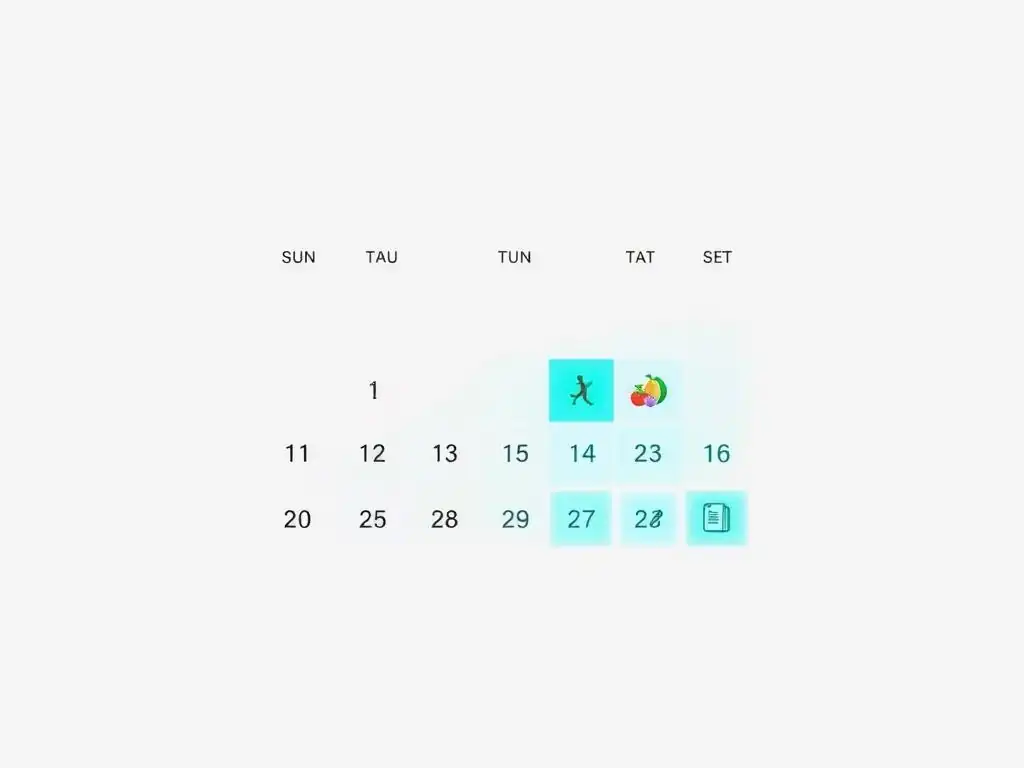
Welcome to UltimateLifeHacks, your destination for practical strategies to conquer daily chaos and unlock your full potential! Are you ready to transform your life with simple yet powerful techniques? We're diving deep into the world of habit formation, and today, we're exploring the transformative power of a Visual Habit Tracker for productivity. Discover how this simple tool can be the key to building positive habits and achieving your goals – read on to learn more!
- Understanding the Power of Visual Habit Trackers for Productivity
- Designing Your Personalized Visual Habit Tracker System
- Implementing Your Visual Habit Tracker: A Step-by-Step Guide
- Maintaining Momentum with Your Visual Habit Tracker
- Advanced Strategies for Visual Habit Tracking Productivity
- Frequently Asked Questions
- Final Reflection: Unlocking Potential Through Visual Habit Tracking
- Unlock Your Potential: Visualize & Achieve Your Goals
Understanding the Power of Visual Habit Trackers for Productivity
Visual habit trackers are transforming the way people approach personal development and productivity. Forget generic to-do lists and complicated scheduling apps; a visual habit tracker leverages the power of visual representation to boost motivation, track progress, and ultimately, build lasting positive habits. This simple yet effective tool taps into our innate desire for visual feedback, making the process of habit formation more engaging and less daunting.
By visually representing your progress, a habit tracker provides a clear and compelling picture of your accomplishments, fostering a sense of accomplishment and encouraging continued effort. This article will delve into the science behind visual habit tracking, explore the various types of trackers available, and guide you in choosing the perfect tool to optimize your productivity and achieve your personal goals. We'll show you how to harness the power of visual cues to transform your daily routines and unlock your full potential.
Ready to unlock your productivity potential with the help of a visual habit tracker? Let's dive in!
Why Visual Habit Tracking Boosts Productivity
Visual habit trackers significantly boost productivity by leveraging several key psychological principles. Firstly, they provide immediate visual feedback, allowing you to see your progress at a glance. This constant reinforcement of positive behavior is incredibly motivating. Imagine meticulously filling in a calendar square each day you complete a task – the cumulative effect is powerful!
Secondly, visual trackers enhance self-awareness. By visually documenting your habits, you gain a clearer understanding of your strengths and weaknesses, identifying areas where you excel and areas requiring improvement. This self-awareness is crucial for targeted habit formation. Finally, visual habit trackers tap into our brains' preference for visual information.
Our brains process visual information much faster and more efficiently than text-based information, making visual tracking inherently more engaging and less mentally taxing. This makes it easier to stick to your habits and maintain momentum. Studies have shown that individuals using visual trackers exhibit significantly higher rates of habit adherence compared to those relying solely on mental tracking or written lists. The simple act of coloring in a box or checking off a square provides a satisfying sense of accomplishment, making the entire process more enjoyable and sustainable.
The Science Behind Visual Habit Formation
The effectiveness of visual habit trackers is rooted in the principles of behavioral psychology and neuroscience. The process involves several key elements:
- Reinforcement: Visual progress acts as positive reinforcement, rewarding consistent effort and motivating continued engagement. The visual representation of success triggers the release of dopamine, a neurotransmitter associated with pleasure and reward, further strengthening the habit loop.
- Chunking: Breaking down large goals into smaller, manageable tasks, often represented visually as individual squares or checkmarks, makes the overall goal seem less overwhelming and more achievable.
- Habit Stacking: Visual trackers can easily accommodate habit stacking, where you link a new habit to an existing one. For instance, you might track meditating (new habit) immediately after your morning coffee (existing habit). The visual representation of both habits together reinforces the connection.
- Cognitive Load Reduction: The visual nature of the tracker reduces the cognitive load associated with remembering and tracking progress. This frees up mental resources for other tasks and reduces the likelihood of forgetting or neglecting your habits.
The combination of these factors contributes to the overall success of visual habit tracking. The visual cues provide a constant reminder, the sense of accomplishment reinforces positive behavior, and the simplified tracking method reduces cognitive overload, ultimately leading to improved habit formation and increased productivity.
Choosing the Right Visual Habit Tracker for Your Needs
Selecting the right visual habit tracker depends on your individual preferences and habits. Several options exist, each with its own advantages and disadvantages:
| Tracker Type | Advantages | Disadvantages | Best For |
|---|---|---|---|
| Printable Habit Tracker | Customizable, readily available, cost-effective | Requires printing, may not be easily portable | Individuals who prefer a tangible, customizable approach |
| Digital Habit Tracker App | Convenient, portable, data-driven features | Requires a device, potential for distractions | Individuals who prefer a digital, data-driven approach |
| Bullet Journal Method | Highly customizable, creative outlet | Requires some artistic skill, time-consuming | Individuals who enjoy creative journaling |
| Simple Calendar Marking | Easy to implement, requires minimal resources | May lack detailed tracking features | Individuals who prefer a minimalist approach |
Consider your personal style, technological comfort level, and the complexity of your habits when making your choice. Experiment with different methods to find the one that best suits your needs and keeps you motivated. The key is consistency; choose a method you'll actually use and stick with it! Remember, the most effective visual habit tracker is the one you'll use consistently.
Designing Your Personalized Visual Habit Tracker System

This section dives deep into the practical aspects of crafting a visual habit tracker perfectly tailored to your needs and preferences, maximizing its effectiveness for boosting productivity. We'll explore different mediums, habit selection strategies, and design principles to ensure your tracker becomes a powerful tool for positive habit formation. Remember, the key to success with a visual habit tracker lies in its personalization and consistent use. The more engaging and relevant it is to your life, the more likely you are to stick with it.
Selecting the Right Medium: Digital vs. Physical Trackers
Choosing between a digital or physical visual habit tracker is a crucial first step. Both offer unique advantages and disadvantages, and the best choice depends heavily on your personal preferences and lifestyle.
Digital Trackers: These offer flexibility and convenience. Apps like Habitica, Streaks, or even simple spreadsheet programs provide customizable templates and automated tracking features. Some even integrate with other productivity apps, creating a seamless workflow. The ease of updating and the readily available data analysis can be highly motivating. However, over-reliance on technology can sometimes be a detriment. The constant notifications and the temptation to check other apps can lead to distraction.
Physical Trackers: These offer a more tactile and immediate experience. A simple paper calendar, a whiteboard, or even a custom-designed bullet journal can be incredibly satisfying to fill in. The visual representation of progress is often more impactful, offering a tangible sense of accomplishment. However, physical trackers require more manual effort and are less flexible in terms of adjustments or data analysis.
| Feature | Digital Tracker | Physical Tracker |
|---|---|---|
| Flexibility | High (easily adjustable and customizable) | Low (requires manual adjustments) |
| Convenience | High (accessible anytime, anywhere) | Moderate (requires access to the physical tracker) |
| Data Analysis | High (built-in features or easy export options) | Low (requires manual calculation and analysis) |
| Tangible Reward | Low | High (visual progress is immediately apparent) |
| Potential for Distraction | High (other app notifications) | Low |
Consider your strengths and weaknesses. Are you tech-savvy and disciplined enough to avoid digital distractions? Or do you prefer the tangible satisfaction of marking your progress physically? Choose the medium that best aligns with your personality and habits for optimal results. Experimenting with both might be beneficial to determine which works best for you.
Identifying Your Key Habits for Tracking
Selecting the right habits to track is critical for the success of your visual habit tracker. Don't overwhelm yourself by trying to track too many things at once. Focus on 2-3 key habits that will have the biggest positive impact on your life and productivity. Prioritize habits that are both achievable and meaningful to you. For example, instead of aiming for “exercise more,” you might track “30 minutes of yoga three times a week.” The specificity is crucial.
Here's a simple process:
- Brain Dump: Write down all the habits you'd like to improve.
- Prioritize: Identify the 2-3 habits with the biggest potential impact.
- Make it SMART: Ensure your habits are Specific, Measurable, Achievable, Relevant, and Time-bound.
- Consider Interdependence: Think about how these habits might support or reinforce each other. For example, improving sleep quality might positively impact your productivity during the day.
Remember, consistency is more important than quantity. Start small, and gradually add more habits as you master the initial ones. Avoid setting yourself up for failure by aiming for too much too soon.
Creating an Appealing and Motivating Visual Design
The visual aspect of your tracker is key to its long-term success. An aesthetically pleasing and motivating design will encourage you to use it consistently.
- Color-Coding: Use different colors to represent different habits or levels of progress.
- Symbols and Icons: Incorporate relevant symbols or icons to make your tracker more engaging.
- Progress Bars: Visual progress bars are highly motivating and provide a clear sense of accomplishment.
- Rewards System: Integrate a system of rewards for achieving your goals. This could be anything from a small treat to a larger reward after a longer period of consistent progress.
- Personalization: Add personal touches to make the tracker uniquely yours. This could include pictures, quotes, or other elements that resonate with you.
The design of your habit tracker should be as unique and personal as your goals. Don't be afraid to experiment until you find a system that truly motivates you.
By carefully considering these design elements, you can create a visual habit tracker that is not only functional but also visually appealing and deeply motivating, transforming your habit-building journey into a positive and rewarding experience, significantly enhancing your productivity and overall well-being. Remember, consistency is key, and a well-designed visual habit tracker is your best ally in achieving your goals.
Incorporating Rewards and Accountability Mechanisms
Building a visual habit tracker is only half the battle; maintaining momentum requires a robust reward system and a strong accountability structure. Simply checking off boxes isn't always enough to sustain long-term habit formation. The key is to make the process engaging and to create consequences for missed days, fostering a sense of responsibility.
One effective strategy is to tie rewards directly to your progress. For instance, if your goal is to exercise three times a week, you could reward yourself with a relaxing bath after completing a week successfully. The reward should be something you genuinely enjoy and look forward to, acting as positive reinforcement for your efforts. Avoid using food as a primary reward, especially if your habit involves healthy eating; instead, focus on experiences, self-care activities, or small purchases.
Accountability plays a crucial role. Consider sharing your visual habit tracker with a friend or family member who can offer support and encouragement. This added layer of social accountability can significantly boost your commitment. Alternatively, you can join online communities dedicated to habit formation, where you can share your progress and find inspiration from others' journeys. The feeling of being accountable to someone else can be a powerful motivator, preventing you from slacking off.
Another powerful accountability mechanism is to publicly commit to your goals. This could involve posting your tracker on social media or sharing your progress with your colleagues. While this might feel daunting initially, the pressure to stay on track can be surprisingly effective. Remember to choose a platform and an audience that aligns with your comfort level.
Finally, consider incorporating small penalties for missed days. These shouldn't be overly harsh, but should provide a gentle nudge to stay consistent. For example, you could donate a small amount of money to a charity you dislike every time you miss a day, or commit to doing an extra chore.
The key is to create a system that motivates you without becoming demotivating. The goal is to build positive habits, not to create a cycle of guilt and self-recrimination. The balance between reward and accountability is key to the long-term success of your visual habit tracker and its impact on your productivity.
Implementing Your Visual Habit Tracker: A Step-by-Step Guide

This section details how to successfully implement a visual habit tracker to boost your productivity. We'll cover setting up your tracker, consistently tracking your progress, and adjusting your system for optimal results. Remember, the key to success with any habit tracker, especially a visual one, is consistency and adaptation. Let's dive in!
Setting Up Your Tracker: Specific Instructions
Choosing the right visual habit tracker method is crucial for long-term success. Many options exist, each with its own advantages and disadvantages. Consider your personal preferences and learning style when making your selection.
Here are a few popular methods to get you started:
- Simple Calendar: Use a monthly or weekly calendar and mark each day you complete your target habit. This is straightforward and easy to understand. A simple checkmark or a colorful sticker can suffice. This method is great for visual learners who appreciate simplicity.
- Habit Tracking App: Many apps offer visually appealing habit trackers, often with customizable features. Some even integrate with other productivity tools. These apps can provide automated reminders and progress reports. However, relying solely on an app might reduce the tactile satisfaction of physically marking your progress.
- Bullet Journal Method: A bullet journal allows for highly personalized visual tracking. You can create custom key symbols, use color-coding, and design your tracker to match your specific needs and aesthetic preferences. This method is ideal for creative individuals who enjoy customization.
- Spreadsheet: While less visually appealing than other options, a spreadsheet offers detailed data tracking and analysis. You can easily calculate streaks, visualize progress over time, and identify patterns. This is perfect for those who prefer data-driven approaches to habit formation.
No matter which method you choose, ensure your tracker is easily accessible and visible. Placement is key. Consider a prominent spot like your bathroom mirror, refrigerator, or computer desktop. The more visible, the better the chances you'll remember to update it. Remember, the goal is to create a visual cue that reinforces your commitment to building positive habits.
Tracking Your Progress Consistently: Daily Rituals and Reminders
Consistency is paramount when using a visual habit tracker for productivity. Without regular updates, the visual aspect loses its motivational power. Here are some strategies to ensure consistent tracking:
- Establish a Daily Ritual: Integrate updating your tracker into your existing daily routine. For example, update it first thing in the morning or right before bed. Consistency is key to making this part of your daily rhythm.
- Utilize Reminders: Set reminders on your phone or computer to prompt you to update your tracker. Consider using multiple reminders throughout the day if needed. Experiment with different times to find the most effective reminder schedule.
- Make it Enjoyable: Don't view updating your tracker as a chore. Use colorful pens, stickers, or other visually appealing elements to make the process more enjoyable. This positive association will reinforce your commitment.
- Celebrate Milestones: Acknowledge and reward yourself for reaching milestones. This positive reinforcement is crucial for maintaining motivation and preventing burnout. A small treat, a relaxing activity, or even just a moment of self-congratulation can go a long way.
Remember, even missing a day doesn't mean failure. Simply acknowledge the missed day, and get back on track the next day. The visual representation of your progress, even with occasional gaps, will still serve as a powerful motivator. Don't let perfection be the enemy of progress!
Adjusting Your System for Optimal Results: Feedback and Iteration
Your visual habit tracker shouldn't be static. Regular evaluation and adjustment are crucial for maximizing its effectiveness. This iterative process will ensure your system aligns with your evolving needs and goals.
- Analyze Your Data: Regularly review your tracker to identify patterns and trends. Are there specific days or times when you struggle to maintain your habits? Understanding these patterns can help you adjust your strategy.
- Adjust Your Goals: If a habit proves too challenging, consider modifying your goals. Start with smaller, more achievable targets, and gradually increase the difficulty as you progress. Celebrate incremental successes and remember that consistent small wins lead to significant long-term progress.
- Experiment with Different Methods: If your current visual habit tracker isn't working, don't be afraid to switch methods. Experiment with different styles, layouts, and tools to find what best suits your preferences and needs. The ultimate goal is to find a system that you find engaging and motivating.
- Seek External Accountability: Share your progress with a friend, family member, or colleague. Their support and encouragement can significantly improve your chances of success. External accountability adds another layer of motivation to your visual habit tracker.
By diligently following these steps and continuously refining your approach, you can harness the power of a visual habit tracker to enhance your productivity and achieve your goals. Remember, consistency, adaptation, and positive reinforcement are key to long-term success in building positive habits. Good luck!
Maintaining Momentum with Your Visual Habit Tracker
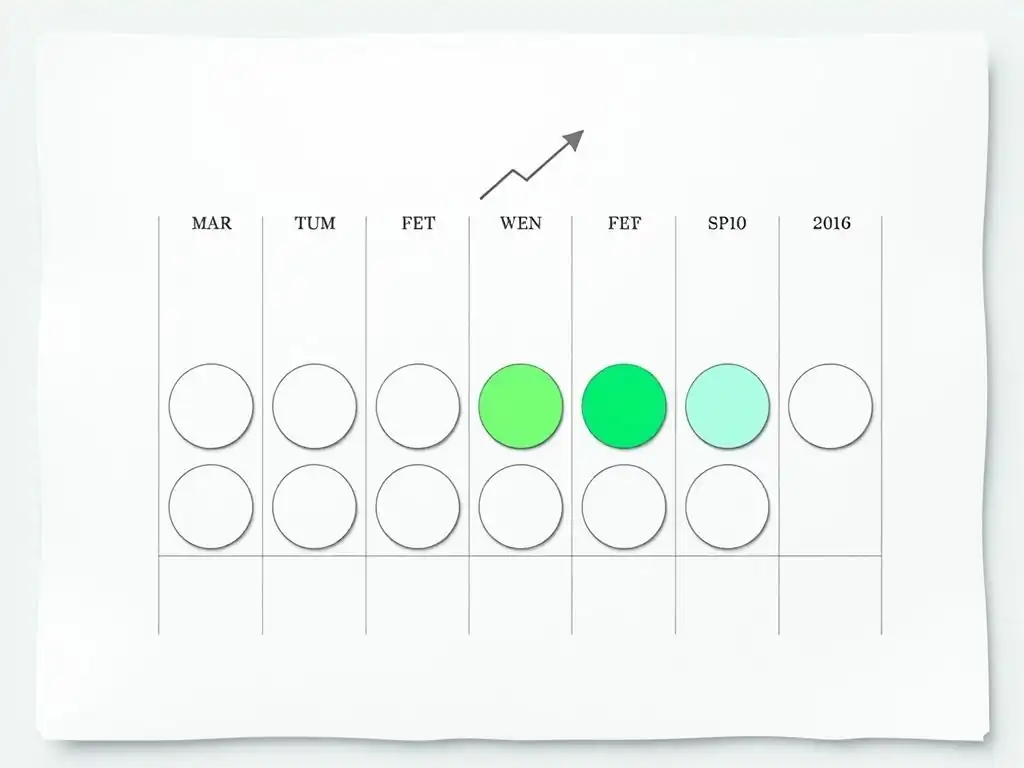
Building a positive habit isn't a sprint; it's a marathon. Even with the engaging visual aid of a habit tracker, maintaining momentum requires consistent effort and strategic planning. This section explores practical strategies to keep your progress moving forward, even when faced with challenges. We'll delve into troubleshooting common issues, integrating your tracker into your daily life, and celebrating your successes along the way – all crucial elements for long-term "Visual habit tracker productivity".
Overcoming Challenges and Plateaus: Troubleshooting Common Issues
Hitting a plateau is a common experience when building new habits. It's easy to feel discouraged when progress slows or even stalls. However, understanding the potential causes and having strategies in place can help you navigate these challenges effectively.
Here are some common issues and how to tackle them:
- Inconsistent Tracking: Missing even a single day can break the visual chain and impact your motivation. The solution? Don't aim for perfection; aim for consistency. If you miss a day, don't beat yourself up. Simply mark it and get back on track the next day. Remember, a missed day doesn't negate all your previous progress. The visual representation of your overall effort can be a powerful motivator.
- Unrealistic Goals: Setting overly ambitious goals can lead to burnout and discouragement. Start small and gradually increase the difficulty. For example, instead of aiming for a 30-minute workout every day, begin with 10 minutes and gradually increase the duration. This incremental approach builds confidence and makes the process more sustainable.
- Lack of Accountability: Having someone to check in with can significantly increase your commitment. Share your goals with a friend, family member, or even a colleague. Their support and encouragement can be invaluable when you face setbacks.
- Choosing the Wrong Tracking Method: Your visual habit tracker needs to work for you, not against you. If your chosen method isn't convenient or engaging, you're less likely to stick with it. Experiment with different formats (digital apps, paper calendars, bullet journals) until you find one that fits your personality and lifestyle.
Integrating Your Visual Habit Tracker into Your Daily Routine
Effective "Visual habit tracker productivity" hinges on seamless integration into your daily flow. The key is to make tracking your habits as effortless as possible. Here are some tips:
- Strategic Placement: Keep your tracker visible and easily accessible. Whether it's a digital app on your phone's home screen or a physical chart on your bathroom mirror, ensure it's a part of your daily environment. This constant visual reminder will reinforce your commitment.
- Time of Day: Establish a specific time each day to update your tracker. This consistency reinforces the habit of both performing the desired action and recording it. Making it part of your morning or evening routine can be particularly effective.
- Habit Stacking: Link your new habit to an existing one. For instance, if you already brush your teeth every morning, add a new habit immediately after, such as drinking a glass of water or meditating for five minutes. This technique leverages the power of existing routines to establish new ones.
- Technology Integration: Utilize apps and tools that seamlessly integrate with your existing technology ecosystem. Many habit tracking apps sync with other productivity apps, creating a holistic system for managing your time and achieving your goals.
Celebrating Successes and Maintaining Motivation
Celebrating milestones, both big and small, is crucial for maintaining momentum and preventing burnout. Acknowledge your achievements and reward yourself appropriately. This positive reinforcement strengthens your commitment to the process.
Here are some ideas:
- Small Rewards: Reward yourself for consistent effort, not just for reaching major goals. A small treat, a relaxing activity, or even a simple pat on the back can be incredibly effective.
- Visual Reminders of Success: Your visual habit tracker itself serves as a powerful reminder of your accomplishments. Take time to appreciate the visual representation of your progress; it can be a significant source of motivation.
- Long-Term Goals: Keep your long-term goals in mind. Visualize the positive changes you'll experience once you've established your desired habits. This perspective can help you stay focused during challenging times.
- Self-Compassion: Remember that setbacks are a normal part of the process. Don't get discouraged by occasional slip-ups. Practice self-compassion and gently redirect your focus back to your goals. The journey of habit formation is rarely linear; embrace the ups and downs. Consistent effort, informed by strategies for maintaining momentum, significantly contributes to "Visual habit tracker productivity".
Advanced Strategies for Visual Habit Tracking Productivity
This section delves into sophisticated methods to maximize the productivity benefits of visual habit trackers, moving beyond basic calendar-style tracking. We'll explore how technology can amplify your tracking efforts and how to synergize visual tracking with other established productivity methodologies. Finally, we'll uncover the power of visual habit trackers in fostering the creation of compound habits – those habits that build upon each other for exponential results. This approach to visual habit tracker productivity allows for a more nuanced and effective habit-building journey.
Leveraging Technology for Enhanced Tracking: Apps and Software
While a simple paper-based visual habit tracker can be incredibly effective, integrating technology can significantly boost your tracking and analysis capabilities. Many apps and software solutions are specifically designed to facilitate habit tracking, offering features beyond the basic visual representation. These tools often include features like:
- Automated Reminders: Receive timely notifications to perform your target habit, minimizing the risk of forgetting. This is particularly useful for habits that need to be performed at specific times of the day.
- Progress Visualization: Many apps provide various charts and graphs to visually represent your progress over time. This allows for a more comprehensive understanding of your streaks and areas needing improvement.
- Data Analysis: Some advanced apps offer detailed analytics, providing insights into your habit performance, identifying patterns, and pinpointing potential obstacles. This data-driven approach can be invaluable for refining your habit-building strategy.
- Community Features: Certain apps offer community features, allowing you to connect with others working towards similar goals. This shared accountability can be a powerful motivator.
The choice of app depends greatly on individual preferences and specific needs. Consider factors like user interface, available features, and pricing when making your selection. Effective utilization of these technological tools significantly enhances visual habit tracker productivity, offering a more streamlined and insightful habit-building experience. Remember to choose a tool that complements your existing workflow and doesn't add unnecessary complexity.
Combining Visual Tracking with Other Productivity Techniques
Visual habit trackers are highly effective on their own, but their power is amplified when integrated with other productivity techniques. For example, combining visual habit tracking with the Pomodoro Technique can create a powerful synergy. You could track your Pomodoro sessions visually, marking each completed session on your tracker. This provides a clear visualization of your focused work periods and encourages consistency.
Similarly, incorporating visual tracking into a Kanban board system can be beneficial. Each habit could be represented as a task on the board, moving through the stages of "To Do," "In Progress," and "Done." This offers a visual representation of your progress across multiple habits simultaneously.
The key is to find a combination that works best for your individual needs and preferences. Experiment with different combinations of visual tracking and other productivity methods to discover the optimal strategy for enhancing your productivity and achieving your goals. Don't be afraid to adapt and refine your approach over time. The best system is the one you consistently use effectively.
Building Compound Habits Through Visual Tracking Systems
Visual habit tracking excels at fostering compound habits. These are habits that build upon each other, creating a cascading effect of positive change. For example, if you're aiming to improve your fitness, you might track several interconnected habits:
| Habit | Description | Impact on Other Habits |
|---|---|---|
| Daily Exercise | 30 minutes of cardio or strength training | Improved energy levels, better sleep, increased motivation |
| Healthy Meal Preparation | Planning and cooking nutritious meals | Supports consistent exercise, reduces reliance on unhealthy options |
| Sufficient Sleep | 7-8 hours of quality sleep | Boosts energy for exercise and meal preparation |
By visually tracking each of these habits, you can see how they reinforce each other. A successful workout might motivate you to prepare a healthy meal, and sufficient sleep will ensure you have the energy for both. This interconnected visualization enhances motivation and helps maintain consistency across multiple areas of self-improvement. Visual habit tracker productivity is significantly boosted when applied to this strategy, creating a virtuous cycle of positive reinforcement. This interconnected approach is key to maximizing the long-term benefits of habit formation.
Frequently Asked Questions
What is a visual habit tracker?
A visual habit tracker is a simple tool, often a calendar or chart, used to track your progress in building positive habits. It provides visual representation of your consistency, boosting motivation and accountability. Seeing your progress visually helps you stay on track.
How does a visual habit tracker improve productivity?
By providing a clear picture of your progress, a visual habit tracker increases motivation and accountability. This leads to improved consistency in performing desired tasks and ultimately boosts your overall productivity. It makes habit formation more engaging.
What are some examples of visual habit trackers?
You can use many things! Simple paper calendars, spreadsheets, or dedicated habit tracking apps all work well. Choose a method that suits your preferences and easily integrates into your routine.
Is a visual habit tracker suitable for everyone?
Yes, visual habit trackers are remarkably versatile. They can be adapted to suit various needs and preferences, from simple habit tracking to complex goal setting. The key is to find a method that works best for you.
How can I make my visual habit tracker more effective?
To maximize effectiveness, ensure your tracker is easily accessible, visually appealing, and reflects your specific goals. Regularly review your progress and adjust your approach as needed. Consistency is key.
Final Reflection: Unlocking Potential Through Visual Habit Tracking
The power of visual habit tracking extends far beyond simple productivity; it's a potent tool for self-discovery and personal growth. In a world saturated with information and demands on our time, the ability to cultivate positive habits is not a luxury, but a necessity for navigating the complexities of modern life and achieving lasting fulfillment. This simple, visual method offers a tangible pathway to achieving goals, large and small, fostering a sense of accomplishment and control over our daily lives.
The impact of visual habit tracking resonates deeply with the human need for tangible progress and positive reinforcement. We are visual creatures, and seeing our progress visually represented – whether through colorful checkmarks, stickers, or even a simple line graph – provides a powerful motivational boost. This visual representation transcends mere task completion; it becomes a testament to our commitment and a source of inspiration to continue striving. The journey of a thousand miles begins with a single step.
This ancient proverb perfectly encapsulates the power of consistent, small actions, which are made infinitely more manageable and motivating through the use of a visual habit tracker.
Now, consider how you can integrate this simple yet profound tool into your own life. What habits are you striving to cultivate? What small, consistent actions will bring you closer to your goals? Don't underestimate the power of visualization in shaping your reality. Create your own visual habit tracker, and witness the transformative effect of consistent action, fueled by the satisfying visual representation of your progress. Embrace the journey, celebrate the small victories, and watch as you unlock your full potential, one checked box at a time.
Unlock Your Potential: Visualize & Achieve Your Goals
Thank you for exploring the power of visual habit tracking! You've discovered a simple yet effective method for building positive routines. Ready to put your new knowledge into practice?
- Start your visual habit tracker today! Choose a method that works for you—a piece of paper, a whiteboard, or even a digital tool. Begin tracking at least one habit you'd like to improve.
- Share your progress on social media! Use #VisualHabitTracker and #UltimateLifeHacks to inspire others and find new tracking ideas.
- Invite a friend to join you. Accountability can significantly boost your success!
What's one small habit you'll focus on this week? Let us know in the comments!