
Ignite Your Metabolism: A Powerful HIIT Workout Designed for Maximum Calorie Burn


Ready to unlock your peak performance and transform your daily life? Welcome to UltimateLifeHacks, your one-stop destination for practical tips and tricks designed to boost your productivity and efficiency. We're diving deep into the world of Health & Fitness Hacks today, with a game-changing article on a HIIT workout for weight loss that's guaranteed to ignite your metabolism and help you achieve your fitness goals faster than you ever thought possible. Discover the secrets to a leaner, healthier you – and prepare to be amazed by what you can achieve. Let's get started!
- Understanding HIIT for Weight Loss: A Beginner's Guide
- Designing Your High-Intensity Interval Training (HIIT) Workout Plan
- The Ultimate HIIT Workout for Weight Loss: A Step-by-Step Guide
- Maximizing Your Results: Tips for Success with HIIT for Weight Loss
- Advanced HIIT Techniques for Accelerated Weight Loss
- HIIT Workout for Weight Loss: Frequently Asked Questions (FAQ)
-
Frequently Asked Questions
- What is HIIT, and how does it help with weight loss?
- How long should a HIIT workout be for optimal results?
- What kind of exercises are best suited for a HIIT workout targeting weight loss?
- Is HIIT suitable for all fitness levels?
- What are the potential benefits beyond weight loss from incorporating HIIT into my routine?
- Final Reflection: The Enduring Power of HIIT for a Healthier You
- Unleash Your Inner Fitness Fire!
Understanding HIIT for Weight Loss: A Beginner's Guide
Igniting your metabolism and achieving your weight loss goals doesn't require hours spent in the gym. High-Intensity Interval Training (HIIT) offers a powerful, time-efficient solution, perfect for busy individuals seeking effective fat burning and improved overall fitness. This guide delves into the science behind HIIT workouts, comparing them to traditional cardio and highlighting the numerous benefits beyond weight loss.
We'll equip you with the knowledge to design your own effective HIIT routine for maximum calorie burn and lasting results, making it a cornerstone of your healthy lifestyle. This article will focus on how to use HIIT workouts for weight loss, providing you with the tools and understanding to incorporate this effective training method into your fitness regime. Remember to consult with your physician before starting any new workout routine.
What is HIIT and How Does it Boost Metabolism?
HIIT, or High-Intensity Interval Training, is a form of exercise characterized by short bursts of intense activity followed by brief recovery periods. Unlike steady-state cardio, which maintains a consistent pace (think jogging for 30 minutes), HIIT involves alternating between maximum effort and periods of rest or low-intensity activity. This intense cycling triggers a significant metabolic response.
The secret to HIIT's effectiveness lies in its impact on your body's metabolism. The intense bursts of exercise deplete your immediate energy stores, forcing your body to tap into stored fat for fuel, even after your workout is complete. This "afterburn effect," known as Excess Post-exercise Oxygen Consumption (EPOC), significantly increases your calorie expenditure for hours following your HIIT session.
Furthermore, HIIT stimulates the production of hormones like growth hormone and testosterone, both of which play crucial roles in fat burning and muscle building. Studies have shown that HIIT can be more effective than steady-state cardio for fat loss, even when performed in shorter timeframes. For example, a 15-minute HIIT session can burn a comparable amount of calories to a 45-minute jog, making it an incredibly efficient method of weight loss.
HIIT vs. Steady-State Cardio: Which is Better for Fat Burning?
While steady-state cardio, like jogging or cycling at a moderate pace, is beneficial for cardiovascular health and calorie burning, HIIT often surpasses it in terms of fat loss efficiency. Several studies have demonstrated that HIIT workouts lead to greater fat oxidation and improved insulin sensitivity compared to moderate-intensity continuous training (MICT).
| Training Type | Time Commitment | Calorie Burn (Approximate) | Fat Burning Efficiency | EPOC Effect |
|---|---|---|---|---|
| HIIT | 15-30 minutes | High | Very High | Very High |
| Steady-State Cardio | 45-60 minutes | Moderate | Moderate | Moderate |
The higher intensity of HIIT workouts significantly increases your metabolic rate during and after the exercise, leading to a greater overall calorie deficit. The increased EPOC effect also contributes to this enhanced fat burning. However, both HIIT and steady-state cardio play vital roles in a well-rounded fitness plan, and incorporating both can be highly beneficial. The best choice depends on individual fitness levels, goals, and preferences.
Benefits of HIIT Workouts Beyond Weight Loss: Improved Fitness and Health
The advantages of HIIT extend far beyond weight management. Regular HIIT workouts contribute to:
- Improved Cardiovascular Health: HIIT strengthens your heart and lungs, improving cardiovascular fitness.
- Increased Muscle Strength and Endurance: The high-intensity nature of HIIT builds muscle strength and endurance.
- Enhanced Insulin Sensitivity: HIIT improves your body's ability to regulate blood sugar levels, reducing the risk of type 2 diabetes.
- Boosted Metabolism: As previously discussed, HIIT significantly boosts your metabolism, leading to greater calorie burning throughout the day.
- Improved Bone Density: Weight-bearing HIIT exercises can help increase bone density, reducing the risk of osteoporosis.
- Time Efficiency: The short duration of HIIT workouts makes it ideal for individuals with busy schedules.
Regular incorporation of HIIT into your fitness routine can lead to substantial improvements in your overall health and well-being, making it a valuable tool for achieving a healthier and more energetic lifestyle. Remember that consistency is key, and even short, regular HIIT sessions can yield impressive results. Don't be afraid to experiment with different exercises and find a routine that suits your preferences and fitness level. Remember to listen to your body and rest when needed.
Designing Your High-Intensity Interval Training (HIIT) Workout Plan
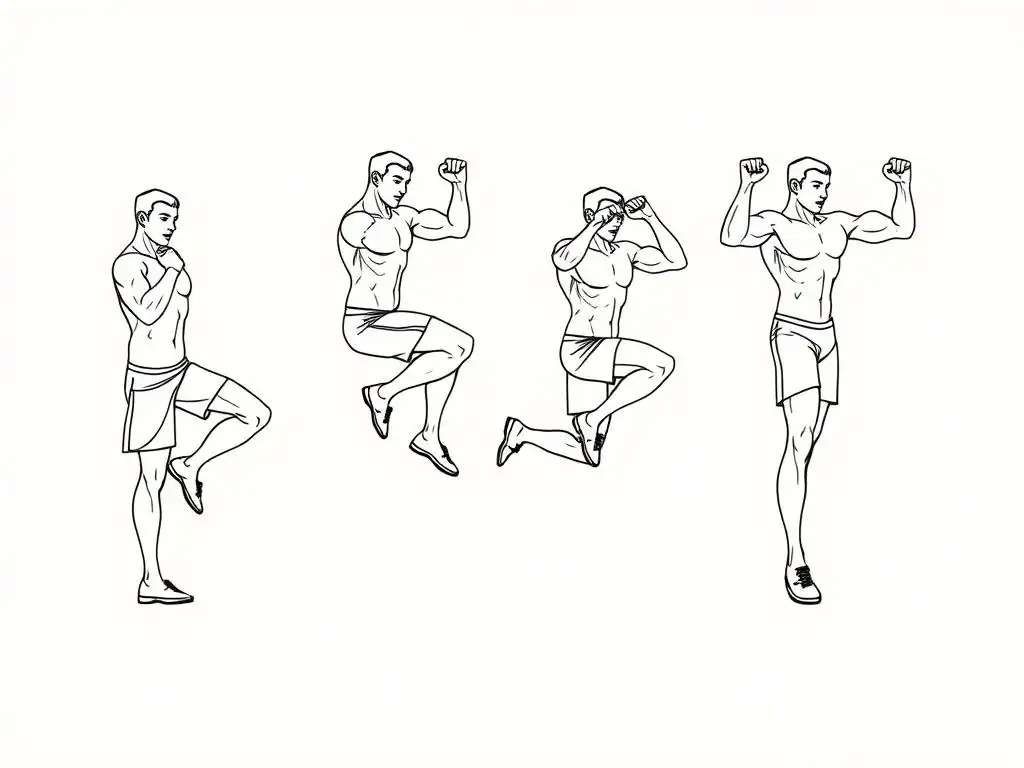
This section delves into the strategic planning of your HIIT workout for weight loss, ensuring maximum effectiveness and minimizing the risk of injury. A well-structured HIIT plan is crucial for achieving optimal results and preventing burnout. We'll explore the key components of designing a personalized and effective HIIT routine tailored to your fitness level and goals. Remember, consistency is key when it comes to seeing results from your HIIT workout for weight loss.
Choosing the Right Exercises for Maximum Calorie Burn
Selecting the appropriate exercises is paramount for a successful HIIT workout for weight loss. The goal is to engage multiple muscle groups simultaneously, maximizing calorie expenditure and boosting your metabolism. Compound exercises are your best friend here. These movements involve multiple joints and muscle groups, leading to a greater calorie burn compared to isolation exercises which target only one muscle group.
Here are some examples of effective compound exercises ideal for HIIT:
- Burpees: A full-body exercise that combines a squat, push-up, and jump, providing an intense cardiovascular and muscular workout.
- Mountain Climbers: This dynamic exercise engages your core and legs, significantly elevating your heart rate.
- Jumping Jacks: A classic cardio exercise that's simple yet highly effective for warming up and increasing your heart rate.
- High Knees: This exercise targets your quads and core while improving cardiovascular fitness.
- Butt Kicks: Similar to high knees, butt kicks work your hamstrings and glutes while boosting your heart rate.
- Squat Jumps: A plyometric exercise that combines the benefits of squats with the explosive power of a jump.
- Push-ups: A classic exercise that targets your chest, shoulders, and triceps. Modify by doing them on your knees if needed.
Remember to choose exercises you can perform correctly with good form. Prioritizing proper form over the number of repetitions is crucial to prevent injuries and maximize the effectiveness of your HIIT workout for weight loss.
Determining Optimal Work Intervals and Rest Periods for Your Fitness Level
The ratio of work intervals to rest periods is a critical factor in designing your HIIT workout for weight loss. The ideal ratio depends largely on your current fitness level. Beginners should start with longer rest periods and shorter work intervals, gradually increasing the intensity as they improve their fitness.
Here's a suggested guideline:
| Fitness Level | Work Interval (seconds) | Rest Interval (seconds) | Sets |
|---|---|---|---|
| Beginner | 30 | 60 | 3 |
| Intermediate | 45 | 45 | 4 |
| Advanced | 60 | 30 | 5 |
Remember, this is just a guideline. Listen to your body. If you feel overwhelmed, reduce the work interval or increase the rest period. The goal is to push yourself, but not to the point of exhaustion or injury. A well-paced HIIT workout for weight loss is sustainable and enjoyable.
Creating a Balanced HIIT Routine: Targeting Different Muscle Groups
To maximize the benefits of your HIIT workout for weight loss, it's crucial to create a balanced routine that targets different muscle groups. This prevents imbalances and promotes overall fitness. A well-rounded routine should incorporate exercises that work your upper body, lower body, and core.
Here's an example of a balanced HIIT routine:
Warm-up (5 minutes): Jumping jacks, high knees, butt kicks, arm circles.
Workout (20 minutes):
- Round 1: Burpees (30 seconds), Mountain Climbers (30 seconds), Rest (60 seconds)
- Round 2: Squat Jumps (30 seconds), Push-ups (30 seconds), Rest (60 seconds)
- Round 3: High Knees (30 seconds), Butt Kicks (30 seconds), Rest (60 seconds)
- Round 4: Plank (30 seconds), Jumping Jacks (30 seconds), Rest (60 seconds)
- Repeat the rounds 2-3 times depending on your fitness level.
Cool-down (5 minutes): Static stretches, holding each stretch for 30 seconds.
Remember to adjust the exercises and intervals based on your fitness level and preferences. The key is to find a routine that challenges you, keeps you engaged, and helps you achieve your weight loss goals. Your HIIT workout for weight loss should be a rewarding and sustainable part of your lifestyle. 😜
The Ultimate HIIT Workout for Weight Loss: A Step-by-Step Guide
This section details a highly effective HIIT workout routine designed specifically for weight loss. This routine prioritizes maximizing calorie burn and improving metabolic rate, leading to efficient fat loss. Remember to consult your physician before starting any new workout regimen. This HIIT workout for weight loss is designed for intermediate fitness levels, but can be modified for beginners by reducing the intensity or duration of each exercise.
Warm-up Routine: Preparing Your Body for High-Intensity Exercise
A proper warm-up is crucial before any HIIT workout, especially for weight loss. It prepares your muscles and joints, increasing blood flow and reducing the risk of injury. This warm-up routine should take approximately 5-10 minutes.
Here's a sample warm-up routine:
- Light Cardio: Begin with 2 minutes of light cardio, such as jogging in place, jumping jacks, or brisk walking. This elevates your heart rate and gets your blood flowing.
- Dynamic Stretching: Next, perform dynamic stretches for 5-7 minutes. These stretches involve movement, improving flexibility and range of motion. Examples include arm circles, leg swings, torso twists, and high knees. Focus on major muscle groups that will be used during the HIIT workout. Remember to maintain good posture throughout.
- Joint Mobility Exercises: Spend the last 1-2 minutes on joint mobility exercises. These focus on improving the range of motion in your joints. This could include neck rolls, shoulder rotations, hip circles, and ankle rotations. This helps to prepare your body for the more intense movements to come.
Workout Sequence: HIIT Exercise Routine
This HIIT workout for weight loss consists of a series of high-intensity exercises followed by short recovery periods. The goal is to work at maximum effort during the exercise intervals and then allow for brief rest periods to recover before repeating the cycle. This routine can be completed in 20-30 minutes, offering a time-efficient way to achieve significant calorie burning and weight loss benefits.
Here's a sample workout sequence:
| Exercise | Duration (seconds) | Reps/Sets | Rest (seconds) |
|---|---|---|---|
| Jumping Jacks | 30 | 3 sets | 30 |
| High Knees | 30 | 3 sets | 30 |
| Butt Kicks | 30 | 3 sets | 30 |
| Burpees | 30 | 3 sets | 45 |
| Mountain Climbers | 45 | 2 sets | 45 |
| Plank | 60 | 2 sets | 60 |
| Push-ups | As many as possible | 3 sets | 60 |
| Squats | 30 | 3 sets | 30 |
| Lunges (alternating) | 30 per leg | 3 sets | 45 |
Remember to maintain proper form throughout each exercise to prevent injury. Listen to your body and modify the exercises or rest periods as needed. The intensity of your effort is key to maximizing the calorie burn and achieving your weight loss goals. This HIIT workout routine is a great tool in your weight loss journey, but maintaining a balanced diet is crucial for optimal results.
Cool-down and Stretching: Preventing Muscle Soreness and Injury
A proper cool-down is just as important as a warm-up. It helps your body gradually return to a resting state, reducing muscle soreness and the risk of injury. This cool-down and stretching routine should take approximately 5-10 minutes.
Here's a sample cool-down and stretching routine:
- Light Cardio: Begin with 2-3 minutes of light cardio, such as slow jogging or walking. This gradually lowers your heart rate.
- Static Stretching: Spend the remaining time performing static stretches, holding each stretch for 20-30 seconds. Focus on major muscle groups worked during the HIIT workout. Examples include hamstring stretches, quadriceps stretches, calf stretches, triceps stretches, and chest stretches. Remember to breathe deeply and avoid bouncing during static stretches. Proper stretching post-workout helps to increase flexibility, improve range of motion, and reduce muscle soreness. This is an essential part of any effective HIIT workout for weight loss. Remember consistency is key!
This comprehensive approach to HIIT training, incorporating a thorough warm-up, an intense workout sequence, and a relaxing cool-down, will help you achieve your weight loss goals efficiently and safely. Remember to listen to your body and adjust the routine as needed. Good luck!
Maximizing Your Results: Tips for Success with HIIT for Weight Loss
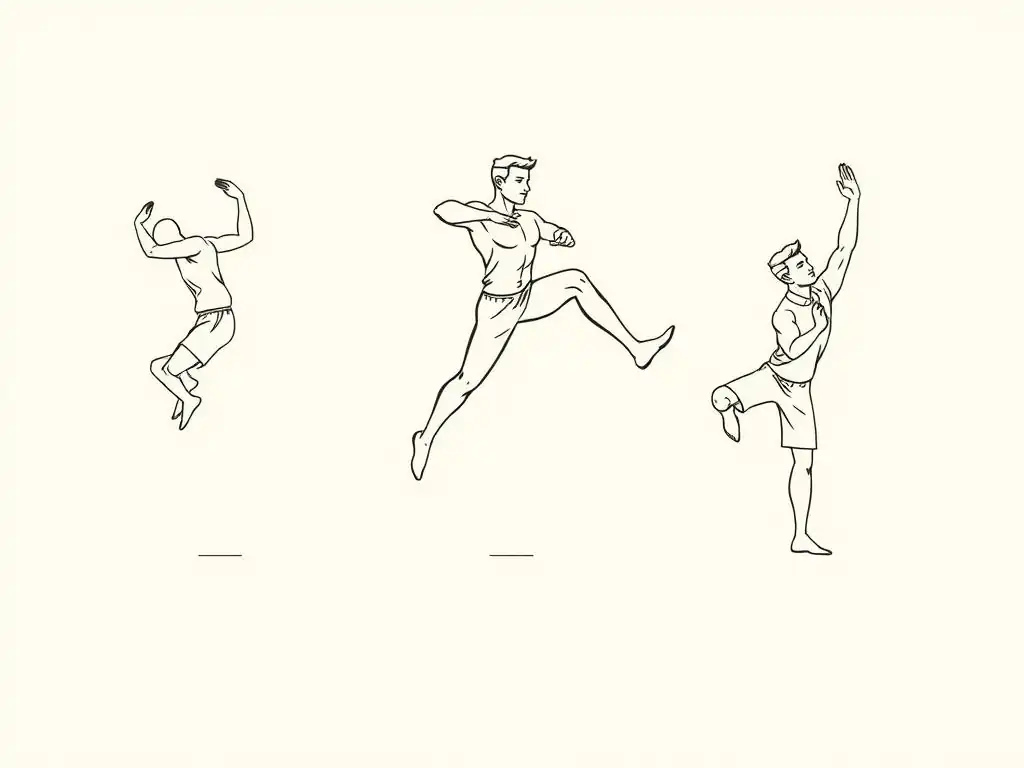
This section focuses on maximizing the effectiveness of your HIIT workout for weight loss, ensuring you achieve optimal results while minimizing the risk of injury. We'll explore crucial aspects beyond the workout itself, highlighting the importance of proper form, nutrition, and consistent progress tracking. Remember, a successful HIIT program requires a holistic approach.
Importance of Proper Form and Technique to Prevent Injuries
Maintaining correct form during your HIIT workout is paramount, not just for maximizing calorie burn but also for injury prevention. Poor form can lead to strains, sprains, and other setbacks that derail your progress. Let's examine key elements:
Proper form significantly reduces the risk of injury. For example, during burpees, ensure a controlled descent to avoid jarring your joints. Land softly on your feet, maintaining a straight back as you rise. Similarly, during mountain climbers, avoid overextending your knees or arching your back. Focus on engaging your core and maintaining a steady pace. Jumping jacks should be performed with a controlled and balanced movement to avoid twisting your ankles. Remember, quality over quantity. It's better to perform fewer repetitions with perfect form than many with poor form.
Think of your body as a finely tuned machine. Each exercise should be performed with precision and awareness. If you're unsure about the proper technique, consider consulting a certified personal trainer or watching instructional videos from reputable sources. They can guide you in perfecting your form and help you avoid common mistakes. Investing time in learning the correct technique will prevent future injuries and help you get the most out of your HIIT sessions. Prioritizing proper form is a key component of any successful HIIT workout for weight loss.
Nutrition and Hydration Strategies to Support Your HIIT Workout
Your diet plays a significant role in the success of your HIIT weight loss journey. Fueling your body correctly before, during, and after your workout is crucial for optimal performance and recovery. Let's delve into effective nutrition and hydration strategies:
- Pre-Workout: A light meal or snack, 1-2 hours before your HIIT session, provides sustained energy. Consider a small portion of complex carbohydrates like oatmeal or whole-wheat toast, paired with a source of lean protein like eggs or Greek yogurt. This prevents energy crashes during your workout.
- During Workout (for longer sessions): If your HIIT workout exceeds 45 minutes, consider sipping on water or an electrolyte drink to maintain hydration and prevent muscle cramps. Avoid sugary sports drinks, opting for natural options instead.
- Post-Workout: Replenish glycogen stores and repair muscle tissue with a meal or snack containing both carbohydrates and protein within 30-60 minutes after your workout. This promotes muscle recovery and reduces soreness. Examples include a protein shake with fruit, a chicken salad sandwich on whole-wheat bread, or a Greek yogurt parfait.
Hydration is equally important. Dehydration can negatively impact your performance and increase the risk of injury. Ensure you drink plenty of water throughout the day, especially before, during, and after your HIIT sessions. Listen to your body; if you feel thirsty, drink water. The amount of water you need will vary depending on your body weight, activity level, and climate.
Tracking Your Progress and Adjusting Your Routine for Continued Results
Consistent tracking and adjustment are vital for maintaining motivation and achieving long-term results with your HIIT workout for weight loss. Let's explore effective tracking methods and strategies for routine adjustments:
| Tracking Method | Benefits | Example |
|---|---|---|
| Weight Tracking | Monitors overall weight loss progress | Weigh yourself weekly at the same time of day. |
| Body Measurements | Tracks changes in specific body areas | Measure waist, hips, thighs, etc., weekly. |
| Fitness Tracker | Records workout intensity and duration | Use a wearable fitness tracker to monitor heart rate and calories burned. |
| Progress Photos | Visual representation of body composition changes | Take photos weekly under consistent lighting. |
| Exercise Log | Tracks workout intensity and progression | Record sets, reps, and rest times for each exercise. |
Regularly review your progress data to identify trends and areas for improvement. If your weight loss plateaus, consider adjusting your routine. This could involve increasing the intensity of your workouts, modifying the exercises, or incorporating variations to challenge your muscles. Remember that consistency is key, but adaptability is equally important for sustained results.
Don't be afraid to experiment and find what works best for your body and lifestyle. Listen to your body and adjust your routine as needed to prevent burnout and maintain motivation. This approach ensures your HIIT workout for weight loss remains effective and enjoyable in the long run.
Avoiding Common Mistakes in HIIT Workouts
Avoiding common mistakes is crucial for maximizing the effectiveness and safety of your HIIT workouts for weight loss. Many individuals, eager to see rapid results, often fall into traps that hinder progress or even lead to injury. Let's explore some frequent pitfalls and how to avoid them.
One prevalent error is neglecting proper warm-up and cool-down routines. Jumping straight into intense bursts of activity without preparing your body increases the risk of muscle strains and pulls. A dynamic warm-up, involving exercises like arm circles, leg swings, and torso twists, should precede your HIIT session. This prepares your muscles and joints for the strenuous activity to come.
Equally important is a cool-down, which helps your body gradually return to its resting state. Gentle stretching, holding each stretch for at least 30 seconds, is recommended to improve flexibility and prevent muscle soreness. Remember, a well-rounded routine includes preparation and recovery, not just the high-intensity intervals themselves.
Another common mistake is pushing yourself too hard, too soon. While intensity is key to HIIT's effectiveness, starting with overly ambitious workout plans can lead to burnout and injury. Beginners should start with shorter intervals and more rest time, gradually increasing the intensity and duration as their fitness improves. Listening to your body's signals is paramount.
If you feel overwhelming fatigue or pain, don't hesitate to reduce the intensity or take a break. Progressive overload is the key—gradually increasing the challenge over time rather than overwhelming yourself from the start. This ensures sustainable progress and minimizes the risk of injury. Remember, consistency is more important than intensity in the long run.
Furthermore, many individuals fail to maintain proper form during exercises. Incorrect form not only reduces the effectiveness of the workout but also dramatically increases the risk of injury. Focus on controlled movements and maintain proper posture throughout each exercise. If you are unsure about the correct form for a particular exercise, consult a fitness professional or utilize reliable online resources with video demonstrations.
Prioritizing correct form over speed or the number of repetitions is essential for long-term success and injury prevention. It’s better to perform fewer repetitions with perfect form than many with poor form. This approach ensures that you are targeting the correct muscle groups and minimizing the chance of injury.
Finally, neglecting adequate rest and recovery between workout sessions is a significant oversight. HIIT workouts are incredibly demanding, and your body needs time to repair and rebuild muscle tissue. Failing to allow sufficient rest periods can lead to overtraining, reduced performance, and increased risk of injury. Aim for at least one or two rest days per week, allowing your body to fully recover before your next HIIT session.
Prioritizing sleep and nutrition also contributes to optimal recovery. Adequate hydration and a balanced diet rich in protein are essential for muscle repair and overall well-being. Remember, recovery is as important as the workout itself for achieving your weight loss goals.
Advanced HIIT Techniques for Accelerated Weight Loss
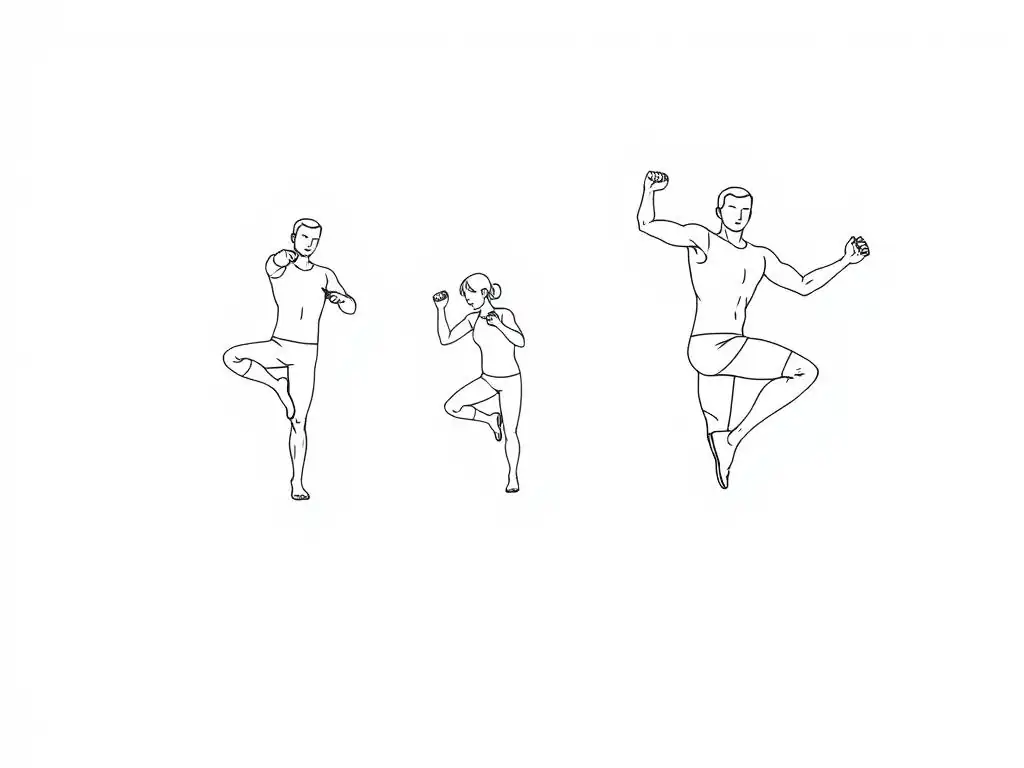
This section delves into advanced HIIT strategies to supercharge your weight loss journey. We'll move beyond basic HIIT structures and explore techniques to maximize calorie expenditure and build lean muscle mass, crucial for a faster metabolism and sustained weight management. Remember, consistency is key; even minor improvements in technique can significantly impact your results over time. This isn't about pushing yourself to the breaking point; it's about optimizing your effort for maximum efficiency. The focus here is on sustainable high-intensity interval training for long-term weight loss success.
Incorporating Plyometrics for Enhanced Calorie Burning
Plyometrics, or jump training, adds an explosive element to your HIIT routine, significantly boosting calorie burn and muscle engagement. These exercises, characterized by rapid stretches and contractions, increase power output and metabolic rate, leading to greater fat loss. Think of plyometric exercises as adding a turbocharger to your HIIT engine.
Here are a few examples to incorporate into your HIIT workout for weight loss:
- Box Jumps: Develop explosive leg power and elevate your heart rate quickly. Start with a lower box and gradually increase the height as your strength and fitness improve.
- Jump Squats: A classic plyometric exercise that targets major leg muscles, demanding significant energy expenditure. Ensure proper form to prevent injury.
- Lateral Bounds: This movement engages the legs and core, promoting agility and building lower body strength. Focus on controlled jumps and landings to minimize impact.
- Mountain Climbers (with a jump): Elevate the standard mountain climber by adding a jump between leg changes. This adds an extra burst of intensity.
Remember to warm up thoroughly before attempting plyometric exercises to prevent injuries. Start with fewer repetitions and gradually increase the intensity and volume as your fitness improves. Proper form is paramount; prioritize quality over quantity. Listen to your body and take rest days when needed.
Advanced HIIT Workouts for Experienced Fitness Enthusiasts
For those already comfortable with basic HIIT, this section provides more challenging routines to further stimulate your metabolism and push your fitness boundaries. These workouts incorporate longer intervals of high-intensity exercise and shorter recovery periods, demanding greater endurance and strength.
Here’s a sample advanced HIIT workout for weight loss:
| Exercise | Duration (seconds) | Rest (seconds) | Sets |
|---|---|---|---|
| Burpees | 45 | 15 | 4 |
| Kettlebell Swings | 45 | 15 | 4 |
| Mountain Climbers | 45 | 15 | 4 |
| Jump Lunges (each leg) | 30 (per leg) | 15 | 4 |
| Plank | 60 | 30 | 3 |
Remember to adjust the duration and rest periods based on your fitness level. Always prioritize proper form over speed. This workout requires a higher level of fitness and should only be attempted by individuals with prior experience in HIIT training. Consider consulting a fitness professional before starting this or any intense workout routine. 💧Remember to stay hydrated throughout your workout!
Combining HIIT with Strength Training for Optimal Results
While HIIT excels at burning calories, incorporating strength training maximizes muscle mass, leading to a higher resting metabolic rate. This means you burn more calories even when at rest, contributing to more effective and long-lasting weight loss. Combining these two approaches creates a synergistic effect for optimal results.
Consider implementing a split routine: dedicate some days to HIIT workouts for weight loss, focusing on cardiovascular fitness and calorie burning, and other days to strength training, targeting major muscle groups. A sample weekly schedule could be:
- Monday: Strength Training (Upper Body)
- Tuesday: HIIT
- Wednesday: Rest or Active Recovery (light cardio)
- Thursday: Strength Training (Lower Body)
- Friday: HIIT
- Saturday: Rest or Active Recovery
- Sunday: Rest
This approach ensures that you are consistently challenging your body in different ways, promoting overall fitness and maximizing weight loss. Remember to listen to your body and adjust the intensity and volume of your workouts based on your needs and recovery. Proper nutrition and adequate sleep are also crucial for optimal results. 💪 Remember consistency is key for long-term success!
HIIT Workout for Weight Loss: Frequently Asked Questions (FAQ)
This section addresses common questions surrounding HIIT workouts and their effectiveness for weight loss. We'll delve into frequency, results timelines, and adaptability for various fitness levels. Remember, consistency is key! Even small, regular bursts of intense activity can significantly contribute to your weight loss goals.
How Often Should I Do HIIT Workouts for Weight Loss?
The optimal frequency of HIIT workouts for weight loss depends on your current fitness level and recovery capacity. For beginners, starting with 2-3 sessions per week is recommended, allowing ample time for rest and muscle repair. This prevents overtraining, which can hinder progress and increase the risk of injury. Experienced individuals might tolerate more frequent sessions, perhaps up to 4-5 times a week, but always prioritize listening to your body.
Remember to incorporate rest days into your schedule. These days are crucial for muscle recovery and overall well-being. Ignoring this aspect can lead to plateaus in weight loss and even injuries. Consider alternating HIIT days with active recovery days involving lighter activities like yoga or a brisk walk.
The key is finding a sustainable routine. It's better to start conservatively and gradually increase the frequency as your fitness improves, rather than pushing yourself too hard too soon and risking burnout. Consistency, not intensity alone, is the cornerstone of successful weight loss.
How Long Does it Take to See Results from HIIT Training?
Seeing results from HIIT training, like any fitness program, varies greatly depending on several factors: your initial fitness level, diet, overall health, and consistency in your workouts. While some individuals might notice changes in body composition within a few weeks, it's more realistic to expect noticeable weight loss and improvements in fitness within 2-3 months of consistent HIIT training combined with a healthy diet.
It's crucial to understand that weight loss is a gradual process. Don't get discouraged if you don't see immediate results. Focus on consistent effort, proper nutrition, and sufficient rest. Regularly track your progress – whether it's through weight measurements, body fat percentage, or simply how you feel – to stay motivated and gauge your improvements. Remember, the benefits of HIIT extend beyond weight loss; you'll likely see improvements in cardiovascular health, muscular endurance, and overall fitness levels. These improvements often become apparent sooner than significant changes in weight.
Can HIIT Workouts Be Adapted for Different Fitness Levels?
Absolutely! The beauty of HIIT lies in its adaptability. The intensity and duration of the workout can be easily modified to suit different fitness levels. Beginners can start with shorter intervals (e.g., 20 seconds of work, 40 seconds of rest) and fewer rounds. As fitness improves, they can gradually increase the work interval, reduce the rest period, and add more rounds.
Here's a simple example of how to adapt a HIIT workout:
| Fitness Level | Work Interval (seconds) | Rest Interval (seconds) | Number of Rounds |
|---|---|---|---|
| Beginner | 20 | 40 | 3 |
| Intermediate | 30 | 30 | 4 |
| Advanced | 45 | 15 | 5-6 |
Moreover, the exercises themselves can be modified. Beginners might opt for simpler exercises like walking lunges or marching in place, while more advanced individuals can incorporate burpees, jump squats, or mountain climbers. The key is to choose exercises that challenge you while maintaining proper form to avoid injuries. Don't hesitate to modify exercises as needed to ensure safety and effectiveness. Remember, progression should be gradual and sustainable. Listen to your body and adjust the workout accordingly. The goal is to push your limits safely and effectively, regardless of your fitness level.
Is HIIT Suitable for Everyone? Considerations for Beginners and Individuals with Health Concerns
High-Intensity Interval Training (HIIT) is a fantastic way to boost your metabolism and achieve weight loss goals, but it's crucial to understand that it's not a one-size-fits-all solution. While incredibly effective for many, certain individuals need to approach HIIT with caution and modifications. Let's explore the considerations for beginners and those with pre-existing health conditions.
Beginners often underestimate the intensity of HIIT. Starting too aggressively can lead to injuries, burnout, and discouragement. A gradual introduction is key. Begin with shorter workout durations, perhaps only 10-15 minutes, focusing on proper form over speed or intensity. Increase the duration and intensity gradually over several weeks, listening to your body's signals. Rest days are equally important – allowing your body to recover and rebuild is crucial for progress and injury prevention. Consider incorporating low-impact exercises during the rest periods to maintain activity without overexertion. For example, instead of complete rest, you could perform light jogging or walking.
Individuals with certain health conditions need to exercise extra caution. Those with heart conditions, high blood pressure, or joint problems should consult their physician before starting any HIIT program. A doctor can assess individual risk factors and recommend modifications or alternative exercises. Pre-existing injuries also need careful consideration. For example, someone with a knee injury might need to avoid high-impact exercises like jumping jacks and instead focus on modifications using low-impact alternatives. Remember, adapting the workout to your specific needs is more important than adhering strictly to a pre-defined plan.
Furthermore, it's essential to pay attention to your body's signals. Pain is a warning sign; stop immediately and rest. Don't push yourself beyond your limits, especially when starting. Remember, consistency is key to success in any fitness journey. A sustainable, modified program is far more effective than an unsustainable, intense one that leads to injury or burnout.
Listen to your body, and adjust your routine accordingly. The goal is to improve your fitness level gradually and safely, not to push yourself to the point of injury. Remember, a slow and steady approach is often the most effective and sustainable path to achieving your weight loss goals with HIIT. Prioritizing safety and listening to your body are paramount in maximizing the benefits of HIIT while minimizing potential risks.
Frequently Asked Questions
What is HIIT, and how does it help with weight loss?
HIIT stands for High-Intensity Interval Training. It involves short bursts of intense exercise followed by brief recovery periods. This method is highly effective for weight loss because it boosts your metabolism, burns a significant amount of calories, and continues to burn calories even after your workout.
How long should a HIIT workout be for optimal results?
A typical HIIT workout can range from 15 to 30 minutes. Shorter sessions are perfectly fine, especially for beginners, as long as the intensity is high enough. Remember, quality over quantity.
What kind of exercises are best suited for a HIIT workout targeting weight loss?
Many exercises work well! Consider incorporating bodyweight exercises like burpees, jumping jacks, mountain climbers, and squats, or cardio exercises such as running sprints, cycling intervals, or rowing. Choose exercises you enjoy to stay motivated.
Is HIIT suitable for all fitness levels?
While HIIT is incredibly effective, it's important to start slowly if you're a beginner. Modify exercises as needed and focus on proper form to prevent injury. Gradually increase the intensity and duration of your workouts as your fitness improves.
What are the potential benefits beyond weight loss from incorporating HIIT into my routine?
Beyond weight loss, HIIT improves cardiovascular health, increases muscle strength and endurance, boosts overall fitness, and can even improve mental clarity and reduce stress. It's a highly efficient way to improve your overall well-being.
Final Reflection: The Enduring Power of HIIT for a Healthier You
The pursuit of a healthy lifestyle is a journey, not a destination, and High-Intensity Interval Training (HIIT) offers a powerful tool to ignite that journey. HIIT's effectiveness in maximizing calorie burn and boosting metabolism isn't just a fleeting trend; it's a scientifically-backed method that continues to prove its worth in today's fast-paced world, offering a time-efficient and highly effective approach to weight management and overall well-being.
The impact of HIIT extends far beyond simple weight loss; it fosters a positive relationship with fitness, encouraging consistency and self-efficacy. It's about more than just the numbers on the scale; it's about feeling stronger, more energized, and more confident in your own abilities. The body achieves what the mind believes.
This quote perfectly encapsulates the mental fortitude HIIT cultivates, pushing you beyond perceived limitations and fostering a sense of accomplishment that ripples into other areas of life.
Now, consider your own fitness journey. What small step can you take today to incorporate the principles of HIIT into your routine? Perhaps it's a short burst of intense activity during your lunch break, or dedicating just 20 minutes three times a week to a focused HIIT workout. Remember, every step counts, and the power to transform your health and well-being lies within your reach. Embrace the challenge, ignite your metabolism, and discover the enduring power of HIIT for a healthier, happier you.
Unleash Your Inner Fitness Fire!
Thank you for exploring these powerful HIIT techniques! You now have the tools to boost your metabolism and achieve a new level of fitness. Ready to put your knowledge into action?
- Prioritize your first HIIT workout this week! Schedule it now—even 15 minutes makes a difference. Consider it an investment in your health and well-being.
- Share this workout routine with a friend and encourage each other to reach your fitness goals. Accountability is key to success!
- Explore more metabolism-boosting articles on our website. Discover even more ways to optimize your body's natural fat-burning capabilities.
What small step will you take today to boost your metabolism and feel energized?