
Beat Decision Fatigue: Psychological Hacks for Making Choices Easier


Feeling overwhelmed by endless decisions? UltimateLifeHacks is your guide to reclaiming control of your day. We delve into practical strategies and proven techniques to boost your productivity and simplify your life. Learn how to reduce decision fatigue easily with our expert advice on cognitive efficiency – discover the secrets to making choices effortlessly and unlocking your full potential. Ready to experience a more streamlined and fulfilling life? Let's dive in!
- Understanding Decision Fatigue and its Impact on Your Life
-
Practical Strategies to Reduce Decision Fatigue Easily
- Streamline Your Daily Routine: Minimizing Choices
- Batch Similar Tasks: Grouping Decisions for Efficiency
- Eliminate Distractions: Creating a Focused Decision-Making Environment
- The Power of Pre-commitment: Automating Choices in Advance
- Leverage Technology: Apps and Tools for Decision Support
- Mindfulness and Meditation: Cultivating Mental Clarity for Better Choices
- Decision Fatigue in Specific Areas of Life: Targeted Solutions
- Long-Term Strategies for Sustainable Choice Management
- Conclusion: Mastering Your Choices for a More Productive Life
- Frequently Asked Questions
- Final Reflection: Reclaiming Your Willpower: The Power of Choice
- Unleash Your Decision-Making Power!
Understanding Decision Fatigue and its Impact on Your Life
Decision fatigue, the mental exhaustion that results from making too many decisions, significantly impacts our daily lives. It's not just about feeling tired; it's about a diminished capacity for rational thought and effective decision-making, leading to poorer choices, increased stress, and reduced overall well-being. This article explores the science behind decision fatigue, its telltale symptoms, and practical psychological hacks to help you reduce its effects and make choices easier, ultimately boosting your productivity and improving your quality of life.
We'll equip you with strategies to navigate the challenges of daily decision-making and reclaim your mental energy. Learning to effectively manage decision fatigue is a crucial life hack for anyone striving for optimal cognitive efficiency and a more fulfilling life.
This is especially relevant in today's fast-paced world where we're constantly bombarded with choices, from mundane tasks to significant life decisions. Effectively reducing decision fatigue can significantly improve your productivity and overall well-being.
What is Decision Fatigue and How Does it Affect You?
Decision fatigue is a real phenomenon, not just a feeling of being overwhelmed. It's the depletion of your self-control resources, the mental energy you use to make decisions, both big and small. Imagine your brain as a battery: each decision you make drains a little power.
As the day progresses and you make more and more choices, your battery depletes, leading to impaired judgment and a greater likelihood of making impulsive or poor decisions. This isn't simply about feeling tired; it's about a demonstrable decline in cognitive function. The effects can range from minor inconveniences, like choosing what to have for lunch becoming a monumental task, to more significant consequences, such as neglecting important tasks or making regrettable financial decisions.
The cumulative effect of these smaller, seemingly insignificant choices can have a surprisingly large impact on your overall well-being and productivity. For example, constantly agonizing over minor details like outfit selection can lead to wasted time and increased stress levels, ultimately impacting your ability to focus on more important tasks later in the day.
The Science Behind Decision Fatigue: Cognitive Resources Depletion
The science behind decision fatigue lies in the concept of ego depletion. Our brains have a limited supply of mental energy, and decision-making is a resource-intensive process. Each decision, regardless of its perceived importance, requires effort and consumes this mental energy. Studies have shown that even seemingly trivial decisions, like choosing between two equally appealing snacks, can contribute to this depletion.
This depletion isn't just a metaphor; neuroscientific research points to changes in brain activity and glucose metabolism associated with decision-making, further supporting the concept of a finite cognitive resource pool. The more decisions we make, the less mental energy we have available for subsequent choices, leading to poorer decisions and increased susceptibility to impulsive behaviors. This is why it's crucial to manage our decision-making processes strategically, conserving our mental energy for the most important choices.
Recognizing the Symptoms of Decision Overload: From Irritability to Poor Judgment
Recognizing the symptoms of decision fatigue is crucial for effective management. The signs can be subtle at first, but they become increasingly pronounced as depletion sets in. These symptoms can manifest in various ways:
| Symptom | Description | Example |
|---|---|---|
| Irritability and Frustration | Increased sensitivity to minor annoyances and a shorter fuse. | Snapping at a loved one over a small inconvenience |
| Procrastination | Difficulty initiating tasks or making decisions, leading to delays. | Putting off important work or appointments |
| Impulsivity | Acting on immediate desires without considering long-term consequences. | Making an unplanned large purchase |
| Poor Judgment | Making suboptimal choices due to impaired cognitive function. | Choosing an unhealthy meal over a healthier option |
| Indecisiveness | Difficulty choosing between options, even simple ones. | Spending excessive time deciding what to wear |
| Mental Exhaustion | Feeling mentally drained and lacking the energy for further decision-making. | Feeling overwhelmed and unable to focus |
Recognizing these signs allows you to proactively implement strategies to mitigate the effects of decision fatigue and regain control of your cognitive resources. By understanding these symptoms, you can better anticipate your limitations and take steps to protect your mental energy.
Practical Strategies to Reduce Decision Fatigue Easily

Decision fatigue, that feeling of mental exhaustion from making too many choices, significantly impacts productivity and overall well-being. Fortunately, several practical strategies can help you reduce decision fatigue easily and reclaim your mental energy. This section outlines effective techniques to minimize the cognitive load associated with everyday decisions, allowing you to make choices more efficiently and effectively. We'll explore how to streamline your routine, batch similar tasks, and create a focused environment—all contributing to a significant reduction in decision fatigue.
Streamline Your Daily Routine: Minimizing Choices
A cluttered and unpredictable daily routine is a breeding ground for decision fatigue. The constant need to decide what to wear, eat, or do next drains your cognitive resources. To reduce this burden, proactively streamline your routine. This involves minimizing the number of choices you face each day, reducing the mental effort required to navigate your schedule.
Consider these practical steps:
- Plan your outfits: Choose your clothes the night before. This simple act eliminates a morning decision, freeing up mental energy for more important tasks. Many successful individuals swear by this technique, highlighting its effectiveness in reducing early-morning decision fatigue.
- Prepare meals in advance: Batch cooking or meal prepping significantly reduces the daily dilemma of "what's for dinner?". Planning your meals for the week allows for efficient grocery shopping and minimizes impulsive, often unhealthy, food choices. This directly combats decision fatigue related to nutrition.
- Automate recurring tasks: Utilize technology to automate repetitive actions. Scheduling social media posts, setting up automatic bill payments, or using subscription services for groceries and household goods can free up significant mental bandwidth. This systematic approach to routine management is a cornerstone of reducing decision fatigue easily.
- Create a morning and evening routine: Establish consistent routines for starting and ending your day. This predictability reduces the cognitive load associated with deciding what to do next, promoting a sense of calm and control. A structured routine provides a framework for your day, minimizing the need for constant decision-making.
Batch Similar Tasks: Grouping Decisions for Efficiency
The act of decision-making itself is resource-intensive. Instead of making numerous small decisions throughout the day, consider grouping similar tasks together. This technique, known as "batching," allows you to enter a focused state of decision-making, making the process more efficient and less tiring.
For instance:
- Answer emails in dedicated blocks: Instead of checking your inbox sporadically throughout the day, set aside specific times to read and respond to emails. This focused approach prevents the constant interruption and mental switching costs associated with fragmented attention.
- Group similar creative tasks: If you’re a writer, dedicate specific blocks of time to writing, editing, or researching. This concentrated effort allows you to fully immerse yourself in the task, reducing the mental fatigue of constantly switching between different types of cognitive work.
- Consolidate errands: Plan your errands efficiently by grouping them geographically. This minimizes travel time and reduces the mental effort of repeatedly deciding on routes and destinations. Efficient errand running reduces the overall cognitive load for the day.
Batching enhances productivity and reduces decision fatigue by creating a flow state where similar decisions are handled in a focused and efficient manner. This method minimizes the mental overhead associated with constant task switching.
Eliminate Distractions: Creating a Focused Decision-Making Environment
Distractions are a significant contributor to decision fatigue. A cluttered and noisy environment makes it harder to focus, increasing the mental effort required for even simple decisions. Creating a focused decision-making environment is crucial for reducing this fatigue.
Here's how to achieve this:
- Minimize visual clutter: A clean and organized workspace promotes clarity and reduces the mental load of processing unnecessary visual information. A tidy environment fosters a calm and focused mindset, reducing the mental energy expended on processing distractions.
- Reduce auditory distractions: Minimize background noise by using noise-canceling headphones or finding a quiet workspace. Unnecessary auditory stimuli can significantly impair cognitive function and increase decision fatigue. A quiet environment is essential for focused decision-making.
- Turn off notifications: Constant notifications from your phone or computer disrupt your concentration and increase the mental effort required to refocus. Disabling non-essential notifications allows for uninterrupted periods of focused work, reducing decision fatigue.
- Practice mindfulness: Mindfulness techniques can help you become more aware of your mental state and identify moments of decision fatigue. This awareness allows you to take breaks, refocus, and make more effective choices. Mindfulness promotes a calm and focused state, reducing the mental exertion associated with decision-making. 🧘♀️
By implementing these strategies, you can significantly reduce decision fatigue easily, improving your productivity, focus, and overall well-being. Remember, reducing the number of choices you face, batching similar tasks, and creating a focused environment are key to reclaiming your mental energy and making better, more informed decisions.
The Power of Pre-commitment: Automating Choices in Advance
Pre-commitment, a powerful technique rooted in behavioral economics, involves making decisions in advance to circumvent future willpower struggles and reduce the mental load of daily choices. This strategy is particularly effective in combating decision fatigue, as it eliminates the need for repeated deliberation on minor decisions. Instead of agonizing over what to wear each morning, for example, you could plan your outfits for the entire week on Sunday evening. This seemingly small act can free up significant cognitive resources throughout the week, leaving you with more mental energy for more complex decisions.
Consider the impact on your diet. Instead of deciding what to eat for lunch each day, prepare several healthy meals in advance. This proactive approach not only simplifies your daily routine but also promotes healthier eating habits, as impulsive, less healthy choices are less likely when a nutritious alternative is readily available.
Similarly, pre-committing to regular exercise by scheduling workouts in your calendar ensures that you're less likely to skip a session due to fatigue or a lack of motivation. The key is to identify recurring decisions that drain your mental energy and proactively automate them. The more you pre-commit, the less decision fatigue will impact your day.
This simple strategy can significantly improve your overall productivity and well-being. Think about areas where you constantly find yourself making the same choices – lunch, breakfast, even what to watch on TV. By automating these decisions, you'll free up your mental energy for tasks that genuinely require your focus and attention.
Leverage Technology: Apps and Tools for Decision Support
Technology offers a wealth of tools designed to streamline decision-making and alleviate the burden of constant choices. Several apps can assist with various aspects of daily life, helping to reduce decision fatigue effectively. For example, meal planning apps can suggest recipes based on your dietary preferences and available ingredients, eliminating the need to brainstorm lunch or dinner ideas daily. Similarly, budgeting apps can automate savings and track expenses, reducing the mental strain associated with financial decision-making. These apps offer pre-set options and automated processes, effectively functioning as decision-making assistants.
Beyond meal planning and budgeting, consider productivity apps that help you manage your schedule and prioritize tasks. These apps often incorporate features like task automation and reminders, freeing up mental space for more important considerations. By using these tools, you’re not only reducing the number of choices you have to make each day, but you're also improving the quality of the choices you do make. The key is to find tools that align with your specific needs and preferences.
Experiment with different apps to determine which ones best support your decision-making process and help you reduce the mental clutter that contributes to decision fatigue. Remember, the goal is to use technology to make informed choices, not to become reliant on it for every decision. A balanced approach is crucial for maintaining autonomy and avoiding technological dependence.
Mindfulness and Meditation: Cultivating Mental Clarity for Better Choices
Mindfulness and meditation practices offer a powerful approach to combating decision fatigue by improving mental clarity and reducing stress. These techniques help you become more aware of your thoughts and emotions, enabling you to make more conscious and informed choices. Regular meditation, even for just a few minutes each day, can significantly improve focus and concentration, making it easier to navigate the complexities of daily decision-making. The practice cultivates a sense of calm and reduces the impulsive nature of choices often driven by fatigue.
By incorporating mindfulness into your daily routine, you learn to observe your thoughts and feelings without judgment. This heightened self-awareness allows you to identify the factors that contribute to decision fatigue and develop strategies to mitigate their impact. For instance, you might realize that making important decisions when you're tired or stressed leads to poor choices. Mindfulness encourages you to recognize these patterns and make more deliberate decisions when your mental energy is at its peak.
In essence, mindfulness and meditation empower you to take control of your mental state, enabling you to approach decision-making with greater clarity and less susceptibility to fatigue. The result is a more focused, intentional approach to making choices, leading to better outcomes and reduced mental exhaustion. Regular practice is key to reaping the benefits of these techniques, fostering a more mindful and efficient approach to life's constant stream of decisions.
Decision Fatigue in Specific Areas of Life: Targeted Solutions
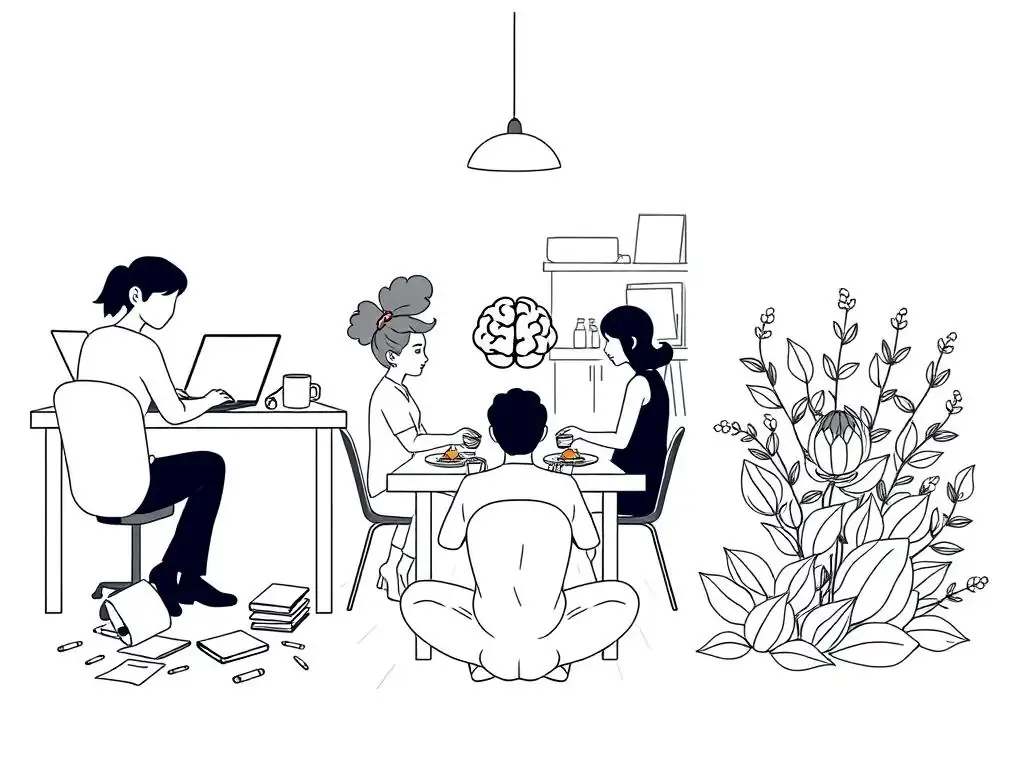
Decision fatigue, that draining feeling of having made too many choices, impacts us differently across various life domains. While the general principles of reducing cognitive load apply universally, tailoring strategies to specific areas yields better results. Understanding how decision fatigue manifests in different contexts is crucial for effectively reducing its impact and reclaiming mental energy. This section will explore targeted solutions for work, personal relationships, and finances – three areas significantly impacted by daily decision-making.
Reducing Decision Fatigue at Work: Strategies for Professionals
The workplace is a breeding ground for decision fatigue. From prioritizing tasks and managing emails to navigating workplace politics and making strategic decisions, professionals face a constant barrage of choices. Reducing this burden requires proactive strategies:
- Batch similar tasks: Instead of constantly switching between different types of work (e.g., responding to emails, writing reports, attending meetings), group similar tasks together. This reduces the mental switching cost associated with each decision. For example, dedicate specific blocks of time for email responses, report writing, and meetings. This structured approach minimizes the need for constant reevaluation and choice.
- Utilize decision-making frameworks: Employing frameworks like the Eisenhower Matrix (urgent/important) or Pareto Principle (80/20 rule) can significantly streamline decision-making. These tools provide a structured approach to prioritizing tasks, reducing the number of choices you need to make on a daily basis. By focusing on the most impactful tasks first, you can reduce the overall cognitive load.
- Automate repetitive tasks: Many routine tasks can be automated using software or by delegating them to colleagues. This frees up mental bandwidth for more important decisions and reduces the sheer volume of choices you must make throughout the day. Automating tasks like scheduling meetings, sending routine emails, or managing expenses reduces the mental strain associated with trivial decisions.
- Set clear boundaries: Establish clear boundaries between work and personal life. This includes setting specific work hours and sticking to them as closely as possible. Blurring the lines between work and personal life can lead to decision fatigue extending into your personal time. Protecting your personal time helps to recharge your mental resources and improve your overall well-being.
Minimizing Decision Fatigue in Personal Relationships: Communication and Compromise
Personal relationships often involve navigating complex emotional landscapes and making numerous decisions about time, energy, and resources. Decision fatigue can strain even the strongest bonds. Effective communication and compromise are key to mitigating this:
- Prioritize shared decision-making: Involve your partner or family members in significant decisions, fostering a sense of collaboration and shared responsibility. This reduces the burden on a single individual and promotes a sense of fairness and mutual respect. Shared decision-making reduces the feeling of being solely responsible for making choices.
- Establish routines and agreements: Creating routines for household chores, meal planning, or leisure activities frees up mental energy for more important decisions. Agreements on how to handle conflicts or disagreements can also reduce the need for constant negotiation and choice. Establishing clear expectations reduces the ambiguity and the number of choices to be made.
- Practice active listening and empathy: Understanding your partner's perspective and needs can help you make decisions that are mutually beneficial. Active listening and empathy can lead to more effective compromises and reduce the likelihood of disagreements that drain mental energy. Strong communication skills are crucial for efficient and less stressful decision-making.
- Schedule regular "check-ins": Dedicate time to discuss important matters and make plans together. This structured approach prevents decisions from accumulating and becoming overwhelming. Regular check-ins prevent minor issues from escalating into major conflicts that consume mental energy.
Overcoming Decision Fatigue in Finances: Simplifying Budgeting and Spending
Financial decisions, from budgeting and investing to paying bills and making large purchases, can be a significant source of decision fatigue. Simplifying these processes is crucial:
- Automate bill payments and savings: Set up automatic payments for recurring bills and regular contributions to savings accounts. This removes the need for constant monitoring and decision-making related to these essential financial tasks. Automating these tasks frees up mental energy and reduces the risk of missed payments.
- Create a simple budget: A straightforward budget that outlines income and expenses can provide a clear framework for financial decisions. Avoiding overly complex budgeting systems helps to reduce the cognitive overload associated with managing finances. A simple budget promotes clarity and prevents impulsive spending.
- Limit shopping choices: Reducing the number of options available when shopping can significantly reduce decision fatigue. This can involve setting a strict shopping list, avoiding impulse purchases, or limiting the time spent shopping. Less choice means less mental strain.
- Seek professional financial advice: For complex financial decisions, such as investing or estate planning, seeking professional advice can alleviate the burden of research and decision-making. A financial advisor can provide expert guidance, reducing the mental load associated with complex financial decisions.
By implementing these targeted strategies, you can significantly reduce decision fatigue in key areas of your life, leading to increased productivity, improved relationships, and greater overall well-being. Remember, the goal is not to eliminate all decisions but to make the process more efficient and less mentally draining. This allows you to focus your energy on the things that truly matter.
Long-Term Strategies for Sustainable Choice Management
This section explores long-term strategies to effectively manage choices and reduce the burden of decision fatigue. Instead of focusing on immediate fixes, we'll delve into sustainable practices that promote effortless decision-making over time. The key is to proactively reduce the number of decisions you face daily and improve your decision-making process itself. This leads to a more streamlined and less mentally taxing life, allowing you to conserve energy for tasks requiring higher levels of cognitive function. Effectively reducing decision fatigue easily requires a holistic approach.
Cultivating Self-Awareness: Identifying Your Decision-Making Patterns
Understanding your personal decision-making patterns is the first step towards reducing decision fatigue. Do you tend to overthink minor choices? Are you easily swayed by external influences? Do you procrastinate on important decisions? Keeping a decision journal can be incredibly insightful.
For a week, note down every significant decision you make, including the time it took, your emotional state before and after, and the outcome. Analyzing this data reveals patterns. For example, you might discover that you make better choices in the morning or after exercise, or that certain types of decisions consistently drain your energy more than others. This self-awareness empowers you to strategically schedule demanding choices for times when you're at your cognitive peak. This simple act of self-reflection is crucial for developing personalized strategies to reduce decision fatigue easily.
Consider this example: Sarah, a busy marketing manager, noticed through her decision journal that she made significantly more impulsive purchases in the afternoon when feeling stressed from work. By consciously scheduling her shopping trips for mornings, and preparing her grocery list beforehand, she significantly reduced her impulsive spending and the associated decision fatigue. This simple shift in timing, informed by self-awareness, made a substantial difference in her life.
Developing Decision-Making Frameworks: Structured Approaches to Choices
Implementing structured approaches to decision-making minimizes mental effort. Instead of approaching each choice as a unique challenge, develop frameworks that streamline the process. For example, the Eisenhower Matrix (urgent/important) helps categorize tasks and decisions, allowing you to prioritize effectively. Other useful frameworks include the Cost-Benefit Analysis, which objectively weighs the pros and cons of each option, and the Decision Tree, which maps out potential outcomes of different choices. These frameworks provide a clear structure, reducing the mental strain associated with making choices, and thereby reducing decision fatigue easily.
The key is to find frameworks that suit your personality and decision-making style. Experiment with different methods until you discover what works best for you. The goal isn't to rigidly adhere to a single framework, but to develop a flexible toolkit that you can adapt to different situations. Remember, the aim is to reduce the cognitive load involved in making choices, not to make the process more complicated.
Prioritizing Self-Care: Rest and Recovery for Optimal Cognitive Function
Adequate rest and self-care are paramount in managing decision fatigue. Chronic sleep deprivation significantly impairs cognitive function, making even simple choices feel overwhelming. Aim for 7-9 hours of quality sleep each night. Incorporate regular physical activity into your routine; exercise improves cognitive function and reduces stress, directly contributing to better decision-making. Mindfulness practices, such as meditation or deep breathing exercises, can help calm the mind and improve focus, allowing you to approach choices with greater clarity and less anxiety.
Prioritizing self-care isn't selfish; it's a crucial element in maintaining optimal cognitive function and easily reducing decision fatigue. It's an investment in your mental well-being and long-term productivity. Consider scheduling regular breaks throughout your day to avoid prolonged periods of decision-making. Even short breaks can significantly improve cognitive performance and reduce the accumulation of decision fatigue.
Building Resilience to Decision Fatigue: Long-Term Mental Fitness
Decision fatigue isn't just about avoiding tough choices in the moment; it's about cultivating a resilient mindset that can withstand the constant barrage of decisions we face daily. Think of it like building physical fitness – you wouldn't expect to run a marathon without training. Similarly, mental resilience requires consistent effort and practice. This involves strengthening your cognitive muscles and developing strategies to manage stress and mental overload, thus reducing your susceptibility to decision fatigue.
One key aspect of building this resilience is prioritizing mindfulness and meditation. Regular meditation, even for just 10-15 minutes a day, has been shown to improve focus, reduce stress, and enhance cognitive function. 1 By cultivating a state of present moment awareness, you're less likely to be overwhelmed by the weight of future decisions or the anxieties of past choices. This increased mental clarity allows for more efficient and less emotionally charged decision-making.
Furthermore, incorporating regular physical exercise into your routine is crucial. Physical activity isn't just about physical health; it significantly impacts mental well-being. Exercise releases endorphins, which have mood-boosting effects and can help reduce stress levels. 2 A healthy body supports a healthy mind, making you better equipped to handle the mental demands of daily decision-making. Aim for at least 30 minutes of moderate-intensity exercise most days of the week – even a brisk walk can make a difference.
Finally, ensuring adequate sleep is paramount. Sleep deprivation significantly exacerbates decision fatigue. When you're sleep-deprived, your cognitive functions are impaired, making it harder to make sound judgments and increasing your susceptibility to impulsive decisions. 3 Aim for 7-9 hours of quality sleep each night to optimize your cognitive performance and resilience to decision fatigue. Establishing a consistent sleep schedule and creating a relaxing bedtime routine can greatly improve your sleep quality. By prioritizing these long-term mental fitness strategies, you’re not just reducing immediate decision fatigue; you’re building a foundation for sustained cognitive health and well-being, enabling you to navigate life's choices with greater ease and confidence.
1 [Specific study on meditation and cognitive function pending] 2 [Specific study on exercise and stress reduction pending] 3 [Specific study on sleep deprivation and decision-making pending]
Conclusion: Mastering Your Choices for a More Productive Life
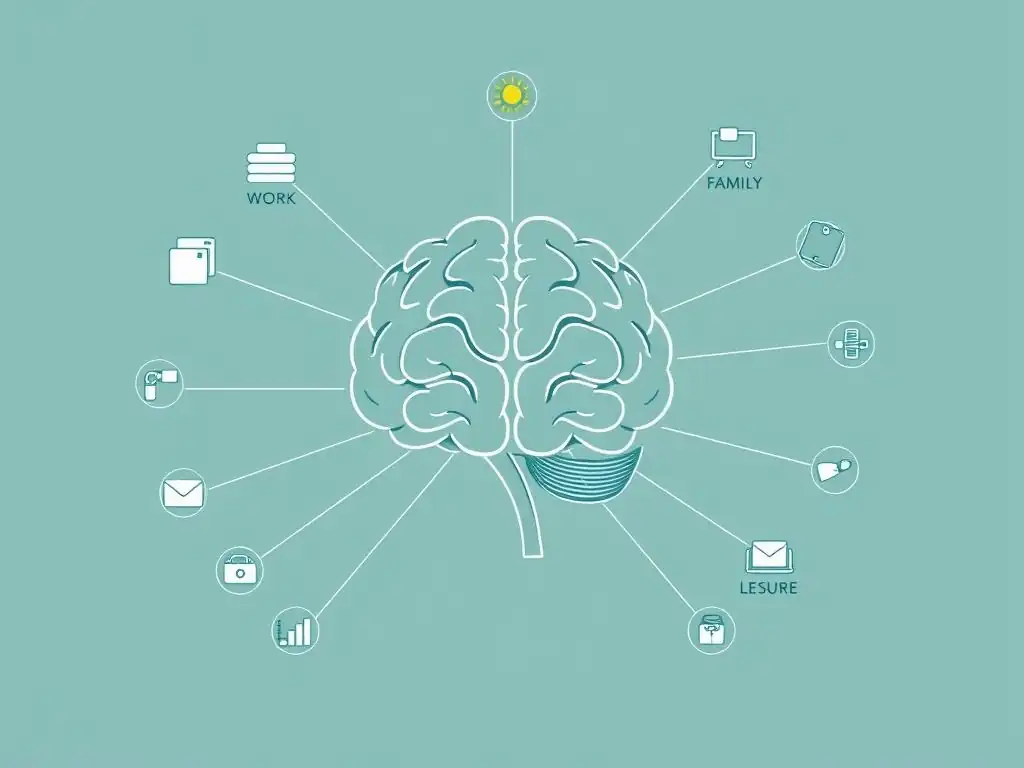
Decision fatigue, that draining feeling of mental exhaustion from making too many choices, significantly impacts our productivity and overall well-being. Understanding its mechanisms, as explored throughout this article, is the first step towards effectively managing it. By consciously implementing strategies to reduce the cognitive load associated with decision-making, we can reclaim mental energy and enhance our ability to focus on what truly matters. The cumulative effect of these small changes can lead to a remarkable improvement in daily efficiency and a heightened sense of control over our lives.
Remember, mastering your choices isn't about eliminating them entirely, but rather about optimizing the decision-making process itself. This empowers you to make better choices with less effort, ultimately leading to a more fulfilling and productive existence. Reducing decision fatigue easily is achievable with consistent effort and the right techniques.
Recap: Key Takeaways for Reducing Decision Fatigue Easily
Let's summarize the key strategies discussed to help you reduce decision fatigue easily:
- Minimize Choices: Consciously limit the number of decisions you face daily. This might involve creating routines, pre-planning outfits, or simplifying your options for meals. Consider the Pareto Principle (80/20 rule) – identify the 20% of decisions that yield 80% of the positive impact and focus your energy there.
- Batch Similar Decisions: Group similar decisions together. Instead of making individual choices throughout the day for tasks like responding to emails, schedule a specific time block for tackling them all at once. This reduces the mental switching costs associated with constantly shifting between different tasks and decision-making contexts.
- Delegate and Automate: Outsource tasks whenever feasible. Utilize technology to automate repetitive decisions, such as setting up automatic bill payments or using scheduling apps for appointments. This frees up cognitive resources for more important choices.
- Prioritize and Focus: Identify your most important goals and allocate your decision-making energy strategically. Learn to say "no" to commitments that don't align with your priorities, reducing the number of unnecessary choices you have to make.
- Self-Care is Crucial: Prioritize sufficient sleep, regular exercise, and mindful practices like meditation. These activities replenish mental resources and improve your overall cognitive function, making decision-making less taxing. Adequate hydration and a balanced diet also play a significant role in maintaining cognitive sharpness.
| Strategy | Description | Example | Impact on Reducing Decision Fatigue |
|---|---|---|---|
| Minimize Choices | Reduce the number of decisions you make daily. | Plan outfits for the week in advance. | Significantly reduces cognitive load |
| Batch Similar Tasks | Group similar decisions together. | Schedule a dedicated time block for answering emails. | Improves focus and efficiency |
| Delegate/Automate | Outsource or automate repetitive tasks. | Use a bill-paying app; delegate errands. | Frees up mental resources |
| Prioritize & Focus | Concentrate on essential decisions aligned with your goals. | Focus on high-impact tasks first. | Improves decision quality and efficiency |
| Self-Care | Prioritize sleep, exercise, and mindful practices. | Get 7-8 hours of sleep; practice meditation daily. | Enhances cognitive function and reduces stress |
The effective implementation of these strategies can lead to a noticeable reduction in decision fatigue, allowing for greater productivity and improved overall well-being. Remember, consistency is key!
Next Steps: Implementing Strategies for Lasting Change
To effectively integrate these strategies into your daily life and achieve lasting change, consider these action steps:
- Identify Your Decision-Making Bottlenecks: Pinpoint the areas of your life where you experience the most decision fatigue. Are there specific tasks or routines that consistently drain your mental energy? Understanding these bottlenecks is the first step towards addressing them effectively.
- Create a Personalized Plan: Develop a tailored plan based on the strategies outlined above. Start with one or two manageable changes and gradually incorporate more as you become comfortable. This approach prevents feeling overwhelmed and increases the likelihood of long-term success.
- Track Your Progress: Monitor your energy levels and overall productivity to measure the impact of your implemented changes. Note down any challenges you encounter and adjust your plan accordingly. Regular self-assessment is crucial for refining your approach and maximizing its effectiveness.
- Seek Support if Needed: Don't hesitate to seek help if you struggle to manage decision fatigue on your own. Consider consulting a therapist or coach who can provide personalized guidance and support. Remember that seeking professional help is a sign of strength, not weakness.
- Celebrate Small Wins: Acknowledge and celebrate your achievements along the way. This positive reinforcement helps maintain motivation and encourages continued effort. Even small steps forward contribute to significant long-term progress in reducing decision fatigue easily. Remember to be patient with yourself – building new habits takes time and effort.
By consistently applying these steps, you can effectively manage decision fatigue, unlock greater productivity, and lead a more balanced and fulfilling life. The journey towards mastering your choices is a continuous process of learning and adaptation; embrace the challenges and celebrate your successes along the way.
Frequently Asked Questions
What is decision fatigue, and why does it matter?
Decision fatigue is the mental exhaustion that results from making too many decisions throughout the day. It leads to poor choices, reduced productivity, and increased stress. Addressing it improves overall well-being.
How can I reduce decision fatigue easily?
Simplify your choices. Limit options in areas like clothing and food. Automate tasks where possible, such as scheduling social media posts or paying bills automatically. This frees up mental energy for more important decisions.
Are there specific psychological hacks to combat decision fatigue?
Yes! Techniques like mindfulness and meditation can help improve focus and reduce mental clutter. Prioritizing tasks and focusing on your most important decisions first also helps. Batch similar tasks together.
What role does planning play in reducing decision fatigue?
Planning is crucial. By planning your day or week in advance, you reduce the number of spontaneous decisions you need to make. A well-structured schedule minimizes the mental load throughout the day.
Can I use these techniques to improve my overall productivity?
Absolutely! Reducing decision fatigue directly translates to increased productivity and efficiency. By freeing up mental resources, you can focus better on completing tasks and achieving your goals. Improving focus is a great way to increase productivity.
Final Reflection: Reclaiming Your Willpower: The Power of Choice
The relentless barrage of daily decisions, from mundane to monumental, silently drains our willpower, leading to what we now understand as decision fatigue. This isn't just a feeling; it's a demonstrable cognitive depletion that impacts our productivity, well-being, and overall quality of life. Understanding this phenomenon is the first step towards reclaiming control and making conscious choices that serve us, rather than depleting us.
The pervasiveness of decision fatigue in our modern, hyper-stimulated world is undeniable. From the endless scroll of social media to the constant bombardment of marketing messages, we are perpetually bombarded with choices, many of which are inconsequential yet cumulatively exhausting. The price of anything is the amount of life you exchange for it,
— Henry David Thoreau. This quote resonates deeply, highlighting the unseen cost of our seemingly endless choices. We must consciously evaluate what we exchange for the convenience or allure of seemingly effortless decisions.
Now, consider this: what small changes can you implement today to reduce your cognitive load? Perhaps it's simplifying your wardrobe, batching similar tasks, or consciously limiting your exposure to overwhelming stimuli. You have the power to design your environment and your daily routines to support your cognitive well-being. Start small, experiment with the strategies outlined in this article, and observe the positive impact on your energy levels, focus, and overall sense of control. The journey to reclaiming your willpower begins with a single, conscious choice.
Unleash Your Decision-Making Power!
Congratulations on mastering the art of effortless decision-making! You've learned powerful psychological techniques to overcome decision fatigue. Ready to apply what you've learned?
- Tackle your most important decision this week using the elimination method described in this article. This single success will create a positive ripple effect, making future decisions easier.
- Share this article with a friend who also struggles with making choices. Helping others solidify your own understanding and skills.
- Explore additional resources on mindfulness and productivity to further enhance your decision-making abilities. This will help you cultivate greater focus and energy.
Ready to experience the liberating feeling of streamlined decision-making? What's the first challenge you'll conquer using these new techniques?