
Transform Your Memory: Simple Hacks for a Sharper, More Focused Mind

Ready to unlock your brain's full potential? At UltimateLifeHacks, we're dedicated to helping you conquer everyday challenges and live more efficiently. This week, we dive into the fascinating world of memory enhancement with our guide on how to Improve memory with simple hacks. Discover practical, easy-to-implement strategies that will leave you feeling sharper, more focused, and amazed by your improved recall. Let's transform your memory – read on to learn more!
- Enhance Cognitive Function: Simple Memory Improvement Techniques
- Improve Memory with Simple Hacks: Practical Strategies for Daily Life
- Optimize Your Lifestyle for Better Memory: Habits for Cognitive Health
- Advanced Memory Techniques: Mastering Advanced Recall Strategies
- Maintain and Enhance Your Memory: Long-Term Strategies for Cognitive Wellness
- Frequently Asked Questions
- Final Reflection: Unlocking Your Mind's Potential
- Unlock Your Brain's Potential: Start Remembering Better Today!
Enhance Cognitive Function: Simple Memory Improvement Techniques
Our modern lives, overflowing with information and demands, often leave us feeling overwhelmed and struggling to remember even the simplest things. Forgetting appointments, misplacing keys, or struggling to recall names – these are common frustrations that significantly impact our daily productivity and overall well-being. This article explores practical, easy-to-implement techniques to significantly improve your memory and boost your cognitive function.
We'll delve into understanding how memory works, identifying your personal memory weaknesses, and providing actionable strategies to sharpen your mind and improve your recall. By the end, you'll be equipped with simple hacks to transform your memory, leading to a more focused and efficient life. Learn how to improve memory with simple hacks and unlock your brain's full potential!
Understanding Your Memory: Types and Processes
Memory isn't a single, monolithic entity; it's a complex system involving several distinct processes. Understanding these processes is the first step towards improving your memory. We primarily utilize three main types of memory:
- Sensory Memory: This is the briefest form of memory, lasting only a fraction of a second. It's responsible for holding sensory information (sights, sounds, smells, etc.) long enough for it to be processed. Improving sensory memory involves actively engaging your senses and focusing your attention.
- Short-Term Memory (STM): Also known as working memory, STM holds a limited amount of information for a short period (around 20-30 seconds). This is where we actively process information, manipulating it to solve problems or make decisions. Techniques like chunking information and rehearsal can significantly improve STM capacity.
- Long-Term Memory (LTM): This is the vast storehouse of information that we retain for extended periods, sometimes even a lifetime. LTM is further divided into explicit (conscious) and implicit (unconscious) memory. Explicit memory includes episodic (personal experiences) and semantic (facts and general knowledge) memory. Implicit memory involves skills and habits. Strengthening LTM relies on techniques like spaced repetition and elaborative rehearsal.
The process of memory formation involves three key stages:
- Encoding: This is the initial stage where sensory information is transformed into a neural code that the brain can store.
- Storage: This involves retaining the encoded information over time.
- Retrieval: This is the process of accessing and recalling stored information. Difficulty with retrieval is a common memory problem.
Understanding these types and processes allows for targeted strategies to enhance memory performance in specific areas. For example, if you struggle with remembering names (episodic memory), you can implement techniques specifically designed to improve that aspect of memory.
Identifying Memory Weaknesses: Pinpointing Areas for Improvement
Before implementing memory improvement strategies, it's crucial to identify your specific weaknesses. Are you struggling with remembering names, faces, appointments, or specific details? Pinpointing the areas where your memory falters allows you to focus your efforts on targeted techniques. 🤔
Consider these questions to assess your memory strengths and weaknesses:
- Do you frequently misplace items? This could indicate a weakness in attention to detail or spatial memory.
- Do you struggle to recall conversations or recent events? This might suggest issues with short-term or episodic memory.
- Do you find it difficult to learn new information or retain facts? This could point to challenges with encoding or long-term memory consolidation.
- Do you forget appointments or deadlines? This often signals a problem with organizational skills and memory for temporal information.
By honestly evaluating your memory performance, you can create a personalized plan to address specific areas needing improvement. This targeted approach will yield more significant and lasting results than a generic, one-size-fits-all approach. Remember, identifying weaknesses is the first step towards strengthening your memory and improving your overall cognitive function. Let's work towards a sharper, more focused you! 🎯
Improve Memory with Simple Hacks: Practical Strategies for Daily Life
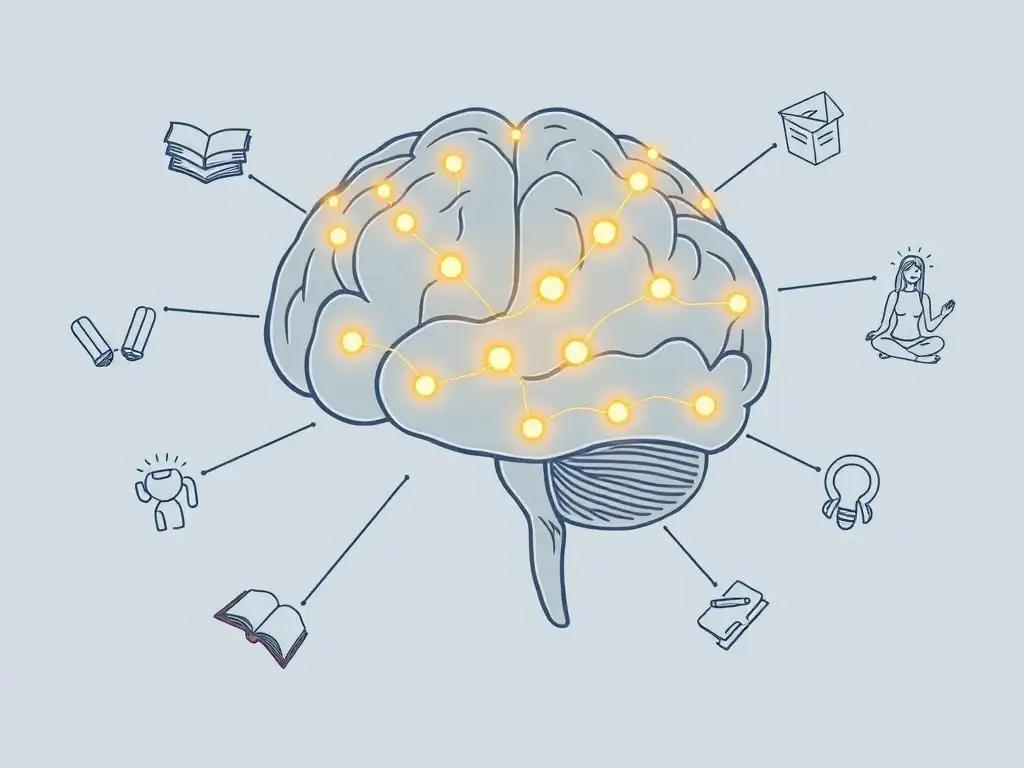
This section dives deep into actionable strategies to significantly improve your memory using simple, everyday hacks. We'll explore techniques you can integrate seamlessly into your daily routine, requiring minimal time investment but yielding substantial cognitive improvements. The goal is to equip you with practical tools to enhance memory recall and sharpen mental focus, ultimately improving your overall cognitive efficiency. We'll cover mnemonic techniques, memory training exercises, and mindfulness practices, all designed to help you achieve your goal to improve memory with simple hacks.
Memory Improvement Techniques: Boosting Recall with Mnemonics
Mnemonics are memory aids that use techniques to improve the ability to remember something. They leverage associations, imagery, and other cognitive strategies to encode information more effectively. Consistent use of mnemonics can lead to substantial improvements in memory recall across various contexts.
Using Visual Mnemonics for Enhanced Recall
Visual mnemonics rely on creating vivid mental images to associate with information you need to remember. For example, the method of loci, also known as the memory palace technique, involves associating items you want to remember with specific locations in a familiar place, like your house. Imagine placing each item in a distinct location along a mental route. When you need to recall the items, simply mentally "walk" through your house, retrieving each item from its assigned location.
This technique effectively transforms abstract information into concrete, memorable images, significantly enhancing recall. Another example is using keyword imagery, where you create a visual representation of a word that sounds similar to the word you need to remember. This technique is especially effective for learning vocabulary or foreign languages.
Applying Auditory Mnemonics: The Power of Sound
Auditory mnemonics utilize sound and rhythm to aid memory. Rhymes, songs, and acronyms are common examples. Acronyms, like ROY G. BIV for the colors of the rainbow (Red, Orange, Yellow, Green, Blue, Indigo, Violet), condense information into easily remembered sequences. Similarly, creating a catchy jingle or rhyme can help you remember lists or facts. The rhythmic nature of these techniques helps to embed the information in your memory more effectively. Consider creating a short song to remember historical dates or a sequence of steps in a process. The musicality makes the information more engaging and easier to retrieve.
Combining Mnemonic Techniques for Synergistic Effects
The most effective approach often involves combining different mnemonic techniques. For instance, you could use the method of loci (visual) to remember a list of shopping items, but then associate each item with a rhyming word (auditory) to further strengthen the memory trace. This layered approach creates multiple pathways for retrieval, making it significantly harder to forget. Experiment with different combinations to find what works best for you and your learning style. The key is to make the memorization process engaging and multi-sensory, maximizing your brain's capacity for retention.
Memory Training Exercises: Sharpening Your Mind Through Practice
Regular memory training exercises are crucial for improving cognitive function and boosting recall. Just like physical exercise strengthens muscles, mental exercises strengthen your brain's ability to retain and retrieve information. Consistent practice is key to seeing significant improvements.
Memory Games and Puzzles: Engaging Your Brain for Cognitive Enhancement
Numerous memory games and puzzles are designed to challenge and improve your cognitive abilities. Games like Sudoku, crosswords, and memory matching games require you to actively engage your brain and strengthen neural pathways associated with memory and concentration. These games are not only fun but also provide a structured way to exercise your memory muscles. Regularly playing these types of games can lead to noticeable improvements in short-term and long-term memory. Vary the types of games you play to challenge different aspects of your memory.
Daily Memory Challenges: Simple Activities to Boost Recall
Incorporating simple memory challenges into your daily routine can be incredibly effective. Try memorizing a shopping list without writing it down, recalling details from a conversation you had earlier in the day, or learning a few new words in a foreign language each day. These seemingly small tasks cumulatively contribute to significant improvements in memory recall. Even something as simple as actively trying to remember the names of people you meet can help. The more you actively engage your memory, the stronger it becomes. Make it a habit to consciously challenge your memory throughout the day.
Mindfulness and Meditation for Memory Improvement
Mindfulness and meditation practices have been shown to improve various cognitive functions, including memory. By focusing on the present moment and reducing mental clutter, mindfulness helps to improve attention span and concentration, both crucial for effective memory encoding and retrieval. Regular meditation can enhance your ability to focus, reducing distractions and improving your capacity to retain information.
Studies have shown a positive correlation between regular mindfulness practice and improved memory performance. Even short meditation sessions (10-15 minutes) daily can have a noticeable impact over time. The practice of mindfulness cultivates a calmer, more focused mind, which is essential for optimal memory function.
Optimize Your Lifestyle for Better Memory: Habits for Cognitive Health
Optimizing your lifestyle is crucial for improving memory and overall cognitive function. It's not just about memorization techniques; it's about creating an environment where your brain thrives. Think of your brain like a high-performance engine – it needs the right fuel, regular maintenance (sleep! ), and protection from wear and tear (stress reduction!).
This section focuses on practical lifestyle adjustments that can significantly impact your memory. We'll explore the interconnectedness of nutrition, sleep, and stress management in enhancing cognitive performance. Remember, even small changes can accumulate to make a big difference in your ability to improve memory with simple hacks.
Nutrition for Memory Enhancement: Foods to Fuel Your Brain
Your diet plays a significant role in brain health and memory function. Consuming a balanced diet rich in specific nutrients can significantly enhance cognitive performance. Think of it as providing your brain with high-octane fuel. What should you be eating?
- Brain-Boosting Foods: Focus on foods rich in antioxidants, omega-3 fatty acids, and vitamins crucial for brain function. This includes:
- Fatty fish: Salmon, tuna, and mackerel are excellent sources of omega-3s, vital for brain cell structure and function. Aim for at least two servings per week.
- Berries: Blueberries, strawberries, and raspberries are packed with antioxidants that protect brain cells from damage.
- Leafy greens: Spinach, kale, and collard greens provide essential vitamins and minerals.
- Nuts and seeds: Almonds, walnuts, and flaxseeds are rich in healthy fats and vitamin E.
- Dark chocolate: (in moderation!) Contains flavonoids which are powerful antioxidants.
- Foods to Limit: Processed foods, excessive sugar, and saturated fats can negatively impact brain health. These contribute to inflammation and impair cognitive function. Moderation is key!
- Hydration is Key: Dehydration can impair cognitive function, leading to decreased concentration and memory problems. Drink plenty of water throughout the day.
Sleep Hygiene for Cognitive Function: The Importance of Restful Sleep
Sleep is not a luxury; it's a biological necessity for memory consolidation and overall cognitive health. During sleep, your brain processes and stores information gathered throughout the day. Insufficient or poor-quality sleep directly impacts memory, learning, and concentration.
- Consistent Sleep Schedule: Aim for 7-9 hours of sleep per night, going to bed and waking up around the same time, even on weekends, to regulate your body's natural sleep-wake cycle.
- Optimize Your Sleep Environment: Create a dark, quiet, and cool sleeping environment. Consider using blackout curtains, earplugs, or a white noise machine to minimize distractions.
- Pre-Sleep Routine: Establish a relaxing bedtime routine to signal to your body that it's time to wind down. This could include a warm bath, reading a book, or gentle stretching. Avoid screen time before bed, as the blue light emitted from electronic devices can interfere with sleep.
- Address Sleep Disorders: If you suspect you have a sleep disorder like insomnia or sleep apnea, consult a healthcare professional. Untreated sleep disorders can significantly impact memory and cognitive function. Addressing these issues is crucial for improving your ability to improve memory with simple hacks.
Stress Management Techniques for Improved Memory
Chronic stress has a detrimental effect on memory and cognitive function. Stress hormones interfere with the brain's ability to form new memories and retrieve existing ones. Implementing effective stress management techniques is therefore crucial for maintaining optimal cognitive health.
- Mindfulness and Meditation: Regular practice of mindfulness and meditation techniques can help reduce stress levels, improve focus, and enhance cognitive function. Even short meditation sessions can make a difference.
- Exercise: Regular physical activity is a powerful stress reliever and has been shown to improve memory and cognitive function. Aim for at least 30 minutes of moderate-intensity exercise most days of the week.
- Time Management: Effective time management strategies can reduce stress by helping you prioritize tasks and avoid feeling overwhelmed. Learn to delegate tasks when possible and break down large projects into smaller, manageable steps.
- Social Support: Maintaining strong social connections can provide emotional support and reduce stress. Spending time with loved ones can significantly boost your mood and cognitive well-being. Remember, a healthy social life is a crucial aspect of optimizing your life and improving memory with simple hacks.
Regular Exercise: Physical Activity and Brain Health
Regular physical activity isn't just beneficial for your physical health; it's a cornerstone of cognitive well-being, significantly impacting your ability to improve memory with simple hacks. Numerous studies have demonstrated a strong correlation between exercise and improved memory function. This isn't about becoming a marathon runner; even moderate exercise can yield substantial cognitive benefits.
The mechanisms behind this link are multifaceted. Exercise increases blood flow to the brain, delivering vital oxygen and nutrients that fuel brain cells and support neuroplasticity – the brain's ability to reorganize itself by forming new neural connections. This enhanced blood flow helps clear out metabolic waste products that can impair cognitive function. Furthermore, physical activity stimulates the production of brain-derived neurotrophic factor (BDNF), a protein crucial for the growth and survival of neurons. BDNF essentially acts as a fertilizer for your brain, promoting the formation of new memories and improving existing ones.
Consider the impact of even a brisk 30-minute walk several times a week. This simple activity can significantly improve memory recall, attention span, and overall cognitive performance. The improvements aren't limited to short-term memory either; studies suggest that regular exercise can even help protect against age-related cognitive decline and reduce the risk of developing neurodegenerative diseases like Alzheimer's.
Different types of exercise offer varied benefits. While aerobic exercises like running or swimming are excellent for cardiovascular health and brain function, strength training also plays a crucial role in maintaining cognitive sharpness. Strength training helps improve overall physical health and contributes to better cognitive function by improving blood flow and releasing beneficial hormones.
The benefits aren't solely physiological; the psychological aspects of exercise are equally important. Regular physical activity reduces stress and anxiety, both of which can negatively impact memory and cognitive function. By reducing stress hormones like cortisol, exercise creates a more favorable environment for optimal brain function and memory consolidation. Incorporating regular exercise into your routine is a powerful, readily accessible strategy to improve memory with simple hacks, contributing to a sharper, more focused mind.
Remember to consult your doctor before starting any new exercise program, especially if you have pre-existing health conditions. Finding an enjoyable form of exercise is key to long-term adherence and maximizing its cognitive benefits. Whether it's dancing, swimming, hiking, or team sports, choosing an activity you genuinely enjoy will significantly increase your chances of sticking with it and reaping the rewards.
Advanced Memory Techniques: Mastering Advanced Recall Strategies
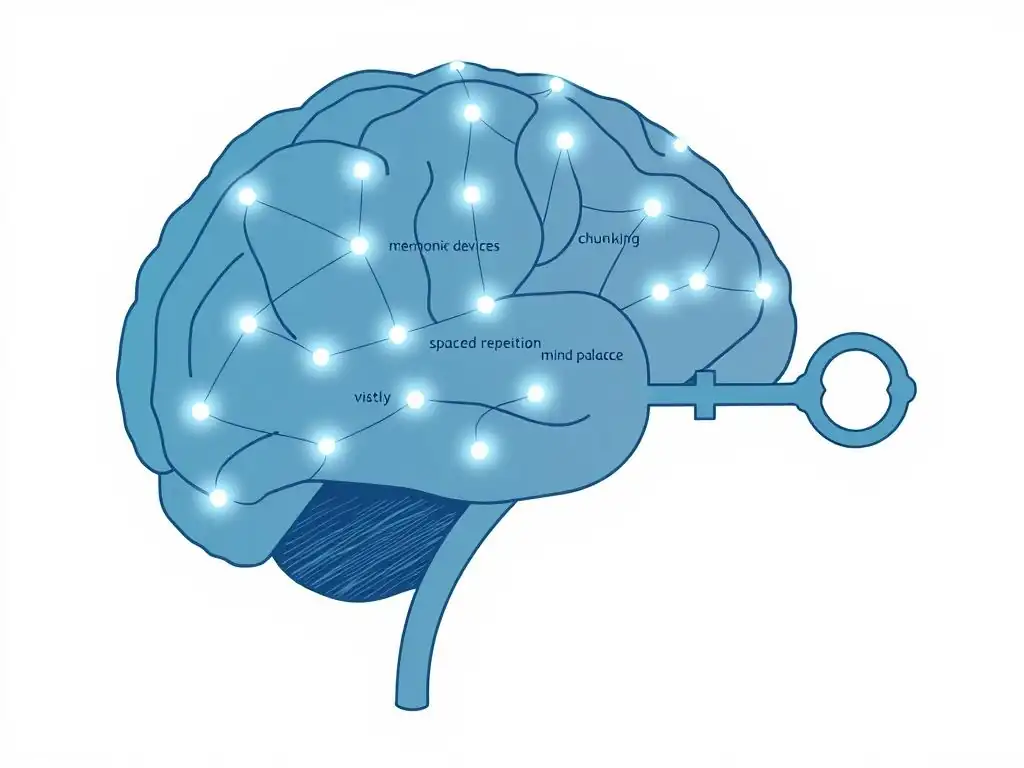
This section delves into more sophisticated memory techniques that go beyond basic mnemonic devices. These strategies require practice and dedication, but the rewards—a significantly enhanced ability to recall complex information—are well worth the effort. Mastering these techniques will help you truly improve memory with simple hacks, even when dealing with large volumes of data. We'll explore techniques proven effective for improving memory retention and recall.
Memory Palaces: Creating Mental Maps for Information Storage
A memory palace, also known as a method of loci (discussed further below), involves associating items you need to remember with specific locations in a familiar place. This could be your childhood home, your workplace, or even a well-known route you frequently travel. The more detailed and unique your "palace," the better your recall will be.
Imagine you need to remember a grocery list: milk, eggs, bread, cheese, and apples. You could visualize a carton of milk spilling on your front doorstep, eggs cracking on your living room rug, a loaf of bread sitting on your kitchen table, a block of cheese perched precariously on your bookshelf, and a bowl of apples in your bathroom sink. The absurdity of these images helps cement them in your memory.
The key is to make the associations vivid, unusual, and interactive. The more sensory details you include (smell, touch, sound, etc. ), the stronger the memory trace will be.
Regular practice is key to mastering this technique. Start with short lists and gradually increase the complexity and length of the information you try to memorize. Consistent use will transform your ability to improve memory with simple hacks for complex information.
Method of Loci: A Powerful Technique for Enhanced Memory
The Method of Loci, closely related to memory palaces, is a powerful mnemonic device that utilizes the spatial arrangement of locations to improve recall. It leverages our brain's natural ability to remember places exceptionally well. Instead of just associating items with locations, as in a memory palace, the Method of Loci uses a specific route or journey through a familiar place.
For example, to memorize a speech, you could walk through your house, associating each point of your speech with a specific location. The front door might represent your introduction, the living room your first main point, the kitchen your second, and so on. Each location serves as a "memory peg" for a specific piece of information. When you need to recall the speech, mentally retrace your steps through your house, and the associated information will come back to you.
This technique is particularly useful for memorizing speeches, historical timelines, or lists of items in a specific order. The spatial organization provides a natural framework for recalling information sequentially. Practicing the Method of Loci consistently will demonstrably improve memory with simple hacks, leading to significant improvements in retention.
Chunking Information: Organizing Data for Easier Recall
Chunking involves grouping individual pieces of information into larger, more manageable units. Instead of trying to memorize a long string of numbers, such as a phone number, you can break it down into smaller, more easily remembered chunks. For instance, the number 555-123-4567 can be chunked into 555, 123, and 4567.
This technique is incredibly effective for memorizing lists, phone numbers, passwords, and other sequences of information. The human brain has a limited capacity for working memory, so chunking helps to bypass this limitation by reducing the cognitive load. By organizing information into meaningful units, you significantly improve memory with simple hacks, making it easier to retain and recall.
Consider using acronyms or other mnemonic devices within your chunks to further enhance recall. For example, to remember the order of operations in mathematics (PEMDAS – Parentheses, Exponents, Multiplication and Division, Addition and Subtraction), you could create a memorable phrase like “Please Excuse My Dear Aunt Sally.” This technique, combined with chunking, allows for efficient and effective memorization, significantly improving your memory capabilities.
Maintain and Enhance Your Memory: Long-Term Strategies for Cognitive Wellness
This section focuses on establishing sustainable practices to bolster your memory and cognitive function over the long term. Improving memory with simple hacks isn't just about quick fixes; it's about cultivating a lifestyle that supports brain health. We'll explore strategies that go beyond short-term memory boosts and delve into the realm of long-term cognitive wellness.
Continual Learning: Keeping Your Mind Active and Engaged
A consistently stimulated mind is a sharper mind. Engaging in activities that challenge your cognitive abilities is crucial for maintaining and improving memory. This isn't about rote memorization; it's about actively engaging with new information and skills. Think of your brain like a muscle – the more you use it, the stronger it becomes.
Consider these examples:
- Learning a new language: This significantly boosts cognitive function, improving memory and processing speed. Studies show that bilingual individuals often exhibit delayed onset of age-related cognitive decline.
- Taking online courses: Platforms offer a vast array of subjects, from history and science to coding and art. Choosing topics that genuinely interest you will enhance engagement and retention.
- Reading regularly: Reading diverse materials exposes your brain to new vocabulary, concepts, and perspectives, improving both short-term and long-term memory. Aim for at least 30 minutes of reading daily.
- Playing brain games: Puzzles, Sudoku, and memory games can actively challenge your cognitive skills and improve focus. The key is consistency; even short, regular sessions can yield benefits.
- Learning a musical instrument: Playing an instrument improves memory, coordination, and cognitive processing. It's a fantastic way to stimulate multiple brain regions simultaneously.
The benefits of continuous learning extend beyond memory improvement. It combats cognitive decline, reduces the risk of dementia, and enhances overall mental well-being. Make lifelong learning a priority, and watch your cognitive abilities flourish.
Social interaction isn't just beneficial for emotional well-being; it plays a crucial role in cognitive health and memory enhancement. Engaging in meaningful conversations, participating in group activities, and maintaining strong social connections are vital for cognitive stimulation.
Consider these points:
- Regular social interaction: Studies have shown a strong correlation between social isolation and increased risk of cognitive decline. Regular interaction keeps your mind sharp and engaged.
- Meaningful conversations: Discussions that require critical thinking and problem-solving are especially beneficial for cognitive stimulation.
- Group activities: Participating in group activities, such as book clubs, volunteering, or joining a sports team, provides opportunities for social interaction and cognitive engagement. These activities often involve learning new skills and collaborating with others, further enriching cognitive function.
- Strong social support networks: Having a strong support system can reduce stress and improve overall well-being, which, in turn, positively impacts cognitive function.
Prioritizing social interaction is a simple yet powerful strategy to improve memory and overall cognitive health. It's a fundamental aspect of cognitive wellness that shouldn't be overlooked. Make time for meaningful connections – your brain will thank you.
Review and Reinforcement: Regularly Revisiting Learned Information
The adage "use it or lose it" applies perfectly to memory. Simply learning information isn't enough; you need to actively review and reinforce it to solidify it in your long-term memory. Regularly revisiting learned material strengthens neural pathways and improves retention.
Here are some effective strategies:
- Spaced repetition: Reviewing information at increasing intervals (e.g., after 1 day, then 3 days, then 7 days, etc.) significantly improves retention. This technique leverages the spacing effect, a well-established memory principle.
- Active recall: Instead of passively rereading material, actively try to recall the information from memory. This forces your brain to work harder and strengthens memory consolidation.
- Teach someone else: Explaining a concept to another person requires deep processing and strengthens your understanding and memory of the subject.
- Use flashcards: Flashcards are an effective tool for reviewing information and testing your recall. They are particularly useful for memorizing facts and figures.
- Mind mapping: Creating mind maps can help organize information visually and improve memory retention. This method is particularly effective for complex topics.
Regular review and reinforcement are essential components of a long-term memory improvement strategy. By actively engaging with learned information, you'll significantly enhance your ability to retain and recall it. Make consistent review a part of your learning process, and you'll see substantial improvements in your memory over time.
Tracking Progress and Adapting Strategies: Personalizing Your Memory Improvement Plan
Improving memory isn't a one-size-fits-all endeavor. What works wonders for one person might be less effective for another. Therefore, consistent monitoring of your progress and a willingness to adapt your strategies are crucial for long-term success in enhancing your cognitive abilities. This personalized approach ensures you're constantly refining your techniques to maximize their impact. Think of it like training for a marathon – you wouldn't run the same pace and distance every day without adjusting based on your body's response and your overall goal.
One effective method for tracking progress is to maintain a journal dedicated to your memory improvement journey. Record the specific techniques you're using, the frequency of practice, and any noticeable changes in your memory recall. For instance, you might note down how many items you can recall from a grocery list after a week of using a memory palace technique, compared to your baseline.
Quantifying your results, even in small ways, provides valuable insights into what's working and what needs adjustment. Don't be afraid to experiment with different techniques – try combining the method of loci with spaced repetition, or incorporating mnemonic devices into your daily routine.
Regular self-assessment is equally important. Are you noticing improvements in your daily life? Are you finding it easier to remember appointments, names, or facts? Do you feel more confident in your ability to recall information when needed?
These qualitative observations, alongside the quantitative data from your journal, provide a comprehensive picture of your progress. If you find a plateau in your improvement, it's time to reassess your plan. Perhaps you need to increase the intensity of your training, explore new techniques, or simply take a short break to avoid burnout. Remember, consistency is key, but flexibility is equally vital for sustainable memory enhancement.
Furthermore, consider incorporating feedback mechanisms into your plan. Discuss your progress with friends or family members who can offer insights into your memory performance. Their observations, especially in everyday situations, can provide valuable external perspectives that you might miss in self-assessment. Seeking feedback can highlight areas where you might be unknowingly neglecting aspects of memory improvement.
For example, they might notice you struggle with recalling names, even though you've been diligently practicing memorizing lists of numbers. This feedback can then guide you towards more targeted strategies, leading to more comprehensive memory enhancement. The key is to remain proactive, adaptable, and patient in your pursuit of a sharper, more focused mind. The journey to improved memory is a continuous process of learning, adjusting, and celebrating your successes along the way.
Frequently Asked Questions
How can I improve my memory using simple techniques?
You can significantly improve your memory by implementing simple lifestyle changes. This includes getting enough sleep, eating a healthy diet, and regular exercise. These basics form a strong foundation for memory enhancement.
Are there any quick memory hacks I can use immediately?
Yes! Try using mnemonic devices like acronyms or rhymes to remember information. Chunking information into smaller, manageable pieces also helps. Practice active recall by testing yourself regularly.
What role does sleep play in memory improvement?
Sleep is crucial for memory consolidation. During sleep, your brain processes and stores information learned throughout the day. Lack of sleep severely impairs your ability to form new memories and retrieve existing ones.
Can diet affect my memory and cognitive function?
Absolutely! A diet rich in antioxidants, omega-3 fatty acids, and vitamin B12 supports brain health and improves memory. Conversely, a diet high in processed foods and sugar can negatively impact cognitive function.
Are there any memory exercises I can do to strengthen my memory?
Yes! Engage in activities that challenge your brain, such as learning a new language, playing brain games, or reading regularly. Regular mental stimulation helps build stronger neural pathways, improving memory retention.
Final Reflection: Unlocking Your Mind's Potential
The pursuit of a sharper, more focused mind is not a luxury; it's a fundamental aspect of living a fulfilling life. In a world saturated with information and demands on our attention, the ability to effectively retain and recall information is more crucial than ever before. This article explored simple, practical hacks to improve memory, empowering you to take control of your cognitive abilities.
The impact of memory enhancement extends far beyond simply remembering names or appointments. It influences our relationships, our careers, and our overall sense of self. A strong memory allows us to connect more deeply with experiences, learn more effectively, and navigate the complexities of life with greater ease. As the great philosopher, Seneca, once said, Every new beginning comes from some other beginning's end.
Improving our memory isn't just about remembering the past; it's about creating a stronger foundation for a more vibrant future.
Now, consider the simple hacks we've discussed – from mindful meditation to strategic note-taking and the power of active recall. Choose one technique that resonates with you, and commit to incorporating it into your daily routine. Observe the subtle shifts in your cognitive abilities, and allow this journey of self-improvement to inspire you to explore other avenues for personal growth. The power to transform your memory, and ultimately, your life, lies within your grasp.
Unlock Your Brain's Potential: Start Remembering Better Today!
Thank you for exploring these memory-boosting techniques! You now have the tools to significantly improve your recall and concentration. Ready to put them into practice?
- Use the Pomodoro Technique: Dedicate 25 minutes to focused learning or memorization, followed by a 5-minute break. This structured approach can dramatically improve your retention.
- Share your memory success: Tell us about a time you successfully used a memory technique. Did it work? What were the results? We'd love to hear your success story in the comments below!
- Challenge your mind daily: Learn something new each day—a new word, fact, or skill. This constant stimulation keeps your brain sharp and agile.
Ready to see the results? What small step will you take today to improve your memory?