
Invest in Yourself: Affordable & HighQuality Web Development Online Courses

Ready to unlock your potential and transform your daily life? UltimateLifeHacks is your destination for practical tips and tricks designed to boost productivity and streamline your routines. But what if you could take that efficiency to the next level? Discover how to master in-demand skills with our comprehensive guide on affordable online web dev courses – a pathway to a fulfilling career and a more efficient you. Dive in and explore the possibilities!
- Why Learn Web Development in 2024? High-Demand Skills & Career Opportunities
-
Finding the Right Affordable Online Web Dev Course: A Buyer's Guide
- Choosing the Best Platform for Your Learning Style: Udemy vs. Coursera vs. Codecademy
- Budget-Friendly Web Development Courses Under 0: Top Picks and Reviews
- Free Web Development Resources: Supplementing Paid Courses with Free Tutorials and Documentation
- Identifying Reputable Web Development Bootcamps: Checking Credentials and Reviews
-
Mastering In-Demand Web Development Skills: A Step-by-Step Approach
- Learning HTML and CSS: Building the Foundation of Your Web Development Skills
- JavaScript Fundamentals: Adding Interactivity and Dynamic Behavior to Your Websites
- Backend Development Basics: Introduction to Node.js, Python (Django/Flask), or PHP
- Database Management: Working with SQL and NoSQL Databases (MongoDB, MySQL)
- Front-End Frameworks: React, Angular, or Vue.js – Choosing the Right One
- Responsive Web Design: Creating Websites that Adapt to Different Screen Sizes
- Version Control with Git and GitHub: Essential for Collaborative Projects
-
Maximizing Your Investment: Landing Your First Web Development Job
- Building a Strong Portfolio: Showcase Your Skills with Personal Projects
- Networking and Job Hunting Strategies for Web Developers: Online Platforms and Local Events
- Freelancing Platforms for Web Developers: Upwork, Fiverr, and More
- Negotiating Your Salary: Understanding Your Worth as a Web Developer
- Continuous Learning and Staying Ahead of the Curve in Web Development
- Frequently Asked Questions
- Final Reflection: Unlocking Your Web Development Potential
- Unleash Your Inner Web Developer!
Why Learn Web Development in 2024? High-Demand Skills & Career Opportunities
The digital landscape is booming, and with it, the demand for skilled web developers is soaring. This isn't just a passing trend; it's a fundamental shift in how businesses operate and interact with their customers. In 2024 and beyond, proficiency in web development is no longer a luxury—it's a highly sought-after skill that opens doors to exciting career opportunities and substantial earning potential. This article explores affordable, high-quality online web development courses, empowering you to invest in yourself and unlock a rewarding future in this dynamic field.
We'll delve into the current job market, essential skills, and even showcase real-life success stories of individuals who successfully transitioned into web development careers. Learning to code isn't just about building websites; it's about building a future-proof career. Let's explore how affordable online learning can make this a reality.
The Growing Demand for Web Developers: Job Market Analysis and Salary Expectations
The demand for web developers is consistently outpacing the supply, creating a robust job market ripe with opportunity. Recent reports indicate a [specific information pending]% year-over-year growth in web development roles across various sectors, from tech giants to small businesses. This growth is fueled by the ever-increasing reliance on digital platforms for e-commerce, communication, and entertainment. The average salary for a junior web developer starts at [specific information pending], while experienced professionals can earn significantly more, with senior roles commanding salaries exceeding [specific information pending].
This lucrative potential is further enhanced by the flexibility offered by remote work opportunities, increasingly common in the web development industry. The data clearly shows that investing time and resources in learning web development is a smart financial decision with significant long-term returns. 📈
Essential Web Dev Skills for Beginners: HTML, CSS, JavaScript Fundamentals
Embarking on a web development journey might seem daunting, but the fundamentals are surprisingly accessible. Mastering core languages like HTML, CSS, and JavaScript forms the bedrock of any successful web developer's skillset.
- HTML (HyperText Markup Language): This forms the structural foundation of web pages, defining elements like headings, paragraphs, and images. Think of it as the skeleton of your website.
- CSS (Cascading Style Sheets): CSS handles the visual presentation of web pages, controlling aspects like colors, fonts, layout, and responsiveness. It's the skin and clothing of your website.
- JavaScript: This powerful language adds interactivity and dynamic behavior to websites. It's the brain and muscles, allowing for animations, user input handling, and much more.
Learning these fundamentals doesn't require years of dedicated study. Many affordable online courses offer structured learning paths, guiding beginners through these core languages with practical exercises and projects. The key is consistent effort and practice. 👩💻
Transitioning Careers: From Marketing to Web Developer – Real Success Stories
Many individuals successfully transition into web development from entirely different career paths. Consider the example of Sarah, a former marketing professional who felt unfulfilled in her previous role. After completing an affordable online web development course, she successfully transitioned into a junior developer position, leveraging her marketing knowledge to create highly effective web solutions. Her story, along with many others, demonstrates the accessibility and rewarding nature of a career change into web development.
This isn't just a theoretical possibility; it's a reality for many who are willing to invest the time and effort. These success stories highlight the power of affordable online learning in facilitating career changes and achieving professional fulfillment. 🎉
Finding the Right Affordable Online Web Dev Course: A Buyer's Guide
Choosing the right affordable online web development course can feel overwhelming. The market is flooded with options, each promising to transform you into a coding ninja. However, not all courses are created equal. This buyer's guide will help you navigate the landscape and find a program that aligns with your budget, learning style, and career goals.
Successfully navigating this process requires careful consideration of several key factors: instructor expertise, curriculum comprehensiveness, student support systems, and, crucially, the overall value proposition. Remember, the cheapest option isn't always the best; you need to balance cost with quality to maximize your return on investment (ROI). Investing in yourself means investing wisely.
Choosing the Best Platform for Your Learning Style: Udemy vs. Coursera vs. Codecademy
Three major players dominate the affordable online web development course market: Udemy, Coursera, and Codecademy. Each offers a unique learning experience, catering to different preferences.
- Udemy: Known for its vast library of courses and frequent sales, Udemy provides a highly flexible learning environment. Courses are often instructor-led, with varying levels of interactivity. The sheer volume of courses can be both a blessing and a curse – finding the right course requires careful research. Udemy excels in offering specialized, niche courses at competitive prices. The platform's structure encourages self-directed learning.
- Coursera: Coursera partners with top universities and organizations to offer high-quality, structured courses. Many courses are part of larger specializations or professional certificates, providing a more formal learning pathway. While often more expensive than Udemy courses, Coursera's rigorous curriculum and academic credibility are attractive to those seeking recognized qualifications. Expect a more structured and academically-rigorous experience.
- Codecademy: Codecademy focuses on interactive learning, emphasizing hands-on coding practice. Its platform is designed for beginners, with a strong emphasis on immediate feedback and incremental progress. While not as comprehensive as some Udemy or Coursera offerings, Codecademy's interactive approach is highly effective for quickly building foundational coding skills. It prioritizes practical application over theoretical knowledge.
The best platform for you depends on your individual learning style and preferences. Do you prefer self-paced learning with a large selection of courses (Udemy)? Do you value academic rigor and structured learning paths (Coursera)? Or do you thrive in an interactive, hands-on environment (Codecademy)? Consider these questions carefully before making your decision.
Budget-Friendly Web Development Courses Under $100: Top Picks and Reviews
Finding high-quality web development courses under $100 requires diligent searching, but it's certainly possible. Many platforms offer significant discounts, especially during promotional periods. Remember to check for reviews and compare course curricula before enrolling. Focusing on specific skills rather than broad overviews can help you find more affordable, focused learning.
Udemy's "Complete Web Development Bootcamp" Review: Value for Money Analysis
Udemy frequently features "Complete Web Development Bootcamp" style courses that, during sales, can fall well below $100. These bootcamps often cover HTML, CSS, JavaScript, and sometimes even backend technologies like Node.js or Python. However, the quality varies significantly between instructors. Look for courses with high ratings (4.5 stars or higher), a large number of student reviews, and a detailed curriculum outline.
A thorough examination of the course content, including sample lectures or project examples, is crucial before committing. Consider the instructor's background and experience; a seasoned professional will generally provide a more valuable learning experience. Remember to check recent reviews to assess the ongoing quality and support provided by the instructor. 💰
Coursera's "Google IT Support Professional Certificate" as a Stepping Stone
While not strictly a web development course, Coursera's "Google IT Support Professional Certificate" can serve as a valuable stepping stone for aspiring web developers. It provides foundational IT skills, including networking and troubleshooting, which are essential for any web developer. While the full certificate might exceed $100, individual courses within the specialization are often available at a lower cost. This approach allows you to build a strong foundation in IT before delving into more specialized web development courses. This strategic approach can be more cost-effective in the long run.
Codecademy's Interactive Learning Approach: Pros and Cons for Beginners
Codecademy's introductory courses, particularly those focused on HTML, CSS, and JavaScript, are often available at very affordable prices or even for free (with limited access). The interactive nature of the platform is ideal for beginners who need immediate feedback and hands-on practice. However, the depth of coverage might be less comprehensive than some instructor-led courses.
Codecademy excels at building foundational skills quickly, but you might need to supplement your learning with additional resources for more advanced topics. The interactive nature is a huge pro for visual learners and those who prefer a more engaging learning experience; however, some might find the platform less structured than traditional courses.
Free Web Development Resources: Supplementing Paid Courses with Free Tutorials and Documentation
Even with an affordable paid course, supplementing your learning with free resources can significantly enhance your understanding and skill development. Many excellent free tutorials and documentation are available online. These resources often focus on specific technologies or aspects of web development, providing a deeper dive into particular subjects your paid course might only touch upon briefly. Think of it as a layered approach to learning; the paid course provides the foundational structure, while free resources add depth and breadth.
For instance, websites like freeCodeCamp offer comprehensive curriculum covering various web development aspects, from front-end technologies like HTML, CSS, and JavaScript to back-end languages such as Node.js and databases like MongoDB. These platforms often provide interactive exercises and projects to solidify your learning. Additionally, the official documentation for programming languages and frameworks is an invaluable resource.
These documents, while sometimes dense, provide the most accurate and up-to-date information on syntax, best practices, and available functionalities. Learning to effectively navigate and utilize these resources is a crucial skill for any aspiring web developer. Don't underestimate the power of YouTube tutorials either; many experienced developers share their knowledge through free video content, often demonstrating practical applications and problem-solving techniques.
Remember to critically assess the source and ensure the information is accurate and relevant to your current learning stage. By combining the structured learning of a paid course with the supplemental knowledge from free resources, you can accelerate your progress and gain a well-rounded understanding of web development. This approach not only saves money but also fosters a more independent and self-directed learning style, crucial for long-term success in the field.
Identifying Reputable Web Development Bootcamps: Checking Credentials and Reviews
Choosing a reputable web development bootcamp is crucial for your success. A poorly structured or outdated course can waste your time and money, leaving you without the skills needed for a successful career. Therefore, thorough research is paramount before enrolling. Start by checking the instructors' credentials. Look for instructors with proven experience in the industry, a strong track record of successful student outcomes, and demonstrable expertise in the technologies they teach.
Don't just look at their titles; delve into their professional history. Have they worked on significant projects? Do they have a portfolio showcasing their skills? These details speak volumes about their credibility.
Next, examine the curriculum itself. Does it cover the latest technologies and industry best practices? Is it comprehensive enough to equip you with the skills needed for entry-level positions? A well-structured curriculum should progressively build upon previously learned concepts, providing a solid foundation in the fundamentals before moving onto more advanced topics.
Pay attention to the learning format as well. Does the bootcamp offer sufficient support and interaction with instructors and fellow students? A supportive learning environment is essential for overcoming challenges and staying motivated. Finally, and perhaps most importantly, thoroughly examine reviews and testimonials from past students.
Look for honest and unbiased feedback, paying attention to both positive and negative experiences. Websites like Course Report and SwitchUp offer aggregated reviews and ratings for various bootcamps, providing valuable insights into the quality of education and student support. By carefully evaluating the instructors' credentials, the curriculum's comprehensiveness, the learning environment, and the student reviews, you can significantly increase your chances of selecting a reputable and effective affordable online web dev course that will pave the way for a successful career in web development. Remember, investing time in research is an investment in your future success.
Mastering In-Demand Web Development Skills: A Step-by-Step Approach
This section details a structured approach to learning web development, focusing on affordable online courses that equip you with in-demand skills. The path to becoming a proficient web developer involves mastering several key technologies, each building upon the previous one. We'll explore these building blocks, emphasizing practical application and efficient learning strategies to maximize your return on investment in these affordable online web dev courses.
Learning HTML and CSS: Building the Foundation of Your Web Development Skills
HTML (HyperText Markup Language) and CSS (Cascading Style Sheets) are the cornerstones of any website. HTML provides the structure – the skeleton – of a webpage, defining elements like headings, paragraphs, images, and links. CSS, on the other hand, handles the presentation – the skin – controlling the visual aspects such as colors, fonts, layout, and responsiveness. Mastering these two is crucial before moving on to more advanced concepts.
Many affordable online courses offer comprehensive HTML and CSS training. Look for courses that include hands-on projects, allowing you to build simple websites from scratch. This practical application is essential for solidifying your understanding. Expect to learn about semantic HTML5, CSS selectors, the box model, and responsive design principles using media queries. A well-structured course will guide you through creating different types of web pages, from basic landing pages to more complex multi-page websites.
Practice is key; the more you build, the more confident you'll become. Consider starting with simple projects like a personal portfolio website or a basic blog to reinforce your learning. Don't be afraid to experiment and explore different design styles. The beauty of HTML and CSS is that you can see the immediate results of your code.
JavaScript Fundamentals: Adding Interactivity and Dynamic Behavior to Your Websites
Once you have a solid grasp of HTML and CSS, it's time to add interactivity and dynamic behavior to your websites using JavaScript. JavaScript allows you to create engaging user experiences, handle user input, and manipulate website content dynamically. This is where your websites truly come alive.
Affordable online courses on JavaScript typically cover fundamental concepts such as variables, data types, operators, control flow (if/else statements, loops), functions, and object-oriented programming (OOP) principles. You'll also learn about working with the Document Object Model (DOM) to manipulate webpage elements. Many courses incorporate projects involving creating interactive forms, animations, and simple games to solidify your understanding. A key aspect of learning JavaScript is understanding asynchronous programming and handling events.
This allows you to create responsive and efficient web applications. Focus on understanding the core concepts thoroughly before moving on to advanced topics like frameworks and libraries. Consistent practice is vital for mastering JavaScript's intricacies.
Backend Development Basics: Introduction to Node.js, Python (Django/Flask), or PHP
The backend is the server-side logic of a website. It handles data processing, database interactions, and server-side scripting. Popular backend technologies include Node.js (JavaScript), Python (with frameworks like Django or Flask), and PHP. Choosing one depends on your interests and career goals.
Affordable online courses are available for each of these technologies. A Node.js course will teach you about building server-side applications using JavaScript, often utilizing frameworks like Express.js. Python courses, focusing on Django or Flask, will cover building web applications using Python's robust ecosystem. PHP courses will teach you how to use PHP for server-side scripting and database interactions. Regardless of your choice, expect to learn about database management systems (like MySQL, PostgreSQL, or MongoDB), API design and implementation (RESTful APIs), and security best practices.
Building a simple web application, such as a to-do list or a blog platform, is a great way to consolidate your knowledge and demonstrate your skills. Consider focusing on one technology initially, mastering its fundamentals before exploring others. The key is to build a strong foundation in backend development principles. Remember, affordable online web dev courses don't compromise on quality; they simply offer accessible pricing.
Database Management: Working with SQL and NoSQL Databases (MongoDB, MySQL)
Understanding database management is crucial for any aspiring web developer. This involves learning how to store, retrieve, and manipulate data efficiently. The field is broadly divided into two main categories: SQL and NoSQL databases. SQL (Structured Query Language) databases, like MySQL, are relational databases, meaning data is organized into tables with rows and columns. They excel at managing structured data with well-defined relationships between different entities. Learning SQL involves mastering commands like SELECT, INSERT, UPDATE, and DELETE to interact with these databases. This allows developers to build robust and scalable applications capable of handling large datasets. For instance, a social media platform might use a SQL database to store user profiles, posts, and comments, with defined relationships between users and their posts.
Conversely, NoSQL databases, such as MongoDB, are non-relational databases designed to handle unstructured or semi-structured data. They are highly scalable and flexible, making them ideal for applications that need to handle rapidly changing data volumes or complex data structures. MongoDB, for example, uses a document-oriented model, storing data in JSON-like documents. This makes it particularly well-suited for applications like e-commerce platforms, where product information can be easily updated and expanded without altering the database schema.
A good understanding of both SQL and NoSQL databases is essential for a well-rounded web developer, allowing them to choose the best tool for the specific task at hand. Many affordable online courses offer comprehensive training in both, covering data modeling, query optimization, and database administration. Mastering these skills is a significant step towards building high-performance web applications.
Front-End Frameworks: React, Angular, or Vue.js – Choosing the Right One
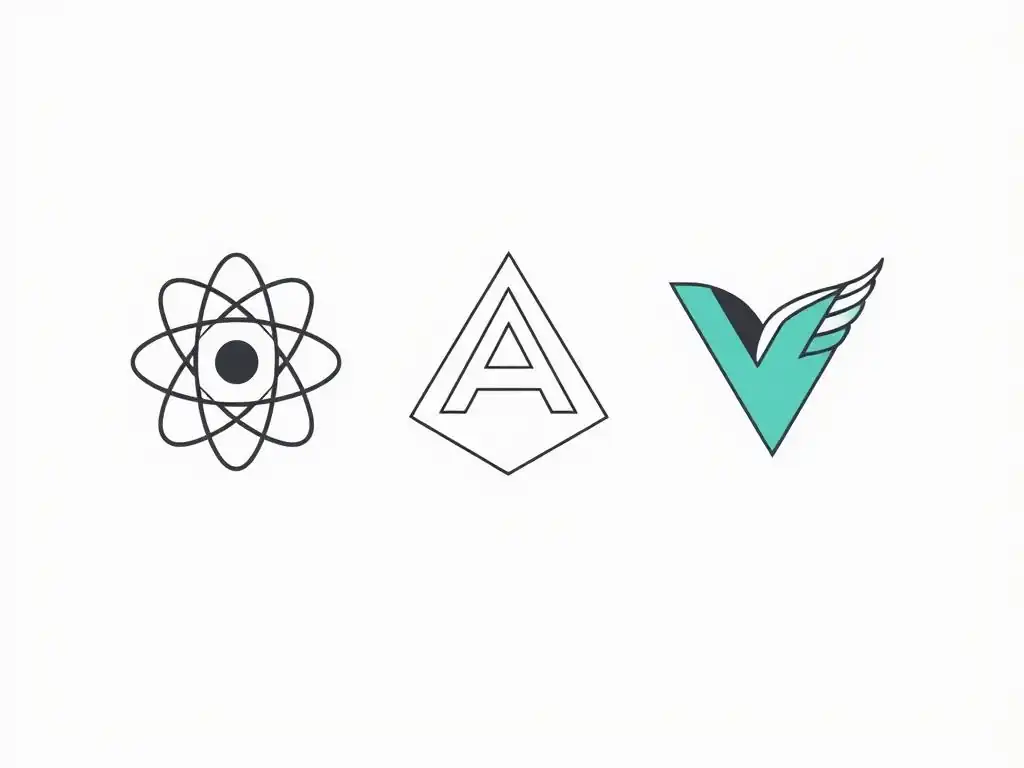
The front-end development landscape is dominated by several powerful JavaScript frameworks: React, Angular, and Vue.js. Choosing the right one depends on project requirements, team expertise, and personal preference. React, developed by Facebook, is a component-based library renowned for its virtual DOM, which significantly improves performance. Its declarative programming style makes it easier to build complex user interfaces. React's vast community and extensive ecosystem of third-party libraries provide ample support and resources for developers. Many large-scale applications, including Instagram and Netflix, utilize React for their front-end development.
Angular, a comprehensive framework developed by Google, provides a more structured approach to front-end development. It offers built-in features for routing, state management, and form handling, simplifying the development process. Angular's strong emphasis on testability and maintainability makes it suitable for large and complex projects that require long-term maintainability. However, its steeper learning curve might be a challenge for beginners.
Vue.js, a progressive framework, offers a gentler learning curve compared to React and Angular. Its flexibility allows developers to gradually integrate it into existing projects. Vue.js boasts a vibrant community and a growing ecosystem of tools and libraries.
It excels in creating single-page applications (SPAs) and interactive user interfaces. The choice between these frameworks is not a matter of right or wrong but rather a strategic decision based on the project’s specific needs and the developer's expertise. Many affordable online courses offer dedicated tracks for each of these frameworks, allowing students to gain practical experience and build a strong portfolio.
Responsive Web Design: Creating Websites that Adapt to Different Screen Sizes
Responsive web design is no longer a luxury; it's a necessity. With the proliferation of devices—desktops, laptops, tablets, and smartphones—websites must adapt seamlessly to different screen sizes and resolutions. This ensures a consistent and optimal user experience across all platforms. Responsive design is achieved primarily through the use of CSS media queries, which allow developers to apply different styles based on screen width, device orientation, and other factors. For example, a website might display a three-column layout on a desktop but switch to a single-column layout on a mobile device to improve readability.
Furthermore, techniques like fluid grids and flexible images are crucial for ensuring that content scales proportionally with the screen size. Fluid grids use percentages rather than fixed pixel values for column widths, allowing the layout to adapt dynamically. Flexible images adjust their size to fit the available space without distorting the aspect ratio. Modern responsive design also involves optimizing images for different screen densities and utilizing techniques like lazy loading to improve page load times on mobile devices.
Mastering responsive web design is crucial for creating websites that are not only visually appealing but also user-friendly and accessible across all devices. Affordable online courses often include comprehensive modules on responsive design, equipping students with the skills to create websites that perform flawlessly on any screen. This is a highly sought-after skill in the current job market, making it a valuable investment for aspiring web developers.
Version Control with Git and GitHub: Essential for Collaborative Projects
Understanding version control is paramount for any aspiring web developer, especially when working on collaborative projects. Git, a distributed version control system, allows you to track changes to your code, revert to previous versions if needed, and manage different branches of development simultaneously. This is crucial for teamwork, as multiple developers can work on the same project without overwriting each other's work. Imagine the chaos of a shared document where everyone edits simultaneously – Git prevents this digital disaster.
GitHub, on the other hand, is a web-based platform that hosts Git repositories. It provides a centralized location for your code, facilitating collaboration, code review, and project management. Think of it as a shared online workspace for your Git projects. GitHub offers features beyond simple version control, including issue tracking, pull requests (a mechanism for submitting code changes for review), and collaboration tools. Mastering Git and GitHub is not just beneficial; it's a necessity in the modern web development landscape. Many companies explicitly require proficiency in these tools during the hiring process.
Learning Git and GitHub involves understanding core concepts like repositories, commits, branches, merging, and pull requests. Many affordable online courses break down these concepts into manageable modules, often using interactive exercises and real-world examples to solidify your understanding. For example, you might learn to create a new repository, stage and commit changes, create branches for new features, and then merge those branches back into the main project. These practical exercises are key to developing a strong foundation and avoiding common pitfalls. The ability to effectively use Git and GitHub significantly improves your workflow, making you a more efficient and valuable team member. It’s a skill that pays dividends throughout your web development career. Moreover, understanding version control enhances your problem-solving abilities, as you learn to navigate complex codebases and undo mistakes efficiently. This isn't just about technical proficiency; it's about developing a professional mindset crucial for success in the field.
Maximizing Your Investment: Landing Your First Web Development Job
After completing your affordable online web dev courses, the next crucial step is securing your first web development role. This isn't just about finding a job; it's about finding the right job that aligns with your skills and career aspirations. Maximizing your return on investment in these courses requires a strategic approach to job hunting.
Building a Strong Portfolio: Showcase Your Skills with Personal Projects
Your portfolio is your most powerful tool in landing a web development job. It's a tangible demonstration of your abilities, allowing potential employers to assess your coding skills, creativity, and problem-solving capabilities. Don't rely solely on projects from your online courses; create several personal projects that showcase a range of skills and technologies.
Consider building a portfolio website itself – this demonstrates your proficiency in front-end development and showcases your design sensibilities. Include projects that highlight different aspects of web development, such as:
- E-commerce website: Demonstrates your ability to handle databases, user accounts, and payment gateways.
- Blog or portfolio site: Showcases your skills in content management systems (CMS) and responsive design.
- Simple application: Highlights your proficiency in back-end development and API integration.
- Interactive game or animation: Demonstrates your creativity and advanced JavaScript skills (if applicable).
Remember to thoroughly document your projects, including the technologies used, challenges faced, and solutions implemented. This provides valuable insight into your problem-solving approach and technical proficiency. A well-structured and visually appealing portfolio significantly increases your chances of securing interviews. Think of it as your personal marketing campaign – make it count!
Networking and Job Hunting Strategies for Web Developers: Online Platforms and Local Events
While online job boards are useful, networking significantly increases your chances of landing a web development job. Leverage online platforms like LinkedIn to connect with professionals in the industry. Engage in relevant discussions, share your projects, and actively seek mentorship opportunities. This helps build your professional network and increase visibility.
Attending local tech meetups and workshops is another effective networking strategy. These events provide opportunities to connect with potential employers and fellow developers, learn about industry trends, and even discover unadvertised job opportunities. Consider joining relevant online communities and forums where you can engage in discussions, ask questions, and learn from experienced developers. This is an invaluable resource for both professional development and job searching. The more you network, the more opportunities you unlock.
Freelancing Platforms for Web Developers: Upwork, Fiverr, and More
Freelancing platforms offer an excellent avenue to gain experience, build your portfolio, and earn income while searching for a full-time position. Platforms like Upwork and Fiverr provide opportunities to work on diverse projects, acquire new skills, and build your client base.
Starting with smaller, simpler projects on these platforms helps you build your reputation and gain positive reviews, which are crucial for attracting more clients and higher-paying gigs. Remember to accurately represent your skills and experience in your profile. Setting competitive rates is important but prioritize building a strong reputation over immediate financial gains. Freelancing allows you to refine your skills, build your portfolio further, and demonstrate your ability to work independently—all valuable assets when applying for full-time roles. Successfully navigating these platforms can greatly enhance your employability and boost your career trajectory.
Negotiating Your Salary: Understanding Your Worth as a Web Developer
Negotiating your salary can feel daunting, especially when entering the web development field. However, armed with the right knowledge and a confident approach, you can secure a compensation package that reflects your skills and experience. The key is to understand your worth before you even begin the negotiation process. This means researching industry standards for entry-level web developers in your location.
Websites specializing in salary data, professional networking platforms, and even informal conversations with other developers can provide valuable insights. Remember to factor in your specific skill set – proficiency in certain languages like Python or JavaScript, experience with specific frameworks like React or Angular, and any portfolio projects that showcase your abilities will all influence your earning potential. Don't undervalue yourself; your skills are valuable assets.
Beyond researching industry averages, it's crucial to quantify your achievements. Did you successfully complete a challenging personal project? Did you contribute significantly to a team project?
These experiences demonstrate your capabilities and problem-solving skills, which are highly sought after by employers. Prepare specific examples to illustrate your contributions and their impact. For instance, instead of simply stating “I’m proficient in JavaScript,” you could say, “In my final year project, I used JavaScript to develop a dynamic user interface that improved user engagement by 20%, as evidenced by [mention data source or metric].” This level of detail showcases your ability to not only code but also to analyze and improve outcomes.
Finally, practice your negotiation skills. Role-playing with a friend or mentor can help you feel more confident and prepared. Prepare a range of acceptable salaries, keeping in mind your financial needs and the market value of your skills. It's perfectly acceptable to counter an initial offer if it falls below your expectations.
Remember, a job interview is a two-way street; the employer is assessing you, but you are also assessing them and the compensation they offer. Negotiating your salary is not about being aggressive; it's about demonstrating your self-worth and advocating for your value within the web development community. A well-prepared and confident approach will significantly increase your chances of securing a fair and competitive salary. Don't be afraid to walk away if the offer doesn't meet your minimum requirements; your time and skills are valuable.
Continuous Learning and Staying Ahead of the Curve in Web Development
The tech landscape, particularly in web development, is in constant flux. New frameworks, libraries, and tools emerge regularly, rendering yesterday's skills somewhat obsolete. Therefore, investing in affordable online web dev courses isn't just about acquiring initial skills; it's about fostering a culture of continuous learning. This commitment to lifelong education is crucial for maintaining competitiveness and career longevity in this rapidly evolving field. Successfully navigating this dynamic environment requires a proactive approach, encompassing not only formal training but also independent learning and networking. Consider it a continuous investment in your most valuable asset: yourself.
Following Industry Trends and Emerging Technologies: Staying Updated with the Latest Developments
Staying abreast of the latest advancements is paramount. This isn't about chasing every fleeting trend, but about strategically focusing on technologies with long-term viability and relevance. For example, while the specific frameworks might change, understanding fundamental concepts like RESTful APIs, responsive design principles, and database management remains consistently crucial. Resources like industry blogs, podcasts, and online communities offer invaluable insights into current trends.
Many affordable online web dev courses incorporate modules on emerging technologies, ensuring graduates are equipped with the skills demanded by modern employers. Regularly revisiting your skillset and identifying gaps is key. Analyzing job descriptions for your desired roles can highlight specific technologies to focus on, effectively guiding your ongoing learning journey. This proactive approach ensures your skillset aligns with industry demands, maximizing your career prospects.
Advanced Web Development Courses: Specializations and Niche Skills
Once you've built a solid foundation, consider specializing in a niche area to enhance your marketability. Affordable online web dev courses often offer specializations in areas like front-end development (React, Angular, Vue.js), back-end development (Node.js, Python/Django, Ruby on Rails), full-stack development, or mobile app development. Developing expertise in a specific area allows you to command higher salaries and attract more lucrative job opportunities.
Furthermore, mastering niche skills, such as proficiency in specific testing frameworks (Jest, Cypress), or experience with DevOps practices (Docker, Kubernetes), can significantly differentiate you from the competition. These advanced skills demonstrate a deeper understanding of the web development process and highlight your commitment to excellence. Don't underestimate the value of these specialized skills in a competitive job market.
Building a Strong Online Presence: Creating a Professional Website and LinkedIn Profile
Your online presence is your digital resume. A well-crafted portfolio website showcasing your projects is essential for attracting potential employers and clients. This website should not only display your best work but also reflect your personal brand and highlight your unique skills. Consider it a tangible demonstration of the skills you've gained from your affordable online web dev courses. A robust LinkedIn profile is equally crucial.
It should accurately reflect your skills, experience, and career aspirations. Actively engage with industry professionals, participate in relevant groups, and share insightful content to further solidify your online presence. This proactive approach positions you as a knowledgeable and engaged professional, increasing your visibility and attracting opportunities. Remember, your online presence is often the first impression you make on potential employers, so make it count. Treat it as another important project to showcase the culmination of your learning journey.
Frequently Asked Questions
What makes these web development courses affordable?
Our partnerships with instructors and strategic pricing allow us to offer high-quality education at a fraction of the cost of traditional programs. We prioritize accessibility without compromising on content.
Are these courses suitable for beginners?
Yes! Many courses are designed for absolute beginners, requiring no prior programming experience. They start with the fundamentals and gradually increase in complexity.
What kind of web development skills will I learn?
You'll gain skills in various areas, including HTML, CSS, JavaScript, and potentially backend technologies like Python or Node.js, depending on the course you choose. Specific skills vary by course.
How much time commitment is required for these courses?
The time commitment varies depending on the course length and your learning pace. However, many courses are designed to be flexible and self-paced, allowing you to learn at your own speed.
What kind of support is available for students?
We offer a variety of support options, including access to instructors, online forums, and often interactive exercises and projects. This ensures you have the help you need to succeed.
Final Reflection: Unlocking Your Web Development Potential
The digital age demands digital fluency, and affordable access to quality education is the key to unlocking individual potential. The increasing reliance on technology across all sectors makes web development skills not just desirable, but increasingly essential for career advancement and personal enrichment. This isn't just about finding a job; it's about empowering yourself with a valuable skillset in a rapidly evolving world.
The democratization of education through online platforms has significantly impacted the accessibility of high-quality web development training. This shift has allowed individuals from diverse backgrounds and financial situations to pursue their passions and build fulfilling careers. The impact is profound, fostering innovation and bridging the digital divide. The only way to do great work is to love what you do.
- Steve Jobs. This quote rings true for aspiring web developers; passion, coupled with accessible learning resources, can lead to remarkable achievements.
Now, it's your turn. Consider the potential within you. Don't let financial constraints or perceived barriers hold you back from exploring the exciting world of web development. Take the first step. Research the courses highlighted in this article, explore other options, and begin your journey towards mastering a skill that will not only benefit your career but also empower you to shape the digital landscape. The future of web development, and indeed your future, is waiting to be built.
Unleash Your Inner Web Developer!
Thank you for exploring our affordable, high-quality web development courses! You've discovered valuable ways to enhance your skills and career prospects. Now, let's put that knowledge to work.
- Enroll in a course today! Take the first step toward building your dream website or launching a successful career. Our curated list simplifies the process of finding the perfect course.
- Share this article with a friend who might also benefit from improving their tech skills. Let's support each other's growth!
- Explore related resources on our website. Dive deeper into web development with our blog posts and expert interviews. Discover valuable insights you may have missed!
Ready to transform your skills and create something amazing? What's the first website you'd like to build?