
Meal Prep on a Budget: Smart Strategies for Beginners

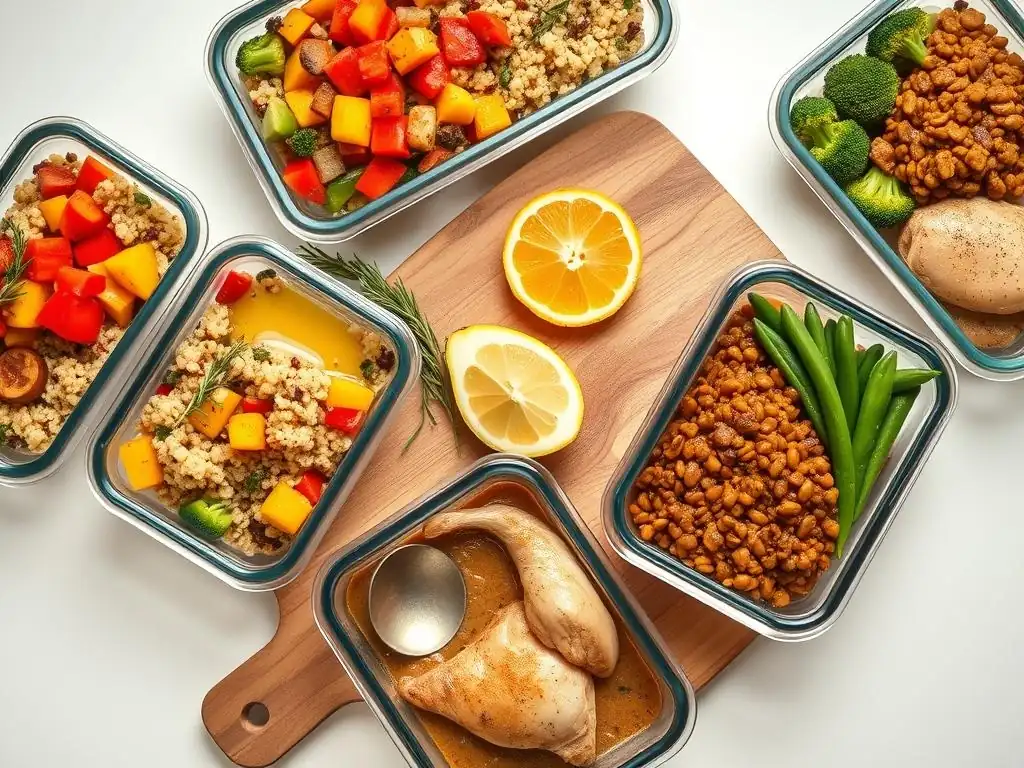
Ready to conquer your kitchen and your budget? At UltimateLifeHacks, we're dedicated to simplifying your life, one hack at a time. Discover the secrets to effortless efficiency and unlock your potential with practical tips and tricks. This week, we dive into the exciting world of cheap meal prep for beginners, offering smart strategies to nourish your body without breaking the bank. Let's transform your daily routine – read on to discover how!
- Understanding Cheap Meal Prep for Beginners: Setting Realistic Goals
- Mastering the Art of Budget-Friendly Grocery Shopping
- Simple and Cheap Meal Prep Recipes for Beginners
- Time-Saving Techniques for Efficient and Cheap Meal Prep
- Long-Term Strategies for Sustainable Cheap Meal Prepping
-
Frequently Asked Questions
- What is the most important thing to remember when starting cheap meal prep?
- How can I save money on groceries for meal prepping?
- What are some easy, cheap meal prep recipes for beginners?
- How much time should I realistically dedicate to meal prepping each week?
- What if I don't have much storage space?
- Final Reflection: Nourishing Bodies and Budgets: The Power of Planned Eating
- Unlock Your Budget-Friendly Meal Prep Power!
Understanding Cheap Meal Prep for Beginners: Setting Realistic Goals
Meal prepping is a fantastic way to save time, eat healthier, and control your food budget. But the idea of "meal prepping" often conjures images of expensive, gourmet ingredients and hours spent in the kitchen – a picture that can be intimidating, especially for beginners. This article debunks that myth and shows you how to achieve cheap meal prep for beginners, focusing on practical strategies to make healthy eating affordable and manageable.
We'll guide you through setting realistic goals, smart shopping techniques, and simple menu planning to transform your approach to food preparation and unlock the true potential of budget-friendly meal prepping. This isn't about deprivation; it's about strategic planning and maximizing your resources to achieve your health and wellness goals without breaking the bank. Let's dive in and discover how to make cheap meal prep work for you.
Defining Your Budget and Nutritional Needs for Affordable Meal Prepping
Before you even think about grocery shopping, it's crucial to establish a clear budget and understand your nutritional requirements. This foundational step is the key to successful and sustainable cheap meal prep.
- Determine your weekly food budget: How much can you realistically allocate to groceries each week? Be honest and realistic; it’s better to start with a smaller, achievable budget and gradually increase it as you become more efficient. Consider tracking your current spending to get a baseline.
- Assess your nutritional needs: What are your daily caloric requirements? Are you aiming for specific macronutrient ratios (protein, carbohydrates, fats)? Do you have any dietary restrictions or allergies? Understanding these factors will help you choose affordable, nutrient-rich foods that meet your body's needs. A registered dietitian or nutritionist can provide personalized guidance if needed.
- Prioritize staple ingredients: Focus on purchasing affordable staples like rice, beans, lentils, oats, and seasonal vegetables. These are incredibly versatile and form the base of many inexpensive and nutritious meals. Consider creating a list of your go-to staples to streamline your shopping experience.
- Plan for leftovers: Don't underestimate the power of leftovers! Many meals can be easily doubled or tripled, providing lunches or dinners for subsequent days, significantly reducing food waste and saving money.
Choosing the Right Grocery Stores and Shopping Strategies for Budget-Friendly Meals
Smart grocery shopping is paramount to cheap meal prep. Knowing where to shop and how to shop strategically can make a huge difference in your overall food costs.
| Grocery Store Type | Advantages | Disadvantages |
|---|---|---|
| Discount Supermarkets | Lower prices on many staple items | May have limited selection of organic/specialty items |
| Grocery Outlet Stores | Significantly lower prices, often on closeout items | Requires more flexibility and planning |
| Farmers' Markets (Seasonal) | Fresh, local produce at competitive prices | Can be more expensive than supermarkets, limited availability |
Here are some valuable shopping strategies to implement:
- Shop with a list: Avoid impulse buys by sticking to your pre-planned grocery list, focusing on the ingredients for your prepared meals.
- Compare unit prices: Don't just look at the price tag; calculate the cost per unit (ounce, pound, etc.) to compare value across different brands and sizes.
- Utilize store coupons and loyalty programs: Many grocery stores offer digital coupons and loyalty programs that can provide significant savings.
- Buy in bulk (wisely): Bulk buying can be cost-effective for staple items you use frequently, but only buy in bulk if you're confident you'll use it all before it spoils.
Effective menu planning is the cornerstone of successful and affordable meal prepping. This involves balancing cost, nutritional value, and the time you have available for cooking.
- Create a weekly menu: Plan your meals for the entire week, ensuring variety and incorporating those affordable staple ingredients you identified earlier. Aim for meals that can be easily prepared in batches.
- Consider batch cooking techniques: Utilize techniques like roasting large batches of vegetables or cooking a large pot of grains to use across multiple meals.
- Embrace simple recipes: Choose recipes with minimal ingredients and straightforward instructions. There's no need for complex culinary creations when aiming for budget-friendly meal prepping.
- Utilize leftovers creatively: Don't be afraid to repurpose leftovers into new meals. For instance, leftover roasted chicken can be used in salads, soups, or tacos.
Remember, consistency is key! Even small changes in your approach to grocery shopping and meal planning can lead to significant savings and a healthier lifestyle over time. Start small, be patient with yourself, and enjoy the process of discovering what works best for your budget and your taste!
Mastering the Art of Budget-Friendly Grocery Shopping
Budgeting is key when it comes to cheap meal prep for beginners. Successfully navigating the grocery store without breaking the bank requires a strategic approach. This section will equip you with the tools to master the art of affordable grocery shopping, transforming your meal prepping experience from a financial burden into a rewarding and cost-effective endeavor. We'll explore how to identify affordable protein sources, select cost-effective produce, and build a smart pantry stocked with inexpensive staples.
Identifying Affordable Protein Sources for Cheap Meal Prep
Protein is crucial for satiety and muscle maintenance, but it can be a significant portion of your grocery bill. Smart choices are essential for cheap meal prep. Instead of relying solely on expensive cuts of meat, consider these alternatives:
- Legumes: Lentils, chickpeas, and beans are nutritional powerhouses and incredibly affordable. A single bag can yield multiple meals, significantly reducing your per-serving cost. Experiment with different lentil soups, chickpea curries, or black bean burgers.
- Eggs: Eggs are a fantastic source of protein and incredibly versatile. They are a cheap and efficient way to add protein to your meals, whether scrambled, boiled, or used in baking. Consider buying them in bulk when they are on sale.
- Chicken Thighs: While chicken breasts are popular, chicken thighs are often cheaper and just as nutritious. They also tend to stay more moist during cooking.
- Canned Tuna/Salmon: Canned fish offers a convenient and affordable protein source. Look for sales and consider buying in bulk to further reduce costs. Add it to salads, pasta dishes, or enjoy it on whole-wheat crackers.
- Plant-Based Proteins: Tofu, tempeh, and seitan are increasingly affordable and offer diverse culinary applications. They can be incorporated into stir-fries, salads, or used as a meat substitute in various recipes.
Selecting Cost-Effective Fruits and Vegetables for Healthy and Budget Meals
Fruits and vegetables are essential for a balanced diet, but their prices can fluctuate wildly. To maximize your budget, focus on:
- Seasonal Produce: Fruits and vegetables that are in season are typically cheaper and tastier. Check your local farmers' markets or grocery store flyers for seasonal specials. For example, buying strawberries in the summer will be far cheaper than buying them in the winter.
- Frozen Fruits and Vegetables: Frozen produce is often just as nutritious as fresh and significantly cheaper, especially during off-season. They are also convenient and require minimal preparation.
- Buying in Bulk (When Appropriate): Certain vegetables, like potatoes and onions, keep well and are cheaper when purchased in bulk. However, be mindful of potential spoilage before buying excessive quantities.
- Root Vegetables: Root vegetables like carrots, potatoes, and sweet potatoes are generally inexpensive, store well, and can be used in a variety of dishes.
- Less Popular Choices: Sometimes, less visually appealing produce is discounted. Don't be afraid to buy slightly bruised or oddly shaped fruits and vegetables—they often taste just as good!
Smart Pantry Staples: Building a Foundation for Inexpensive Meal Prepping
A well-stocked pantry is the cornerstone of successful and cheap meal prep for beginners. These staples form the base of many inexpensive and nutritious meals:
- Grains: Rice (brown rice is more nutritious! ), oats, quinoa, and whole-wheat pasta are inexpensive and versatile.
- Canned Goods: Canned tomatoes, beans, and tuna are shelf-stable and can be incorporated into countless recipes.
- Spices and Seasonings: A small investment in spices and seasonings can significantly enhance the flavor of your meals without increasing the cost.
- Oils and Vinegars: Olive oil, avocado oil, and balsamic vinegar are pantry staples that add flavor and healthy fats to your dishes.
- Nuts and Seeds (in moderation): Nuts and seeds can be expensive, but adding a small amount to your meals can boost the nutritional value and provide healthy fats.
By strategically selecting affordable protein sources, cost-effective produce, and building a well-stocked pantry, you can significantly reduce your meal prepping costs without compromising on nutrition or flavor. Remember to plan your meals ahead of time, making a grocery list and sticking to it, to avoid impulse purchases. Happy prepping! 🎉
Utilizing Leftovers and Reducing Food Waste for Maximum Savings
Reducing food waste is a cornerstone of cheap meal prep for beginners. Many underestimate the potential savings from creatively repurposing leftovers. Instead of seeing leftover chicken as just dinner again, consider its transformation possibilities. Shredded chicken can become the star of a quick and easy salad, a flavorful addition to tacos, or the base of a hearty soup. Similarly, roasted vegetables can be incorporated into omelets, frittatas, or added to pasta dishes for extra nutrients and flavor. Think outside the box! Don't be afraid to experiment with different flavor combinations; you might discover new favorite meals in the process.
Planning is key to maximizing leftover utilization. When cooking, intentionally prepare slightly larger portions than needed for the initial meal. This foresight ensures you have enough leftovers for another meal without needing to cook extra. Proper storage is also critical. Using airtight containers keeps food fresh and prevents spoilage, further extending its usable lifespan and saving you money. Consider labeling containers with the date to quickly identify older items and prioritize their consumption. This method prevents food from lingering in the refrigerator until it's past its prime.
Consider adopting a "first in, first out" (FIFO) system in your refrigerator. Place newly purchased or prepared items behind older ones, ensuring you use the older items first. This simple strategy minimizes the risk of forgetting about food and subsequently discarding it. Furthermore, implementing a system for tracking what's in your refrigerator can help you avoid buying duplicates and reduce impulsive purchases.
This can be as simple as a quick inventory list on your phone or a whiteboard on your fridge. By actively tracking your inventory and utilizing leftovers strategically, you'll significantly cut down on food waste and boost your budget-friendly meal prep efforts. This translates to substantial savings over time, making your cheap meal prep for beginners journey even more successful. Remember, even small changes can make a big difference in reducing food waste and maximizing your grocery budget.
Simple and Cheap Meal Prep Recipes for Beginners
This section focuses on providing practical, budget-friendly meal prep recipes perfect for beginners. We'll explore strategies to maximize flavor and minimize both cost and cleanup. Remember, the key to cheap meal prep for beginners is planning and utilizing inexpensive, versatile ingredients.
Quick and Easy One-Pot Meals: Minimizing Dishes and Maximizing Flavor
One-pot meals are a lifesaver for budget-conscious meal preppers. They minimize cleanup, reduce cooking time, and often utilize less energy. Here are a few examples:
- Lentil Soup: Lentils are incredibly cheap and packed with protein and fiber. A simple lentil soup recipe can be made with just lentils, carrots, celery, onion, broth, and your favorite spices. You can easily batch cook a large pot and enjoy it throughout the week. Consider adding diced tomatoes for extra flavor and nutrients. This is a fantastic example of cheap meal prep for beginners.
- Chicken and Vegetable Stew: Using inexpensive chicken thighs (bone-in are cheaper) and seasonal vegetables like potatoes, carrots, and peas, you can create a hearty and satisfying stew. Brown the chicken first to add depth of flavor, then simmer everything together in a broth until tender. This meal is easily adaptable; substitute different vegetables based on availability and price.
- Pasta e Fagioli: This classic Italian soup combines pasta and beans for a protein-rich and filling meal. Use canned beans to save time and money. Adding simple herbs like oregano and basil elevates the flavor profile significantly. This is an excellent example of how to make cheap meal prep for beginners work effectively.
Remember to adjust the recipe quantities based on your needs. Storing these soups in individual containers in the refrigerator will ensure you have a quick and healthy lunch or dinner ready to go all week. The beauty of these recipes lies in their adaptability; feel free to experiment with different vegetables and spices to find your favorite combinations.
Batch Cooking Basics: Preparing Large Quantities of Grains and Vegetables
Batch cooking grains and vegetables is a cornerstone of efficient and economical meal prepping. By cooking large quantities at once, you save time and energy in the long run.
- Grains: Brown rice, quinoa, and oats are excellent choices for batch cooking. These are inexpensive staples that provide a base for many meals. Cook a large batch on the weekend and portion it out into individual containers for easy use throughout the week. This is a fundamental step in cheap meal prep for beginners.
- Vegetables: Roasting a large tray of vegetables like broccoli, Brussels sprouts, sweet potatoes, or carrots is another time-saving technique. Simply toss them with olive oil, salt, and pepper, and roast until tender. These roasted vegetables can be added to salads, soups, or enjoyed as a side dish. Consider freezing portions for later use.
| Grain/Vegetable | Approximate Cost (per bulk purchase) | Shelf Life (Refrigerated) | Notes |
|---|---|---|---|
| Brown Rice | $5 - $10 | 4-5 days | Can be frozen for longer storage |
| Quinoa | $8 - $12 | 4-5 days | Very versatile, use in bowls or salads |
| Broccoli | $3 - $5 | 3-4 days | Great roasted or steamed |
| Sweet Potatoes | $4 - $6 | 5-7 days | Excellent source of fiber and vitamins |
Proper storage is crucial. Use airtight containers to maintain freshness and prevent spoilage. This method drastically reduces food waste and saves money in the long run, making it a key component of successful cheap meal prep for beginners.
Budget-Friendly Freezer Meals: Preparing for Busy Weeks Ahead
Freezer meals are a game-changer for busy individuals. Preparing freezer meals in advance allows you to quickly assemble a healthy and affordable meal even on the busiest days.
- Chili: A hearty and flavorful chili is perfect for freezing. Use inexpensive ground beef or beans as your protein source, and add plenty of vegetables for added nutrition. Portion the chili into individual freezer-safe containers for easy reheating.
- Shepherd's Pie: This classic comfort food can be easily adapted for freezer-friendly meal prepping. Use ground meat and vegetables as a base, and top with mashed sweet potatoes or cauliflower mash for a healthier twist.
- Soup: Many soups, especially those with a thicker consistency, freeze well. Ensure to leave some headspace in the container to allow for expansion during freezing.
Remember to label and date all freezer meals. Properly stored freezer meals can last for several months. This is a fantastic way to save both time and money, especially beneficial for those new to cheap meal prep for beginners. Planning ahead and utilizing sales on ingredients can further enhance the cost-effectiveness of this method. Freezing is a crucial skill for long-term success with budget-friendly meal preparation.
Adapting Existing Recipes to Reduce Costs and Maximize Ingredients
Adapting your favorite recipes to fit a budget-conscious meal prep plan is easier than you might think. The key is strategic substitution and maximizing the use of each ingredient. Instead of focusing on expensive, specialty ingredients, prioritize inexpensive staples that can be used in multiple dishes throughout the week.
For example, a single rotisserie chicken can become the star of several meals. Shred the meat for chicken salad sandwiches one day, use the carcass to make a flavorful broth for soup later in the week, and incorporate leftover chicken into a hearty pasta dish. This approach significantly reduces food waste and minimizes your grocery bill.
Consider swapping out premium ingredients for more affordable alternatives. For instance, instead of using expensive cuts of beef, opt for ground beef or chicken thighs, which are significantly cheaper yet still flavorful and versatile. Experiment with different beans and lentils – these are nutritional powerhouses and incredibly budget-friendly protein sources. They can be added to soups, stews, salads, or even used as a base for vegetarian burgers. Don't underestimate the power of pantry staples like rice, pasta, and potatoes – these inexpensive carbohydrates form the backbone of many satisfying and affordable meals.
Another crucial strategy is to carefully plan your meals around seasonal produce. Fruits and vegetables that are in season are generally cheaper and tastier. Check your local grocery store flyers for weekly specials, and build your meal plan around what's on sale. This not only reduces costs but also ensures you're enjoying fresh, flavorful ingredients at their peak. Freezing extra produce is also a great way to avoid waste and ensure you have readily available ingredients for future meals. Consider buying larger quantities of frozen vegetables, which are often cheaper than fresh and just as nutritious.
Finally, don't be afraid to get creative with leftovers! A simple way to reduce costs and avoid food waste is to repurpose leftover cooked grains, vegetables, or proteins into entirely new dishes. Leftover roasted chicken can easily become a filling chicken and vegetable stir-fry, and cooked quinoa can be incorporated into salads, frittatas, or even used as a base for bowls.
By embracing creativity and resourcefulness, you can transform simple, budget-friendly ingredients into delicious and satisfying meals, making cheap meal prep for beginners a rewarding and enjoyable experience. The key is careful planning and a willingness to experiment with different flavor combinations and ingredient substitutions.
Time-Saving Techniques for Efficient and Cheap Meal Prep
This section focuses on streamlining your meal prep process to maximize efficiency and minimize time spent in the kitchen – crucial elements for budget-conscious meal prepping. We'll explore practical strategies to make the most of your time and energy while sticking to your budget. Remember, even small changes can significantly impact your overall meal prep experience.
Optimizing Your Meal Prep Workflow: Strategies for Speed and Efficiency
Efficient workflow is key to cheap meal prep for beginners. Think of your kitchen as a production line. Before you even start chopping, meticulously plan your prep. This involves creating a detailed shopping list based on your chosen recipes, ensuring you buy only what you need, minimizing food waste, and ultimately saving money.
Next, mise en place – the French term for "everything in its place" – is your best friend. Prepare all your ingredients – chopping vegetables, measuring spices, marinating meats – before you begin cooking. This eliminates the mid-recipe scramble for ingredients, saving valuable time and reducing stress.
Consider batch cooking similar tasks. For instance, roast a whole tray of vegetables instead of prepping them individually for different meals. This reduces cooking time and energy consumption, saving both time and money on your utility bills. Furthermore, adopting the "one-pot" or "one-pan" approach minimizes cleanup. Less washing up means more time for other activities and less water wasted.
| Task | Time-Saving Tip | Cost Savings |
|---|---|---|
| Shopping | Create a detailed list, stick to it, and avoid impulse buys. | Reduces food waste and unnecessary spending. |
| Chopping | Use pre-cut vegetables (when budget allows) or invest in a food processor. | Saves time, although pre-cut can be more expensive. |
| Cooking | Utilize one-pot/one-pan recipes and batch cooking methods. | Reduces energy consumption and cleanup time. |
| Storage | Use clear, stackable containers for easy identification and organization. | Prevents food spoilage and reduces waste. |
Utilizing Kitchen Gadgets for Faster Meal Prep: Smart Investments for Budget-Conscious Cooks
While expensive gadgets aren't necessary, a few smart investments can significantly speed up your meal prep and ultimately save you time (and potentially money in the long run). A good quality chef's knife, for example, makes chopping vegetables significantly faster and easier. Similarly, a food processor can quickly chop, slice, and even shred ingredients, saving you considerable time and effort. Consider these cost-effective additions:
- A sturdy cutting board: A good quality board is a worthwhile investment; it protects your knives and makes chopping safer and more efficient.
- Measuring cups and spoons: Accurate measurements are crucial for consistent results and prevent waste.
- A large mixing bowl: Essential for combining ingredients and prepping larger batches.
- Airtight storage containers: Proper storage is crucial for preserving freshness and preventing spoilage.
Investing in these tools might seem like an upfront cost, but the time saved during meal prep translates into long-term efficiency and cost savings. Remember to research and compare prices before purchasing to find the best value for your budget.
Planning for Leftovers: Turning One Meal into Two (or More!)
Smart planning ensures minimal food waste and maximizes the value of your meal prep efforts. When planning your weekly meals, consider recipes that naturally lend themselves to leftovers. Chili, soups, stews, and casseroles are excellent examples. These dishes often taste even better the next day, and they can easily be repurposed into different meals. For example, leftover chicken can be used in salads, tacos, or sandwiches. Leftover roasted vegetables can be added to omelets or pasta dishes. This strategy reduces cooking time and food waste, and significantly lowers your overall food costs.
Think creatively about repurposing leftovers. Don't just reheat the same meal. Experiment with different combinations and flavors. A simple change like adding a different sauce or spice can transform a leftover dish into something entirely new. This prevents meal fatigue and keeps your meals interesting and exciting. Properly storing leftovers in airtight containers is crucial to maintain freshness and prevent spoilage, maximizing the lifespan and value of your hard work. This strategic approach to leftover management is a significant factor in cost-effective and efficient cheap meal prep for beginners.
Long-Term Strategies for Sustainable Cheap Meal Prepping
This section focuses on establishing long-term habits and strategies to ensure your cheap meal prep journey remains sustainable and effective over time. It's not just about saving money this week; it's about building a system that consistently delivers healthy, affordable meals for months and years to come. We'll cover crucial aspects like tracking spending, system flexibility, and staying motivated.
Tracking Your Spending: Monitoring Progress and Identifying Areas for Improvement
Effective budget management is paramount for successful cheap meal prepping. Tracking your spending isn't just about knowing how much you're spending; it's about understanding where your money goes. This allows you to identify areas for potential savings and refine your strategy.
Consider using a budgeting app or a simple spreadsheet to record your grocery expenses. Categorize your spending (e.g., produce, proteins, grains, pantry staples, snacks). This detailed breakdown reveals patterns. For instance, you might discover you're spending more on pre-cut vegetables than anticipated. Knowing this, you can prioritize buying whole vegetables and cutting them yourself, saving significantly over time.
Here's a sample table to illustrate:
| Category | Week 1 ($) | Week 2 ($) | Week 3 ($) | Average ($) | Notes |
|---|---|---|---|---|---|
| Produce | 25 | 20 | 22 | 22.33 | Consider buying in season for better prices. |
| Proteins | 30 | 35 | 28 | 31.00 | Explore cheaper protein sources like beans. |
| Grains & Starches | 10 | 12 | 9 | 10.33 | Buy in bulk when possible. |
| Pantry Staples | 5 | 6 | 5 | 5.33 | Plan meals around what you already have. |
| Snacks | 8 | 7 | 10 | 8.33 | Limit processed snacks; opt for healthy alternatives. |
| Total | 78 | 70 | 74 | 74.00 |
Regularly reviewing this data allows you to make informed decisions. Are you sticking to your budget? Are there areas where you can cut back without compromising nutritional value? This consistent monitoring is key to long-term success in cheap meal prepping.
Building a Flexible Meal Prep System: Adapting to Changing Needs and Circumstances
A rigid meal prep system is a recipe for failure. Life throws curveballs – unexpected guests, last-minute plans, or simply changing tastes. Your meal prep system must adapt. Flexibility is crucial for long-term sustainability.
Instead of rigidly planning every meal for the entire week, consider a more flexible approach. Prepare some staple components (e.g., cooked grains, roasted vegetables, a large batch of chili) that can be incorporated into various meals throughout the week. This allows for spontaneous meal adjustments without significant waste.
For example, your roasted vegetables can be added to salads, grain bowls, or even omelets. Leftover chili can be enjoyed as is, or used as a base for tacos or burritos. This adaptability minimizes food waste and reduces the pressure of strict adherence to a pre-planned menu. Consider using a combination of "set-it-and-forget-it" recipes (like slow cooker meals) alongside quick and easy options for those busy evenings. This hybrid approach provides both convenience and flexibility.
Staying Motivated: Overcoming Challenges and Maintaining Momentum in Budget Meal Prepping
Maintaining motivation is a significant challenge in any long-term endeavor. Cheap meal prepping is no exception. There will be days when you feel overwhelmed, tired, or simply lack the desire to cook. Anticipating these challenges and developing strategies to overcome them is essential for long-term success.
- Set Realistic Goals: Don't try to overhaul your entire diet and meal prep system overnight. Start small. Begin with one or two meals per week and gradually increase the volume as you gain confidence and experience.
- Find Meal Prep Inspiration: Explore new recipes, join online communities, or follow meal prep accounts on social media. Discovering new and exciting dishes can reignite your enthusiasm.
- Embrace Imperfection: Don't beat yourself up over missed days or imperfect results. Consistency is key, not perfection. If you miss a meal prep session, don't let it derail your entire plan. Just get back on track at your next opportunity.
- Reward Yourself: Acknowledge your progress and celebrate your successes. Treat yourself to something small and non-food-related when you reach a milestone (e.g., successfully completing a month of meal prepping). This positive reinforcement can help sustain your motivation over the long term. Remember, sustainable cheap meal prepping is a marathon, not a sprint. Focus on progress, not perfection, and you'll be well on your way to achieving your long-term health and financial goals.
Frequently Asked Questions
What is the most important thing to remember when starting cheap meal prep?
Planning is key! Create a weekly meal plan based on affordable ingredients and simple recipes. This prevents impulse purchases and food waste.
How can I save money on groceries for meal prepping?
Buy in bulk when possible, especially for staple ingredients. Look for sales and discounts, and consider using cheaper protein sources like beans, lentils, or chicken thighs.
What are some easy, cheap meal prep recipes for beginners?
Simple recipes like one-pot meals, big salads, and sheet pan dinners are perfect. Focus on versatile ingredients that can be used in multiple dishes.
How much time should I realistically dedicate to meal prepping each week?
Start small! Even dedicating 2-3 hours one day a week can make a big difference. As you get more comfortable, you can gradually increase the time.
What if I don't have much storage space?
Utilize freezer-friendly containers to store extra portions. Focus on recipes that freeze well, and plan your meals around what you can easily store.
Final Reflection: Nourishing Bodies and Budgets: The Power of Planned Eating
The ability to eat healthy on a budget isn't a luxury; it's a fundamental necessity, and mastering the art of meal prepping is the key. In a world grappling with rising food costs and increasing awareness of the link between diet and well-being, the strategies outlined in this article offer a practical and empowering path towards healthier, more affordable eating.
The impact of mindful meal planning extends far beyond simply saving money; it shapes our relationship with food, reduces food waste, and fosters a sense of control over our daily lives. We are what we repeatedly do. Excellence, then, is not an act, but a habit.
– Aristotle. This quote perfectly encapsulates the transformative power of consistent meal prepping. By establishing a routine of planning and preparing our meals, we cultivate a healthier lifestyle, one delicious, budget-friendly meal at a time. This isn't just about sustenance; it's about building a foundation for a more vibrant and energetic future.
So, what will you do differently this week? Take a moment to reflect on your current eating habits. Identify one small change – perhaps planning one meal for the week, or trying a new budget-friendly recipe – and commit to making it happen. The journey towards healthier, more affordable eating begins with a single step, a single planned meal. Embrace the challenge, embrace the process, and embrace the incredible rewards that await you. You deserve to nourish your body and your budget.
Unlock Your Budget-Friendly Meal Prep Power!
Thank you for exploring smart meal prepping strategies! We hope you've gained valuable insights into saving time and money in the kitchen. Now it's time to put your new knowledge into action.
- Craft your personalized meal prep plan: Begin by listing your favorite budget-friendly recipes and create a weekly plan tailored to your needs. This is the crucial first step!
- Share your favorite budget-friendly recipe in the comments below – let's build a community cookbook! For example, you could share your delicious lentil soup recipe or your amazing chicken and vegetable stir-fry.
- Enlist a friend to join you on this meal prep journey for extra motivation and accountability. Having a buddy can make all the difference!
Ready to transform your relationship with food and your finances? What recipe will you tackle first this week?