
The Ultimate Guide to Rolling Clothes for Maximum Luggage Space

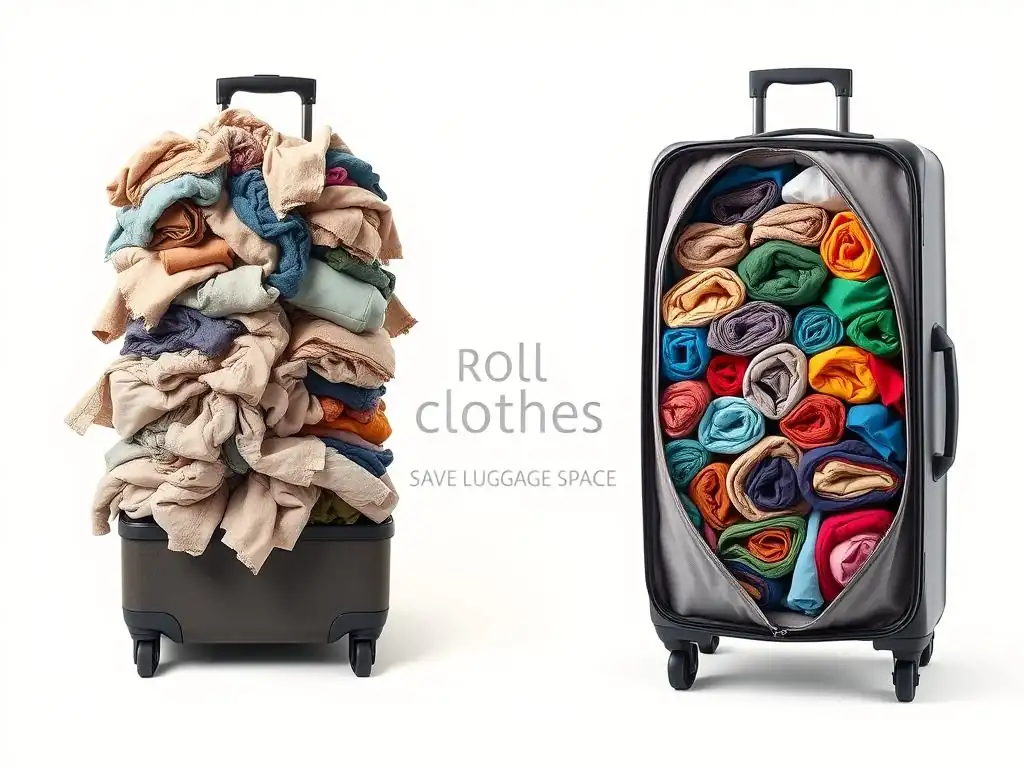
Tired of overstuffed suitcases and frantic airport repacking? Discover the secret to effortlessly maximizing your luggage space with our revolutionary Roll Clothes Save Luggage Space technique! This isn't your grandma's packing method; we're unveiling proven strategies to conquer travel chaos and unlock the ultimate in organized, efficient packing. Prepare to be amazed by how much you can fit – and how much time you'll save – with this simple yet surprisingly powerful travel hack. Let's dive in!
- Why Roll Your Clothes Instead of Folding? Maximizing Luggage Space
-
Mastering the Art of Rolling Clothes: A Step-by-Step Guide
- Rolling Shirts and Blouses for Compact Packing
- Rolling Pants and Trousers Efficiently
- Rolling Delicate Items: Preventing Creases and Damage
- Rolling Socks and Underwear: The Ultimate Space-Saver
- Rolling Sweaters and Knitwear: Techniques for Bulky Items
- Rolling Dresses: Maintaining Shape and Minimizing Wrinkles
- Advanced Rolling Techniques for Expert Packing
- Tips and Tricks for Efficient Luggage Packing with Rolled Clothes
- Beyond Rolling: Additional Space-Saving Packing Hacks
- Troubleshooting Common Rolling Challenges
- The Ultimate Guide to Rolling Clothes: Conclusion and Next Steps
- Frequently Asked Questions
- Final Reflection: The Art and Science of Efficient Packing
- Unlock Your Luggage's Hidden Space: Master the Art of Rolling!
Why Roll Your Clothes Instead of Folding? Maximizing Luggage Space
Packing for a trip can often feel like a battle against limited space. Luggage fees loom, and the thought of cramming all your essentials into a suitcase can be daunting. But what if there was a simple, yet remarkably effective technique that could significantly increase your luggage capacity and minimize wrinkles?
This ultimate guide reveals the secrets of rolling your clothes – a time-tested travel hack that's proven to save space, reduce wrinkles, and ultimately, make your packing experience significantly less stressful. We'll explore the science behind this method, compare it to traditional folding, and show you just how easy it is to implement this life-changing packing technique. Get ready to experience the joy of a perfectly packed suitcase, free from overflowing baggage and frustrating wrinkles!
This guide will help you master the art of rolling clothes to save luggage space, ensuring you maximize your packing efficiency and travel with ease. Let's dive into the details of how rolling your clothes can dramatically improve your packing game and allow you to "roll clothes save luggage space."
The Science Behind Rolling: Reducing Wrinkles and Saving Space
The effectiveness of rolling clothes lies in the physics of compression and fabric behavior. Unlike folding, which creates sharp creases and rigid layers, rolling compresses garments gently, minimizing wrinkles. The cylindrical shape created by rolling also allows for denser packing, as the rolled items fit snugly together, leaving minimal empty space. Think of it like stacking logs versus stacking rectangular blocks – the logs (rolled clothes) pack more efficiently. Furthermore, the pressure from rolling helps to smooth out minor wrinkles that might have already formed.
This is particularly beneficial for fabrics like cotton and linen which are prone to creasing. The consistent pressure applied during the rolling process minimizes the formation of new creases and helps to alleviate existing ones. This leads to less ironing needed upon arrival at your destination, saving you valuable time and effort. 🤪
Comparing Rolling vs. Folding: A Space-Saving Showdown
To truly understand the benefits of rolling, let's compare it head-to-head with traditional folding. Imagine you're packing for a 7-day trip. Using the folding method, you might find yourself struggling to fit everything into your suitcase, resorting to force and potentially damaging your clothes. The result? A bulky, overstuffed suitcase that's difficult to close and may even incur extra baggage fees.
Now consider the rolling method. By rolling your clothes tightly, you’ll likely find you can fit the same seven days' worth of clothing into significantly less space. This isn't just anecdotal; numerous studies and personal experiences demonstrate the superior space-saving capabilities of rolling. The difference can be dramatic, especially when packing bulkier items like sweaters or jeans. The table below illustrates a typical space saving comparison:
| Packing Method | Space Efficiency | Wrinkle Potential | Time Required |
|---|---|---|---|
| Folding | Low | High | Low |
| Rolling | High | Low | Medium |
Initial Investment: Minimal Effort, Maximum Reward
The initial investment required to master the art of rolling clothes is minimal. It simply takes a little practice and experimentation to find the optimal rolling technique for different types of garments. Once you've mastered the basics, the time saved in packing and unpacking – not to mention the reduced baggage fees and minimized wrinkles – will far outweigh the initial learning curve. The benefits extend beyond mere space-saving; rolling your clothes can also help to organize your luggage, making it easier to locate specific items.
You'll be amazed at how much more efficiently you can pack and unpack, making your travel experience smoother and more enjoyable. So, why not give it a try? You've got nothing to lose but wrinkles (and potentially some baggage fees)! 🎉
Mastering the Art of Rolling Clothes: A Step-by-Step Guide
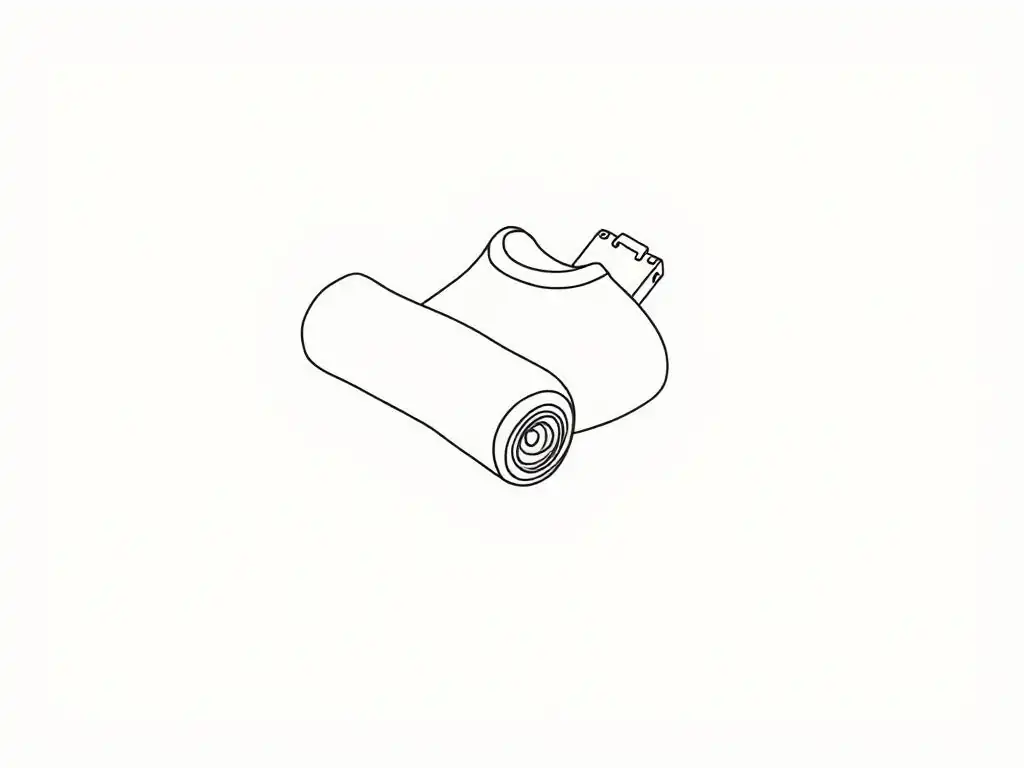
This section delves into the practical application of rolling your clothes, a technique proven to maximize luggage space and minimize wrinkles. We'll explore the nuances of rolling different garment types, ensuring you pack efficiently and arrive at your destination looking your best. Mastering this skill is key to conquering the age-old problem of "roll clothes save luggage space."
Rolling Shirts and Blouses for Compact Packing
Rolling shirts and blouses effectively requires a slightly different technique than rolling heavier items. The goal is to minimize wrinkles while maximizing space. Begin by laying the garment flat on a surface. Button the shirt, or if it's a blouse, smooth out any wrinkles.
- Start from the bottom: Fold the bottom hem approximately one-third of the way up towards the collar.
- Roll tightly: Begin rolling the shirt tightly from the bottom hem towards the collar. Maintain even pressure to avoid creating bulky sections.
- Secure the roll: Once rolled, the shirt should be a compact cylinder. You can use a small rubber band or even a hair tie to secure the roll and maintain its shape. This prevents it from unrolling during transit.
- Repeat: Repeat this process for all shirts and blouses.
Using this method on even delicate fabrics like silk or chiffon will allow you to maximize the space in your luggage, saving you precious room for other items. Remember, the tighter the roll, the more space you save. Experiment to find the perfect tightness for your fabrics. This technique directly addresses the core principle of "roll clothes save luggage space," allowing you to pack more items efficiently.
Rolling Pants and Trousers Efficiently
Pants and trousers, being larger and heavier than shirts, require a slightly different approach to rolling. The key is to create a flat, compact roll that prevents creasing.
- Button and smooth: Button any buttons and smooth out any wrinkles. Lay the pants flat.
- Fold in thirds: Fold the pants in thirds lengthwise, aligning the seams. This creates a long, rectangular shape.
- Roll tightly from the waistband: Starting from the waistband, roll the pants tightly towards the bottom hem. Maintain even pressure throughout the roll to create a compact cylinder.
- Secure and stack: Secure the roll with a rubber band or hair tie. Stack the rolled pants neatly in your luggage, placing heavier items at the bottom.
This method is particularly effective for jeans, chinos, and other sturdy fabrics. For lightweight trousers, you may find slightly looser rolling sufficient. Remember, the goal is a compact roll that prevents creases – a key element in the effective strategy of "roll clothes save luggage space."
Rolling Delicate Items: Preventing Creases and Damage
Rolling delicate items like sweaters and dresses requires a gentler approach to prevent damage and wrinkles. Here’s how to achieve this:
- Lay it flat: Lay the garment flat and smooth out any wrinkles.
- Loose rolling: Instead of tight rolling, gently roll the item from one side to the other, creating a loose cylinder. Avoid any harsh pressure which could stretch or damage the fabric.
- Protective layer: Consider placing delicate items within a garment bag or using tissue paper between layers to further protect them from wrinkles and creases.
- Stack carefully: Pack delicate items on top of heavier items to prevent them from being crushed.
This approach, while slightly less space-saving than tightly rolling sturdy items, minimizes wrinkles and protects your delicate clothes. The emphasis shifts from extreme space-saving to preserving the condition of your garments, a crucial aspect of optimizing your packing process. This approach still contributes to the "roll clothes save luggage space" strategy by creating a more organized and efficient use of the available space, even with more delicate items. Remember to always prioritize the condition of your clothing when packing.
Rolling Socks and Underwear: The Ultimate Space-Saver
Rolling socks and underwear is the easiest and most effective way to maximize space in your luggage. Forget folding! The key is to create tight, compact rolls. Start by laying a pair of socks flat. Then, roll them tightly from the toe to the cuff, creating a neat cylinder.
Repeat this process for each pair, aiming for a consistent size. Underwear follows a similar principle. Lay a pair of underwear flat, fold it in half, and then roll it tightly from one side to the other. These small, tightly rolled items are perfect for filling any gaps that might appear in your suitcase after rolling larger clothing items. They are incredibly space-efficient and resist creasing remarkably well.
Consider grouping similar items together in small, resealable bags to keep things organized. This method not only saves space but also prevents smaller items from getting lost within the larger rolled clothes. Using this technique, you can easily fit a week's worth of underwear and socks into a surprisingly small space, leaving more room for other essentials. The tighter the roll, the more space you save! This is a crucial step in optimizing your "roll clothes save luggage space" strategy.
Rolling Sweaters and Knitwear: Techniques for Bulky Items
Sweaters and knitwear are notoriously bulky, but with the right technique, you can significantly reduce their volume. The key here lies in a gentler, less forceful rolling approach compared to socks and underwear. Lay the sweater flat and smooth out any wrinkles. Begin rolling from one side, keeping the roll relatively loose to avoid stretching the fabric. A tighter roll might compress the knit excessively, leading to unwanted creases and potential damage.
Aim for a firm but not overly tight roll. For extra large or bulky sweaters, consider layering them. Roll a thinner sweater first, and then carefully roll a thicker sweater around it. This helps to create a more compact and manageable roll while still protecting the garments from excessive compression.
Experiment with different rolling techniques to find what works best for your specific sweater types and fabrics. Delicate cashmere sweaters may require extra care and a looser roll to prevent damage. This method ensures that your bulky knitwear takes up considerably less space without compromising their shape or causing damage. Efficiently rolling these items is another important element of how to "roll clothes save luggage space".
Rolling Dresses: Maintaining Shape and Minimizing Wrinkles
Rolling dresses might seem counterintuitive, as they're prone to wrinkling. However, with the proper technique, you can minimize wrinkles and save significant space. The key is to choose the right type of dress and use a careful rolling approach. Lightweight fabrics such as cotton or linen are better suited for rolling than heavier, more structured fabrics. Begin by buttoning or zipping the dress completely.
Then, lay it flat and smooth out any wrinkles. Start rolling from the hem, carefully and smoothly rolling upwards. A looser roll is generally preferable to prevent creasing. Unlike other items, you might not want to roll the dress as tightly. The goal is to compress the dress gently without creating sharp creases.
Consider placing a layer of tissue paper between the layers of the rolled dress to further prevent wrinkles. For dresses with delicate embellishments or beading, a more careful approach is necessary. You may need to fold these items more carefully before rolling to prevent damage. While rolling dresses might not be as space-saving as rolling t-shirts, it's still a significantly more efficient method than folding, especially for travel. Mastering the art of rolling dresses is another valuable skill in the quest to effectively "roll clothes save luggage space".
Advanced Rolling Techniques for Expert Packing
This section delves into more advanced rolling techniques to maximize your packing efficiency and minimize wrinkles. Mastering these methods will transform you from a casual packer into a packing pro, ensuring you always travel light, even with a substantial wardrobe. We'll explore how to adapt your rolling strategy based on garment type and the overall packing goal. Remember, the key to successful rolling is tightness and consistency. Loose rolls waste space and lead to messy luggage.
Rolling Clothes for Specific Luggage Types: Suitcases vs. Backpacks
The way you roll your clothes should adapt to the type of luggage you're using. Suitcases, with their rigid structure and flat surfaces, offer a different packing environment compared to backpacks, which prioritize flexibility and weight distribution.
Suitcases benefit from tightly rolled items arranged neatly, almost like stacked logs. Think about maximizing the space at the bottom and sides, creating a solid foundation. For example, heavier items like jeans and sweaters should be rolled tightly and placed at the bottom. Lighter items, such as shirts and underwear, can be placed on top. This method prevents shifting and keeps the heavier items from crushing lighter ones.
Backpacks, on the other hand, require a more strategic approach. While rolling is still beneficial for minimizing wrinkles, you'll want to prioritize items that can conform to the backpack’s shape. Consider rolling smaller items together to create compact bundles. Think about placing these rolled bundles around the perimeter of the backpack, leaving the center for bulkier items that might not roll easily. This distributes weight more evenly and prevents the backpack from becoming overly weighted on one side.
| Luggage Type | Rolling Technique | Considerations |
|---|---|---|
| Suitcase | Tight rolls, stacked neatly, heavier items at base | Maximize space utilization, prevent shifting |
| Backpack | Tight rolls, grouped into bundles, perimeter placement | Even weight distribution, adaptable to backpack shape |
Using Packing Cubes to Complement Your Rolling Technique
Packing cubes aren't just for neatly organizing your clothes—they can significantly enhance your rolling strategy. By using packing cubes, you can create even more compact rolls and improve the overall organization of your luggage. Think of them as mini-compressing units.
The process is simple: roll your clothes as usual, but then place each rolled bundle into a separate packing cube. This adds an extra layer of compression, reducing wrinkles and helping to maintain the shape of your rolls. Furthermore, packing cubes allow you to easily separate different clothing types (e.g., shirts, pants, underwear) for easier access and organization. This is particularly useful for longer trips or when you need to quickly locate a specific item. The added benefit is that you can compress the cubes themselves, further reducing overall volume. This is especially effective with softer items like t-shirts.
Consider using different sizes of packing cubes to optimize space. Larger cubes for bulkier items like sweaters and smaller cubes for undergarments and socks. This tailored approach minimizes wasted space within the cubes themselves. The key is to choose cubes that are appropriately sized for the rolled garments. Oversized cubes negate the compression benefit.
Creating Outfits in Advance to Streamline the Rolling Process
Planning your outfits before you even start packing is a crucial step often overlooked. This seemingly simple act dramatically improves efficiency and reduces packing time. By pre-selecting your clothes, you eliminate indecision at the destination and only pack what you genuinely need, reducing overall luggage weight and volume.
Once you've planned your outfits, group the related items together – shirt, pants, socks, underwear. This makes rolling much easier, as you're dealing with a set rather than individual items. You can even roll each outfit as a unit, creating a self-contained bundle that can be easily placed in a packing cube or directly into your luggage. This method helps avoid rummaging through your luggage, saving you time and frustration.
Careful outfit planning can also help you identify potential wardrobe overlaps and eliminate unnecessary items, leading to even lighter luggage. The time spent planning is more than compensated for by the time saved during packing and unpacking. Consider a simple spreadsheet or even a list to jot down daily outfits to ensure you don't forget anything.
The Role of Compression Bags in Space Optimization
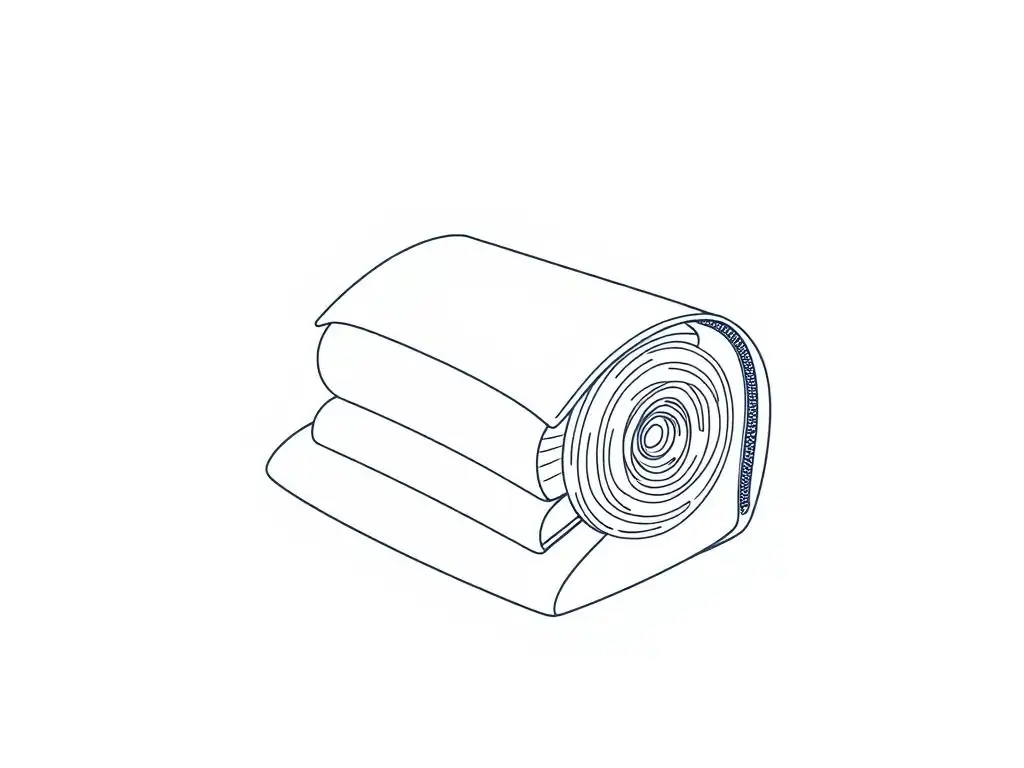
Compression bags are a game-changer when it comes to maximizing space in your luggage. These versatile bags, often made from a durable, flexible plastic, use a valve system to remove air, significantly reducing the volume of your clothing. This is particularly effective for soft items like sweaters, t-shirts, and even towels. By compressing these items, you can create more room for other essentials, effectively increasing your luggage's capacity by a considerable margin.
The level of compression achievable varies depending on the bag's quality and the type of clothing; however, even a modest reduction in volume can make a substantial difference when packing for a trip. Remember to use compression bags strategically – don't over-compress items to the point of wrinkling or damaging them. A balance between compression and maintaining garment integrity is key to achieving optimal results. Experiment with different compression levels to find what works best for your clothing types and preferred packing style.
Consider purchasing a variety of sizes to cater to different items and to optimize space utilization within your suitcase. Using compression bags in conjunction with rolling techniques, as detailed in this guide, is an incredibly effective way to maximize your luggage space. This combination offers a powerful one-two punch against overpacking, allowing you to fit more into less space.
Handling Bulky Items: Jackets, Shoes, and More
Bulky items like jackets, shoes, and other large accessories present unique packing challenges. Simply rolling these items often isn't practical, as they tend to retain their shape and take up considerable space. Instead, utilize strategic placement and layering techniques. Think about using the largest, most rigid items to form a base layer in your suitcase, such as sturdy shoes or a large jacket.
These items can act as a protective cushion for more delicate items and help fill otherwise empty spaces. Consider stuffing socks or smaller undergarments inside shoes to both protect the shoes and utilize the space within them. Similarly, thicker jackets can be folded strategically and placed along the edges or corners of the suitcase to utilize space efficiently. Heavier items should generally be placed at the bottom of the suitcase for better weight distribution and stability.
For jackets, consider folding them neatly rather than rolling them, as this can help to maintain their shape and prevent wrinkles. Remember to distribute the weight evenly throughout your luggage to prevent it from becoming unbalanced and potentially causing damage to your belongings. Utilizing these techniques in conjunction with rolling your clothes will allow you to pack efficiently and avoid leaving valuable space unused. Careful planning and item placement are key to successfully integrating bulky items into your luggage.
Tips and Tricks for Efficient Luggage Packing with Rolled Clothes
This section delves into the practical application of rolling your clothes to maximize luggage space. We'll move beyond the basic concept and explore advanced techniques to truly optimize your packing strategy and ensure a wrinkle-free travel experience. Mastering these techniques will allow you to pack more while simultaneously reducing the stress and hassle often associated with travel. Remember, the goal is to roll clothes save luggage space efficiently and effectively.
Choosing the Right Clothing for Travel: Lightweight Fabrics and Versatility
Selecting the right clothing is crucial for successful rolling and efficient packing. Lightweight, wrinkle-resistant fabrics are your best friends. Think wrinkle-free travel pants, quick-drying shirts, and versatile dresses. Avoid bulky items like heavy sweaters or stiff denim unless absolutely necessary. Opt for fabrics like linen, merino wool, or nylon blends. These materials not only pack down smaller but also dry quickly, a significant advantage if your luggage gets unexpectedly damp.
Consider the versatility of each item. Can a single shirt be dressed up or down? Can pants be worn for both casual and slightly more formal occasions? A carefully chosen capsule wardrobe is key to maximizing space and minimizing the number of items you need to pack.
For example, neutral-colored tops can be paired with multiple bottoms, significantly reducing the overall volume of your clothing. Plan outfits ahead of time to ensure you have coordinated pieces and to avoid overpacking. This pre-planning significantly contributes to successfully rolling clothes to save luggage space. Remember, less is often more when it comes to efficient packing.
Packing Strategies to Minimize Wrinkles and Maximize Space
Rolling your clothes effectively is more than just a simple roll; it's a technique. Here's a breakdown of how to achieve maximum space savings and minimize wrinkles:
- Tight Rolls: Don't be shy! The tighter you roll, the less air is trapped, and the more compact the garment becomes. Think of it like compressing a sponge – the tighter you squeeze, the less space it occupies.
- Layering: Start with larger, heavier items at the bottom of your suitcase, followed by progressively lighter items on top. This creates a stable base and prevents lighter items from being crushed.
- Strategic Placement: Place less wrinkle-prone items like t-shirts and underwear on the outside of the roll. More delicate items should be rolled more loosely or placed in protective garment bags.
- Using Compression Cubes: These are excellent for compressing softer items like sweaters and sweatshirts, further maximizing space. They can also help to keep your rolled clothes organized and prevent them from shifting around during travel.
- Stuffing Smaller Items: Utilize the spaces between larger rolled items by stuffing socks, underwear, or other small items into the gaps. This is a fantastic way to fully utilize every inch of your luggage.
Following these strategies will ensure that your rolled clothes save luggage space effectively, and you arrive at your destination with neatly packed, wrinkle-free clothing. Remember, practice makes perfect!
Organizing Your Rolled Clothes for Easy Access
Once you've mastered the art of rolling, consider how you organize your rolled clothing for easy access. This is critical for minimizing unpacking time and frustration once you arrive at your destination.
- Categorization: Group similar items together. For example, roll all your tops together, all your bottoms together, and so on. This method makes it easy to locate specific items without having to unpack your entire suitcase.
- Color-Coding: Consider using color-coded packing cubes or simply arranging your rolled clothes by color. This visual organization makes it incredibly quick to find what you need.
- Top-Down Packing: Pack the items you'll need first on top, ensuring easy access without disturbing the rest of your luggage.
- Using Packing Cubes: In addition to compression, packing cubes offer excellent organization. They help keep your rolled items separated and prevent them from shifting during travel. This makes finding your clothes much easier and will help you successfully roll clothes to save luggage space.
By implementing these tips and tricks, you'll become a packing pro, ready to conquer any trip with confidence, knowing that your luggage space is optimized, and you're ready for anything. The key is to practice these techniques to truly master the art of rolling clothes to save luggage space and enjoy a stress-free travel experience. ✈️
Preventing Items from Unrolling During Travel
Preventing your carefully rolled clothes from unraveling during travel is crucial for maintaining organization and maximizing space. The key lies in using the right techniques and employing a few clever strategies. First, ensure you're rolling your clothes tightly. Loose rolls are more prone to coming undone. Think of it like a tightly wound spring – the tighter the roll, the more resistant it is to unraveling.
Secondly, consider the type of clothing. Heavier items like jeans or sweaters are less likely to unroll than lighter fabrics like t-shirts. Strategic placement within your luggage also plays a significant role. Place heavier, more tightly rolled items at the bottom of your suitcase, acting as a base to support the lighter, more delicate rolls stacked on top. This creates a more stable and secure packing arrangement, minimizing the risk of shifting during transit.
Furthermore, using packing cubes can significantly improve the stability of your rolled clothes. These cubes compress the clothes, maintaining their rolled shape and preventing them from shifting within the suitcase. They also provide an extra layer of protection against wrinkles and creasing. Some packing cubes even feature compression straps, further securing your belongings. Experiment with different packing cube sizes and configurations to optimize your packing strategy. You can also use clothing items themselves to help secure rolled items. For example, larger items like sweaters can act as a buffer between more delicate rolls.
Adapting Rolling Techniques to Different Trip Durations
The way you roll your clothes should adapt to the length of your trip. For short trips, a less meticulous rolling approach might suffice. You can quickly roll your clothes, prioritizing speed and convenience over perfect cylindrical forms. The focus here is on simply saving space efficiently without spending excessive time perfecting every roll. Since you're only packing a few outfits, the risk of items shifting is also lower.
However, longer trips demand a more careful and organized approach. Since you'll have more clothes to pack, the risk of items shifting and unraveling is significantly higher. For these trips, invest time in tightly rolling each item, ensuring they maintain their shape throughout the journey. Consider using the aforementioned packing cubes to further secure and organize your clothing.
Prioritize placing heavier items at the bottom and arranging clothing by type and color for easy identification upon arrival. This meticulous approach minimizes wrinkles and keeps your clothes looking fresh, even after a longer trip. Furthermore, for extended trips, you might consider incorporating additional methods like layering rolled items with tissue paper to further prevent wrinkles and maintain a clean and organized luggage. The goal is to maximize your packing efficiency and minimize the effort required to unpack and organize your belongings upon arrival.
Beyond Rolling: Additional Space-Saving Packing Hacks
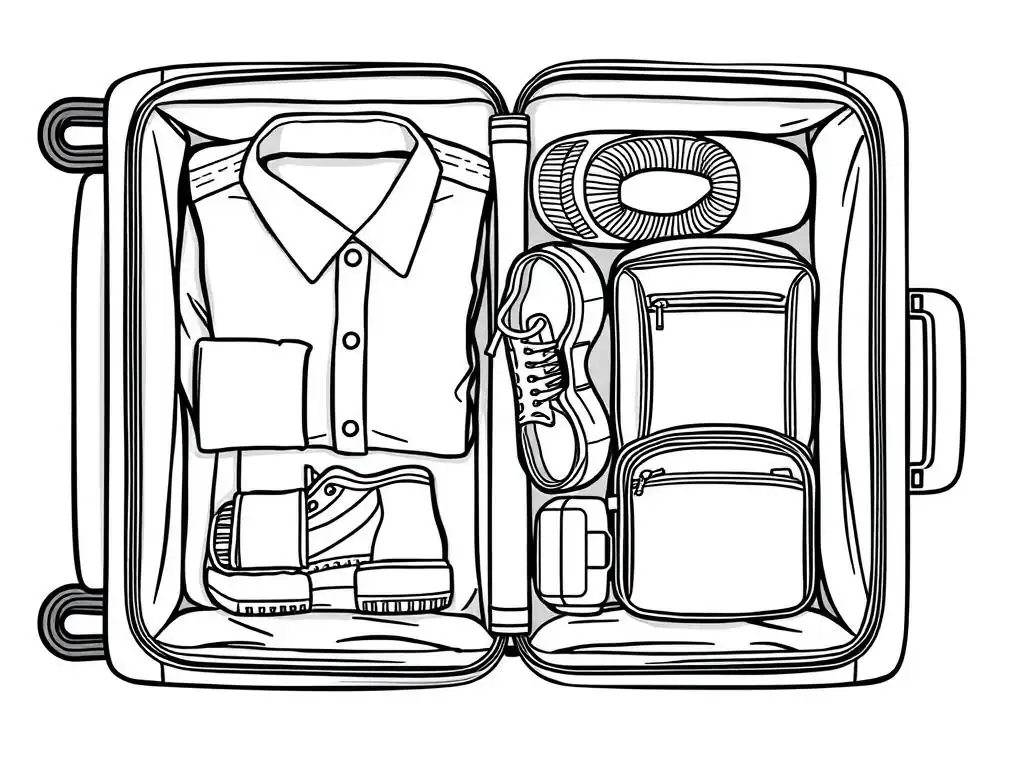
This section expands on the core concept of "roll clothes save luggage space" by introducing supplementary packing techniques that maximize space utilization beyond simply rolling your garments. Efficient packing isn't just about rolling; it's about a holistic approach to optimizing your luggage. We'll explore strategies that go beyond the basics, ensuring you pack light and travel smart. Mastering these techniques will transform your packing experience and allow you to fit more into your suitcase without sacrificing comfort or style.
Utilizing Empty Spaces Effectively
Even with meticulous rolling, empty spaces inevitably remain. These voids represent lost potential packing capacity. Clever use of these spaces is key to maximizing your luggage's volume. Think of it like a three-dimensional puzzle; you need to fill every nook and cranny.
Consider these strategies:
- Stuffing Socks and Underwear: Small, compressible items like socks and underwear are perfect for filling gaps around larger, rolled items. Think of them as packing fillers. This prevents shifting and maximizes space utilization.
- Nested Containers: Utilize nested containers, such as smaller cosmetic bags inside larger ones, or packing cubes within your main suitcase. This creates a layered system, filling irregular spaces more efficiently.
- Layering Soft Items: Delicate items like sweaters or scarves can be strategically layered in between rolled clothes to fill in gaps and add an extra layer of protection.
- Utilizing the Shoe Space: Shoes often have considerable unused space inside. Small items like jewelry, chargers, or even rolled-up socks can be tucked inside to utilize this often-overlooked storage area. This relates directly to the next section, highlighting the multi-faceted nature of space optimization.
Packing Strategically by Weight and Importance
The "roll clothes save luggage space" approach is enhanced by a strategic packing methodology that considers the weight and importance of each item. Packing heavier items towards the bottom and lighter items on top ensures better weight distribution and prevents shifting during travel.
Prioritize essential items:
| Item Category | Weight Classification | Importance Level | Packing Strategy |
|---|---|---|---|
| Toiletries | Light | High | Place in a leak-proof bag near the top. |
| Medications | Very Light | Extremely High | Pack separately and easily accessible. |
| Electronics | Moderate | High | Wrap in protective clothing to prevent damage. |
| Shoes | Moderate to Heavy | Moderate | Pack at the bottom, potentially utilizing the space inside. |
| Clothing (Heavier) | Moderate to Heavy | Moderate | Pack at the bottom, rolled tightly. |
| Clothing (Lighter) | Light | Moderate | Pack towards the top, rolled or folded. |
This table illustrates how weight and importance guide packing decisions. By prioritizing items, you ensure that essentials are readily available and that weight distribution optimizes stability and prevents damage.
Utilizing Shoes for Storage
Shoes, often overlooked as mere containers for your feet, are actually remarkably versatile storage units. Their hollow interiors and sturdy construction make them ideal for storing smaller items that would otherwise take up valuable space elsewhere in your luggage.
Here’s how to maximize shoe storage:
- Inside the Shoes: Stuff socks, underwear, or small accessories like jewelry into your shoes. This helps maintain their shape and prevents them from getting crushed. The denser the packing, the better the space utilization.
- Around the Shoes: If you're packing multiple pairs, consider placing smaller, flatter items like belts or rolled-up scarves around them, filling the gaps between the shoes and the surrounding clothes.
- Shoe Bags: Using dedicated shoe bags helps keep the shoes clean and organized, but also helps to contain the smaller items you've placed inside them, preventing them from migrating to other parts of your luggage.
By thoughtfully utilizing the space within and around your shoes, you can significantly improve your overall packing efficiency, contributing to the overall success of the "roll clothes save luggage space" method. Remember, every cubic inch counts!
Troubleshooting Common Rolling Challenges
Packing efficiently using the rolling method isn't always a walk in the park. Even seasoned travelers encounter challenges. Understanding and overcoming these hurdles is key to mastering this space-saving technique and truly maximizing your luggage capacity. This section addresses some common problems and offers practical solutions to ensure your clothes arrive wrinkle-free and ready to wear. Successfully rolling clothes save luggage space, but only with proper technique.
Dealing with Difficult Fabrics: Silk, Linen, and More
Certain fabrics, known for their delicate nature or tendency to wrinkle, present unique challenges when rolling. Silk, linen, and other similar materials require a gentler approach to avoid creasing or damage. Simply rolling them tightly can lead to unsightly wrinkles that negate the benefits of this packing method.
Instead of tight rolls, consider a looser, more relaxed rolling technique. Lay the garment flat, gently fold it in thirds or quarters (depending on the item's size and desired compactness), and then roll it loosely. Think of it as “wrapping” rather than “compressing.” This minimizes stress on the fibers and helps retain the garment's shape. For particularly delicate items, consider using tissue paper or acid-free packing paper between layers to further protect them from wrinkles and abrasion. This added layer of protection is especially helpful for silk scarves or delicate lingerie.
Another valuable tip is to prioritize rolling these delicate items towards the center of your luggage, cushioning them with less delicate items on the outside. This provides a layer of protection against external pressure. Remember, rolling clothes save luggage space, but delicate fabrics require a modified approach to prevent damage.
Preventing Items from Getting Crushed or Damaged
Even with careful rolling, items can become crushed or damaged during travel. This is particularly true for items with structured seams, like blazers or button-down shirts. The weight of other items can cause creases or even damage delicate buttons.
To mitigate this, strategically place heavier items at the bottom of your luggage. Think sturdy jeans or sweaters. These will act as a buffer, protecting more delicate items from being crushed. Place rolled items with structured components, such as shirts and blazers, towards the center, surrounding them with softer items like t-shirts or underwear. This creates a protective cushion, minimizing the risk of damage.
Consider using packing cubes. These lightweight, compressible containers are designed to protect your belongings and maintain organization. They can help to compress items gently, preventing them from shifting and getting crushed during transit. You can even roll your clothes inside packing cubes for added protection and organization. This is a great way to ensure rolling clothes save luggage space while also protecting your clothing.
Maintaining Neatness and Organization Throughout Your Trip
Maintaining the neatness and organization of your rolled clothes throughout your trip is crucial to prevent the contents from becoming a jumbled mess. This is especially important for longer trips where you might be unpacking and repacking multiple times.
One effective strategy is to use compression sacks. These are specifically designed to squeeze out excess air from your rolled clothes, further reducing their volume and making them easier to fit into your luggage. This also helps maintain the neatness of your packed clothing.
Beyond packing cubes and compression sacks, consider using smaller, zippered pouches or toiletry bags to organize accessories and smaller items within your luggage. This prevents these items from getting lost or tangled amidst your rolled clothing. This organizational strategy not only facilitates smooth unpacking but also helps to ensure the rolled items remain neatly in place. Remember, even with efficient rolling clothes save luggage space, organization is crucial for maintaining a tidy and stress-free trip.
The Ultimate Guide to Rolling Clothes: Conclusion and Next Steps
Rolling your clothes is a game-changer for maximizing luggage space and minimizing wrinkles. This technique, when mastered, allows you to pack more efficiently, reducing the stress associated with overpacking and potential baggage fees. We've explored various rolling methods, from the basic roll to more advanced techniques tailored to different garment types.
Remember, consistent practice is key to perfecting your rolling skills and achieving optimal packing efficiency. The benefits extend beyond simply saving space; rolling clothes can also help to maintain the shape and reduce wrinkles in your garments, ensuring you look your best upon arrival. By adopting this simple yet powerful strategy, you'll not only save valuable luggage space but also streamline your packing process, saving you valuable time and energy before and during your travels.
This translates to a more enjoyable and less stressful travel experience overall. This means more time for relaxation and adventure, and less time worrying about your luggage!
Maintaining Your Packing Skills: Continuous Improvement
Mastering the art of rolling clothes for optimal luggage space is an ongoing process. Regular practice is essential to refine your technique and adapt to different clothing items and travel situations. Consider keeping a packing checklist to ensure you consistently utilize the roll method. Experiment with different rolling techniques to find what works best for you and your wardrobe. Pay attention to how different fabrics react to rolling – delicate materials may require a gentler approach.
Consider using packing cubes in conjunction with rolling to further compartmentalize and organize your belongings. This layering approach enhances the efficiency of the roll method. Don’t be afraid to try different combinations of rolling and folding to optimize your packing strategy for specific trips. For example, you might roll t-shirts and jeans but fold more delicate items like blouses or suits.
Regularly review your packing successes and failures to identify areas for improvement. Take notes on what worked well and what didn’t, and adjust your approach accordingly. By consistently refining your technique, you’ll become a more efficient packer, saving space and time with each trip. The constant refinement of this skill will make packing less of a chore and more of a streamlined process.
Once you’ve mastered the art of rolling clothes to save luggage space, consider sharing your knowledge with others. This can be done in various ways, from teaching friends and family to contributing to online travel forums or creating your own blog posts or videos demonstrating your techniques. Sharing your expertise not only helps others but also reinforces your own understanding of the process. Teaching others helps solidify your knowledge and identify areas where you can further refine your techniques.
You can create instructional videos or share tips on social media platforms, using relevant hashtags like #travelhacks #packingtips #rollclothes. Consider writing a detailed guide and sharing it with your community. This could even lead to new opportunities and collaborations. Think about creating visual aids, step-by-step instructions, or even short videos to explain the process clearly.
By sharing your expertise, you become part of a community that values efficient packing and stress-free travel. The positive feedback and potential recognition will be an added bonus. Inspiring others to adopt this method will make travel easier and more enjoyable for everyone.
Resources for Further Learning: Books, Blogs, and Videos
Numerous resources are available to further enhance your understanding of efficient packing techniques and the art of rolling clothes. Explore online blogs dedicated to travel and packing tips; many offer detailed guides and tutorials on various rolling methods and additional packing strategies. Search for videos on platforms like YouTube; many experienced travelers share their packing techniques, including visual demonstrations of rolling clothes.
Look for books on travel and packing; many provide comprehensive information on packing efficiently, including dedicated sections on rolling clothes and optimizing luggage space. Many books offer detailed insights into packing organization and maximizing space. Consider exploring travel forums and communities where experienced travelers share tips and tricks.
These platforms are valuable for finding answers to specific questions and learning from the experiences of others. By actively seeking out additional resources, you’ll continue to expand your knowledge and perfect your packing skills, leading to more efficient and enjoyable travel experiences. Continuous learning ensures you are always at the forefront of the best packing techniques.
Frequently Asked Questions
Why should I roll my clothes instead of folding them?
Rolling your clothes is a space-saving technique. It significantly reduces wrinkles and maximizes the use of your luggage space, allowing you to pack more. This is especially helpful for travelers.
How tightly should I roll my clothes?
Roll them firmly but not too tightly. Too tight and you risk creasing your clothes excessively. Aim for a snug roll that maintains the shape but avoids excessive pressure.
What types of clothes are best for rolling?
Most clothing items benefit from rolling, but softer materials like t-shirts and sweaters are particularly well-suited. Heavier items like jeans can also be rolled but may take up slightly more space.
Does rolling clothes prevent wrinkles completely?
Rolling minimizes wrinkles, but it doesn't eliminate them entirely. Delicate fabrics might still wrinkle, and some creasing is unavoidable with any packing method. Consider using packing cubes for added wrinkle protection.
Are there any specific techniques for rolling clothes efficiently?
Yes! There are various techniques, but the basic method involves laying the garment flat, rolling it tightly from one end, and securing it with a rubber band if needed. Watch videos online for visual demonstrations of effective rolling techniques.
Final Reflection: The Art and Science of Efficient Packing
Mastering the art of rolling your clothes isn't just about saving space; it's about reclaiming control over your travel experience. The ability to pack efficiently translates directly into less stress, more spontaneity, and ultimately, a more enjoyable trip. This isn't just about squeezing in an extra pair of shoes; it's about maximizing your freedom on the road.
The impact of efficient packing extends beyond the immediate benefit of extra luggage space. It speaks to a larger cultural shift towards mindful consumption and sustainable travel. We're increasingly aware of the environmental impact of over-packing and the unnecessary waste associated with it. Travel is about the journey, not the destination,
a well-worn phrase, takes on new meaning when you consider the lightness and freedom that efficient packing provides. It allows you to truly focus on the experience, rather than the logistical challenges of carrying too much.
So, consider this your invitation to experiment. Try rolling your clothes on your next trip, and experience the difference firsthand. Don't just pack; curate your belongings. Embrace the minimalist approach, and discover the joy of traveling light. The space you save in your suitcase will be mirrored by the space you create in your mind, allowing for greater peace and appreciation of your journey.
Are you tired of overpacking? Learn how to maximize your luggage space and travel lighter! Let's put your new rolling skills to the test.
- Start rolling your clothes today! Try it the next time you change your outfit. You'll be amazed at how much extra space you'll gain.
- Share your experiences—both successes and challenges—in the comments below. Let's build a community of savvy travelers!
- Experiment with different rolling techniques. Roll wrinkle-prone items tightly and softer fabrics more loosely. Discover the method that works best for you.
Ready to revolutionize your packing and enjoy the freedom of lighter luggage?