
Smartphone Hacks for Better SelfCare: Apps and Resources

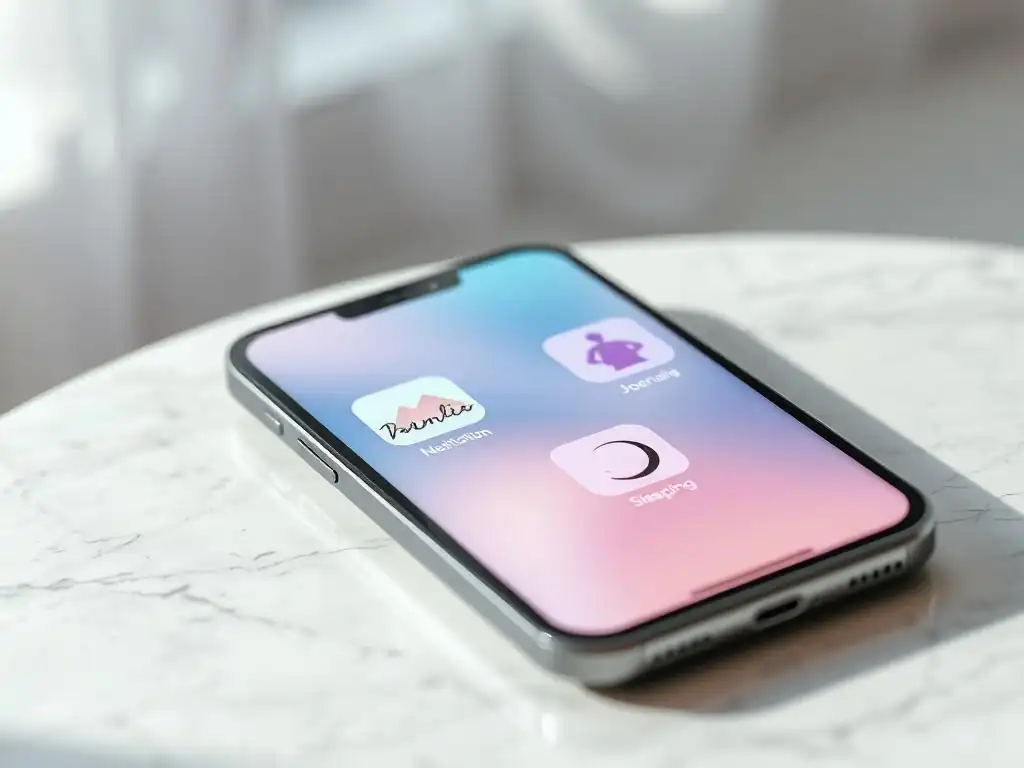
Ready to reclaim your time and boost your well-being? At UltimateLifeHacks, we're dedicated to simplifying your life and maximizing your productivity. Discover how seamlessly integrating technology into your self-care routine can transform your days. This article dives into the best self-care smartphone apps, revealing the hidden potential within your pocket to achieve a healthier, happier you. Let's unlock the secrets to a more efficient and fulfilling life – read on to discover your perfect app match!
- Best Self-Care Smartphone Apps: Boosting Your Wellbeing Digitally
- Utilizing Smartphone Features for Enhanced Self-Care
- Beyond Apps: Smart Self-Care Techniques on Your Phone
- Curating Your Digital Self-Care Ecosystem: App Selection and Usage
- Frequently Asked Questions
- Final Reflection: Reclaiming Your Time, Reclaiming Yourself
- Unlock Your Self-Care Potential: Take Charge Now!
Best Self-Care Smartphone Apps: Boosting Your Wellbeing Digitally
In today's fast-paced world, prioritizing self-care is more crucial than ever. Feeling overwhelmed and stressed is a common experience, but thankfully, technology can be a powerful ally in our journey towards a healthier, happier life. This article explores the best self-care smartphone apps designed to help you manage stress, improve sleep quality, and boost your physical wellbeing.
We’ll delve into specific apps categorized by their function, providing you with a curated list to help you choose the perfect tools to integrate into your daily self-care routine. Finding the right apps can significantly impact your overall well-being, empowering you to take control of your mental and physical health and ultimately leading to a more fulfilling and balanced life.
We'll be focusing on apps that offer a blend of functionality, user-friendliness, and proven efficacy, helping you navigate the vast app market and discover the perfect digital companions for your self-care journey. Remember, the key is to find apps that resonate with your personal needs and preferences, making self-care a sustainable and enjoyable practice.
Mindfulness and Meditation Apps for Stress Reduction
Stress reduction is a cornerstone of self-care, and mindfulness and meditation practices are incredibly effective tools. Several apps offer guided meditations, breathing exercises, and mindfulness techniques to help calm your mind and reduce anxiety. These apps typically offer a range of features, from beginner-friendly sessions to more advanced practices.
The best apps often include personalized programs, progress tracking, and a supportive community feature. Many offer free content, while others require a subscription for access to the full range of features. Finding the right app depends on your individual preferences and needs.
Some prefer calming nature soundscapes incorporated into their meditations, while others prefer a more structured approach with specific themes and goals. Consider trying a few free trials to see which app best suits your style and helps you achieve a sense of calm and inner peace. The positive effects on stress levels are often noticeable within just a few weeks of regular use.
Sleep Tracking and Improvement Apps for Better Rest
Getting enough quality sleep is fundamental to overall health and wellbeing. Sleep tracking apps can provide valuable insights into your sleep patterns, helping you identify areas for improvement. These apps typically use your smartphone's sensors or require you to wear a wearable device to monitor your sleep cycles. They then generate reports detailing your sleep stages, sleep duration, and disruptions throughout the night.
Beyond tracking, many apps offer features to improve your sleep hygiene, such as personalized sleep schedules, relaxing soundscapes, and guided sleep meditations. Some apps even provide insights into how your daily activities and habits impact your sleep quality, empowering you to make informed changes to optimize your sleep environment and routines. Remember that consistency is key – using a sleep tracking app consistently over several weeks will yield the most accurate and informative data.
Fitness and Exercise Apps for Physical Self-Care
Physical self-care is just as important as mental self-care. Fitness and exercise apps provide a wide range of workout plans, guided exercises, and fitness tracking features. From yoga and Pilates to high-intensity interval training (HIIT) and strength training, these apps cater to various fitness levels and preferences. Many apps integrate with wearable devices for more accurate tracking and personalized feedback.
Beyond simply providing workout routines, the best apps often include motivational features, progress tracking, and community support to keep you engaged and motivated on your fitness journey. The key is to find an app that aligns with your fitness goals, whether it's weight loss, muscle gain, or simply improving overall fitness and physical wellbeing. Integrating regular physical activity into your routine is a powerful step towards holistic self-care. Remember to consult your doctor before starting any new exercise program.
Mental Health and Wellness Apps: Support and Guidance
Many excellent apps offer support and guidance for mental health and overall well-being. These apps often provide a range of features designed to help users manage stress, anxiety, and other mental health challenges. Some apps offer guided meditations, breathing exercises, and mindfulness techniques to promote relaxation and reduce stress levels. The effectiveness of these techniques has been demonstrated in numerous studies, showing a significant reduction in anxiety and improved mood in participants. For example, research on mindfulness-based stress reduction (MBSR) programs has consistently shown positive results in managing stress and improving mental well-being.
Beyond guided practices, many mental wellness apps also incorporate features such as mood tracking, journaling prompts, and cognitive behavioral therapy (CBT) techniques. Tracking your mood over time can help you identify patterns and triggers related to your mental health. CBT techniques, which often involve identifying and challenging negative thought patterns, are increasingly being integrated into self-help apps, providing users with practical tools to manage their mental health independently. However, it's crucial to remember that these apps are not a replacement for professional help.
If you are struggling with severe mental health issues, it's essential to seek support from a qualified mental health professional. These apps can be valuable supplementary tools, but professional guidance is paramount for serious conditions. The best apps often include resources and information about finding professional help, emphasizing the importance of a holistic approach to mental health.
Journaling and Self-Reflection Apps for Emotional Wellbeing
Journaling is a powerful tool for self-discovery and emotional processing. Many apps are designed to facilitate this process, offering prompts, guided journaling exercises, and secure storage for your personal reflections. The act of writing down your thoughts and feelings can be incredibly cathartic, allowing you to process emotions and gain a clearer understanding of yourself. Studies have shown that regular journaling can reduce stress, improve mood, and enhance self-awareness. The benefits are particularly pronounced when the journaling is focused on positive experiences and emotions, fostering a sense of gratitude and optimism.
These apps often go beyond basic journaling, incorporating features like mood tracking, goal setting, and gratitude exercises. Mood tracking allows you to monitor your emotional state over time, helping you to identify patterns and triggers. Goal setting helps you to focus on your aspirations and track your progress, promoting a sense of accomplishment and motivation. Gratitude exercises encourage you to focus on the positive aspects of your life, which can significantly improve your overall well-being.
The best apps provide a secure and private space for your personal reflections, ensuring your privacy and confidentiality. They also frequently offer features to help you organize and review your journal entries, making it easier to reflect on your progress and identify areas for growth. Using a journaling app can be a highly effective way to incorporate daily self-reflection into your self-care routine, contributing to improved emotional wellbeing and a greater understanding of yourself.
Utilizing Smartphone Features for Enhanced Self-Care
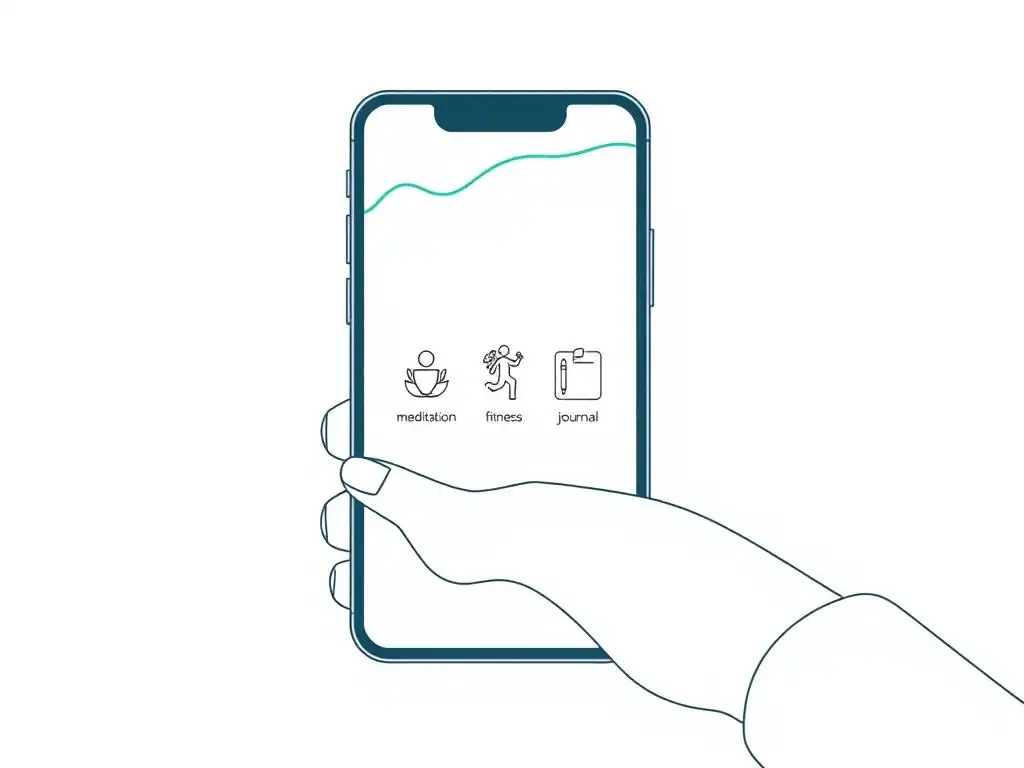
This section explores how to harness the power of your smartphone to actively improve your self-care routine. We'll move beyond simply downloading apps and delve into the built-in features that can significantly boost your well-being. Think of your phone not just as a communication device, but as a personal wellness assistant. By strategically using its features, you can create a more mindful and balanced life. This is about integrating self-care seamlessly into your daily rhythm, making it less of a chore and more of a natural part of your day. Let's explore some practical techniques.
Setting Reminders and Notifications for Self-Care Activities
Forgetting to prioritize self-care is a common pitfall. Our smartphones, however, offer a powerful solution: reminders and notifications. Instead of relying solely on memory, schedule alerts for activities that contribute to your well-being. This could include anything from a short meditation session (even 5 minutes can make a difference! ), to a quick stretching break, or a reminder to drink water throughout the day.
The key is to be specific and realistic. Instead of a vague "self-care" reminder, schedule specific tasks:
- 10:00 AM: "Drink a glass of water"
- 12:30 PM: "Take a 5-minute walking break"
- 6:00 PM: "Practice mindful breathing for 10 minutes"
Using descriptive reminders helps cement the action into your daily routine. Experiment with different notification sounds or vibrations to find what best grabs your attention without being jarring. Consider categorizing your self-care reminders within your phone's notification system for better organization. You can even use different notification tones to distinguish between various self-care activities. This personalized approach ensures that your phone actively supports your self-care journey. Regularly review and adjust your reminders as needed to maintain effectiveness. Consistent use of these reminders will lead to a significant improvement in your overall self-care adherence.
Leveraging Calendar Apps for Scheduling Self-Care Time
Scheduling self-care might seem counterintuitive—after all, it's supposed to be relaxing, not another task to check off a list! However, treating self-care appointments like any other important meeting ensures they actually happen. Think of it as blocking out time for your most important project: you.
Your calendar app becomes your self-care planner. Schedule in regular appointments for activities you enjoy and find restorative:
| Day | Time | Activity | Notes |
|---|---|---|---|
| Monday | 7:00 PM - 7:30 PM | Yoga Session | Use the "Yoga Studio" app |
| Tuesday | 12:00 PM - 12:15 PM | Meditation | Use the "Calm" app |
| Wednesday | 8:00 PM - 9:00 PM | Reading Time | New book: "The Power of Now" |
| Thursday | 6:30 PM - 7:30 PM | Warm Bath with Epsom Salts | Add essential lavender oil |
| Friday | 7:00 PM - 8:00 PM | Journaling and Reflection | Review the week, plan for the next one |
| Saturday | All Day | Hike in the Park | Pack a healthy lunch |
| Sunday | 9:00 AM - 10:00 AM | Breakfast with a Friend | Catch up and enjoy quality time |
By visually seeing these appointments, you’re less likely to let other commitments crowd them out. Use color-coding to make your self-care appointments stand out. Remember to set reminders for these appointments as well, utilizing the features described in the previous section.
Using Smartphone Cameras for Self-Care Practices
Your smartphone camera is more than just a tool for capturing memories; it’s a versatile instrument for enhancing your self-care routine. It offers unique opportunities for self-reflection and mindful practice.
Beyond the obvious use of taking photos of nature to improve your mood, consider these less common applications:
- Mindful Photography: Practice mindful photography by focusing intently on the details of your surroundings. Take your time, observe the textures, colors, and light. This can be a powerful way to cultivate presence and reduce stress. Focus on capturing the beauty in everyday objects.
- Tracking Progress: Use your camera to document your fitness journey, track your food intake, or monitor your mood. Visual records can be incredibly motivating.
- Creating a Visual Journal: Take photos of things that inspire you, make you happy, or remind you of your goals. This can serve as a visual journal of your self-care progress and a source of positive reinforcement.
The camera on your smartphone is a powerful tool for self-reflection and improving your overall well-being. Don't underestimate its potential in your self-care journey. By creatively employing its features, you can enhance your mindfulness practices and track your progress in a visually engaging way. Remember to use these tools in a way that supports and enhances your well-being, not adds extra stress to your life.
Creating Personalized Self-Care Playlists for Mood Enhancement
Music profoundly impacts our mood and emotional state. Crafting personalized playlists tailored to specific self-care activities can significantly enhance their effectiveness. Think beyond just relaxing music; consider the nuances of your emotional needs. Are you aiming for focused relaxation, energized calm, or a burst of joyful self-love? The music should reflect this.
For focused relaxation, explore ambient soundscapes, classical pieces with slow tempos, or nature sounds like rain or ocean waves. Apps like Spotify and Apple Music offer extensive curated playlists in these genres, but the true power lies in creating your own unique blend. Experiment with different instrumental pieces, paying attention to how they make you feel. Notice the subtle shifts in tempo and instrumentation; these details contribute significantly to the overall mood.
If you're aiming for energized calm – a state ideal for light exercise or meditation – choose upbeat but mellow music. Think acoustic guitar, soft jazz, or even some carefully selected pop songs with positive lyrics and a gentle rhythm. Avoid anything too jarring or intense. The goal is to uplift your spirits without causing overstimulation.
For a burst of joyful self-love, allow yourself to indulge in your favorite feel-good tunes. This is your space to celebrate yourself, so let loose and choose music that makes you want to dance, sing along, or simply smile. This could range from upbeat pop to soulful R&B, depending on your personal preferences. The key is to select songs that evoke positive emotions and memories.
Remember, the effectiveness of these playlists hinges on their personalization. Regularly review and refine your playlists, adding or removing songs as your needs and preferences evolve. Consider creating different playlists for different self-care activities or moods. This allows you to curate the perfect sonic environment for each moment of self-care, maximizing its impact and creating a truly personalized experience. This mindful approach to music selection elevates a simple act of listening to a powerful tool for emotional well-being. The "best selfcare smartphone apps" often include music features, but building your own curated playlists adds a uniquely personal touch.
Beyond Apps: Smart Self-Care Techniques on Your Phone
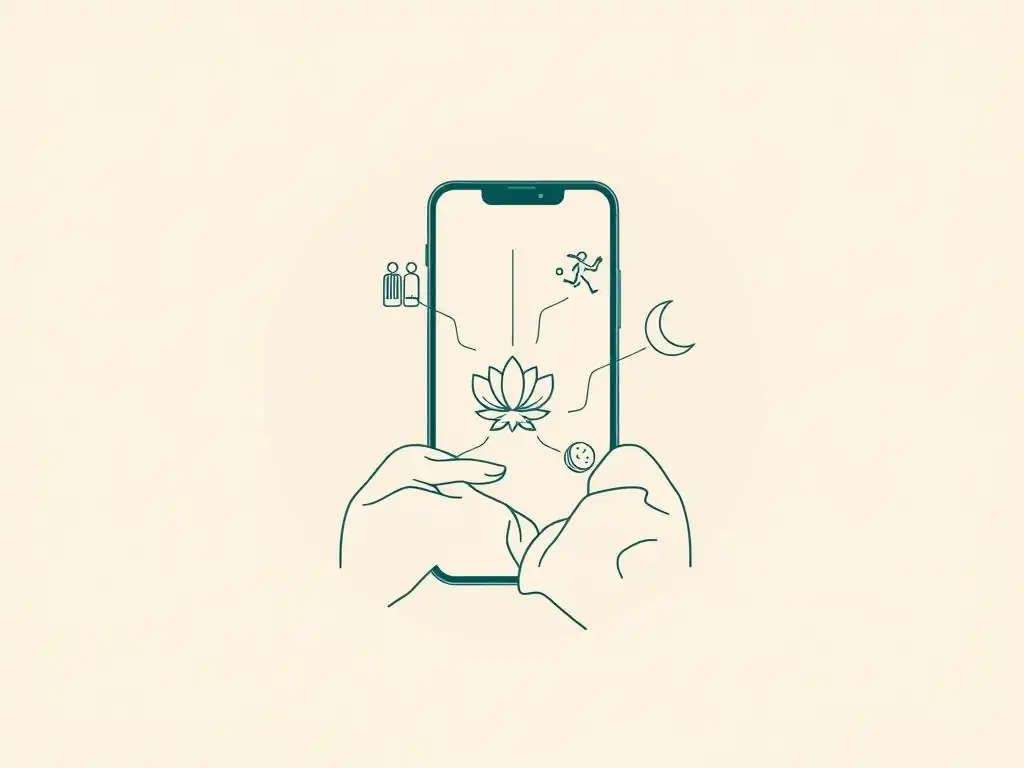
This section explores self-care strategies that go beyond downloading specific apps, leveraging your phone's inherent capabilities for a holistic approach to well-being. We'll delve into practical techniques easily integrated into your daily routine, maximizing your phone's potential for improved self-care. Remember, the best selfcare smartphone apps are only as effective as the user's commitment to consistent application. Let's explore how to use your existing technology more mindfully.
Utilizing Built-in Phone Features for Relaxation
Your smartphone is packed with features designed for entertainment, but many can be repurposed for relaxation. For instance, the built-in music player can be used to create calming playlists. Consider incorporating nature sounds, ambient music, or even binaural beats for a truly immersive experience. Many phones offer pre-loaded meditation apps or access to guided meditation audios easily accessible through streaming services.
Beyond audio, leverage your phone's camera to capture beautiful imagery. Instead of scrolling through social media, take a few minutes to photograph something that brings you joy – a blooming flower, a picturesque landscape, or even a beloved pet. This mindful observation can be incredibly grounding and calming. The act of focusing on visual details can help quiet the mental chatter and promotes a sense of presence.
Finally, consider using your phone's timer to schedule short breaks throughout your day. The Pomodoro Technique, for example, involves working in focused bursts (e.g., 25 minutes) followed by short breaks (e.g., 5 minutes). These breaks can be used for stretching, deep breathing exercises, or simply stepping away from your screen. Consistent use of this technique can significantly reduce stress and increase productivity. Remember that even small, consistent actions contribute significantly to overall well-being.
Utilizing Voice Assistants for Self-Care Tasks and Reminders
Voice assistants like Siri, Google Assistant, or Alexa can be powerful allies in your self-care journey. Instead of relying solely on memory, utilize these tools to set reminders for crucial self-care activities. Need to drink more water? Set recurring reminders throughout the day. Planning a meditation session? Let your voice assistant schedule it and even begin the session with a guided meditation.
Furthermore, voice assistants can help manage your daily tasks, freeing up mental space for more important things. You can delegate tasks like setting alarms, creating shopping lists, or even sending messages, reducing mental clutter and minimizing stress. This automation allows you to focus on the present moment and engage more fully in activities that nurture your well-being. By offloading these mundane tasks, you create space for activities that foster mental clarity and emotional balance. This is a key aspect of effective time management and stress reduction.
Consider using voice commands to listen to calming music or audiobooks. This hands-free approach allows you to relax without needing to physically interact with your phone. This is especially beneficial during moments of stress or when you need to unwind after a long day. The convenience and accessibility of voice assistants make them invaluable tools for integrating self-care into your daily routine without added effort.
Creating a Digital Detox Routine for Balanced Tech Use
While technology offers incredible benefits, excessive screen time can negatively impact mental health. Creating a digital detox routine is essential for maintaining a healthy relationship with your smartphone and fostering balanced tech use. This isn't about completely abandoning your phone, but rather consciously managing your usage to prevent burnout and promote overall well-being.
Start by identifying your peak screen time periods. Are you constantly checking your phone before bed? Do you spend hours scrolling through social media during your lunch break? Once you've identified these periods, experiment with reducing your screen time gradually. Perhaps start by limiting your social media usage to specific time slots or putting your phone away an hour before bed.
Consider using built-in features like screen time limits or app usage trackers to monitor your phone usage and identify areas for improvement. Many phones offer detailed reports showing how much time you spend on different apps, which can be a powerful tool for self-awareness. These reports can highlight areas where you might be spending excessive time, allowing you to adjust your habits accordingly. Remember, the goal is not to eliminate technology entirely, but to cultivate a healthy relationship with it.
Finally, establish dedicated "phone-free" periods throughout your day. This could be during meals, before bed, or even during specific activities like exercise or spending time with loved ones. These periods provide valuable opportunities to disconnect from the digital world and reconnect with yourself and your surroundings. This conscious disconnection can significantly improve your focus, reduce stress, and enhance your overall sense of well-being. The key is consistency and a mindful approach to technology integration.
Smartphone Photography for Mindful Moments and Self-Expression
Smartphone photography offers a powerful tool for cultivating self-care. It's not just about taking perfect pictures; it's about using the process to enhance mindfulness and self-expression. Many find that the act of consciously composing a photograph, focusing on details, and appreciating the beauty around them, fosters a sense of calm and presence. This mindful engagement with the world can significantly reduce stress and improve overall well-being.
Think beyond the typical selfie. Consider using your phone's camera to capture moments of gratitude. Perhaps it's a stunning sunset, a vibrant flower, or a heartwarming interaction with a loved one. These images become visual reminders of the positive aspects of your day, serving as a personal mood booster. They can be stored in a dedicated album, easily accessible for those moments when you need a quick lift. The simple act of revisiting these images can evoke positive emotions and enhance your sense of appreciation.
Furthermore, smartphone photography provides a fantastic avenue for self-expression. Experiment with different filters, editing tools, and composition techniques to create images that reflect your personality and current mood. This creative outlet can be incredibly therapeutic, offering a way to process emotions and externalize internal experiences. It doesn't require advanced photography skills; even simple edits can significantly impact the final image and your emotional connection to it.
Don't be afraid to experiment and play with different styles – the goal is to enjoy the process and allow yourself to express your unique perspective. Consider using apps designed for photo editing and enhancing to further personalize your self-expression. Many free and paid options cater to various skill levels and creative preferences.
For those interested in sharing their work, platforms like Instagram can provide a supportive community where you can connect with like-minded individuals and receive positive feedback. However, remember that the primary focus should remain on your personal journey of self-discovery and creative expression, not on external validation. The act of creating itself is the most significant aspect of this self-care practice. The creation of art through smartphone photography can be a profoundly empowering and self-affirming experience. Remember that the "best" self-care app is the one that works best for you.
Curating Your Digital Self-Care Ecosystem: App Selection and Usage
This section focuses on strategically choosing and utilizing self-care apps to maximize their benefits. Finding the best selfcare smartphone apps isn't about quantity, but quality and integration into your life. Overwhelmed by the sheer number of options? Let's break it down. The key is to build a personalized digital self-care ecosystem, tailored to your specific needs and preferences.
Choosing the Right Self-Care Apps for Your Needs and Preferences
Selecting the right apps hinges on identifying your self-care priorities. Are you aiming to improve sleep quality, manage stress, boost mindfulness, or track your fitness goals? Different apps excel in different areas. For example, some apps focus on guided meditation, offering calming soundscapes and exercises to reduce anxiety. Others specialize in sleep tracking, analyzing your sleep patterns and offering personalized recommendations. Still others provide tools for journaling, helping you process emotions and track your mood.
Consider these factors when making your selections:
- Functionality: Does the app offer the specific features you need? Look for features like personalized recommendations, progress tracking, and community features.
- User Interface: Is the app easy to navigate and use? A user-friendly interface enhances the overall experience and encourages consistent usage.
- Data Privacy: Understand how the app collects and uses your data. Choose reputable apps with transparent privacy policies.
- Reviews and Ratings: Check app store reviews to gauge the user experience and identify potential issues. Look for apps with consistently high ratings and positive feedback.
To illustrate, let's compare two hypothetical apps: "SereneSleep" and "MindfulMoments." "SereneSleep" might excel in sleep tracking and analysis, offering detailed reports and personalized sleep hygiene suggestions. "MindfulMoments," on the other hand, might focus on guided meditation and mindfulness exercises, providing a variety of sessions tailored to different needs and moods. The best selfcare smartphone apps for you will depend on which features align most closely with your individual requirements.
Avoiding App Overload and Maintaining a Balanced Digital Life
While technology offers amazing self-care tools, it's crucial to avoid app overload. Too many apps can lead to distraction and overwhelm, defeating the purpose of self-care. Instead of downloading every app that looks promising, focus on a smaller, curated selection of high-quality apps that address your key needs.
Here are some tips for maintaining a balanced digital life:
- Prioritize: Select 2-3 apps that address your most pressing self-care needs. Start with those and gradually add others only if you find them truly beneficial and have time to use them consistently.
- Schedule Usage: Dedicate specific times for using your self-care apps. This prevents them from consuming your entire day and helps you integrate them into your existing routine.
- Set Limits: Use built-in app timers or screen time management tools to limit your daily usage of these apps. This prevents excessive screen time and promotes a healthier balance.
- Regularly Evaluate: Periodically review your app usage and eliminate any apps that you rarely use or that are no longer serving their purpose. This keeps your digital ecosystem lean and efficient.
Remember, the goal is to use technology to enhance your self-care, not to become overly reliant on it. A balanced approach is key to reaping the benefits without succumbing to digital distractions. A mindful approach to app usage ensures that technology serves, rather than hinders, your self-care journey.
Integrating Self-Care Apps into Your Daily Routine for Maximum Impact
Integrating self-care apps into your daily routine is crucial for maximizing their effectiveness. Simply downloading an app isn't enough; consistent usage is key. Think of your chosen apps as tools in your self-care toolbox, ready to be employed when needed.
Here are some strategies for integrating your self-care apps into your daily routine:
- Morning Routine: Begin your day with a mindfulness session using a meditation app, or track your sleep data to monitor your rest quality.
- Midday Break: Use a breathing exercise app to alleviate stress and refocus your energy during a busy workday.
- Evening Wind-Down: Utilize a sleep-promoting app to prepare for a restful night's sleep. Journaling apps can also provide a healthy way to process the day's events.
- Habit Tracking: Use habit-tracking apps to monitor your progress and celebrate your achievements. This positive reinforcement encourages continued effort and strengthens your self-care habits.
By integrating self-care apps into your daily routine, you create a sustainable system that supports your well-being. Consistency is paramount; even short, regular sessions are more effective than sporadic, lengthy ones. Remember that building healthy habits takes time and effort. Be patient with yourself, and celebrate your progress along the way. The best selfcare smartphone apps are simply tools; their effectiveness depends on your commitment to using them consistently and purposefully.
Regularly Reviewing and Adjusting Your Self-Care App Strategy
Regularly reviewing and adjusting your self-care app strategy is crucial for maximizing its effectiveness and ensuring it continues to meet your evolving needs. Think of your self-care app ecosystem as a living, breathing entity; it requires consistent nurturing and adaptation. What worked wonders three months ago might feel cumbersome or irrelevant now. Life changes, priorities shift, and your self-care requirements evolve alongside them.
One effective method is to schedule a monthly review. During this review, consider several key factors. First, assess your app usage. Are you actively using all the apps you've installed? If an app consistently sits unused, it's time to uninstall it and free up valuable phone space. Unused apps clutter your digital space and also represent a missed opportunity for better self-care practices.
Second, evaluate the effectiveness of each app. Does it genuinely contribute to your well-being? Are you seeing tangible benefits, such as reduced stress, improved sleep quality, or increased mindfulness? If an app falls short of expectations, don't hesitate to replace it with a more suitable alternative. There are countless options available, so don't feel stuck with something that isn't working for you. Remember, the goal is to curate a selection of apps that actively support your self-care journey, not to collect them indiscriminately.
Third, consider integrating new apps. The app market is constantly evolving, with new and innovative self-care tools emerging regularly. Staying informed about the latest developments can provide you with opportunities to enhance your self-care routine. Explore app reviews, read articles about the best selfcare smartphone apps, and ask for recommendations from friends and colleagues. This proactive approach ensures you're always leveraging the best available tools to support your well-being.
Finally, remember that consistency is key. The most effective self-care strategy is not a one-time fix, but rather an ongoing commitment. Regularly reviewing and adjusting your app strategy demonstrates this commitment and ensures that your digital self-care ecosystem remains a valuable and supportive resource for your overall well-being. Treat this review as a form of self-care itself – a moment to reflect, refine, and optimize your approach to prioritizing your mental and emotional health. Think of it as a form of digital spring cleaning for your mind and body!
Frequently Asked Questions
What are the best self-care smartphone apps mentioned in the article?
The article doesn't list specific apps by name, but it highlights categories of helpful apps, such as meditation apps, journaling apps, and fitness trackers. It encourages readers to explore apps within these categories based on their individual needs.
How can smartphone apps improve my self-care routine?
Smartphone apps offer convenient access to self-care tools, such as guided meditations, fitness tracking, and mood journaling. This accessibility makes it easier to build consistent self-care habits.
Are there any free self-care apps available?
Yes, many free apps offer basic self-care functionalities. However, some apps may offer premium features for a subscription fee. Explore options and choose what fits your budget and needs.
How do I choose the right self-care app for me?
Consider your specific self-care goals. Do you need help with stress management, fitness tracking, or sleep improvement? Read app reviews and check user ratings before downloading.
Can smartphone apps replace professional help for mental health?
No, smartphone apps are supplementary tools, not replacements for professional help. If you're struggling with your mental health, it's crucial to seek guidance from a qualified therapist or counselor.
Final Reflection: Reclaiming Your Time, Reclaiming Yourself
The relentless pace of modern life demands we be more intentional than ever about our well-being, and our smartphones, often the source of stress, can become powerful tools for self-care. The apps and resources highlighted in this article represent a shift – a conscious effort to harness technology for positive change, turning potential distractions into pathways to peace and productivity. This isn't about escaping reality; it's about equipping ourselves to navigate it with greater mindfulness and self-compassion.
The journey towards better self-care is a deeply personal one, and the impact of these technological aids varies from person to person. However, the underlying theme remains consistent: the importance of prioritizing mental and emotional health. Self-care is not selfish. You cannot serve from an empty vessel.
This quote perfectly encapsulates the need to replenish our inner resources before we can effectively contribute to the world around us. The apps discussed here offer a starting point, a toolkit to help us build healthier habits and cultivate a more balanced relationship with technology itself.
Consider the ways in which you currently interact with your smartphone. Are you using it to enhance your well-being, or is it draining your energy? I invite you to explore the apps and resources mentioned in this article, experiment with different approaches, and discover what works best for you. Remember, self-care is not a one-size-fits-all solution; it's a continuous process of self-discovery and adaptation. Embrace the journey, and allow technology to be your ally in building a life filled with intention, purpose, and genuine well-being.
Unlock Your Self-Care Potential: Take Charge Now!
Thank you for exploring the world of smartphone self-care! We hope you discovered valuable apps and resources to help you prioritize your well-being. Ready to take the next step?
- Try one new self-care app or technique this week. Choose the one that most appeals to you from the article and integrate it into your routine. Small changes can make a big difference!
- Share your favorite self-care app or tip with a friend—spreading the word helps build a supportive community focused on well-being.
- This weekend, challenge yourself to a one-hour digital detox. Disconnect from your devices and rediscover the simple pleasures of offline activities.
What self-care practice are you most excited to try, and why? Let's discuss in the comments below!