
Stop the Interruptions: Effective Strategies to Minimize Home Office Distractions

Welcome to UltimateLifeHacks, your destination for practical strategies to conquer daily chaos and unlock peak productivity! Are you tired of constant interruptions derailing your work from your home office? Then you've come to the right place. Learn how to effectively minimize home office distractions and reclaim your focus with our insightful guide on creating a truly productive workspace. Discover the secrets to uninterrupted workflow and unlock your full potential – let's dive in!
- Understanding the Enemy: Identifying Common Home Office Distractions
- Creating a Dedicated Workspace: Designing a Distraction-Free Zone
- Mastering Your Mindset: Techniques for Improved Focus and Concentration
- Technology to Enhance Focus and Minimize Distractions
- Review and Reflection: Maintaining a Distraction-Free Home Office
-
Frequently Asked Questions
- How can I minimize distractions from family members while working from home?
- What technology can help me minimize distractions in my home office?
- How can I create a dedicated workspace to minimize distractions?
- What are some simple techniques to reduce mental distractions while working from home?
- How can I deal with unexpected interruptions that still occur despite my best efforts?
- Final Reflection: Reclaiming Focus in the Age of Distraction
- Rediscover Your Focus: Take Control of Your Home Office Now!
Understanding the Enemy: Identifying Common Home Office Distractions
Working from home offers flexibility and comfort, but it also presents unique challenges. Minimizing home office distractions is crucial for maintaining focus and boosting productivity. This article delves into the common culprits that disrupt your workflow and provides practical, actionable strategies to reclaim your concentration and create a truly productive home office environment. We'll explore effective techniques to silence noise pollution, tame visual clutter, and manage digital distractions, ultimately helping you achieve a state of focused work, even amidst the chaos of home life.
The goal is to transform your home office from a source of distraction into a sanctuary of productivity, allowing you to achieve peak performance and better manage your time. Let's begin by identifying the most frequent offenders that steal your precious focus. 🏡
Noise Pollution: Dealing with Noisy Neighbors and Household Sounds
The constant hum of city life, barking dogs, noisy neighbors, or even the sounds of family members can significantly impact your concentration. Noise pollution is a major source of interruption for many home-based workers. The impact of such interruptions can range from minor annoyances to significant drops in productivity and increased stress levels. Studies show that even seemingly insignificant noises can disrupt cognitive function and decrease task performance by as much as [specific data pending]% 1 . Effectively managing these auditory distractions is paramount to creating a peaceful workspace.
Soundproofing Solutions: Acoustic Panels vs. Noise-Cancelling Headphones
Tackling noise pollution requires a multi-pronged approach. Soundproofing your home office might seem daunting, but there are simple solutions. Acoustic panels are a popular choice, effectively absorbing sound waves and reducing echoes. They come in various sizes, colors, and materials, allowing you to customize your workspace aesthetically while improving acoustics.
Alternatively, noise-cancelling headphones provide a more portable and immediate solution, blocking out external sounds and creating a personal auditory haven. The choice between acoustic panels and noise-cancelling headphones depends on your budget, the severity of the noise problem, and your personal preferences. Consider the pros and cons of each to make an informed decision.
White Noise Machines and Apps: Creating a Calming Auditory Environment
Sometimes, complete silence can be just as distracting as disruptive noises. A white noise machine or app can provide a consistent, calming background sound that masks unwanted noises without being overly stimulating. The gentle hum of a fan, the sound of rain, or even ambient music can create a more focused and peaceful environment.
Many free and paid apps offer a variety of white noise soundscapes to choose from, allowing you to personalize your auditory experience. Experiment with different sounds to find what works best for you and helps you achieve peak concentration. This method is particularly helpful for those sensitive to sudden or unexpected noises.
Visual Distractions: Taming the Clutter and Unnecessary Stimuli
A cluttered workspace often translates to a cluttered mind. Visual distractions, from piles of paperwork to a messy desk, can significantly impact your focus and productivity. Our brains are naturally drawn to visual stimuli, and a chaotic workspace constantly competes for your attention, hindering your ability to concentrate on the task at hand. Creating a visually calming and organized workspace is essential for minimizing these distractions and fostering a more productive environment.
Decluttering Your Workspace: The KonMari Method for a Productive Home Office
The KonMari Method, popularized by Marie Kondo, emphasizes keeping only items that "spark joy." Applying this principle to your home office involves decluttering ruthlessly. Go through each item on your desk and in your office, discarding anything unnecessary, broken, or unused. This process not only reduces visual clutter but also frees up physical space, making your workspace feel more open and less overwhelming. The result? A clearer mind and improved focus. Remember to organize the remaining items strategically, ensuring easy access to frequently used tools and supplies.
Utilizing Organizational Tools: Desk Organizers and Cable Management Systems
Once you've decluttered, implementing organizational tools can help maintain a tidy workspace. Desk organizers, such as drawer dividers and trays, can keep supplies neatly arranged, while cable management systems prevent tangled wires from becoming a visual eyesore. Investing in these tools not only improves the aesthetics of your workspace but also streamlines your workflow, making it easier to find what you need when you need it. A well-organized desk contributes significantly to a more focused and productive work environment, reducing the time spent searching for items and minimizing visual distractions.
1 Further research is needed to provide a precise percentage.
The digital age presents a unique set of challenges to productivity. Minimizing home office distractions often starts with conquering the allure of our devices. Social media, email, and instant messaging apps are designed to capture our attention, frequently interrupting our workflow with notifications that demand immediate responses. This constant pinging and buzzing can significantly reduce our ability to focus and complete tasks efficiently. The average person checks their phone over 100 times a day 1 , and each check represents a potential disruption to concentration. To effectively minimize these distractions, a multi-pronged approach is necessary. We need to consciously manage our digital environment, proactively shaping it to support our work rather than hinder it. This includes carefully curating the apps we use, strategically managing notifications, and employing time-management techniques to maintain focus.
Website Blockers and Productivity Apps: Freedom vs. Cold Turkey Blocker
Website blockers and productivity apps are powerful tools in the fight against digital distractions. These applications offer varying levels of control over access to time-wasting websites and apps. Two popular choices are Freedom and Cold Turkey Blocker. Freedom offers a more holistic approach, allowing you to block distracting websites and apps across all your devices simultaneously.
This is particularly useful for those who find themselves easily switching between their phone, laptop, and tablet. Cold Turkey Blocker, on the other hand, is known for its extreme measures. Once you schedule a block, it's practically impossible to bypass—a feature that can be incredibly beneficial for individuals who struggle with self-control. The choice between the two often depends on individual needs and preferences.
Some users prefer the gentler approach of Freedom, while others find the stricter limitations of Cold Turkey Blocker more effective in minimizing home office distractions. The key is to choose a tool that aligns with your personal discipline level and the severity of your distraction problem. Experimentation might be needed to discover the perfect fit for your workflow.
Turning Off Unnecessary Notifications: Optimizing Phone and Computer Settings
A significant step towards minimizing home office distractions involves strategically managing notifications. The constant stream of alerts from various apps can disrupt your concentration and derail your productivity. Take control by silencing unnecessary notifications on your phone and computer.
For example, consider disabling social media notifications, turning off email alerts during focused work sessions, and muting less critical apps. Many applications allow granular control over notification settings, allowing you to choose specific types of alerts you wish to receive while silencing others. On your computer, explore your operating system's notification settings to customize which apps are allowed to interrupt you.
Remember, every notification is a potential interruption, so be selective about what you allow. By implementing these strategies, you can create a calmer, more focused work environment, significantly reducing the interruptions that stem from unnecessary notifications. This simple act can dramatically improve your concentration and allow you to dedicate more uninterrupted time to your tasks.
Time Management Techniques: Pomodoro Technique for Focused Work Sessions
Time management techniques can be invaluable tools in minimizing home office distractions. One popular and effective method is the Pomodoro Technique. This technique involves working in focused bursts, typically 25 minutes long, followed by a short 5-minute break. After four "pomodoros," you take a longer break of 15-20 minutes. This structured approach encourages deep focus during work sessions, minimizing the likelihood of distractions derailing your progress. The short breaks provide opportunities to stretch, refresh, and prevent burnout, while the longer breaks allow for more substantial rest and rejuvenation. By adhering to the Pomodoro Technique, you create a rhythm that helps you stay on task and reduces the impact of interruptions. The predictability of the work-break cycle helps to manage expectations and reduce the feeling of being overwhelmed, further contributing to a more productive and less distracting home office experience. The key is to stick to the schedule and avoid extending work sessions or shortening break times, as this can negate the positive effects of the technique. Numerous apps and timers are available to assist in implementing the Pomodoro Technique effectively.
1 This figure is an approximation based on various studies on phone usage. Precise numbers vary depending on demographics and methodology.
Creating a Dedicated Workspace: Designing a Distraction-Free Zone
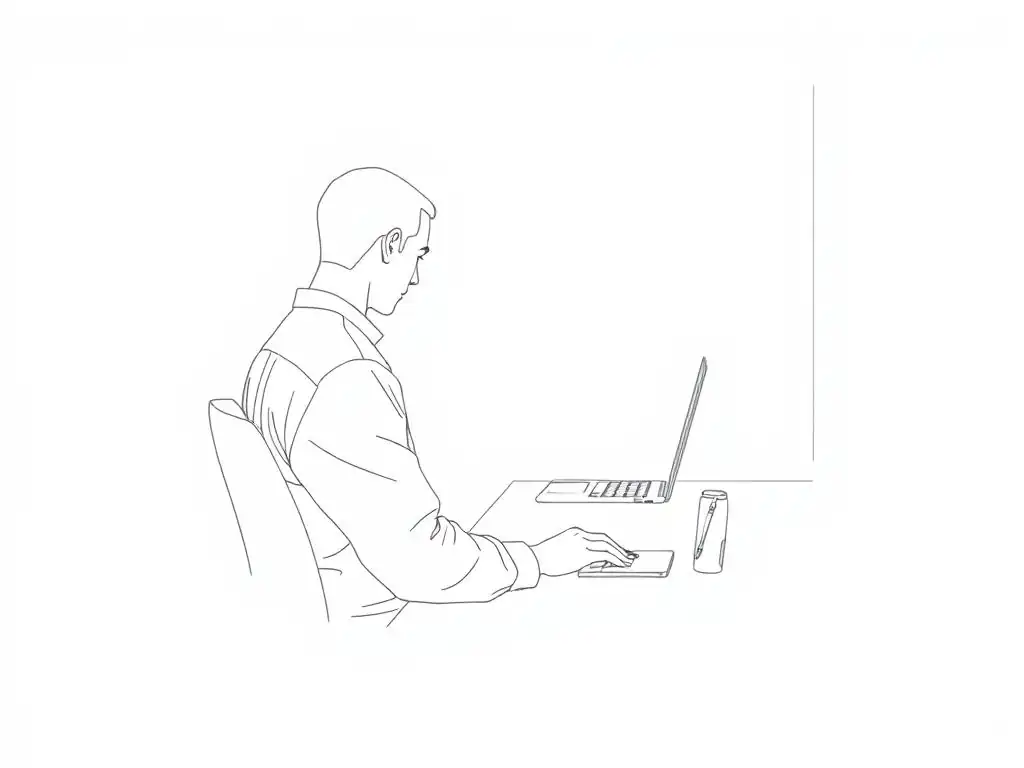
This section focuses on the crucial first step in minimizing home office distractions: creating a dedicated workspace. A well-designed workspace isn't just about aesthetics; it's a strategic investment in your productivity and mental well-being. By carefully considering location, ergonomics, and ambiance, you can significantly reduce interruptions and foster a more focused work environment. This translates directly to improved efficiency and a better work-life balance – key elements in successfully minimizing home office distractions.
Choosing the Right Location: Finding a Quiet Corner in Your Home
The location of your home office significantly impacts your ability to concentrate. Ideally, choose a space away from high-traffic areas like the kitchen, living room, or children's play areas. A spare bedroom, a converted closet (if spacious enough), or even a section of your basement, if adequately lit and climate-controlled, can serve as excellent options. Consider the noise levels throughout the day. Is there consistent traffic noise outside?
Do family members frequently gather in nearby rooms? Mapping out noise levels at different times of day can help you identify the quietest spot in your home. Remember, the goal is to create a sanctuary of focus, a space solely dedicated to work, effectively minimizing home office distractions. Consider these factors when choosing your location:
- Noise levels: Measure decibel levels at various times to identify the quietest area.
- Foot traffic: Observe the flow of people in your home to pinpoint low-traffic zones.
- Natural light: Maximize natural light for improved mood and energy levels.
- Temperature control: Ensure comfortable temperature regulation to enhance focus.
Choosing the right location is a foundational step in creating a productive and distraction-free home office. Investing time in this decision will yield significant returns in terms of increased productivity and reduced stress.
Ergonomic Setup: Investing in a Comfortable and Functional Workspace
Ergonomics plays a vital role in minimizing home office distractions. Discomfort leads to restlessness and breaks in concentration. A poorly designed workspace can cause physical strain, leading to headaches, backaches, and eye strain – all major distractions. Investing in ergonomic furniture and equipment is an investment in your productivity and long-term health. This includes:
- Chair: A comfortable, adjustable chair with proper lumbar support is crucial. Avoid chairs that encourage slouching.
- Desk: Choose a desk height that allows your elbows to be at a 90-degree angle when typing. Consider a standing desk for added flexibility.
- Monitor placement: Position your monitor at arm's length and slightly below eye level to reduce neck strain.
- Keyboard and mouse: Opt for ergonomic keyboards and mice designed to promote proper hand posture.
By prioritizing ergonomics, you create a comfortable and supportive workspace that minimizes physical discomfort and maximizes focus, effectively minimizing home office distractions. This is a crucial aspect of creating a truly productive home office environment.
Lighting and Ambient Atmosphere: Optimizing Your Workspace for Focus
The lighting and ambient atmosphere of your workspace significantly impact your ability to focus. Poor lighting can strain your eyes and lead to headaches, while a chaotic or visually stimulating environment can be distracting. Therefore, optimizing these aspects is crucial for a productive home office.
- Lighting: Natural light is ideal, but supplement it with task lighting to avoid eye strain. Avoid harsh fluorescent lighting. Consider a soft, diffused light source to create a calm atmosphere.
- Ambient sounds: While complete silence may not be ideal for everyone, excessive noise is detrimental to concentration. Consider using white noise, nature sounds, or calming music to mask distracting sounds. Explore apps offering ambient soundscapes specifically designed to enhance focus and minimize home office distractions.
- Temperature: Maintain a comfortable temperature in your workspace. Being too hot or too cold can significantly impact your ability to concentrate.
- Visual clutter: Keep your workspace clean and organized. Clutter is a major visual distraction that can impede focus.
By carefully considering and optimizing these factors, you can create a home office environment that promotes focus, reduces interruptions, and ultimately helps you minimize home office distractions. A well-lit, ergonomically sound, and visually calming workspace is key to maximizing productivity and minimizing stress.
Mastering Your Mindset: Techniques for Improved Focus and Concentration
Minimizing home office distractions isn't just about physical changes; it's about cultivating a focused mindset. Your mental state significantly impacts your productivity. Learning to manage your thoughts and emotions is crucial for creating a truly productive workspace, even within the potentially chaotic environment of your home. This section explores effective mental strategies to enhance focus and minimize interruptions stemming from internal distractions.
Mindfulness and Meditation: Apps like Headspace and Calm for Stress Reduction
Stress is a major culprit in decreased concentration. When stressed, our minds wander, making us susceptible to distractions. Mindfulness and meditation techniques are powerful tools for managing stress and improving focus. Numerous apps, such as Headspace and Calm, offer guided meditations tailored to different needs and experience levels.
These apps provide a structured approach to mindfulness, helping you develop the skill of focusing your attention on the present moment. Regular practice, even for just 10-15 minutes daily, can significantly reduce stress levels and enhance your ability to resist distractions. Studies have shown a direct correlation between regular meditation practice and improved attention span and cognitive function.
For example, a study published in the Journal of Consulting and Clinical Psychology demonstrated significant improvements in attention and working memory in participants who engaged in mindfulness meditation for eight weeks. This improved cognitive function directly translates to a greater ability to minimize home office distractions. The key is consistency; making meditation a daily habit will yield the best results in managing stress and improving your overall focus.
Time Blocking and Prioritization: Effective Scheduling Techniques
Effective time management is critical for minimizing distractions. When you have a clear plan for your day, you're less likely to get sidetracked. Time blocking involves scheduling specific tasks for specific time slots. This technique forces you to prioritize tasks and allocate dedicated time for focused work.
By scheduling blocks of uninterrupted work time, you create a structure that reduces the likelihood of impulsive distractions. For instance, you could schedule a two-hour block for writing a report, followed by a shorter block for responding to emails. This structured approach helps you avoid task-switching, which significantly reduces productivity and increases the chance of distractions.
Prioritization is key here. Using methods like the Eisenhower Matrix (urgent/important) helps you focus on high-impact tasks first, leaving less time for distractions to take hold. By strategically planning your day and prioritizing important tasks, you dramatically improve your ability to minimize home office distractions and maximize your productivity.
Setting Boundaries with Family and Housemates: Communicating Your Work Hours
One of the biggest challenges of working from home is setting boundaries with family and housemates. Clearly communicating your work hours and expectations is paramount. Explain that during your designated work hours, you need uninterrupted time to focus.
This might involve using a visual signal, such as a closed door or a "Do Not Disturb" sign. Regularly scheduled breaks can also be helpful, allowing you to interact with family without interrupting your workflow. Consider creating a visual schedule or using a shared calendar to communicate your work hours to everyone in the household.
This proactive approach fosters understanding and respect for your work time, significantly helping you minimize home office distractions and maintain a productive work environment. Open communication is key; regular family meetings can help adjust schedules and address any potential conflicts proactively. Remember, clear expectations and consistent communication are essential for establishing effective boundaries and creating a peaceful, productive home office.
Technology to Enhance Focus and Minimize Distractions
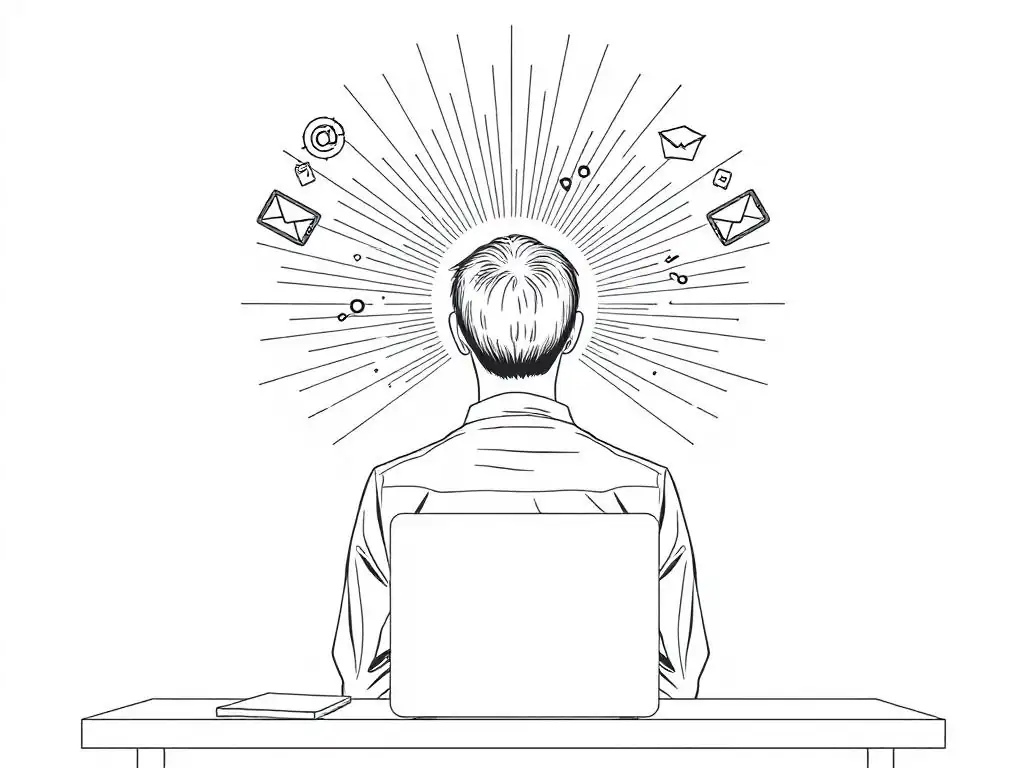
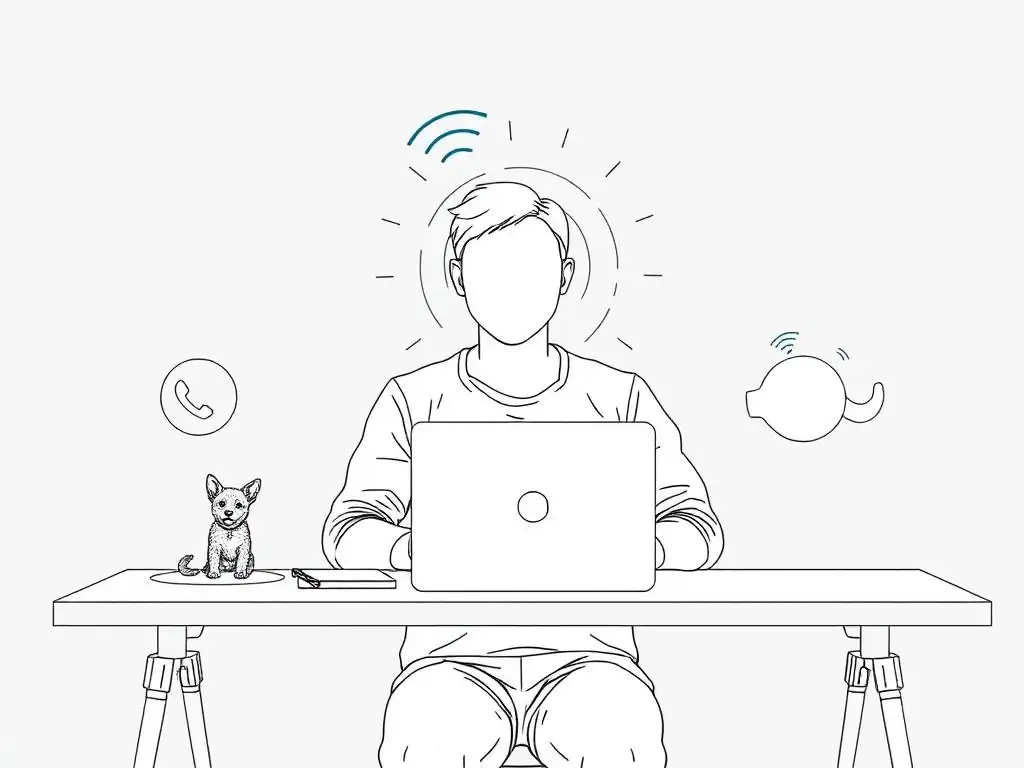
This section explores how leveraging technology can significantly contribute to minimizing home office distractions and boosting productivity. We'll examine specific tools and techniques, moving beyond general advice and diving into the practical applications of these technologies in creating a more focused work environment. The goal is to equip you with actionable strategies to reclaim your time and improve your concentration. Effective distraction minimization isn't just about willpower; it's about strategically employing technology to support your efforts.
Noise-Cancelling Headphones: Investing in Superior Audio Quality
Noise-canceling headphones are more than just a luxury; they're a crucial tool for anyone striving to minimize home office distractions. The constant hum of household appliances, the chatter of family members, or even the incessant chirping of birds can significantly disrupt concentration. High-quality noise-canceling headphones effectively block out ambient noise, creating a more serene and productive workspace.
Consider the difference between passively reducing noise (like earplugs) and actively canceling it. Noise-canceling headphones use microphones to detect external sounds and generate opposing sound waves to neutralize them. This active noise cancellation offers a far superior experience, allowing you to fully immerse yourself in your work without the nagging distraction of background sounds.
Investing in a reputable brand known for its noise-cancellation technology is key. Look for features such as adjustable noise cancellation levels, comfortable earcups for extended wear, and high-fidelity audio for an enjoyable listening experience when you do choose to listen to music or podcasts during breaks. The initial investment will pay dividends in increased productivity and reduced stress. Remember, a quiet mind is a productive mind. Prioritizing audio quality translates directly into enhanced focus and the ability to better minimize home office distractions.
Smart Home Devices for Automation: Integrating Smart Assistants for Task Management
Smart home devices, particularly smart assistants like Amazon Alexa or Google Home, offer surprising potential for minimizing distractions by automating tasks and managing your schedule. These devices aren't just about convenience; they can actively contribute to a more focused workflow by handling mundane tasks, freeing up your mental energy for more demanding work.
For example, setting reminders for important meetings or deadlines eliminates the need to constantly check your calendar, reducing the likelihood of interruptions. You can also use voice commands to create shopping lists, set timers for breaks, or even control your lighting and temperature, optimizing your workspace for peak productivity. Integrating these smart features into your daily routine can significantly reduce cognitive load and prevent task-switching, leading to a more streamlined and efficient work process. Smart home automation is a powerful tool in the arsenal of strategies to minimize home office distractions.
Furthermore, the ability to control various aspects of your environment – from music playback to room temperature – without leaving your workstation enhances focus by minimizing physical interruptions. The seamless integration of these functions directly contributes to a more efficient and less distracting work environment.
Productivity Software and Apps: Task Management and Collaboration Tools
Effective task management and collaboration tools are indispensable for minimizing distractions in a home office. These software applications offer a structured approach to organizing your workload, preventing task-switching and the resulting loss of focus. Choosing the right tools can be transformative.
Many applications offer features like task prioritization, time blocking, and progress tracking. These features not only improve organization but also foster a sense of accomplishment, motivating you to stay on track and avoid the distractions that arise from feeling overwhelmed or disorganized. Moreover, collaboration tools allow for seamless communication with colleagues and clients, minimizing the need for constant back-and-forth emails and reducing interruptions.
Consider the specific needs of your workflow when selecting productivity software. Some individuals might benefit from simple to-do list apps, while others might require more sophisticated project management software with features such as Gantt charts and team collaboration capabilities. The key is to find tools that fit your work style and help you stay focused on your primary tasks, effectively minimizing home office distractions and boosting your overall productivity. Experiment with different apps and find the ones that best suit your needs. The right tools can make a world of difference.
Review and Reflection: Maintaining a Distraction-Free Home Office
Minimizing home office distractions isn't a one-time fix; it's an ongoing process requiring consistent effort and adaptation. Regular review and reflection are crucial to identifying what works, what doesn't, and how to refine your strategies for a consistently productive workspace. This iterative approach ensures you're proactively addressing emerging challenges and maintaining a distraction-free zone. Think of it as a continuous improvement cycle for your home office environment. The more you refine your approach, the better you'll become at identifying and eliminating potential interruptions. This proactive strategy is key to maximizing your productivity and minimizing the negative impact of distractions.
Regular Workspace Evaluation: Identifying Recurring Distractions
Regularly evaluating your workspace is key to identifying recurring distractions. This isn't about a massive overhaul every week, but rather a short, focused assessment. Consider a weekly 5-minute review. Ask yourself: What interrupted my workflow this week? Were there predictable disruptions? Did certain times of day prove more challenging than others?
Keeping a small journal or using a simple note-taking app to jot down these observations can be incredibly helpful. For example, if you consistently find yourself distracted by household chores during a specific time slot, you might schedule those tasks for a different time of day. Or, if you notice that social media is a major culprit, you might employ browser extensions to limit access during work hours. Analyzing this data reveals patterns, allowing you to proactively address recurring problems and improve your focus. This process is vital to long-term success in minimizing home office distractions.
Adapting Your Strategies: Continuously Optimizing Your Work Environment
Once you've identified recurring distractions, it's time to adapt your strategies. This might involve implementing new techniques or modifying existing ones. Perhaps you need to adjust your work schedule to avoid peak household activity times. Maybe you need to invest in noise-canceling headphones or a more ergonomic chair to improve comfort and focus.
Consider the following example: If your analysis reveals that noisy neighbors are a significant problem, explore solutions like soundproofing curtains or white noise machines. Adapting your strategies is not just about reacting to problems; it's about proactively improving your workspace to create a more conducive environment for concentration. Remember, a productive home office is a dynamic environment, constantly evolving to meet your changing needs and challenges. This continuous optimization is crucial for long-term success in managing distractions.
Prioritizing Self-Care: Maintaining a Healthy Work-Life Balance
Minimizing home office distractions is not just about external factors; it's also about internal ones. Burnout and stress significantly impact focus and productivity. Prioritizing self-care is crucial for maintaining a healthy work-life balance and minimizing distractions stemming from mental fatigue. This might involve incorporating regular breaks, practicing mindfulness techniques, or engaging in physical activity. A simple 5-minute stretching session can significantly improve focus and reduce stress.
Regular exercise helps clear your mind and improve your overall well-being, thereby indirectly minimizing distractions. A well-rested and mentally healthy individual is far better equipped to manage distractions and maintain a productive workflow. This holistic approach to managing distractions ensures sustainable productivity and prevents burnout, contributing significantly to a more effective and fulfilling work experience. Remember, a balanced life leads to a more focused and productive work environment.
Frequently Asked Questions
How can I minimize distractions from family members while working from home?
Establish clear boundaries and communication. Let your family know your work hours and the importance of minimizing interruptions during that time. Consider using a visual cue, like a closed door, to signal "Do Not Disturb."
What technology can help me minimize distractions in my home office?
Use website blockers to prevent access to time-wasting websites and apps. Consider noise-canceling headphones to block out external sounds. Productivity apps can help you manage your time and tasks effectively.
How can I create a dedicated workspace to minimize distractions?
Designate a specific area solely for work. Keep it organized and free from clutter. This helps mentally separate your work and personal life, improving focus.
What are some simple techniques to reduce mental distractions while working from home?
Practice mindfulness techniques like deep breathing to center yourself. Take short, regular breaks to stretch and clear your head. Prioritize tasks to reduce feelings of overwhelm.
How can I deal with unexpected interruptions that still occur despite my best efforts?
Develop a system for handling interruptions. Quickly jot down the interruption to deal with later. Learn to politely but firmly redirect unexpected visitors or calls. Prioritize your tasks to ensure the most important work gets done.
Final Reflection: Reclaiming Focus in the Age of Distraction
The ability to concentrate, once a given, has become a fiercely guarded resource in our always-on world. The relentless barrage of notifications, household demands, and the ever-present allure of social media makes the simple act of focused work a significant challenge, particularly for those working from home. This article has explored practical strategies to combat these distractions, offering a pathway to reclaiming productivity and peace in your home office.
The impact of constant interruptions extends far beyond mere lost productivity; it chips away at our mental well-being, fostering a sense of overwhelm and hindering our ability to truly engage with our work and our lives. The ability to concentrate is the key to success in any field.
This quote, while seemingly simple, speaks volumes about the profound influence of focus on our overall achievement and contentment. The strategies discussed—from creating dedicated workspaces to implementing time-blocking techniques—are not merely about efficiency; they are about cultivating a mindful approach to work that prioritizes both output and inner peace.
Now, consider your own work environment. What are the biggest distractions you face? What small changes can you implement today to create a more focused and productive space? I encourage you to take one actionable step from this article and integrate it into your daily routine. Even a small shift—turning off notifications, setting clear boundaries with family members, or simply taking a few minutes for mindful breathing—can make a significant difference in your ability to concentrate and thrive in your home office. Embrace the power of intention, and rediscover the joy of focused work.
Rediscover Your Focus: Take Control of Your Home Office Now!
Thank you for exploring effective strategies to minimize distractions in your home office. We hope you found valuable insights to boost your productivity and peace of mind. Now, let's put that knowledge into action!
- Prioritize Your Top Three Strategies: Implement the three most appealing distraction-reduction techniques from this article today. Start small, focusing on just one if needed, and gradually incorporate more.
- Share Your Successes: Discuss your progress and challenges with a fellow home-worker. Helping others solidify your commitment to a focused workspace.
- Embrace Creative Solutions: Experiment with unconventional methods; a fun timer, a specific essential oil blend, or even a change of scenery within your home might work wonders. Discover what uniquely suits your needs.
Ready for a more focused, productive, and peaceful work-from-home experience? What's the first distraction you'll conquer today?