
Declutter Your Closet: Organize Your Wardrobe With These Simple Steps

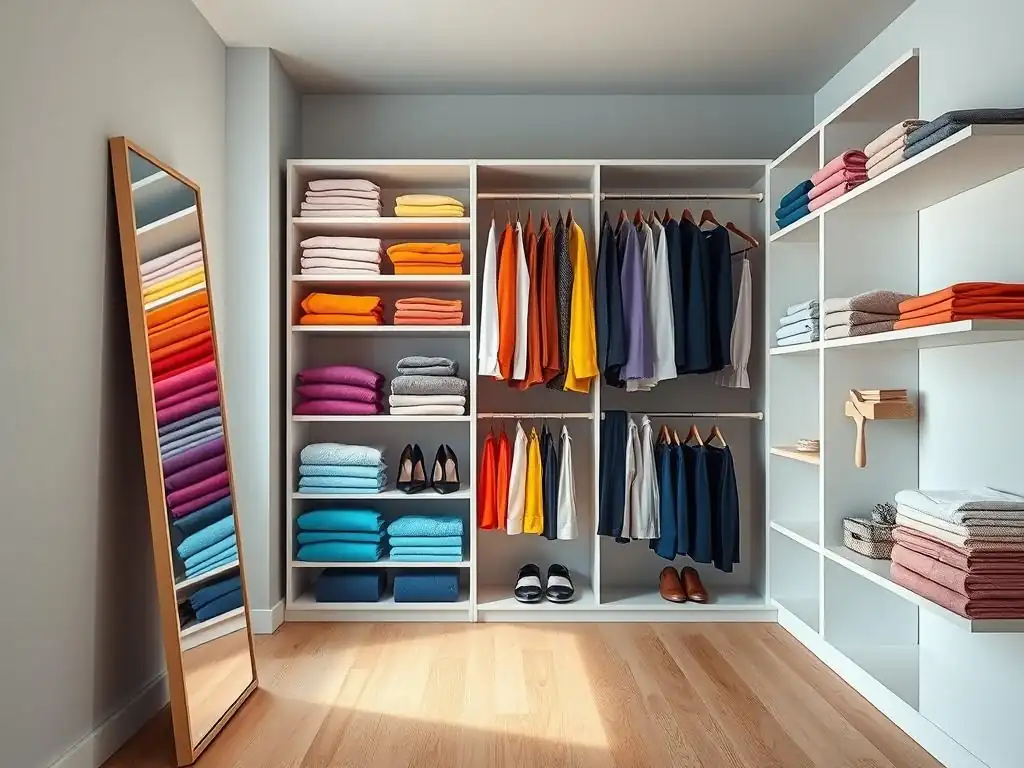
Ready to reclaim your space and conquer closet chaos? At UltimateLifeHacks, we're dedicated to simplifying your life with practical solutions. This isn't just about tidying up; it's about optimizing your daily routine. Our comprehensive guide on how to Organize your closet in simple steps will transform your wardrobe from a cluttered mess into a streamlined sanctuary of style and efficiency. Discover the secrets to a more organized life – read on to unlock the power of a perfectly organized closet!
-
Organize Closet Simple Steps Guide: A Step-by-Step Approach
- Step 1: The Initial Purge - Removing Unwanted Items
- Step 2: Categorizing Your Clothing - Shirts, Pants, Dresses, etc.
- Step 3: Efficient Closet Organization Methods - Folding vs. Hanging
- Step 4: Utilizing Vertical Space - Shelves, Drawers, and Hanging Organizers
- Step 5: Optimize Your Closet Space with Smart Storage Solutions
- Maximize Closet Space: Simple Organization Hacks for Small Closets
- Maintaining a Clutter-Free Closet: Long-Term Organization Strategies
- Declutter Your Closet and Boost Your Productivity
- Frequently Asked Questions
- Final Reflection: The Transformative Power of a Tidy Closet
- Unlock Your Stylish Potential: Take Control of Your Closet Now!
Organize Closet Simple Steps Guide: A Step-by-Step Approach
A cluttered closet is more than just an eyesore; it's a daily drain on your time and energy. Finding what you need becomes a frustrating scavenger hunt, adding unnecessary stress to your mornings and hindering your overall productivity. This comprehensive guide provides a simple, step-by-step approach to decluttering and organizing your wardrobe, transforming your closet from a chaotic mess into a well-organized sanctuary. We'll tackle the process methodically, from the initial purge to implementing efficient storage solutions, empowering you to reclaim your space and your time.
This guide will help you master the art of closet organization, significantly improving your daily routine and overall well-being. By following these simple steps, you'll learn how to effectively organize your closet and maintain a clutter-free space, saving you valuable time and mental energy. Let's dive in and conquer that closet chaos! 🎉
Step 1: The Initial Purge - Removing Unwanted Items
The first, and arguably most crucial, step is a thorough purge. This isn't about tidying; it's about ruthlessly removing anything you don't wear, don't love, or that no longer fits. To make this process efficient and less emotionally taxing, consider these strategies:
- The One-Year Rule: If you haven't worn an item in the past year (excluding seasonal clothing), it's likely time to let it go.
- The "Does it Spark Joy?" Method: Consider each item individually. Does it bring you joy? If not, thank it for its service and move on.
- The "Would I Buy This Again?" Test: If you wouldn't buy the item again today, it probably doesn't deserve a place in your organized closet.
- Try it on: Don't just glance at an item. Try it on! This helps you assess the fit and whether it truly works for you.
Remember to be honest with yourself! Holding onto items "just in case" often leads to more clutter and frustration. Once you've made your selections, separate your unwanted items into three piles: donate, sell, and discard. This will streamline the process and help you feel a sense of accomplishment as you clear out the unnecessary. Don't forget to reward yourself for your efforts! 🛍️
Step 2: Categorizing Your Clothing - Shirts, Pants, Dresses, etc.
Once you've purged your closet, it's time to categorize your remaining items. This will significantly improve your ability to locate specific items and maintain order. Consider these categories:
- Tops: T-shirts, blouses, sweaters, tank tops, etc.
- Bottoms: Jeans, pants, skirts, shorts, leggings, etc.
- Dresses: Casual dresses, cocktail dresses, formal dresses, etc.
- Outerwear: Coats, jackets, blazers, etc.
- Accessories: Belts, scarves, jewelry, hats, etc.
You can further sub-categorize within these groups based on color, sleeve length, material, or any other criteria that makes sense for your wardrobe. This detailed categorization will make selecting outfits a breeze and prevent future clutter build-up. Consider using clear storage containers or labeled shelves to keep everything organized and easily accessible. A well-categorized closet is a happy closet! 😊
Step 3: Efficient Closet Organization Methods - Folding vs. Hanging
The final step involves choosing the most efficient organization method for your clothing. The debate of folding versus hanging often arises, and the best approach depends on your personal preferences and the type of clothing involved.
| Clothing Item | Recommended Method | Rationale |
|---|---|---|
| Delicate fabrics | Hanging | Prevents wrinkles and maintains the shape of the garment. |
| Knitwear | Folding | Hanging can stretch knit fabrics out of shape. |
| Jeans | Folding | Folding saves space and prevents creasing. |
| Shirts (button-down) | Hanging | Keeps them wrinkle-free and easier to select. |
| T-shirts | Folding | Space-saving and easy to stack. |
Consider using space-saving techniques like shelf dividers or vertical hanging organizers to maximize your closet's capacity. Experiment with different methods to find what works best for your wardrobe and your personal style. A well-organized closet isn't just about aesthetics; it's about creating a functional and efficient system that supports your daily life. Remember, maintaining an organized closet is an ongoing process, but with these simple steps, you'll be well on your way to a clutter-free and stress-free wardrobe! ✨
Step 4: Utilizing Vertical Space - Shelves, Drawers, and Hanging Organizers
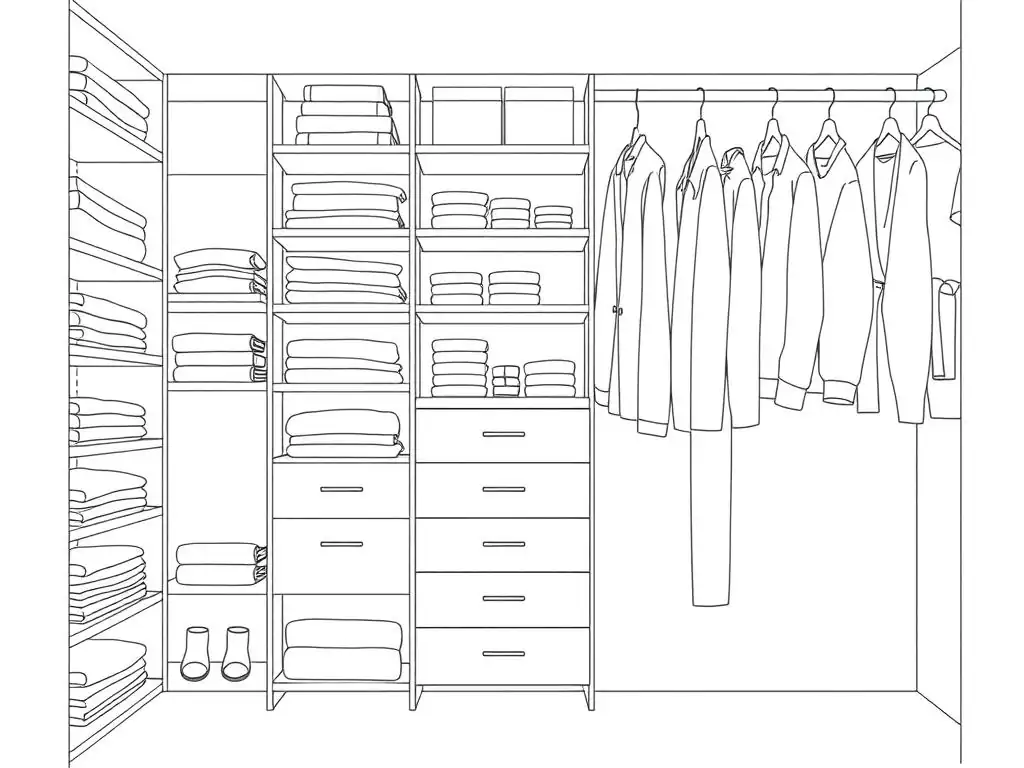
Maximizing vertical space is crucial for an organized closet. Think upwards! Don't just rely on the floor and the hanging rod. Strategic use of shelves, drawers, and hanging organizers can dramatically increase your storage capacity and keep items neatly tucked away.
Shelves are incredibly versatile. Consider adding adjustable shelves to customize the space based on your needs. Taller shelves are perfect for stacking folded sweaters, while shorter shelves can accommodate shoes, handbags, or folded pants. For example, if you have a lot of bulky winter sweaters, dedicate a higher shelf specifically to them, freeing up lower space for frequently used items. Remember to label shelves to quickly locate items. Clear bins or boxes on shelves also help maintain a clean and organized look.
Drawers, particularly deep ones, are ideal for storing smaller items like socks, underwear, and accessories. Using drawer dividers can further optimize space, preventing items from becoming jumbled. Think about using shallow drawers for folded t-shirts and deeper drawers for bulky items like jeans or sweaters. Consider drawer inserts with compartments for smaller items like jewelry or scarves. This prevents tangling and makes finding specific items much easier. Investing in high-quality drawers with smooth glides can make the process of accessing items smoother and more efficient.
Hanging organizers are a game-changer for maximizing vertical space. These are especially useful for shoes, handbags, or even accessories. Over-the-door hanging organizers can store shoes, while shelf-style hanging organizers can accommodate folded items or smaller accessories. Consider utilizing multiple hanging organizers to create different zones within your closet. For instance, one for seasonal items and another for everyday use. This segmentation helps streamline your daily routine and enhances organization.
Step 5: Optimize Your Closet Space with Smart Storage Solutions
Smart storage solutions go beyond the basics of shelves and drawers. They involve creative and efficient ways to utilize every inch of your closet. This step focuses on innovative techniques to maximize storage and minimize clutter.
Vacuum-sealed bags are perfect for storing out-of-season clothing. They reduce bulk significantly, freeing up considerable space in your closet. This is particularly helpful for storing bulky items like winter coats or blankets during the summer months. Properly labeling these bags is essential for easy identification.
Folding techniques can drastically impact the amount of space your clothes occupy. The KonMari method, for instance, focuses on folding clothes vertically, making it easy to see everything at a glance. This method also helps prevent wrinkles and keeps clothes neatly stacked. Experiment with different folding techniques to find what works best for your clothing types and closet configuration.
Utilize space-saving hangers. Slimline hangers take up significantly less space than traditional wooden hangers, allowing you to fit more clothes on the rod. Velvet hangers are also a popular choice because they help prevent clothes from slipping off and maintain their shape. Consider replacing your bulky hangers with space-saving options to instantly increase storage capacity. This seemingly small change can make a big difference in the overall organization and efficiency of your closet.
Finally, don't forget the often-overlooked areas! The back of your closet door is a prime location for additional storage. Over-the-door organizers can accommodate shoes, accessories, or cleaning supplies, keeping frequently used items within easy reach. The top shelf of your closet, often underutilized, can also be a great place to store items you don't use often. Remember to label everything clearly to maintain organization and easily locate items when needed. By implementing these smart storage solutions, you can transform your closet from a cluttered mess into a well-organized and efficient space.
Maximize Closet Space: Simple Organization Hacks for Small Closets
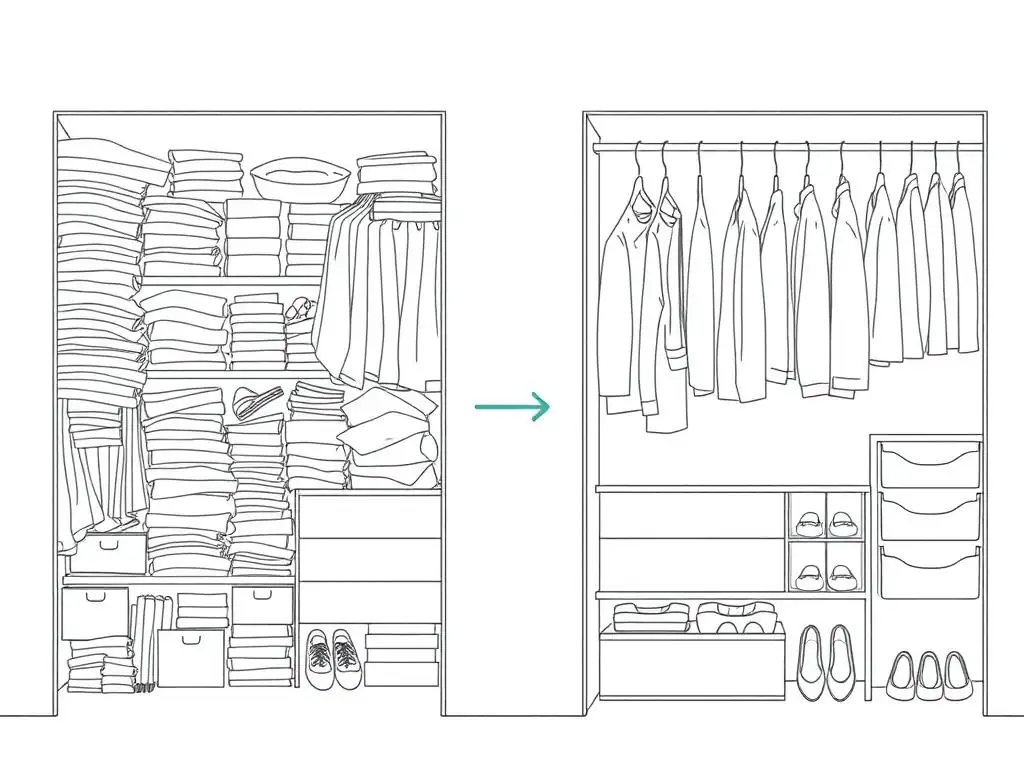
Small closets? No problem! With a little creativity and these simple organization hacks, you can transform even the tiniest closet into a functional and stylish space. This section focuses on maximizing space, a crucial aspect of the "Organize closet simple steps guide." We'll explore practical solutions that require minimal effort and expense, making closet organization achievable for everyone. The key is to think vertically and utilize every inch of available space effectively. Let's dive in!
Utilizing Space-Saving Hangers - Slimline and cascading hangers
One of the most effective ways to maximize space in a small closet is by switching to space-saving hangers. Traditional wooden or bulky plastic hangers take up a significant amount of space. Replacing them with slimline velvet hangers, for example, can instantly double your hanging capacity. These hangers are typically much thinner than standard hangers, allowing you to fit more garments in the same space. The velvety material also helps prevent clothes from slipping, keeping your closet neat and organized.
Another excellent option is cascading hangers. These ingenious hangers allow you to hang multiple items from a single hanger, effectively creating vertical space. Ideal for t-shirts, tank tops, or folded items like jeans, cascading hangers are a fantastic way to increase storage without sacrificing accessibility. Consider using a combination of slimline and cascading hangers to optimize your closet's capacity and achieve a streamlined look. The difference in space saved is truly remarkable; you'll be amazed at how much more you can fit!
Creative Storage Solutions for Shoes and Accessories
Shoes and accessories often contribute to closet clutter. However, with a few creative storage solutions, you can keep them organized and easily accessible. Instead of piling shoes on the floor, consider using vertical shoe organizers. These can be over-the-door organizers, wall-mounted racks, or even repurposed shelves. Clear shoe boxes are also a great option for keeping shoes dust-free and visible. Labeling the boxes helps with quick identification.
For accessories, think about utilizing drawer dividers or small containers. These help keep jewelry, scarves, belts, and other small items separated and tangle-free. You can repurpose items you already own, like spice racks or small baskets, to create custom storage solutions for accessories. This "upcycling" approach not only saves money but also adds a personal touch to your closet organization. Remember, even small, thoughtful changes can make a big difference in the overall organization and visual appeal of your closet.
DIY Closet Organization Ideas on a Budget
You don't need to spend a fortune to organize your closet effectively. Many DIY solutions are both cost-effective and surprisingly effective. For instance, repurposing empty jars or cans to store smaller items like buttons, hair accessories, or even small jewelry pieces can be a stylish and practical solution. This adds a touch of personalization and keeps those small items from getting lost in the shuffle.
Another affordable DIY solution is using shelf dividers. These can be easily made from cardboard or repurposed materials. They help prevent stacks of folded clothes from toppling over, keeping everything neat and accessible. Furthermore, you can use fabric bins or baskets to group similar items together, creating visually appealing and functional zones within your closet.
These inexpensive storage solutions contribute significantly to a more organized and visually appealing closet. Remember, the goal is to find solutions that fit your budget and style while effectively improving the organization of your closet. A well-organized closet is a testament to efficient space management and contributes to a more peaceful and productive daily routine.
Maintaining a Clutter-Free Closet: Long-Term Organization Strategies
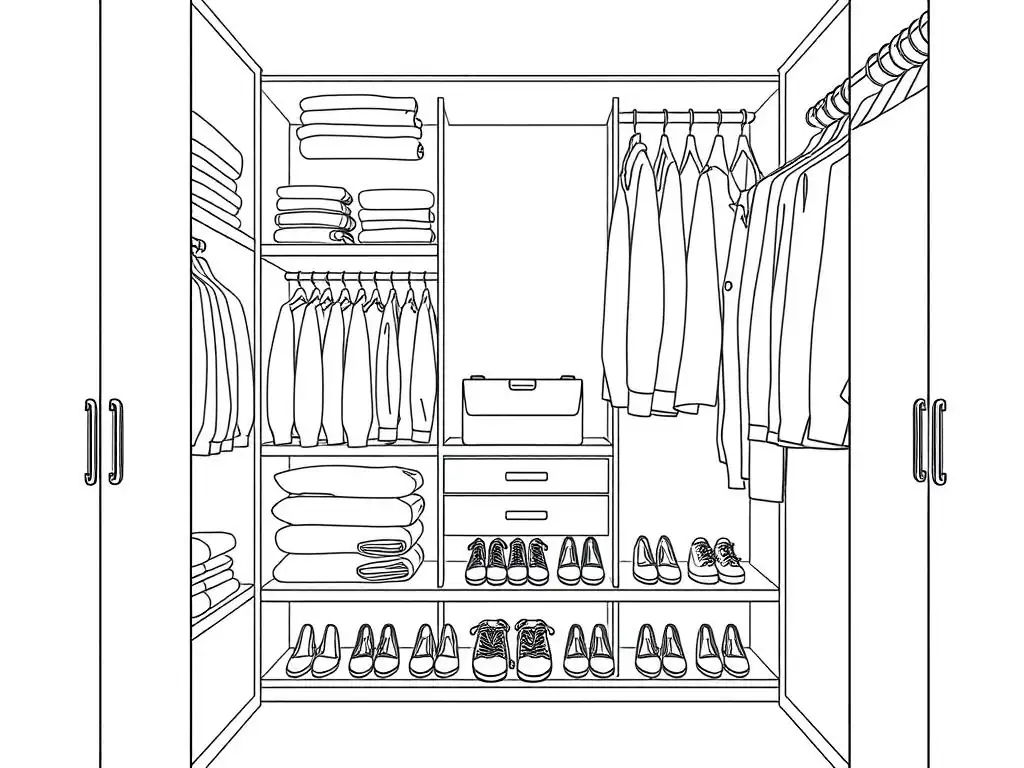
Once you've decluttered and organized your closet, the real challenge begins: maintaining that pristine state. This requires a proactive approach, moving beyond a one-time cleaning spree to a sustainable system of organization. Ignoring this crucial step often leads to a slow but inevitable return to closet chaos. Think of it as a marathon, not a sprint!
This section will outline key strategies for long-term closet organization, ensuring your hard work doesn't go to waste. We'll explore regular purging, efficient putting-away systems, and the importance of scheduling dedicated cleaning time. This guide will help you master the art of maintaining an organized closet, saving you time and stress in the long run. This is key to successfully implementing an "Organize closet simple steps guide" strategy.
Regular Closet Purges - A Seasonal Approach
Instead of tackling a massive closet clean-out once a year, consider smaller, more manageable seasonal purges. This approach prevents overwhelming piles of clothes from accumulating. A great strategy is to do a mini-purge at the start of each season (spring, summer, fall, winter). As you transition your wardrobe, take the opportunity to assess each item.
Ask yourself: Have I worn this in the past six months? Does it still fit and flatter me? Is it in good condition? If the answer is no to any of these questions, it’s time to donate, sell, or discard the item.
This method allows for a more gradual and less stressful decluttering process. For example, at the start of spring, you would remove heavy winter coats and sweaters, evaluating their condition and deciding whether to keep them for next winter or let them go. This systematic approach significantly reduces the time and effort required for larger, infrequent clean-outs. Remember, a little and often is far more effective than a lot all at once.
Developing a System for Putting Clothes Away
A well-defined system for putting clothes away is crucial for maintaining a clutter-free closet. This goes beyond simply tossing items onto shelves or hanging them haphazardly. Consider these strategies:
- Designated Zones: Divide your closet into sections for different clothing types (shirts, pants, dresses, etc.). This creates visual order and makes it easier to find specific items.
- Uniform Hanging: Use consistent hangers (ideally slimline velvet hangers to maximize space) and hang clothes facing the same direction. This creates a sleek, uniform look and makes it easier to see everything at a glance.
- Folding Techniques: Learn efficient folding techniques like the KonMari method to maximize space and keep folded items neat and organized. This reduces wrinkles and makes it easier to locate items within stacks.
- Vertical Organization: Utilize vertical space by stacking folded items neatly or using shelf dividers. This allows you to see all items easily and prevents piles from toppling over.
- Seasonal Storage: Store out-of-season clothing in vacuum-sealed bags or clearly labeled storage containers to free up valuable closet space.
Implementing a consistent putting-away routine—immediately after wearing an item—is key. This prevents clothes from piling up on chairs or the floor, leading to future clutter. Think of it as a small act of daily organization that yields significant long-term results. The key is to find a system that works for you and stick to it consistently.
The Importance of a Dedicated Closet Cleaning Schedule
Just as you schedule regular appointments for other aspects of your life, scheduling regular closet cleaning time is essential for long-term organization. This doesn't have to be a major undertaking. A short, 15-minute session once a week can make a significant difference. During this time, you can quickly address minor issues like straightening items, putting away stray clothes, and removing any dust or debris. This proactive approach prevents small problems from escalating into larger, more time-consuming clean-ups.
Consider adding this task to your weekly to-do list or setting a recurring reminder on your phone. Think of it as preventative maintenance for your closet, ensuring it stays organized and functional year-round. Consistent, scheduled cleaning is an often overlooked yet vital element in any effective "Organize closet simple steps guide." 🗓️ Proactive maintenance prevents overwhelming clutter and saves you considerable time and effort in the long run.
Declutter Your Closet and Boost Your Productivity
This section explores the surprising connection between a well-organized closet and increased productivity. Many underestimate the impact of a cluttered environment on their mental and emotional well-being, and consequently, their ability to function efficiently. By decluttering your closet, you're not just tidying up a space; you're actively improving your overall productivity and reducing unnecessary stress.
This guide provides simple steps to achieve a more organized and functional wardrobe, leading to a more productive you. We'll delve into the science behind this connection and offer practical strategies to implement immediately. Let's get started on your journey to a more organized and productive life!
The Link Between a Cluttered Closet and Stress Levels
A cluttered closet is more than just an eyesore; it's a significant contributor to stress. Studies have shown a direct correlation between a disorganized home environment and increased cortisol levels – the hormone associated with stress. 1 When your closet is overflowing with clothes you never wear, items you can't find, and general disarray, your brain is constantly bombarded with visual clutter. This constant visual input, even subconsciously, contributes to feelings of overwhelm and anxiety. Imagine trying to find that specific shirt for an important meeting amidst a pile of wrinkled clothes and forgotten accessories. The frustration and time wasted contribute to your overall stress levels throughout the day. This isn't just anecdotal; research supports the idea that a tidy environment promotes mental clarity and reduces stress. In contrast, visual clutter can lead to increased levels of stress hormones, impacting your focus and productivity. The simple act of organizing your closet can be a significant step towards reducing this unnecessary stress.
A place for everything, and everything in its place.
- Benjamin Franklin. This simple proverb highlights the importance of organization for peace of mind.
How a Well-Organized Closet Improves Your Mornings
A well-organized closet dramatically improves your mornings. Think about it: how much time do you currently spend searching for clothes each morning? Ten minutes? Fifteen? That adds up to significant time wasted over the course of a week, a month, or a year. With a streamlined, organized closet, this time is drastically reduced. You'll easily locate the outfit you want to wear, saving valuable time and reducing morning stress. This extra time can be used for more productive activities, such as exercise, a leisurely breakfast, or simply enjoying a calmer start to your day. This seemingly small change can have a ripple effect throughout your entire day, setting a positive and efficient tone for the hours ahead. The key is to establish a system that works for you – whether that's by color, by season, or by clothing type. This way, you'll instantly know where to find what you need.
Consider this:
| Time Saved Daily | Time Saved Weekly | Time Saved Yearly |
|---|---|---|
| 5 minutes | 35 minutes | 1820 minutes (approx. 30 hours) |
This table demonstrates the significant time savings achievable with a well-organized closet. Imagine all the things you could accomplish with an extra 30 hours a year!
The Psychological Benefits of a Tidy Wardrobe
Beyond the practical benefits, organizing your wardrobe offers significant psychological advantages. A tidy closet promotes a sense of control and accomplishment. The act of decluttering and organizing is itself therapeutic, allowing you to visually see the positive changes you're making. This sense of control extends beyond your closet, impacting other areas of your life.
This feeling of accomplishment boosts self-esteem and confidence, contributing to a more positive and productive mindset. Furthermore, a visually appealing and organized closet creates a sense of calm and order, reducing feelings of overwhelm and anxiety. It’s a small act with big psychological rewards, contributing to a more peaceful and productive life.
A neat and organized closet is not merely a functional space; it's a reflection of your overall well-being and a testament to your commitment to a more organized and productive lifestyle. This simple act of organization can significantly improve your mental health and overall well-being. 🎉
1 [Specific research citation pending]
Frequently Asked Questions
How can I declutter my closet quickly and efficiently?
Start by removing everything from your closet. Then, sort items into three piles: keep, donate/sell, and trash. Focus on items you haven't worn in a year.
What are the best ways to organize clothes once I've decluttered?
Consider using folding techniques like the KonMari method or rolling your clothes. Utilize vertical space with shelves and drawers. Categorize by item type (shirts, pants, etc.).
What storage solutions are recommended for a small closet?
Maximize space with slimline hangers, under-shelf baskets, and vertical hanging organizers. Consider using the back of the door for additional storage.
How can I maintain an organized closet long-term?
Develop a routine for putting away clothes immediately after wearing them. Regularly assess your wardrobe to identify items to donate or discard. Prioritize quality over quantity.
Where can I find more detailed information on closet organization?
Visit UltimateLifeHacks for more practical life hacks and productivity tips, including a comprehensive guide on organizing your wardrobe with simple steps. We offer step-by-step instructions and visual aids.
Final Reflection: The Transformative Power of a Tidy Closet
Decluttering your closet isn't just about organizing clothes; it's about organizing your life. A streamlined wardrobe reflects a clearer mind and a more intentional approach to self-care, impacting our daily well-being far beyond the confines of our bedroom. This simple act of organization can unlock unexpected levels of calm and productivity.
The impact of a well-organized space extends beyond the purely practical. It's a subtle yet powerful shift in mindset. A visually calming closet translates into a more peaceful inner landscape, allowing for greater focus and clarity. As Marie Kondo wisely stated, Tidying is just a tool, not the ultimate goal. The goal is to live a more fulfilling life.
This rings profoundly true when considering the ripple effect of decluttering our personal spaces. The process itself becomes a meditative practice, forcing us to confront our relationship with possessions and ultimately, ourselves.
Now, consider your own closet. What stories do your clothes tell? What emotions do they evoke? Take the time to thoughtfully curate your wardrobe, not just for aesthetic reasons, but for the profound sense of self-awareness and empowerment it provides. Let this guide be your starting point, a springboard to a more intentional and fulfilling life, one perfectly organized closet at a time.
Unlock Your Stylish Potential: Take Control of Your Closet Now!
Thank you for learning how to declutter and organize your wardrobe! We hope you found these simple steps both empowering and inspiring. Now it's time to put your newfound knowledge into action.
- Prioritize your closet clean-out: Dedicate just 30 minutes this week to tackling a specific area of your closet—perhaps your shirts or shoes. You’ll be amazed at how much you can accomplish in a short burst!
- Share your before & after: Take a picture of your closet before you begin, and then another once you've organized it. Share your transformation on social media—tag us at UltimateLifeHacks.org so we can celebrate your success!
- Challenge a friend: Decluttering is more fun (and effective!) when you do it with a friend. Reach out and encourage someone you know to start their own closet clean-out.
Ready to embrace a more organized and stylish you? What will you tackle first?