
Fall Allergy Hacks: Minimize Indoor Allergens for a Healthier Home

Ready to conquer fall allergies and reclaim your comfort? UltimateLifeHacks is your guide to a healthier, more efficient life. We're diving deep into practical solutions to help you reduce fall allergy symptoms at home, transforming your living space into a sanctuary free from irritating allergens. Discover simple yet powerful strategies in our latest Household Hacks article – your journey to easier breathing starts now!
- Understanding Fall Allergens and Their Impact on Indoor Air Quality
-
Effective Strategies to Reduce Fall Allergy Symptoms at Home
- Optimize Home Air Filtration: Choosing the Right Air Purifier
- Deep Cleaning Your Home for Fall: Targeting Allergen Hotspots
- Managing Humidity Levels: Preventing Mold Growth and Dust Mite Proliferation
- Regular Laundry and Bedding Changes: Removing Allergens from Fabrics
- Controlling Pet Dander: Minimizing Allergens from Furry Friends
- Strategic Use of Air Conditioning and Ventilation: Improving Air Circulation
- Natural Remedies and Lifestyle Changes to Support Fall Allergy Relief
- Advanced Techniques for Severe Fall Allergies
- Maintaining a Fall-Allergy-Friendly Home Throughout the Season
-
Frequently Asked Questions
- What are the most common fall allergens that trigger indoor allergy symptoms?
- How can I reduce dust mites in my home to alleviate fall allergies?
- What's the best way to control mold growth in my home during fall?
- Are there any natural remedies to help reduce fall allergy symptoms at home?
- How can I improve air quality in my home to minimize fall allergy triggers?
- Final Reflection: Breathing Easier: Reclaiming Your Home from Fall Allergies
- Breathe Easier: Conquer Fall Allergies Today!
Understanding Fall Allergens and Their Impact on Indoor Air Quality
Fall, a season of vibrant colors and crisp air, can also be a season of misery for millions suffering from allergies. While enjoying pumpkin spice lattes and cozy sweaters, many find themselves battling sneezing fits, itchy eyes, and congested noses thanks to the rise of airborne allergens. This article focuses on practical, actionable steps to significantly reduce fall allergy symptoms at home, improving your indoor air quality and reclaiming your comfort during this beautiful but often challenging season.
We'll explore common fall allergens, how they infiltrate your home, and most importantly, how to minimize your exposure for better breathing and a healthier home environment. This guide offers a comprehensive approach to tackling fall allergies, moving beyond temporary relief towards long-term solutions for a more comfortable and allergy-friendly home. By implementing these household hacks, you can actively manage your allergy symptoms and enjoy the fall season to the fullest.
Common Fall Allergens: Ragweed, Mold, and Dust Mites
Fall allergies are primarily triggered by a trio of notorious culprits: ragweed pollen, mold spores, and dust mites. Understanding their characteristics is the first step towards effective mitigation.
Ragweed, infamous for its prolific pollen production, is a significant contributor to fall allergies. Its tiny pollen grains can travel long distances on the wind, easily entering your home through open windows and doors. The pollen season typically peaks in late summer and early fall.
Mold spores, microscopic fungal organisms, thrive in damp, humid environments. Leaking pipes, poorly ventilated basements, and areas with excessive moisture provide ideal breeding grounds for mold, releasing spores that can trigger allergic reactions. Fall's increased humidity can exacerbate mold growth, making indoor control crucial.
Dust mites, microscopic arachnids, are another common indoor allergen. They feed on dead skin cells, thriving in bedding, carpets, upholstery, and other fabrics. Their droppings, containing potent allergens, are easily inhaled, leading to allergic responses. The warmer, more humid conditions of fall can also increase their populations.
How Fall Allergens Enter Your Home: Identifying Entry Points
Understanding how allergens enter your home is vital for effective prevention. Allergens don't just magically appear; they find their way in through specific pathways. Identifying these entry points is the first step towards sealing them off.
- Doors and Windows: Open doors and windows provide a direct route for pollen and spores to enter. Keeping windows closed, especially during peak pollen hours, is crucial. Using air conditioners with HEPA filters can further reduce allergen entry.
- HVAC System: Your heating, ventilation, and air conditioning (HVAC) system can either be your best friend or your worst enemy in the fight against allergens. Regular filter changes are essential. Consider upgrading to a HEPA filter to trap more allergens.
- Clothing and Pets: Clothing worn outdoors can carry pollen and other allergens indoors. Similarly, pets can bring in pollen and other allergens on their fur. Regular vacuuming and pet grooming can help minimize this.
- Shoes: Shoes track in allergens from outside. A designated shoe-removal area near entrances can significantly reduce allergen influx.
The Link Between Indoor Air Quality and Fall Allergy Symptoms: Reducing Exposure for Better Breathing
The quality of your indoor air directly impacts the severity of your fall allergy symptoms. High allergen levels lead to increased exposure, resulting in more intense allergic reactions. Improving your indoor air quality, therefore, is paramount in managing your allergies. This involves a multi-pronged approach:
- Regular Cleaning: Frequent vacuuming, dusting, and cleaning are essential to remove accumulated allergens. Use a vacuum cleaner with a HEPA filter for optimal allergen removal. Consider using damp cloths to minimize dust dispersal during cleaning.
- Air Purifiers: Air purifiers equipped with HEPA filters can significantly reduce airborne allergens in your home. Place air purifiers in high-traffic areas or bedrooms for maximum effectiveness.
- Proper Ventilation: Adequate ventilation helps to circulate air and remove allergens. Open windows briefly on days with low pollen counts to allow for natural ventilation. Ensure proper functioning of your HVAC system to maintain optimal airflow.
- Controlling Humidity: Maintain appropriate humidity levels to discourage mold growth. Use a dehumidifier in damp areas, and ensure proper ventilation in bathrooms and kitchens. Aim for a relative humidity level between 30% and 50%.
By understanding the sources of fall allergens and implementing these practical strategies, you can significantly reduce your exposure and alleviate allergy symptoms, making your home a haven of comfort and healthy breathing throughout the fall season. Remember, proactive measures are key to a healthier, happier fall.
Effective Strategies to Reduce Fall Allergy Symptoms at Home
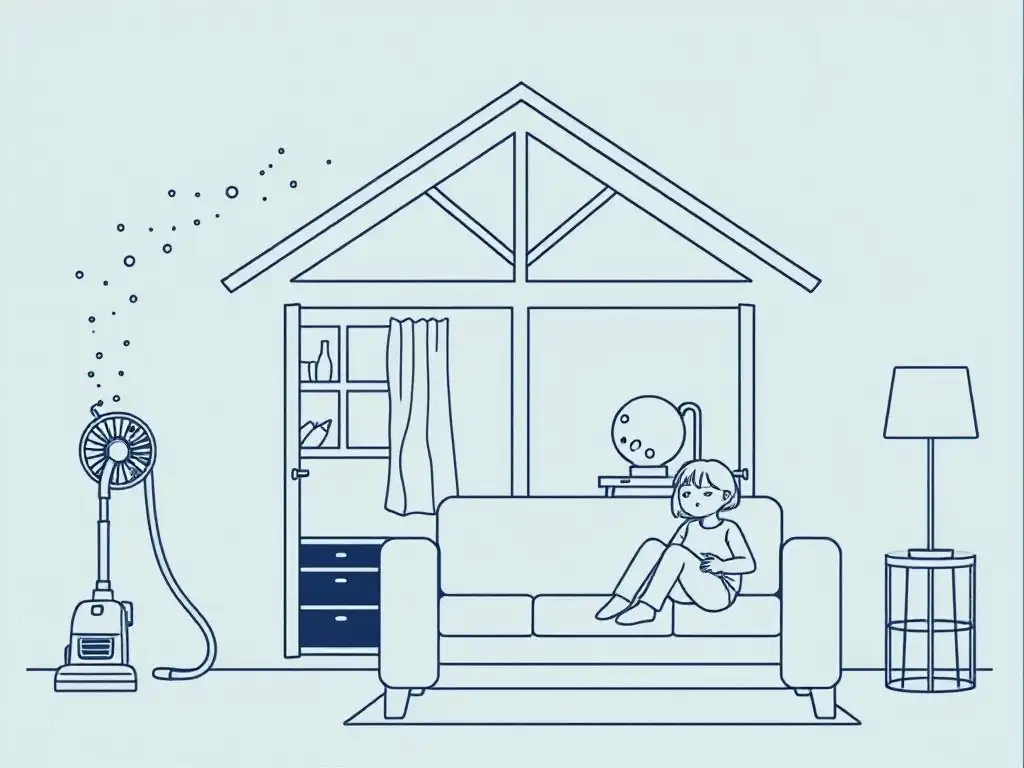
This section focuses on practical, actionable steps to minimize fall allergy triggers within your home environment, ultimately helping you reduce fall allergy symptoms. We'll explore strategies to improve air quality, deep clean allergen hotspots, and control humidity levels – all crucial for a healthier home during allergy season. The goal is to proactively manage your environment, thereby mitigating the impact of seasonal allergens and improving your quality of life. Remember, consistent application of these strategies is key to experiencing lasting relief.
Optimize Home Air Filtration: Choosing the Right Air Purifier
Investing in a high-quality air purifier is a significant step towards reducing fall allergy symptoms at home. Not all air purifiers are created equal, however. The effectiveness depends heavily on factors like the size of your room, the type of filter, and the Clean Air Delivery Rate (CADR). Look for a purifier with a high CADR rating specifically for allergens like pollen, dust mites, and pet dander. Consider the following:
- HEPA Filters: These are essential. High-Efficiency Particulate Air (HEPA) filters are designed to trap particles as small as 0.3 microns, capturing a significant portion of airborne allergens. Look for purifiers explicitly stating they use true HEPA filters.
- Activated Carbon Filters: These are beneficial in addition to HEPA filters. Activated carbon effectively absorbs odors and gases, which can also trigger or exacerbate allergy symptoms.
- Room Size: Ensure the purifier's coverage area matches the size of the room where it will be placed. A smaller purifier in a large room will be less effective.
- Noise Levels: Some purifiers can be quite noisy. Check reviews for information on noise levels to ensure it's suitable for your living space, especially bedrooms.
- Maintenance: Regular filter replacement is critical. Follow the manufacturer's recommendations for filter changes to maintain optimal performance. Neglecting this aspect drastically reduces the purifier’s effectiveness. A good rule of thumb is to replace filters every 3-6 months, depending on usage and air quality.
Choosing the right air purifier is an investment in your health. By carefully considering these factors, you can significantly improve indoor air quality and reduce your exposure to fall allergens.
Deep Cleaning Your Home for Fall: Targeting Allergen Hotspots
Thorough cleaning is paramount in reducing fall allergy symptoms. It's not just about a quick tidy-up; it's about systematically removing allergens from frequently touched surfaces and hidden areas. Think of this as a proactive attack on dust mites, pollen, and other irritants.
- Bedrooms: Pay extra attention to bedding. Wash all bedding (sheets, pillowcases, blankets, comforters) in hot water (at least 130°F) weekly. Consider using allergen-proof covers for mattresses and pillows to further reduce allergen accumulation.
- Upholstery: Vacuum upholstered furniture thoroughly, using attachments to reach crevices and seams. Consider professional cleaning for deep cleaning of carpets and upholstery.
- Curtains and Drapes: These often harbor dust and pollen. Wash or dry clean them regularly, or replace them with washable alternatives.
- Air Vents and Registers: Dust and pollen accumulate in air vents. Clean them regularly with a vacuum cleaner brush attachment.
- Bookshelves and Clutter: Dust regularly. Excessive clutter provides more surfaces for allergens to accumulate.
- Regular Vacuuming: Vacuum frequently, at least twice a week, using a vacuum cleaner with a HEPA filter to trap allergens instead of just dispersing them.
Remember to wear a mask during cleaning to prevent inhaling dust and allergens. This systematic approach to deep cleaning minimizes allergen exposure and contributes significantly to reducing fall allergy symptoms.
Managing Humidity Levels: Preventing Mold Growth and Dust Mite Proliferation
Humidity plays a significant role in indoor allergen levels. High humidity promotes mold growth and dust mite proliferation, both major allergy triggers. Conversely, excessively dry air can also irritate respiratory systems. Maintaining optimal humidity levels is crucial.
- Ideal Humidity Range: Aim for a relative humidity level between 30% and 50%. Levels above 50% increase the risk of mold growth, while levels below 30% can dry out nasal passages, potentially worsening allergy symptoms.
- Dehumidifiers: In humid climates or during periods of high humidity, a dehumidifier can help control moisture levels. Regularly empty the dehumidifier's water tank to prevent mold growth.
- Ventilation: Proper ventilation helps regulate humidity. Open windows when the weather permits, allowing for natural air circulation. Use exhaust fans in the bathroom and kitchen to remove moisture generated during showering or cooking.
- Air Conditioners: Many air conditioners have dehumidifying capabilities. Utilize this feature to control humidity, especially during warmer months.
By actively managing humidity levels within the optimal range, you create a less hospitable environment for mold and dust mites, thus reducing your exposure to these common fall allergy triggers. This contributes significantly to creating a healthier home environment and reducing the severity of allergy symptoms.
Regular Laundry and Bedding Changes: Removing Allergens from Fabrics
Regularly washing bedding and clothing is crucial in reducing fall allergy symptoms. Dust mites, a common allergen, thrive in bedding, feeding on shed skin cells. These microscopic creatures release potent allergens that trigger sneezing, coughing, and itchy eyes. To effectively combat this, aim to wash all bedding – sheets, pillowcases, blankets, and comforters – at least once a week in hot water (at least 130°F or 54°C).
Hot water is essential to kill dust mites and remove their allergens. Consider using a hypoallergenic detergent to further minimize irritation. Additionally, regularly washing clothes, particularly those worn outdoors, helps remove pollen and other allergens that may have accumulated throughout the day. Don't forget to dry your laundry thoroughly; damp fabrics create a breeding ground for mold and mildew, which can exacerbate allergies.
For those with particularly severe allergies, consider using allergen-reducing covers for mattresses, pillows, and even box springs to create a barrier against dust mites. This added layer of protection significantly contributes to reducing the allergen load in your bedroom, improving sleep quality and overall allergy management. Remember, consistency is key; a regular laundry schedule is a powerful weapon in your fight against fall allergies.
Controlling Pet Dander: Minimizing Allergens from Furry Friends
Pets, while beloved members of the family, are unfortunately significant contributors to indoor allergens, especially during fall. Pet dander, tiny flakes of skin shed by animals, is a major trigger for many allergy sufferers. To reduce pet dander, regular grooming is paramount. Brushing your pet frequently, ideally daily, removes loose dander before it can become airborne.
Consider using a specialized pet vacuum cleaner with a HEPA filter to efficiently remove dander from carpets, upholstery, and other surfaces. These vacuums are designed to trap microscopic particles, minimizing the allergen concentration in your home. Restricting pets to certain areas of the house, such as keeping them out of the bedroom, can also help reduce allergen exposure in high-traffic areas. Regularly washing pet bedding in hot water also helps to minimize allergens.
If you have severe allergies, you might even consider using air purifiers with HEPA filters to actively remove pet dander from the air. Finally, while difficult for many pet owners, regularly bathing your pet can significantly reduce the amount of dander they shed. Remember, controlling pet dander requires a multi-faceted approach, combining regular grooming, thorough cleaning, and strategic pet management.
Strategic Use of Air Conditioning and Ventilation: Improving Air Circulation
Proper air circulation is vital for reducing fall allergy symptoms. Air conditioning, while primarily associated with cooling, plays a significant role in filtering out allergens. Modern air conditioners often include filters that trap pollen, dust, and other airborne particles. Regularly changing or cleaning these filters is crucial for their effectiveness. Consider using a high-efficiency particulate air (HEPA) filter in your air conditioning system for optimal allergen removal.
These filters are far more effective at capturing smaller particles than standard filters. Beyond air conditioning, proper ventilation is equally important. Opening windows strategically, especially on days with low pollen counts, allows for fresh air circulation and helps to dilute indoor allergens. However, be mindful of pollen levels; opening windows during peak pollen hours can actually worsen symptoms.
Using exhaust fans in the kitchen and bathroom helps remove moisture and prevent mold growth, a common allergy trigger. Moreover, regularly checking and cleaning your ventilation system, including ductwork, ensures optimal airflow and prevents allergen buildup. A well-maintained ventilation system combined with careful use of air conditioning can significantly improve indoor air quality and reduce the impact of fall allergens. Remember to consult weather reports to time your ventilation efforts effectively, minimizing exposure to high pollen counts.
Natural Remedies and Lifestyle Changes to Support Fall Allergy Relief

This section explores natural approaches to reduce fall allergy symptoms from the comfort of your home, focusing on simple yet effective lifestyle modifications and readily available remedies. Remember, while these methods can significantly alleviate discomfort, they are not a replacement for professional medical advice. Always consult your doctor if symptoms worsen or persist. The goal is to proactively reduce fall allergy symptoms home using holistic techniques.
Hydration and Diet: Supporting Your Immune System Naturally
Staying well-hydrated is crucial for overall health, especially during allergy season. Adequate water intake helps thin mucus, making it easier to clear from your sinuses. Aim for at least eight glasses of water daily. Consider adding lemon slices for an extra vitamin C boost, known for its antioxidant properties that support immune function.
Beyond hydration, a balanced diet plays a pivotal role in strengthening your immune response. Incorporating foods rich in antioxidants, like berries, leafy greens, and colorful vegetables, can help combat inflammation associated with allergies. Zinc, found in foods such as pumpkin seeds and chickpeas, is another essential nutrient that supports immune function. A diet rich in these nutrients will help your body better manage the onslaught of fall allergens. Specific examples of beneficial foods include:
- Berries: Blueberries, strawberries, raspberries – packed with antioxidants.
- Leafy Greens: Spinach, kale, collard greens – rich in vitamins and minerals.
- Colorful Vegetables: Bell peppers, carrots, sweet potatoes – provide diverse nutrients.
- Pumpkin Seeds: Excellent source of zinc and healthy fats.
- Chickpeas: Another good source of zinc and fiber.
Natural Air Purifiers: Utilizing Plants to Improve Air Quality
Certain houseplants are known for their air-purifying qualities, effectively trapping airborne allergens and improving indoor air quality. These natural air filters can contribute significantly to reducing fall allergy symptoms home. While they won't eliminate all allergens, they can help create a cleaner, more breathable environment. Consider placing these plants strategically throughout your home, especially in bedrooms and living areas:
- Spider Plant: Highly effective at removing common indoor toxins and allergens.
- Snake Plant: Known for its air-purifying properties and ability to remove formaldehyde.
- Peace Lily: Beautiful and effective at removing spores and other airborne particles.
- English Ivy: Excellent at removing mold and other allergens from the air.
Remember to regularly dust and clean the leaves of your plants to maintain their effectiveness. Over time, these plants will collect allergens; thus, regular maintenance is key. The placement of these plants should also consider air circulation within your home.
Managing Stress Levels: Minimizing Allergy Triggers
Stress can exacerbate allergy symptoms. When stressed, your body releases cortisol, a hormone that can increase inflammation. This heightened inflammation can worsen allergy responses. Managing stress levels effectively is therefore an integral part of alleviating allergy symptoms. Consider these stress-reducing techniques:
- Deep Breathing Exercises: Practicing deep, slow breaths several times a day can calm the nervous system and reduce stress hormones.
- Meditation and Mindfulness: Regular meditation can help manage stress and improve overall well-being. Even 10-15 minutes daily can make a difference.
- Yoga and Gentle Exercise: Physical activity releases endorphins, natural mood boosters that help combat stress.
- Adequate Sleep: Aim for 7-8 hours of quality sleep each night. Sleep deprivation can worsen stress and allergy symptoms.
By incorporating these techniques into your daily routine, you can effectively reduce stress levels and potentially lessen the severity of your fall allergy symptoms. Remember that a holistic approach, combining dietary changes, environmental modifications, and stress management, can offer comprehensive relief and significantly contribute to reducing fall allergy symptoms home.
Advanced Techniques for Severe Fall Allergies
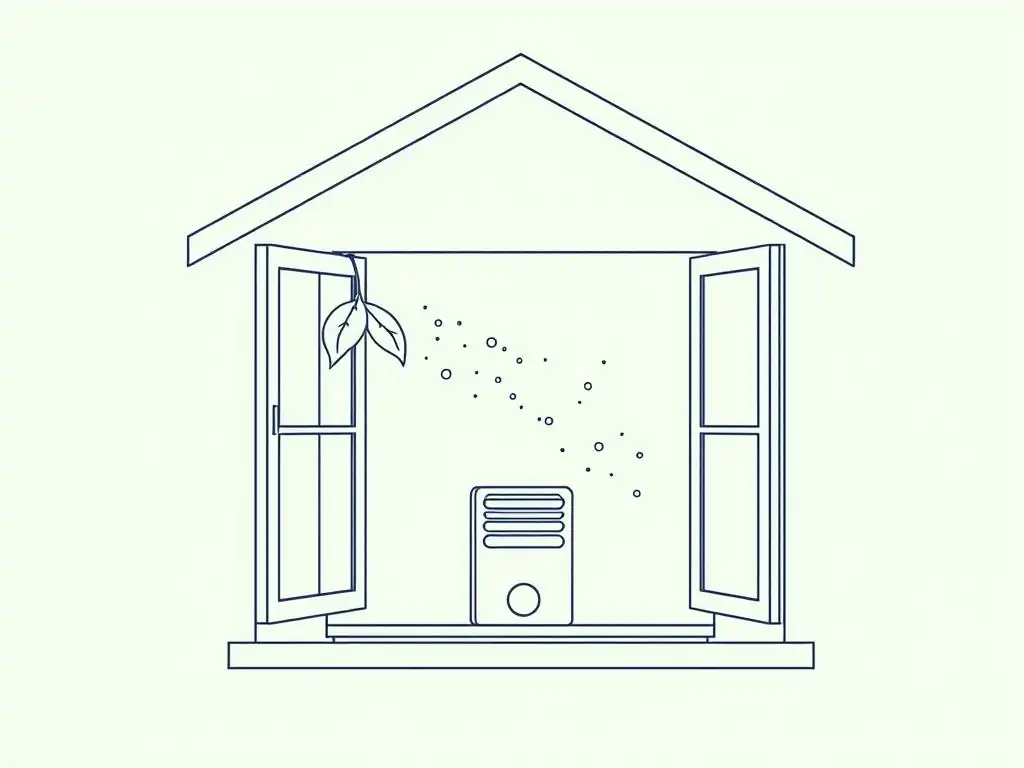
This section delves into more advanced strategies for managing severe fall allergies within your home, going beyond basic cleaning. These techniques are particularly beneficial for individuals with severe sensitivities or those experiencing persistent symptoms despite initial efforts to reduce allergens. Remember, consulting with a medical professional is crucial for managing severe allergies. This information is for educational purposes and should not replace professional medical advice.
Professional Cleaning Services: Deep Cleaning for Allergen Removal
For individuals experiencing debilitating fall allergy symptoms, a professional deep cleaning service might be a worthwhile investment. These services go beyond typical cleaning, focusing on the meticulous removal of allergens often missed in standard cleaning routines. They utilize specialized equipment and techniques designed to eliminate dust mites, pet dander, pollen, and mold spores from carpets, upholstery, and other hard-to-reach areas.
Professional cleaners often employ powerful vacuum cleaners with HEPA filtration, preventing the re-circulation of allergens back into the air. They may also use specialized cleaning solutions designed to effectively remove allergen residues without harsh chemicals that could irritate sensitive airways. Consider requesting services that specifically target allergen removal, inquiring about their use of HEPA-filtered vacuums, and the types of cleaning solutions employed.
A professional cleaning service can provide a significant reduction in indoor allergens, leading to a noticeable improvement in allergy symptoms. The cost varies depending on the size of your home and the level of service required, but the potential health benefits often outweigh the expense for those with severe allergies. Think of it as an investment in your health and well-being. The long-term gains in reduced healthcare costs and improved quality of life can be substantial.
Your home's air ducts are often overlooked as significant sources of indoor allergens. Over time, dust, pollen, pet dander, and other irritants accumulate within the ductwork, circulating throughout your home with every use of your HVAC system. This can significantly exacerbate fall allergy symptoms, even if you diligently clean your living spaces.
Air duct cleaning involves a thorough cleaning of your home's ventilation system, removing accumulated debris and allergens. Professionals typically use specialized equipment to access and clean the ducts, ensuring the removal of deeply embedded particles. This process can significantly improve indoor air quality and reduce the allergen load circulating within your home. While the initial cost might seem high, the long-term benefits in terms of reduced allergy symptoms and improved respiratory health are considerable. Think about the potential cost savings in reduced medication and doctor visits.
Before scheduling, research reputable air duct cleaning services in your area. Inquire about their cleaning methods and the type of equipment used. A thorough cleaning can contribute to a healthier home environment and significantly improve your ability to reduce fall allergy symptoms at home.
Investing in HEPA Filters: Advanced Air Purification for Sensitive Individuals
High-Efficiency Particulate Air (HEPA) filters are a cornerstone of advanced allergy management. These filters are designed to remove a significantly higher percentage of airborne particles, including pollen, dust mites, pet dander, and mold spores, than standard filters. Investing in HEPA filters for your HVAC system and purchasing portable HEPA air purifiers for individual rooms can significantly improve indoor air quality, reducing the exposure to allergens that trigger fall allergy symptoms.
When choosing HEPA filters, look for those with a high Minimum Efficiency Reporting Value (MERV) rating. A higher MERV rating indicates a greater capacity to filter out smaller particles. Consider placing portable HEPA air purifiers in bedrooms and other frequently used areas to provide targeted allergen removal. Regularly replacing HEPA filters is crucial to maintain their effectiveness. Remember to check the manufacturer's recommendations for filter replacement schedules.
The initial investment in HEPA filters and air purifiers can be substantial, but the long-term benefits in terms of improved respiratory health and reduced allergy symptoms far outweigh the cost for many allergy sufferers. The reduction in medication use and doctor visits can also lead to significant cost savings over time. Consider it a smart investment in your health and well-being. This is a key strategy to effectively reduce fall allergy symptoms at home.
Maintaining a Fall-Allergy-Friendly Home Throughout the Season
This section focuses on practical, ongoing strategies to minimize fall allergens within your home, thereby reducing allergy symptoms. Consistent effort is key to achieving lasting relief. We'll explore a proactive approach, emphasizing prevention over reaction. Remember, the goal is to reduce fall allergy symptoms home effectively.
Regular Maintenance Schedule: Preventing Allergen Buildup
Maintaining a clean home is paramount in reducing exposure to fall allergens. A consistent cleaning schedule is more effective than sporadic deep cleans. Here's a suggested weekly routine:
- Dusting: Use a microfiber cloth to trap dust mites and pollen, rather than a feather duster which simply disperses them. Pay close attention to surfaces like shelves, window sills, and furniture.
- Vacuuming: Vacuum all carpeted areas at least twice a week, using a vacuum with a HEPA filter to capture microscopic allergens. Consider vacuuming hard floors as well, as pollen can settle on them.
- Washing Bedding: Wash all bedding – sheets, pillowcases, blankets, and comforters – in hot water (at least 130°F) weekly. This kills dust mites and removes allergens.
- Air Filters: Change air filters in your HVAC system monthly, or more frequently if needed, especially during peak allergy season. Use filters with a high MERV rating (minimum 11) for optimal allergen trapping.
Remember to always wash your hands thoroughly after cleaning to avoid transferring allergens to your face or eyes. This simple step significantly contributes to reducing fall allergy symptoms at home. A consistent routine, even on busy days, makes a noticeable difference in managing your allergies.
Monitoring Indoor Air Quality: Identifying Potential Problems Early
Proactive monitoring of your indoor air quality allows for early detection and mitigation of allergen buildup. Several strategies can help:
- Visual Inspection: Regularly inspect for visible signs of mold or mildew, particularly in damp areas like bathrooms and basements. Mold spores are a significant allergen.
- Air Quality Monitors: Consider using an indoor air quality monitor. These devices measure various pollutants, including pollen, dust, and mold spores, providing real-time data on your home's air quality. This data empowers you to take immediate action if allergen levels rise unexpectedly.
- Symptom Tracking: Pay attention to your allergy symptoms. A sudden increase in sneezing, coughing, or itchy eyes could indicate a rise in indoor allergen levels, prompting you to investigate the source.
Understanding the correlation between your symptoms and indoor air quality allows for targeted interventions. For example, if you notice symptoms worsen after using the fireplace, it may indicate that it is releasing more allergens than usual and requires cleaning.
Long-Term Solutions for Chronic Fall Allergies: Planning Ahead for Next Year
For individuals with chronic fall allergies, planning ahead is crucial for long-term symptom management. Consider these strategies:
- Professional Cleaning: Schedule a professional deep cleaning of your home at least once a year, ideally before and after allergy season. Professionals have specialized equipment and techniques for removing deeply embedded allergens.
- Allergen-Proofing: Invest in allergen-proof covers for mattresses, pillows, and box springs. These covers prevent dust mites from infesting your bedding, a major source of fall allergy triggers.
- Home Improvements: Consider long-term home improvements that reduce allergen infiltration. These might include upgrading to high-efficiency HVAC systems with better filtration, sealing windows and doors to prevent pollen entry, or installing a whole-home air purifier.
Planning ahead minimizes the impact of fall allergies in subsequent years. By taking proactive steps now, you can significantly improve your comfort and well-being throughout the next allergy season. The investment in these long-term solutions is worthwhile for those who experience severe fall allergies. These proactive measures will help you effectively reduce fall allergy symptoms home.
Frequently Asked Questions
What are the most common fall allergens that trigger indoor allergy symptoms?
Fall allergies are often triggered by mold spores, ragweed pollen, and dust mites. These allergens thrive in damp, cluttered environments. Proper cleaning and ventilation are key to reducing their presence.
How can I reduce dust mites in my home to alleviate fall allergies?
Regularly wash bedding in hot water (at least 130°F), use allergen-impermeable covers for mattresses and pillows, and vacuum frequently, paying close attention to carpets and upholstered furniture.
What's the best way to control mold growth in my home during fall?
Fix leaks promptly, use a dehumidifier to keep humidity levels below 50%, and clean bathrooms and kitchens thoroughly to prevent mold spore development. Good ventilation is crucial.
Are there any natural remedies to help reduce fall allergy symptoms at home?
Some people find relief using a saline nasal rinse, taking a warm shower to clear nasal passages, or using a humidifier (but keep humidity levels in check to avoid mold). Consult your doctor before trying new remedies.
How can I improve air quality in my home to minimize fall allergy triggers?
Consider investing in a high-efficiency particulate air (HEPA) filter for your vacuum cleaner and/or air purifier. Regularly change air filters in your HVAC system and open windows for ventilation on low-pollen days.
Final Reflection: Breathing Easier: Reclaiming Your Home from Fall Allergies
The war against fall allergies is far from over, but by understanding and implementing the strategies outlined in this article, we can significantly improve our indoor air quality and reclaim the comfort of our homes. This isn't just about managing sniffles and sneezes; it's about creating a healthier, more peaceful environment where we can truly thrive, even during the peak allergy season.
The impact of seasonal allergies extends far beyond personal discomfort. It affects productivity, mood, and overall well-being, impacting families and communities alike. A healthy home is a happy home,
a common saying rings truer than ever when considering the pervasive influence of allergens on our daily lives. The simple act of minimizing these irritants can have a profound effect on our mental and physical health, allowing us to fully enjoy the beauty of autumn without the constant struggle against itchy eyes and runny noses.
Now, consider the steps you can take. Start small, perhaps by changing your air filters or investing in a high-quality air purifier. Each small change contributes to a larger, healthier picture. Don't be discouraged by the seemingly endless list of potential allergens; focus on making gradual, sustainable improvements to your home environment. You deserve to breathe easy in your own space. Take control of your indoor environment and experience the transformative power of a healthier home this fall and beyond.
Breathe Easier: Conquer Fall Allergies Today!
Thank you for learning how to minimize those pesky fall allergens! We hope you feel empowered to create a healthier home environment. Ready to take action?
- Prioritize a Deep Clean: Begin by washing all your bedding in hot water to eliminate dust mites. This single step can significantly reduce your allergy symptoms.
- Share your best fall allergy tip in the comments below! Let's build a supportive community to conquer allergies together.
- Explore our other articles on natural allergy relief – discover more ways to feel your best this season!
What simple change will you make today to improve your indoor air quality?