
The Most Effective Budgeting Hacks: Simple Steps to a More Profitable Life


Ready to unlock a life of effortless efficiency and financial freedom? At UltimateLifeHacks, we equip you with the tools to conquer your daily challenges and achieve more. Discover how even the simplest budgeting hacks can dramatically transform your financial outlook and pave the way for a more profitable future. Dive in and uncover the secrets to mastering your money—it's easier than you think!
- Understanding Your Spending Habits: The First Step to Effective Budgeting
- Simple Budgeting Hacks to Save Money: Practical Strategies for Every Budget
- Smart Savings Strategies: Maximizing Your Income and Minimizing Expenses
- Budgeting Hacks for Specific Life Stages: Tailoring Your Budget to Your Needs
- Simple Budgeting Hacks for a More Profitable Life: Long-Term Financial Wellness
- Frequently Asked Questions
- Final Reflection: Unlocking Financial Freedom Through Simple Budgeting
- Unlock Your Financial Freedom: Start Budgeting Today!
Understanding Your Spending Habits: The First Step to Effective Budgeting
Embarking on a journey towards a more financially secure future often begins with a single, crucial step: understanding your spending habits. This isn't about restrictive budgeting; it's about gaining a clear, comprehensive picture of where your money goes. By analyzing your spending patterns, you can identify areas where you can save, allocate funds more effectively, and ultimately achieve your financial goals.
This article will explore simple yet powerful budgeting hacks designed to help you take control of your finances and pave the way for a more profitable life. We'll delve into practical strategies to track expenses, uncover hidden costs, and categorize your spending, all contributing to a streamlined budgeting process that empowers you to make informed financial decisions and achieve lasting financial well-being. Mastering these simple budgeting hacks can save you significant money in the long run, leading to increased financial freedom and peace of mind.
Let's begin with the foundation – understanding where your money currently goes. This process, though seemingly simple, is remarkably effective in laying the groundwork for impactful financial changes. Implementing these simple budgeting hacks to save money is the first step towards a more secure financial future.
Tracking Your Expenses: Apps and Spreadsheets for Easy Monitoring
Tracking your expenses might sound daunting, but with the right tools, it becomes remarkably simple. The key is consistency. Many excellent budgeting apps and spreadsheets are available to simplify the process. These tools often come with features like automatic transaction categorization, visual representations of your spending, and goal-setting capabilities.
Consider these options:
- Budgeting Apps: Many user-friendly apps automatically categorize transactions and provide clear visualizations of your spending habits. Some offer additional features like bill reminders and savings goals.
- Spreadsheet Software: For those who prefer a more hands-on approach, spreadsheet software like Microsoft Excel or Google Sheets allows for customized tracking and analysis. You can create your own categories and formulas to calculate your net income and track progress towards financial goals.
Regardless of the method you choose, the critical element is consistency. Aim to record every transaction, no matter how small. This comprehensive approach will provide the most accurate picture of your spending habits and allow you to identify areas for improvement. Remember, even small savings add up over time! The more detailed your tracking, the more effective your budgeting will be. This meticulous approach will provide valuable insights into your spending patterns, leading to smarter financial choices.
Once you've tracked your expenses for a period (ideally a month), it's time to identify those "spending leaks"—small, recurring expenses that, over time, significantly impact your budget. These often go unnoticed until you meticulously analyze your spending data.
Examples of common spending leaks include:
- Subscription Services: How many streaming services, gym memberships, or software subscriptions do you actually use regularly? Canceling unused subscriptions can free up a surprising amount of money each month.
- Impulse Purchases: Do you frequently make small, unplanned purchases like coffee, snacks, or online shopping? Becoming more mindful of these impulse buys can dramatically reduce unnecessary spending.
- Hidden Fees: Review your bank statements and credit card bills carefully. Are there any hidden fees or charges you can avoid?
By carefully scrutinizing your expense data, you can pinpoint these hidden costs and develop strategies to eliminate or reduce them. This focused approach allows for significant savings without drastic changes to your lifestyle. Remember, even small reductions in spending leaks can accumulate into substantial savings over time. This proactive approach to budgeting is crucial for long-term financial success.
Categorizing Expenses: A Simple System for Analyzing Your Spending
Categorizing your expenses is a crucial step in understanding your spending habits. This process allows you to visualize where your money is going and identify areas for potential savings. A simple and effective categorization system is key to making sense of your data.
Here's a suggested categorization system:
| Category | Example Expenses |
|---|---|
| Housing | Rent/Mortgage, Utilities, Home Maintenance |
| Transportation | Car payments, Gas, Public Transportation, Tolls |
| Food | Groceries, Dining Out, Coffee |
| Entertainment | Movies, Concerts, Streaming Services |
| Personal Care | Haircuts, toiletries, gym memberships |
| Clothing | New clothes, dry cleaning |
| Debt Payments | Credit Card Payments, Loan Payments |
| Savings | Contributions to savings accounts, investments |
| Other | Miscellaneous expenses not fitting other categories |
By categorizing your expenses, you can easily identify areas where you're overspending and develop strategies to control spending. This organized approach provides a clear and concise overview of your finances, making it easier to make informed decisions and achieve your financial goals. The categorized data enables you to track progress and identify trends, leading to a more effective budgeting strategy and improved financial health. This structured approach is paramount to successful budgeting.
Simple Budgeting Hacks to Save Money: Practical Strategies for Every Budget
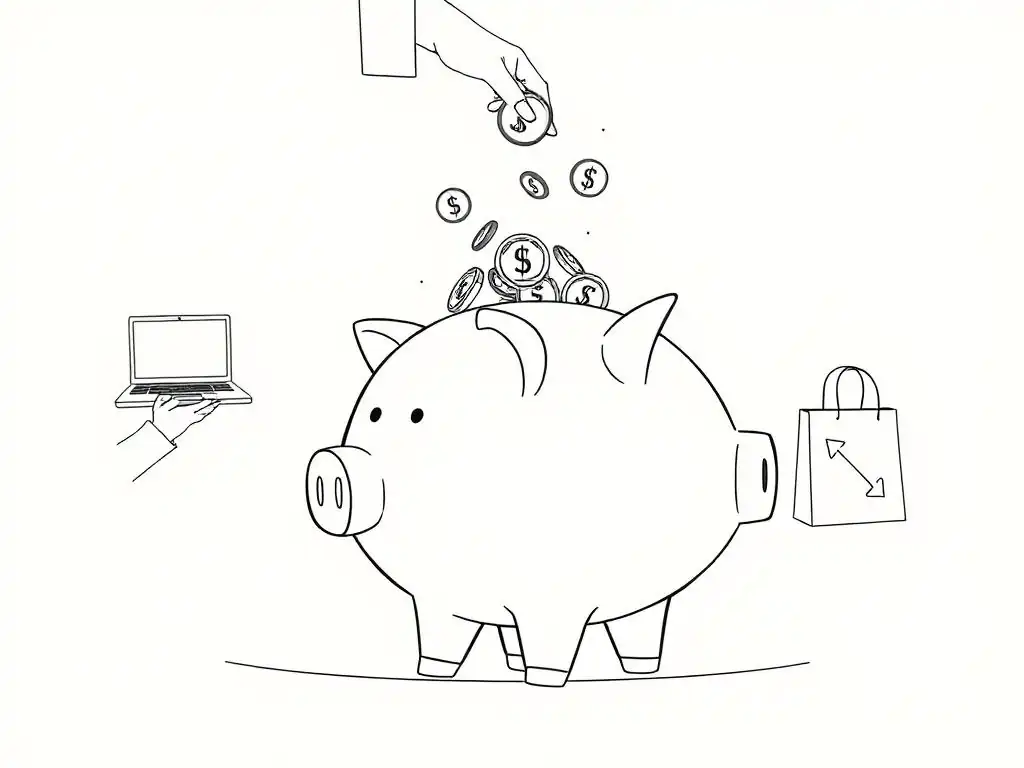
This section delves into straightforward yet powerful budgeting techniques designed to help you save money and achieve your financial goals. We'll explore proven methods applicable to various income levels, emphasizing simplicity and practicality. Mastering these simple budgeting hacks can significantly improve your financial well-being and pave the way for a more profitable life. Remember, even small changes in your spending habits can yield substantial long-term benefits.
The 50/30/20 Budget Rule: A Simple Framework for Financial Success
The 50/30/20 rule is a popular budgeting method known for its ease of use and effectiveness. It divides your after-tax income into three categories:
- 50% Needs: This covers essential expenses like housing, utilities, groceries, transportation, and healthcare. Prioritizing needs ensures you meet your basic requirements without compromising your financial stability. This is the foundation of responsible financial management.
- 30% Wants: This portion is allocated to discretionary spending – things you enjoy but aren't essential, such as dining out, entertainment, hobbies, and clothing. While important for quality of life, managing this category carefully prevents overspending and debt accumulation. Tracking your "wants" spending can reveal areas for potential savings.
- 20% Savings and Debt Repayment: This crucial segment is dedicated to building your financial future. It includes contributions to savings accounts, retirement plans (like 401Ks or IRAs), and paying down debt (credit cards, loans). Prioritizing this area ensures long-term financial security and reduces the burden of interest payments.
This simple framework provides a clear structure for managing your finances. It's adaptable to different income levels; the percentages can be adjusted based on your individual circumstances. For instance, someone with significant student loan debt might allocate a larger percentage to debt repayment initially. The key is consistency and mindful tracking of your spending across all three categories. Regularly reviewing your spending against the 50/30/20 framework allows for adjustments and ensures you stay on track towards your financial goals. Implementing this simple budgeting hack can lead to significant long-term savings and improved financial health.
Zero-Based Budgeting: Allocating Every Dollar to a Specific Purpose
Zero-based budgeting (ZBB) takes a different approach, assigning every dollar of your income to a specific purpose. Unlike traditional budgeting, where you track expenses against a set income, ZBB starts with a clean slate each month. You meticulously allocate every dollar, ensuring all income is accounted for, leaving a zero balance.
This method requires careful planning and detailed tracking. It involves:
- Listing all your income sources.
- Categorizing all your expenses (needs and wants).
- Allocating every dollar to a specific category. This can involve using budgeting apps or spreadsheets.
- Regularly reviewing and adjusting your allocations as needed.
The benefit of ZBB is its precision. It promotes mindful spending and prevents unexpected overspending. By assigning every dollar, you gain a clear picture of your financial situation and identify areas for potential savings. However, it requires more time and effort compared to simpler methods like the 50/30/20 rule.
The initial setup can be time-consuming, but the long-term benefits in terms of financial control and savings are significant. This is particularly useful for those seeking a high degree of control over their finances and aiming for aggressive savings targets. The detailed nature of ZBB can be very effective in identifying and eliminating unnecessary expenses.
Envelope Budgeting System: A Cash-Based Approach to Managing Expenses
The envelope system is a tangible and effective method, particularly for visual learners and those who struggle with impulse buying. It involves allocating cash to different envelopes representing specific expense categories (groceries, gas, entertainment, etc.). Once the cash in an envelope is gone, that category's spending is finished for the month.
This cash-based approach encourages mindful spending. The physical act of taking cash from an envelope makes you more aware of your spending habits. It eliminates the ease of swiping a credit card, thereby reducing the likelihood of overspending. The visual representation of remaining funds in each envelope provides a clear picture of your budget status.
However, the envelope system has limitations. It's less suitable for managing recurring bills or online expenses. It also requires discipline in sticking to the allocated cash amounts. Despite these limitations, it remains a valuable tool for many, especially beginners seeking a simple and effective way to control their spending and visualize their budget. The tactile nature of this method can be surprisingly effective in curbing impulsive purchases and promoting better financial habits. For those looking for a simple budgeting hack that promotes awareness and self-discipline, the envelope system is worth considering.
The 60/30/10 Budget Rule: A Modified Approach for Different Needs
The 60/30/10 budget rule is a popular method for allocating income, suggesting that 60% goes towards needs, 30% towards wants, and 10% towards savings and debt repayment. While this provides a solid framework, its effectiveness depends heavily on individual circumstances and requires a personalized approach. Rigidly adhering to these percentages without considering your unique financial situation can lead to frustration and ultimately, failure.
For example, a young professional starting their career might find the 60% allocation for needs too high, particularly if they don't own a home and have minimal family responsibilities. They might comfortably allocate only 40% to needs, increasing their savings and investment contributions (the 10% portion). This allows for faster debt reduction and earlier investment growth, potentially leading to greater financial security in the long run.
Conversely, a family with young children might find the 30% allocation for wants insufficient for childcare expenses or extracurricular activities. They might need to adjust this percentage upwards while perhaps lowering the allocation for needs or wants slightly, depending on their priorities.
The key is flexibility. The 60/30/10 rule serves as a helpful guideline, not an immutable law. Instead of viewing it as a rigid structure, consider it a flexible template. Regularly review your budget and adjust the percentages as needed to reflect your changing financial priorities and circumstances.
This might involve tracking your spending for a month or two to gain a clearer understanding of where your money is actually going. This data-driven approach allows for more informed decisions when adjusting your budget allocations. For instance, if you discover that you're consistently overspending on dining out, you might choose to reduce your "wants" percentage and redirect those funds towards savings or debt repayment. This iterative process of monitoring, adjusting, and refining ensures that your budget remains effective and relevant to your evolving needs.
Remember, the goal is not to blindly follow a rule, but to create a budget that supports your financial goals and promotes a sense of control over your finances. This proactive approach to budgeting is crucial for achieving long-term financial success and avoiding the pitfalls of overspending. Using budgeting apps can help streamline this process, providing visual representations of your spending habits and simplifying the tracking and adjustment process.
Smart Savings Strategies: Maximizing Your Income and Minimizing Expenses
This section delves into practical strategies to boost your income and significantly reduce unnecessary spending, ultimately maximizing your savings potential. We'll explore actionable steps to achieve both short-term and long-term financial goals, empowering you to take control of your finances and build a more secure future. Remember, even small, consistent changes can lead to substantial savings over time. The key is to implement simple budgeting hacks that seamlessly integrate into your daily life.
Setting Realistic Savings Goals: Short-Term and Long-Term Objectives
Effective budgeting begins with clearly defined goals. Vague aspirations like "saving more money" are ineffective. Instead, establish specific, measurable, achievable, relevant, and time-bound (SMART) goals.
For example, a short-term goal might be saving $500 in three months for a much-needed appliance repair. This allows for quick wins, boosting motivation. A long-term goal could be saving $20,000 over five years for a down payment on a house. Breaking down long-term goals into smaller, manageable milestones makes them less daunting.
Consider using a savings tracker or budgeting app to monitor your progress. Seeing your savings accumulate visually reinforces your commitment and provides a sense of accomplishment. Regularly reviewing and adjusting your goals as needed is crucial, particularly as your financial circumstances change. This iterative approach ensures your savings plan remains relevant and adaptable.
Remember to celebrate milestones! Rewarding yourself for reaching smaller goals keeps you motivated and engaged in the process. This positive reinforcement is key to long-term success with your simple budgeting hacks to save money.
Automating Savings: Setting Up Recurring Transfers
Automating your savings is one of the most effective simple budgeting hacks for consistent progress. By setting up recurring automatic transfers from your checking account to your savings account, you eliminate the temptation to spend those funds. This removes the effort and willpower required to manually transfer money each month, making saving a passive activity.
Many banks and financial institutions offer this feature. You can typically schedule transfers to occur weekly, bi-weekly, or monthly, depending on your preference and income cycle. Determine an amount you can comfortably save each period without significantly impacting your daily expenses. Start small if needed and gradually increase the amount as your financial situation improves.
Consider setting up multiple savings accounts for different goals (e.g., emergency fund, vacation fund, down payment fund). This compartmentalizes your savings, providing clarity and focus. This structured approach to savings ensures that you are always on track to meet your financial objectives, making your simple budgeting hacks even more effective.
Cutting Unnecessary Expenses: Identifying Areas for Reduction
Identifying and eliminating unnecessary expenses is crucial for maximizing savings. This requires careful analysis of your spending habits. Start by tracking your expenses for a month, noting every purchase, no matter how small. Many budgeting apps can automate this process. Once you have a clear picture of your spending, analyze each expense category to identify areas for potential reduction.
Common areas for cost reduction include:
- Dining out: Preparing meals at home is significantly cheaper than eating out regularly.
- Subscriptions: Review your subscriptions (streaming services, gym memberships, etc.) and cancel those you rarely use or don’t find valuable.
- Impulse purchases: Become more mindful of impulse buys. Pause before purchasing non-essential items to assess their true value and necessity.
- Transportation: Explore cost-effective transportation options like carpooling, public transport, or cycling.
Analyzing your spending patterns will reveal areas where you can easily implement simple budgeting hacks to save money. Even small reductions in several areas can collectively lead to significant savings over time. Remember, consistent effort and mindful spending are key to long-term financial success. By implementing these strategies and consistently reviewing your progress, you'll be well on your way to a more profitable and financially secure future. 🎉
Negotiating Bills: Lowering Monthly Costs on Services
Negotiating your bills might feel daunting, but it's a surprisingly effective way to implement simple budgeting hacks and save money. Many companies build in a buffer for negotiation, anticipating that not everyone will ask for a lower rate. Don't be afraid to leverage this! Start by researching the average cost of the services you're paying for. Websites and consumer forums often provide this information. Armed with this knowledge, you can confidently approach your provider.
For example, let's say your internet bill is $70 per month, but your research shows the average cost in your area is $55. When you call your provider, be polite but firm. Explain that you've found comparable services at a lower price and would like to explore options to keep your business with them. Don't be aggressive; a friendly, collaborative approach is usually more effective.
Highlight your loyalty as a long-term customer – this can work in your favor. Often, they'll offer a discount to retain you, perhaps a lower rate or a promotional package. Even a small reduction, say $5-$10 per month, adds up significantly over the year. Remember to document everything: the date of the call, the representative's name, and the agreed-upon terms.
This strategy extends beyond internet providers. You can negotiate lower rates on:
- Cable and satellite TV: Bundle services or threaten to switch providers.
- Mobile phone plans: Shop around for better deals and use your current plan as leverage.
- Insurance premiums: Demonstrate responsible driving or a healthy lifestyle to secure discounts.
- Gym memberships: Inquire about reduced rates for longer-term commitments or off-peak hours.
- Utilities (electricity, gas, water): Some providers offer discounts for energy-efficient practices or loyalty programs.
Remember, the worst they can say is no. But often, a simple conversation can lead to substantial savings. The key is preparation: research comparable options beforehand and present your case clearly and politely. This simple budgeting hack can significantly impact your monthly expenses and contribute to your overall financial well-being, proving that simple budgeting hacks save money.
By consistently applying this strategy across your various bills, you can free up a considerable amount of money each month. This extra cash can then be redirected towards your savings goals or other financial priorities. This is a testament to the power of simple budgeting hacks and their ability to improve financial health.
Budgeting Hacks for Specific Life Stages: Tailoring Your Budget to Your Needs

This section explores how to adapt budgeting strategies based on your current life stage. Your financial priorities and challenges will shift as you progress through different phases of life, requiring flexible and adaptable budgeting techniques. Mastering this adaptability is key to achieving long-term financial success and practicing effective simple budgeting hacks save money.
Budgeting for Young Adults: Managing Finances While Starting Out
Young adulthood often presents unique financial challenges. You're likely navigating student loan debt, building a career, and establishing independence. This requires a budget focused on building a strong financial foundation while still allowing for some enjoyment.
Many young adults underestimate the power of consistent saving. Even small, regular contributions can accumulate significantly over time due to compound interest. Consider automating savings transfers – setting up a recurring transfer from your checking to your savings account each payday ensures consistent contributions without requiring constant manual effort. This is a powerful simple budgeting hack to save money.
Prioritize needs over wants. While social outings and entertainment are important, it's crucial to prioritize essential expenses like rent, utilities, and food. Track your spending meticulously using budgeting apps or spreadsheets. This allows you to identify areas where you can cut back without sacrificing your overall quality of life. For example, preparing meals at home instead of eating out frequently can dramatically reduce food costs.
Creating a realistic budget requires honest self-assessment. Identify your income sources and track all expenses, no matter how small. Use a budgeting method that suits your style – the 50/30/20 rule (50% needs, 30% wants, 20% savings and debt repayment) is a popular starting point. Remember, flexibility is key. Adjust your budget as your income and expenses change.
Consider exploring opportunities for additional income. Part-time jobs, freelancing, or the gig economy can provide extra funds to accelerate debt repayment and boost your savings. This proactive approach demonstrates a commitment to financial responsibility early on, setting a positive trajectory for future financial success.
Budgeting for Families: Balancing Needs and Wants
Family budgeting requires a collaborative approach, balancing the needs of multiple individuals with varying desires. Open communication and shared financial goals are essential for successful family budgeting. This stage often involves higher expenses related to childcare, education, and healthcare.
Effective family budgeting necessitates clear prioritization. Essential expenses like housing, food, transportation, and healthcare should take precedence. Allocate funds for education savings plans (ESAs) or 529 plans early to benefit from the power of compounding. This is a crucial simple budgeting hack save money long-term.
Explore strategies for cost savings in various areas. Meal planning and bulk buying can significantly reduce grocery costs. Compare insurance plans to find the most affordable coverage. Consider carpooling or using public transportation to minimize transportation expenses.
Financial education for children is crucial. Involve older children in the budgeting process to teach them about financial responsibility and resource management. Teaching children about saving and spending habits early on provides them with valuable financial literacy.
Regularly review and adjust your family budget. Life circumstances change, and your financial needs may evolve. Flexibility is crucial for adapting to unexpected expenses or changes in income. Consider using budgeting software or apps to simplify the process and track spending effectively.
Budgeting for Retirement: Planning for Financial Security
Retirement planning requires a long-term perspective, focusing on securing sufficient funds to maintain your desired lifestyle after ceasing employment. Starting early is crucial, as compounding interest plays a significant role in wealth accumulation.
Maximize retirement savings contributions. Contribute the maximum amount allowed to employer-sponsored retirement plans (401(k)s, 403(b)s) to take advantage of employer matching contributions. Consider opening an IRA (Individual Retirement Account) to further supplement your retirement savings. This is a vital simple budgeting hack to save money for your future.
Diversify your investment portfolio to manage risk. Consult a financial advisor to create an investment strategy aligned with your risk tolerance and retirement goals. Regularly monitor your portfolio and rebalance it as needed.
Plan for healthcare expenses. Healthcare costs can be substantial in retirement. Consider supplemental health insurance options and explore ways to reduce healthcare expenses. This includes preventative care and maintaining a healthy lifestyle.
Review your retirement plan regularly. Adjust your savings contributions and investment strategy as needed to account for changes in your circumstances, life expectancy, or inflation. Regular review ensures your retirement plan remains on track to meet your long-term goals. This proactive approach ensures financial security during your retirement years.
Simple Budgeting Hacks for a More Profitable Life: Long-Term Financial Wellness

This section delves into practical, actionable steps to implement simple budgeting hacks that directly translate to significant savings and long-term financial wellness. We'll explore strategies to not only manage your current finances but also build a solid foundation for future prosperity. Remember, even small changes in your budgeting habits can yield substantial results over time. The key is consistency and proactive adaptation. Let's dive in!
Review and Adjust Your Budget Regularly: Adapting to Changing Circumstances
Life is dynamic. Your income might fluctuate, unexpected expenses pop up, or your financial goals might evolve. A static budget is like a map that doesn't account for detours – it's bound to lead you astray. Regularly reviewing and adjusting your budget is crucial for maintaining financial control and ensuring your plan remains relevant to your current circumstances.
Consider reviewing your budget at least monthly, or even bi-weekly if your income or expenses are highly variable. This allows for timely adjustments based on actual spending patterns. For instance, if you notice you're consistently overspending on groceries, you can identify areas for improvement, like meal prepping or opting for less expensive alternatives.
Here's a simple table to illustrate how a monthly budget review can highlight potential savings:
| Month | Grocery Budget | Actual Grocery Spending | Difference | Actionable Steps |
|---|---|---|---|---|
| January | $300 | $350 | -$50 | Explore cheaper grocery stores; plan meals more effectively |
| February | $300 | $280 | +$20 | Maintain current strategy; potentially increase savings allocation |
| March | $280 | $290 | -$10 | Slight overspend; review shopping habits; consider using a grocery budgeting app |
By proactively tracking and adjusting your budget, you'll gain a clearer understanding of your spending habits and identify opportunities to optimize your financial plan. This proactive approach is a cornerstone of effective budgeting and achieving your financial goals. Remember, flexibility is key! A rigid budget is often destined for failure.
Building an Emergency Fund: Protecting Yourself from Unexpected Expenses
Unexpected expenses – medical bills, car repairs, job loss – can derail even the most meticulously crafted budgets. An emergency fund acts as a safety net, preventing these unforeseen events from plunging you into debt. Aim to save 3-6 months' worth of living expenses in a readily accessible account.
Building an emergency fund might seem daunting initially, but even small, consistent contributions can make a significant difference over time. Start by setting a realistic savings goal – perhaps $100 per month – and gradually increase it as your income allows. Automate your savings by setting up recurring transfers from your checking to your savings account. This ensures consistent contributions without requiring constant manual effort. Think of it as paying yourself first!
Consider these simple strategies to accelerate your emergency fund growth:
- Reduce non-essential spending: Identify areas where you can cut back, such as dining out or entertainment, and redirect those funds towards your emergency fund.
- Increase your income: Explore opportunities to earn extra income through a side hustle, freelance work, or selling unused items.
- Utilize high-yield savings accounts: Maximize your savings growth by choosing a savings account with a competitive interest rate.
A robust emergency fund provides peace of mind and financial security, allowing you to navigate life's unexpected challenges without derailing your long-term financial goals. It's an investment in your future stability and a crucial component of any sound financial plan.
Investing Wisely: Growing Your Wealth Over Time
Once you've established a solid emergency fund, it's time to explore investment opportunities to grow your wealth over the long term. Investing allows your money to work for you, generating returns that can significantly enhance your financial future.
Investing can seem complex, but starting small and gradually learning is key. Consider starting with low-cost index funds or ETFs, which offer diversification and relatively low risk. Consult with a financial advisor to determine the investment strategy that aligns best with your risk tolerance, financial goals, and time horizon. Remember, investing involves risk, and past performance is not indicative of future results.
Here are some key considerations when investing:
- Diversification: Spread your investments across different asset classes to reduce risk.
- Long-term perspective: Investing is a marathon, not a sprint. Focus on long-term growth rather than short-term gains.
- Regular contributions: Consistent contributions, even small amounts, can compound over time, leading to significant growth.
- Professional advice: Seek guidance from a qualified financial advisor to create a personalized investment strategy.
By combining simple budgeting hacks with strategic investing, you can create a powerful formula for achieving long-term financial success. Remember that consistent effort, smart choices, and a long-term vision are fundamental to building a truly profitable and secure financial future. Start small, stay consistent, and watch your financial well-being flourish!
Seeking Professional Financial Advice: When to Consult an Expert
Seeking professional financial advice is a crucial step in achieving long-term financial wellness, and it's often more beneficial than many people realize. While simple budgeting hacks can significantly improve your financial situation, there are instances where expert guidance is invaluable. Knowing when to seek professional help can save you from costly mistakes and accelerate your journey towards financial freedom. This isn't about admitting failure; it's about leveraging expertise to navigate complex financial landscapes.
One clear indicator that you might need professional help is when you're facing significant life changes. These changes could include marriage, divorce, the birth of a child, inheritance, job loss, or a major illness. Each of these events dramatically alters your financial circumstances and requires careful planning and recalibration of your budget.
A financial advisor can help you navigate these transitions, ensuring you make sound decisions that align with your evolving needs. They can help you understand the tax implications of inheritance, develop strategies for managing debt incurred due to illness, or create a financial plan for raising a child.
Another key reason to consult a financial expert is when you're struggling to manage debt. While simple budgeting hacks can help you reduce spending and prioritize debt repayment, overwhelming debt can feel incredibly daunting and difficult to overcome independently. A financial advisor can help you develop a comprehensive debt management plan, potentially negotiating with creditors to lower interest rates or consolidate your debts.
They can also help you understand different debt management strategies, such as the debt snowball or debt avalanche methods, and guide you towards the approach best suited to your specific situation. They bring a level of objectivity and expertise often missing in self-directed approaches.
Furthermore, if you're approaching major financial decisions, such as buying a home, investing in the stock market, or planning for retirement, professional advice is strongly recommended. These decisions have long-term consequences, and making informed choices requires a deep understanding of various financial instruments and market dynamics. A financial advisor can provide personalized guidance based on your risk tolerance, financial goals, and time horizon. They can help you choose appropriate investment strategies, diversify your portfolio, and navigate the complexities of retirement planning, ensuring you're on track to achieve your financial aspirations. The complexity of these decisions often warrants specialized knowledge.
Finally, a lack of confidence in your own financial knowledge is a perfectly valid reason to seek professional help. Managing finances can be complex, and admitting you need assistance is a sign of strength, not weakness. A financial advisor can provide education and support, empowering you to make informed decisions and build confidence in your financial management skills. Remember, the goal is long-term financial wellness, and seeking help when needed is a crucial part of that journey.
Simple budgeting hacks are a fantastic starting point, but professional expertise can elevate your financial well-being to a whole new level. Don't hesitate to reach out for assistance when you need it. It's an investment in your future.
Frequently Asked Questions
What are some simple budgeting hacks to save money?
Several simple budgeting hacks can help you save money. These include tracking your spending meticulously using a budgeting app or spreadsheet, identifying and cutting unnecessary expenses, and creating a realistic monthly budget.
How can I create a realistic monthly budget?
Start by listing all your income and expenses. Categorize expenses (e.g., housing, food, transportation) and compare them to your income. Adjust spending in areas where you can reduce costs to create a balanced budget.
What apps can help me with budgeting?
Many apps can help! Popular options include Mint, YNAB (You Need A Budget), and Personal Capital. These apps offer features like expense tracking, budgeting tools, and financial goal setting to help you manage your finances.
How can I stick to my budget and avoid overspending?
Self-discipline is key. Set realistic spending limits for each category. Use cash or debit cards instead of credit cards to monitor spending. Reward yourself for sticking to your budget to maintain motivation.
Are there any quick wins for saving money immediately?
Yes! Start by identifying small, easily avoidable expenses, like daily coffees or subscription services you rarely use. Canceling these can free up significant funds quickly. Consider packing your lunch instead of eating out.
Final Reflection: Unlocking Financial Freedom Through Simple Budgeting
Mastering the art of budgeting isn't just about saving money; it's about reclaiming control of your financial future and building a life of purpose and prosperity. The simple budgeting hacks explored in this article offer a powerful pathway to achieving this, proving that even small, consistent changes can yield remarkable results. This isn't just about numbers on a spreadsheet; it's about creating a life where financial stress is minimized and opportunities are maximized.
The impact of effective budgeting extends far beyond the immediate satisfaction of a growing savings account. It fosters a sense of empowerment and self-reliance, allowing individuals to pursue their passions and dreams without the constant weight of financial worry. A budget is telling your money where to go, instead of wondering where it went.
- Dave Ramsey. This quote perfectly encapsulates the transformative power of intentional spending and the peace of mind that comes with knowing where your money is going. It's a shift from reactive to proactive financial management, a journey of self-discovery and empowerment.
Now, it's your turn. Take a moment to reflect on your own spending habits. Identify areas where you can implement even one of the simple budgeting hacks discussed. Start small, track your progress, and celebrate your successes. Remember, the journey to financial freedom is a marathon, not a sprint, and every step you take, no matter how small, brings you closer to a more secure and fulfilling future. Embrace the power of mindful budgeting and unlock the potential for a truly profitable life.
Unlock Your Financial Freedom: Start Budgeting Today!
Thank you for exploring these budgeting strategies! We hope you've gained valuable insights into building a more secure financial future. Now it's time to put this knowledge into action. Here's how you can get started:
- Create a personalized budget: Download a budgeting app or create your own spreadsheet using the methods we've outlined. This is your most crucial first step!
- Share your experience: Tell us about the budgeting tip that resonated most with you—what was your biggest takeaway? Sharing your successes (and challenges) will inspire others.
- Continue learning: Explore specific budgeting strategies with our extensive collection of articles on UltimateLifeHacks.org.
Ready to transform your finances? What's the single most impactful change you'll make to your budgeting habits this week?