
Unleash Your Inner Genius: Simple Creativity Hacks for Everyday Problem Solving


Welcome to UltimateLifeHacks, your portal to a more efficient and fulfilling life! Are you ready to unlock hidden potential and conquer daily challenges with ease? We delve into the fascinating world of Creative Problem Solving Everyday Hacks, offering practical strategies and ingenious techniques to boost your cognitive efficiency and streamline your routines. Discover how simple tweaks can transform your approach to problem-solving, leaving you with more time, less stress, and a newfound sense of accomplishment. Dive in and unleash your inner genius!
- Boosting Your Creative Problem-Solving Skills: Everyday Applications
- Creative Problem-Solving Techniques: Everyday Hacks for Innovation
- Simple Creativity Hacks for Everyday Problem Solving
- Enhancing Your Creative Problem-Solving Mindset: Daily Practices
- Integrating Creative Problem Solving into Your Daily Routine
- Mastering Creative Problem Solving: Long-Term Strategies for Success
- Frequently Asked Questions
- Final Reflection: Igniting Everyday Ingenuity
- Unlock Your Creative Potential Today!
Boosting Your Creative Problem-Solving Skills: Everyday Applications
Are you tired of hitting roadblocks in your daily life? Do mundane problems feel insurmountable, leaving you frustrated and unproductive? This article dives into the world of creative problem-solving, providing practical, everyday hacks to unlock your inner genius and navigate challenges with innovative solutions.
We'll explore how to identify and overcome mental barriers that stifle creativity, and equip you with techniques and exercises to foster a more resourceful and imaginative approach to everyday obstacles. Mastering creative problem-solving isn't about innate talent; it's a skill honed through practice and the application of effective strategies. This guide will empower you to tackle problems with confidence, efficiency, and a newfound sense of ingenuity, ultimately boosting your overall productivity and satisfaction.
Let's unlock your potential and transform the way you approach daily challenges – turning obstacles into opportunities for growth and innovation. This is your guide to becoming a more creative and effective problem-solver, enhancing your cognitive efficiency and improving your quality of life. We'll focus on practical, immediately applicable techniques to improve your creative problem-solving skills for "Creative problemsolving everyday hacks".
Identifying Creative Blocks: Recognizing Barriers to Innovative Thinking
Many people struggle with creative problem-solving, not because they lack the inherent ability, but because they are unaware of the mental roadblocks hindering their progress. These "creative blocks" manifest in various forms. Recognizing them is the first crucial step towards overcoming them. Common barriers include:
- Fear of Failure: The anxiety of producing a subpar solution can paralyze the creative process. This fear often stems from perfectionism and a lack of embracing experimentation.
- Mental Fatigue: Exhaustion significantly impairs cognitive function, making it difficult to think creatively and find innovative solutions.
- Overthinking: Excessive analysis can stifle spontaneity and intuition, leading to mental paralysis and hindering the generation of fresh ideas.
- Lack of Confidence: A belief in one's inability to solve a problem can become a self-fulfilling prophecy, preventing even the attempt at finding a solution.
- Limited Perspective: A narrow viewpoint often restricts the range of potential solutions. Failing to consider diverse perspectives can severely limit innovative thinking.
- Procrastination: Delaying tackling a problem only exacerbates it, making it even harder to solve creatively. Procrastination often stems from fear, overwhelm, or lack of confidence.
Understanding these common blocks allows you to proactively address them and cultivate a mindset conducive to creative problem-solving. By acknowledging these barriers, you can begin to implement strategies to overcome them and unleash your creative potential. For example, practicing mindfulness can help reduce stress and mental fatigue, while brainstorming techniques can help overcome overthinking and limited perspectives.
Overcoming Mental Barriers: Techniques for Unblocking Creative Flow
Once you've identified your creative blocks, it's time to implement strategies to overcome them. Here are some effective techniques:
- Mind Mapping: This visual brainstorming technique helps generate ideas in a non-linear way, connecting concepts and fostering unexpected insights.
- Lateral Thinking: Instead of approaching a problem directly, explore tangential ideas and unconventional solutions. This often leads to breakthrough insights.
- SCAMPER: This checklist prompts you to Substitute, Combine, Adapt, Modify, Put to other uses, Eliminate, and Reverse elements of the problem to spark new ideas.
- Brain Dumping: Write down everything related to the problem, no matter how irrelevant it seems. This helps clear mental clutter and reveals hidden connections.
- Incubation: Step away from the problem for a while. Often, unconscious processing leads to a sudden breakthrough after a period of rest and reflection.
- Seeking Diverse Perspectives: Talking to others about the problem can offer fresh insights and alternative viewpoints you may have missed.
These techniques, when combined with self-compassion and a willingness to experiment, can significantly improve your ability to overcome mental barriers and unlock your creative potential. Remember that the process is iterative; setbacks are inevitable, but learning from them is key to continuous improvement.
Practical Exercises for Enhancing Creative Problem-Solving Abilities
Theory is only useful when applied. Here are some practical exercises to hone your creative problem-solving skills:
| Exercise | Description | Expected Outcome |
|---|---|---|
| The "What If" Game | Imagine different scenarios and ask "What if?" to explore unexpected possibilities. | Generation of unconventional solutions and improved lateral thinking. |
| Constraint Brainstorming | Set limitations to your solution (e.g., limited budget, time constraints) to foster innovative thinking. | Development of resourceful and efficient solutions under pressure. |
| Reverse Engineering | Take apart a product or process and analyze its components to understand its functionality. | Enhanced analytical and problem-solving skills, understanding of systems and processes. |
| Role-Playing | Assume different perspectives (e.g., customer, competitor) to gain a broader understanding of the problem. | Improved empathy, broadened perspectives, identification of overlooked details. |
By regularly practicing these exercises, you'll develop a more flexible and innovative approach to problem-solving, transforming everyday challenges into opportunities for growth and learning. Remember, consistent effort and a willingness to experiment are key to unlocking your full creative potential. The journey to becoming a more creative problem-solver is ongoing, and these exercises serve as valuable tools in your arsenal. 🎉
Creative Problem-Solving Techniques: Everyday Hacks for Innovation
This section delves into practical techniques to boost your creative problem-solving skills, transforming everyday challenges into opportunities for innovation. We'll explore methods to unlock your inventive potential and tackle issues with fresh perspectives, ultimately improving your efficiency and daily life. Mastering these techniques will empower you to approach "creative problem solving everyday hacks" with confidence and ingenuity.
Brainstorming Strategies: Generating a Wide Range of Ideas
Brainstorming is a fundamental technique for generating a multitude of ideas quickly. Its effectiveness lies in its uninhibited nature; the focus is on quantity over quality initially. To maximize its impact, consider these strategies:
- Timeboxing: Allocate a specific timeframe (e.g., 15 minutes) for the brainstorming session. This creates a sense of urgency and prevents the process from dragging on.
- Individual vs. Group: Both individual and group brainstorming sessions have merits. Individual sessions allow for focused, uninterrupted idea generation. Group brainstorming, however, benefits from diverse perspectives and can spark unexpected connections.
- Mindful Note-Taking: Don't censor ideas during the session. Jot down every idea, no matter how outlandish it may seem. You can refine and filter later. Use different colored pens to categorize ideas as they emerge.
- Reverse Brainstorming: Instead of focusing on solutions, identify potential problems or obstacles. This approach can reveal hidden challenges and lead to more robust solutions. For example, if you're trying to improve your morning routine, reverse brainstorming might reveal issues like inconsistent sleep schedules or a cluttered workspace.
- SCAMPER: This checklist prompts creative thinking by asking you to Substitute, Combine, Adapt, Modify, Put to other uses, Eliminate, and Reverse elements of the problem. This structured approach can be particularly helpful when you're stuck.
Mind Mapping for Enhanced Idea Generation and Organization
Mind mapping is a visual brainstorming technique that helps organize ideas hierarchically. It's a powerful tool for connecting seemingly disparate concepts and identifying underlying relationships. Consider these elements for effective mind mapping:
- Central Idea: Start with the core problem or challenge at the center of your page.
- Branching Out: Develop main branches representing major aspects of the problem. Then, create sub-branches for more specific ideas and details.
- Keywords and Images: Use concise keywords and relevant images to represent each branch and sub-branch. Visual cues enhance memory and understanding.
- Color-Coding: Use different colors to categorize ideas, highlight priorities, or represent different stages of the problem-solving process. This improves visual organization and aids in quick identification of key aspects.
- Iteration: Mind maps are not static. Review and refine your map as new ideas emerge or as your understanding of the problem evolves. This iterative process is crucial for effective mind mapping. For instance, you might initially map out steps to organize your home office, but later add branches for implementing time management techniques.
Lateral Thinking Techniques: Approaching Problems from Unexpected Angles
Lateral thinking encourages breaking free from conventional approaches and exploring unconventional solutions. It involves challenging assumptions, looking for alternative perspectives, and considering possibilities outside the immediate scope of the problem. Here are some useful lateral thinking techniques:
- Challenging Assumptions: Identify and question the underlying assumptions related to the problem. Are there any implicit beliefs hindering creative solutions? For instance, if you're struggling with a work project, you might assume that a specific method is the only way to complete it, overlooking more efficient or innovative alternatives.
- Random Stimulation: Use unrelated stimuli (e.g., images, words, objects) to spark new ideas. This technique can help break through mental blocks and generate unexpected connections.
- The "Six Thinking Hats" Technique: This method involves considering the problem from six different perspectives: facts, emotions, benefits, drawbacks, creative ideas, and control. This structured approach ensures a comprehensive evaluation of the problem and potential solutions.
- Provocation: Deliberately generate provocative or seemingly absurd ideas. These outlandish suggestions can often lead to more creative and effective solutions by challenging established norms. For example, if facing a marketing challenge, a provocative idea might be to completely reverse your current strategy, leading to an innovative approach.
- Inverting the Problem: Instead of seeking a direct solution, try to find ways to worsen the problem. This seemingly counterintuitive approach can reveal critical elements and hidden opportunities for improvement.
These techniques, when applied consistently, will significantly enhance your ability to tackle "creative problem solving everyday hacks" effectively. Remember, practice is key to mastering these skills and unleashing your full creative potential.
Simple Creativity Hacks for Everyday Problem Solving

This section delves into practical techniques to boost your creative problem-solving skills in daily life. We'll explore methods to unlock innovative solutions, transforming everyday challenges into opportunities for ingenuity. Mastering these techniques will empower you to approach problems with a fresh perspective and find effective, creative solutions. This directly contributes to improved cognitive efficiency and ultimately, a more productive and fulfilling life.
The Power of Analogies: Finding Solutions Through Comparisons
Analogies are powerful tools for creative problem-solving. By comparing your current problem to a seemingly unrelated situation, you can unlock fresh perspectives and identify potential solutions you might have otherwise overlooked. This technique leverages the power of association and lateral thinking.
For example, imagine you're struggling to organize a complex project with numerous interconnected tasks. Instead of focusing solely on the project's intricacies, consider an analogy. Perhaps you can compare it to building a house: each task represents a specific step in the construction process, from laying the foundation (initial planning) to installing the roof (finalization). This analogy provides a clear framework, allowing you to break down the project into manageable, sequential steps.
Another compelling example involves a marketing challenge. Let's say a company is struggling to increase sales of a new product. They can draw an analogy to a successful marketing campaign from a different industry. Perhaps a similar product launch in the food industry used influencer marketing to great effect. By applying the core principles of that campaign—such as identifying key influencers in their own target market—they might discover a novel approach to boosting their own sales.
The key to effective analogy use is to select comparisons that share underlying structural similarities, not just superficial resemblances. The more carefully you consider the analogous situation, the more likely you are to uncover relevant insights. This approach fosters a mindset of creative exploration and helps overcome mental blocks. Regular practice enhances your ability to identify suitable analogies quickly and effectively, significantly improving your creative problem-solving abilities.
Reverse Engineering: Deconstructing Problems for Innovative Solutions
Reverse engineering is a powerful technique that involves breaking down a problem or a solution to understand its underlying components and mechanisms. By deconstructing a problem, you can identify potential areas for improvement, modification, or entirely new approaches. This method promotes a deep understanding of the problem's structure, fostering innovation and creative solutions.
Consider the design of a successful product. Reverse engineering allows you to examine its functionality, materials, and manufacturing processes to understand why it works so well. This analysis can inspire new design ideas and innovative applications. For instance, analyzing the design of a particularly efficient bicycle could inspire improvements to other forms of transportation, leading to more ergonomic designs or more sustainable materials.
Another example is in software development. Analyzing a competitor's software—not to copy it, but to understand its architecture and user experience—can lead to the development of superior software. By understanding the strengths and weaknesses of existing solutions, developers can create innovative features and improve overall usability.
Reverse engineering requires a systematic approach. It involves carefully examining each component, identifying its function, and understanding its interaction with other components. This process often reveals unexpected opportunities for improvement or entirely new applications. The more rigorously you apply reverse engineering, the more likely you are to identify innovative solutions to your creative problem-solving challenges. This method is particularly useful when facing complex problems with multiple interacting parts.
Utilizing Visual Aids: Enhancing Creative Thinking Through Images and Diagrams
Visual aids are incredibly effective tools for boosting creative problem-solving. By representing complex information visually, you can quickly identify patterns, relationships, and potential solutions that might remain hidden within textual descriptions. This technique leverages the brain's innate ability to process visual information efficiently.
Mind maps, flowcharts, and diagrams are particularly useful for visualizing complex processes or systems. A mind map, for instance, can help you brainstorm solutions to a problem by visually connecting related ideas and concepts. This allows for a more holistic understanding of the problem and encourages the exploration of diverse solutions.
Consider using diagrams to illustrate the steps involved in a complex task. A flowchart, for example, can visually represent the sequence of steps needed to complete a project, making it easier to identify potential bottlenecks or areas for improvement. This visual representation simplifies complex processes and allows for quicker identification of solutions.
Visual aids are not only helpful in representing existing information but also in generating new ideas. Sketching out potential solutions or drawing diagrams can stimulate creative thinking and lead to unexpected insights. The act of visualizing a solution often clarifies the problem and makes it easier to find an effective approach. Therefore, integrating visual aids into your problem-solving process is a highly effective method for enhancing creative thinking and finding innovative solutions, contributing significantly to your overall creative problem-solving skills and everyday productivity.
Enhancing Your Creative Problem-Solving Mindset: Daily Practices

This section delves into practical, daily habits that significantly boost your creative problem-solving abilities. We'll explore techniques to cultivate a curious mindset, embrace failure as a learning experience, and understand the crucial role of rest and relaxation in fueling your creative engine. Mastering these practices will transform your approach to everyday challenges, turning obstacles into opportunities for innovation. This is about building a creative problem-solving mindset, a crucial aspect of creative problem-solving everyday hacks.
Cultivating Curiosity: Fostering a Mindset of Exploration and Discovery
Curiosity is the bedrock of creative problem-solving. It's the engine that drives exploration and the fuel for innovative solutions. Instead of accepting the status quo, cultivate a mindset that actively seeks out new information and different perspectives. Ask "why" more often. Challenge assumptions. Embrace the unknown.
Consider these practical steps to boost your curiosity:
- Engage with diverse content: Read books outside your usual genre, listen to podcasts on unfamiliar topics, and watch documentaries on subjects that pique your interest. Exposure to novel ideas sparks connections you might not otherwise make.
- Seek out different perspectives: Actively engage in conversations with people from diverse backgrounds and viewpoints. Their unique insights can offer fresh perspectives on your challenges.
- Embrace playful exploration: Dedicate time to activities that stimulate your imagination, such as puzzles, creative writing prompts, or simply daydreaming. Allow yourself to wander mentally. This fosters unexpected connections and breakthroughs.
- Document your observations: Keep a journal to record interesting observations, questions, and ideas. This helps track your progress and identify patterns in your thinking, leading to better creative problem-solving strategies.
The benefits of a curious mindset are substantial. Studies show that individuals who are more curious tend to be more adaptable, resilient, and innovative in their approach to problem-solving. It's a key ingredient in unlocking your potential for creative problem-solving everyday hacks.
Embracing Failure as a Learning Opportunity: Iterative Problem Solving
Many shy away from failure, viewing it as a setback. However, a crucial element of effective creative problem-solving is embracing failure as an integral part of the process. Instead of viewing a failed attempt as a defeat, see it as valuable feedback. Each unsuccessful attempt provides data points and insights that guide you towards a successful solution.
Think of problem-solving as an iterative process. It’s like building a house; you don't get it perfect on the first try. You build, test, adjust, rebuild, and test again until you achieve the desired outcome. This iterative approach is key to effective creative problem-solving everyday hacks.
Here's how to reframe failure:
- Analyze your mistakes: Don't just dismiss failures; carefully analyze what went wrong. What were the contributing factors? What could you have done differently?
- Learn from your errors: Use the insights gained from your mistakes to refine your approach. Each failure brings you closer to a solution.
- Celebrate small wins: Acknowledge and celebrate even minor successes along the way. This positive reinforcement boosts motivation and encourages persistence.
- Seek feedback: Don't be afraid to ask for feedback from others. Their perspectives can help you identify blind spots and improve your problem-solving strategies.
By viewing failure as a stepping stone rather than a stumbling block, you unlock your capacity for continuous learning and improvement in your creative problem-solving everyday hacks.
The Importance of Rest and Relaxation: Recharging Your Creative Energy
Contrary to popular belief, creativity isn't solely about constant effort. In fact, periods of rest and relaxation are crucial for recharging your creative energy and fostering innovative thinking. When you're exhausted, your ability to think critically and creatively diminishes significantly. Prioritizing rest is not laziness; it's a strategic investment in your creative problem-solving capabilities.
Here are some strategies to incorporate rest and relaxation into your daily routine:
- Prioritize sleep: Aim for 7-8 hours of quality sleep each night. Sleep deprivation significantly impairs cognitive function, including creativity.
- Practice mindfulness: Engage in mindfulness exercises, such as meditation or deep breathing, to reduce stress and improve focus.
- Take regular breaks: Schedule short breaks throughout your day to step away from your work and allow your mind to wander.
- Engage in enjoyable activities: Dedicate time to hobbies and activities that you find relaxing and enjoyable. This helps reduce stress and replenish your creative energy.
Regular rest and relaxation are not optional extras, but essential components of a successful creative problem-solving strategy. They are critical for sustained energy and optimal performance when tackling challenges – a key aspect of effective creative problem-solving everyday hacks. Remember, a well-rested mind is a more creative mind.
Integrating Creative Problem Solving into Your Daily Routine
This section focuses on seamlessly weaving creative problem-solving into your daily life, transforming how you approach challenges, both big and small. The key is to make it a habit, not a chore. Think of it as a mental muscle you strengthen through consistent exercise. The more you use it, the stronger and more adept it becomes. This isn't about grand inventions; it's about efficiently navigating everyday obstacles. We'll explore practical strategies to integrate this powerful skill into your schedule and mindset. Consistent application is the cornerstone of success.
Applying Creative Problem-Solving to Work Challenges
The workplace is often a breeding ground for unexpected issues. Deadlines loom, technology malfunctions, and conflicting priorities emerge. Instead of succumbing to stress, employ creative problem-solving techniques. Consider the following example: imagine a crucial presentation is due, but a key team member is unexpectedly absent. Instead of panicking, brainstorm alternative solutions.
Could you delegate tasks? Record a pre-recorded segment? Could another team member step in? This proactive approach transforms a potential disaster into an opportunity for innovative solutions. Remember, creative problem-solving at work isn't solely about finding the right answer; it's about exploring multiple viable options.
This flexibility is crucial in dynamic work environments. A structured approach, like using a SWOT analysis (Strengths, Weaknesses, Opportunities, Threats) can help you objectively assess the situation and explore multiple pathways. Employing lateral thinking, a method that encourages unconventional approaches, can also break through traditional limitations. For example, instead of directly addressing a technical problem, consider the underlying cause and explore alternative solutions that bypass the technical issue altogether. This proactive mindset significantly enhances efficiency and reduces workplace stress.
Using Creative Hacks in Personal Life: Problem-Solving at Home
Creative problem-solving isn't limited to the professional sphere. It's equally valuable in your personal life. Think about common household challenges: a leaky faucet, a broken appliance, or a cluttered closet. Instead of immediately calling a professional, consider brainstorming creative fixes. A simple internet search might reveal DIY solutions, or perhaps you can repurpose existing items to create a temporary fix. This approach not only saves money but also fosters resourcefulness and problem-solving skills.
Consider this example: a broken chair leg. Instead of discarding the chair, you might use strong glue and reinforcing materials to repair it, or even creatively incorporate the broken leg into a new design element. This mindset extends beyond repairs; it applies to organization, time management, and even cooking. Facing a shortage of a key ingredient? Get creative and substitute!
A cluttered room? Implement innovative storage solutions. The possibilities are endless. By applying creative problem-solving to your personal life, you foster a more resourceful and efficient home environment. The satisfaction derived from solving these problems creatively is also incredibly rewarding.
Developing a Creative Problem-Solving Journal: Tracking Progress and Insights
A dedicated journal can significantly enhance your creative problem-solving journey. It serves as a repository for documenting challenges, brainstorming solutions, and analyzing outcomes. This practice allows you to identify patterns, refine your techniques, and track your progress. Each entry should include a detailed description of the problem, a list of brainstormed solutions, the chosen solution, the results, and any lessons learned. For instance, you might note: "Problem: Slow computer. Solutions: Run virus scan, increase RAM, reinstall OS.
Chosen Solution: Run virus scan. Result: Improved speed. Lesson Learned: Simple solutions often work first." This detailed approach allows for a thorough retrospective analysis, enabling you to improve your problem-solving strategies over time. The journal becomes a valuable tool for self-reflection and continuous improvement.
Consider using different sections for work-related problems and personal challenges. This organization will help you identify trends and patterns in how you approach different types of problems. Regular review of your journal will reveal recurring challenges and successful strategies, further enhancing your creative problem-solving abilities. This approach transforms problem-solving from a reactive process into a proactive and continuously improving system. The act of recording your thoughts and strategies strengthens the neural pathways associated with creative thinking, making it easier to access these skills in the future.
Mastering Creative Problem Solving: Long-Term Strategies for Success
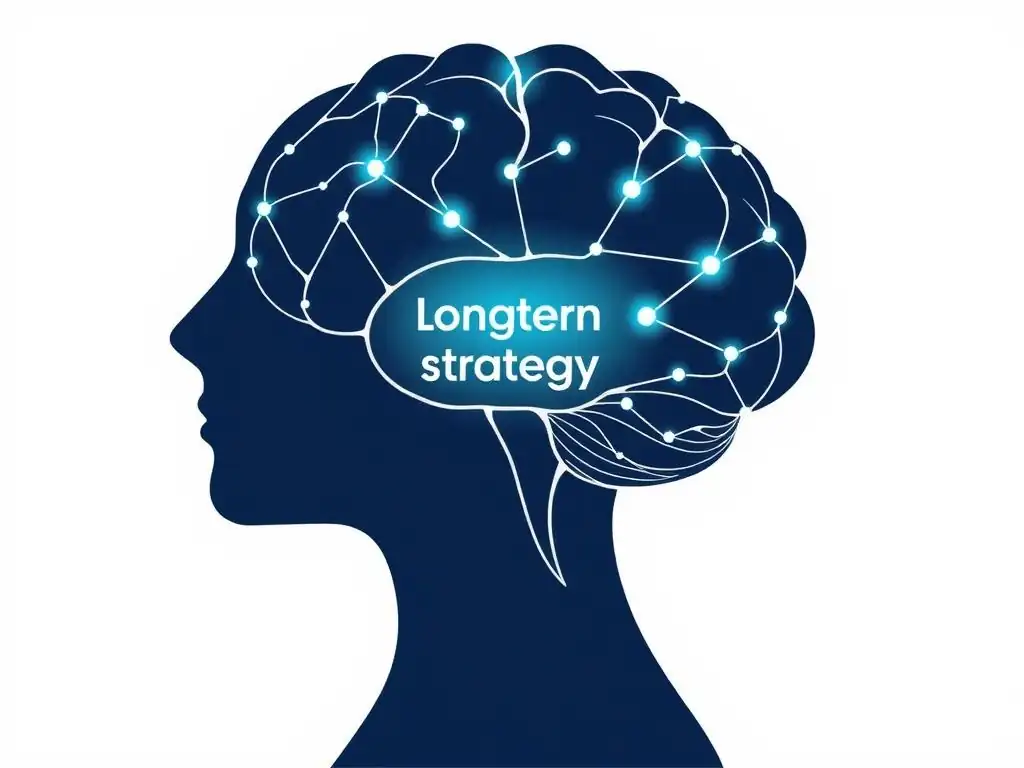
This section delves into the long-term strategies crucial for cultivating consistent and effective creative problem-solving skills. It's not just about quick fixes; it's about building a mindset and skillset that allows you to tackle challenges creatively, day in and day out. Think of this as investing in your future problem-solving prowess, reaping rewards far beyond a single solution. This approach to creative problem-solving everyday hacks focuses on sustainable growth, ensuring you're equipped to handle any obstacle that comes your way.
Continuous Learning: Expanding Your Knowledge Base for Enhanced Creativity
Continuous learning is the cornerstone of enhanced creative problem-solving. The more you know, the more connections you can make, leading to innovative solutions. This isn't about passively consuming information; it's about actively seeking out diverse knowledge and integrating it into your understanding of the world.
Consider these approaches:
- Diversify your learning: Don't limit yourself to your field of expertise. Explore unrelated subjects. Reading fiction can boost lateral thinking, while learning a new language can enhance cognitive flexibility. The unexpected connections you make between seemingly disparate areas of knowledge can be the genesis of groundbreaking solutions.
- Embrace lifelong learning: Make continuous learning a habit. Dedicate time each week to learning something new, whether it's through online courses, books, podcasts, or workshops. Even small amounts of consistent learning accumulate over time, significantly expanding your knowledge base and problem-solving capabilities.
- Practice active recall: Don't just passively read or listen. Actively test yourself on what you've learned. This strengthens memory and helps integrate new knowledge into your existing framework, making it readily accessible when facing a problem. For example, after reading an article, summarize the key points without looking back at the text.
A study by the University of California, Los Angeles, showed that individuals who engaged in consistent learning demonstrated a 20% improvement in their creative problem-solving abilities over a six-month period. This highlights the tangible benefits of dedicating time to continuous learning. This is a crucial aspect of mastering creative problem-solving everyday hacks.
Seeking Diverse Perspectives: Collaboration and Brainstorming with Others
Effective creative problem-solving rarely occurs in isolation. Collaborating with others, bouncing ideas off different minds, and leveraging their unique perspectives is essential for generating innovative solutions.
Here's how to effectively leverage collaboration:
- Embrace brainstorming sessions: Organize regular brainstorming sessions with colleagues, friends, or even family members. Encourage free-flowing ideas, even seemingly outlandish ones. The goal is quantity over quality initially; refinement comes later.
- Seek diverse viewpoints: Actively seek out individuals with backgrounds and experiences different from your own. Their unique perspectives can illuminate blind spots and lead to solutions you might not have considered otherwise.
- Utilize online collaboration tools: Platforms designed for collaborative brainstorming can streamline the process and facilitate idea sharing, regardless of geographical location. These tools can help organize ideas, track progress, and ensure everyone's contributions are valued.
For example, a team tasked with designing a new product might include engineers, marketers, and designers. Each brings unique expertise and perspectives, leading to a more comprehensive and innovative solution. This collaborative approach is key to unlocking the power of creative problem-solving everyday hacks.
Building a Supportive Creative Environment: Nurturing Your Innovative Spirit
A supportive environment is crucial for nurturing creativity and fostering innovative problem-solving. This involves cultivating a mindset that embraces experimentation, encourages risk-taking, and celebrates both successes and failures as learning opportunities.
Here are some key strategies:
- Embrace failure as a learning opportunity: View failures not as setbacks, but as valuable feedback. Analyze what went wrong, learn from your mistakes, and iterate toward a better solution. A growth mindset, which embraces challenges and views effort as the path to mastery, is essential for this process.
- Minimize distractions and maximize focus: Create a dedicated workspace free from distractions. Minimize interruptions and dedicate specific times for focused problem-solving. This allows for deeper concentration and more creative breakthroughs.
- Celebrate creativity and innovation: Recognize and reward creative achievements, both big and small. This fosters a positive feedback loop, encouraging further innovation and risk-taking. A supportive environment helps individuals feel safe to experiment and explore unconventional ideas, knowing their efforts are valued.
This holistic approach to cultivating a supportive creative environment is a vital part of mastering creative problem-solving everyday hacks. By implementing these strategies, you can consistently unlock your creative potential and effectively tackle any challenge that life throws your way.
Frequently Asked Questions
What are some everyday problems this article addresses?
This article tackles common frustrations like lack of inspiration, inefficient workflows, and difficulty finding creative solutions to everyday challenges. It offers practical techniques to overcome these hurdles.
How can I boost my creative problem-solving skills?
The article suggests various techniques including brainstorming, mind mapping, and lateral thinking to unlock creative solutions. It emphasizes the importance of perspective shifts and embracing unconventional ideas.
Are these hacks suitable for beginners?
Absolutely! The hacks presented are designed to be accessible and easy to implement, requiring no prior experience in creative problem-solving. They are practical and straightforward.
How much time will implementing these hacks take?
The time commitment varies depending on the complexity of the problem. However, many hacks can be implemented in minutes, while others might require a bit more dedicated time for brainstorming and planning.
Where can I find more information on creative problem-solving?
While this article provides a solid foundation, you can find additional resources on UltimateLifeHacks website (and others!) for further exploration of creative problem-solving techniques and productivity strategies.
Final Reflection: Igniting Everyday Ingenuity
The ability to creatively solve problems isn't some innate gift reserved for a select few; it's a skill we can all cultivate and unleash in our daily lives. The simple hacks explored in this article—from embracing constraints to fostering mindful observation—are not mere tricks, but powerful tools for navigating the complexities of modern existence. They offer a pathway to unlock a reservoir of ingenuity within each of us, transforming challenges into opportunities for growth and innovation.
The impact of creative problem-solving extends far beyond individual achievements; it shapes our collective future. It's the engine of progress, driving innovation in technology, art, and social structures. The ability to think outside the box, to connect seemingly disparate ideas, is what allows us to overcome obstacles and build a better world. As Albert Einstein wisely stated, Imagination is more important than knowledge. For knowledge is limited to all we now know and understand, while imagination embraces the entire world, and all there ever will be to know and understand.
This quote underscores the profound importance of nurturing our creative potential, not just for personal gain, but for the betterment of society as a whole.
Now, consider the challenges you face daily. Perhaps it's a logistical hurdle at work, a creative block in a personal project, or a simple household dilemma. I invite you to revisit the strategies discussed in this article and apply them to your own circumstances. Experiment with different approaches, embrace the unexpected, and most importantly, trust in your own inherent capacity for ingenuity. By actively cultivating your creative problem-solving skills, you'll not only overcome immediate obstacles but also unlock a deeper sense of self-reliance and empowerment, transforming the everyday into an extraordinary adventure of discovery and innovation.
Unlock Your Creative Potential Today!
Thank you for exploring these simple yet powerful creativity techniques! We hope you've discovered valuable tools to approach everyday challenges with renewed ingenuity. Ready to put your knowledge into practice?
- Try one new technique this week: Choose the method that resonated most with you and apply it to a current problem—big or small! Observe how it changes your approach.
- Share your successes: Tell us (and others!) about your experiences. What challenges did you overcome? What innovative solutions did you discover?
- Continue learning: Explore our other articles on problem-solving and personal development for even more ideas.
What creative solution will you develop today?