
Avoid Misunderstandings: Practical Tips for Clear Communication at Work


Ready to transform your workday and unlock peak productivity? At UltimateLifeHacks, we're dedicated to providing you with the practical tools and strategies you need to conquer your to-do list and achieve more. This week, we delve into the crucial skill of clear communication in the workplace. Discover proven tips to avoid misunderstandings, boost collaboration, and dramatically improve your professional efficiency. Let's unlock the secrets to seamless communication—read on to find out how!
- Mastering Clear Communication in the Workplace: Essential Tips
- Enhancing Clarity in Your Workplace Communication: Practical Strategies
- Improving Workplace Communication Through Feedback and Follow-Up
- Overcoming Common Communication Barriers in the Workplace
- Building a Culture of Clear Communication at Work: Long-Term Strategies
-
Frequently Asked Questions
- How can I improve my written communication skills in the workplace?
- What are some effective strategies for active listening during meetings?
- How can I give constructive criticism effectively without causing offense?
- What are some common communication barriers in the workplace, and how can I overcome them?
- What role does nonverbal communication play in clear workplace communication?
- Final Reflection: The Enduring Power of Clear Communication
- Unlock Clearer Communication Today!
Mastering Clear Communication in the Workplace: Essential Tips
Clear communication is the bedrock of any successful workplace. Misunderstandings, misinterpretations, and inefficient information flow can lead to decreased productivity, missed deadlines, and even conflict. This article provides practical, actionable tips to enhance your communication skills and foster a more collaborative and productive work environment.
We will explore essential techniques for active listening, decoding nonverbal cues, and selecting the appropriate communication channels, all crucial components of achieving clear communication and maximizing your workplace effectiveness. Mastering these skills is not just about improving efficiency; it's about building stronger relationships, boosting team morale, and ultimately contributing to a more positive and successful professional experience. Let's dive into the specifics of how to implement these strategies for improved “clear communication workplace tips”.
Active Listening: The Foundation of Effective Workplace Communication
Active listening is more than just hearing; it's about truly understanding the message being conveyed. It involves paying close attention to both the verbal and nonverbal cues of the speaker, asking clarifying questions, and providing feedback to confirm understanding. Consider these key elements for effective active listening:
- Focus on the Speaker: Eliminate distractions, maintain eye contact (appropriately), and show genuine interest. Avoid interrupting or formulating your response while the other person is still speaking.
- Provide Nonverbal Cues: Nodding, smiling (when appropriate), and leaning slightly forward demonstrate engagement and encourage the speaker to continue.
- Ask Clarifying Questions: If something is unclear, don't hesitate to ask for clarification. Phrases like, "Can you elaborate on that?" or "I want to make sure I understand correctly..." can be incredibly helpful.
- Summarize and Paraphrase: Periodically summarize the speaker's points to ensure you've grasped the key messages. This also provides an opportunity for the speaker to correct any misunderstandings.
- Practice Empathy: Try to understand the speaker's perspective, even if you don't necessarily agree with their viewpoint. This fosters trust and encourages open communication.
Implementing these active listening techniques will significantly improve your ability to understand colleagues, resolve conflicts effectively, and build stronger working relationships. The benefits extend beyond individual interactions, creating a more collaborative and productive team dynamic overall. Remember, active listening is a skill that improves with practice and conscious effort.
Nonverbal Communication: Understanding Body Language in Professional Settings
Nonverbal communication, encompassing body language, facial expressions, and tone of voice, often speaks louder than words. In professional settings, being aware of and interpreting nonverbal cues is crucial for avoiding misunderstandings and fostering effective communication. Consider these points:
- Body Language Awareness: Pay attention to your own posture, gestures, and facial expressions. Maintain open and approachable body language, avoiding crossed arms or legs which can signal defensiveness or disinterest.
- Interpreting Others' Body Language: Observe colleagues' body language for signs of agreement, disagreement, or confusion. For instance, fidgeting might indicate discomfort or nervousness, while direct eye contact usually suggests engagement.
- Tone of Voice: The tone in which you deliver a message significantly impacts its reception. A harsh or condescending tone can easily negate even the most well-intentioned words. Aim for a calm, respectful, and professional tone.
- Cultural Sensitivity: Recognize that nonverbal cues can vary across cultures. Be mindful of cultural differences and avoid making assumptions based on limited understanding.
- Context is Key: Always consider the context when interpreting nonverbal cues. A slight frown might indicate concentration rather than disapproval, depending on the situation.
By developing your understanding and awareness of nonverbal communication, you can significantly improve your ability to connect with colleagues, build rapport, and navigate complex interactions more effectively. This contributes to a more positive and productive work environment for everyone.
Choosing the Right Communication Channel for Workplace Success
Selecting the appropriate communication channel is vital for ensuring your message reaches its intended audience clearly and efficiently. Different channels suit different purposes and audiences. Consider the following:
- Email: Suitable for formal communication, sharing documents, and providing detailed information. However, avoid using email for urgent matters or sensitive topics requiring immediate clarification.
- Instant Messaging: Ideal for quick questions, informal updates, and collaborative discussions. However, be mindful of the informality and avoid sensitive or confidential information.
- Phone Calls: Best for urgent matters, discussions requiring immediate feedback, and sensitive topics needing nuanced communication.
- In-Person Meetings: Most effective for complex issues, brainstorming sessions, and team-building activities. However, they can be time-consuming and require careful planning.
- Project Management Software: Useful for tracking progress, assigning tasks, and centralizing communication within a project team.
Choosing the right channel ensures that your message is not only received but also understood appropriately. Consider the urgency, sensitivity, and complexity of the information when deciding on the most effective communication method. Strategic channel selection dramatically improves efficiency and minimizes potential misunderstandings. Remember to always prioritize clarity and effectiveness in your workplace communication.
Enhancing Clarity in Your Workplace Communication: Practical Strategies
This section delves into practical strategies for improving workplace communication, focusing on techniques to ensure your messages are understood clearly and efficiently. Effective communication is crucial for maximizing productivity and minimizing conflict, ultimately contributing to a smoother and more successful work environment. Mastering these techniques will significantly enhance your professional interactions and boost your overall efficiency.
Precise Language: Avoiding Ambiguity and Jargon in Workplace Interactions
Ambiguity is the enemy of clear communication. Using precise language is paramount to ensuring your message is understood correctly the first time. Vague terminology, colloquialisms, and excessive jargon can lead to misunderstandings, wasted time, and even project failures. Consider these points:
- Replace vague words with specific ones: Instead of saying "a lot of," specify a number or quantify the amount. Instead of "soon," state a specific timeframe. For example, "We need many more resources" is less effective than "We require an additional ten team members."
- Avoid jargon: Technical terms are acceptable within specific teams, but always ensure everyone in the conversation understands them. If you must use jargon, provide a clear definition. Overuse of industry-specific jargon can alienate colleagues from other departments or those new to the company.
- Choose strong verbs: Strong, active verbs make your communication more direct and impactful. Instead of "The report was completed," try "The team finished the report." This subtle change adds clarity and conciseness.
- Proofread meticulously: Typos and grammatical errors can undermine the credibility of your message and lead to misinterpretations. Always review your emails, reports, and other communications before sending them. Consider using grammar and spell-check tools to catch errors.
The impact of precise language is measurable. Studies show that clear, concise communication leads to fewer errors and a reduction in rework, directly impacting productivity. By adopting these strategies, you'll cultivate a more efficient and collaborative work atmosphere.
Structuring Your Messages for Optimal Clarity and Comprehension
The structure of your message is just as important as the language you use. A well-structured message is easier to understand and process, reducing the likelihood of miscommunication. Here are some key strategies:
- Use a clear subject line: A concise and informative subject line immediately sets the context for your message. This allows recipients to prioritize their inbox efficiently and quickly understand the purpose of your communication.
- Employ headings and bullet points: For longer messages, breaking down information into smaller, digestible chunks using headings and bullet points improves readability and comprehension. This is especially important for reports, proposals, and other lengthy documents.
- Use active voice: Active voice is generally clearer and more direct than passive voice. For example, "The manager approved the proposal" is clearer than "The proposal was approved by the manager."
- Prioritize information: Present the most important information first. This allows recipients to quickly grasp the core message, even if they don't read the entire communication.
Consider this example: A poorly structured email might start with lengthy background information, burying the main point at the end. A well-structured email, however, would begin with a concise summary of the main point, followed by supporting details and any necessary context. This simple change can significantly improve understanding and reduce the likelihood of miscommunication. This approach saves time for both the sender and the recipient, contributing directly to increased workplace efficiency.
Concise Communication: Getting Your Point Across Efficiently in the Workplace
Conciseness is key to effective communication. Avoid unnecessary words and phrases, ensuring that your message is clear and to the point. Rambling communication wastes time and can dilute the impact of your message.
- Eliminate unnecessary words: Review your written communication and remove any words or phrases that don't add value. Every word should serve a purpose.
- Use shorter sentences: Short, simple sentences are easier to understand than long, complex ones. Aim for sentences that are around 15-20 words in length, on average.
- Get to the point quickly: Don't beat around the bush. State your main point clearly and concisely at the beginning of your message.
- Use visuals: Where appropriate, use charts, graphs, or other visuals to convey information quickly and efficiently. A picture can often convey information more effectively than a lengthy explanation.
Implementing concise communication practices leads to significant time savings. Studies have shown that concise communication can reduce meeting times, improve email response rates, and decrease the overall time spent on communication-related tasks. By focusing on brevity and clarity, you contribute to a more efficient and productive workplace. This approach directly addresses the core needs of clear communication workplace tips, ultimately enhancing productivity and collaboration.
Improving Workplace Communication Through Feedback and Follow-Up
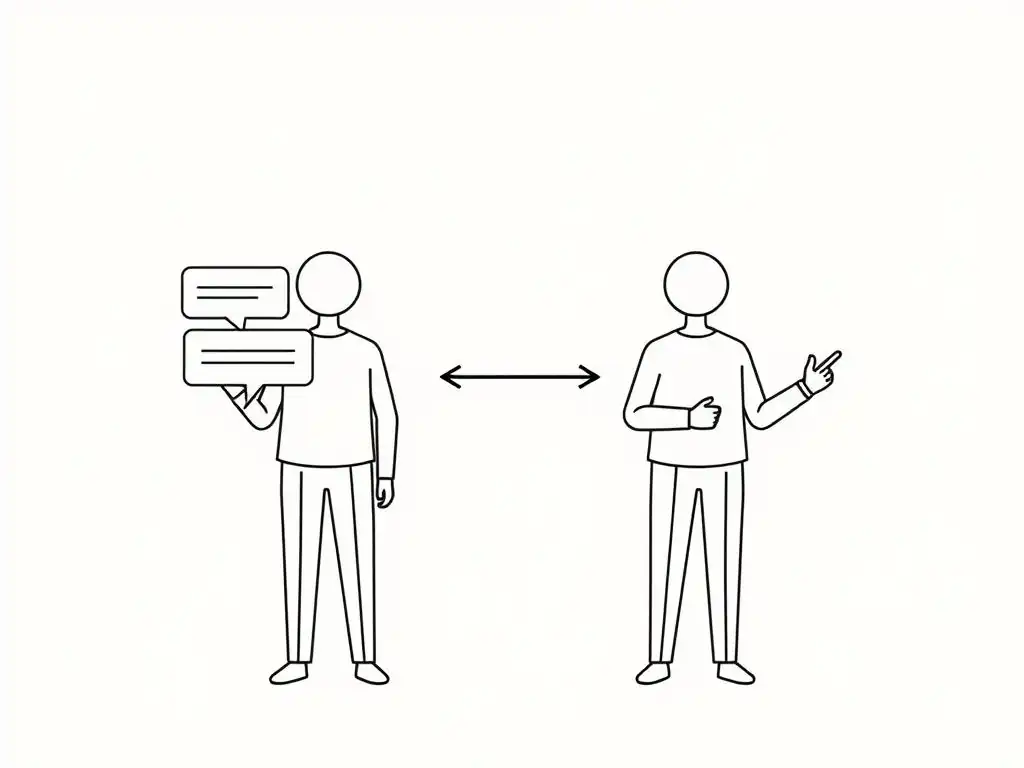
Effective communication isn't a one-way street; it's a continuous process of giving and receiving information, seeking clarification, and ensuring everyone is on the same page. This section focuses on two crucial aspects of clear communication in the workplace: providing and receiving constructive feedback, and diligent follow-up to prevent misunderstandings. Mastering these skills significantly boosts team productivity and reduces costly errors. This is key for achieving optimal clear communication workplace tips.
Seeking and Providing Constructive Feedback for Enhanced Workplace Communication
Constructive feedback is the cornerstone of improved communication. It's not about criticism for criticism's sake; it's about offering specific, actionable suggestions for improvement. The goal is to help colleagues grow and enhance their performance, ultimately contributing to a more efficient and effective workplace.
Providing effective feedback involves several key steps:
- Be Specific: Avoid vague statements like "you need to improve." Instead, say "In the last project, the deadline was missed by two days. Next time, let's break down the tasks into smaller, more manageable chunks to ensure timely completion."
- Focus on Behavior, Not Personality: Address the actions, not the individual's character. Instead of "You're lazy," try "The report was submitted late. Can we discuss time management strategies to prevent this in the future?"
- Use the "Situation-Behavior-Impact" Method: Describe the situation, the specific behavior observed, and its impact. For example: "During the team meeting (situation), you interrupted several times (behavior), making it difficult for others to contribute their ideas (impact)."
- Offer Solutions: Don't just point out problems; suggest solutions. "I noticed the presentation lacked visual aids. Perhaps incorporating charts and graphs would make it more engaging and easier to understand."
- Be Timely: Provide feedback as soon as possible after the event, while the details are still fresh in everyone's minds.
- Be Balanced: Acknowledge both strengths and weaknesses. For instance: "Your presentation was well-researched and informative. However, incorporating more visuals would enhance its impact."
Seeking feedback is equally important. Actively solicit input from colleagues, supervisors, and even subordinates. Ask direct questions like: "What could I have done better on this project? ", "Is there anything I can clarify? ", or "Do you have any suggestions for improving my communication style?". This demonstrates a commitment to continuous improvement and fosters a culture of open dialogue. Remember, embracing feedback, both positive and negative, is a crucial element of clear communication workplace tips.
Following Up: Ensuring Clear Understanding and Preventing Misinterpretations
Even with the clearest communication, misunderstandings can occur. Following up is a critical step in ensuring everyone is on the same page and preventing misinterpretations.
Following up involves several actions:
- Confirming Understanding: After delivering information, ask clarifying questions such as "Does that make sense? ", "Do you have any questions? ", or "Can you summarize what we discussed? ".
- Sending a Summary Email: Following a meeting or important conversation, send a concise email summarizing key decisions, action items, and deadlines. This serves as a written record and minimizes the chance of misremembering details.
- Checking In Regularly: For ongoing projects, schedule regular check-ins to monitor progress, address any concerns, and ensure everyone is aligned on goals and timelines.
- Using Multiple Communication Channels: Employing diverse methods – emails, instant messaging, phone calls – can reinforce messages and cater to different communication preferences.
- Documenting Everything: Maintain clear and concise records of conversations, agreements, and decisions. This is particularly crucial for complex projects or situations that require detailed documentation. This detailed approach is a key aspect of successfully implementing clear communication workplace tips.
Utilizing Technology for Clear and Efficient Workplace Communication
Technology plays a significant role in modern workplace communication. Utilizing the right tools can significantly improve clarity and efficiency.
Here are some examples:
| Technology | Benefits | Potential Drawbacks |
|---|---|---|
| Project Management Software (e.g., Asana, Trello) | Centralized task management, clear deadlines, improved collaboration | Requires team buy-in and consistent usage |
| Instant Messaging (e.g., Slack, Microsoft Teams) | Quick communication, file sharing, real-time collaboration | Potential for information overload, lack of formal record |
| Video Conferencing (e.g., Zoom, Google Meet) | Face-to-face interaction, enhanced understanding, improved engagement | Requires reliable internet connection, potential technical issues |
| Formal record of communication, detailed information sharing | Can lead to information overload, slow response times |
Choosing the appropriate technology depends on the specific needs of the team and the nature of the communication. However, regardless of the technology used, clear and concise messaging remains paramount for effective communication. The strategic application of technology is another essential element of clear communication workplace tips. Remember to use technology to enhance, not replace, human interaction.
Overcoming Common Communication Barriers in the Workplace
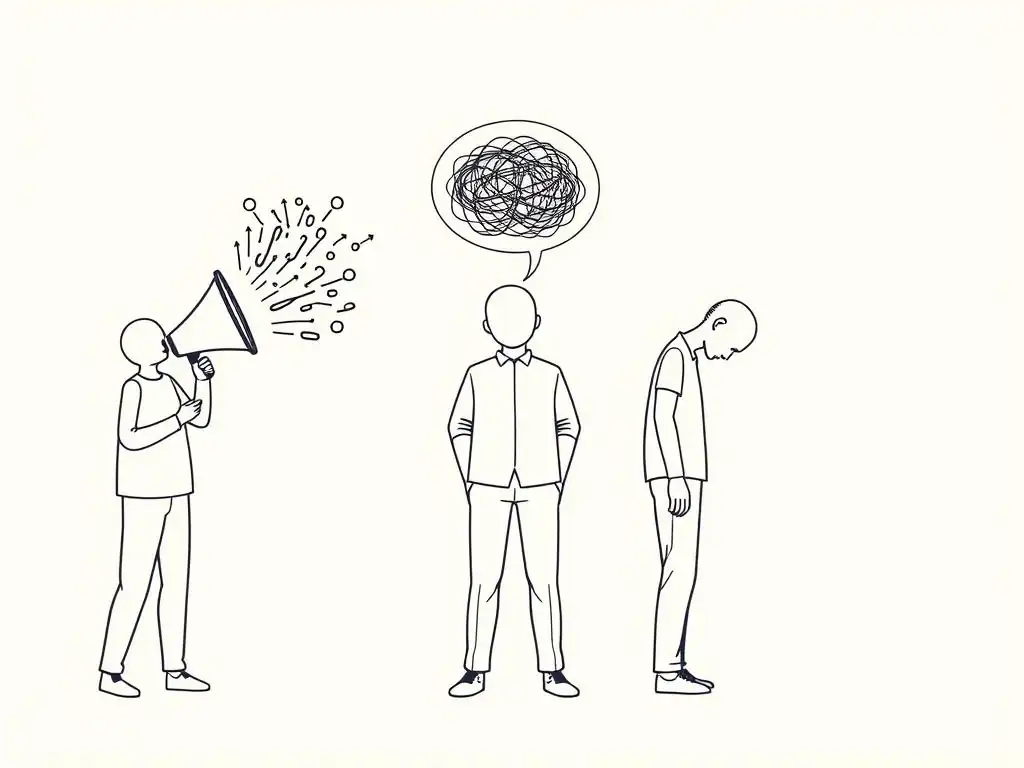
Effective communication is the cornerstone of a productive workplace. However, numerous barriers can impede clear communication, leading to misunderstandings, decreased efficiency, and ultimately, reduced productivity. Let's delve into some of the most prevalent obstacles and explore practical strategies to overcome them. Mastering these techniques will significantly improve your workplace interactions and contribute to a more harmonious and productive environment. This is crucial for achieving your professional goals and boosting overall team performance.
The modern workplace is increasingly diverse, bringing together individuals from various cultural backgrounds and communication styles. This diversity, while enriching, can also present challenges. Direct communication, valued in some cultures, might be perceived as aggressive in others, where indirect or high-context communication is preferred. For example, a direct request for a deadline extension in a culture prioritizing directness might be seen as perfectly acceptable. However, in a culture valuing indirectness, the same request might be considered rude, causing offense and hindering the desired outcome.
Understanding these nuances is key to successful cross-cultural communication. Active listening, paying close attention not only to words but also to nonverbal cues like body language and tone, is paramount. Being mindful of cultural differences in communication styles can prevent misinterpretations and foster mutual respect. Consider implementing diversity training programs to educate employees about different communication styles and cultural sensitivities. Remember, adapting your communication style to the individual and the context is vital for clear and effective interactions. This proactive approach to understanding cultural nuances is a powerful tool for building a more inclusive and productive workplace.
Managing Conflict Through Effective Communication Strategies
Conflict is inevitable in any workplace, but how you manage it significantly impacts productivity and morale. Effective communication plays a crucial role in resolving conflicts constructively. Instead of letting disagreements escalate, employ strategies that encourage open and honest dialogue. For instance, using "I" statements ("I feel frustrated when...") instead of accusatory "you" statements ("You always...") can de-escalate tensions and promote a more collaborative environment. This approach focuses on expressing personal feelings and perspectives without placing blame, fostering a more receptive atmosphere for resolution.
Furthermore, active listening, as previously mentioned, is crucial in conflict resolution. Actively listening to opposing viewpoints shows respect and encourages the other party to do the same. This creates a space for mutual understanding and compromise. Consider implementing structured conflict resolution processes, perhaps with a designated mediator, to ensure disagreements are addressed systematically and fairly. Clear communication, empathy, and a willingness to find common ground are essential ingredients for navigating workplace conflicts effectively. Data shows that workplaces with robust conflict resolution strategies experience significantly higher employee satisfaction and productivity.
Dealing with Difficult Conversations and Individuals in the Workplace
Some workplace interactions are inherently challenging. Delivering negative feedback, addressing performance issues, or dealing with difficult colleagues requires a carefully planned and sensitive approach. Effective communication here is not just about conveying information; it's about managing emotions and maintaining professionalism. Prepare thoroughly before any difficult conversation, outlining key points and anticipating potential responses. Choose a private and neutral setting to ensure confidentiality and comfort.
During the conversation, maintain a calm and respectful tone. Focus on specific behaviors and their impact, avoiding generalizations or personal attacks. Use the "Situation-Behavior-Impact" (SBI) model to structure your feedback: describe the situation, the specific behavior observed, and the impact of that behavior. For example, instead of saying "You're always late," try, "On three occasions this month, you arrived late to team meetings. This impacted our ability to start promptly and caused delays in decision-making."
This structured approach ensures clear communication and avoids emotional escalation. Remember, the goal is to address the issue constructively, not to win an argument. Following up after the conversation to ensure understanding and address any lingering concerns shows commitment to resolving the issue and maintaining a positive working relationship. This proactive approach to difficult conversations is essential for building a respectful and productive workplace.
Building a Culture of Clear Communication at Work: Long-Term Strategies
Cultivating a workplace where clear communication thrives isn't a one-time fix; it's an ongoing process requiring consistent effort and commitment. This section details long-term strategies to foster a culture where misunderstandings are minimized and productivity is maximized. Effective communication isn't just about individual skills; it's deeply intertwined with the organizational culture.
Fostering Open Communication Channels Throughout Your Organization
Open communication channels are the bedrock of a productive and collaborative work environment. They ensure information flows freely, preventing bottlenecks and fostering a sense of transparency. Several key strategies can significantly improve this flow:
- Regular Team Meetings: Scheduled, focused meetings, whether daily stand-ups or weekly progress reviews, provide a dedicated space for updates, discussions, and addressing concerns. These shouldn't be simply information dumps; they should encourage active participation and two-way dialogue. Consider using visual aids like Kanban boards to track progress and improve clarity.
- Accessible Leadership: Leaders should be approachable and available, fostering a climate where employees feel comfortable expressing their ideas, concerns, and feedback without fear of retribution. Regular "open door" policies, coupled with informal communication opportunities, can significantly improve this.
- Utilizing Diverse Communication Platforms: Recognizing that different employees prefer different communication methods, offering a variety of tools (instant messaging, email, project management software, etc.) caters to individual preferences and ensures that information reaches everyone effectively. The key is to establish clear guidelines on when to use which platform for optimal efficiency. For instance, using instant messaging for quick questions and email for formal announcements.
- Feedback Mechanisms: Implementing regular feedback mechanisms, such as anonymous surveys or 360-degree feedback programs, provides valuable insights into communication effectiveness and areas for improvement. Analyzing this data can identify recurring communication challenges and inform targeted interventions. This data-driven approach ensures that improvements are based on concrete evidence rather than assumptions.
Training and Development for Improved Workplace Communication Skills
Investing in employee training is crucial for improving communication skills across the board. Effective communication isn't innate; it's a skill that can be learned and honed.
- Active Listening Workshops: These workshops should focus on techniques for improving active listening, including paraphrasing, asking clarifying questions, and paying attention to nonverbal cues. Role-playing exercises can provide valuable practice in real-world scenarios.
- Clear Communication Training: Training programs should emphasize clear and concise writing and speaking skills, focusing on techniques like structuring messages logically, using appropriate language, and tailoring the message to the audience. This includes training on the effective use of visual aids for presentations.
- Nonverbal Communication Awareness: Understanding and interpreting nonverbal cues—body language, tone of voice, facial expressions—is essential for effective communication. Training in this area can help employees better understand and respond to the unspoken messages conveyed during interactions.
Measuring and Improving Communication Effectiveness in the Workplace
Measuring the effectiveness of communication efforts is key to continuous improvement. This goes beyond simple anecdotal evidence; it requires a structured approach to data collection and analysis.
- Communication Audits: Regular communication audits involve assessing various aspects of communication within the organization, from the clarity of internal memos to the effectiveness of team meetings. These audits can identify bottlenecks, areas of confusion, and opportunities for improvement.
- Employee Surveys: Anonymous surveys can provide valuable feedback on employees' perceptions of communication effectiveness within the organization. These surveys can pinpoint specific areas of concern and help gauge the overall satisfaction with communication processes.
- Key Performance Indicators (KPIs): Tracking relevant KPIs, such as the number of misunderstandings resolved, the time taken to resolve communication-related issues, and employee satisfaction with communication, provides quantifiable data on the effectiveness of communication strategies. Regular monitoring of these KPIs allows for timely adjustments and improvements.
This structured approach, combining cultural shifts with targeted training and continuous measurement, is vital for achieving clear communication workplace tips and fostering a highly productive work environment. Remember, effective communication is not a destination, but an ongoing journey requiring consistent effort and adaptation.
Frequently Asked Questions
How can I improve my written communication skills in the workplace?
To improve your written communication, focus on clarity and conciseness. Use bullet points and short paragraphs. Proofread carefully before sending anything.
What are some effective strategies for active listening during meetings?
Active listening involves paying attention, asking clarifying questions, and summarizing what you've heard to ensure understanding. Avoid interrupting and focus on the speaker.
How can I give constructive criticism effectively without causing offense?
When giving feedback, focus on specific behaviors rather than personal attributes. Start with positive points, then offer suggestions for improvement using the "sandwich method". End on a positive note.
What are some common communication barriers in the workplace, and how can I overcome them?
Common barriers include poor listening skills, language differences, and cultural misunderstandings. To overcome them, seek clarification, use visual aids, and be mindful of cultural nuances.
What role does nonverbal communication play in clear workplace communication?
Nonverbal cues like body language and tone of voice significantly impact how your message is received. Maintain eye contact, use open body language, and ensure your tone matches your words for effective communication.
Final Reflection: The Enduring Power of Clear Communication
The ability to communicate effectively remains the cornerstone of successful collaboration, and in today's fast-paced, interconnected work environment, clear communication is no longer a desirable skill—it's a necessity for survival. Misunderstandings cost time, money, and morale, impacting productivity and overall team success. The practical tips outlined in this article, from active listening to concise writing, are not merely suggestions; they are essential tools for navigating the complexities of modern workplaces.
The impact of clear communication extends far beyond individual productivity; it shapes the very culture of an organization. A workplace where ideas are shared openly, feedback is valued, and instructions are understood fosters a sense of trust and mutual respect. This positive environment, in turn, boosts creativity, innovation, and employee satisfaction. As Stephen Covey wisely stated, Seek first to understand, then to be understood.
This principle, at the heart of effective communication, remains as relevant today as it was when first articulated, shaping not only professional interactions but also our personal relationships.
You now possess the tools to cultivate clearer communication in your professional life. Consider how you can actively implement these strategies—from refining your email etiquette to practicing empathetic listening—to foster stronger relationships and achieve greater success. Take the time to reflect on your own communication style, identify areas for improvement, and commit to making small, consistent changes. The rewards—a more productive, fulfilling, and harmonious work environment—are well worth the effort.
Unlock Clearer Communication Today!
Thanks for exploring practical ways to improve communication at work! We hope you gained valuable insights into avoiding misunderstandings and strengthening team dynamics. Now, let's put that knowledge into action.
- Prioritize one area for improvement: Focus on a single communication challenge from this article and commit to implementing a solution this week. This targeted approach will deliver quicker, more noticeable results.
- Share this article with a colleague: Discuss the tips and identify strategies you can both implement. A fresh perspective can be incredibly helpful!
- Experiment with a new communication method: Try a different approach – perhaps a quick video message instead of an email, or a face-to-face meeting instead of a lengthy instant message exchange.
What small change can you make today to improve your workplace communication?