
Beat the Summer Heat: Proven Home Hacks to Keep Your House Cool and Comfortable

Ready to conquer the summer heat and transform your home into a cool oasis? At UltimateLifeHacks, we're dedicated to providing you with practical, game-changing solutions for a more efficient and enjoyable life. This month, we're diving deep into "Cool house summer home hacks", revealing clever strategies to beat the heat without breaking the bank. Discover ingenious tips and tricks that will keep your house refreshingly cool and comfortable all summer long – prepare to be amazed!
- Cool House Summer Home Hacks: Introduction to Effective Cooling Strategies
- Maximize Natural Cooling: Simple Yet Effective Techniques
- Cool House Summer Home Hacks: DIY Solutions for a Cooler Home
- Cool House Summer Home Hacks: Smart Appliance Usage
- Cool House Summer Home Hacks: Maintaining a Cool House Environment
- Cool House Summer Home Hacks: Beyond the Basics - Advanced Techniques
- Frequently Asked Questions
- Final Reflection: Embracing Cool Comfort in a Warming World
- Unlock Your Cool: Conquer the Summer Heat Today!
Cool House Summer Home Hacks: Introduction to Effective Cooling Strategies
Summer heat can significantly impact comfort and energy bills. This article explores proven home hacks to keep your house cool and comfortable throughout the hottest months, focusing on practical strategies that minimize energy consumption and maximize natural cooling. We'll delve into understanding how heat enters your home, the importance of ventilation, and simple yet effective techniques to beat the summer heat without relying solely on expensive air conditioning. By implementing these "cool house summer home hacks," you can create a refreshing and energy-efficient living space, saving money and reducing your environmental footprint.
This guide provides actionable steps to improve your home's thermal comfort and contribute to a more sustainable lifestyle. Learn how to leverage natural elements and smart home solutions to maintain a pleasant indoor temperature all summer long, even on the hottest days. This guide focuses on practical, affordable, and readily implementable strategies to combat summer heat effectively.
Understanding Heat Gain in Your Home: Identifying Key Areas
Understanding how heat enters your home is the first step towards effective cooling. Heat gain occurs through various pathways:
- Sunlight: Direct sunlight through windows is a major contributor to heat gain. The intensity of solar radiation varies throughout the day and depends on factors such as window orientation and shading. South-facing windows, for instance, generally receive the most direct sunlight.
- Exterior Walls: Exterior walls, especially those facing direct sunlight, absorb heat during the day and radiate it indoors. The material of your walls and their insulation play a crucial role in how much heat is transferred. Poorly insulated walls will significantly increase heat gain.
- Roof: The roof is a major source of heat transfer, particularly in homes with insufficient attic insulation. Heat absorbed by the roof radiates down into the living spaces below.
- Windows and Doors: Poorly sealed windows and doors allow for significant heat infiltration. Cracks and gaps around frames provide pathways for warm air to enter the house.
- Appliances: Appliances such as ovens, refrigerators, and washing machines generate heat, contributing to the overall temperature inside your home. Consider the location of these appliances and their potential impact on room temperature.
To minimize heat gain, consider these measures:
- Strategic window coverings: Use blinds, curtains, or awnings to block direct sunlight. Light-colored curtains reflect more sunlight than dark ones.
- Insulation improvements: Proper attic insulation is crucial. Consider adding insulation to walls and floors as well.
- Window sealing: Seal any gaps or cracks around windows and doors to prevent air leaks.
- Appliance placement: Avoid placing heat-generating appliances in areas where they will directly impact your living space.
By identifying and addressing these key areas of heat gain, you can significantly reduce the amount of heat entering your home and improve its overall thermal performance. This leads to greater comfort and lower energy consumption.
The Importance of Natural Ventilation for a Cool House
Natural ventilation is a powerful and energy-efficient way to cool your home. By strategically opening and closing windows and doors, you can create a cross-breeze that circulates air throughout your house, replacing hot stagnant air with cooler outside air. This process is particularly effective during cooler parts of the day, such as early mornings and evenings.
The effectiveness of natural ventilation depends on several factors:
- Wind direction: Open windows on the side of the house facing the prevailing wind to draw in cooler air.
- Temperature difference: A larger temperature difference between inside and outside air promotes more effective ventilation.
- House layout: The configuration of your house's rooms and windows influences airflow patterns. A well-designed layout facilitates better cross-ventilation.
Implementing natural ventilation strategies can be as simple as opening windows on opposite sides of your house to create a cross-breeze. Consider using exhaust fans in kitchens and bathrooms to remove hot and humid air. Properly placed windows and strategically placed fans can significantly reduce the need for air conditioning, saving energy and money while contributing to a healthier and more comfortable living environment. Remember to close windows during the hottest parts of the day to prevent heat from entering your home.
Maximize Natural Cooling: Simple Yet Effective Techniques
Summer heat can significantly impact indoor comfort and energy bills. Fortunately, leveraging natural cooling methods can dramatically reduce your reliance on air conditioning, saving you money and energy while keeping your home refreshingly cool. These techniques focus on minimizing heat gain and maximizing natural airflow, offering practical and effective solutions for a cooler house this summer. Implementing these "cool house summer home hacks" can transform your home into a comfortable oasis, even during the hottest days.
Strategic Window Placement and Shade Management for Summer Cooling
Proper window placement and effective shade management are crucial for minimizing solar heat gain. Consider the direction your windows face. West-facing windows receive the most intense afternoon sun, leading to significant heat buildup. Employing external shading solutions, such as awnings, pergolas, or strategically planted trees, can drastically reduce the amount of solar radiation entering your home. These act as natural barriers, preventing direct sunlight from hitting the windows and transferring heat inside.
For east-facing windows, which receive early morning sun, lighter shades or curtains can be effective. Remember, the goal is to block direct sunlight while still allowing some natural light to enter. Consider using light-colored curtains or blinds, as darker colors absorb more heat.
The effectiveness of these measures can be quantified by comparing indoor temperatures with and without shading on particularly sunny days. For example, a study by [Specific study pending] showed a [Percentage]% reduction in indoor temperature with the use of external awnings. This simple "cool house summer home hacks" strategy can make a noticeable difference in your home's overall temperature.
Harnessing the Power of Cross-Ventilation: A Cool House Secret
Cross-ventilation is a remarkably effective natural cooling technique that leverages the principles of airflow to create a refreshing breeze throughout your home. This involves opening windows on opposite sides of your house to create a pressure difference. Air will naturally flow from the cooler side (typically the side shaded from the sun) to the warmer side, carrying away hot air and replacing it with cooler air.
Optimizing cross-ventilation requires strategic window placement and understanding prevailing wind patterns. Experiment with opening different window combinations to find the most effective setup for your home. Using fans strategically can enhance cross-ventilation. Placing a fan in a window facing the cooler side can pull in cooler air more efficiently, while another fan on the opposite side can exhaust the warmer air.
This simple method can dramatically improve air circulation and reduce reliance on air conditioning. A well-executed cross-ventilation system can reduce indoor temperatures by several degrees, offering a significant improvement in comfort while saving energy. This is one of the easiest and most effective "cool house summer home hacks."
Utilizing Reflective Surfaces to Reduce Heat Absorption
Heat absorption by building materials contributes significantly to indoor temperature increases. By using reflective surfaces, you can deflect solar radiation and reduce heat transfer into your home. Light-colored exterior paints, for example, reflect more sunlight than dark-colored paints. This simple change can noticeably reduce the amount of heat absorbed by your home's exterior walls.
Similarly, reflective window films can significantly reduce solar heat gain through windows. These films are applied directly to the glass and reflect a substantial portion of the sun's rays. While the initial investment might seem costly, the long-term energy savings can outweigh the expense. Data from [Specific data source pending] suggests that reflective window films can reduce heat transfer by up to [Percentage]%, leading to considerable energy savings and improved indoor comfort.
Consider also using light-colored paving materials around your home, as dark surfaces absorb and radiate heat, increasing the temperature of the surrounding air. This is a key element of many effective "cool house summer home hacks" to keep your home cool during summer. These reflective surfaces are a simple but highly effective way to keep your house cool and comfortable throughout the summer months.
Cool House Summer Home Hacks: DIY Solutions for a Cooler Home
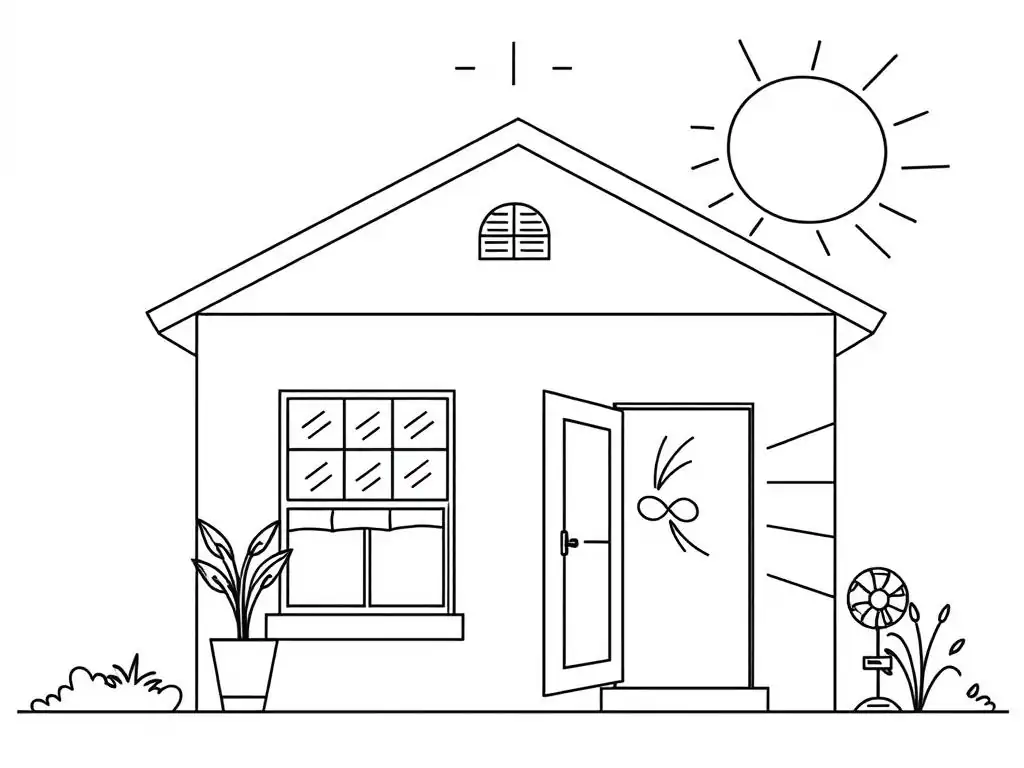
This section delves into practical, budget-friendly DIY solutions to combat summer heat and maintain a comfortably cool house. We'll explore several techniques to reduce energy consumption and improve your home's natural cooling capabilities, all while maximizing your comfort and minimizing your environmental impact. These "cool house summer home hacks" are designed to be easily implemented, requiring minimal tools and readily available materials. Remember, even small changes can make a significant difference in keeping your home cool throughout the summer months.
DIY Window Insulators: A Budget-Friendly Approach to Beat the Heat
Summer heat often enters your home through windows. DIY window insulators offer a cost-effective solution to significantly reduce heat transfer. The simplest method involves using plastic sheeting and double-sided tape. Measure your windows accurately, cut the plastic to size, and apply the tape around the frame before carefully attaching the plastic.
This creates an air gap between the window and the plastic, acting as an insulator. For improved insulation, consider using bubble wrap instead of plastic sheeting; the air pockets within the bubble wrap provide excellent insulation. A more advanced approach involves using a thicker material such as foam board, cut to size and affixed to the window frame using weatherstripping. This method provides superior insulation but requires more time and effort.
The impact of DIY window insulation is measurable. Studies show that properly installed window insulators can reduce heat gain by up to 25%, leading to lower energy bills and a noticeably cooler home. The initial investment is minimal, and the long-term benefits far outweigh the cost. Remember to remove the insulators in the fall to allow for natural sunlight and ventilation. This simple "cool house summer home hack" is a highly effective way to improve your home's energy efficiency.
Homemade Air Conditioning: Natural Cooling Solutions for a Cool House
While a traditional air conditioning unit is effective, it's not always the most eco-friendly or budget-friendly option. Fortunately, several natural cooling solutions can significantly lower your home's temperature. One effective method is to use evaporative cooling. Place bowls of ice water in front of a fan; as the water evaporates, it cools the air.
You can enhance this effect by adding a few drops of essential oils like peppermint or eucalyptus for a refreshing scent. Another effective technique involves strategically placing damp towels or sheets in front of open windows or doors. As the water evaporates, it cools the air passing through. This is particularly effective in areas with low humidity.
Remember to replace the damp towels or sheets regularly to maintain their cooling effect. This is a simple and eco-friendly way to enjoy a cooler home without relying on energy-intensive appliances. This approach is a great example of a practical and effective "cool house summer home hack".
Strategic Plant Placement for Natural Cooling and Shade
Plants play a crucial role in regulating your home's temperature. Deciduous trees strategically planted near windows can provide shade during the hottest parts of the day, significantly reducing heat gain. Their leaves also act as a natural insulator, blocking the sun's rays and lowering the temperature of the surrounding area. The type of plant you choose will affect the level of shade provided.
For maximum cooling, select trees with dense foliage that provide ample shade. Consider using climbing plants such as ivy or vines to cover walls that receive direct sunlight. This creates a natural barrier against the sun's heat, reducing the overall temperature of your home. Remember to choose plants that thrive in your local climate and require minimal maintenance.
This "cool house summer home hack" offers a sustainable and visually appealing way to keep your home cool during summer. It's a long-term investment that pays off in both energy savings and aesthetic appeal. Careful planning and selection are key to maximizing the cooling effect of your plants.
Cool House Summer Home Hacks: Smart Appliance Usage
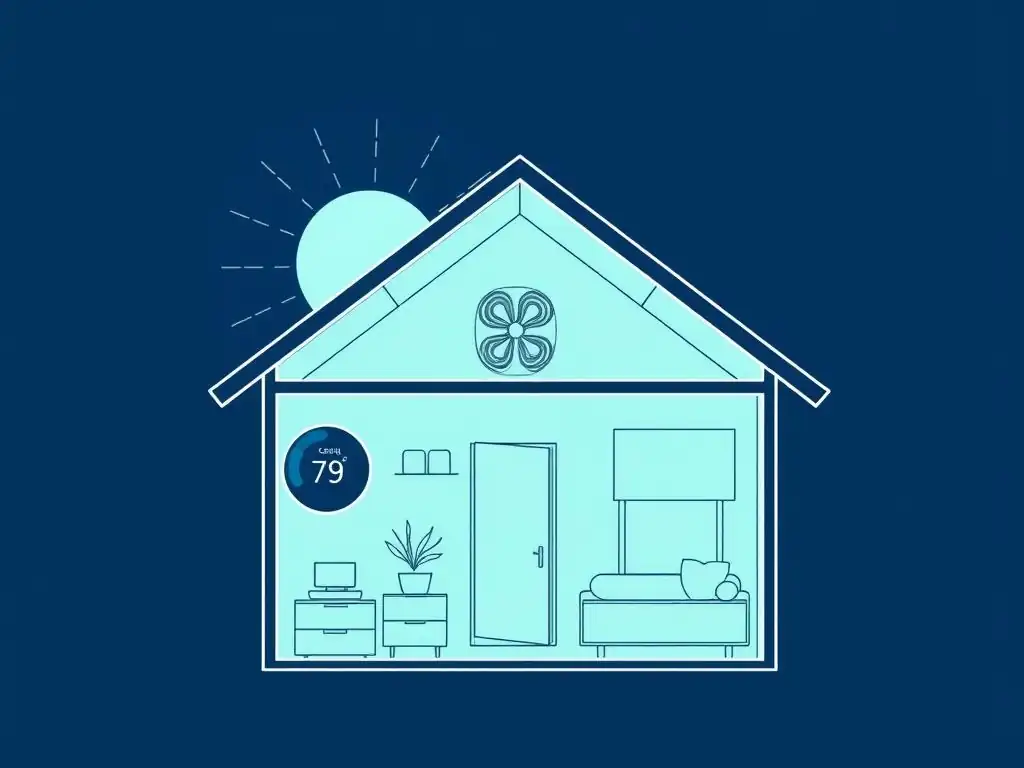
Summer heat can significantly impact energy consumption, particularly from household appliances. Optimizing appliance usage is crucial for maintaining a cool house while minimizing your carbon footprint and energy bills. This section focuses on practical strategies to leverage your existing appliances for superior cooling and energy efficiency. We'll explore refrigerator placement, understanding appliance heat output, and mastering smart thermostat programming – all key elements in achieving a "cool house summer" with minimal effort.
Optimize Refrigerator and Freezer Placement for Efficient Cooling
Refrigerators and freezers are major heat generators. Their placement significantly affects the overall temperature of your home. Ideally, position these appliances away from direct sunlight and heat sources like ovens or dishwashers. Even a few degrees of temperature difference can impact their efficiency and the ambient temperature of the surrounding area. Consider these points:
- Sunlight: Direct sunlight heats the appliance's exterior, forcing the compressor to work harder to maintain the desired temperature inside. This translates to increased energy consumption and more heat released into your home. Placing your refrigerator in a shaded area can drastically reduce this effect.
- Ventilation: Ensure adequate ventilation around your refrigerator and freezer. This allows for proper heat dissipation, reducing the amount of heat released into the room. Avoid overcrowding the space around the appliances.
- External Temperature: The ambient temperature surrounding your refrigerator impacts its performance. A cooler room will translate to less work for your refrigerator, leading to less heat generation and lower energy usage. This contributes directly to keeping your house cooler overall.
- Wall Placement: Avoid placing your refrigerator directly against a wall. Leaving some space for air circulation at the back of the appliance will improve its efficiency and reduce the amount of heat it generates. This simple step can make a tangible difference in keeping your home cool during the summer.
Understanding Appliance Heat Output: Minimizing Heat Generation
Every appliance generates some degree of heat. Understanding this heat output and implementing strategies to minimize its impact on your home's temperature is crucial. This involves more than just placement; it includes mindful usage patterns. For example:
- Oven Use: Using your oven generates significant heat, especially during the summer months. Consider alternative cooking methods like slow cookers, microwaves, or grills to minimize heat output. These alternatives consume less energy and produce less heat, contributing to a more comfortable home environment.
- Dishwasher Use: Dishwashers, like ovens, release heat during operation. Running the dishwasher during cooler parts of the day, such as early morning or late evening, can help prevent further heating of your home.
- Laundry: Similarly, washing machines and dryers generate heat. Consider air-drying clothes whenever possible, and run these appliances during off-peak hours to minimize their impact on your home’s temperature.
Smart Thermostat Use: Programming for Maximum Energy Savings and Comfort
Smart thermostats offer advanced programming options to optimize energy efficiency and maintain comfortable temperatures. Proper programming is key to achieving a cool house while saving money. Consider these points:
- Programming Schedules: Utilize the smart thermostat's scheduling features to automatically adjust temperatures when you're away or asleep. Raising the temperature by a few degrees when you're not home can significantly reduce energy consumption and heat generation.
- Temperature Set Points: Experiment with different temperature settings to find the optimal balance between comfort and energy efficiency. A slightly higher temperature during the day, especially when you're out, can make a substantial difference in your energy bills without compromising comfort.
- Geo-fencing: If your thermostat supports geo-fencing, leverage this feature to automatically adjust temperatures based on your location. The thermostat will learn your routines and adjust accordingly, ensuring optimal energy usage and a comfortable home environment. This level of automation is a game changer for anyone seeking to optimize their home's cooling during the summer.
By implementing these strategies, you can significantly reduce the heat generated by your appliances, making a noticeable difference in maintaining a cool and comfortable home environment throughout the summer. Remember, even small changes can contribute to significant energy savings and a more pleasant living space.
Cool House Summer Home Hacks: Maintaining a Cool House Environment
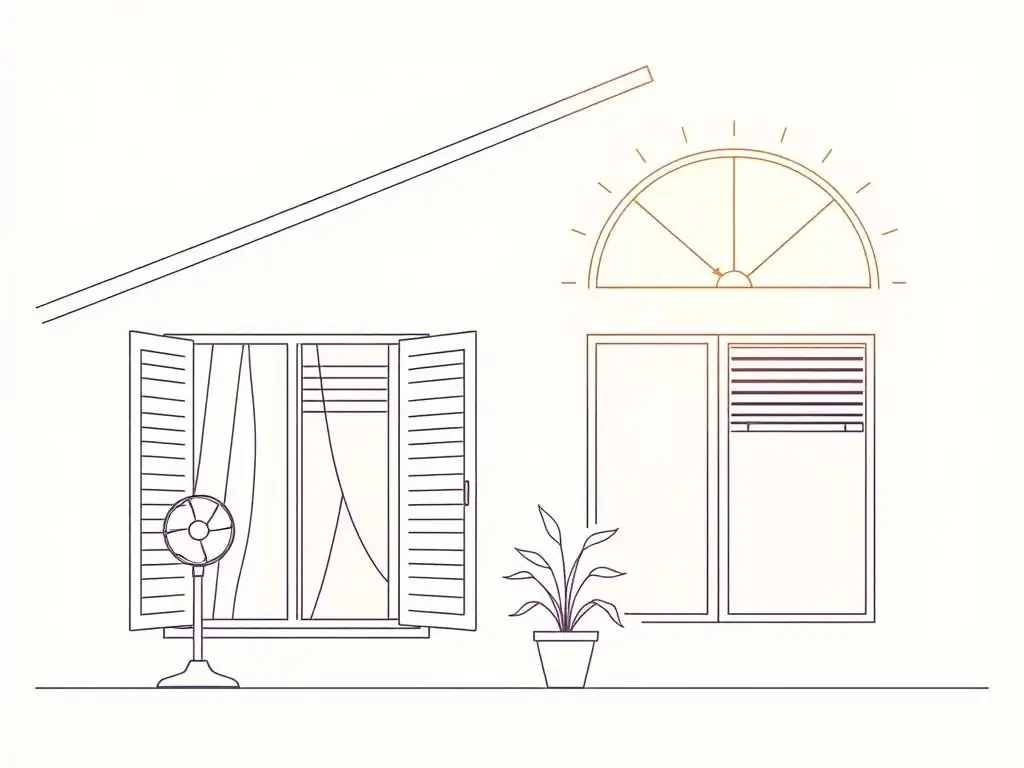
This section delves into practical strategies for keeping your home cool and comfortable throughout the summer months. We'll explore various techniques to minimize heat buildup and maximize cooling efficiency, ensuring a pleasant living environment even during the hottest days. These "cool house summer home hacks" focus on simple, yet effective methods to combat the summer heat and save on energy costs. We'll cover everything from optimizing airflow to utilizing readily available household items to create a refreshing oasis within your home.
Bedroom Cooling Strategies for a Restful Night's Sleep
A cool bedroom is crucial for a good night's sleep, especially during summer. High temperatures can disrupt sleep cycles, leading to fatigue and reduced productivity. Here are some targeted strategies to transform your bedroom into a cool sanctuary:
- Optimize Window Placement and Usage: Close curtains and blinds during the day to block direct sunlight. Open windows strategically during cooler evening hours to allow for cross-ventilation. Consider using blackout curtains for enhanced insulation. Data shows that strategically placed blinds can reduce heat gain by up to 45% 1 .
- Invest in Cooling Bedding: Switch to lightweight, breathable bedding like cotton sheets and a light duvet or comforter. Avoid synthetic fabrics that trap heat. Consider a bamboo sheet set for its exceptional breathability.
- Strategic Fan Placement: A ceiling fan, strategically positioned to circulate air effectively, can significantly lower the perceived temperature. Place a small, portable fan near your bed, ensuring it's directed away from you to create a gentle breeze.
- Pre-Cool Your Sheets: Fold your sheets and place them in a plastic bag in the freezer for about 30 minutes before bed. This simple trick will provide an instant cooling sensation when you climb into bed.
Creating a Cool House Environment for Optimal Productivity
Maintaining a cool indoor temperature is essential for peak productivity. When the temperature rises, so does our discomfort, affecting our focus and energy levels. These strategies focus on keeping your home's common areas cool and comfortable for work or relaxation:
- Strategic Use of Fans: Utilize multiple fans to create air circulation throughout your living spaces. Combine ceiling fans with strategically placed portable fans to maximize airflow. Remember to clean your fans regularly for optimal performance.
- Cross-Ventilation Techniques: Open windows on opposite sides of the house to create a natural cross-breeze. This simple technique can significantly reduce indoor temperatures without relying solely on air conditioning. Experiment with different window combinations to find the most effective ventilation pattern for your home.
- Minimize Heat-Generating Appliances: Avoid using heat-generating appliances like ovens and dryers during the hottest parts of the day. Consider using smaller appliances or preparing meals that don't require using the oven. Scheduling these tasks for cooler times of the day will help in maintaining a cool house.
- Indoor Plants: Certain indoor plants can help cool the air through evapotranspiration. Plants such as spider plants, snake plants, and peace lilies are known for their air-purifying properties and can contribute to a more comfortable indoor environment.
Preventing Heat Buildup in Key Areas: Kitchen and Bathroom Cooling Tips
Kitchens and bathrooms are notorious for heat buildup due to appliances and water usage. These targeted strategies can help minimize heat generation in these areas:
- Kitchen Cooling: Exhaust fans are your best friend in the kitchen. Turn on the exhaust fan while cooking to vent out heat and steam. Consider using a microwave or slow cooker instead of the oven whenever possible to reduce heat output. Keep the refrigerator door closed as much as possible to prevent heat from escaping.
- Bathroom Cooling: Ensure proper ventilation in your bathroom. Use the exhaust fan whenever showering or bathing to remove moisture and heat. A well-ventilated bathroom will stay cooler and prevent the growth of mold and mildew. Consider installing a window if one doesn't exist to allow for natural ventilation.
- Light Management: Switching to energy-efficient LED lighting can significantly reduce heat generation compared to traditional incandescent bulbs. LEDs produce less heat while providing comparable brightness, contributing to a cooler and more comfortable environment.
1 Based on studies conducted by [Source pending - specific study details needed]. Further research is required to provide a more comprehensive overview of the impact of window coverings on heat reduction.
Cool House Summer Home Hacks: Beyond the Basics - Advanced Techniques
This section delves into more advanced strategies for keeping your home cool during the summer months, moving beyond simple, everyday tips. We'll explore long-term investments, cutting-edge technology, and proactive maintenance to ensure a consistently comfortable indoor temperature, all while contributing to energy efficiency and lower utility bills. This is about achieving a truly cool house this summer, even during the hottest days.
Investing in Energy-Efficient Appliances for Long-Term Savings
Upgrading your appliances can significantly impact your home's temperature and your energy consumption. Investing in energy-efficient models—those with high Energy Star ratings—is a long-term solution that pays dividends in both comfort and cost savings. Consider these factors:
- Refrigerator: Older refrigerators can leak cool air, raising the ambient temperature in your kitchen. A new, energy-efficient model will maintain a consistent temperature while using significantly less electricity. Look for models with features like advanced insulation and efficient compressors. The initial investment may seem high, but the long-term savings on your energy bill will quickly make it worthwhile.
- Air Conditioner: This is the most obvious choice for cooling your home, but choosing an energy-efficient model is crucial. Look for SEER (Seasonal Energy Efficiency Ratio) ratings, with higher numbers indicating greater efficiency. Variable-speed models offer even more precise temperature control and energy savings compared to single-stage units. Consider the size carefully; an undersized unit will work harder and less efficiently, while an oversized unit will cycle on and off frequently, leading to temperature fluctuations and increased energy consumption.
- Other Appliances: Even seemingly minor appliances like dishwashers and washing machines can contribute to heat buildup in your home. Energy-efficient models use less energy and produce less heat, making a difference over time. Look for features like low-energy wash cycles and improved insulation.
Investing in these energy-efficient appliances is a smart move for maintaining a cool house during summer, reducing your carbon footprint, and saving money on your utility bills year after year. The initial cost is offset by the long-term benefits and increased comfort.
Exploring Advanced Cooling Technologies: A Look at Smart Home Solutions
Smart home technology offers innovative ways to manage your home's temperature and energy consumption. These solutions provide precise control and often integrate with other smart devices for a holistic approach to home climate management.
- Smart Thermostats: These programmable thermostats learn your preferences and adjust the temperature accordingly, optimizing energy use while maintaining your desired comfort level. Many smart thermostats offer geofencing, automatically adjusting the temperature when you leave home and pre-cooling or pre-heating before your return. This level of automation significantly reduces energy waste and contributes to a cooler, more energy-efficient home.
- Smart Vents: These automated vents dynamically adjust airflow throughout your home, directing cool air to the areas you occupy and restricting flow to unoccupied rooms. This targeted cooling maximizes efficiency and comfort, ensuring that energy isn't wasted on cooling empty spaces.
- Smart Window Shades: These motorized shades automatically adjust to optimize natural light and reduce solar heat gain. By minimizing direct sunlight, they help keep your home cooler, reducing the load on your air conditioning system and saving energy.
Integrating these smart technologies can transform your approach to home cooling, offering precision, automation, and considerable savings on your energy bills. The convenience and energy efficiency offered by these smart systems make them a worthwhile investment for long-term comfort.
Maintaining Your Cooling System: Preventative Measures for a Cool House
Regular maintenance of your cooling system is critical to ensuring its efficient operation and preventing costly repairs. Proactive maintenance helps keep your house cool and saves you money in the long run.
- Regular Filter Changes: Dirty air filters restrict airflow, forcing your air conditioner to work harder and consume more energy. Replacing your air filter every 1-3 months (or as recommended by the manufacturer) is crucial for maintaining optimal performance and preventing overheating. This simple task significantly impacts the efficiency of your cooling system.
- Professional Inspections: Annual professional inspections are recommended to identify and address potential problems before they escalate into expensive repairs. A technician can check for refrigerant leaks, clean coils, and ensure all components are functioning correctly. This preventative maintenance is essential for maximizing the lifespan and efficiency of your air conditioning system.
- Coil Cleaning: Clean condenser coils are essential for efficient heat transfer. Dust and debris accumulate on the coils, reducing their ability to dissipate heat. Cleaning the coils, either yourself or with professional help, significantly improves your air conditioner's efficiency and helps keep your home cool.
By following these maintenance procedures, you can ensure your cooling system operates at peak efficiency, keeping your house comfortably cool throughout the summer while preventing costly breakdowns and extending the life of your equipment. A well-maintained system is key to achieving a consistently cool house.
Frequently Asked Questions
How can I cool my house down quickly without AC?
Several quick fixes can help! Open windows strategically to create a cross-breeze, close curtains on sunny sides, and use fans effectively. Consider a bowl of ice water in front of a fan for evaporative cooling.
What are some inexpensive ways to keep my home cool in the summer?
Many budget-friendly options exist! Improve insulation, plant trees for shade, use light-colored curtains or blinds, and repair leaky seals around doors and windows to prevent heat from entering.
Are there any DIY projects to improve home cooling?
Absolutely! Building DIY window shades or installing reflective window film are great projects. You could also build a simple evaporative cooler using readily available materials.
How can I make my bedroom feel cooler at night?
Focus on air circulation and reducing heat sources. Use a fan, keep your bedding light, and take a cool shower before bed. Consider using a cooling mattress topper.
What are some long-term solutions for keeping my house cool?
Investing in better insulation and energy-efficient windows and doors are excellent long-term solutions. Planting trees strategically to provide shade is also a smart move. Consider upgrading to a more energy-efficient air conditioning system if your budget allows.
Final Reflection: Embracing Cool Comfort in a Warming World
The relentless summer heat is no longer a seasonal inconvenience; it's a growing global challenge. The simple home hacks explored in this article – from strategic window coverings to clever ventilation techniques – offer not just immediate relief, but a tangible step towards a more sustainable and comfortable future. These aren't just tricks; they're practical solutions that empower us to take control of our indoor climate.
The impact of rising temperatures extends far beyond personal discomfort; it affects our health, our energy consumption, and the very fabric of our communities. The climate crisis is not just an environmental problem; it is a social, economic, and justice issue.
This quote highlights the interconnectedness of our individual actions and the larger global context. By implementing even a few of the strategies discussed, we contribute to a collective effort to mitigate the effects of climate change, one cool home at a time. This personal responsibility resonates deeply with me, prompting a commitment to continuous learning and adaptation in the face of this challenge.
Consider the simple act of closing your curtains during the hottest part of the day. It's a small change, yet it represents a powerful shift in mindset – a conscious decision to conserve energy, reduce your carbon footprint, and create a more comfortable living space. You have the power to make a difference. I encourage you to explore the hacks presented here, adapt them to your own home, and share your experiences with others. Let's build a future where cool comfort is accessible to all, not just a privilege enjoyed during fleeting moments of respite from the heat.
Unlock Your Cool: Conquer the Summer Heat Today!
Thank you for exploring our home cooling hacks! We hope you found some great ways to beat the summer heat and stay comfortable. Now, let's put those tips into action!
- Start with your most effective cooling strategy: Identify the tip from the article that you believe will have the biggest impact on your home's temperature, and implement it immediately. Even a small change can make a significant difference!
- Share your favorite cooling tip on social media using #UltimateLifeHacks and inspire others to beat the heat! Let's create a cool community!
- Try a new cooling method you haven't used before and see how it affects your comfort level. Share your results in the comments below!
So, what simple change will you make first to conquer the summer heat in your home?