
Digital Skills for a Better Future: Embrace the Digital Age


Ready to unlock a world of effortless efficiency and unleash your true potential? UltimateLifeHacks is your gateway to transforming daily routines and achieving peak productivity. Discover game-changing life hacks and practical tips designed to simplify your life. This month, we're diving deep into the crucial skillset of learning digital skills faster – a key to navigating the modern world and unlocking exciting new opportunities. Prepare to be amazed by what you can achieve; let's get started!
- Learn Digital Skills Faster: A Practical Guide for Beginners
- Accelerate Your Learning Curve: Strategies for Rapid Skill Acquisition
- Essential Digital Skills for Career Advancement
- Digital Skills for Personal Enrichment and Efficiency
- Future-Proofing Your Skills: Adapting to Evolving Technologies
- Frequently Asked Questions
- Final Reflection: The Urgent Need for Digital Fluency
- Unlock Your Digital Potential: Level Up Your Life!
Learn Digital Skills Faster: A Practical Guide for Beginners
The digital age demands proficiency in a range of technological tools and platforms. No longer a luxury, digital literacy is now a fundamental requirement for personal and professional success. This guide provides a practical roadmap for rapidly acquiring essential digital skills, empowering you to navigate the modern world with confidence and efficiency. Learning digital skills faster isn't about cramming information; it's about strategic learning, focusing on practical application and prioritizing the skills most impactful to your daily life and career. We'll explore foundational digital literacy, productivity-boosting tools, and effective online communication strategies, all designed to help you master the digital landscape and unlock your full potential. This isn't just about "keeping up"; it's about leveraging technology to excel – to learn digital skills faster and achieve your goals more effectively. Embrace the power of digital tools to streamline your workflow, enhance your communication, and ultimately, improve your quality of life.
Mastering Essential Digital Literacy Skills: A Foundation for Success
Before diving into specialized software or advanced techniques, building a strong foundation in essential digital literacy is crucial. This involves understanding basic computer operations, navigating online platforms, and effectively utilizing search engines. Think of this as laying the groundwork for a skyscraper – a solid foundation ensures stability and allows for future expansion.
This foundational knowledge encompasses several key areas:
- Basic Computer Operation: Understanding file management, operating system navigation (Windows, macOS, etc. ), and troubleshooting common technical issues. This includes knowing how to create folders, organize files, and identify and resolve simple software glitches. Practice regularly to build muscle memory and confidence.
- Internet Navigation & Search Engine Optimization (SEO): Mastering effective search strategies is paramount. Learn to use advanced search operators (e.g., using quotation marks for exact phrases, minus signs to exclude terms) to refine your searches and locate precise information quickly. Understanding basic SEO principles can also enhance your ability to find relevant and high-quality content.
- Data Management & Organization: This is critical for both personal and professional success. Learn to effectively organize digital files, utilize cloud storage services, and implement robust backup strategies to protect your valuable data. Consider adopting a consistent filing system to avoid future confusion and wasted time.
- Online Safety & Security: Protecting your digital identity and data is crucial. Learn about password management best practices, phishing scams, and malware prevention techniques. Regularly update your software and be cautious about clicking on suspicious links or downloading unknown files.
Boosting Your Productivity with Time Management Apps and Tools
Once you've mastered the basics, focus on enhancing your productivity using digital tools. Numerous apps and software solutions are available to streamline workflows and manage your time effectively. The key is to identify the tools best suited to your individual needs and preferences.
Here's a breakdown of some effective strategies and tools:
- Task Management Apps: Applications like [Specific app name pending] and [Specific app name pending] allow you to create to-do lists, set deadlines, prioritize tasks, and track progress. Experiment with different apps to find one that fits your workflow. These tools can significantly reduce time wasted on task switching and improve overall organizational efficiency.
- Calendar & Scheduling Tools: Integrating a digital calendar (like Google Calendar or Outlook Calendar) into your routine is essential for efficient time management. Scheduling appointments, setting reminders, and visualizing your schedule can significantly reduce conflicts and enhance overall productivity.
- Note-Taking & Collaboration Tools: Tools like [Specific app name pending] or [Specific app name pending] facilitate efficient note-taking, collaboration, and information sharing. These tools are beneficial for both personal and professional use, fostering smoother teamwork and improved knowledge retention.
Effective Online Communication: Mastering Email, Messaging, and Collaboration Tools
Effective communication is a cornerstone of success in the digital age. Mastering email etiquette, instant messaging, and collaboration platforms is essential for both personal and professional interactions.
This section covers:
- Email Management: Learn to effectively manage your inbox, prioritize emails, and write clear, concise, and professional messages. Avoid inbox overload by setting aside specific times for email processing and utilizing filters and folders to organize your messages.
- Instant Messaging & Collaboration Tools: Tools like Slack, Microsoft Teams, and others facilitate real-time communication and collaboration. Learning to use these platforms effectively can significantly improve team productivity and communication efficiency. Mastering features such as file sharing, video conferencing, and direct messaging will greatly enhance your ability to communicate and collaborate effectively.
- Professional Online Presence: Cultivating a professional online presence through social media and networking platforms is increasingly important. Learn to present yourself professionally online, building a network of contacts and enhancing your professional opportunities. This includes creating a professional profile and engaging in respectful and constructive online interactions.
Accelerate Your Learning Curve: Strategies for Rapid Skill Acquisition

Learning new digital skills can feel overwhelming, but with the right approach, you can significantly accelerate your learning curve. This section focuses on practical strategies to learn digital skills faster, transforming you from a digital novice to a confident user in less time. The key lies in understanding your learning preferences and employing effective learning techniques.
Identify Your Learning Style and Adapt Your Approach
Understanding your learning style is paramount to efficient skill acquisition. Are you a visual learner who thrives on diagrams and videos? Do you prefer hands-on practice (kinesthetic learning)? Or do you learn best by reading and listening (auditory learning)?
Many individuals are a blend of learning styles. For example, you might find that you absorb information well through video tutorials but need to reinforce your learning with practical exercises. Identifying your dominant style helps you choose the most effective learning resources and methods.
Let's explore some common learning styles and how to adapt your approach:
- Visual Learners: Utilize visual aids like infographics, diagrams, and videos. Look for courses with clear visual explanations and well-designed interfaces. Mind mapping can also be incredibly beneficial.
- Auditory Learners: Podcasts, audiobooks, and lectures are your allies. Active listening is crucial; take notes and repeat key concepts aloud. Consider joining online forums or communities to discuss the material with others.
- Kinesthetic Learners: Hands-on practice is essential. Engage in projects, experiments, and simulations. The more you actively apply what you're learning, the faster you'll master it.
Here's a simple self-assessment to help you pinpoint your learning style: Consider which methods you find most effective when learning something new: reading, watching, listening, or doing. Prioritize learning resources that cater to your strengths.
Leverage Online Resources: Free Courses, Tutorials, and Workshops
The internet is a treasure trove of free resources for learning digital skills. Numerous platforms offer high-quality courses, tutorials, and workshops across a wide range of digital competencies. These resources are often designed for self-paced learning, allowing you to progress at your own speed.
Here are some examples of resource categories and what to look for:
- Free Online Courses (MOOCs): Platforms like edX, Coursera, and FutureLearn offer structured courses taught by experts. Look for courses with positive reviews and clear learning objectives.
- YouTube Tutorials: YouTube is a vast repository of how-to videos. Search for specific skills you want to learn and compare different tutorials to find a style that suits you. Pay attention to the video's quality, clarity, and engagement level.
- Interactive Workshops: Some organizations offer free online workshops that combine instruction with interactive exercises and Q&A sessions. These can provide a more dynamic learning experience.
- Blogs and Articles: Many websites and blogs offer valuable tutorials and tips on specific digital skills. Look for reputable sources with well-written, detailed content.
Remember to be discerning in your choice of resources. Not all free resources are created equal. Prioritize those with positive reviews, clear instructions, and up-to-date information.
Practice Consistently: The Key to Mastering New Digital Skills
Consistent practice is the cornerstone of mastering any new skill, particularly digital skills. Regular engagement with the material, even in short bursts, reinforces learning and builds muscle memory.
Consider these strategies for consistent practice:
- Dedicated Practice Time: Schedule specific times for practicing your new skills. Even 15-30 minutes a day can make a significant difference.
- Project-Based Learning: Apply your new skills to real-world projects. This makes learning more engaging and helps solidify your understanding.
- Gamification: Turn your practice sessions into a game by setting goals, tracking your progress, and rewarding yourself for achievements.
- Seek Feedback: Don't be afraid to ask for feedback on your work. Constructive criticism can help you identify areas for improvement and accelerate your learning.
- Embrace Challenges: Don't shy away from challenging tasks. Stepping outside your comfort zone is crucial for growth and skill development.
Consistent, focused practice, combined with a strategic learning approach, is the most effective way to learn digital skills faster and build a strong foundation for future success in the digital age. Remember that persistence is key; don't get discouraged by setbacks. Celebrate your progress and keep learning!
Essential Digital Skills for Career Advancement
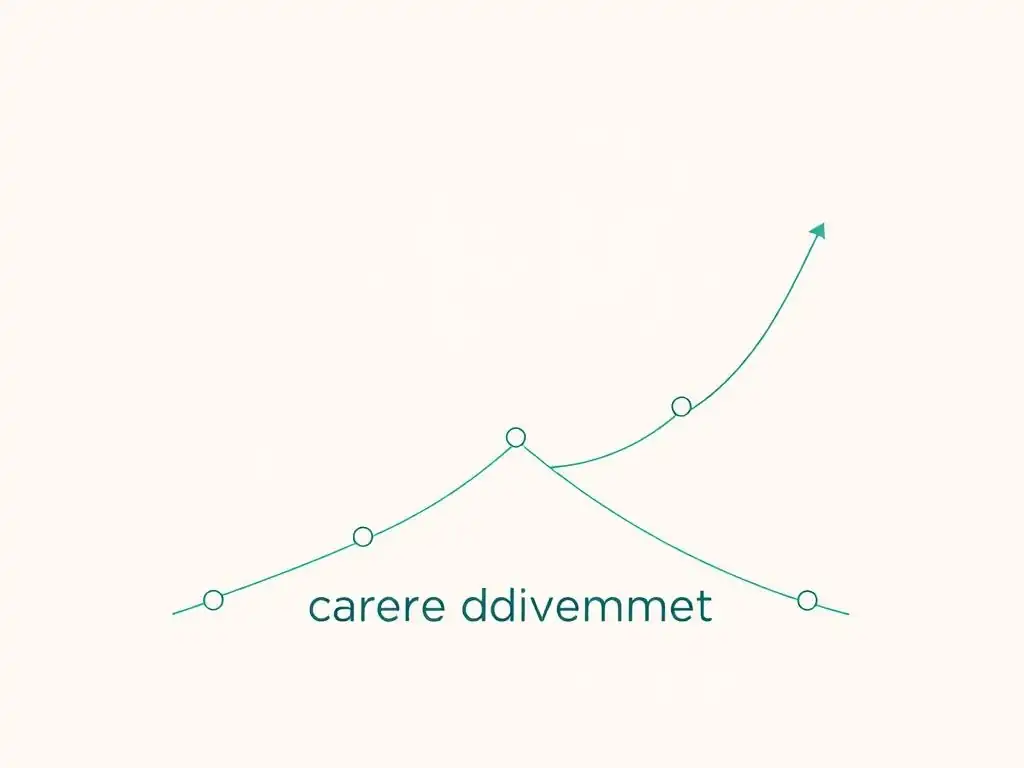
The modern job market demands a strong foundation in digital skills. Whether you're a recent graduate or a seasoned professional, enhancing your digital proficiency can significantly boost your career prospects and open doors to exciting new opportunities. Learning digital skills faster is no longer a luxury; it's a necessity for staying competitive in today's rapidly evolving landscape. This section focuses on key digital skills that are highly sought after by employers across various industries. We'll delve into practical strategies to accelerate your learning and achieve proficiency in these crucial areas.
Developing Proficiency in Microsoft Office Suite (Word, Excel, PowerPoint)
The Microsoft Office Suite remains a cornerstone of digital literacy. Proficiency in Word, Excel, and PowerPoint is practically a prerequisite for most office-based roles. However, simply knowing the basic functions isn't enough; mastering advanced features is crucial for maximizing productivity and creating professional-quality documents and presentations.
For Word, focus on advanced formatting techniques, mail merge capabilities, and using styles for consistent document design. Learning to create and manage complex tables effectively can significantly improve your report writing skills. Practice using track changes for collaborative editing and mastering the find and replace function for efficient editing. Think of the time saved by mastering these features – a significant boost to your overall efficiency!
In Excel, go beyond basic spreadsheet creation. Learn about pivot tables for data analysis, conditional formatting for highlighting key insights, and using formulas (like VLOOKUP, SUMIF, and COUNTIFS) to automate calculations. Mastering charting and graphing techniques is essential for visually representing data effectively. Consider working through online tutorials or taking a short course focusing on Excel's more advanced features. The ability to manipulate and analyze data efficiently is a highly valued skill in many industries.
Finally, PowerPoint is more than just bullet points. Learn to create engaging presentations using multimedia elements, animations, and transitions. Mastering the art of storytelling through visuals is key to delivering impactful presentations. Practice designing visually appealing slides with consistent branding and concise messaging. Remember, a well-crafted presentation can significantly enhance your communication skills and leave a lasting impression.
Mastering Data Analysis and Visualization Tools
Data analysis is becoming increasingly important in every sector. The ability to extract meaningful insights from raw data is a highly sought-after skill, and tools like Tableau, Power BI, and Python libraries (like Pandas and Matplotlib) are essential for achieving this.
Learning to use data analysis and visualization tools allows for quicker and more accurate insights. For instance, using Tableau to create interactive dashboards can present complex data in an easily understandable format. This significantly reduces the time spent interpreting data manually and allows for faster decision-making. Data visualization is key to communicating your findings effectively; a well-designed chart or graph can convey complex information more clearly than pages of text.
Consider focusing on a specific tool initially, mastering its core functionalities before branching out. Online courses and tutorials are readily available, offering structured learning paths. Practice working with sample datasets, focusing on cleaning, transforming, and analyzing data to extract meaningful trends and patterns. The ability to effectively communicate data-driven insights can dramatically enhance your problem-solving skills and decision-making abilities.
Learning Project Management Software and Methodologies
Effective project management is essential for successful completion of tasks, regardless of your industry or role. Learning project management software, such as Asana, Trello, or Monday.com, and understanding methodologies like Agile or Scrum, can dramatically improve your organizational skills and ability to manage multiple tasks simultaneously.
These tools offer features for task assignment, progress tracking, and collaboration. Learning to use them effectively can streamline workflows, improve teamwork, and ultimately increase productivity. For example, using Kanban boards in Trello allows for visual tracking of project progress, making it easy to identify bottlenecks and address them promptly. Mastering Agile methodologies, with its iterative approach and emphasis on flexibility, can significantly enhance your ability to adapt to changing project requirements.
Understanding and implementing these project management tools and methodologies will allow you to learn digital skills faster in the context of project execution. The ability to manage projects efficiently is a valuable asset in any professional setting, improving time management and overall efficiency. The benefits extend beyond individual tasks; effective project management contributes to a more productive and collaborative work environment.
Digital Skills for Personal Enrichment and Efficiency
This section explores how mastering specific digital skills can significantly improve your personal life, boosting efficiency and enriching your daily experiences. We'll delve into practical applications, offering actionable strategies to help you learn digital skills faster and integrate them seamlessly into your routine. The focus is on leveraging technology for personal growth and optimization, ultimately leading to a more fulfilling and productive life.
Enhance Your Online Security and Privacy
In today's interconnected world, online security and privacy are paramount. Learning to navigate the digital landscape safely and protect your personal information is crucial. This involves more than just strong passwords; it's about understanding the threats and employing proactive measures.
One key aspect is implementing multi-factor authentication (MFA) wherever possible. MFA adds an extra layer of security, requiring more than just a password to access your accounts. This significantly reduces the risk of unauthorized access, even if your password is compromised. Think of it as adding a digital deadbolt to your online doors.
Furthermore, understanding privacy settings on various platforms is essential. Take the time to review and adjust these settings on social media, email, and other online services. Knowing what data you're sharing and controlling who has access is vital for protecting your privacy. Regularly reviewing these settings is crucial, as platforms often update their policies.
Finally, staying informed about online scams and phishing attempts is critical. Learn to identify suspicious emails, messages, and websites. Be wary of unsolicited requests for personal information and never click on links from unknown sources. By staying vigilant and educated, you can significantly minimize your risk of becoming a victim of online fraud. Learning to recognize these threats is a key skill in learning digital skills faster and more effectively in the context of personal security.
Managing Your Finances Digitally: Budgeting and Investment Apps
Digital tools have revolutionized personal finance management. Numerous apps offer sophisticated budgeting, investment tracking, and financial planning capabilities. Mastering these tools can significantly improve your financial literacy and help you achieve your financial goals more efficiently.
Many budgeting apps allow you to automatically categorize transactions, providing a clear overview of your spending habits. This feature alone can dramatically improve your awareness of where your money is going, making it easier to identify areas for improvement. Some popular apps even offer personalized recommendations based on your spending patterns, further enhancing your budgeting capabilities.
Investing apps provide convenient access to diverse investment options, simplifying the process of building a portfolio. These platforms often offer educational resources and tools to help you understand investment strategies, reducing the learning curve and making investing more accessible. Remember, however, to always research any investment thoroughly before committing your funds.
Furthermore, many financial apps offer bill payment reminders and automated transfers, streamlining your financial management and reducing the risk of missed payments. This automation frees up valuable time and mental energy, allowing you to focus on other aspects of your life. By utilizing these digital tools effectively, you can significantly enhance your financial well-being and learn digital skills faster in a practical, real-world application.
Utilizing Technology for Health and Wellness
Technology offers a wealth of resources for improving your physical and mental health. From fitness trackers to mindfulness apps, digital tools can support your wellness journey in various ways.
Fitness trackers and smartwatches provide detailed information on your physical activity levels, sleep patterns, and heart rate. This data can be incredibly insightful, helping you identify areas for improvement and track your progress over time. The ability to monitor your activity and sleep can motivate you to adopt healthier habits and make informed decisions about your fitness routine.
Mindfulness and meditation apps offer guided sessions, helping you cultivate stress management techniques and improve your mental well-being. These apps provide a convenient and accessible way to incorporate mindfulness into your daily routine, even if you only have a few minutes to spare. Regular practice can lead to significant improvements in stress levels, focus, and overall mental clarity.
Moreover, telehealth platforms provide convenient access to healthcare professionals, eliminating the need for time-consuming appointments. These platforms can be particularly beneficial for individuals in remote areas or those with mobility limitations. This readily available access to healthcare information and professionals can significantly enhance your overall health and well-being. The convenience and accessibility offered by these digital tools make learning digital skills faster a worthwhile investment in your health.
Future-Proofing Your Skills: Adapting to Evolving Technologies
The digital landscape is in constant flux. New technologies emerge, existing ones evolve, and the skills needed to thrive in this environment are constantly shifting. To truly Learn digital skills faster and future-proof your career, proactive adaptation is crucial. This isn't just about acquiring the latest tool; it's about cultivating a mindset of continuous learning and strategic skill development. Ignoring this dynamic reality risks obsolescence, while embracing it unlocks opportunities for growth and advancement.
Staying Updated with Emerging Digital Trends
Staying ahead of the curve requires a dedicated approach to monitoring emerging digital trends. This isn't about passively absorbing information; it's about actively seeking out relevant developments and integrating them into your skillset. Consider these practical strategies:
- Follow industry influencers and publications: Many thought leaders regularly share insights on emerging technologies through blogs, podcasts, and social media. Actively engaging with this content allows you to identify promising areas for skill development.
- Attend webinars and online courses: Numerous platforms offer webinars and online courses on cutting-edge technologies. These resources provide structured learning opportunities, often with practical exercises and real-world applications. Prioritize those focusing on skills with high projected demand.
- Network with professionals in your field: Networking events, online forums, and professional organizations offer opportunities to connect with peers and experts. These interactions can provide valuable insights into industry trends and emerging skill requirements. A simple question like, "What new technologies are you finding most impactful?" can unlock a wealth of information.
- Experiment with new tools and platforms: Don't be afraid to experiment with new technologies. Hands-on experience is invaluable for understanding their capabilities and limitations. Even brief trial periods can provide valuable insights. For example, experimenting with AI writing tools can significantly improve your writing speed and efficiency.
This proactive approach ensures you're not just reacting to change but anticipating it, effectively learning digital skills faster and positioning yourself for success in a competitive market. Remember, continuous learning isn't a sprint; it's a marathon.
Cultivating a Growth Mindset for Continuous Learning
Learning digital skills faster isn't solely about acquiring technical proficiency; it's about fostering a growth mindset. This involves embracing challenges, viewing failures as learning opportunities, and believing in your ability to develop new skills. Here's how to cultivate this crucial mindset:
- Embrace challenges: Step outside your comfort zone and actively seek out opportunities to learn new skills. Don't shy away from complex tasks; view them as chances to expand your capabilities.
- View failures as learning opportunities: Mistakes are inevitable in the learning process. Instead of getting discouraged, analyze your errors, identify areas for improvement, and use this feedback to refine your approach. Consider keeping a learning journal to track your progress and identify recurring challenges.
- Seek feedback and mentorship: Actively solicit feedback from peers, mentors, and supervisors. Constructive criticism provides invaluable insights into your strengths and weaknesses, guiding you toward more effective learning strategies.
- Celebrate your progress: Acknowledge and celebrate your achievements, no matter how small. This positive reinforcement helps maintain motivation and builds confidence in your ability to learn new skills. Reward yourself for milestones reached – a small treat or a break can make a big difference.
By cultivating a growth mindset, you'll not only Learn digital skills faster but also develop the resilience and adaptability needed to thrive in a rapidly changing digital world. This mindset is a key differentiator, allowing you to navigate challenges and seize opportunities with confidence.
Building a Strong Online Portfolio and Personal Brand
In the digital age, your online presence is often the first impression you make on potential employers or clients. A strong online portfolio and personal brand are essential for showcasing your skills and attracting opportunities.
- Create a professional website or online portfolio: This central hub should showcase your best work, highlighting your skills and accomplishments. Use a platform that allows you to easily update your portfolio as your skills and experience grow.
- Develop a consistent online presence: Maintain active profiles on professional networking sites like LinkedIn. Share your insights, engage in discussions, and network with other professionals.
- Showcase your skills through projects and contributions: Contribute to open-source projects, participate in online communities, and create personal projects to demonstrate your skills and passion. This active engagement demonstrates initiative and showcases your capabilities.
- Highlight quantifiable achievements: When showcasing your work, emphasize quantifiable results whenever possible. For instance, instead of simply stating that you "improved website performance," quantify the improvement (e.g., "Improved website load time by 30%"). This demonstrates the impact of your skills.
Building a robust online presence is an investment in your future. It allows you to effectively market your skills and attract opportunities, ultimately boosting your chances of success in today’s competitive digital landscape. This is a crucial component of learning digital skills faster, as it directly translates to more opportunities to practice and refine your abilities. Remember, your online presence is a reflection of your professional brand – manage it carefully!
Frequently Asked Questions
What are some essential digital skills to learn?
Essential digital skills include proficiency in common software programs like Microsoft Office Suite or Google Workspace, basic coding knowledge, data analysis skills, and digital marketing fundamentals. Focusing on in-demand skills will boost your career prospects.
How can I learn digital skills faster?
Dedicated practice is key. Supplement online courses with hands-on projects to solidify your learning. Also, find a mentor or join a community for support and feedback.
Are there free resources to learn digital skills?
Yes! Many free online courses and tutorials are available on platforms like Coursera, edX, and YouTube. Utilize these resources to build a strong foundation before investing in paid programs.
How can I apply newly acquired digital skills to my current job?
Identify areas where digital tools or techniques can improve efficiency. Propose solutions to your manager, demonstrating your new skills and their potential impact on the workplace. Volunteer for projects that utilize your newly acquired skills.
What's the best way to stay updated with the latest digital skills?
Continuously engage in learning. Follow industry blogs, subscribe to newsletters, attend webinars, and participate in online communities. Embrace lifelong learning as technology rapidly evolves.
Final Reflection: The Urgent Need for Digital Fluency
The digital revolution isn't just a trend; it's the foundation of our future. Mastering digital skills is no longer a luxury, but a necessity for navigating modern life, securing meaningful employment, and actively participating in a rapidly evolving world. The ability to learn and adapt quickly in this digital landscape is the key to unlocking opportunities and shaping a brighter tomorrow.
The impact of digital literacy extends far beyond individual success; it shapes entire societies. Access to technology and the skills to utilize it effectively are crucial for bridging the digital divide and fostering inclusivity. As the world becomes increasingly interconnected, the lack of digital skills creates barriers to education, economic participation, and even basic communication. The future belongs to those who learn more skills and adapt changes faster.
This quote underscores the importance of continuous learning and adaptation in the face of technological advancements.
You hold the power to shape your future. Don't let the fear of the unknown hold you back. Embrace the challenge of learning new digital skills, explore online resources, connect with communities of learners, and never stop seeking knowledge. The journey of mastering digital fluency is an ongoing process, one that empowers you to not only navigate the present but also to actively shape the future. Start today, and unlock the boundless potential that awaits you in the digital age.
Unlock Your Digital Potential: Level Up Your Life!
Thank you for exploring the exciting world of digital skills! We hope you've gained valuable insights into how mastering these skills can transform your life. Now it's time to put your knowledge into action.
- Start your digital journey today! Choose one area to focus on—perhaps learning to code, mastering social media marketing, or developing your graphic design skills—and dedicate just 15 minutes a day to it.
- Share this article with a friend or family member who might benefit from improving their digital literacy. Let's spread the word!
- Explore free online resources, such as YouTube tutorials or online courses, related to your chosen skill. You might be amazed by the wealth of information available!
What's one small step you'll take this week to improve your digital skills and build a brighter future?