
The Ultimate Checklist for Organizing Every Room in Your Home

Feeling overwhelmed by clutter and wasted time? At UltimateLifeHacks, we believe in unlocking a more efficient and fulfilling life. Discover the secrets to effortless organization with our comprehensive guide: "Organize home room checklist." This Household Hacks article reveals the step-by-step method to conquer household chaos, transforming your home into a haven of productivity. Ready to reclaim your time and sanity? Let's dive in!
-
Decluttering Your Home: A Room-by-Room Approach to Organization
- Decluttering the Living Room: A Step-by-Step Guide to Organize Home Room Checklist
- Organizing the Kitchen: Maximizing Space and Efficiency in Your Home's Heart
- Bedroom Organization: Creating a Relaxing and Functional Space with Your Organize Home Room Checklist
- Bathroom Organization: Tips and Tricks for a Clean and Tidy Bathroom
- Home Office Organization: Boosting Productivity with an Organized Workspace
-
Organizing Specific Items: Tackling Clutter in Your Home
- Organizing Clothes and Accessories: The Ultimate Guide to Closet Organization
- Organizing Books and Documents: A Simple System for Paperwork and Reading Materials
- Organizing Toys and Games: Creating a Play Area for Kids (and Adults!)
- Organizing Kitchen Utensils and Appliances: Efficient Storage Solutions for Your Organize Home Room Checklist
- Organizing Bathroom Products and Linens: Maximizing Space in Your Bathroom
-
Maintaining an Organized Home: Tips and Tricks for Long-Term Success
- Regular Decluttering Schedule: Creating a Routine for Maintaining Order
- Smart Storage Solutions: Investing in Products to Help You Organize Your Home Room Checklist
- Organizing Habits for a Tidy Home: Simple Daily Practices for Long-Term Organization
- Dealing with Sentimental Items: Strategies for Decluttering Emotional Clutter
- Your Personalized Home Organization Plan: Creating a Customized Checklist
- Frequently Asked Questions
- Final Reflection: Reclaiming Your Space, Reclaiming Yourself
- Unleash Your Inner Organizer: Conquer Clutter Today!
Decluttering Your Home: A Room-by-Room Approach to Organization
Organizing your home can feel overwhelming, but breaking it down into manageable steps, room by room, makes the task significantly less daunting. This comprehensive guide provides a practical, step-by-step approach to decluttering and organizing every room in your house, using a proven checklist method to help you achieve a more efficient and peaceful living space. We'll cover everything from maximizing space in your kitchen to creating a relaxing sanctuary in your bedroom, all while focusing on practical strategies and actionable tips that fit seamlessly into your busy life.
This ultimate checklist for organizing every room in your home will empower you to conquer clutter and reclaim your space, improving both your productivity and overall well-being. Let's dive in and transform your home into an organized haven! 🎉
Decluttering the Living Room: A Step-by-Step Guide to Organize Home Room Checklist
The living room, often the heart of the home, is frequently the first to accumulate clutter. Successfully organizing this space requires a systematic approach. Follow these steps for a clutter-free, functional living room:
- Empty the Space: Completely remove everything from the living room – furniture, decor, books, everything. This allows for a fresh perspective and thorough cleaning.
- Deep Clean: Once the room is empty, thoroughly clean all surfaces, including floors, walls, and windows. This sets the stage for a fresh start.
- Sort and Categorize: As you bring items back into the room, sort them into four categories: Keep, Donate, Sell, and Trash. Be ruthless! Ask yourself: Have I used this in the last six months? Does it bring me joy? If the answer is no, it's time to let it go.
- Strategic Placement: Consider the function of each item and place it accordingly. Books go on shelves, blankets in storage, and remotes in a designated spot.
- Maximize Vertical Space: Use shelves, wall-mounted units, and storage ottomans to maximize vertical space and keep surfaces clear.
- Declutter Regularly: Schedule regular decluttering sessions (e.g., once a month) to prevent clutter from accumulating again. This proactive approach will save you significant time and effort in the long run.
Remember, the key is to be consistent and patient. Organizing your living room doesn't have to be a monumental task; breaking it down into these smaller steps makes it manageable and rewarding. This systematic approach to your "Organize home room checklist" will create a more relaxing and enjoyable space.
Organizing the Kitchen: Maximizing Space and Efficiency in Your Home's Heart
The kitchen is the busiest room in most homes, making organization crucial for efficiency. A well-organized kitchen minimizes wasted time searching for items and streamlines meal preparation. Here's how to conquer kitchen clutter using your "Organize home room checklist":
- Purge Expired Items: Start by removing all expired food items and unnecessary containers. This alone can free up significant space.
- Optimize Cabinet Space: Utilize vertical space with adjustable shelves and drawer dividers. Group similar items together (e.g., spices, baking supplies).
- Countertop Declutter: Keep countertops clear of unnecessary appliances and items. Only leave out frequently used items.
- Smart Storage Solutions: Invest in smart storage solutions like lazy Susans, drawer organizers, and tiered trays to maximize space and visibility.
- Pantry Organization: Organize your pantry by food type and expiration date. Use clear containers to see what you have and prevent spoilage.
- Regular Cleaning: Regularly wipe down counters and clean appliances to maintain a clean and organized space. This is a crucial part of your ongoing "Organize home room checklist".
By implementing these strategies, you'll transform your kitchen into a highly efficient and enjoyable space. Remember, a well-organized kitchen makes cooking and cleaning less stressful and more enjoyable.
Bedroom Organization: Creating a Relaxing and Functional Space with Your Organize Home Room Checklist
Your bedroom should be a sanctuary – a place for rest and relaxation. Clutter can disrupt sleep and create stress. Here's how to create a peaceful and functional bedroom environment:
- Clear the Clutter: Begin by removing everything from your bedroom – clothes, shoes, books, etc. This allows for a thorough cleaning and assessment.
- Wardrobe Organization: Organize your wardrobe by season, color, or style. Donate or sell any clothing you no longer wear.
- Under-Bed Storage: Utilize under-bed storage containers to store out-of-season clothes, bedding, or other items.
- Nightstand Declutter: Keep your nightstand clear of unnecessary items. Only keep essential items like a lamp, book, and alarm clock.
- Dresser Organization: Use drawer dividers to organize your dresser drawers and keep clothes neatly folded.
- Regular Maintenance: Make your bed daily and put away clothes immediately after changing. This simple habit will prevent clutter from accumulating.
A well-organized bedroom contributes significantly to a more restful and peaceful sleep. By following this "Organize home room checklist" for your bedroom, you'll create a calming space conducive to relaxation and rejuvenation.
Bathroom Organization: Tips and Tricks for a Clean and Tidy Bathroom
Maintaining a clean and organized bathroom significantly contributes to a stress-free morning routine and a relaxing evening wind-down. A cluttered bathroom can feel cramped and overwhelming, hindering your ability to start or end the day peacefully. Let's explore practical strategies for transforming your bathroom into a sanctuary of cleanliness and order.
One key aspect is vertical space utilization. Instead of letting counter space become a dumping ground for toiletries, consider installing shelves or utilizing over-the-toilet organizers. These solutions maximize storage while keeping frequently used items within easy reach. Think about utilizing clear containers to store cotton balls, Q-tips, and other smaller items; this not only keeps things organized but also allows for quick visual identification of what you need.
Regular purging is crucial. We often accumulate unused toiletries, old medications, and expired products. Schedule a monthly decluttering session to discard anything past its expiration date or that you no longer use. This prevents unnecessary clutter and ensures you only have essential items in your bathroom. Consider donating gently used items to a local shelter or charity.
Another often-overlooked area is under the sink. This space often becomes a catch-all for cleaning supplies and extra toiletries. Use drawer organizers or shelf dividers to maximize space and keep everything neatly arranged. Grouping similar items together – all cleaning products in one area, all extra toiletries in another – streamlines the process of finding what you need. Remember to label containers for easy identification. Proper labeling is key to maintaining an organized space over the long term. This is especially useful for those with multiple family members sharing the bathroom.
Finally, consider incorporating decorative elements to enhance the aesthetic appeal of your bathroom. Neatly arranged towels, a stylish soap dispenser, and a few well-placed plants can transform the space from merely functional to visually pleasing. A well-organized and aesthetically pleasing bathroom contributes to a positive and relaxing atmosphere, improving your overall well-being.
Home Office Organization: Boosting Productivity with an Organized Workspace
A well-organized home office is paramount for boosting productivity and reducing stress. Clutter in your workspace directly impacts your ability to focus and complete tasks efficiently. A chaotic environment can lead to lost time searching for documents and misplaced items, ultimately hindering your workflow. Let’s explore practical strategies to optimize your home office for maximum efficiency.
The first step is decluttering. Go through all your papers, files, and supplies, discarding anything unnecessary. This might involve shredding old documents, donating unused supplies, or digitally archiving files. This process is vital for creating a clean slate and establishing a foundation for an organized workspace. Consider implementing a "one in, one out" rule to prevent future clutter accumulation. For every new item you bring into your office, remove an old one.
Next, focus on categorizing and storing your items. Group similar items together – pens and pencils in one container, stationery in another, and so on. Use drawer organizers, file cabinets, and shelving units to maximize storage space and keep everything neatly arranged. Labeling each container clearly is crucial for quick and easy access to your items. This saves time and prevents frustration in the long run. Investing in a good quality filing system, whether physical or digital, is a worthwhile investment in your productivity.
Consider implementing a vertical filing system. This allows you to maximize vertical space and easily access documents. Use labeled folders to organize your files, and regularly purge outdated or unnecessary documents. This is particularly helpful for managing important paperwork, invoices, and tax documents. Having a designated space for everything prevents papers from piling up on your desk.
Finally, create a dedicated workspace. Even if you have limited space, designate a specific area for your work. This helps to mentally separate work from other activities, improving focus and concentration. Keep your workspace clean and clutter-free to maintain a positive and productive environment. A tidy and organized space reduces distractions and promotes a more efficient workflow. An organized home office is an investment in your productivity and well-being.
Organizing Specific Items: Tackling Clutter in Your Home
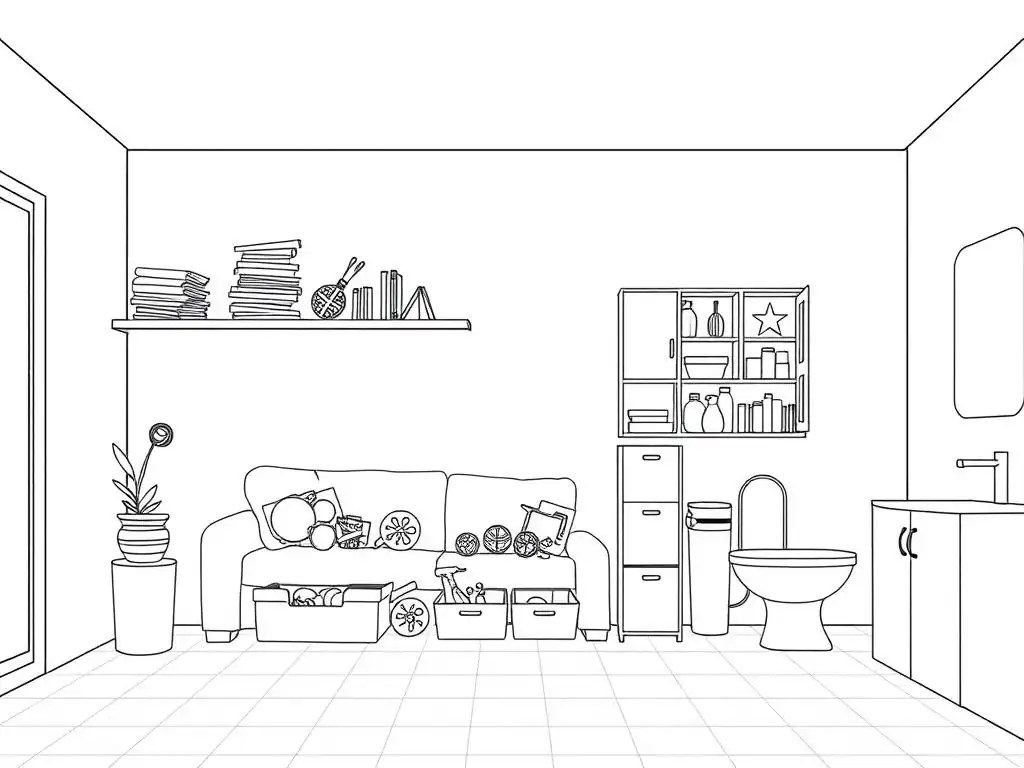
This section dives deep into the specifics of organizing different item categories within your home, providing practical strategies to conquer clutter and maximize space. We'll move beyond general decluttering advice and focus on actionable steps for specific problem areas. Remember, a well-organized home is a more peaceful and efficient home – a key component of optimizing your daily routine. This guide will help you achieve that! Let's tackle those trouble spots head-on.
Organizing Clothes and Accessories: The Ultimate Guide to Closet Organization
Effective closet organization is crucial for maintaining a tidy home and reducing daily stress. Many people underestimate the time wasted searching for misplaced items. A well-organized closet saves you precious minutes each day, adding up to significant time savings over the long term. This translates to more time for activities you enjoy, a key aspect of productivity improvement.
Here's a step-by-step approach to conquering your closet chaos:
- The Purge: Ruthlessly eliminate anything you haven't worn in the past year. Be honest with yourself – if it doesn't fit, you don't love it, or it's damaged, donate or discard it. This is the most important step. Consider the 80/20 rule: 80% of your clothing is likely worn 20% of the time.
- Categorize and Conquer: Group similar items together: shirts with shirts, pants with pants, etc. This makes finding what you need much easier.
- Vertical Organization: Utilize vertical space with shelves, drawers, and hanging organizers. Consider using shelf dividers to keep stacks neat.
- Maximize Space: Employ space-saving solutions like vacuum-sealed storage bags for out-of-season clothing or rolling racks for extra hanging space.
- Accessorize Strategically: Use drawer dividers for socks, underwear, and accessories. Consider clear containers to see contents at a glance.
Pro Tip: Fold your clothes using the KonMari method for efficient storage and easy access. This technique allows you to see everything at a glance, minimizing rummaging.
| Item Category | Storage Solution | Space Saving Tip |
|---|---|---|
| Shirts & Tops | Shelf dividers, folding techniques | Vacuum-sealed bags for off-season items |
| Pants & Skirts | Hanging organizers, drawer dividers | Rolling racks for maximum hanging capacity |
| Shoes | Shoe racks, clear shoe boxes | Over-the-door shoe organizers |
| Accessories | Drawer dividers, jewelry organizers | Utilize wall space with hooks or pegboards |
Organizing Books and Documents: A Simple System for Paperwork and Reading Materials
Dealing with an overflowing bookshelf or a mountain of paperwork can be overwhelming. However, implementing a simple system can transform this chaotic area into an organized and functional space. This will not only improve the visual appeal of your home but also significantly enhance your productivity by making it easier to find what you need when you need it.
Here's a practical approach:
- Declutter: Donate or recycle books you've already read or don't plan to read again. For paperwork, shred anything confidential or unnecessary. Remember, digitalization can greatly reduce paper clutter.
- Categorize: Group books by genre or author. For paperwork, create files for different categories (bills, taxes, medical records, etc. ).
- Storage Solutions: Use bookshelves with adjustable shelves to accommodate varying book sizes. Utilize file folders, file cabinets, or a dedicated filing system for paperwork.
- Digitalization: Scan important documents and store them electronically. This reduces physical clutter and makes access easier.
Pro Tip: Use a label maker to clearly label shelves and file folders for easy identification. This simple step saves significant time in the long run.
Organizing Toys and Games: Creating a Play Area for Kids (and Adults!)
A designated play area is essential for maintaining a tidy home, especially if you have children. A well-organized play area not only keeps toys contained but also teaches children valuable organizational skills. The key is to create a system that is both functional and engaging for kids (and fun for you! ).
Here are some tips:
- Designated Space: Choose a specific area for toys, and ensure it's accessible to children.
- Storage Solutions: Utilize bins, baskets, and containers to store different types of toys. Label each container clearly.
- Regular Purging: Periodically go through toys and donate or discard those that are broken, unused, or outgrown.
- Involve Children: Get kids involved in the organization process. This teaches them responsibility and makes the task more fun. Let them help choose storage solutions and decide where things go.
- Rotation System: If you have a lot of toys, consider a rotation system. Store some toys away and rotate them periodically to keep things interesting.
Pro Tip: Use clear storage containers so children can easily see what's inside. This encourages them to put toys away independently.
This comprehensive approach to organizing specific items will significantly contribute to your overall home organization, enhancing your daily routine and overall well-being. Remember, consistent effort is key to maintaining an organized home. The benefits, however, far outweigh the initial effort!
Organizing Kitchen Utensils and Appliances: Efficient Storage Solutions for Your Organize Home Room Checklist
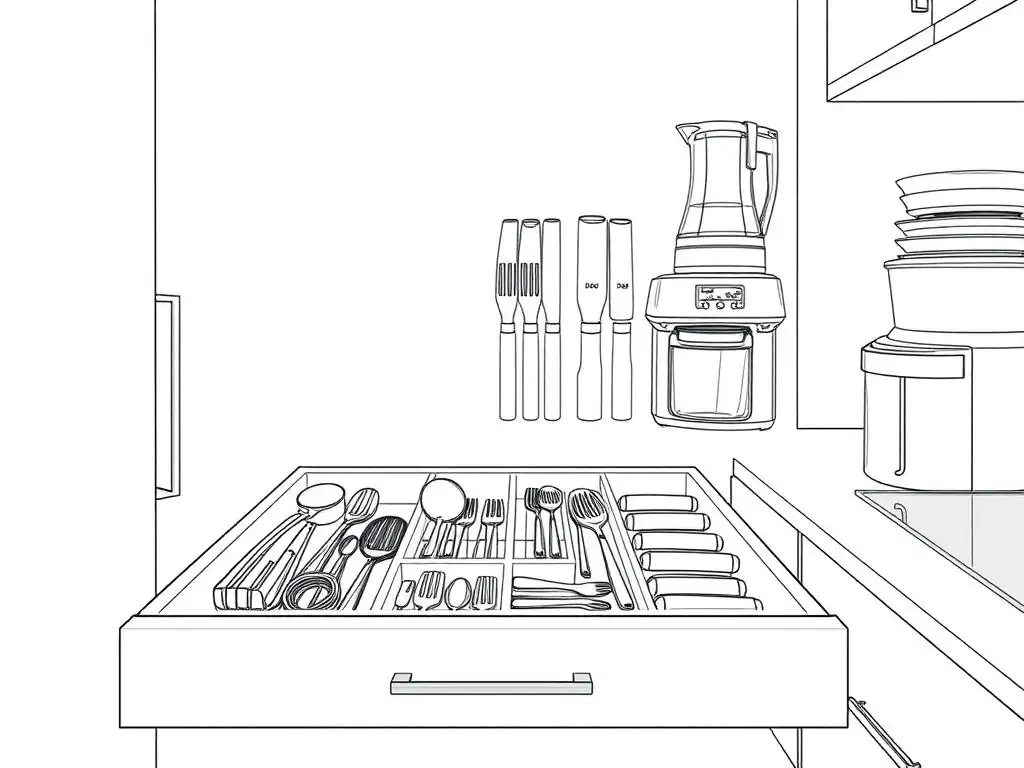
Efficient kitchen organization is key to a smooth cooking experience and a visually appealing space. A cluttered kitchen can significantly impact your workflow, making meal preparation more frustrating than it needs to be. To tackle this, consider a multi-pronged approach focusing on both utensils and appliances.
First, assess your utensils. Do you really need three spatulas? Be honest with yourself and donate or discard any duplicates or rarely used items. Once you've streamlined your collection, choose storage solutions that maximize space and accessibility. Drawer organizers are excellent for keeping utensils separated and easily within reach. Consider using vertical dividers to further segment spoons, forks, and knives. For larger utensils like whisks and wooden spoons, a stylish utensil crock on the counter can add a touch of charm while keeping them readily available.
Appliance organization is equally important. Large appliances like stand mixers and food processors often dominate counter space. If possible, store these appliances in cabinets when not in use. Consider using pull-out shelves in lower cabinets to easily access heavier items. For smaller appliances, like toasters and blenders, designate a specific area on the counter and keep them neatly arranged.
Avoid overcrowding the countertop to maintain a clean and functional workspace. Regularly declutter small appliances; do you really use that bread maker every week? Consider donating rarely used appliances to free up valuable space and reduce visual clutter. Remember, the goal is to create a kitchen that is both functional and aesthetically pleasing, contributing to a more organized and enjoyable cooking experience. This is a crucial step in your overall organize home room checklist.
Organizing Bathroom Products and Linens: Maximizing Space in Your Bathroom
Bathroom organization often presents unique challenges due to the limited space and the variety of items typically stored there. To effectively organize your bathroom, start by decluttering. Discard expired medications, empty containers, and any products you no longer use. This initial step will significantly improve your available space and make the organization process much easier.
Next, consider vertical storage solutions. Over-the-toilet organizers are a great way to utilize often wasted space. These organizers can store toiletries, cleaning supplies, and extra toilet paper, keeping everything within easy reach. Utilize shelves to store towels, extra linens, and other larger items.
If you have limited shelf space, consider using stackable storage bins or baskets to maximize vertical space. For smaller items like cotton balls, makeup brushes, and hair accessories, drawer organizers can provide a neat and organized storage solution. Clear containers allow you to see the contents at a glance, making it easy to find what you need without having to rummage through drawers. Remember to regularly purge your bathroom of unused or expired products to prevent clutter build-up.
A well-organized bathroom contributes significantly to a calm and relaxing atmosphere, making it an essential part of your organize home room checklist. Think about implementing a system of regularly checking expiration dates to proactively maintain a clutter-free space. This will save you time and effort in the long run and ensure your bathroom remains a sanctuary.
Maintaining an Organized Home: Tips and Tricks for Long-Term Success
This section focuses on strategies for sustaining an organized home beyond the initial decluttering and organizing process. Maintaining order requires consistent effort and the implementation of practical habits and systems. Think of organizing your home room checklist as an ongoing project, not a one-time event. The key is to build sustainable routines and invest in smart solutions that support your organizational goals. Let's explore some effective strategies to achieve long-term success in keeping your home tidy and functional.
Regular Decluttering Schedule: Creating a Routine for Maintaining Order
Maintaining a clutter-free environment requires a proactive approach, not just periodic deep cleans. A regular decluttering schedule is crucial for preventing clutter from accumulating and overwhelming your organized spaces. Instead of tackling the entire house at once, focus on smaller, manageable areas. For example, you might dedicate 15 minutes each evening to tidying a specific area, like your kitchen counter or your bedroom nightstand. Another effective strategy is the "one in, one out" rule: for every new item you bring into your home, remove a similar item. This prevents accumulation and keeps your home from feeling overcrowded.
Consider implementing a weekly decluttering routine. Perhaps dedicate Saturday mornings to a more thorough decluttering session, focusing on a different room each week. This approach makes the task less daunting and prevents it from becoming overwhelming. Remember, consistency is key. By scheduling regular decluttering sessions, you'll prevent clutter from building up and make maintaining your organized home room checklist much simpler. This proactive approach will save you significant time and effort in the long run, preventing the need for extensive, time-consuming cleaning sessions.
Smart Storage Solutions: Investing in Products to Help You Organize Your Home Room Checklist
Smart storage solutions are essential for maintaining a well-organized home. Investing in the right storage products can transform how you manage your belongings, making tidying up faster and easier. Consider utilizing vertical space with shelves and tall storage units. Utilize drawer dividers to separate items within drawers, preventing messy piles. Labeling containers is incredibly helpful, especially for items stored out of sight. Clear, transparent containers are particularly useful for quickly identifying contents.
Think about your specific needs when selecting storage solutions. Do you need specialized storage for clothes, shoes, or books? Are you looking for solutions to maximize space in small rooms? Consider using under-bed storage containers, vacuum-sealed bags for seasonal clothing, or over-the-door organizers for shoes and accessories. The goal is to find storage solutions that integrate seamlessly into your existing space and enhance your organizational system. Choosing high-quality, durable storage solutions is a worthwhile investment that will pay off in the long run. The right storage significantly contributes to your organized home room checklist's effectiveness.
Organizing Habits for a Tidy Home: Simple Daily Practices for Long-Term Organization
Incorporating simple daily practices into your routine is key to long-term organization. These small actions, performed consistently, prevent clutter from accumulating and maintain a sense of order. For example, make your bed each morning. This small task instantly improves the appearance of your bedroom and sets a positive tone for the day.
Put away items immediately after use. This prevents items from piling up on surfaces and creating clutter. Spend a few minutes each evening tidying up common areas, such as the kitchen and living room. This prevents the build-up of clutter and makes the space more enjoyable to use.
Consider utilizing a "tidy-up timer." Set a timer for 15 minutes and focus on tidying a specific area. Even short bursts of tidying can make a significant difference. These small, consistent efforts are far more effective than infrequent large-scale cleaning sessions. Think of these daily practices as micro-investments in maintaining your organized home room checklist. They are small actions that yield significant long-term benefits, contributing to a cleaner, more organized, and less stressful living environment. Small, consistent actions are the foundation of long-term organization success.
Dealing with Sentimental Items: Strategies for Decluttering Emotional Clutter
Tackling sentimental items is often the most challenging aspect of home organization. These items, be they childhood toys, old letters, or inherited family heirlooms, hold emotional weight that makes discarding them difficult. However, clinging to these items can significantly impact your living space and mental well-being. The key is to approach decluttering sentimental items with a thoughtful and strategic approach, rather than a rushed purge.
One effective strategy is the “memory box” method. Designate a specific box or container for sentimental items you're not ready to part with. However, impose strict limitations. The box should be of a manageable size—perhaps a small shoebox or a medium-sized storage container—to prevent it from becoming an overwhelming repository of clutter. This approach helps contain the sentimental items while still allowing you to enjoy those memories without letting them overrun your home. Consider labeling the box with the contents and date, creating a visual record of your sentimental journey.
Another approach is to digitize memories. For example, old photographs can be scanned and stored digitally, freeing up physical space while preserving precious memories. This method works well for letters, postcards, and other paper items that can be easily scanned. Consider creating digital albums or photo books to organize your digitized memories, making them easily accessible and shareable with loved ones. This digital decluttering not only saves space but also protects your irreplaceable memories from physical damage.
For larger items, such as furniture or inherited artwork that holds sentimental value, consider a different approach. Instead of discarding them outright, explore alternative options. Perhaps a family member would cherish the item, or you could donate it to a charity that might appreciate its value. Alternatively, you could carefully store the item in a less prominent location, such as a basement or attic, if space allows. The goal isn't necessarily to eliminate everything, but to find a solution that minimizes its impact on your daily life while respecting its emotional significance.
Remember, decluttering sentimental items is a personal process. There's no right or wrong way to do it. The most important thing is to approach it with respect for your memories and a commitment to creating a more organized and peaceful living environment. Take your time, be patient with yourself, and don't feel pressured to make quick decisions.
The goal is to find a balance between preserving cherished memories and maintaining a tidy, functional home. This process might require multiple passes; don’t be discouraged if you find yourself revisiting this task periodically. The key is gradual progress towards a more organized and emotionally healthy home.
Your Personalized Home Organization Plan: Creating a Customized Checklist
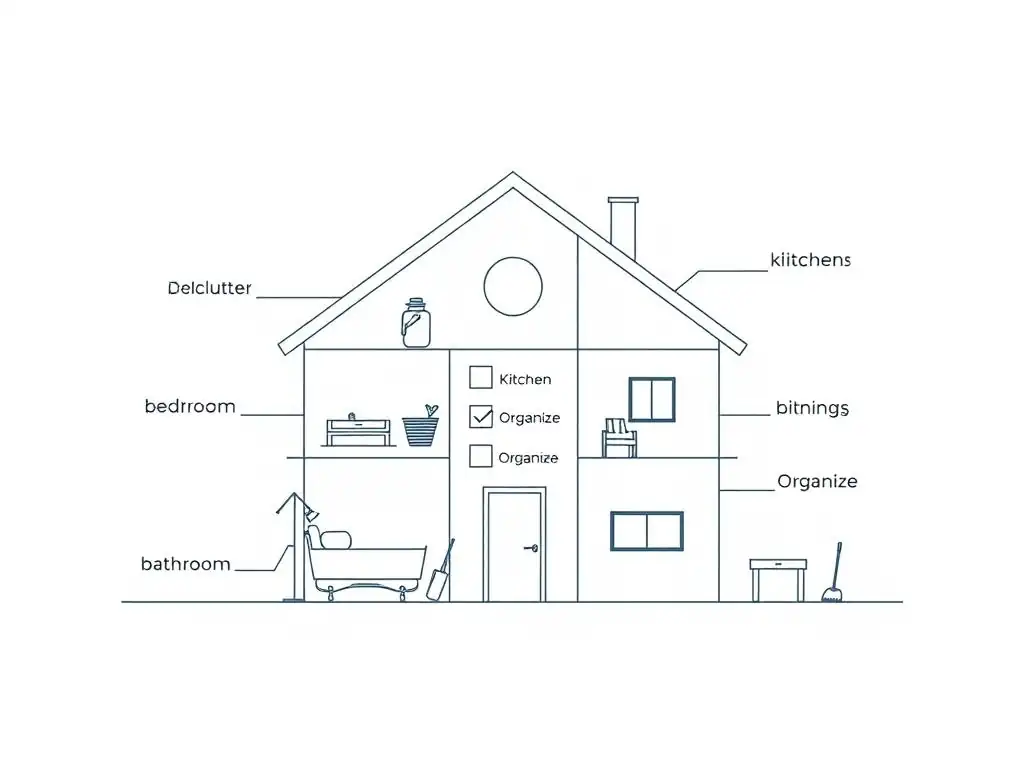
This section focuses on crafting a personalized home organization plan, tailored to your specific needs and lifestyle. A generic "organize home room checklist" won't work for everyone; your approach needs to be adaptable and reflect your individual circumstances. We'll guide you through creating a truly effective checklist that maximizes your efficiency and minimizes frustration. This isn't just about decluttering; it's about building a system that works for you long-term.
Assessing Your Needs: Identifying Your Specific Organizing Challenges
Before diving into a detailed "organize home room checklist," it's crucial to understand your unique organizational challenges. What areas of your home cause the most stress? Is it the overflowing closet, the perpetually cluttered kitchen counters, or the chaotic garage? 🤔
To effectively assess your needs, consider these questions:
- What rooms need the most attention? Prioritize based on the level of disorganization and the impact it has on your daily life. Perhaps your bedroom is a haven of calm, but the home office is a disaster zone—focus your energy accordingly.
- What are your biggest pain points? Do you struggle with finding specific items? Is it the sheer volume of stuff, or the lack of designated storage spaces? Identifying these pain points will help you tailor your "organize home room checklist" to address them directly.
- What are your current storage solutions? Are they adequate? Do you have enough storage space? Are your current storage solutions efficient and easy to use? Identifying deficiencies in storage can influence your approach.
- What are your lifestyle habits? Are you a minimalist or a collector? Understanding your tendencies will help you create a sustainable organization system. For example, if you're prone to accumulating items, your checklist might need to incorporate regular purging sessions.
By honestly answering these questions, you'll gain a clearer picture of your specific needs and can create a truly personalized and effective home organization strategy. Remember, the goal is not perfection, but progress—a manageable and sustainable system that works for your unique lifestyle.
Setting Realistic Goals: Creating Achievable Steps for Your Organize Home Room Checklist
Creating an achievable "organize home room checklist" is key to avoiding overwhelm and maintaining momentum. Avoid trying to tackle everything at once! Instead, break down the process into smaller, manageable tasks. This approach prevents burnout and ensures consistent progress.
Consider this example: Instead of aiming to "organize the entire garage in one day," break it down:
- Day 1: Clear out one section of the garage (e.g., the corner with sporting goods).
- Day 2: Sort and categorize the items from that section (donate, discard, keep).
- Day 3: Organize the remaining items in that section using appropriate storage solutions.
- Day 4: Repeat for another section of the garage.
This phased approach is far more sustainable than attempting a massive, overwhelming undertaking. Remember to celebrate small victories along the way! 🎉 Each completed task brings you closer to your overall goal, reinforcing positive habits and maintaining your motivation.
Use a combination of daily and weekly goals within your "organize home room checklist." For example:
| Day | Task | Room |
|---|---|---|
| Mon | Declutter kitchen countertops | Kitchen |
| Tue | Organize spice rack | Kitchen |
| Wed | Purge expired items from refrigerator | Kitchen |
| Thu | Sort and fold laundry | Laundry Room |
| Fri | Organize bathroom drawers | Bathroom |
| Sat | Declutter one closet shelf | Bedroom |
| Sun | Review progress and plan for the next week | All Rooms |
This structured approach ensures consistent progress and prevents the project from feeling overwhelming. Remember, consistency is key!
Tracking Your Progress: Monitoring Your Success and Making Adjustments
Tracking your progress is crucial for maintaining motivation and identifying areas needing adjustment in your "organize home room checklist." Use a variety of methods to monitor your success:
- Visual progress trackers: Use a checklist, a whiteboard, or even a simple spreadsheet to mark off completed tasks. Seeing your progress visually can be incredibly motivating.
- Before & After photos: Take pictures of each room before you begin organizing and then again after completing each section. This allows you to visually appreciate the transformation and stay motivated.
- Regular reviews: Schedule regular reviews (e.g., weekly) to assess your progress, identify challenges, and adjust your strategy as needed. This ensures that your "organize home room checklist" remains relevant and effective.
Remember, your "organize home room checklist" is a living document. It's okay to adjust it as you go, adding or removing tasks based on your needs and progress. The goal is to create a system that works for you long-term. Don't be afraid to experiment and find what works best! Flexibility is key to long-term success in home organization.
Celebrate Your Achievements: Rewarding Yourself for a Job Well Done
Organizing your home can be a marathon, not a sprint. It requires significant time, effort, and mental fortitude. To maintain motivation and prevent burnout, incorporating rewards into your organization plan is crucial. Don't just focus on the end goal; celebrate the smaller victories along the way. This positive reinforcement significantly boosts your morale and keeps you engaged in the process.
Think beyond simply ticking off items on your checklist. Consider tangible rewards that genuinely excite you. Perhaps it's a relaxing bath after decluttering the bathroom, a delicious meal after tackling the kitchen, or a new book after finishing a particularly challenging room. The reward should be proportionate to the effort involved – organizing a small closet deserves a smaller reward than completely reorganizing the garage.
The key is personalization. What motivates one person might not motivate another. Some people thrive on retail therapy, while others prefer quiet relaxation. Identify your preferences and tailor your rewards accordingly. For example, if you enjoy spending time outdoors, a walk in the park after completing a task could be a perfect reward. If you're a movie buff, a movie night could be your chosen celebration.
Remember to schedule your rewards. Planning them in advance helps create anticipation and provides a tangible goal to work towards. This makes the entire process more enjoyable and sustainable. Don't underestimate the power of celebrating your progress; it's a crucial element in achieving a truly organized and enjoyable home environment. A well-deserved reward can be the difference between maintaining your newly organized space and letting it slip back into disarray. So, pat yourself on the back, enjoy the fruits of your labor, and stay motivated to continue your journey towards a perfectly organized home! 🎉
Frequently Asked Questions
How can I use this checklist to organize my home efficiently?
This checklist provides a step-by-step guide to tackle each room systematically. Prioritize tasks based on your available time and focus on one room at a time for better results. Remember to discard unnecessary items to maximize space.
What if I don't have much time to dedicate to organizing?
Start small! Focus on one area or task within a room each day. Even 15-20 minutes of consistent effort will make a noticeable difference over time. Prioritize high-impact tasks first.
Is this checklist suitable for all types of homes?
Yes! While the checklist provides a comprehensive framework, you can adapt it to suit your specific home size, layout, and personal needs. Feel free to add or remove steps as necessary.
What should I do with items I no longer need?
Consider donating, selling, or recycling unwanted items. This will reduce clutter and create more space. Organize a donation/sale pile as you declutter each room.
How can I maintain a clean and organized home after using this checklist?
Implement a regular cleaning and decluttering schedule. Put things back in their place immediately after use to prevent clutter from accumulating. Regularly review your organizational system to refine it.
Final Reflection: Reclaiming Your Space, Reclaiming Yourself
The quest for an organized home isn't merely about tidiness; it's about reclaiming control over your environment and, by extension, your life. A clutter-free space fosters a clearer mind, allowing for increased productivity, reduced stress, and a greater sense of peace. This checklist, therefore, is more than just a guide to arranging furniture; it's a roadmap to a more intentional and fulfilling existence.
The impact of a well-organized home extends far beyond the physical. It influences our emotional well-being, our relationships, and even our creativity. The simple act of decluttering can be surprisingly cathartic, allowing us to let go of the past and embrace a brighter future. As Marie Kondo wisely stated, Tidying is just a tool, not the ultimate goal. It’s a means to an end: to live a more intentional and fulfilling life.
This sentiment resonates deeply, highlighting the transformative power of consciously organizing our surroundings.
Now, consider your own space. What areas need attention? What emotions are tied to the clutter you've accumulated? Take this checklist as a starting point, but don't be afraid to adapt it to your unique needs and preferences. Embrace the journey of creating a home that truly reflects your values and aspirations. Begin today, one room at a time, and experience the profound difference a well-organized space can make in your life.
Unleash Your Inner Organizer: Conquer Clutter Today!
Thank you for exploring our ultimate room-organizing checklist! We hope you feel empowered to tackle that overflowing closet or cluttered desk. Now, let's put your newfound knowledge into action.
- Prioritize One Room: Focus on just one room this week. Start with a small, easily manageable area for a quick win and a confidence boost!
- Share Your Success: Take a "before & after" photo and share it on social media using #UltimateLifeHacks to inspire others! We love seeing your transformations.
- Explore Further: Discover more tips and tricks in our other cleaning and organization guides on UltimateLifeHacks.org!
Ready to experience the amazing benefits of a clutter-free space? What's the first step you'll take today?