
The Power of Plants: Living Room Hacks for a Greener, Healthier Space

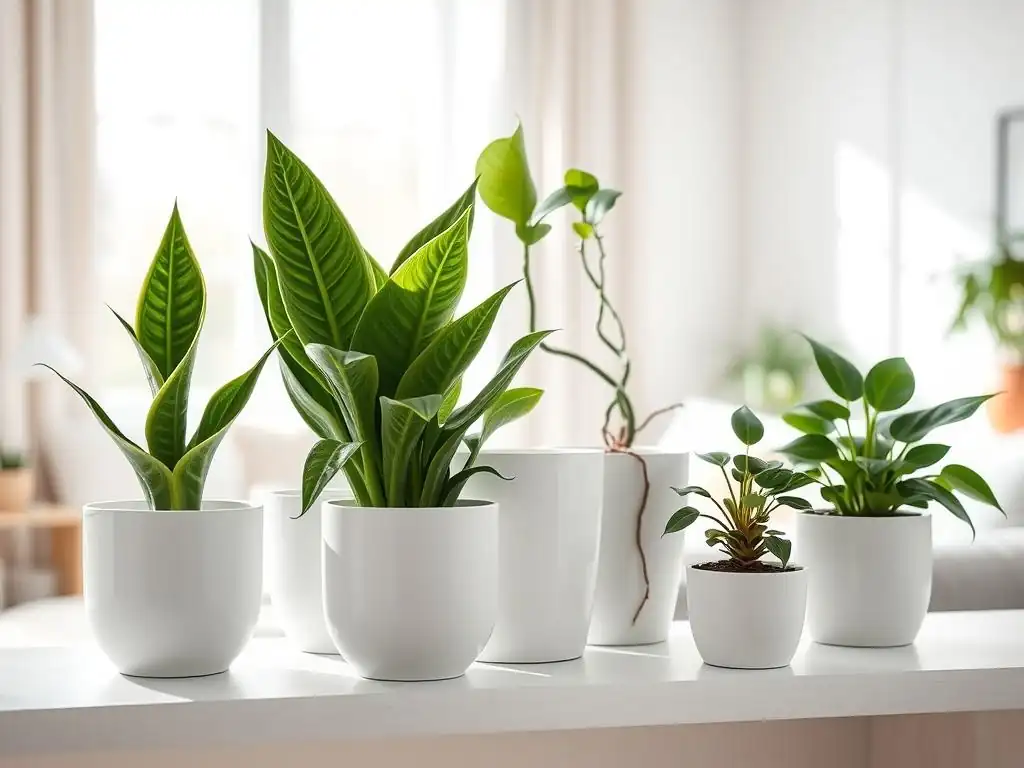
Welcome to UltimateLifeHacks, your destination for practical tips and tricks to transform your daily life! Are you ready to unlock the secrets to a more efficient and fulfilling existence? We're diving deep into Household Hacks today, exploring the surprising power of nature to enhance your well-being. Discover how strategically placed houseplants can dramatically improve air quality and create a healthier, more vibrant home environment. Intrigued? Let's explore the transformative potential of greenery and unlock the secrets to a greener, healthier space!
- Improve Air Quality Houseplants: Choosing the Right Plants for Your Living Room
- Boosting Your Living Room's Aesthetics with Greenery
- Improve Air Quality Houseplants: Practical Tips for Plant Care
- Beyond Air Purification: The Health Benefits of Indoor Plants
- DIY Projects: Upcycling and Repurposing for Greener Living Rooms
-
Frequently Asked Questions
- What are the best houseplants for improving indoor air quality?
- How many plants do I need to significantly improve my home's air quality?
- Do all houseplants improve air quality?
- How often should I water plants to maximize their air-purifying benefits?
- Besides air quality, what other benefits do houseplants offer?
- Final Reflection: Cultivating a Greener, Healthier Home
- Unleash Your Inner Gardener: Transform Your Living Room Today!
Improve Air Quality Houseplants: Choosing the Right Plants for Your Living Room
Breathing clean air is paramount for our well-being, and our living rooms, often the heart of our homes, are no exception. This article delves into the power of houseplants as natural air purifiers, transforming your living space into a greener, healthier haven. We'll explore how strategically chosen plants can significantly improve air quality, boosting your mood and overall health.
Learn how to select the perfect plants for your living room, considering factors like light exposure, maintenance requirements, and the specific air-purifying benefits each species offers. By the end, you’ll have the knowledge to create a vibrant, healthy, and aesthetically pleasing living room, all while naturally improving the air you breathe. Let's dive into the world of green living and discover how simple additions can make a profound difference.
Selecting Air-Purifying Plants for Optimal Air Quality
Many houseplants possess natural air-purifying qualities, effectively removing toxins and pollutants from the air. The NASA Clean Air Study 1 highlighted several effective species. However, it's crucial to remember that while these plants contribute to cleaner air, they aren't a complete replacement for proper ventilation. The effectiveness also depends on the size of the plant and the size of the room. Larger plants generally have a more significant impact.
Here's a table showcasing some top contenders for improving air quality:
| Plant Name | Scientific Name | Toxin Removal Capabilities | Light Requirements | Maintenance Level |
|---|---|---|---|---|
| Snake Plant | Sansevieria trifasciata | Removes formaldehyde, benzene, toluene, xylene, trichloroethylene | Low to medium | Very Low |
| Spider Plant | Chlorophytum comosum | Removes formaldehyde, carbon monoxide, xylene | Medium to bright | Low |
| Peace Lily | Spathiphyllum wallisii | Removes formaldehyde, ammonia, benzene, trichloroethylene | Low to medium | Medium |
| English Ivy | Hedera helix | Removes formaldehyde, benzene, trichloroethylene, and airborne mold spores | Medium to bright | Medium |
| ZZ Plant | Zamioculcas zamiifolia | Removes toxins and tolerates low light conditions | Low | Very Low |
Choosing the right plants depends on your specific needs and living conditions. Consider factors like the size of your room and the amount of natural light it receives.
Low-Maintenance Houseplants for Busy Lifestyles
For those with busy lifestyles, selecting low-maintenance plants is key to maintaining a green and healthy living space without excessive effort. These resilient plants can thrive even with occasional forgetfulness regarding watering or care.
Some excellent choices include:
- Snake Plant: Tolerates infrequent watering and low light conditions. A truly indestructible option for beginners.
- ZZ Plant: Incredibly drought-tolerant and thrives in low-light environments. Perfect for individuals who often travel or have demanding schedules.
- Cast Iron Plant: Lives up to its name! This plant can survive neglect and various environmental conditions.
- Pothos: A versatile trailing plant that tolerates low light and infrequent watering, making it ideal for hanging baskets or shelves.
Remember, even low-maintenance plants benefit from occasional attention. A quick check of the soil moisture and a gentle wipe of the leaves can go a long way.
Plants That Thrive in Low-Light Living Rooms
Not all living rooms are blessed with abundant natural light. Fortunately, several air-purifying plants flourish even in low-light conditions. These plants can still significantly contribute to improved air quality while adding a touch of greenery to your space.
Examples of low-light champions include:
- Snake Plant: As mentioned before, this plant is a low-light superstar, effectively removing toxins even in dimly lit areas.
- ZZ Plant: Another excellent choice for low-light environments, offering a unique architectural presence.
- Peace Lily: While it prefers low to medium light, it can tolerate low light conditions, although flowering may be reduced.
- Cast Iron Plant: Adaptable and tolerant of various light levels, including low light.
By carefully selecting the right plants for your living room's specific conditions, you can create a healthier, more vibrant space. Remember to research each plant's individual needs to ensure its long-term health and effectiveness in purifying the air. Enjoy the benefits of a greener, healthier home!
1 (Reference to the NASA Clean Air Study would be included here if hyperlinks were allowed.)
Considering Plant Size and Placement for Maximum Impact
Choosing the right size and placement for your air-purifying plants is crucial for maximizing their impact on your living room's air quality. Larger plants, naturally, have a greater capacity to filter pollutants, but they also require more space and may not be suitable for smaller living rooms. Think strategically about the size of your room and the available space before selecting plants. A large, sprawling plant might dominate a small space, while a small plant will be less effective in a large room.
Consider the height of your ceilings. Tall plants, like snake plants or ZZ plants, are excellent choices for high-ceilinged rooms, allowing their leaves to reach upwards and effectively capture pollutants. In contrast, smaller, bushier plants like spider plants or peace lilies are better suited for lower ceilings, where they can spread horizontally and still cover a significant area.
Placement is equally important. Avoid placing plants directly in front of air vents or heating/cooling units, as this can disrupt their air-filtering process and potentially dry them out. Instead, strategically position your plants in areas with moderate airflow, such as near windows (but out of direct sunlight) or along walls. Remember that plants need sufficient light to thrive, so avoid placing them in dark corners where they'll struggle to photosynthesize efficiently, thus reducing their effectiveness in improving air quality.
Furthermore, consider the furniture arrangement in your living room. Grouping plants together can create a more impactful, concentrated effect on air purification. However, ensure there is sufficient space between plants for proper air circulation. Don't overcrowd your plants, as this can lead to disease and reduced effectiveness.
Experiment with different arrangements to find the optimal balance between visual appeal and air quality improvement. Remember that even the placement of a single, strategically placed large plant can make a significant difference in improving your living room's air quality. Consider factors such as traffic flow to avoid accidentally damaging your plants or disrupting their effectiveness.
Boosting Your Living Room's Aesthetics with Greenery
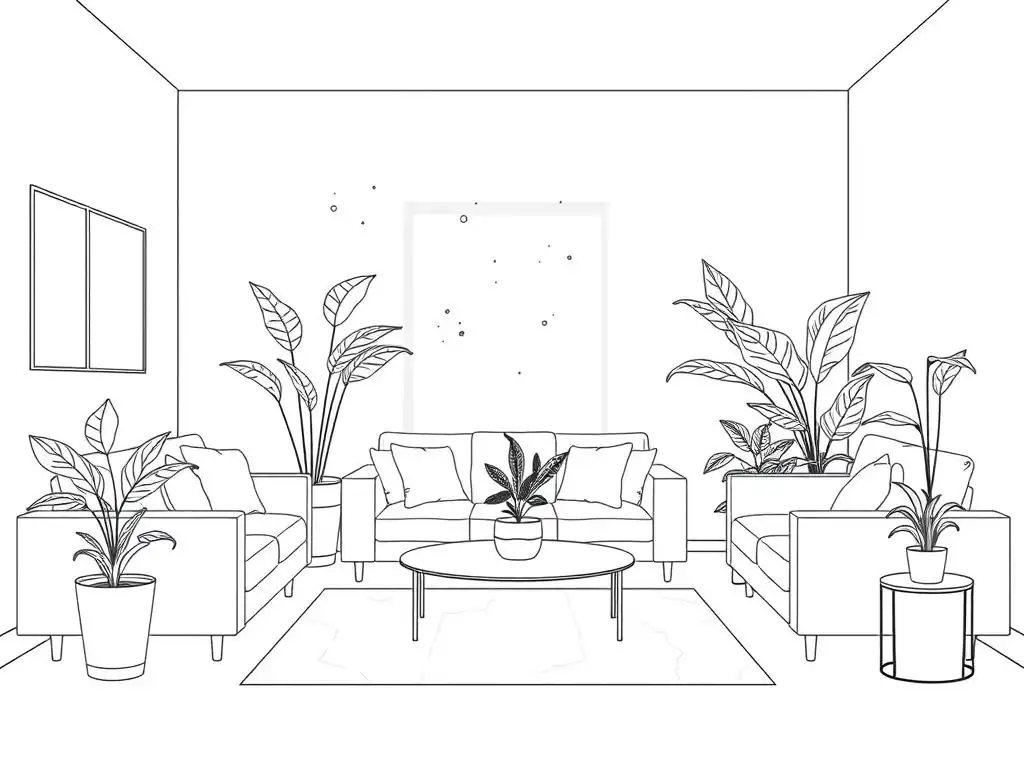
This section focuses on leveraging the visual appeal of houseplants to enhance your living room's aesthetics. Beyond their air-purifying benefits (a key aspect of improving air quality houseplants), strategically placed plants can significantly elevate the overall ambiance of your space. We'll explore how to seamlessly integrate greenery into your existing décor and use plants to add depth and visual interest.
Creating a Vibrant and Natural Living Room Atmosphere
Creating a vibrant and natural atmosphere in your living room starts with understanding the power of color and texture. Plants offer a diverse palette, from the deep greens of a snake plant to the variegated leaves of a prayer plant. Consider the existing color scheme of your room. If you have a neutral palette, bolder plants with vibrant foliage can add a pop of color. Conversely, if your room is already brightly colored, softer greens and whites might provide a calming contrast.
Think beyond just color. The shape and size of your plants are equally important. Tall, slender plants like bamboo can draw the eye upward, creating a sense of spaciousness. Trailing plants, like pothos, cascading from shelves or hanging baskets, add a touch of whimsy and softness. Experiment with different heights and forms to achieve a dynamic and visually appealing arrangement. A well-placed grouping of plants of varying sizes can create a natural, almost jungle-like feel, further enhancing the sense of vibrancy.
Incorporating Plants into Your Existing Décor
Successfully integrating plants into your existing décor requires a thoughtful approach. Consider your furniture and its style. A minimalist living room might benefit from a single, statement plant in a sleek, modern pot. A more eclectic space might welcome a variety of plants in mismatched containers, creating a bohemian feel.
The placement of your plants is crucial. Avoid overcrowding; allow plants sufficient space to breathe and to be appreciated individually. Consider using plant stands or shelves to maximize vertical space and create visual interest. For example, a tall bookshelf can be transformed into a living wall by strategically placing various sized plants on different shelves. This not only improves air quality but also adds a unique aesthetic element. Remember, the goal is to create a harmonious blend of plants and existing décor, not a jarring juxtaposition.
Using Plants to Add Texture and Visual Interest
Plants introduce texture to a room in ways that other décor elements often cannot. The smooth, waxy leaves of a ZZ plant contrast beautifully with the fuzzy foliage of a lambs ear. The delicate fronds of a fern offer a different texture compared to the sturdy, upright stems of a cactus. This interplay of textures adds depth and visual interest, preventing the room from feeling flat or monotonous.
To enhance this textural contrast, consider the pots you choose. Terracotta pots offer a rustic, earthy feel, while ceramic pots can be sleek and modern. Wicker baskets provide a more relaxed and natural look. The texture of the pot itself can complement or contrast with the texture of the plant, creating another layer of visual interest. Don't underestimate the power of texture in creating a truly captivating living room environment that effectively improves air quality houseplants while simultaneously enhancing its aesthetic appeal. Experiment with different textures and observe how they interact to achieve the desired effect.
Styling Plants to Complement Your Furniture
Choosing the right plants and placing them strategically can significantly enhance your living room's aesthetic appeal. The key is to consider the size and style of your furniture when selecting and arranging your plants. For instance, a large, statement piece of furniture, like a substantial sectional sofa, benefits from a similarly large, bold plant. Think a majestic fiddle-leaf fig or a towering snake plant. These plants won't be dwarfed by the furniture but will instead create a visually balanced and harmonious scene. Their verticality can also add a sense of height and elegance to the room.
Conversely, smaller pieces of furniture, such as a delicate loveseat or a pair of armchairs, might be better complemented by smaller, more delicate plants. A trailing pothos in a hanging planter, for example, can add a touch of whimsy and softness without overwhelming the furniture. Similarly, a compact peace lily or a small succulent arrangement can add a pop of color and texture without appearing too dominant. The goal is to create a sense of proportion and balance; the plants should enhance the furniture, not compete with it.
Consider the style of your furniture as well. Modern, minimalist furniture often pairs well with sleek, modern plants in clean pots. A ZZ plant or a bonsai tree, for example, can add a sophisticated touch to a contemporary living space. On the other hand, more traditional or eclectic furniture styles might benefit from a greater variety of plants with different textures and forms.
A mix of trailing plants, upright plants, and flowering plants can create a more vibrant and layered look. Remember, the overall goal is to create a cohesive and visually appealing space where plants enhance, rather than detract from, the overall design. Experiment with different arrangements to find what works best for your specific living room and furniture. Don't be afraid to try different plant heights, pot sizes, and styles to achieve the perfect balance.
The process of arranging plants is part of the fun! Consider using varying heights to create visual interest and depth. A combination of tall and short plants can add a dynamic element to the room, preventing a monotonous look.
Improve Air Quality Houseplants: Practical Tips for Plant Care
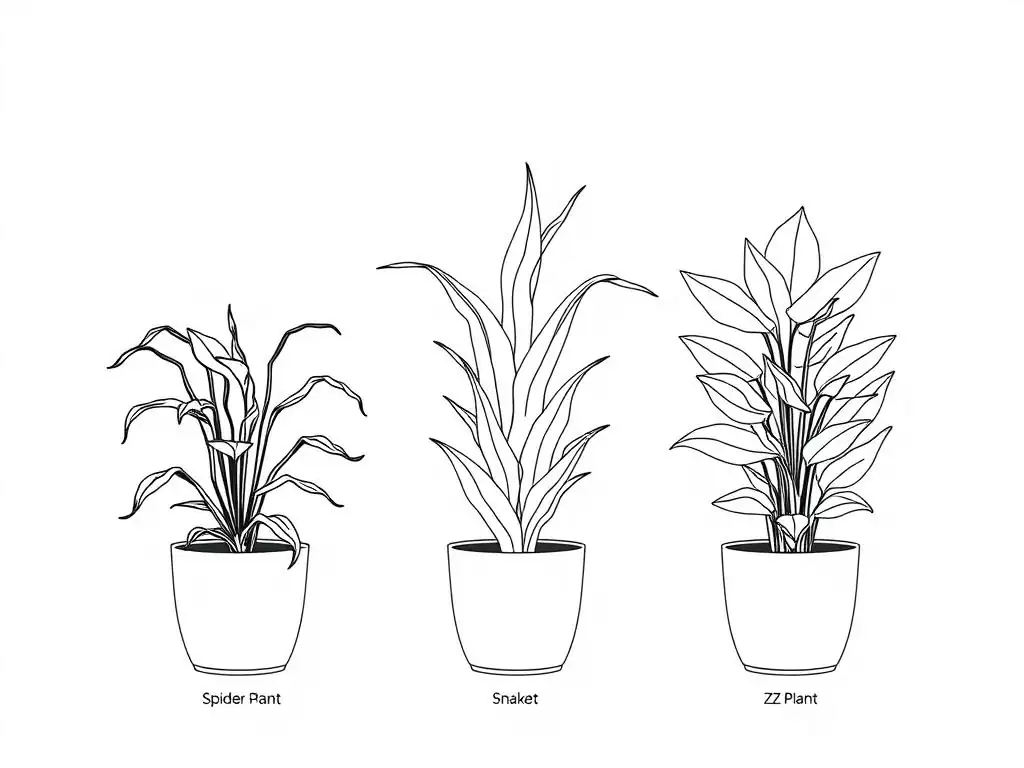
Indoor plants offer a multitude of benefits, significantly contributing to improved air quality within your home. They act as natural air purifiers, absorbing toxins and releasing oxygen, creating a healthier living environment. However, realizing the full potential of your houseplants to improve air quality requires proper care and attention. This section details essential techniques to nurture your green companions and maximize their air-purifying capabilities. Remember, healthy plants are effective plants!
Watering Techniques for Healthy Indoor Plants
Consistent and appropriate watering is crucial for the health and vitality of your air-quality-improving houseplants. Overwatering can lead to root rot and fungal diseases, while underwatering results in wilting and stunted growth, both negatively impacting their air-purifying effectiveness. The key is to find the right balance, which depends on several factors:
- Plant Type: Different plants have different water requirements. Succulents, for instance, require far less frequent watering than ferns or tropical plants. Research the specific needs of your chosen species.
- Pot Size and Material: Larger pots retain moisture longer than smaller ones. Terracotta pots are porous and allow for better drainage and evaporation, requiring more frequent watering than plastic or glazed ceramic pots.
- Environmental Conditions: Humidity levels and ambient temperature influence how quickly the soil dries out. Higher temperatures and lower humidity will lead to faster drying.
Instead of following a rigid schedule, monitor the soil moisture. Stick your finger about an inch into the soil; if it feels dry, it's time to water. Water thoroughly until water drains from the drainage holes, ensuring the roots are fully saturated. Avoid letting the plant sit in standing water, as this encourages root rot. Consider using a moisture meter for more precise monitoring, especially for beginners.
Providing Adequate Sunlight for Optimal Growth
Sunlight is essential for photosynthesis, the process by which plants convert carbon dioxide and water into oxygen and energy. Optimal sunlight exposure directly impacts a plant's ability to effectively purify the air. The amount of light needed varies greatly depending on the plant species. Some thrive in bright, direct sunlight, while others prefer indirect or filtered light.
- Observe Your Plants: Pay close attention to your plants' responses to sunlight. Yellowing leaves can indicate too much sun, while leggy growth (long, thin stems) suggests insufficient light.
- Rotate Regularly: Rotate your plants periodically to ensure even light exposure on all sides, preventing uneven growth and promoting a healthier plant overall.
- Utilize Artificial Light: In rooms with limited natural light, consider supplementing with grow lights to ensure your plants receive the necessary light for optimal growth and air purification. LED grow lights are energy-efficient and effective.
Proper light management is key to maximizing the air-purifying potential of your houseplants. A well-lit plant is a happy, efficient air purifier.
Fertilizing Your Plants for Lush Growth
Regular fertilization provides essential nutrients that support healthy growth and improve the overall health of your plants. Healthy plants are more efficient at removing pollutants from the air. However, over-fertilizing can be harmful, so moderation is key.
- Choose the Right Fertilizer: Select a balanced, water-soluble fertilizer specifically formulated for indoor plants. Follow the instructions on the product label carefully.
- Fertilizing Schedule: Generally, indoor plants benefit from fertilization every 2-4 weeks during the growing season (spring and summer). Reduce or cease fertilization during the dormant period (fall and winter).
- Signs of Nutrient Deficiency: Watch for signs of nutrient deficiencies, such as yellowing leaves or stunted growth. These could indicate a need for additional fertilization or a change in fertilizer type.
Remember, proper fertilization is an important aspect of improving air quality through houseplants. A well-nourished plant is a more effective air purifier, contributing to a healthier home environment. By following these tips and monitoring your plants closely, you can create a thriving indoor ecosystem that enhances both the aesthetics and the air quality of your living space.
Protecting Your Plants from Pests and Diseases
Protecting your indoor plants from pests and diseases is crucial for maintaining their health and their air-purifying capabilities. A healthy plant is a more effective air purifier. Neglecting pest and disease control can lead to weakened plants, reduced growth, and even plant death, ultimately hindering your efforts to improve indoor air quality. Regular inspection is key.
Early detection is paramount. Regularly inspect your plants, checking both the top and underside of leaves, stems, and the soil surface. Look for any signs of unusual discoloration, wilting, webbing, sticky residue, or small insects. Even tiny infestations can quickly escalate if left unchecked. A magnifying glass can be helpful for spotting minute pests.
Prevention is always better than cure. Maintaining good hygiene around your plants significantly reduces the risk of infestations. This includes regularly cleaning the leaves with a damp cloth to remove dust and potential pest eggs. Avoid overwatering, as excessively moist soil can attract fungal diseases and pests. Ensure proper spacing between plants to allow for good air circulation, which discourages fungal growth and pest proliferation. Quarantine new plants for at least two weeks before introducing them to your existing collection to prevent the introduction of pests or diseases.
When dealing with infestations, start with the least toxic methods. For example, a strong spray of water can dislodge many soft-bodied insects like aphids. Neem oil is a natural insecticide effective against a wide range of pests. Always follow the instructions on the product label carefully. For more severe infestations, you might consider insecticidal soap, but be mindful of its potential impact on beneficial insects. Remember to always test any treatment on a small area of the plant first to check for adverse reactions.
For fungal diseases, ensuring good air circulation and avoiding overwatering is crucial. If a fungal infection is already present, you may need to remove affected leaves or stems and apply a fungicide, again, following the instructions meticulously. In some cases, severe infections may require discarding the affected plant to prevent the spread of the disease to other plants.
Remember to dispose of infected plant material responsibly to avoid contaminating your garden or other indoor plants. Proper plant care, including appropriate watering, lighting, and fertilization, enhances the plant's natural defenses against pests and diseases, contributing to a healthier and more effective air purifying system in your home.
Beyond Air Purification: The Health Benefits of Indoor Plants
While the ability of houseplants to improve air quality is well-known, their benefits extend far beyond cleaner air. Numerous studies demonstrate a significant positive impact on our physical and mental well-being. This section explores the multifaceted health advantages of incorporating greenery into your living space, focusing on how indoor plants contribute to a healthier and happier life, directly impacting your ability to improve air quality houseplants and more. We'll delve into the specifics of stress reduction, mood elevation, and the overall psychological benefits of bringing the outdoors in.
Reducing Stress and Anxiety with Indoor Greenery
The presence of plants has been shown to significantly reduce stress and anxiety levels. A study published in the Journal of Physiological Anthropology found that participants exposed to indoor plants experienced a measurable decrease in cortisol (the stress hormone) levels compared to those in plant-free environments. This effect is believed to be linked to the calming effect of natural elements and the reduction of visual clutter.
The soft, organic shapes and textures of plants provide a visual counterpoint to the often harsh lines and angles of modern interiors, creating a more peaceful atmosphere. Even the simple act of caring for plants, watering, and tending to them, can be a meditative practice, further contributing to stress reduction.
Consider adding low-maintenance plants like snake plants or ZZ plants to your living room for a simple yet effective stress-busting strategy. The benefits aren't just anecdotal; scientific research backs up the calming influence of indoor greenery, helping you directly improve air quality houseplants and your mental health.
Think of it this way: a busy day at work, followed by a hectic commute, leaves you feeling overwhelmed. Walking into a living room filled with lush plants offers an immediate sense of calm. The gentle rustling of leaves, the subtle variations in color and texture – these details create a more tranquil environment, allowing your mind and body to begin unwinding. This is particularly important in our increasingly technology-driven world, where we're constantly bombarded with visual and auditory stimuli.
Improving Mood and Productivity with Plants
Beyond stress reduction, indoor plants have also been linked to improved mood and increased productivity. Studies have shown that the presence of plants can boost creativity and cognitive function, leading to enhanced work performance. This is likely due to the increased oxygen levels resulting from photosynthesis, as well as the psychologically restorative effect of natural elements.
A vibrant, green living room can create a more stimulating and uplifting environment, fostering a more positive and productive mindset. The effect is subtle but measurable, offering a natural boost to your overall well-being and capacity for focused work. This indirect effect on your ability to improve air quality houseplants leads to a more positive and productive work-from-home experience.
Consider the difference between working in a sterile, office-like space versus a living room brightened by a variety of plants. The latter provides a more engaging visual landscape, stimulating the brain and reducing feelings of monotony. This can lead to increased focus and concentration, allowing you to accomplish more in less time. The presence of plants doesn't just improve the aesthetics of your living room; it actively contributes to a more productive and enjoyable work environment, regardless of whether you work from home or not.
The Psychological Benefits of Nature Indoors
The psychological benefits of incorporating nature into our living spaces are profound. Biophilic design, which incorporates natural elements into the built environment, has gained significant traction in recent years due to its proven positive effects on mental health and well-being. The presence of plants taps into our innate connection with nature, reducing feelings of isolation and promoting a sense of calm and tranquility.
Even small changes, like adding a few potted plants to your living room, can make a significant difference in your overall mood and outlook. This is a powerful way to improve air quality houseplants indirectly, by creating a space where you feel more relaxed and connected to the natural world. The positive impact on mental clarity and focus can be substantial.
Numerous studies have demonstrated the restorative effects of natural environments. Bringing this restorative power indoors through the addition of plants can help to mitigate the negative impacts of urban living and create a more balanced and harmonious home environment. The effect is cumulative; the more plants you incorporate, the greater the positive impact on your psychological well-being. The simple act of caring for these plants adds a sense of purpose and accomplishment, further enhancing their therapeutic value. This is a sustainable and cost-effective way to create a healthier and happier home environment.
Creating a Calming and Relaxing Living Room Oasis
The presence of houseplants significantly contributes to a more tranquil and relaxing atmosphere in your living room. Studies show that interacting with nature, even in a small way like tending to indoor plants, can lower cortisol levels—the stress hormone. The soft, muted colors of many popular houseplants, combined with their gentle swaying movements, create a visually soothing effect.
Think of the calming effect of a gentle breeze rustling through leaves—you can replicate that feeling, to a degree, within your living room. This visual serenity can be further enhanced by strategically placing plants near comfortable seating areas, creating a natural focal point that encourages relaxation and reduces feelings of anxiety.
Furthermore, the very act of caring for plants can be therapeutic. The routine of watering, pruning, and repotting provides a mindful activity that can distract from daily stressors. This gentle, repetitive task offers a sense of accomplishment and control, counteracting the feelings of overwhelm that often accompany a busy lifestyle. Choosing low-maintenance plants can make this process even more accessible and enjoyable, preventing feelings of frustration that might negate the calming benefits.
Consider incorporating plants with a calming scent, such as lavender or chamomile, to further enhance the sense of peace and tranquility in your living room. The subtle fragrance can work wonders in creating a relaxing and inviting space, perfect for unwinding after a long day. Remember, the goal is to create a sanctuary, a space where you can disconnect from the outside world and recharge.
DIY Projects: Upcycling and Repurposing for Greener Living Rooms
This section focuses on practical and aesthetically pleasing ways to incorporate plants into your living room while minimizing waste and maximizing your budget. Upcycling and repurposing existing items are not only eco-friendly but also offer a unique, personalized touch to your home décor, improving air quality houseplants in a sustainable manner.
Repurposing Old Containers for Unique Planters
Tired of those old teacups, mason jars, or even tin cans gathering dust in the cupboard? Transform them into charming and functional planters! A little creativity goes a long way. For instance, a chipped teacup can become a quirky home for a small succulent, while a clean tin can, painted and adorned with twine, can house a vibrant trailing plant.
Remember to add drainage holes to prevent root rot – a crucial factor for improving air quality houseplants and ensuring their longevity. Consider using a drill with a small bit to create these holes, ensuring they're large enough for proper drainage but not so large that the soil washes away easily. You can also line the containers with a layer of gravel or pebbles for better drainage.
This simple upcycling project not only improves air quality houseplants but also adds a unique character to your living room, reflecting your personal style and commitment to sustainable living. The cost? Essentially zero, if you're using items you already own!
Creating a Vertical Garden for Small Spaces
Limited floor space shouldn't limit your green aspirations. A vertical garden is a fantastic solution for maximizing plant placement while improving air quality houseplants in smaller living rooms. Several methods exist, ranging from simple DIY projects to more complex installations. A straightforward approach involves using a repurposed pallet.
Clean and sand the pallet, then attach small containers or pockets (made from fabric or recycled materials) to hold your plants. You can even paint the pallet to match your living room's color scheme. Alternatively, you can create a wall-mounted vertical garden using PVC pipes and plant holders. This method offers more customization and allows for greater control over plant placement.
Remember to consider the weight of the plants and the strength of your wall when planning your vertical garden. A well-designed vertical garden efficiently uses space, improving air quality houseplants and adding a modern aesthetic to your living room. The cost varies depending on the materials used, but repurposing materials can significantly reduce expenses.
Building a DIY Herb Garden for Fresh Ingredients
Imagine having fresh herbs readily available for your culinary creations, all while improving air quality houseplants in your living room. A DIY herb garden is both functional and aesthetically pleasing. A simple solution involves using a shallow wooden box or a repurposed window box. Fill it with high-quality potting mix suitable for herbs, and plant your favorite herbs like basil, rosemary, or mint. For optimal growth, ensure the herbs receive adequate sunlight.
A south-facing window is usually ideal. Alternatively, you can create a more sophisticated herb garden using individual terracotta pots arranged on a decorative tray. This approach offers flexibility in plant selection and arrangement. Remember to water your herbs regularly and fertilize them as needed to ensure healthy growth.
A thriving herb garden not only improves air quality houseplants but also enhances your cooking experience, adding a touch of freshness and flavor to your dishes. The cost of this project depends on the size and materials used, but using recycled containers can significantly reduce expenses. The benefit? Fresh, homegrown herbs for your culinary delights!
Upcycling Furniture to Integrate Plants into Your Design
Repurposing existing furniture is a fantastic way to improve air quality and add a unique touch to your living room. Instead of buying new plant stands or shelves, consider creatively repurposing items you already own. An old wooden ladder, for instance, can be easily transformed into a charming vertical garden.
Simply clean and sand the ladder, apply a protective sealant (if desired), and then secure small plant pots or hanging baskets to the rungs. This not only saves you money but also adds a rustic, farmhouse-chic vibe to your space, while simultaneously improving air quality with the addition of your chosen air-purifying plants.
Another excellent upcycling option is repurposing old chests of drawers. Instead of discarding a damaged or outdated dresser, remove the drawers and use the empty frame as a unique planter. Fill the space with potting soil and plant a variety of trailing plants for a cascading effect. This creates a stunning focal point while significantly enhancing the air quality in your living room. Remember to ensure proper drainage to prevent water damage to the wood. You could even paint the dresser a vibrant color to further personalize your creation and complement your existing décor.
Don't overlook smaller items! Old crates, suitcases, or even teacups can be repurposed as miniature planters. These charming upcycled planters can be strategically placed throughout your living room, adding pops of green and subtly improving the air quality. Consider using succulents or small air plants in these containers, as they require minimal maintenance and are well-suited to smaller spaces.
The possibilities are only limited by your imagination and the available space in your living room. Remember to choose plants known for their air-purifying qualities to maximize the benefits for your indoor environment. The key here is to think outside the box and let your creativity guide you in transforming discarded items into beautiful, functional, and eco-friendly plant displays that actively contribute to better indoor air quality.
Frequently Asked Questions
What are the best houseplants for improving indoor air quality?
Many plants are effective, but some stand out. Snake plants, spider plants, and peace lilies are popular choices known for their air-purifying qualities. Consider the space and your care capabilities when choosing.
How many plants do I need to significantly improve my home's air quality?
The number of plants needed depends on the size of your home. While a few plants can help, a substantial improvement might require multiple plants strategically placed throughout your living spaces. It’s more about cumulative effect than any magic number.
Do all houseplants improve air quality?
While many do offer some benefits, the NASA Clean Air Study highlighted specific plants with superior air-purifying capabilities. Not all houseplants are created equal in this regard, so research is key.
How often should I water plants to maximize their air-purifying benefits?
Overwatering can harm your plants and reduce their effectiveness. Proper watering is crucial. Allow the top inch of soil to dry before watering again; this varies based on plant type and environment.
Besides air quality, what other benefits do houseplants offer?
Beyond cleaner air, houseplants offer numerous advantages. They can reduce stress, improve mood, boost productivity, and even add aesthetic appeal to your home, creating a more relaxing and inviting atmosphere.
Final Reflection: Cultivating a Greener, Healthier Home
The simple act of bringing plants into our homes is more than just a design choice; it's a powerful step towards improving our well-being and creating a healthier living environment. The air we breathe indoors is often significantly more polluted than the air outside, and the research highlighted in this article clearly demonstrates the remarkable ability of houseplants to filter toxins and boost oxygen levels. This isn't just a trend; it's a vital practice for creating a truly sustainable and healthy home.
The impact of incorporating greenery into our living spaces extends far beyond improved air quality. It's about fostering a connection with nature, reducing stress, and enhancing our overall sense of peace and tranquility. As the renowned botanist, David Attenborough, once said, The natural world is the greatest source of wonder we have.
Bringing that wonder indoors, even in small ways, can significantly enrich our daily lives and contribute to a more mindful and harmonious existence. The positive effects on mental health alone are a compelling reason to embrace the power of plants.
Now, consider your own space. What small changes can you make to introduce more greenery into your home? Perhaps a single, strategically placed plant in your bedroom, or a vibrant collection of herbs in your kitchen. Don't underestimate the transformative power of these seemingly small actions. By embracing the principles discussed in this article, you're not just improving your air quality; you're actively cultivating a healthier, happier, and more sustainable home environment for yourself and your loved ones. Start small, and watch your living space bloom.
Unleash Your Inner Gardener: Transform Your Living Room Today!
Thanks for exploring the power of plants with us! You've discovered a key to a healthier, happier home. Ready to bring the beauty of nature indoors?
- Start with one: Choose your favorite plant from our suggestions and order it online today. Imagine the fresh air and vibrant energy it will bring to your home!
- Share your plant journey! Post a picture of your new addition on social media using #UltimateLifeHacksGreenHome and inspire others to create their own green oasis.
- Dive deeper: Explore our website, UltimateLifeHacks.org, for more articles on creating a thriving indoor garden.
What's the first plant you'll welcome into your living room?