
Master the Art of Digital Painting: Online Courses for Aspiring Artists

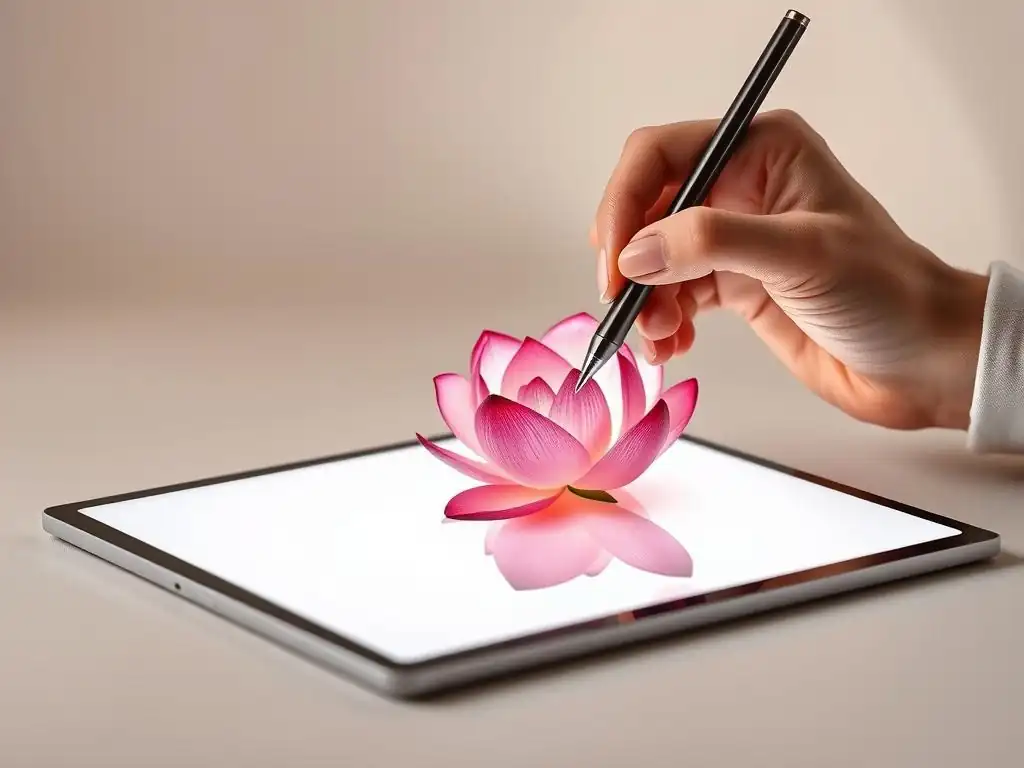
Ready to unlock your creative potential and transform your daily life? At UltimateLifeHacks, we're dedicated to providing you with practical strategies and innovative solutions to boost your productivity and achieve more. This isn't just about ticking off tasks; it's about mastering your time and unleashing your passions. Discover how online digital painting courses can be your secret weapon to mastering a new skill and finding joy in the process. Dive in and explore the world of artistic expression – your masterpiece awaits!
- Finding the Right Online Digital Painting Courses for Your Skill Level
- Top Online Platforms Offering Digital Painting Courses
- Choosing the Best Digital Painting Course for Your Needs
- Maximizing Your Investment in Online Digital Painting Courses
- Beyond the Courses: Resources for Continued Learning in Digital Painting
-
Frequently Asked Questions
- What makes UltimateLifeHacks' recommended online digital painting courses stand out?
- Are these online digital painting courses suitable for beginners?
- What software programs are typically covered in these courses?
- How much time commitment is required to complete an online digital painting course?
- What kind of career opportunities can I explore after completing a digital painting course?
- Final Reflection: Unlocking Creative Potential Through Digital Canvas
- Unleash Your Inner Artist: Start Your Digital Painting Journey Today!
Finding the Right Online Digital Painting Courses for Your Skill Level
Embarking on a journey into the vibrant world of digital painting can be both exciting and daunting. The sheer volume of available online resources can feel overwhelming, making it challenging to find the perfect fit for your skill level and aspirations. This comprehensive guide navigates the landscape of online digital painting courses, offering a curated selection tailored to beginners, intermediate artists, and everyone in between.
Whether you're aiming to refine your existing skills or completely new to the medium, we'll help you discover the resources to unlock your artistic potential and master the art of digital painting. We'll explore various software options, delve into essential techniques, and highlight courses designed to build a strong portfolio—all to help you confidently navigate the world of online digital painting courses and achieve your artistic goals. This guide focuses specifically on finding the best Online digital painting courses to suit your needs.
Beginner Digital Painting Courses: Mastering the Basics with Procreate and Clip Studio Paint
Learning digital painting doesn't require years of prior experience. Many fantastic online courses cater specifically to absolute beginners, gently guiding you through the fundamentals. These courses often utilize user-friendly software like Procreate (popular on iPads) and Clip Studio Paint (known for its versatile features).
Understanding the Fundamentals of Digital Painting
Beginner courses typically start with the absolute basics: understanding color theory, brush techniques, and the interface of your chosen software. You'll learn how to create basic shapes, control opacity and blending modes, and explore different brush settings to achieve various effects. Many courses incorporate practical exercises to reinforce learning, ensuring you grasp these foundational concepts before moving on to more complex techniques. Expect to spend considerable time practicing fundamental strokes and color mixing.
Choosing the Best Beginner-Friendly Digital Painting Software
The choice of software can significantly impact your learning experience. Procreate’s intuitive interface and powerful features make it ideal for beginners on iPads. Clip Studio Paint offers a similar level of user-friendliness with a broader range of tools and functionalities. Some courses offer instruction in both, allowing you to compare and contrast their strengths before settling on a preferred software. Consider your device and budget when making your choice.
Affordable Online Courses for Absolute Beginners
Numerous affordable, high-quality courses are available for those starting their digital painting journey. Many platforms offer introductory courses at reasonable prices, often including bundled resources like downloadable brush sets and practice exercises. Look for courses with positive reviews and a clear curriculum that outlines the skills you'll acquire. Remember that affordable doesn't always mean low quality; you can find excellent value for your money.
Step-by-Step Tutorials for Mastering Basic Techniques
Beginner courses typically follow a structured, step-by-step approach, breaking down complex techniques into manageable chunks. This methodical instruction allows beginners to build confidence and gradually improve their skills. Expect to find detailed tutorials on creating basic shapes, applying textures, and mastering fundamental brush techniques. These tutorials often incorporate visual demonstrations, making it easier to follow along and replicate the techniques.
Intermediate Digital Painting Courses: Refining Your Skills and Style
Once you've mastered the basics, intermediate courses help you refine your skills and develop your unique artistic style. These courses delve deeper into advanced techniques, exploring lighting, composition, and perspective to elevate your artwork.
Exploring Advanced Techniques: Lighting, Composition, and Perspective
Intermediate courses introduce more advanced concepts like realistic lighting, dynamic composition, and accurate perspective. You'll learn how to create depth and atmosphere in your paintings, making them more visually compelling and engaging. Expect to work on more complex projects, applying these advanced techniques to create stunning artwork. These courses often involve detailed critiques and feedback to help you improve your work.
Developing Your Unique Artistic Style with Digital Painting
Finding your unique artistic style is a crucial aspect of becoming a proficient digital painter. Intermediate courses often encourage experimentation with different styles and techniques, helping you discover what resonates with you. You'll learn how to incorporate personal elements into your work, developing a signature style that sets you apart. This often involves exploring different artists and art movements for inspiration.
Mastering Different Digital Painting Software: Photoshop vs. Krita
While many beginners start with Procreate or Clip Studio Paint, intermediate artists often explore industry-standard software like Adobe Photoshop and the open-source alternative, Krita. These courses may compare and contrast these powerful applications, helping you decide which software best suits your workflow and artistic goals. Each software presents unique advantages and disadvantages, affecting your approach to digital painting.
Building a Strong Portfolio with Digital Painting Projects
A strong portfolio is essential for showcasing your skills to potential clients or employers. Intermediate courses often incorporate portfolio-building exercises, guiding you through the process of creating a professional collection of your best work. You'll learn how to select your strongest pieces, present them effectively, and craft a compelling narrative that showcases your artistic journey and capabilities. This is crucial for career advancement in the field.
Advanced Digital Painting Courses: Professional Techniques and Portfolio Building
Advanced digital painting courses cater to artists who have a foundational understanding of the software and core techniques. These courses delve into sophisticated aspects of digital art, focusing on refining existing skills and mastering professional-level techniques. Expect to encounter in-depth explorations of complex subjects, pushing your creative boundaries and enabling you to create truly stunning artwork. The emphasis often shifts from learning the basics to developing a unique artistic style and building a strong portfolio to showcase your abilities.
Many programs will include critiques of student work, providing invaluable feedback to help you improve and refine your artistic vision. These advanced courses are a crucial stepping stone for artists aiming to pursue digital painting professionally. They provide the necessary tools and knowledge to confidently tackle complex projects and create a portfolio that attracts clients or potential employers.
Advanced Brushwork and Texture Creation in Digital Painting
This aspect of advanced digital painting courses focuses on achieving photorealistic results and expressive styles through masterful brushwork. Students learn to manipulate brushes to create a wide range of effects, from delicate strokes to bold impasto textures. The curriculum typically involves studying the properties of different brushes, understanding brush dynamics, and experimenting with various blending modes to achieve the desired visual impact. Real-world examples of famous artists' brushstrokes are often analyzed to illustrate the principles of effective brushwork.
Furthermore, the creation of believable textures—from rough canvas to smooth skin—is a key component, utilizing techniques like layer masking, custom brush creation, and texture mapping. The goal is to develop a nuanced understanding of how to use brushes not just as tools, but as instruments for artistic expression, capable of conveying emotion and depth. Exercises often involve recreating masterworks or working from complex reference images to hone these skills.
Creating Realistic Digital Portraits: Step-by-Step Guide
Realistic digital portraiture is a challenging but rewarding pursuit, demanding a keen understanding of anatomy, light, shadow, and color theory. Advanced courses break down the process into manageable steps, guiding students through each stage of creating a convincing likeness. This often begins with detailed anatomical studies, followed by establishing accurate proportions and structure using underlying forms. Students learn to utilize reference images effectively without simply copying them, focusing instead on understanding the underlying principles of form and light.
Mastering the subtle nuances of skin texture, hair rendering, and eye detail are crucial components, requiring practice and attention to detail. The application of advanced lighting techniques, such as understanding ambient occlusion and rim lighting, is crucial for creating depth and realism. Finally, the course will likely cover color correction and final adjustments, ensuring the portrait is both accurate and visually appealing.
Mastering Digital Painting for Concept Art and Illustration
This specialization within advanced digital painting courses equips artists with the skills needed to create compelling visuals for games, films, and other visual media. The focus shifts from photorealism to creating stylized images that effectively communicate ideas and narratives. Students learn to develop strong compositions, utilizing perspective, color palettes, and storytelling techniques to convey a clear message. Understanding the design principles behind effective concept art, including visual storytelling and mood creation, is emphasized.
The curriculum often includes exercises in creating character designs, environments, and props, all within the context of a specific project or brief. This might involve creating mood boards, sketching thumbnails, and developing detailed final pieces, mirroring the workflow of professional concept artists. The goal is to develop a versatile skillset enabling artists to adapt their style to various project requirements and contribute meaningfully to collaborative projects.
Building a Professional Portfolio for Freelance Opportunities
A strong portfolio is the cornerstone of a successful freelance career. Advanced digital painting courses often include modules dedicated to building a compelling and effective portfolio. This goes beyond simply showcasing finished artworks; it involves understanding how to present your work strategically to potential clients.
The course will likely cover aspects of portfolio website design, emphasizing the importance of a clean, user-friendly layout that highlights your best pieces. Students learn how to select their strongest artworks, focusing on diversity and showcasing a range of skills and styles. Effective self-promotion and marketing strategies, including crafting a compelling artist statement and understanding online platforms for showcasing work, are also crucial components.
Creating a professional artist resume and understanding the nuances of client communication and project management are often included, helping artists transition from student to professional. Ultimately, the goal is to create a portfolio that not only showcases artistic talent but also effectively communicates professionalism and marketability.
Top Online Platforms Offering Digital Painting Courses
This section explores some of the leading online platforms offering comprehensive digital painting courses, focusing on their strengths and how to navigate their catalogs to find the perfect fit for your learning journey. We'll delve into course selection, pricing, and other key factors to help you choose the best platform for your needs and budget. Finding the right online digital painting courses can significantly impact your artistic development.
Skillshare boasts a vast library of online digital painting courses catering to various skill levels and artistic styles. From beginner-friendly introductions to advanced techniques, Skillshare offers a diverse range of instruction to help you hone your skills. The platform emphasizes project-based learning, encouraging practical application of newly acquired knowledge. Many instructors focus on specific software, such as Photoshop, Procreate, and Clip Studio Paint, allowing you to choose a course tailored to your preferred digital art tools. The emphasis on community engagement and interaction with instructors also enhances the learning experience.
Exploring Skillshare's Digital Painting Course Catalog
Navigating Skillshare's extensive catalog requires a strategic approach. Use the search bar effectively, employing relevant keywords such as "digital painting," "Procreate tutorial," "Photoshop painting techniques," or the specific software you want to master. Utilize the filter options to refine your search based on skill level (beginner, intermediate, advanced), class length, and instructor.
Reading course descriptions and student reviews is crucial to ensure the course aligns with your goals and expectations. Look for courses with plenty of student projects and feedback to assess the instructor's teaching style and the quality of the learning experience. Remember to check the course curriculum to see if it covers the specific techniques you're interested in learning.
Finding Courses that Match Your Skill Level and Style
Skillshare categorizes courses by skill level, making it relatively straightforward to find courses appropriate for your experience. However, remember that even within a skill level, courses can vary significantly in their pace and complexity. Pay close attention to the course description and reviews to assess the pace and whether the course content aligns with your current artistic abilities and learning style. For example, a beginner course might focus on fundamental brush techniques, while an advanced course might delve into complex lighting and composition strategies. Finding the right fit requires careful consideration of your current skill level and learning goals.
Skillshare's Pricing and Subscription Options
Skillshare operates on a subscription model, offering different pricing tiers depending on the duration of your membership. While a monthly subscription allows for flexibility, an annual subscription often provides better value. Consider your learning goals and the amount of time you anticipate dedicating to the platform before committing to a subscription. Before subscribing, take advantage of Skillshare's free trial period to explore the platform and sample a few courses to ensure they meet your expectations. This allows you to test the waters and decide if the platform and its teaching style suit your needs before investing financially.
Udemy: Affordable Digital Painting Courses for All Budgets
Udemy provides a wide selection of digital painting courses, often at more affordable prices compared to other platforms. This makes it an attractive option for budget-conscious learners seeking high-quality instruction. The platform features a diverse range of instructors, many of whom are experienced digital artists with proven track records. Udemy's course structure often includes video lectures, downloadable resources, and assignments to facilitate learning.
Finding High-Quality Udemy Digital Painting Courses
Udemy's vast course library can be overwhelming. To find high-quality digital painting courses, thoroughly examine course descriptions, focusing on the curriculum, student reviews, and the instructor's qualifications and experience. Look for courses with positive reviews, a substantial number of students enrolled, and a well-structured curriculum that progresses logically. Pay attention to the inclusion of practical exercises, assignments, and feedback mechanisms, as these are crucial for effective learning. Don't hesitate to compare multiple courses before making a purchase to ensure you choose the one that best fits your needs and budget.
Udemy's Course Search and Filtering Options
Udemy's search and filtering options are robust, allowing you to refine your search by skill level, software (e.g., Photoshop, Procreate), price, and language. Using specific keywords, like "realistic digital painting," or "digital painting for beginners," will significantly improve your search results. Exploring the categories and subcategories can also help you discover hidden gems. Utilize the sorting options to prioritize courses with high ratings and a large number of reviews. This allows you to quickly identify courses with proven track records and high student satisfaction.
Taking Advantage of Udemy's Sales and Discounts
Udemy frequently offers significant discounts on its courses. Keep an eye out for sales and promotional offers to maximize your savings. Many courses are heavily discounted during promotional periods, making them even more affordable. Subscribing to Udemy's email newsletter or following their social media channels can help you stay informed about upcoming sales and discount opportunities. This allows you to secure high-quality digital painting courses at significantly reduced prices, potentially saving you a considerable amount of money.
Domestika: A Creative Community for Digital Artists
Domestika has rapidly become a leading platform for online creative courses, boasting a vast and diverse catalog specifically tailored to digital artists. Their focus extends beyond simply teaching technical skills; they cultivate a vibrant community where students can connect, share their work, and learn from one another. This fosters a supportive learning environment that many find invaluable in their artistic journey.
The platform's user-friendly interface and high-quality course content make it an attractive option for both beginners seeking to learn the fundamentals of digital painting and experienced artists looking to refine their techniques and explore new styles. Many students praise Domestika's commitment to providing structured learning paths, often incorporating downloadable resources and interactive exercises to enhance the learning experience. The platform's dedication to quality is evident in the careful selection of instructors, many of whom are established professionals in the digital art industry.
This adds a layer of credibility and practical relevance to the courses offered. Finding the right online digital painting courses can be challenging, but Domestika consistently receives positive feedback for its curated selection and high production values.
Domestika's Unique Approach to Online Learning
Domestika differentiates itself through its emphasis on community building and mentorship. Unlike some platforms that focus solely on delivering pre-recorded lectures, Domestika actively encourages student interaction. Many courses include dedicated forums where students can ask questions, share their progress, and receive feedback from both instructors and peers. This collaborative learning environment can be particularly beneficial for those who thrive on peer support and shared learning experiences.
Furthermore, Domestika often incorporates live Q&A sessions with instructors, providing an opportunity for real-time interaction and personalized feedback. This personalized touch significantly enhances the learning experience, moving beyond the limitations of traditional online courses. The platform also prioritizes a visually appealing and intuitive user interface, ensuring that navigation is seamless and the learning process is enjoyable. This focus on user experience is a key element of Domestika's success in attracting and retaining students interested in online digital painting courses.
Exploring Domestika's Digital Painting Course Collection
Domestika offers a wide selection of digital painting courses catering to various skill levels and artistic styles. From introductory courses focusing on the basics of digital painting software like Photoshop and Procreate, to advanced courses exploring specialized techniques such as digital portraiture, landscape painting, and character design, there's something for everyone. The courses are often structured in a progressive manner, allowing students to build upon their skills gradually. Many courses incorporate practical projects, encouraging students to apply their newly acquired knowledge and develop their individual artistic style.
The course content is regularly updated to reflect the latest trends and techniques in digital painting, ensuring that students are learning relevant and up-to-date skills. The platform utilizes high-quality video production, ensuring clear instruction and engaging visuals. This commitment to quality distinguishes Domestika from other providers of online digital painting courses.
Connecting with Other Digital Artists on Domestika
One of Domestika's most significant strengths is its thriving online community. The platform facilitates connections between students and instructors, fostering a supportive and collaborative learning environment. Students can share their work, receive feedback, and engage in discussions with fellow artists. This sense of community is invaluable, particularly for those who might feel isolated while learning online.
The platform often hosts challenges and contests, providing additional opportunities for students to showcase their skills and receive recognition for their hard work. This competitive yet supportive environment motivates students to push their creative boundaries and improve their digital painting skills. The ability to network with other artists can also lead to valuable collaborations and professional opportunities, expanding the benefits beyond just acquiring new skills. This strong community aspect is a key differentiator for Domestika in the competitive landscape of online digital painting courses.
Choosing the Best Digital Painting Course for Your Needs
Finding the perfect online digital painting course can feel overwhelming with so many options available. To navigate this landscape effectively, consider your specific needs and aspirations. This involves more than just looking at the course description; it requires a thorough self-assessment. Are you a complete beginner, or do you have some existing artistic skills? What software are you comfortable using, or are you open to learning a new program like Photoshop, Procreate, or Krita? Your answers to these questions will significantly narrow down the field and help you choose a course that aligns with your skill level and goals.
Considering Your Learning Style and Preferences
Your learning style dramatically impacts your success in any online course, and digital painting courses are no exception. Some learners thrive in structured environments with clear lesson plans and deadlines, while others prefer a more flexible, self-paced approach. Consider whether you learn best through video tutorials, written instructions, interactive exercises, or a combination of these methods. Many online digital painting courses offer a variety of learning materials, but it's crucial to find one that caters to your preferred learning style.
For example, if you’re a visual learner, look for courses with plenty of demonstration videos and visual aids. If you prefer a hands-on approach, choose a course with plenty of practice exercises and projects. Think about your preferred pace too; some courses are intensely fast-paced, while others allow for a more relaxed learning experience.
Finding the right balance is key to staying motivated and engaged throughout your learning journey. Remember, consistent engagement is much more important than rushing through the material. A slower, more deliberate pace can often lead to better retention and skill development.
Setting Realistic Goals and Expectations for Your Digital Painting Journey
Embarking on a digital painting journey requires realistic goal setting. Avoid the trap of aiming for professional-level results overnight. Instead, break down your learning into manageable steps. Begin with fundamental techniques like brush control, color mixing, and perspective. As you progress, you can tackle more complex subjects like anatomy, composition, and storytelling. Celebrate your small wins along the way!
Completing a simple sketch, mastering a new brush technique, or finishing your first digital painting are all significant milestones. These achievements will boost your confidence and keep you motivated. Remember, the process of learning digital painting is as important as the final result. Focus on improving your skills gradually, rather than striving for perfection from the start. Consistency is key, and celebrating small victories keeps you engaged and prevents burnout. A realistic timeline, broken into smaller, achievable goals, is a far more effective strategy than aiming for immediate mastery.
The Importance of Consistent Practice and Feedback
Consistent practice is the cornerstone of mastering any skill, and digital painting is no exception. Allocate specific time slots in your schedule dedicated to practicing. Even short, focused practice sessions are more effective than infrequent, lengthy ones. The key is regularity. Think of it like building a muscle; consistent exercise leads to strength and growth.
Similarly, consistent practice with digital painting techniques will refine your skills and improve your overall proficiency. Moreover, seeking feedback is vital for growth. Share your work with fellow artists, participate in online communities, or consider enrolling in a course that offers instructor feedback. Constructive criticism can identify areas for improvement and accelerate your learning. Regular self-assessment is also important.
Review your older work and compare it to your more recent pieces to track your progress and identify areas where you've improved. This self-reflection helps you stay focused and motivated, reinforcing the positive impact of consistent effort. Remember, the journey of a digital painter is a marathon, not a sprint. Consistent practice and feedback are your best allies in this exciting endeavor.
Balancing Cost and Quality in Online Digital Painting Courses
Finding the perfect online digital painting course often involves navigating a tricky balance between cost and quality. While expensive courses might promise top-tier instruction and resources, they aren't always the best fit for every budget or skill level. Conversely, inexpensive options may lack the depth of instruction or personalized feedback crucial for significant improvement. The key is to find a sweet spot that aligns with your learning goals and financial capabilities.
One approach is to carefully examine the curriculum. A high-quality course, regardless of price, will typically offer a structured learning path, progressing from foundational concepts to advanced techniques. Look for courses that cover a broad range of topics, including brush techniques, color theory, composition, and digital painting software specifics. A detailed syllabus, readily available on the course platform, is a strong indicator of a well-organized and comprehensive learning experience.
Consider the instructor's credentials and experience. A course taught by a recognized professional artist or experienced educator is more likely to deliver high-quality instruction. Look for instructors with a proven track record, whose portfolios showcase their skills and expertise in digital painting. Reviews and testimonials from previous students can also provide valuable insights into the instructor's teaching style and the overall learning experience. Don't hesitate to check social media for further validation; seeing their artwork and student projects is a great way to gauge expertise.
Don't solely focus on the upfront cost. Consider the long-term value. A more expensive course might offer lifetime access, ongoing support from the instructor, and access to a vibrant online community. These additional benefits can significantly enhance your learning experience and provide ongoing support as you progress in your digital painting journey.
Weigh these factors against the initial investment to determine the overall value proposition. A cheaper course with limited access or support might end up costing you more in the long run if you need additional resources or guidance. Ultimately, the best digital painting course for you will be the one that best suits your individual needs and learning style, while providing a strong return on your investment, both financially and artistically.
Maximizing Your Investment in Online Digital Painting Courses
This section focuses on strategies to ensure you get the most out of your investment in online digital painting courses. Many aspiring digital artists jump into courses without a clear plan, leading to wasted time and resources. By implementing these techniques, you can significantly improve your learning experience and accelerate your progress. Remember, consistent effort and strategic learning are key to mastering digital painting.
Creating a Dedicated Workspace for Digital Painting
A dedicated workspace is crucial for maximizing your learning and productivity. Think of it as your digital artist's studio. A poorly organized space leads to distractions and reduces focus, hindering your ability to absorb the course material effectively. Here's how to create an optimal environment:
- Ergonomics are Key: Invest in a comfortable chair and a desk that allows for proper posture. Wrist rests and an adjustable monitor arm can significantly reduce strain during long painting sessions. Your physical well-being directly impacts your creative output. Consider using a standing desk to change your posture throughout the day.
- Minimize Distractions: Turn off notifications on your phone and computer. Let your family or housemates know when you need uninterrupted time. A clutter-free workspace promotes a clearer mind, leading to more focused learning.
- Optimal Lighting: Good lighting is essential to avoid eye strain and accurately perceive colors on your screen. Natural light is ideal, but a high-quality desk lamp is a necessary supplement.
- Essential Equipment: Ensure you have a reliable drawing tablet and stylus, a powerful computer capable of running your chosen software smoothly, and all necessary software licenses. Don't skimp on quality—your tools directly influence the quality of your work.
Building a Strong Online Portfolio to Showcase Your Work
Your online portfolio is your digital calling card. It's how you demonstrate your skills and attract potential clients or collaborators. A well-curated portfolio is as important as the skills you learn in your online digital painting courses.
- Platform Selection: Choose a platform that suits your needs and style. Behance, ArtStation, and Instagram are popular choices, each with its own strengths and audience. Consider where your target audience is most active.
- High-Quality Images: Only include your best work. Showcase your range of skills and styles while maintaining a consistent level of quality. Low-resolution or poorly presented artwork undermines your efforts.
- Effective Presentation: Use clear and concise titles and descriptions. Highlight the techniques and software used in each piece. A strong presentation makes your work more accessible and appealing.
- Regular Updates: Keep your portfolio fresh and updated. Regularly adding new pieces demonstrates your continued growth and commitment to your craft. This shows potential clients that you are actively developing your skills, a crucial factor in securing future opportunities.
- SEO Optimization: Use relevant keywords in your descriptions to improve your portfolio's visibility in search engine results. Think about what terms potential clients would use to find artists with your skills.
Networking with Other Digital Artists and Professionals
Networking is invaluable for growth and opportunity in the digital art world. Connecting with other artists provides invaluable feedback, collaboration opportunities, and exposure to new ideas. Online digital painting courses often provide opportunities for networking, but you should actively seek out other avenues.
- Online Communities: Participate in online forums, social media groups, and online communities dedicated to digital painting. Engage in discussions, share your work, and offer constructive criticism to others. This fosters a supportive environment for learning and growth.
- Attend Online Events: Many online workshops, webinars, and conferences focus on digital art. These events offer opportunities to learn from experts and network with other professionals.
- Collaborate on Projects: Seek out collaborative projects to expand your skills and build your network. Working with others can be a great learning experience and lead to new opportunities.
- Engage with Professionals: Don't be afraid to reach out to established digital artists and professionals. A well-crafted message expressing your admiration and interest can lead to valuable connections. Remember to be respectful of their time.
This structured approach ensures you're not just consuming information but actively building a successful career in digital painting. Remember, consistent practice and strategic networking are vital for long-term success. Good luck on your artistic journey! 🎉
Exploring Freelance Opportunities After Completing Your Course
Completing a comprehensive online digital painting course significantly boosts your skillset, opening doors to exciting freelance opportunities. The key is leveraging your newly acquired expertise to secure projects and build a strong portfolio. Many platforms cater specifically to artists seeking freelance work. These platforms often feature a range of projects, from creating illustrations for children's books to designing assets for video games, offering diverse experiences and income streams. It's crucial to build a compelling online presence showcasing your best work. A professional website or a strong profile on art-focused platforms can significantly increase visibility and attract potential clients.
Remember to tailor your approach to the specific platform. Some platforms emphasize quick turnaround times for smaller projects, while others focus on more complex, long-term collaborations. Understanding the nuances of each platform allows you to effectively target relevant projects and maximize your chances of success.
Don't underestimate the power of networking. Engaging with other artists online, attending virtual workshops, and actively participating in relevant online communities can help you discover new opportunities and build valuable connections within the industry. Building a strong professional network is an investment that pays off significantly in the long run, providing access to potential clients and collaborators you might not otherwise encounter.
Pricing your work strategically is vital. Consider your experience level, the complexity of the project, and the time investment required. Research industry standards to ensure you're charging competitively while fairly compensating yourself for your skills and effort. Start by taking on smaller projects to gain experience and build your portfolio before tackling more ambitious undertakings.
This gradual approach helps you refine your workflow, understand client expectations, and build a strong reputation for delivering high-quality work consistently. This careful approach to managing your freelance career after completing your online digital painting course is essential for building a sustainable and rewarding path as a digital artist. Remember to consistently update your portfolio with your best work to showcase your ongoing growth and attract new clients. The world of freelance digital painting is competitive, but with dedication and strategic planning, you can build a thriving career.
Beyond the Courses: Resources for Continued Learning in Digital Painting
Once you've completed an online digital painting course, the learning journey doesn't end! Mastering digital painting is a continuous process of refinement and exploration. This section delves into valuable resources to help you hone your skills and stay inspired long after finishing your structured learning. We'll explore avenues for continued learning, community engagement, and staying abreast of industry trends. This will help you advance your digital painting proficiency and transform your skills into a professional portfolio.
Free Online Tutorials and Resources for Digital Painting
The internet is a treasure trove of free resources for digital painters. Many established artists and passionate hobbyists share their knowledge through free tutorials, blog posts, and YouTube channels. These resources offer a fantastic opportunity to explore different techniques, software features, and artistic styles. You can find tutorials on everything from mastering specific brushes to understanding color theory and composition.
For example, many artists provide free introductory videos on YouTube covering the basics of software like Procreate, Photoshop, or Krita. These videos often focus on fundamental techniques such as brush selection, layer management, and understanding the interface. You can also find more advanced tutorials on specific painting styles, like creating realistic textures or painting in a specific fantasy art style.
Remember to be discerning in your selection. Look for tutorials from reputable artists with a proven track record. Pay attention to the quality of the video or written content, and consider the level of detail provided. A good tutorial should not only show what to do, but also why it's done that way.
Engaging with the Digital Art Community Online
Connecting with other digital artists online is crucial for growth and inspiration. Online communities provide a supportive environment where you can share your work, receive feedback, and learn from others' experiences. This interaction is invaluable for staying motivated and improving your skills. Active participation in these communities fosters collaboration and allows you to expand your network within the digital art field.
Several platforms cater specifically to digital artists:
- Online Forums: Dedicated forums allow for in-depth discussions on specific techniques and software. You can ask questions, share your progress, and participate in critiques.
- Social Media Groups: Facebook groups, Discord servers, and subreddits focused on digital painting provide opportunities for interaction and sharing your artwork.
- Art-Sharing Platforms: Websites like ArtStation and DeviantArt allow you to showcase your work, receive feedback, and discover other artists.
Actively engaging in these communities means more than just passively observing. Contribute meaningfully by sharing your own work, offering constructive criticism, and participating in discussions. This reciprocal engagement accelerates your learning curve and builds valuable connections within the digital art world. Remember to always be respectful and constructive in your interactions. A positive and supportive community environment is essential for fostering creativity and growth.
Attending Online and Offline Workshops and Events
While online courses provide a structured learning experience, workshops and events offer a different kind of learning opportunity. Workshops, whether online or in person, often focus on specific techniques or styles, providing intensive, hands-on instruction. Events, such as conventions and exhibitions, offer networking opportunities and exposure to a wider range of artistic styles and approaches. These experiences can significantly broaden your understanding and refine your digital painting skills.
Online workshops often utilize interactive platforms, allowing for real-time feedback from instructors and interaction with fellow participants. This creates a more dynamic learning environment than a purely self-paced online course. Offline workshops, on the other hand, provide the benefit of in-person interaction, fostering a stronger sense of community and allowing for more immediate feedback.
Attending industry events, such as digital art conventions or exhibitions, provides invaluable exposure to the broader digital art landscape. You'll see the work of established professionals, learn about new software and techniques, and network with other artists. These events are excellent opportunities to gain inspiration, refine your artistic vision, and potentially find new collaborators or mentors. Consider prioritizing events relevant to your specific interests within digital painting. This targeted approach will maximize your learning and networking opportunities.
Staying Updated on the Latest Trends and Techniques in Digital Painting
The world of digital painting is constantly evolving, with new software updates, hardware advancements, and artistic techniques emerging regularly. Staying ahead of the curve is crucial for any aspiring or established digital painter. To maintain a competitive edge and continuously improve your skills, consistent engagement with the digital art community is paramount. This isn't just about keeping up; it's about actively participating in the evolution of the medium.
One effective method is to follow prominent digital artists on various social media platforms. Platforms like Instagram, ArtStation, and even TikTok showcase a diverse range of styles and techniques. Observing the workflows and creative processes of established professionals provides invaluable insights and inspiration. Pay close attention not only to the final artwork but also to the artists' "behind-the-scenes" content, where they often share their techniques, tools, and struggles. This offers a more realistic and relatable perspective on the creative process, dispelling the myth of effortless artistic genius.
Another crucial aspect of staying updated is actively participating in online communities. Forums dedicated to digital painting, such as those found on Reddit or specialized art websites, are treasure troves of information. These platforms allow you to ask questions, seek feedback on your work, and learn from the experiences of other artists.
Engage in discussions, participate in critiques, and don't hesitate to share your own work and solicit constructive criticism. This interactive learning environment fosters growth and provides valuable perspectives you might not encounter elsewhere. Remember, the community aspect is key – the exchange of knowledge and mutual support fuels progress.
Beyond online communities, consider subscribing to newsletters and blogs focused on digital painting. Many professional artists and industry experts share valuable tutorials, tips, and insights through these platforms. These resources often provide in-depth analyses of specific techniques, software features, and industry trends, offering a more structured learning experience than the often-fragmented information found on social media.
Regularly reviewing these resources keeps you abreast of the latest developments and helps you integrate new knowledge into your own artistic practice. Think of it as a curated learning experience, tailored to your specific interests within the broader field of digital painting. This proactive approach ensures you remain at the forefront of this dynamic art form.
Frequently Asked Questions
What makes UltimateLifeHacks' recommended online digital painting courses stand out?
Our recommended courses prioritize practical application and real-world skills. They focus on building a strong foundation in digital painting techniques, not just theory. You'll learn to create stunning artwork efficiently.
Are these online digital painting courses suitable for beginners?
Absolutely! Many courses cater specifically to beginners, starting with the fundamentals and gradually increasing in complexity. They provide step-by-step instructions and ample support.
What software programs are typically covered in these courses?
Courses often cover popular programs like Adobe Photoshop, Procreate, and Clip Studio Paint. Specific software will vary depending on the course, so check the curriculum beforehand.
How much time commitment is required to complete an online digital painting course?
The time commitment depends on the course length and your personal learning pace. Expect to dedicate several hours per week, but you can work at your own speed and schedule.
What kind of career opportunities can I explore after completing a digital painting course?
Completing a course can open doors to various opportunities, including freelance work, game art, illustration, and concept art. Building a strong portfolio is key to success in this field.
Final Reflection: Unlocking Creative Potential Through Digital Canvas
The accessibility of online learning has revolutionized artistic expression, democratizing access to high-quality instruction and fostering a vibrant global community of digital artists. This surge in online digital painting courses represents more than just a trend; it's a powerful testament to the enduring human need for creative outlet and self-expression in the digital age.
The impact of readily available online courses extends far beyond individual skill development. It's fostering a new wave of artistic collaboration and innovation, breaking down geographical barriers and creating a diverse tapestry of styles and perspectives. Art washes away from the soul the dust of everyday life.
- Pablo Picasso. This quote rings truer than ever in our digitally connected world, where the ease of access to learning empowers individuals to cleanse their souls through creative expression, regardless of their background or location.
Now, consider your own creative journey. What sparks your imagination? What stories do you yearn to tell? The tools are at your fingertips; the resources are readily available. Don't just consume; create. Embrace the digital canvas, explore the limitless possibilities of online courses, and unleash the artist within. The world awaits your unique vision.
Unleash Your Inner Artist: Start Your Digital Painting Journey Today!
Thank you for exploring the exciting world of digital painting! We hope you've found inspiration and helpful resources to ignite your creativity. Now it's time to apply your new knowledge.
- Begin your first digital painting project: Choose a subject that inspires you—a beloved pet, a breathtaking landscape, or an abstract concept—and begin experimenting! Even a simple sketch marks significant progress.
- Connect with other artists: Join an online community or forum to share your work, seek feedback, and learn from others. Collaboration is a powerful learning tool.
- Take advantage of free online resources: Many platforms offer free introductory courses on the fundamentals of digital painting. These courses are an excellent way to build a strong foundation and discover new techniques and software.
Ready to transform your passion into stunning artwork? What will your first digital masterpiece be?