
Say Goodbye to Kitchen Grease: Effective Cleaning Techniques

Ready to reclaim your kitchen and conquer that stubborn grease? At UltimateLifeHacks, we're dedicated to providing you with practical solutions for a more efficient and enjoyable life. Discover game-changing tips and tricks, starting with our expert guide on how to clean kitchen grease effectively. Learn the secrets to a sparkling clean kitchen and unlock more time for the things you love – it's time to reclaim your evenings!
- Understanding Kitchen Grease: Types and Sources
- Effective Cleaning Techniques for Kitchen Grease
- Preventative Measures to Minimize Grease Buildup
- Eco-Friendly Cleaning Solutions for Kitchen Grease
- Choosing the Right Cleaning Tools for Efficient Grease Removal
- Maintaining a Grease-Free Kitchen: Long-Term Strategies
- Advanced Techniques for Stubborn Grease Removal
- Frequently Asked Questions
- Final Reflection: A Sparkling Kitchen, A Brighter Life
- Conquer Kitchen Grease: Your Sparkling Clean Starts Now!
Understanding Kitchen Grease: Types and Sources
Kitchen grease—that stubborn, sticky film that clings to countertops, stovetops, and oven hoods—is a common household nemesis. This comprehensive guide delves into the science behind kitchen grease, exploring its various types and origins to equip you with the knowledge needed to effectively banish it from your kitchen. Successfully tackling kitchen grease requires understanding its composition and how it accumulates, which is why we’ll explore different cleaning strategies tailored to specific grease types and sources.
Learning to effectively clean kitchen grease isn't just about a sparkling clean kitchen; it's also about maintaining a healthy and hygienic cooking environment. This article will provide you with practical, actionable steps to conquer kitchen grease and achieve a consistently clean and efficient cooking space. We'll cover everything from preventing grease buildup to employing effective cleaning techniques, helping you reclaim your kitchen's pristine condition.
Identifying Different Types of Kitchen Grease
Kitchen grease isn't a monolithic entity. Its composition varies depending on its source and the cooking methods employed. We can broadly categorize kitchen grease into a few key types:
- Animal Fats: These are rendered fats from meat and poultry, often saturated and more solid at room temperature. They tend to be more difficult to remove than vegetable-based oils. Think bacon grease, rendered chicken fat, or the residue from roasting meats. These leave a particularly stubborn residue.
- Vegetable Oils: These oils, derived from plants, are generally unsaturated and liquid at room temperature. Common culprits include olive oil, canola oil, and vegetable shortening. While easier to clean than animal fats, they can still create a persistent film if left unaddressed.
- Mixed Fats: Many cooking situations involve a combination of animal and vegetable fats, creating a complex mixture that requires a multi-pronged cleaning approach. For example, stir-fries often use a combination of oil and meat, resulting in a challenging-to-clean residue.
- Baked-on Grease: This is arguably the most challenging type of grease to remove. It's the result of grease splatters and spills that have baked onto surfaces at high temperatures, becoming hardened and bonded to the material. This requires more aggressive cleaning methods.
Understanding these different types is crucial because each requires a slightly different cleaning strategy. For example, while a simple wipe-down might suffice for fresh vegetable oil spills, baked-on animal fat often demands a more thorough approach involving degreasing agents and scrubbing. We'll explore specific cleaning methods later in this article.
Tracing the Sources of Grease Buildup
Grease buildup isn't random; it stems from specific activities and habits in your kitchen. Identifying these sources is key to preventing future problems. Here are some common culprits:
- Cooking Spills: This is the most obvious source. Spills of oil, butter, or rendered fats during cooking are the primary drivers of grease accumulation. Careful cooking techniques and immediate cleanup can significantly reduce this source.
- Cooking Spatter: Even with careful cooking, spattering is unavoidable. High-heat cooking, particularly frying, leads to significant spattering, which can quickly coat surfaces. Using splatter screens can help mitigate this.
- Oven Use: Ovens are notorious for grease buildup. Spills, splatters, and food residue baked onto surfaces contribute to a substantial grease layer over time.
- Range Hood Inefficiency: A poorly functioning or infrequently cleaned range hood allows grease-laden air to circulate, contributing to buildup on surrounding surfaces. Regular cleaning and filter changes are vital.
- Lack of Regular Cleaning: The most significant factor contributing to excessive grease buildup is simply a lack of regular cleaning. Consistent, proactive cleaning prevents grease from hardening and becoming increasingly difficult to remove. Daily wiping down of surfaces goes a long way.
By understanding the sources of grease buildup, you can implement preventative measures and develop a more effective cleaning routine. We'll discuss proactive strategies in the following sections.
Effective Cleaning Techniques for Kitchen Grease
This section delves into practical and effective methods for tackling stubborn kitchen grease, ensuring a sparkling clean kitchen without excessive scrubbing or harsh chemicals. We'll explore techniques for various surfaces, from your stovetop to your oven and even your often-overlooked exhaust fan. Remember, consistent cleaning prevents grease buildup, making future cleaning sessions significantly easier. Efficient grease removal is key to maintaining a hygienic and pleasant cooking environment.
Tackle Grease on Your Stovetop
The stovetop is often the epicenter of kitchen grease splatters. The type of stovetop you have dictates the best cleaning approach.
Gas Stoves: For gas stoves, remove the burner grates and soak them in hot, soapy water for at least 30 minutes. A solution of baking soda and water can also be effective for loosening stubborn grease. After soaking, scrub with a stiff brush or sponge. For the stovetop surface itself, use a non-abrasive cleaner and a microfiber cloth. Avoid harsh scouring pads which can scratch the surface. Remember to always disconnect the gas supply before cleaning.
Electric Stoves: Electric stovetops typically have smooth surfaces, making cleaning easier. Use a non-abrasive cleaner and a microfiber cloth, wiping in a circular motion. For burnt-on spills, apply a paste of baking soda and water, let it sit for 15-20 minutes, then gently scrub. Avoid using abrasive cleaners or steel wool, as these can damage the ceramic or glass top.
Induction Stoves: Induction stovetops require gentle cleaning. Wipe spills immediately with a damp cloth. For tougher grease, use a specialized induction cooktop cleaner and a soft cloth. Never use abrasive cleaners or scouring pads.
Removing Baked-On Grease from Your Oven
Cleaning a baked-on greasy oven can feel daunting, but with the right approach, it's manageable. Avoid harsh chemicals whenever possible, opting for natural and effective solutions.
One highly effective method involves creating a natural cleaning solution: Mix equal parts white vinegar and water in a spray bottle. Spray the interior of your oven liberally, ensuring all greasy areas are coated. Let it sit for at least 30 minutes, or even overnight for extremely stubborn grease. Then, use a non-abrasive scraper or a damp sponge to wipe away the loosened grease.
For particularly stubborn baked-on grease, you may need to repeat this process or consider a commercial oven cleaner (always following the manufacturer's instructions carefully). Remember to always disconnect the oven before cleaning and allow it to cool completely. Regular oven cleaning, even with a quick wipe-down after each use, prevents major grease buildup and makes deep cleaning significantly less challenging. This proactive approach saves time and effort in the long run, making "clean kitchen grease effectively" a much simpler task.
Cleaning Your Exhaust Fan and Filter
The exhaust fan and filter are often overlooked, yet they accumulate significant amounts of grease and grime. Neglecting this area can impact both the efficiency of your ventilation system and the overall cleanliness of your kitchen.
Filter Cleaning: Most exhaust fan filters are dishwasher-safe. However, pre-soaking them in hot, soapy water with a degreasing dish soap can help loosen the grease before placing them in the dishwasher. If your filter isn't dishwasher-safe, hand wash it using hot, soapy water and a brush. Rinse thoroughly and allow it to dry completely before reinstalling. Consider replacing your filter every 3-6 months, depending on usage and grease accumulation. Replacing the filter ensures optimal performance of your exhaust system and helps prevent grease buildup.
Fan Cleaning: For the exhaust fan itself, use a microfiber cloth and a gentle cleaner to wipe down the exterior surfaces. For hard-to-reach areas, a long-handled brush or duster can be helpful. You might need to carefully remove the fan cover (if removable) to access and clean the interior components more thoroughly.
Always remember to turn off the power supply before undertaking any cleaning of the exhaust fan. Regular cleaning of your exhaust fan and filter will help you maintain a cleaner kitchen and ensure your ventilation system functions optimally, contributing significantly to your ability to "clean kitchen grease effectively."
Dealing with Grease Stains on Walls and Cabinets
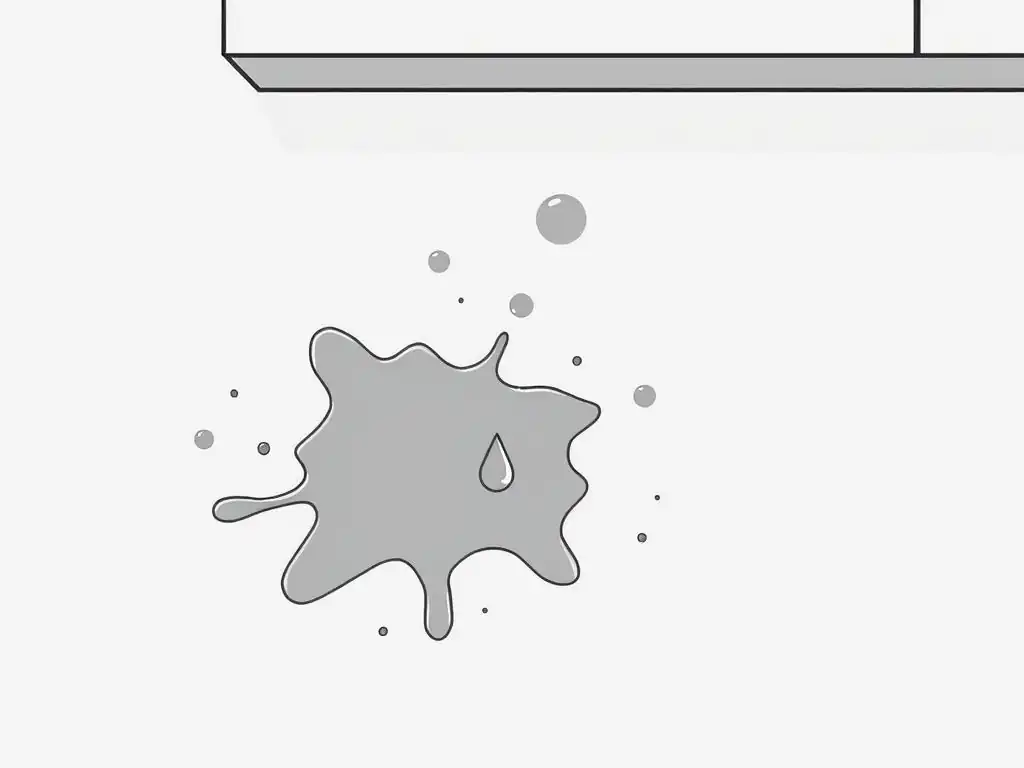
Grease splatters are a common kitchen mishap, leaving unsightly stains on walls and cabinets. Effective cleaning requires a multi-pronged approach. First, identify the type of surface you're cleaning. Porous surfaces like wood require gentler treatment than non-porous materials like laminate. For less stubborn grease stains on most surfaces, a simple solution of warm water and dish soap often suffices.
Apply the solution to a soft sponge or cloth, gently scrubbing the affected area. Rinse thoroughly with clean water and wipe dry. For more persistent grease, a paste of baking soda and water can be applied, left to sit for 15-20 minutes, and then scrubbed gently. This method is effective at lifting the grease and leaving surfaces sparkling. For extremely stubborn stains, consider using a commercial degreaser, always testing it on an inconspicuous area first to ensure it doesn't damage the finish.
Remember to always wear gloves when using cleaning solutions, and ensure proper ventilation in the kitchen. Regular cleaning, even just a quick wipe down after cooking, significantly prevents grease build-up and reduces the need for intensive cleaning later. This proactive approach makes maintaining a clean kitchen significantly easier and more efficient, saving you time and effort in the long run. Consider using a microfiber cloth for superior grease absorption and cleaning power.
Cleaning Grease from Microwaves
Cleaning a greasy microwave can be a surprisingly simple task. The key is to leverage the microwave's own heat to loosen the grease. First, fill a microwave-safe bowl with about a cup of water and a tablespoon of white vinegar. Microwave this solution on high for five to seven minutes, or until the water is steaming vigorously. The steam will loosen the grease, making it much easier to wipe away.
After the steaming process, carefully remove the bowl (using oven mitts! ), and let the microwave cool slightly before cleaning. Use a damp sponge or cloth to wipe away the loosened grease. For stubborn grease splatters, a non-abrasive sponge or a soft cloth may be more effective. For heavily soiled microwaves, you might repeat the steaming process.
For particularly stubborn grease, a paste of baking soda and water can be applied to the affected areas, left to sit for a few minutes, and then wiped clean. Avoid abrasive cleaners or scouring pads, as they can scratch the microwave's interior. Regular cleaning, even a quick wipe down after each use, will help prevent a significant grease buildup, significantly reducing the need for intensive cleaning sessions. This simple and effective method will keep your microwave clean and efficient, enhancing the longevity of your appliance.
Removing Grease from Dishes and Utensils
Cleaning greasy dishes and utensils efficiently requires the right approach and tools. Pre-soaking is key – immediately after a meal, soak heavily soiled dishes and utensils in hot, soapy water. This allows the grease to loosen and makes the cleaning process significantly easier. For stubborn grease on pots and pans, consider using a specialized degreasing dish soap. These soaps are formulated to cut through grease effectively.
For baked-on food and grease, you might need to use a specialized scrubbing pad – however, always check for manufacturer guidelines to ensure you're not scratching your cookware. Avoid using abrasive materials on non-stick surfaces. A good quality dish brush can help with scrubbing hard-to-reach areas. The dishwasher is a great tool for removing grease from most dishes and utensils, but pre-soaking is still recommended for heavily soiled items to ensure optimal cleaning results.
For handwashing, ensure you thoroughly rinse all dishes and utensils to remove any lingering grease or soap residue. Proper drying is also essential; consider using a dish drying rack or a clean, absorbent towel to prevent water spots and maintain a sparkling clean kitchen. Regular cleaning and proper maintenance of your dishes and utensils will prevent grease buildup and keep your kitchen gleaming. Remember, prompt action is key to effective grease removal, saving you time and effort in the long run.
Preventative Measures to Minimize Grease Buildup
Preventing grease buildup is far more efficient than dealing with stubborn stains later. By implementing proactive strategies, you can significantly reduce the time and effort spent on cleaning your kitchen. This section explores practical preventative measures to keep your kitchen sparkling and grease-free. Effective grease management is key to a cleaner, healthier, and more enjoyable cooking experience. Let's dive into some specific techniques that will dramatically improve your kitchen's cleanliness.
Regular Cleaning Habits
Regular cleaning is the cornerstone of grease prevention. Don't wait until a thick layer of grime accumulates before tackling it. Instead, adopt a routine of wiping down surfaces after each cooking session. This simple habit prevents grease from hardening and becoming difficult to remove.
Consider a quick, post-meal wipe-down of the stovetop, countertops, and backsplash. A damp microfiber cloth is surprisingly effective at removing fresh grease. For particularly stubborn spots, a little dish soap can make a world of difference. This consistent approach dramatically reduces the need for heavy-duty cleaning later.
Think of it as a preventative maintenance schedule for your kitchen—small efforts consistently applied translate to significant long-term savings in cleaning time and effort. This simple, yet highly effective, strategy is a cornerstone of maintaining a consistently clean and grease-free kitchen. Remember, a little effort daily prevents a lot of work later!
Smart Cooking Practices
Cooking practices significantly influence grease buildup. Certain techniques generate more grease splatter than others. For example, high-heat cooking, especially with oil-rich foods, tends to create more mess.
Here are some smart cooking practices to minimize grease:
- Use lids: Covering pans while cooking reduces grease splattering significantly. This simple action protects your stovetop and surrounding areas from grease buildup.
- Moderate heat: Avoid excessively high heat when cooking. Lower temperatures often achieve the same results with less grease splatter.
- Proper ventilation: Ensure your kitchen exhaust fan is working effectively. Good ventilation removes grease-laden fumes, preventing them from settling on surfaces.
- Avoid overcrowding pans: Overcrowding pans increases the chances of food splattering and generating excess grease.
- Line baking sheets: Using parchment paper or silicone baking mats on baking sheets catches grease drips and makes cleanup a breeze.
Choosing the Right Cooking Utensils
The type of cookware and utensils you use influences how much grease accumulates in your kitchen. Non-stick cookware minimizes the need for excessive oil, resulting in less grease to clean up.
- Non-stick cookware: Investing in quality non-stick pans and pots reduces the amount of oil needed for cooking, resulting in less grease to clean.
- Silicone utensils: Silicone spatulas and spoons are less likely to scratch non-stick surfaces, extending their lifespan and reducing the need for excessive oil.
- Stainless steel pans: While stainless steel requires more oil, proper cleaning techniques can effectively manage grease buildup.
By combining these preventative measures with effective cleaning techniques, you can significantly reduce the time and effort required to maintain a clean and grease-free kitchen. Remember, prevention is key to achieving a consistently clean and efficient cooking environment. The cumulative effect of these small changes will lead to a noticeably cleaner and more enjoyable kitchen experience.
Utilizing Grease Traps and Filters
Grease traps and filters are your first line of defense against stubborn kitchen grease buildup. These simple yet effective devices significantly reduce the amount of grease entering your drains and splattering onto your surfaces. A grease trap, typically installed under your sink or in commercial kitchens, physically separates grease from wastewater. The grease floats to the top, allowing for easy disposal.
Regularly emptying and cleaning your grease trap – the frequency depends on usage, but generally every few weeks to a month for a household – is crucial to maintaining its effectiveness. Failing to do so can lead to clogs and unpleasant odors. Neglecting this simple step can lead to costly plumbing repairs down the line. Think of it as a preventative maintenance measure that saves you time, money and frustration.
For those without a dedicated grease trap, range hood filters are an essential component of grease management. These filters capture airborne grease particles before they can settle on cabinets, walls, and other surfaces. The type of filter you have – charcoal, mesh, or baffle – will determine the cleaning method. Mesh and baffle filters are often dishwasher-safe, offering a convenient cleaning solution.
Charcoal filters, however, usually require replacement rather than cleaning. Regardless of the type, regular cleaning or replacement is paramount. A greasy, clogged filter not only reduces the effectiveness of your range hood but also poses a fire hazard. Aim to clean or replace your filters at least monthly, or more frequently if you cook heavily.
A clean filter ensures optimal ventilation and reduces the need for more intensive cleaning later. Consider keeping a spare filter on hand for seamless swaps during cleaning. This simple swap saves you valuable time when you are in a rush.
Remember, the key to effective grease management lies in proactive measures. Using grease traps and diligently maintaining your range hood filters are crucial steps in minimizing the amount of grease you have to clean later, making your overall kitchen cleaning routine significantly easier and less time-consuming. This proactive approach will save you considerable effort in the long run, allowing you to spend less time scrubbing and more time enjoying your clean and efficient kitchen.
Eco-Friendly Cleaning Solutions for Kitchen Grease
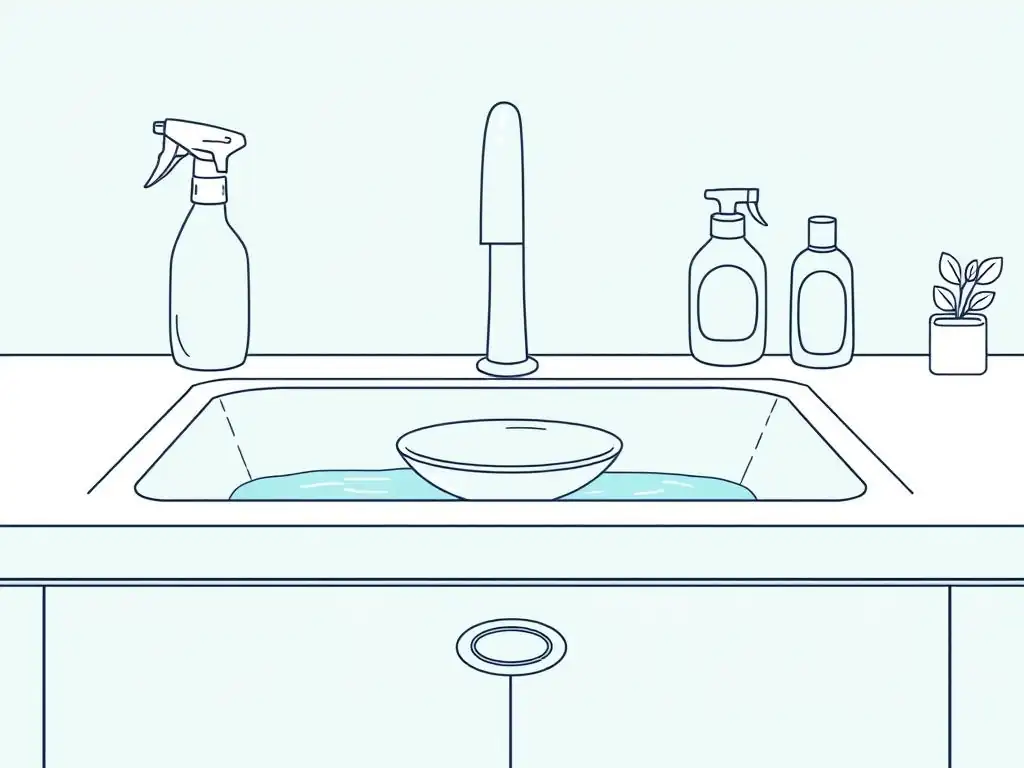
Cleaning your kitchen effectively doesn't require harsh chemicals. Many eco-friendly options exist that are just as powerful, if not more so, at tackling stubborn grease and grime, while being kinder to the environment and your health. Switching to these solutions can significantly reduce your carbon footprint and minimize exposure to potentially harmful chemicals. This section explores several effective and sustainable approaches to grease removal.
Natural Cleaning Agents for Grease Removal
Several natural ingredients possess remarkable grease-cutting properties. These readily available substances offer a safe and effective alternative to commercial cleaners. Let's delve into some of the most effective ones:
- Baking Soda: A kitchen staple, baking soda is a gentle yet powerful abrasive. Its mildly alkaline nature helps neutralize grease and lift it away from surfaces. For a simple paste, mix baking soda with a little water to create a thick consistency. Apply to greasy surfaces, scrub gently, and rinse thoroughly. This method is particularly effective on oven spills and stovetop splatters. For baked-on grease, you might need to let the paste sit for a while before scrubbing.
- White Vinegar: Vinegar's acidity cuts through grease remarkably well. It's a fantastic degreaser, especially when combined with other natural agents. For tougher grease, create a solution of equal parts white vinegar and water in a spray bottle. Spray onto greasy surfaces, let it sit for a few minutes to allow the vinegar to work its magic, then wipe clean. The smell might be pungent initially, but it will dissipate quickly.
- Lemon Juice: The citric acid in lemon juice offers a natural cleaning and deodorizing power. Its slightly abrasive texture also assists in scrubbing away grease. Use fresh lemon juice directly on greasy surfaces or mix it with water for a gentler approach. Remember to rinse thoroughly afterwards.
Homemade Grease-Cutting Solutions
Combining natural cleaning agents often yields synergistic effects, resulting in even more efficient grease removal. Here are a few effective homemade recipes:
- Baking Soda and Vinegar Paste: Mix baking soda with just enough white vinegar to form a paste. This combination creates a fizzing action that helps lift grease. Apply to greasy surfaces, let it sit for 10-15 minutes, then scrub and rinse thoroughly. This is extremely effective for stubborn grease buildup in ovens and on stovetops.
- Vinegar and Lemon Juice Spray: Combine equal parts white vinegar and lemon juice in a spray bottle. This powerful combination effectively cuts through grease while leaving behind a fresh citrus scent. Spray onto the greasy area, let it sit for several minutes, then wipe clean with a microfiber cloth. This is ideal for everyday cleaning of countertops and sinks.
- Baking Soda, Vinegar, and Salt Scrub: Mix baking soda, white vinegar, and coarse salt to create a powerful scrubbing paste. This combination is excellent for tackling baked-on grease in ovens and on heavily soiled cookware. Apply, let it sit, scrub, and rinse thoroughly. Be mindful of delicate surfaces, as the salt can be abrasive.
Sustainable Cleaning Practices
Beyond the choice of cleaning agents, sustainable cleaning practices play a crucial role in minimizing your environmental impact. Consider these tips to enhance your kitchen cleaning routine’s eco-friendliness:
- Reduce Grease Buildup: Proper ventilation while cooking helps minimize grease splatters. Using splatter screens and covering pans can further reduce grease accumulation. Regular wiping down of surfaces after cooking prevents grease from hardening and becoming more difficult to remove.
- Reuse and Repurpose: Instead of using disposable paper towels, opt for reusable microfiber cloths. These are highly effective at grease removal and are washable, significantly reducing waste.
- Water Conservation: Avoid running water unnecessarily while cleaning. Use a damp cloth for wiping and only rinse when needed. This simple practice conserves water and reduces energy consumption.
- Proper Disposal: Dispose of cleaning solutions responsibly. Never pour cleaning agents down the drain unless specifically labeled as biodegradable. Check local guidelines for proper disposal of cleaning materials.
By adopting these eco-friendly cleaning solutions and sustainable practices, you can effectively clean kitchen grease while minimizing your impact on the environment and promoting a healthier home. Remember, small changes can make a big difference in achieving a cleaner and greener kitchen.
Choosing the Right Cleaning Tools for Efficient Grease Removal
Tackling stubborn kitchen grease effectively requires the right arsenal. Choosing the appropriate tools significantly impacts the cleaning process, minimizing effort and maximizing results. The wrong tools can lead to more work and potentially even damage your surfaces. Let's explore the best options for tackling grease, from everyday spills to baked-on messes. The key is to have a variety of tools on hand, ready to tackle different grease situations.
Essential Cleaning Tools
A well-stocked cleaning caddy is crucial for effective grease removal. Here's a list of must-have tools:
- Microfiber cloths: These are fantastic for absorbing grease and leaving surfaces streak-free. Their fine fibers trap grease particles effectively, unlike traditional cloths which may simply spread the grease around. Keep several on hand for easy swapping.
- Sponges: Choose non-abrasive sponges, especially for delicate surfaces. Their absorbent nature is excellent for wiping up spills. Consider having a separate sponge specifically for grease removal.
- Scrub brushes: For tough, baked-on grease, a sturdy scrub brush is essential. Choose one with firm bristles but avoid overly abrasive ones that could scratch surfaces. Nylon or plastic bristles are generally a safe bet.
- Scraper: A plastic scraper is invaluable for removing hardened grease from stovetops, ovens, and other surfaces. Be gentle to avoid scratching.
- Paper towels: Useful for initial cleanup of spills and for drying surfaces after cleaning. Look for absorbent, heavy-duty paper towels for best results.
Selecting Effective Cleaning Products
The choice of cleaning products significantly impacts your ability to clean kitchen grease effectively. Using the wrong product can be ineffective, or even damage your surfaces. Consider these options:
- Dish soap: A good quality dish soap is often sufficient for everyday grease spills. Its surfactant properties effectively break down the grease, making it easier to wipe away.
- Degreaser: For tougher grease buildup, a commercial degreaser is highly recommended. These are specifically formulated to cut through grease, making the cleaning process much faster and more effective. Always follow the manufacturer's instructions carefully.
- Baking soda: A natural and effective cleaner, baking soda can be used as a paste with water to scrub away stubborn grease. It's gentle on most surfaces and environmentally friendly.
- White vinegar: White vinegar, when combined with baking soda or used alone, can help cut through grease. Its acidity helps to dissolve greasy residue.
Using Cleaning Tools Effectively
The technique you employ is just as important as the tools and products you choose. Here are some tips for using your cleaning tools effectively to clean kitchen grease effectively:
- Pre-soak: For baked-on grease, pre-soaking the affected area with hot, soapy water can significantly loosen the grease, making it easier to scrub away. Let it sit for at least 15-30 minutes, or even longer for very stubborn grease.
- Work in sections: Don't try to clean the entire surface at once. Work in smaller sections, applying cleaner and scrubbing thoroughly before moving on. This ensures complete grease removal.
- Rinse thoroughly: After scrubbing, rinse the surface thoroughly with clean water to remove all traces of cleaner and grease. This prevents residue buildup and ensures a clean, sparkling finish.
- Dry completely: Finally, dry the surface completely with a clean microfiber cloth or paper towels. This prevents water spots and helps to maintain the cleanliness. Proper drying is crucial for preventing future grease build-up.
This detailed approach ensures that you are equipped to tackle any grease challenge in your kitchen, leading to a cleaner, more efficient, and ultimately more enjoyable cooking experience. Remember, consistent cleaning prevents grease from becoming a major problem! Happy cleaning! 🎉
Maintaining a Grease-Free Kitchen: Long-Term Strategies
Maintaining a sparkling clean kitchen, free from stubborn grease, isn't just about occasional deep cleans; it's about establishing consistent habits that prevent grease buildup in the first place. This proactive approach saves you time and effort in the long run, significantly reducing the need for aggressive cleaning methods. Think of it as preventative maintenance for your kitchen – a small investment of time daily yields significant returns in a cleaner, healthier, and more enjoyable cooking environment. This section focuses on developing long-term strategies to minimize grease accumulation and maintain a grease-free kitchen effectively.
Establishing a Routine Cleaning Schedule
A consistent cleaning schedule is paramount to preventing grease from becoming a persistent problem. Don't wait until the grease has hardened and baked onto surfaces. Instead, incorporate these quick cleaning tasks into your daily and weekly routines:
- Daily: Wipe down the stovetop after each use. A quick wipe with a damp cloth or paper towel removes splatters before they harden. Similarly, clean up any spills or grease on countertops immediately. This simple habit dramatically reduces the amount of grease that accumulates over time. Think of it as a "clean as you go" philosophy.
- Weekly: Deep clean the stovetop and oven. This involves using a suitable degreaser and scrubbing to remove baked-on grease. Pay close attention to burner grates, which tend to accumulate a significant amount of grease. Also, wipe down the entire kitchen, including the backsplash, cabinets, and range hood filter.
- Monthly: Clean the range hood filter thoroughly. Grease buildup in the filter can affect its efficiency and even create a fire hazard. Consult your range hood's manual for specific cleaning instructions. Also, consider a thorough cleaning of the microwave, paying particular attention to the interior walls and turntable.
This structured approach ensures that grease never gets a chance to build up significantly, making the overall cleaning process much easier and less time-consuming. Remember, consistency is key! 📅
Implementing Preventive Measures
Beyond regular cleaning, several preventive measures can significantly reduce grease accumulation. These strategies focus on minimizing grease production and preventing it from spreading throughout your kitchen.
- Use splatter screens: When frying or sautéing, using a splatter screen significantly reduces the amount of grease that splatters onto the stovetop and surrounding areas. This simple tool makes cleanup a breeze.
- Proper ventilation: Ensure your kitchen has adequate ventilation. A well-functioning range hood effectively removes cooking fumes and grease particles from the air, minimizing the amount that settles on surfaces.
- Cover pots and pans: Covering pots and pans while cooking reduces the amount of grease that splatters. This simple precaution can make a surprising difference.
- Mindful cooking techniques: Be mindful of your cooking techniques. Avoid overcrowding pans, which can cause more splatter. Use appropriate heat settings to prevent excessive oil from splashing.
By implementing these preventive measures alongside a consistent cleaning schedule, you'll create a grease-free kitchen environment with minimal effort. 🧼
Identifying and Addressing Grease Buildup Sources
Understanding where grease accumulates most frequently in your kitchen allows for targeted cleaning efforts. This knowledge helps you focus your time and energy on the areas that need the most attention.
| Area | Typical Grease Buildup | Cleaning Recommendations |
|---|---|---|
| Stovetop | High | Daily wiping, weekly deep clean with degreaser |
| Oven | High | Weekly deep clean with oven cleaner |
| Range Hood Filter | High | Monthly deep clean (check manufacturer's instructions) |
| Microwave Interior | Medium | Monthly cleaning with a suitable cleaner |
| Backsplash | Medium | Weekly wipe down |
| Countertops | Low to Medium | Daily wipe down, weekly deeper cleaning |
| Cabinets (exterior) | Low | Weekly wipe down |
Identifying these high-grease areas allows for a more effective and efficient cleaning process. By focusing your efforts strategically, you can maintain a clean kitchen without spending excessive time scrubbing. This targeted approach helps you clean your kitchen effectively. 🎯
Advanced Techniques for Stubborn Grease Removal
This section delves into more advanced methods for tackling particularly stubborn grease build-up in your kitchen, going beyond basic cleaning. We'll explore techniques that effectively clean kitchen grease, even in those hard-to-reach spots and on various surfaces. Remember, safety first! Always wear appropriate gloves and ensure adequate ventilation when using strong cleaning agents.
Dealing with Extremely Stubborn Grease
Extremely stubborn grease often requires a multi-pronged approach. Simple wiping might not suffice; you'll need to loosen and emulsify the grease before removal. One effective method involves a pre-soaking process. For baked-on grease on oven racks or baking sheets, try this:
- Pre-soaking: Fill your sink or a large container with hot, soapy water. Add a generous amount of degreasing dish soap, or consider adding a cup of baking soda for extra cleaning power. Submerge the greasy items for at least 30 minutes, or even overnight for truly stubborn grease. The longer the soak, the easier the cleaning process will be.
- Scrubbing: After soaking, use a stiff-bristled brush or a non-abrasive scouring pad to scrub away the loosened grease. For baked-on grease, you might need to repeat the soaking and scrubbing process. A specialized oven cleaner might be necessary for extremely severe cases, but always follow the manufacturer's instructions carefully.
- Rinsing: Thoroughly rinse the items under hot water to remove all traces of soap and grease.
Another powerful technique involves using a steam cleaner. The high-temperature steam effectively melts and loosens grease, making it easier to wipe away. Steam cleaners are particularly effective on grease splatters on stovetops and backsplashes. Remember to always follow the manufacturer's instructions for your specific steam cleaner model. For those hard-to-reach spots, consider using a small, handheld steam cleaner for precision.
Finally, for truly intractable grease problems, consider a combination of techniques. For example, pre-soak the item, then use a steam cleaner to loosen the remaining grease, followed by a final scrub with a suitable cleaning agent. This layered approach is your best bet for achieving a sparkling clean result and effectively cleaning kitchen grease.
Restoring Shiny Surfaces After Grease Removal
After successfully removing grease, you might find your kitchen surfaces looking dull. Restoring their shine requires careful attention to the type of material. Stainless steel, for example, benefits from a final polish with a specialized stainless steel cleaner. These cleaners often contain ingredients that not only remove any remaining residue but also leave a protective layer, preventing future grease build-up.
For glass surfaces, a simple solution of white vinegar and water can work wonders. This solution is safe, effective, and leaves no streaks. After cleaning, dry the glass thoroughly with a clean microfiber cloth to prevent water spots.
For other surfaces like granite or marble, avoid abrasive cleaners and opt for gentler, pH-neutral cleaning solutions. Always test any new cleaner on a small, inconspicuous area first to ensure it doesn't damage the surface. Remember, preventing future grease build-up is key to maintaining the shine of your kitchen surfaces. Regular cleaning and the use of a good quality range hood will significantly reduce the amount of grease that accumulates.
Professional Cleaning Services
Sometimes, even the most diligent cleaning efforts may not be enough to tackle severe grease build-up. In these cases, calling in professional cleaning services might be the best option. Professional cleaners have access to specialized equipment and powerful cleaning agents that can effectively remove even the most ingrained grease. They also possess the expertise to handle various kitchen surfaces without causing damage.
This is especially beneficial for tackling large-scale cleaning projects or when dealing with particularly delicate or valuable kitchen appliances. Consider professional cleaning as a time-saving solution for a deep clean, ensuring a thorough and effective cleaning of your kitchen grease. Getting a quote from several companies will allow you to compare prices and services before making your decision. Think of it as an investment in your time and a pristine kitchen environment.
Frequently Asked Questions
What's the best way to clean baked-on grease?
The most effective method for baked-on grease is to soak the affected area in hot, soapy water for at least 30 minutes before scrubbing. A paste of baking soda and water can also help loosen stubborn grease.
How can I prevent grease buildup in my kitchen?
Regular cleaning is key! Wipe down surfaces after each cooking session, and use a range hood to capture airborne grease. Consider using oven liners to minimize spills and splatters.
Are there any natural cleaning solutions for grease?
Yes! Baking soda and white vinegar are excellent natural degreasers. Mix them together to create a powerful cleaning paste, or use them separately for spot cleaning.
What's the best way to clean a greasy oven?
For a truly clean oven, consider using a commercial oven cleaner, following the instructions carefully. Alternatively, a mixture of baking soda, water, and white vinegar can effectively clean less stubborn grease.
How do I clean grease from my microwave?
A simple solution of water and dish soap often suffices. Boil a bowl of water with lemon slices inside the microwave for a few minutes to loosen grease, then wipe down the interior.
Final Reflection: A Sparkling Kitchen, A Brighter Life
The persistent battle against kitchen grease is far more than just a chore; it's a reflection of our commitment to a healthy and harmonious home. A clean kitchen isn't merely aesthetically pleasing; it directly impacts our well-being, from reducing the risk of foodborne illnesses to fostering a more peaceful and productive environment. The techniques explored in this article—from the power of baking soda to the efficiency of specialized degreasers—are not just solutions to a messy problem, but tools for reclaiming control and creating a space that nourishes both body and soul.
The enduring struggle with kitchen grease speaks volumes about our relationship with domesticity and the constant striving for order amidst the chaos of daily life. It's a battle fought in countless kitchens across the globe, a shared experience that transcends cultural boundaries. As we strive for cleanliness, we also strive for a sense of accomplishment and control. A clean kitchen is a happy kitchen,
a common saying reflects this sentiment perfectly, highlighting the deep connection between a clean space and a peaceful mind.
Now, consider your own kitchen. What small changes can you implement to make the fight against grease a little less daunting, a little more manageable? Perhaps it's dedicating just fifteen minutes a day to wiping down surfaces, or investing in a better degreaser. Maybe it's simply adopting a more mindful approach to cooking, minimizing spills and splatters from the outset. Embrace the power of small, consistent actions. Transform your kitchen cleaning routine from a dreaded task into a mindful practice, and watch as a cleaner kitchen contributes to a brighter, more fulfilling life.
Conquer Kitchen Grease: Your Sparkling Clean Starts Now!
Thanks for learning how to banish kitchen grease—you're on your way to a cleaner, more enjoyable cooking space! Let's put that knowledge to work. Here's how to make a real difference:
- Tackle your greasiest spot today: Choose one particularly stubborn area, like your oven or range hood, and apply your new cleaning technique. You'll be amazed at the results!
- Share your success (and favorite tip!): Let others know your favorite grease-fighting method. You might inspire someone else to tackle their own kitchen grime!
- Experiment with different cleaning agents and techniques to find what works best for your kitchen and its unique challenges.
What grease-fighting strategy are you most excited to try? Let us know in the comments below!