
Maximize Your Carryon: Expert Tips for Fitting Everything You Need

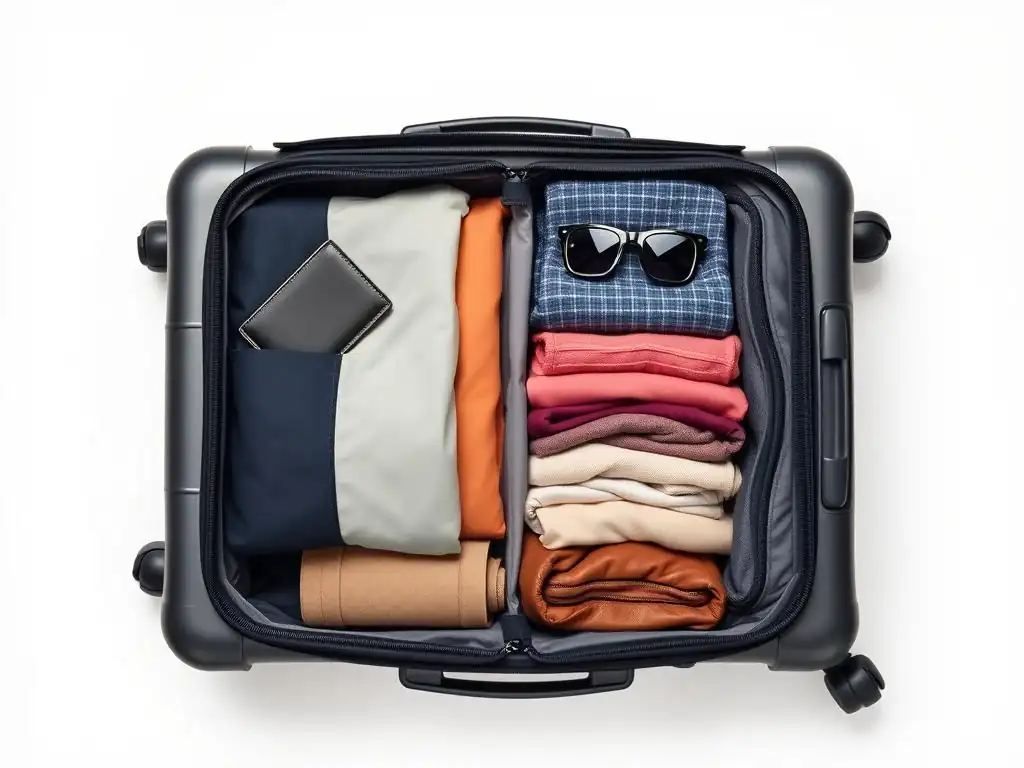
Tired of wrestling with an overflowing suitcase? Discover the secrets to effortlessly packing everything you need for your next trip in a single carry-on. UltimateLifeHacks reveals ingenious carryon packing tips and tricks that will transform your travel experience, saving you time, money, and the frustration of lost luggage. Ready to master the art of efficient packing and unlock a smoother, stress-free journey? Let's dive in!
- Mastering the Art of Carry-on Packing: Essential Tips and Tricks
- Carry-on Packing Techniques: Maximizing Space and Organization
- Carry-on Packing Hacks for Experienced Travelers: Advanced Tips and Tricks
- Carry-on Packing Checklist: A Printable Guide for Your Next Trip
- Beyond the Carry-on: Smart Packing for Travel Accessories
- Avoiding Checked Baggage Fees: The Ultimate Carry-on Packing Guide
-
Frequently Asked Questions
- How much can I realistically fit in a carry-on suitcase?
- What are the best carry-on packing cubes?
- What are some essential items to pack in my carry-on for a week-long trip?
- How can I avoid overweight baggage fees when using a carry-on?
- What are the best strategies for maximizing space in my carry-on bag?
- Final Reflection: The Art of the Minimalist Journey
- Unlock Your Carry-On Potential: Pack Smarter, Travel Lighter!
Mastering the Art of Carry-on Packing: Essential Tips and Tricks
Conquering the art of carry-on packing is a highly sought-after skill in today's fast-paced travel world. Avoiding checked baggage fees, navigating airports with ease, and having your essentials readily available are just a few of the benefits. This guide provides expert tips and tricks to maximize your carry-on space, ensuring you pack everything you need without the hassle of checked luggage. We'll delve into choosing the right suitcase, optimizing your packing list, and mastering techniques for efficient packing, ultimately helping you travel lighter and smarter.
Mastering these techniques will transform your travel experience, making it smoother, more efficient, and significantly less stressful. Get ready to become a carry-on packing pro! 🚀
Choosing the Right Carry-on Suitcase: Size and Features Matter
Selecting the right carry-on suitcase is the cornerstone of successful carry-on packing. Airlines have specific size and weight restrictions, so understanding these limitations is crucial. Before you buy, carefully check the regulations of your chosen airline(s) – these can vary significantly. Consider the following features when making your selection:
- Size: Prioritize a suitcase that meets the strictest airline dimensions you anticipate using. Measure your potential suitcase against the airline's specifications to avoid unpleasant surprises at the gate.
- Weight: A lightweight suitcase allows you to pack more of your belongings without exceeding the weight limit. Opt for materials like polycarbonate or ABS plastic, known for their durability and lightness.
- Wheels: Spinner wheels offer superior maneuverability, making navigating busy airports a breeze. Consider the quality of the wheels; smoother wheels mean less effort on your part.
- Compartments and Organization: Internal compartments and organizational features, such as zippered pockets and compression straps, are invaluable for keeping your belongings neatly arranged and easily accessible.
Optimize Your Packing List: What to Bring and What to Leave Behind
Creating a well-structured packing list is critical for maximizing space and minimizing weight. This requires a strategic approach, focusing on versatility and eliminating unnecessary items. The key is to choose items that can be mixed and matched to create multiple outfits.
Essential Clothing Items for a Carry-on Trip
The foundation of your packing list should be versatile clothing items that can be layered and mixed and matched. Consider these essentials:
- Neutral-colored tops: 3-4 tops in neutral colors (black, white, gray, navy) can be paired with various bottoms.
- Versatile bottoms: 2-3 pairs of versatile bottoms such as jeans, leggings, or chinos.
- One statement piece: A scarf, cardigan, or jacket can add variety and warmth without taking up significant space.
- Underwear and socks: Pack enough for each day, plus one extra set.
- Comfortable walking shoes: Essential for exploring your destination.
Remember to roll your clothes instead of folding them to save space and minimize wrinkles.
Toiletries and Travel-Sized Essentials: Smart Choices for Carry-on
Toiletries are often space-consuming, but with smart choices, you can minimize their bulk. Invest in travel-sized containers or reusable squeeze bottles to transfer your favorite products. Consider solid toiletries (shampoo bars, conditioner bars) to save space and weight. Remember to check the TSA's guidelines on liquids and gels before you pack. A good quality toiletry bag with multiple compartments helps keep everything organized.
Electronics and Gadgets: Packing for Digital Nomads
For those who rely heavily on electronics, careful planning is crucial. Consider a portable charger to keep your devices powered up throughout your journey. Use packing cubes to protect your gadgets and keep them organized. A universal adapter is essential if you're traveling internationally. Remember to check the airline's regulations on electronic devices before packing. Prioritize which devices are absolutely essential and leave behind any unnecessary gadgets.
Carry-on Packing Techniques: Maximizing Space and Organization
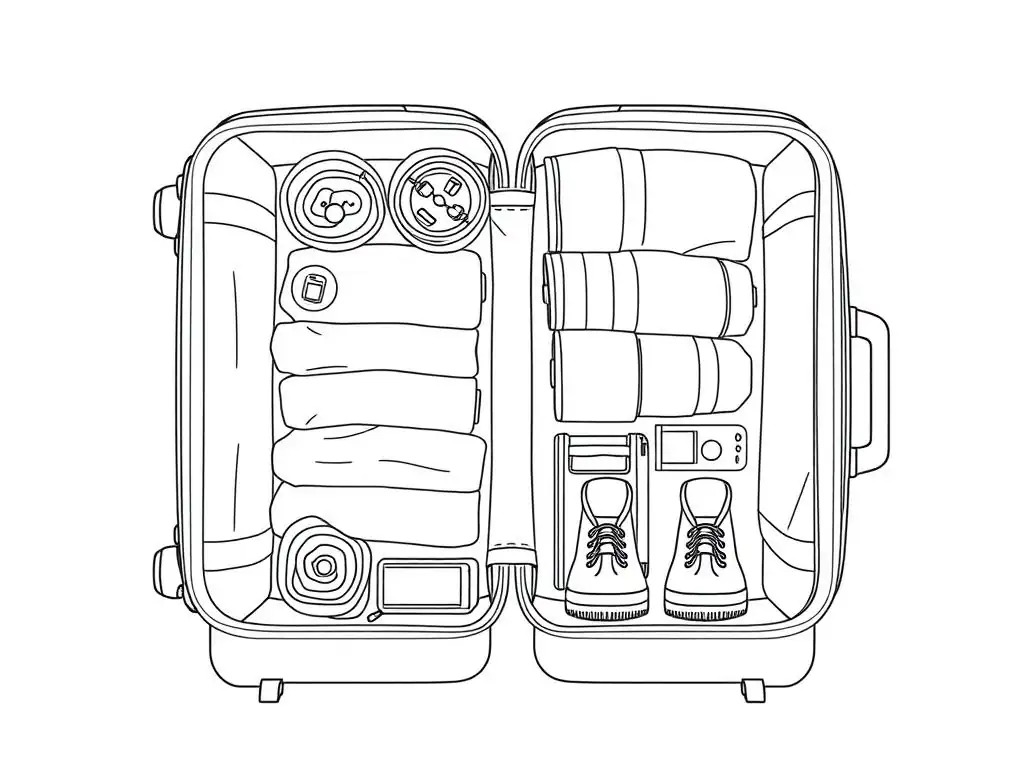
This section delves into specific techniques to optimize your carry-on packing, ensuring you fit everything you need without exceeding weight or size restrictions. We'll explore proven methods to maximize space and maintain organization throughout your trip. Mastering these techniques will transform your packing experience, leaving you feeling confident and prepared for any adventure. The key is strategic planning and the implementation of efficient packing strategies, focusing on the effective use of space and the prevention of wrinkles. This approach minimizes stress and maximizes your enjoyment of travel.
The Rolling Method: A Space-Saving Packing Technique
The rolling method is a game-changer for carry-on packing. Instead of folding your clothes, you tightly roll them into compact cylinders. This technique significantly reduces wrinkles and saves a surprising amount of space. Consider the following steps for optimal results:
- Lay it flat: Begin by laying each garment flat on a surface.
- Roll it tight: Starting from one end, tightly roll the garment into a compact cylinder. The tighter the roll, the less space it will occupy.
- Secure it: For added security and to prevent unraveling, use a rubber band or clothing clips to secure each roll.
This method works exceptionally well for t-shirts, jeans, and even sweaters (though thicker items may require more effort). By tightly rolling your clothes, you can easily fit more items into your carry-on, freeing up space for other essentials. The rolling method is especially beneficial for soft materials, preventing creases and keeping your clothes neat. Think of it as a compression technique without the need for specialized bags.
Imagine packing for a week-long trip. Using the rolling method, you could potentially fit 7 t-shirts, 3 pairs of jeans, 2 pairs of underwear, and 2 pairs of socks, all comfortably within a standard-sized carry-on suitcase. The key is to use the space efficiently and be mindful of the size and texture of your clothes.
Folding vs. Rolling: Choosing the Right Method for Your Clothes
While rolling is generally preferred for its space-saving qualities, some items are better suited to folding. Delicate fabrics, such as silk or linen, are more prone to creasing when rolled and are better folded carefully. Similarly, structured items like suits or jackets are best folded to maintain their shape.
Consider this comparison:
| Item Type | Recommended Method | Reason |
|---|---|---|
| T-shirts | Rolling | Space-saving, minimizes wrinkles |
| Jeans | Rolling | Space-saving, minimizes wrinkles |
| Sweaters | Rolling (tightly) | Space-saving, but may require more effort |
| Dress Shirts | Folding | Prevents creasing, maintains crisp appearance |
| Suits/Jackets | Folding | Maintains structure and prevents creasing |
| Underwear/Socks | Rolling or Folding | Either method works well; choose your preference |
The best approach is often a combination of both methods. Utilize rolling for the majority of your clothes to maximize space and then carefully fold more delicate or structured items to preserve their condition. Experiment to find what works best for your clothing and packing style. Remember, the goal is to minimize wrinkles and maximize space, and the optimal strategy may vary depending on the items you're packing.
Utilizing Every Inch: Packing Cubes and Compression Bags for Efficient Carry-on Packing
Packing cubes and compression bags are excellent tools for optimizing space in your carry-on. Packing cubes are fabric containers that help organize and compress your clothing, while compression bags use a vacuum or roll-down system to remove air and reduce the volume of your belongings.
Using these tools offers several advantages:
- Organization: Packing cubes keep your clothes neatly separated, making it easier to find what you need. This is particularly helpful for longer trips.
- Space-saving: Compression bags significantly reduce the volume of bulky items like sweaters and jackets, allowing you to fit more into your bag.
- Protection: Both packing cubes and compression bags offer a degree of protection for your clothes, shielding them from potential damage during transit.
However, there are some considerations:
- Cost: Packing cubes and compression bags represent an additional expense.
- Bulk: While they save space, they do add some initial bulk to your packing.
Consider the trade-offs carefully. For frequent travelers or those who need to pack a lot into a small space, the investment in packing cubes and compression bags is often worthwhile. For occasional travelers, a well-executed rolling method might suffice. The right choice depends on your individual needs and travel style. Remember to assess your packing needs and evaluate the potential benefits against the added cost and bulk to determine the most effective strategy for your carry-on packing.
Strategic Placement of Heavier Items: Balancing Your Carry-on Suitcase
Proper weight distribution is crucial for both comfortable carrying and preventing your suitcase from tipping over. Heavier items, like shoes, toiletries, and books, should be placed at the bottom of your carry-on, closest to the wheels. This low center of gravity provides stability and prevents the bag from becoming top-heavy and potentially toppling over during transit. Imagine trying to navigate a crowded airport terminal with a constantly wobbling suitcase – frustrating, right? By strategically positioning heavier items at the base, you'll maintain better balance and make maneuvering your carry-on significantly easier.
Think of it like building a tower of blocks – the heaviest blocks always go on the bottom. Applying this principle to your packing strategy ensures a more stable and easier-to-handle carry-on. Furthermore, placing heavier items at the bottom also protects more fragile items, like electronics or delicate clothing, which can be placed towards the top. This arrangement minimizes the risk of damage during travel, ensuring your belongings arrive safely at your destination.
Consider using packing cubes to further compartmentalize and organize your items, adding an extra layer of protection and stability. This method of strategic weight distribution is a fundamental carry-on packing tip and trick that can drastically improve your travel experience. Don't underestimate the importance of a well-balanced suitcase! It truly makes a world of difference.
Carry-on Packing Hacks for Experienced Travelers: Advanced Tips and Tricks
This section delves into advanced carry-on packing strategies beyond the basics, focusing on maximizing space and minimizing wrinkles for seasoned travelers. We'll explore techniques to optimize your packing, ensuring you travel light without sacrificing essential items. Mastering these techniques will transform your packing experience, allowing you to breeze through airport security and arrive at your destination feeling refreshed and organized. This is about elevating your carry-on packing game to a whole new level – think ninja-level packing skills!
Packing Shoes Efficiently: Minimize Space and Odor
Shoes often consume significant space in a carry-on. To minimize their footprint and prevent odor transfer, employ these strategies:
- Wear your bulkiest shoes: This frees up valuable space in your bag. Consider wearing your boots or largest shoes on the plane.
- Stuff socks and underwear inside: This compresses the shoes and utilizes otherwise wasted space. Think of your shoes as mini-compaction units!
- Use shoe bags: These protect your clothes from dirt and keep shoes organized. Consider reusable, washable bags for eco-friendliness.
- Choose lightweight shoes: Opt for lighter materials like canvas or breathable fabrics. Avoid heavy leather boots unless absolutely necessary. The weight savings add up!
- Pack shoes separately: If possible, place shoes in a dedicated compartment or separate bag to avoid scuffing other items. This prevents accidental damage and keeps things neat.
Consider this data: A single pair of heavy hiking boots can weigh up to 3 pounds. Replacing them with lightweight sneakers can save you 2 pounds or more, freeing up space for other essentials. That's a significant gain in your carry-on allowance!
Wearing Your Bulkiest Items: Smart Strategies for Carry-on Travel
Strategic clothing choices can drastically impact your carry-on packing success. Wearing your bulkiest items, such as jackets, sweaters, or heavier pants, immediately creates more space in your bag. This simple yet effective technique is often overlooked.
Here's a breakdown of the advantages:
- Space optimization: Wearing your bulkiest items instantly frees up substantial room for other necessities.
- Reduced weight: Distributing weight across your body makes carrying your luggage more comfortable.
- Layering flexibility: Wearing layers allows you to adjust to varying temperatures throughout your journey.
- Outfit versatility: Choose versatile items that can be mixed and matched to create multiple outfits.
For example, consider wearing a warm sweater and jeans on a flight, then packing lighter shirts and shorts for warmer destinations. This strategy allows you to pack more efficiently, without sacrificing comfort or style. Think about your destination's climate and pack accordingly – this is key to mastering carry-on packing.
Utilizing Empty Spaces: Socks, Underwear, and Other Small Items
Don't underestimate the power of utilizing every nook and cranny in your carry-on. Small items like socks, underwear, and accessories can be cleverly tucked into empty spaces. This maximizes the volume of your bag and prevents items from shifting during transit.
Here are some techniques:
- Roll, don't fold: Rolling clothes creates compact cylinders, fitting snugly into odd spaces.
- Stuff smaller items into shoes: As mentioned earlier, shoes are excellent containers for socks and other small items.
- Use packing cubes: These help organize and compress clothing, creating more space and preventing wrinkles.
- Fill gaps with accessories: Tuck belts, scarves, and other accessories into the spaces between clothes.
- Layer clothing strategically: Place smaller, softer items like socks and underwear between bulkier clothing to fill gaps and prevent shifting.
Remember, even small spaces add up! By thoughtfully using every available space, you'll be surprised at how much you can fit into your carry-on. This careful attention to detail is what separates experienced packers from the rest. Mastering this technique will significantly improve your carry-on packing efficiency.
Carry-on Packing Checklist: A Printable Guide for Your Next Trip
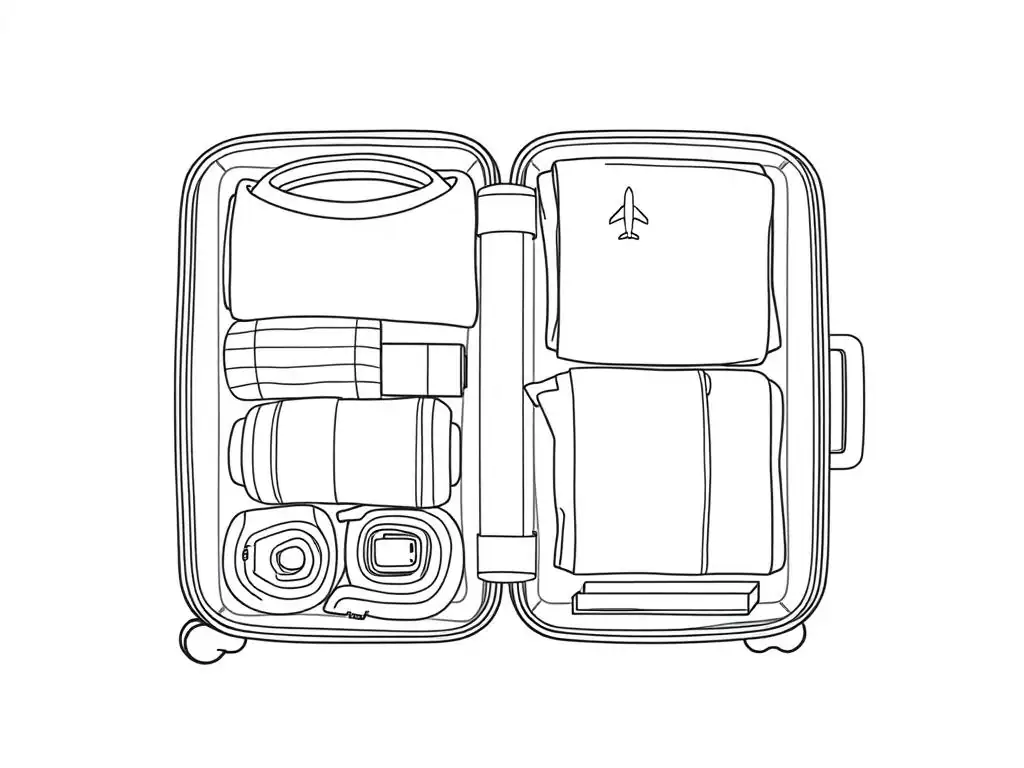
This section provides a detailed checklist to help you pack light and efficiently for your next trip, maximizing your carry-on space and minimizing stress at the airport. We'll break down the essentials, focusing on versatile items and strategic packing techniques. Remember, the key to successful carry-on-only travel is planning and preparation! This checklist will be your best friend in achieving that.
Downloadable Carry-on Packing Checklist: (Link to Checklist)
While a downloadable checklist is ideal for easy reference and printing, here's a comprehensive overview of what to include. This list is designed to be adaptable to various trip lengths and climates; simply adjust quantities as needed. Remember to always check the specific liquid restrictions for your airline.
- Clothing:
- Tops: 3-5 versatile tops (consider layering options)
- Bottoms: 1-2 pairs of pants or skirts (choose wrinkle-resistant fabrics)
- Underwear & Socks: Enough for each day, plus a spare pair.
- Outerwear: A lightweight jacket or sweater adaptable to changing weather conditions.
- Dressy Outfit (Optional): If needed for special occasions, choose items that can be easily mixed and matched with other pieces in your luggage.
- Toiletries:
- Travel-Sized Containers: Essential for liquids, gels, and creams. Remember the 3-1-1 rule (3.4 oz bottles, 1 quart-sized bag, 1 bag per passenger).
- Toothbrush, Toothpaste, Floss: Travel-sized versions are readily available.
- Deodorant: Stick deodorant is generally preferred for travel.
- Sunscreen: A small bottle is sufficient, especially if you're traveling to a sunny destination.
- Medications: Pack all necessary prescriptions and over-the-counter medications in their original containers. Carry a copy of your prescription.
- Electronics & Accessories:
- Phone & Charger: Essential for communication and navigation.
- Laptop/Tablet (Optional): If needed for work or entertainment, ensure it fits within your carry-on allowance.
- Portable Charger: A must-have for longer trips or frequent phone usage.
- Headphones: Noise-canceling headphones can enhance your travel experience.
- Adapters (If Necessary): Check the voltage and plug types of your destination.
- Documents & Essentials:
- Passport/ID: Keep these in a secure, easily accessible place.
- Boarding Pass (Printed or Digital): Having both a physical and digital copy is advisable.
- Travel Insurance Information: Keep this readily available in case of emergencies.
- Credit Cards & Cash: Ensure you have sufficient funds for your trip.
- Copies of Important Documents: Keep these separate from the originals.
- Other:
- Reusable Water Bottle: Stay hydrated throughout your journey.
- Small First-Aid Kit: Pack essential items like bandages, pain relievers, and antiseptic wipes.
- Eye Mask & Earplugs (Optional): For better sleep on the plane or in a noisy hotel.
- Small, Foldable Tote Bag: Useful for carrying your essentials once you arrive at your destination.
This detailed checklist covers the key aspects of carry-on packing. Remember to prioritize versatile items and consider the climate and activities planned for your trip. By carefully planning and using this checklist, you can master the art of carry-on-only travel! Happy travels! ✈️
Beyond the Carry-on: Smart Packing for Travel Accessories
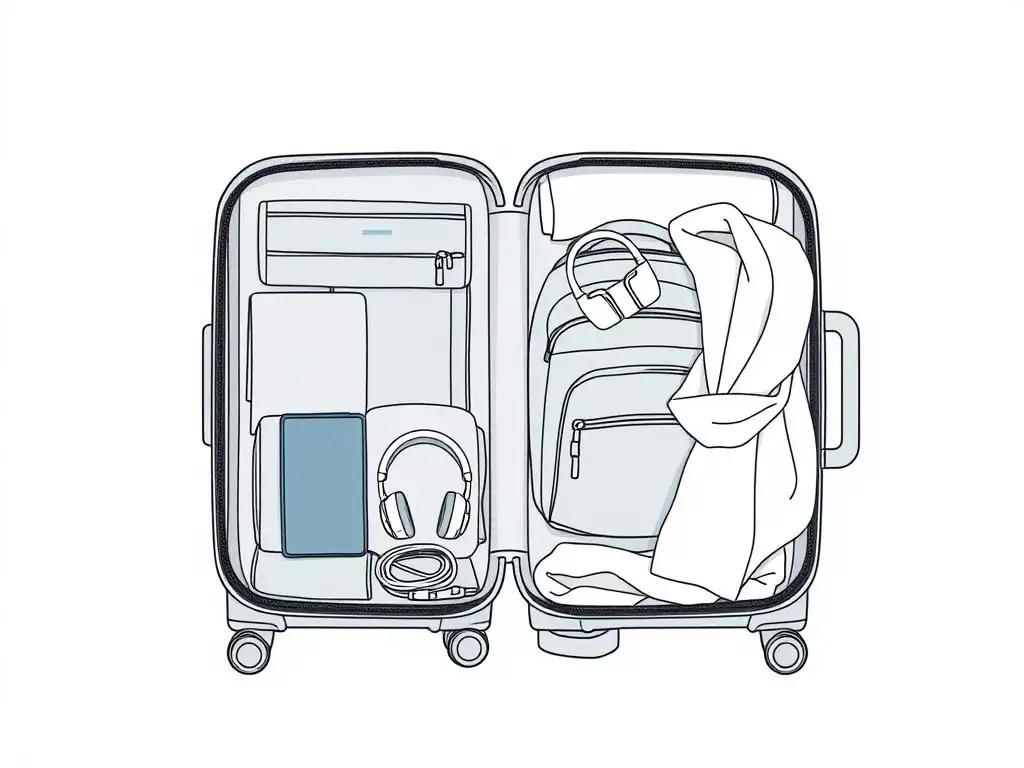
This section focuses on maximizing your carry-on space by strategically packing essential travel accessories. We'll explore how to minimize bulk while ensuring you have everything you need for a smooth and comfortable journey. Efficient packing of these items is crucial for successful carry-on-only travel, freeing up space for clothing and other necessities. Mastering this aspect contributes significantly to your overall carryon packing tips and tricks arsenal.
Travel-Sized First Aid Kit Essentials
A well-stocked travel first-aid kit is invaluable, especially for longer trips. Avoid bulky containers; opt for reusable, zippered pouches or small, lightweight cases. Remember, the goal is to pack light while remaining prepared for minor medical emergencies. Here's a suggested list of essentials:
- Pain relievers: Pack ibuprofen or acetaminophen in a clearly labeled, resealable bag.
- Antihistamine: For allergies or insect bites. Choose a non-drowsy option if you plan on driving or engaging in activities requiring alertness.
- Anti-diarrheal medication: A crucial item, especially when traveling internationally.
- Band-aids: Assorted sizes, including blister plasters.
- Antiseptic wipes: For cleaning minor wounds.
- Tweezers: Useful for removing splinters or ticks.
- Personal medications: If you take prescription medication, ensure you have enough for your entire trip, with a copy of your prescription. Always carry these in their original containers.
Remember to check airline regulations regarding the transportation of liquids in carry-on luggage. Some items, like certain liquids, might need to be placed in a TSA-approved clear bag. Always prioritize safety and adhere to all regulations. Consider keeping a separate, smaller pouch containing only your most crucial medications easily accessible within your personal item.
Portable Charger and Adapter: Staying Connected on the Go
Staying connected is crucial in today's world. A portable charger is essential for keeping your phone, tablet, and other devices powered up, especially during long flights or days of sightseeing. Choose a charger with a high capacity (mAh) to ensure multiple charges. Consider a solar charger as a backup option, particularly useful for extended outdoor adventures.
Don't forget the appropriate adapter! If you're traveling internationally, a universal adapter is a must-have to ensure compatibility with different outlet types. A universal adapter will save you from the frustration of having your devices die unexpectedly. Research the plug types of your destination country in advance to avoid any last-minute surprises. Labeling your chargers and adapters with your name can also aid in recovery should they get misplaced.
Travel Documents and Identification: Organization and Security
Properly organizing and securing your travel documents is critical for a stress-free trip. Consider using a dedicated travel wallet or organizer to keep everything together. This should include:
- Passport or national ID card: Keep this in a secure, easily accessible location within your carry-on.
- Flight or train tickets: Print or download electronic copies and store them securely. Consider saving them on multiple devices and storing a physical copy separately.
- Hotel confirmations: Again, both digital and physical copies are recommended.
- Travel insurance information: Keep this readily available in case of emergencies.
- Credit cards and debit cards: Carry only the necessary cards and keep them separate from your passport and other documents.
- Emergency contact information: Write down important phone numbers and addresses in case your phone is lost or unavailable.
Consider taking photos of all your important documents and storing them securely in the cloud. This provides a backup in case of loss or theft. Remember, proactive organization is key to mastering carryon packing tips and tricks, minimizing stress, and maximizing your travel experience. This careful organization contributes to a smoother, more enjoyable trip.
Avoiding Checked Baggage Fees: The Ultimate Carry-on Packing Guide
Checked baggage fees can significantly inflate your travel costs. Airlines frequently charge exorbitant fees for checked luggage, sometimes exceeding the cost of a budget airline ticket itself! Avoiding these fees is a significant money-saver and a key element of budget-friendly travel. Mastering the art of carry-on packing is the solution. This section will delve into effective strategies to maximize your carry-on space and ensure you pack everything you need without resorting to checked baggage. We'll explore packing cubes, clothing compression, and strategic item selection.
Budget-Friendly Travel: Saving Money with Carry-on Only Packing
Packing light translates directly to savings. Beyond avoiding checked bag fees, traveling with only a carry-on reduces the risk of lost or delayed luggage, eliminating the associated costs and inconveniences. Consider this example: A round-trip flight might charge $50 per checked bag. For a family of four, that's $400 just in baggage fees!
By skillfully packing for your trip using carry-on luggage, this substantial amount can be saved and redirected towards other aspects of your travel experience, such as exciting excursions or memorable meals. The savings add up, especially for frequent travelers. Furthermore, the lighter you pack, the easier it is to navigate airports and public transport, potentially saving you time and stress.
The key to successful carry-on packing lies in thoughtful planning and the strategic use of space-saving techniques.
Time-Saving Travel: Streamlining Your Airport Experience with Carry-on Only
The benefits of carry-on-only travel extend beyond financial savings. Consider the significant time saved by skipping the baggage check-in and carousel wait times. This is particularly advantageous during busy travel seasons or when connecting flights have tight layovers. Imagine: you disembark your flight, swiftly navigate through customs, and head straight to your next gate – no luggage claim delays!
This streamlined airport experience minimizes stress and allows you to maximize your time at your destination. The time saved can be used for relaxation, sightseeing, or simply enjoying more of your trip. This is especially crucial for business travelers who value every minute. Eliminating the wait for baggage significantly reduces the overall travel time, improving efficiency and overall trip satisfaction.
| Benefit | Carry-on Only | Checked Baggage |
|---|---|---|
| Cost | Significantly Lower | Significantly Higher |
| Time at Airport | Minimal | Significant Delays |
| Stress Levels | Lower | Higher |
| Convenience | High | Low |
The following table provides a sample packing list for a 7-day trip, demonstrating how careful planning and efficient packing can allow you to fit everything you need into a carry-on:
| Item Category | Items | Packing Tip |
|---|---|---|
| Clothing | 7 pairs of underwear, 4 shirts, 2 pairs of pants, 1 light jacket, 1 pair of shoes, socks | Roll clothes tightly; use packing cubes |
| Toiletries | Travel-sized toiletries | Use TSA-approved containers; consider solid options |
| Electronics | Phone, charger, laptop (if needed) | Pack in a dedicated case |
| Documents | Passport, tickets, boarding pass | Keep in a secure, easily accessible place |
| Miscellaneous Items | Small first-aid kit, medications | Organize items in zip-lock bags |
Remember, efficient packing is a skill honed through practice and planning. The more you practice, the better you'll become at maximizing your carry-on space and enjoying the numerous benefits of carry-on-only travel. Happy travels! 🎉
Frequently Asked Questions
How much can I realistically fit in a carry-on suitcase?
This depends on the size and type of your carry-on bag. Generally, aim for packing lightweight items and utilizing every inch of space efficiently. Remember airline restrictions vary.
What are the best carry-on packing cubes?
Packing cubes help to compress clothing and keep your belongings organized. Look for lightweight, water-resistant cubes in a variety of sizes to maximize your packing space. Consider mesh tops for easy visibility.
What are some essential items to pack in my carry-on for a week-long trip?
Essentials include toiletries, medications, important documents, a change of clothes, and any electronics you can't afford to lose. Prioritize items you can't easily replace.
How can I avoid overweight baggage fees when using a carry-on?
Weigh your bag before heading to the airport. Packing lightweight clothing, using compression techniques, and strategically choosing your items are crucial. Consider removing non-essential items.
What are the best strategies for maximizing space in my carry-on bag?
Roll your clothes instead of folding them to save space. Utilize every available pocket, stuff socks and underwear into shoes, and place flexible items in the gaps. Consider a packing list to avoid overpacking.
Final Reflection: The Art of the Minimalist Journey
The ability to pack light isn't just about fitting your belongings into a carry-on; it's about reclaiming control over your travel experience and embracing a more intentional way of life. In a world obsessed with accumulating possessions, the art of mindful packing offers a powerful counterpoint, reminding us that true richness lies not in what we own, but in the experiences we create.
The impact of this minimalist approach extends far beyond the airport security line. It's about cultivating a sense of freedom and flexibility, allowing us to adapt to unexpected changes and embrace spontaneity. This intentional approach to packing mirrors a more intentional approach to life itself. Not how long, but how well you have lived is the main thing.
– Seneca. This quote resonates deeply with the spirit of mindful travel; it's not about cramming in as many destinations as possible, but about savoring each moment and truly experiencing the journey.
Consider the freedom you gain by avoiding checked baggage fees, navigating airports with ease, and having immediate access to your belongings. This isn't just about convenience; it's about a shift in perspective, a conscious choice to prioritize experiences over possessions. You have the power to redefine your travel experience, to embrace the joy of less, and to embark on a journey that is both enriching and liberating. Start packing smarter, not harder, and discover the transformative power of the minimalist approach.
Unlock Your Carry-On Potential: Pack Smarter, Travel Lighter!
Thank you for exploring our carry-on packing tips! We hope you've gained valuable insights to make your next trip smoother and less stressful. Now it's time to put your knowledge into practice.
- Master the Art of Minimalist Packing: Start by creating your ideal carry-on packing list, using the principles discussed earlier. Challenge yourself to eliminate unnecessary items and embrace the joy of lightweight travel!
- Share Your Packing Successes: Let us know your cleverest packing tips in the comments below! Inspire others with your packing ingenuity.
- Explore More Travel Tips: Expand your travel expertise by exploring our other resources on UltimateLifeHacks.org (we also have many tips on budget travel! ).
Ready to conquer your next adventure with a perfectly packed carry-on? What's the one item you're most excited to pack strategically?