
Find Hidden Gems: Unique Nature Photography Hacks for Stunning Travel Shots

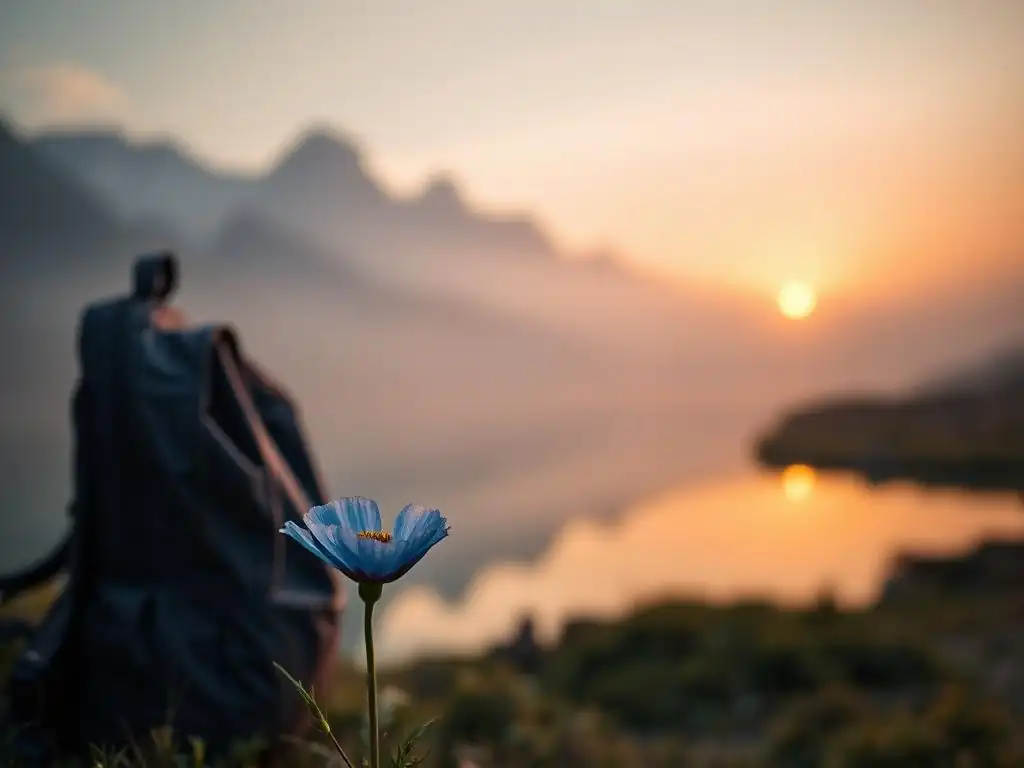
Ready to transform your travel photography and capture breathtaking nature shots? At UltimateLifeHacks, we're dedicated to helping you optimize your life, and that includes unlocking the secrets to stunning visuals. This week, we delve into the world of Nature Photography Travel Hacks, revealing insider tips and tricks to help you discover hidden gems and elevate your images to the next level. Discover how to effortlessly capture those once-in-a-lifetime moments – your adventure awaits!
- Mastering Nature Photography Travel Hacks: Gear and Preparation
- Unlocking Stunning Nature Photography: Composition Techniques
- Nature Photography Travel Hacks: Light and Timing
- Advanced Nature Photography Travel Hacks: Post-Processing Techniques
- Beyond the Basics: Unique Nature Photography Hacks for Stunning Shots
-
Frequently Asked Questions
- What are some essential packing tips for nature photography travel?
- How can I find unique locations for nature photography while traveling?
- What are the best times of day for capturing stunning nature shots?
- How can I improve the composition of my nature photographs?
- What post-processing techniques enhance nature photographs?
- Final Reflection: Unlocking Nature's Masterpieces Through the Lens
- Unleash Your Inner Photographer: Capture Breathtaking Nature Shots!
Mastering Nature Photography Travel Hacks: Gear and Preparation
Capturing breathtaking nature photographs while traveling requires more than just pointing and shooting. It demands meticulous planning, the right equipment, and a keen eye for detail. This article unveils unique nature photography travel hacks designed to elevate your travel shots from snapshots to stunning works of art. We’ll delve into essential gear, smart packing strategies, and pre-trip planning techniques to ensure you're fully prepared to capture the essence of your adventures.
Whether you're trekking through lush rainforests, scaling majestic mountains, or exploring serene coastlines, these hacks will help you conquer the challenges of nature photography on the go and return with a portfolio brimming with unforgettable images. We'll cover everything from choosing the perfect camera and lenses to optimizing your shooting times for the best light, ensuring you're ready to capture those once-in-a-lifetime moments. Get ready to transform your travel experiences into visually captivating narratives!
Essential Gear for Epic Nature Shots: Camera, Lenses, and Accessories
Choosing the right gear is paramount for successful nature photography. While the latest high-end equipment is tempting, a well-chosen, practical kit is more important. Your camera body should be robust and reliable, capable of handling varied conditions. Consider these essentials:
- Camera Body: A DSLR or mirrorless camera with good low-light performance is crucial, especially for sunrise and sunset shots. Consider weather sealing if you'll be shooting in challenging conditions.
- Lenses: A versatile lens selection is key. A wide-angle lens (e.g., 16-35mm) captures expansive landscapes, while a telephoto lens (e.g., 70-200mm) allows you to isolate subjects from a distance. A macro lens is perfect for close-up shots of flowers and insects.
- Accessories: Don't underestimate the power of accessories! A sturdy tripod is essential for sharp images, especially in low light. A circular polarizer filter reduces glare and enhances color saturation. Extra batteries and memory cards are vital to avoid missing opportunities. A good quality camera bag that protects your equipment from the elements is also essential. Consider a rain cover for added protection.
Remember to consider the weight and size of your equipment, especially if you're backpacking. Prioritize the lenses and accessories that are most important to your style of photography.
Packing Smart: Protecting Your Equipment During Travel
Protecting your valuable camera gear during travel is crucial. A poorly packed bag can lead to damaged equipment and ruined photos. Here's how to pack smart:
- Invest in a quality camera bag: Choose a bag with adequate padding and compartments to organize your gear. Consider a backpack style for hands-free carrying, especially during hikes.
- Use individual protective cases: Protect each lens and accessory with its own case or wrap. Bubble wrap or padded dividers are excellent for cushioning.
- Keep your gear separate from other belongings: Avoid placing heavy items on top of your camera equipment. Consider using a separate smaller bag inside your main luggage for added security.
- Consider a dry bag: If you're traveling to areas with high humidity or potential rain, a waterproof dry bag provides extra protection.
Remember, preventing damage is far easier than repairing it. Take the time to pack carefully and your equipment will thank you! Consider using packing cubes to compress clothing and create more space.
Pre-Trip Planning: Researching Locations and Optimal Shooting Times
Thorough pre-trip planning can significantly enhance your photography experience. Don't just arrive and shoot; research your locations and plan your shooting times strategically:
- Research potential locations: Use online resources, photography blogs, and travel guides to identify promising locations. Look for unique perspectives and consider the time of day for optimal lighting.
- Check weather forecasts: Knowing the weather conditions ahead of time is crucial. Cloudy days can be ideal for soft, even lighting, while sunny days provide vibrant colors but can create harsh shadows.
- Plan for sunrise and sunset: These "golden hours" offer the most flattering light for photography. Plan your itinerary around these times to maximize your chances of capturing stunning images. Use a sunrise/sunset calculator app to determine the exact times.
- Consider the moon phase: The moon can significantly affect the ambient light levels, especially during night photography. A full moon provides extra light, while a new moon offers darker skies for star photography.
Planning ahead allows you to make the most of your time and capture truly exceptional photographs. Remember to factor in travel time to your shooting locations. And don't forget to obtain any necessary permits or permissions before shooting in protected areas!
Unlocking Stunning Nature Photography: Composition Techniques
This section delves into the core principles of composition, crucial for elevating your nature photography from snapshots to breathtaking works of art. Mastering these techniques will significantly impact the visual appeal and storytelling potential of your travel images, transforming ordinary landscapes into captivating scenes. We'll explore how to use fundamental rules and creative approaches to improve your "nature photography travel hacks" skillset.
Rule of Thirds and Leading Lines: Mastering Basic Composition
The rule of thirds is a fundamental principle in photography. Instead of centering your subject, imagine dividing your frame into nine equal parts using two equally-spaced horizontal lines and two equally-spaced vertical lines. Placing key elements along these lines, or at their intersections, creates a more visually appealing and balanced image. This simple technique instantly improves the dynamic tension and visual interest of your nature shots. For example, positioning a majestic mountain peak along a horizontal line, rather than directly in the center, often results in a more compelling photograph.
Leading lines are another powerful compositional tool. These are lines within the image that naturally draw the viewer's eye towards the main subject. Rivers, roads, fences, or even tree branches can act as effective leading lines.
By strategically positioning your subject at the end of a leading line, you create a sense of depth and guide the viewer's gaze through the image. Imagine a winding path leading to a secluded waterfall; the path itself becomes the leading line, drawing the viewer's attention to the breathtaking cascade. Successfully employing leading lines and the rule of thirds significantly enhances your nature photography travel hacks.
Framing Your Shots: Utilizing Natural Frames and Depth of Field
Framing your subject adds depth and context to your images. Use natural elements like tree branches, arches of rock formations, or even foliage to create a frame around your main subject. This technique isolates the subject, drawing the viewer's attention and adding a sense of enclosure and intimacy to the scene. For example, framing a vibrant sunset through the branches of a silhouetted tree creates a dramatic and evocative image. Think about how different frames can alter the mood and impact of the photo.
Depth of field plays a crucial role in framing. A shallow depth of field, achieved with a wide aperture (low f-number), blurs the background, making your subject stand out sharply. Conversely, a deep depth of field, achieved with a narrow aperture (high f-number), keeps both the foreground and background in sharp focus, providing context and scale. Experimenting with different depths of field allows you to control the emphasis on your subject and the overall narrative of the image. This is a key element of effective nature photography travel hacks.
Creative Composition: Incorporating Unique Angles and Perspectives
Don't be afraid to experiment with unconventional angles and perspectives. Instead of shooting from eye level, try getting down low to the ground, shooting from a high vantage point, or even using a unique perspective to add a fresh twist to your nature photography. This can dramatically change the mood and feel of your images, transforming familiar scenes into something unexpected and captivating.
For instance, shooting upwards towards a towering redwood tree from a low angle can emphasize its immense size and grandeur, creating a more powerful and awe-inspiring image than a standard eye-level shot. Similarly, photographing a waterfall from behind, highlighting the spray and mist, provides a completely different perspective than a frontal view. These unconventional angles and viewpoints are essential for elevating your nature photography travel hacks to the next level. Remember to always be mindful of safety when experimenting with unusual angles.
Remember, the best nature photography travel hacks are often the simplest. By mastering composition techniques and embracing creativity, you can transform your travel photos from ordinary snapshots into stunning works of art that capture the essence of your adventures. Experimentation and practice are key to developing your unique photographic style and capturing truly unforgettable moments.
Nature Photography Travel Hacks: Light and Timing
This section delves into the crucial role of light and timing in capturing breathtaking nature photographs during your travels. Mastering these elements can transform an ordinary shot into a stunning masterpiece. We'll explore how to leverage the magic of golden hour and blue hour, understand the impact of various weather conditions, and strategize the timing of your shots to maximize daylight and minimize crowds. Successfully implementing these nature photography travel hacks will significantly elevate your travel photography game.
Golden Hour and Blue Hour Photography: Capturing Magical Light
The "golden hour," occurring shortly after sunrise and before sunset, and the "blue hour," the period just before sunrise and after sunset, offer unparalleled opportunities for nature photography. During these times, the sun's position casts long shadows, creating a soft, warm light (golden hour) or a cool, ethereal glow (blue hour). This unique lighting enhances textures, colors, and moods, making your landscapes and wildlife shots simply magical.
Consider these points for maximizing your golden and blue hour shots:
- Pre-planning is key: Use a sunrise/sunset calculator app to determine the exact times for your location. This ensures you're in the perfect spot at the perfect moment.
- Location scouting: Knowing your desired composition beforehand saves valuable time during these fleeting periods. Scout locations in advance to familiarize yourself with the terrain and potential obstacles.
- Equipment preparation: Have your camera settings pre-configured to avoid fumbling during those precious minutes. Experiment with different apertures and ISO settings to find what works best in low-light conditions.
- Embrace the limitations: The lower light levels necessitate slower shutter speeds. A tripod is almost essential to avoid blurry images.
Understanding Weather Conditions: How to Utilize Different Weather Patterns
Weather significantly impacts the mood and aesthetic of your nature photographs. Don't shy away from challenging conditions; instead, learn to utilize them to your advantage.
| Weather Condition | Photography Opportunities | Challenges | Tips |
|---|---|---|---|
| Sunny | Vibrant colors, sharp details, strong shadows | Harsh light, potential for overexposure | Use fill flash or shoot during the golden hour/blue hour. Use a polarizing filter to reduce glare. |
| Cloudy | Soft, diffused light, ideal for landscapes and portraits | Less dramatic light | Experiment with longer exposures to capture more detail. |
| Rainy | Dramatic atmosphere, reflective surfaces, unique perspectives | Difficulty in maintaining dry equipment | Use waterproof gear and embrace the reflective qualities of water. |
| Foggy | Mysterious and ethereal atmosphere, leading lines | Low visibility, potential for blurry images | Use a tripod and experiment with different apertures. |
| Snowy | Pristine landscapes, contrasting textures, winter wonderland | Cold temperatures, potential for camera malfunction | Dress warmly, use extra batteries, and consider using a lens hood. |
Think of weather not as an obstacle, but as a creative tool. A rainy day can add drama, while fog can create a sense of mystery. Embrace the unexpected – you might discover unique photographic opportunities you wouldn't have encountered otherwise.
Timing Your Shots: Maximizing Daylight and Minimizing Crowds
Timing your photography sessions strategically can dramatically improve your results. Consider these factors:
- Sunrise/Sunset: As mentioned earlier, these periods offer the best light. However, they also tend to be popular times for other photographers and tourists. Arriving early or staying late can help minimize crowds.
- Weekday vs. Weekend: Weekdays generally offer fewer crowds than weekends, especially at popular tourist destinations.
- Off-season travel: Consider visiting during the shoulder seasons (spring and autumn) for fewer crowds and potentially better weather.
- Early morning/Late evening: Even outside of golden hour and blue hour, the early morning and late evening often offer softer light and fewer crowds than midday.
Planning your shooting schedule based on these factors ensures you not only maximize daylight but also capture the essence of the location without the distraction of large crowds. This allows for a more focused and enjoyable photographic experience, resulting in superior nature photography travel hacks and more stunning images. Remember, patience and strategic planning are key to capturing those truly unique and memorable shots.
Advanced Nature Photography Travel Hacks: Post-Processing Techniques
This section delves into the crucial post-processing stage of nature photography, transforming your travel shots from good to breathtaking. Mastering these techniques will significantly elevate your images and allow you to showcase the beauty of nature in a truly captivating way. Remember, the best "nature photography travel hacks" often involve what you do after you capture the image.
Editing for Impact: Enhancing Colors and Contrast
Color and contrast are fundamental aspects of impactful nature photography. Subtle adjustments can dramatically improve the mood and overall aesthetic of your images. Avoid over-saturation, which can lead to an unnatural and cartoonish look. Instead, focus on refining existing colors and subtly boosting contrast to enhance details and create a more dynamic range.
For example, consider a photograph of a vibrant sunset. Instead of simply increasing saturation across the board, selectively enhance the oranges and reds in the sky while subtly deepening the blues and purples. This targeted approach creates a more realistic and impressive representation of the scene. Similarly, increasing contrast can make the clouds pop against the sky, adding depth and dimension to the image.
Experiment with different editing software and techniques. Some photographers prefer using curves adjustments for precise color and tonal control, while others utilize split toning to add warmth or coolness to specific color ranges. The key is finding a workflow that suits your style and allows you to achieve your desired artistic vision. Remember to always work non-destructively, creating copies of your original files to preserve your raw images. This allows for experimentation without risking the loss of your original work.
Even the most meticulously composed nature photograph can benefit from sharpening and detailing in post-processing. This step is crucial for bringing out fine details, textures, and sharpness that might have been lost during capture or due to compression.
Over-sharpening, however, can lead to a grainy or artificial look. The goal is to subtly increase the clarity and definition without introducing artifacts. Many software packages offer various sharpening tools, including unsharp mask, which allows for precise control over the sharpening radius, amount, and threshold. Experiment with different settings to find the optimal balance for each image.
Consider the specific elements within your photograph. For instance, you might want to selectively sharpen the details on a flower's petals or the texture of a rock formation while leaving smoother areas, like a clear sky, relatively untouched. This targeted approach ensures that your sharpening enhances the image without creating undesirable artifacts. Remember that the best approach depends on the specific image and your artistic vision.
Creative Editing Styles: Adding Unique Effects and Filters
While maintaining realism is paramount in nature photography, incorporating subtle creative edits can add a unique personality to your work. Experimenting with different editing styles can help you develop your own distinct aesthetic and make your images stand out.
This doesn't necessarily mean applying heavy filters or dramatic effects. Instead, consider subtle adjustments like adding a slight vignette to draw attention to the main subject or using selective colorization to highlight specific elements within the scene. For example, you might choose to desaturate most of the image, leaving only a burst of color in the focal point.
Explore different filter options, but always use them sparingly. Overuse can detract from the natural beauty of the scene. Remember, the goal is to enhance the image, not mask its inherent qualities. A subtle, well-placed effect can significantly elevate the impact of your photograph, creating a truly memorable and artistic piece. The best "nature photography travel hacks" involve a balance between technical skill and artistic vision; these creative editing styles can help you achieve that balance.
Beyond the Basics: Unique Nature Photography Hacks for Stunning Shots
This section delves into advanced techniques that elevate your nature photography beyond the typical snapshots. We'll explore methods to capture truly unique and stunning images, transforming your travel photos from simple records into captivating works of art. Mastering these hacks will significantly improve your nature photography travel experience.
Forget the crowded viewpoints! Truly exceptional nature photography requires a willingness to explore beyond the obvious. This means venturing off the beaten path, both literally and figuratively. Consider these strategies for discovering unique locations and perspectives:
- Embrace the Early Morning/Late Evening Light: The "golden hour" (the hour after sunrise and the hour before sunset) offers unparalleled soft light, casting long shadows and creating a magical ambiance. This is crucial for capturing dramatic landscapes and vibrant colors. Many photographers overlook this simple yet powerful technique. The difference in quality is striking.
- Explore Less-Traveled Trails: Instead of sticking to popular hiking routes, research lesser-known trails or even venture off-trail (carefully and responsibly, of course!). This often leads to undiscovered vistas and unique perspectives. Always prioritize safety and environmental consciousness when exploring.
- Utilize Different Vantage Points: Don't just shoot from eye level. Experiment with high and low angles, using rocks, fallen logs, or even climbing (safely!) to achieve dramatic compositions. A slightly elevated position can dramatically change the feel of a landscape shot.
- Look for Leading Lines: Natural elements like rivers, paths, or fences can create compelling leading lines that draw the viewer's eye into the image. Mastering the use of leading lines is a key element of impactful composition.
- Embrace Abstract Photography: Don't be afraid to experiment with abstract compositions, focusing on textures, patterns, and details rather than the entire scene. Close-up shots of leaves, bark, or rocks can reveal surprising beauty.
Capturing Wildlife Ethically: Respecting Nature and Animals
Ethical wildlife photography is paramount. It's not just about getting the shot; it's about minimizing your impact on the animals and their environment. Remember, you are a guest in their home.
- Maintain a Safe Distance: Never approach animals too closely. Use a telephoto lens to capture detailed shots from a respectful distance. Approaching too closely can stress animals, disrupt their natural behavior, and even put you in danger.
- Avoid Using Bait or Lures: This can lead to unnatural behavior and potentially harm the animals. Let animals behave naturally.
- Prioritize the Animal's Well-being: If an animal seems stressed or disturbed by your presence, move away immediately. Their well-being should always come first.
- Research the Species: Understanding the behavior and habitat of the animals you're photographing will help you approach them ethically and safely. Knowing their habits can greatly improve your chances of a good shot without disturbance.
- Respect Protected Areas: Adhere to all regulations and guidelines within national parks and other protected areas. Many areas have specific rules about approaching wildlife.
Storytelling Through Photography: Creating Evocative Images
The best nature photography goes beyond simply capturing a pretty picture; it tells a story. Here's how to add narrative depth to your images:
- Focus on Composition: Use the rule of thirds, leading lines, and other compositional techniques to create visually appealing images that draw the viewer in. Strong composition is the backbone of any effective image.
- Consider the Light: The quality of light significantly impacts the mood and atmosphere of your photos. Experiment with different times of day and weather conditions to achieve various effects.
- Incorporate Depth: Use elements in the foreground, midground, and background to create a sense of depth and scale. This adds layers of interest to your shots.
- Show, Don't Just Tell: Instead of relying on captions to explain your photos, use visual elements to convey the story. A well-composed photograph often speaks volumes without words.
- Edit Responsibly: Post-processing is essential, but avoid over-editing. Enhance your images naturally, preserving the integrity of the scene. Over-editing can often detract from the natural beauty of the scene.
Remember, patience and persistence are key to capturing stunning nature photographs. By combining technical skill with ethical considerations and a creative eye, you can create images that truly capture the beauty and wonder of the natural world. Practice these "nature photography travel hacks" and watch your skills blossom.
Frequently Asked Questions
What are some essential packing tips for nature photography travel?
Pack lightweight gear to avoid excess baggage fees. Prioritize versatile lenses and a reliable tripod. Don't forget extra batteries and memory cards.
How can I find unique locations for nature photography while traveling?
Explore lesser-known trails and national parks. Use online resources like Google Earth and photography forums to discover hidden gems. Engage with local communities for insider tips.
What are the best times of day for capturing stunning nature shots?
Golden hour (sunrise and sunset) offers soft, warm light ideal for landscapes. Blue hour (twilight) provides a unique mood for atmospheric photos.
How can I improve the composition of my nature photographs?
Utilize the rule of thirds, leading lines, and framing techniques. Pay attention to background elements and negative space. Experiment with different perspectives and viewpoints.
What post-processing techniques enhance nature photographs?
Use editing software like Lightroom or Photoshop to adjust exposure, contrast, and color balance. Learn basic retouching techniques to remove distractions. Experiment with different presets to find your style.
Final Reflection: Unlocking Nature's Masterpieces Through the Lens
The pursuit of the perfect nature photograph is a journey, not a destination, and the hacks explored in this article are your compass and map. Capturing the raw beauty of our planet requires more than just a good camera; it demands creativity, patience, and a willingness to experiment. These skills, honed through practice and the application of unique techniques, allow us to translate the breathtaking landscapes we encounter into lasting memories.
The impact of nature photography extends far beyond the personal satisfaction of capturing a stunning image. It's a powerful tool for conservation, raising awareness about the fragility of our ecosystems and inspiring action to protect them. As Ansel Adams famously said, Getting the shot is only half the battle. The other half is sharing it with the world.
By mastering these hacks, we not only improve our own photographic skills but also contribute to a wider appreciation and understanding of the natural world, fostering a sense of responsibility towards its preservation.
Now, consider your next adventure. Imagine yourself standing before a breathtaking vista, armed with the knowledge and techniques discussed within these pages. Don't just see the landscape; feel it, understand it, and then translate that emotion into a photograph that captures its essence. Embrace the unexpected, experiment with light and shadow, and most importantly, allow yourself to be surprised by the beauty you uncover. The world is waiting to be discovered, one stunning photograph at a time.
Unleash Your Inner Photographer: Capture Breathtaking Nature Shots!
Thanks for exploring the world of unique nature photography with us! We hope you've discovered some inspiring new techniques to improve your travel photos. Ready to put them into practice?
- Master the Golden Hour: Capture the magical light of sunrise or sunset. This is the perfect time to experiment with the techniques we've discussed.
- Share Your Stunning Shots: Showcase your improved skills by posting your best nature photos on social media – use #UltimateLifeHacksNature to connect with our community!
- Challenge Yourself: Explore a new location this week and try a different photographic approach. Perhaps experiment with macro photography or unusual angles.
What incredible nature scene will you photograph first?