
Kitchen Cabinet Hacks: Maximize Space & Organize Like a Pro

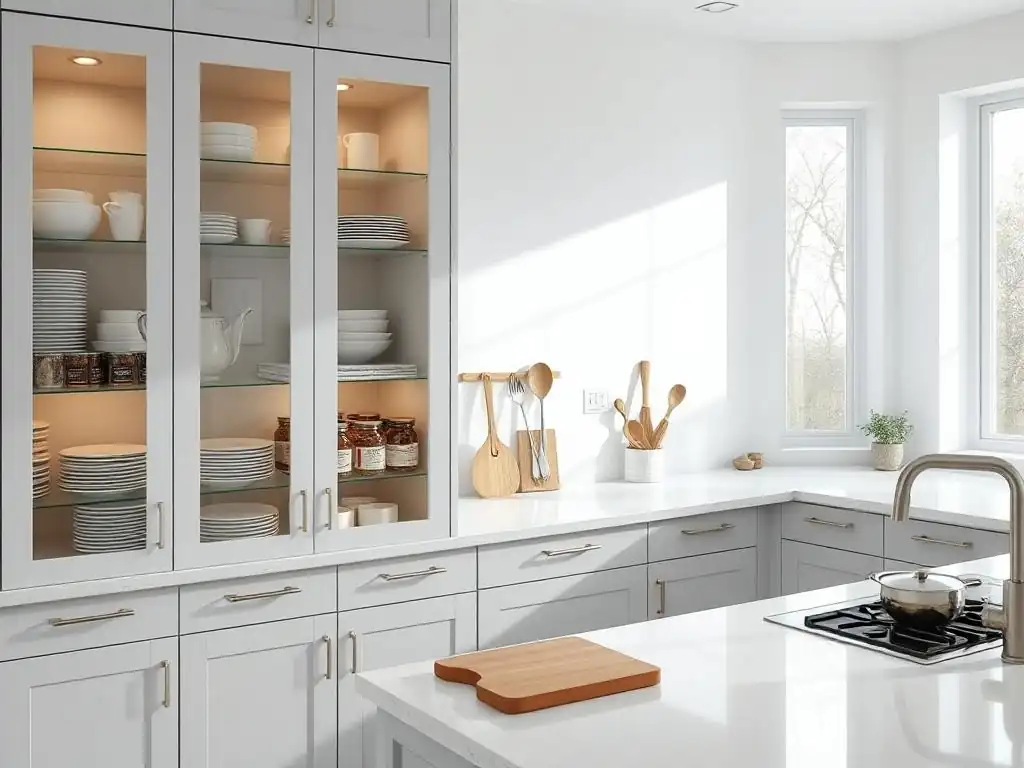
Feeling overwhelmed by a chaotic kitchen? Imagine a space where everything is easily accessible, your mornings are smoother, and cooking becomes a joy, not a chore. UltimateLifeHacks is your guide to unlocking a more efficient and organized life, starting with our latest deep dive into organizing kitchen cabinets efficiently. Discover the secrets to maximizing space and transforming your kitchen into a haven of productivity. Let's get started!
- Declutter Your Kitchen Cabinets for Efficient Organization
- Optimize Kitchen Cabinet Space: Smart Storage Solutions
-
Organize Kitchen Cabinets Efficiently: Category-Based Storage
- Grouping Similar Items: The Key to Easy Retrieval
- Categorizing Food Items for Easy Inventory Management: Pasta, Rice, Canned Goods
- Organizing Spices and Condiments: Creative Storage Solutions
- Efficient Storage for Baking Supplies: Flour, Sugar, Baking Powder
- Organizing Spices and Herbs: Maximizing Drawer Space and Shelf Space
- Optimizing Utensil Storage: Drawers vs. Canisters
- Smart Kitchen Cabinet Organization: Pro Tips and Tricks
- Transform Your Kitchen Cabinets: Before & After Inspiration
-
Frequently Asked Questions
- How can I organize my kitchen cabinets efficiently?
- What are some space-saving solutions for kitchen cabinets?
- What is the best way to organize spices in my kitchen cabinets?
- How can I deal with cluttered kitchen drawers?
- What are some tips for maintaining an organized kitchen after I've organized it?
- Final Reflection: Unlocking the Heart of Your Home: Kitchen Cabinet Harmony
- Unleash Your Kitchen's Potential: Organize & Conquer!
Declutter Your Kitchen Cabinets for Efficient Organization
Organizing your kitchen cabinets efficiently can dramatically transform your daily routine, saving you precious time and reducing stress. A well-organized kitchen isn't just aesthetically pleasing; it's a productivity powerhouse. This article will guide you through a step-by-step process to declutter and maximize the space in your kitchen cabinets, ultimately improving your cooking experience and overall kitchen workflow. We'll explore practical strategies to organize kitchen cabinets efficiently, focusing on maximizing space and implementing smart storage solutions that cater to your specific needs and lifestyle.
This guide focuses on transforming your kitchen from a chaotic storage space into a streamlined, efficient hub for meal preparation and enjoyment. Let's dive in and learn how to conquer kitchen cabinet clutter! 🎉
The Importance of a Decluttered Kitchen: A Foundation for Organization
Before diving into organization techniques, it's crucial to understand the foundational importance of decluttering. A cluttered kitchen is not just visually unappealing; it's a significant impediment to efficiency. Imagine searching through piles of mismatched containers and expired spices every time you need a simple ingredient. This not only wastes valuable time but also contributes to stress and frustration. 😫
A decluttered kitchen, on the other hand, fosters a sense of calm and control. When everything has its designated place, you can easily locate items, reducing prep time and making cooking a more enjoyable experience. A clean and organized space also promotes better hygiene and prevents the accumulation of unnecessary items that simply take up space and gather dust. Think of it as an investment in your time, mental well-being, and overall kitchen productivity. The benefits extend far beyond mere aesthetics; a decluttered kitchen is the bedrock of efficient organization.
Identifying and Discarding Unnecessary Items: A Step-by-Step Guide
Decluttering your kitchen cabinets requires a systematic approach. Here’s a step-by-step guide to help you efficiently identify and discard unnecessary items:
- Empty the Cabinets: Completely empty each cabinet, one at a time. This allows for a thorough assessment of what you have.
- Categorize Items: Group similar items together (e.g., spices, canned goods, baking supplies). This helps you visualize the quantity of each item.
- Check Expiration Dates: Dispose of any expired food items. This is crucial for food safety and prevents the accumulation of unusable products.
- Assess Usage: Honestly evaluate how frequently you use each item. If you haven't used something in the past six months (or longer, depending on the item), consider donating or discarding it.
- Consolidate: Combine similar items into fewer containers for a more streamlined look and improved space utilization. For example, transfer loose spices into a uniform spice rack.
- Clean the Cabinets: Once you've removed everything, clean the cabinets thoroughly. This creates a fresh, clean space for your organized items.
Remember, letting go of items you don't need or use is a crucial step in achieving efficient kitchen organization. Don't be afraid to discard items that no longer serve a purpose! This process might feel daunting initially, but the sense of accomplishment and improved efficiency will be well worth the effort.
Smart Storage Solutions for Frequently Used Items: Easy Access & Efficiency
Once you've decluttered your cabinets, it's time to implement smart storage solutions. The goal is to maximize space and ensure easy access to frequently used items. Consider these options:
- Lazy Susans: These rotating trays are perfect for storing spices, oils, and other frequently used items in corner cabinets, making everything easily accessible.
- Drawer Organizers: Utilize drawer organizers to keep utensils, cutlery, and other small items neatly separated and easy to find.
- Stackable Containers: Use stackable containers to maximize vertical space and keep dry goods organized and fresh. Uniform containers also create a more visually appealing and organized look.
- Vertical Space Maximization: Install vertical dividers or utilize the space above your cabinets to store less frequently used items.
- Tiered Organizers: These organizers create additional shelving within your cabinets, maximizing vertical space and allowing for better organization of items.
By implementing these smart storage solutions, you'll transform your kitchen cabinets from cluttered storage areas into efficient and aesthetically pleasing spaces. Remember to tailor your storage solutions to your specific needs and the layout of your kitchen. The key is to create a system that works for you and allows you to easily locate and access the items you need most frequently. This will significantly improve your daily kitchen workflow and overall cooking experience.
Optimize Kitchen Cabinet Space: Smart Storage Solutions
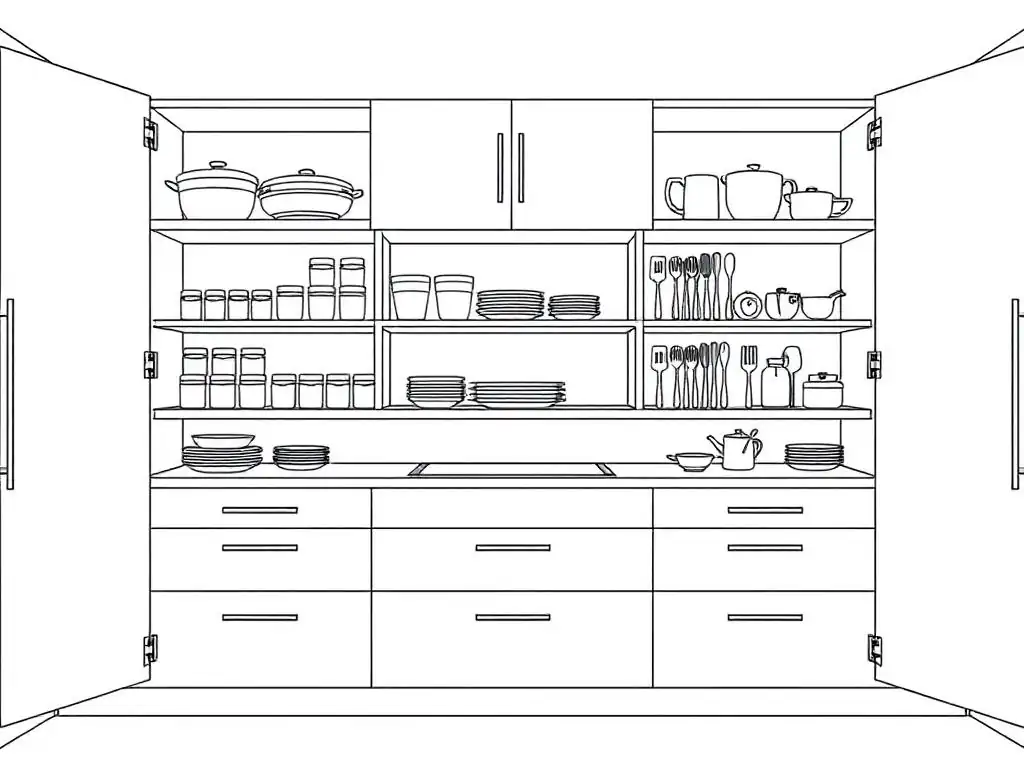
Optimizing kitchen cabinet space is crucial for efficient cooking and a stress-free culinary experience. Many struggle with cluttered cabinets, leading to wasted time searching for items and a generally disorganized feel. Efficient organization, however, can transform your kitchen into a well-oiled machine.
This section will explore practical, effective strategies to maximize your storage capacity and streamline your workflow, helping you achieve that coveted organized kitchen cabinet that improves your daily routine. The key is to think vertically, utilize often-overlooked areas, and employ smart storage solutions. Successfully organizing kitchen cabinets efficiently means embracing innovative storage ideas and adapting them to your specific needs and kitchen layout.
Maximize Vertical Space: Shelf Risers & Stackable Containers
Vertical space is often underutilized in kitchen cabinets. By strategically maximizing the height of your cabinets, you can significantly increase storage capacity. Shelf risers are a game-changer. These inexpensive additions create a second level on your existing shelves, effectively doubling your storage space. Think about placing frequently used items on the top level for easy access.
For example, you can stack spice jars on a riser, keeping them easily visible and within reach. Similarly, using stackable containers for dry goods like pasta, rice, and flour not only saves space but also keeps contents fresh and organized. Consider clear containers for easy identification of contents. This visual organization contributes significantly to kitchen efficiency—you'll spend less time searching for items and more time cooking. Proper stacking and using risers can increase your usable shelf space by up to 50%, dramatically improving your ability to organize kitchen cabinets efficiently.
Utilizing Drawer Organizers for Utensils and Gadgets: A Tidy Drawer System
Drawer organizers are essential for achieving a truly efficient kitchen. Utensils, gadgets, and other small items often end up jumbled in drawers, making it difficult to find what you need. Investing in drawer organizers—whether adjustable dividers, expandable trays, or custom-fit inserts—can transform chaotic utensil drawers into streamlined, functional spaces. Consider categorizing items: one section for cooking spoons, another for spatulas, and so on.
This visually appealing organization method, coupled with clear identification, will improve your efficiency significantly. Furthermore, using organizers prevents items from shifting and cluttering, ensuring that your kitchen drawers remain tidy and easily accessible. This simple yet effective method can greatly contribute to your ability to organize kitchen cabinets efficiently, resulting in a more enjoyable and productive cooking experience. Remember to measure your drawers before purchasing organizers to ensure a perfect fit.
Corner Cabinet Solutions: Making the Most of Unused Space
Corner cabinets are often considered dead space, but with the right solutions, they can become valuable storage assets. Lazy Susans are a classic solution; they allow for easy access to items stored in the back of the cabinet. Consider a double-decker lazy Susan for maximum utilization. Alternatively, pull-out corner shelves offer a similar benefit, maximizing visibility and accessibility.
These solutions are particularly effective for storing less frequently used items such as infrequently used cookware or baking supplies. By strategically organizing these often-overlooked spaces, you can significantly increase the overall storage capacity of your kitchen and further enhance your ability to organize kitchen cabinets efficiently. The effective use of corner cabinet solutions eliminates wasted space and contributes to a more organized and functional kitchen. Remember to choose a solution that best suits the size and shape of your corner cabinets.
Clever Storage for Pots, Pans, and Lids: Stacking and Hanging Ideas
Organizing pots, pans, and their lids can be a significant challenge in any kitchen. Cluttered cabinets lead to wasted time searching for the right cookware and can even damage your precious pans. Fortunately, there are several clever storage solutions that can transform this chaotic area into a well-organized system. Let's explore some effective stacking and hanging ideas to maximize your cabinet space and streamline your cooking workflow.
One highly effective method for storing pots and pans is vertical stacking. Instead of haphazardly piling them on top of each other, use dividers or risers to create distinct compartments within your cabinet. This prevents scratching and ensures easy access to each piece. Consider investing in stackable pot and pan organizers; many are available in various sizes to accommodate different cabinet dimensions.
These organizers often feature adjustable dividers, allowing you to customize the space to fit your specific cookware. Remember to place heavier items on the bottom and lighter items on top for stability and safety. This simple change can dramatically improve your cabinet organization and reduce the risk of accidents.
For lids, the struggle is real. They often end up sliding around, taking up unnecessary space and becoming frustrating to locate. A solution to this common problem is using a lid organizer. These organizers are designed to hold lids upright or in a slotted arrangement, preventing them from nesting and making them much easier to access.
Some lid organizers even hang on the inside of cabinet doors, utilizing often wasted space. Alternatively, you can repurpose a tension rod inside a cabinet to hold lids vertically, ensuring they are visible and within easy reach. This simple hack can save significant time and frustration during meal preparation.
Hanging pots and pans can also be a space-saving solution, particularly if you have limited shelf space. Over-the-door organizers or wall-mounted racks offer a practical way to hang frequently used items, keeping them readily accessible and freeing up precious shelf space for other kitchen essentials. This not only improves the visual appeal of your kitchen but also optimizes the use of vertical space, often overlooked when organizing cabinets.
Consider the weight of your cookware when selecting a hanging system to ensure it can support the weight safely and securely. Furthermore, choose a system that complements your existing kitchen design to maintain a cohesive aesthetic.
By implementing these stacking and hanging solutions, you can significantly improve the organization of your pots, pans, and lids, creating a more efficient and aesthetically pleasing kitchen. Remember to measure your cabinets accurately before purchasing any organizers to ensure a perfect fit. With a little planning and these helpful tips, you'll be well on your way to efficiently organizing your kitchen cabinets and enjoying a more streamlined cooking experience. The key to success is finding the storage solutions that best suit your individual needs and preferences, leading to a truly organized and functional kitchen.
Organize Kitchen Cabinets Efficiently: Category-Based Storage
Efficiently organizing your kitchen cabinets is crucial for maximizing space and streamlining your cooking process. A well-organized kitchen reduces stress, saves time, and prevents food waste. The key to achieving this lies in implementing a strategic system, and category-based storage is the cornerstone of that system. This approach involves grouping similar items together, making it incredibly easy to locate what you need when you need it.
This section will explore how to effectively categorize and store your kitchen items, focusing on practical, space-saving techniques. We'll cover the benefits of this approach, address common challenges, and provide actionable steps you can take to transform your chaotic cabinets into a smoothly functioning, organized space. This will significantly improve your workflow and overall kitchen experience. The ultimate goal is to move from a frustrating search-and-rescue mission every time you cook to a quick and efficient process.
Grouping Similar Items: The Key to Easy Retrieval
The fundamental principle of efficient kitchen cabinet organization is grouping similar items together. Instead of scattering baking supplies, for example, throughout multiple cabinets, consolidate them into a single, easily accessible location. This seemingly simple act dramatically improves retrieval time and reduces the frustration of hunting for specific items.
Consider these categories and how to group them:
- Baking Supplies: Flour, sugar, baking powder, baking soda, extracts, etc., should all reside together. Consider using clear, stackable containers for easy visibility and to maintain freshness.
- Breakfast Items: Cereals, oatmeal, pancake mix, and breakfast bars can be kept together in a designated cabinet, perhaps near your coffee maker or toaster.
- Canned Goods: Group canned soups, vegetables, fruits, and other canned items by type. Utilize adjustable shelving to accommodate varying can sizes.
- Snacks: Keep frequently accessed snacks, like chips, crackers, and pretzels, in a readily accessible location. Children's snacks could have their own designated area for easier access and control.
- Cooking Utensils: Spoons, spatulas, whisks, and other cooking tools should be organized within easy reach of your stovetop or cooking area. A utensil crock or drawer organizer can be beneficial.
By implementing this system, you'll find that preparing meals and snacks becomes significantly faster and more efficient. The time saved adds up, freeing up valuable time for other activities. Think of it as an investment in your time and sanity! 🍝
Categorizing Food Items for Easy Inventory Management: Pasta, Rice, Canned Goods
Proper categorization is essential not only for easy retrieval but also for effective inventory management. Knowing what you have on hand prevents unnecessary grocery shopping and reduces food waste. Let's delve into specific examples:
- Pasta: Store different pasta shapes in clear containers. Label them clearly with the type and date of purchase to ensure you use older pasta before it expires. Stackable containers are ideal for maximizing vertical space.
- Rice: Similar to pasta, store various types of rice (white, brown, wild) in labeled containers. Consider using airtight containers to preserve freshness and prevent insect infestations. Rotate your stock, using older rice first.
- Canned Goods: Organize canned goods by type (soups, vegetables, fruits, etc.) and then by expiration date (oldest in front). This system ensures that you use items before they expire and reduces waste. Regularly check expiration dates and discard any expired items.
Implementing a system of first-in, first-out (FIFO) for your canned goods, pasta, and rice is crucial for minimizing waste. This simple strategy, combined with clear labeling and organization, will significantly improve your kitchen efficiency and save you money. The benefits extend beyond just organization; it contributes to a more sustainable lifestyle by reducing food waste. 🥫
Organizing Spices and Condiments: Creative Storage Solutions
Spices and condiments often present a storage challenge due to their varied sizes and shapes. However, with a little creativity, you can transform this chaotic area into an organized and aesthetically pleasing space.
Here are some creative solutions:
- Lazy Susan: A rotating lazy Susan is perfect for placing frequently used spices and condiments within easy reach. This allows you to quickly access what you need without having to rummage through a cluttered cabinet.
- Magnetic Spice Rack: For wall-mounted storage, a magnetic spice rack can be a space-saving and visually appealing solution. This frees up valuable cabinet space for other items.
- Drawer Organizers: Drawer organizers are ideal for grouping similar-sized spice containers. They provide clear visibility and prevent containers from tipping over.
- Tiered Spice Rack: A tiered spice rack maximizes vertical space and keeps spices neatly organized. This is particularly helpful if you have limited cabinet space.
Remember to label all containers clearly to easily identify each spice or condiment. This not only enhances organization but also makes cooking more efficient. Consider using a uniform set of containers for a cohesive and aesthetically pleasing look. A well-organized spice and condiment area contributes to a more functional and enjoyable cooking experience. 🧂
Efficient Storage for Baking Supplies: Flour, Sugar, Baking Powder
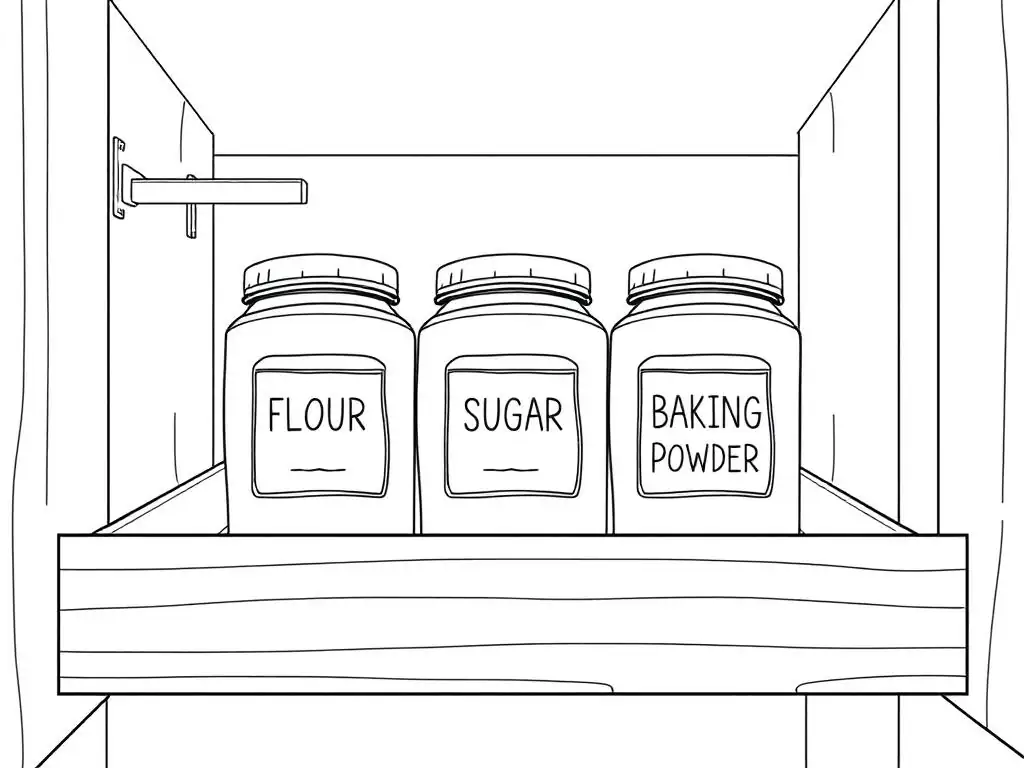
Organizing baking supplies can be a challenge, especially with bulky bags of flour and sugar. The key is vertical storage and airtight containers. Instead of leaving those bags in their original packaging, which can take up a lot of space and become prone to spills and pests, transfer your baking essentials into clear, airtight containers. This not only saves space but also keeps your ingredients fresh for longer. Consider using stackable containers to maximize vertical space.
Label each container clearly with the contents and the date you transferred the item, to ensure you're using older ingredients first – this helps prevent waste and ensures you always know what you have on hand. For smaller items like baking powder, baking soda, and yeast, use smaller, clear containers that can easily fit on a shelf or within a drawer organizer. This method prevents clumping and makes finding specific ingredients a breeze. A rotating shelf can also be extremely helpful for accessing items at the back of a cabinet easily.
Think about dedicating a specific shelf or area to your baking supplies to create a dedicated "baking zone" in your kitchen. This makes baking preparation much more streamlined and efficient. Remember, the goal is to create a system that's visually appealing and easily accessible, making your baking experience more enjoyable. Consider using matching containers for a polished look, further enhancing the organization and aesthetic appeal of your baking supplies storage.
Organizing Spices and Herbs: Maximizing Drawer Space and Shelf Space
Spices and herbs are often overlooked when organizing kitchen cabinets, leading to a chaotic jumble. Efficiently organizing these items is crucial for both finding what you need quickly and maintaining freshness. One effective method is to use a spice rack, either on the inside of a cabinet door or on a shelf. This keeps spices visible and easily accessible.
If you have limited shelf space, consider using a tiered spice rack to maximize vertical space. For drawers, small, clear containers or spice jars with labels are ideal. This allows you to see what you have at a glance and easily identify each spice or herb. Consider organizing your spices alphabetically or by cuisine type for easy retrieval.
Regularly check your spice inventory and discard any expired or stale spices to prevent waste and ensure optimal flavor in your cooking. Remember to properly label your containers and store them in a cool, dry place away from direct sunlight and heat, to preserve their quality and flavor for a longer time. This not only improves the organization of your kitchen but also contributes to more efficient and enjoyable cooking experiences. Using a drawer divider can significantly improve the organization of spices within a drawer, preventing them from shifting and making it easier to locate specific items.
Optimizing Utensil Storage: Drawers vs. Canisters
The ideal method for storing utensils depends on your kitchen layout and personal preference. Drawers offer excellent space utilization, particularly when using drawer dividers to separate different types of utensils. Dividers prevent utensils from clumping together, making it easy to find specific items. They also keep everything neatly organized and prevent scratching.
Consider using a combination of drawer organizers to maximize drawer space, accommodating utensils of different sizes and shapes. However, if drawer space is limited, utensil canisters can be a great alternative. These canisters offer a neat and visually appealing way to store utensils, especially on a countertop or a shelf. Choose canisters that match your kitchen's aesthetic and are sized appropriately for your utensils.
Consider using labeled canisters for clear identification and easy access. Ultimately, the best choice between drawers and canisters depends on your specific needs and preferences. Assess your available space and the quantity of utensils you need to store to determine the most efficient and practical solution for your kitchen. Experiment with different configurations to find the optimal setup that maximizes space and enhances your cooking workflow.
Smart Kitchen Cabinet Organization: Pro Tips and Tricks
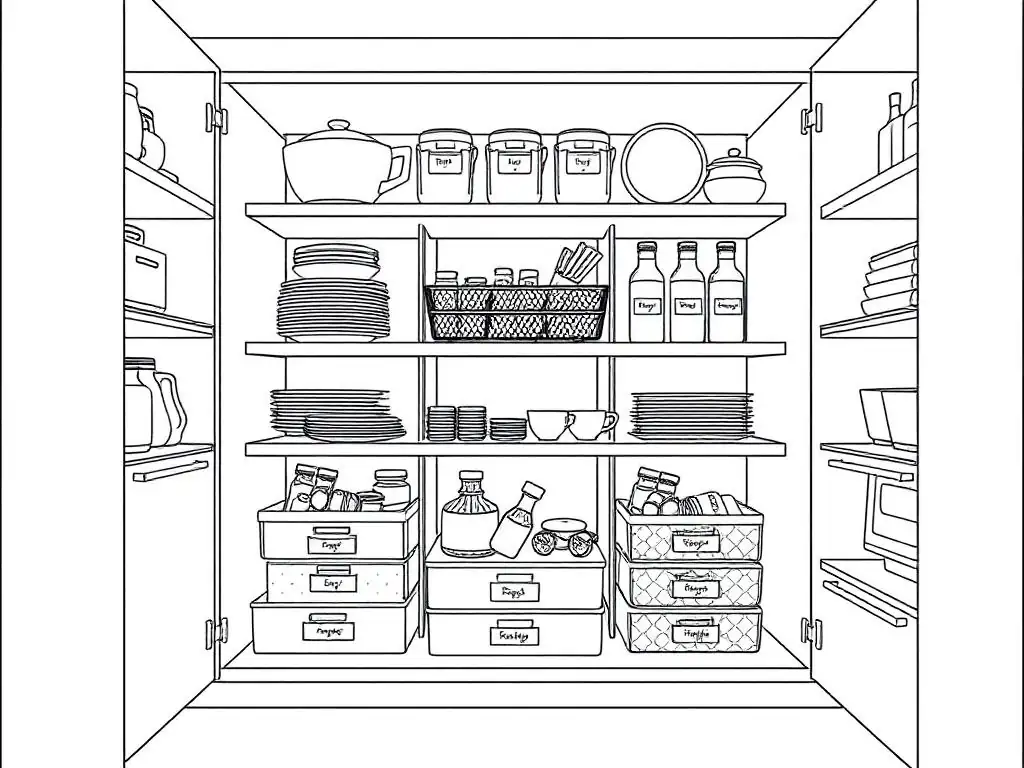
This section dives into practical strategies for achieving optimal kitchen cabinet organization, focusing on techniques that maximize space and streamline your workflow. Efficiently organizing your kitchen cabinets isn't just about aesthetics; it's about saving time, reducing stress, and making cooking a more enjoyable experience. We'll explore methods that go beyond simple decluttering, focusing on long-term solutions for maintaining an organized and functional kitchen. Think of this as a guide to building a kitchen cabinet system that works for you.
Labeling for Clarity and Efficiency: A Must-Have for Organized Cabinets
Clear and consistent labeling is paramount to maintaining an organized kitchen. It's easy to forget what's tucked away in the back of a cabinet, leading to duplicated purchases and wasted food. Effective labeling goes beyond simply writing "pasta" on a container. Consider these strategies:
- Detailed Descriptions: Instead of just "pasta," label with "Spaghetti, 1 lb, Exp. 12/24." This ensures you know exactly what you have and when it expires.
- Uniformity: Use the same type of labels and a consistent labeling system throughout your cabinets. This creates a visually appealing and easy-to-navigate system. Consider using a label maker for a professional look.
- Visual Cues: For spices or similar items, consider using clear containers and placing small pictures or icons alongside the text. A picture of a chili pepper next to "Chili Powder" is instantly recognizable.
- Categorization: Group similar items together (baking supplies, canned goods, etc.) and label the entire section. This allows for quick identification of where things belong.
- Location Labeling: If you have multiple cabinets for similar items (e.g., two cabinets for baking supplies), use a system like "Baking Supplies - Cabinet 1" and "Baking Supplies - Cabinet 2" to avoid confusion.
Implementing a robust labeling system significantly improves the efficiency of retrieving items and reduces the time spent searching through cluttered cabinets. This simple yet powerful technique is key to long-term kitchen organization. It's a small investment of time upfront that pays dividends daily.
Regular Maintenance for Long-Term Organization: Monthly Wipe Down, Yearly Deep Clean
Maintaining an organized kitchen isn't a one-time event; it requires ongoing effort. A consistent cleaning schedule helps prevent clutter from accumulating and keeps your cabinets looking their best. This contributes significantly to the overall efficiency of your kitchen space. Here's a recommended schedule:
- Monthly Wipe Down: Once a month, take some time to wipe down the shelves and the insides of your cabinets. This prevents dust and spills from building up. A quick wipe-down prevents small messes from becoming big cleaning projects.
- Yearly Deep Clean: Once a year, tackle a thorough deep clean. Remove everything from the cabinets, wipe down the shelves thoroughly, and discard any expired or unwanted items. This is the perfect opportunity to reassess your storage solutions and make any necessary adjustments. This preventative maintenance is crucial for keeping your kitchen organized efficiently.
Think of this maintenance as preventative medicine for your kitchen. Regular cleaning ensures that your organized system remains functional and efficient. The time invested is far less than the time wasted searching for items in a disorganized and unclean space.
Investing in High-Quality Storage Solutions: Durability and Longevity
Investing in high-quality storage solutions is crucial for long-term kitchen organization. While inexpensive solutions might seem appealing initially, they often lack durability and functionality, leading to replacement costs and frustration down the line. Consider these factors when choosing storage solutions:
| Feature | Importance | Example |
|---|---|---|
| Durability | Prevents frequent replacements; saves money. | Sturdy plastic containers; bamboo shelves |
| Stackability | Maximizes vertical space; improves efficiency. | Stackable canisters; tiered spice racks |
| Transparency | Allows for easy identification of contents. | Clear plastic containers; glass jars |
| Size & Shape | Optimizes space utilization; avoids wasted space. | Custom-sized drawer dividers; corner shelves |
Choosing durable, stackable, and transparent containers makes a huge difference. Consider measuring your cabinets before purchasing to ensure a perfect fit. Investing in high-quality storage solutions translates to a more organized and efficient kitchen that lasts. This is a worthwhile investment for long-term organization and improved kitchen functionality. Remember, "Organize kitchen cabinets efficiently" is not just a phrase; it's a lifestyle choice that improves your daily routine.
Utilizing Drawer Liners and Shelf Paper: Protection and Aesthetics
Drawer liners and shelf paper are unsung heroes in the quest to organize kitchen cabinets efficiently. They offer a surprising number of benefits beyond just a pretty look. Firstly, they provide a crucial layer of protection for your cabinet surfaces. This is especially important for older cabinets or those made of delicate materials like wood.
Spills, scratches, and even the everyday wear and tear of placing and removing items can be significantly mitigated with a good liner or shelf paper. Think of it as a sacrificial layer, protecting your investment and extending the life of your cabinets. Replacing a liner is far cheaper and easier than refinishing or replacing cabinet doors and shelves.
Furthermore, the right liner or shelf paper can dramatically improve the aesthetics of your cabinets. A simple, patterned liner can transform a drab, empty drawer into a visually appealing and organized space. The options are vast, ranging from simple, neutral colors to bold patterns and textures.
You can even find liners designed to specifically match your kitchen's decor, creating a cohesive and stylish look. This aspect is crucial for maintaining a pleasant and motivating kitchen environment. A disorganized and visually cluttered space can negatively impact your mood and productivity, while a well-organized and aesthetically pleasing space can have the opposite effect.
Beyond aesthetics and protection, some shelf liners also provide additional functionality. Non-slip liners, for example, can prevent items from sliding around in drawers, keeping everything neatly in place. This is particularly beneficial for storing plates, bowls, and other similar items that might otherwise shift and become disorganized. Similarly, textured liners can add grip and prevent items from tipping over.
Choosing the right liner or shelf paper isn't just about looks; it's about functionality and long-term preservation of your cabinets. Consider the materials, textures, and overall aesthetic when selecting these often-overlooked organizational tools. The impact on both the organization and the visual appeal of your kitchen cabinets will be significant.
Transform Your Kitchen Cabinets: Before & After Inspiration
This section showcases real-life examples of kitchen cabinet transformations, demonstrating the power of organization to enhance both the functionality and aesthetic appeal of your kitchen. We'll explore diverse approaches to tackling cluttered cabinets, highlighting how strategic planning and simple techniques can yield remarkable results. Remember, the key to efficiently organizing kitchen cabinets lies in understanding your specific needs and utilizing space creatively.
Before & After Picture 1
Before: Imagine a cabinet overflowing with mismatched containers, expired spices crammed together, and a jumbled mess of rarely used gadgets. This is a common scenario for many. The sheer volume of items makes accessing anything a frustrating and time-consuming task. Finding that one specific spice or pan becomes a scavenger hunt, wasting precious morning minutes. Inefficient storage leads to wasted space and a disorganized feel, affecting the overall kitchen ambiance. This scenario exemplifies the challenge many face: a visually unappealing and functionally inefficient space.
After: The same cabinet now boasts sleek, uniform containers, neatly arranged spices clearly labeled, and gadgets strategically stored using drawer dividers and vertical space optimization. Everything is easily accessible, visually appealing, and contributes to a more serene and efficient workspace. The transformation is striking, showcasing how thoughtful planning can drastically improve functionality and aesthetics. The feeling of accomplishment and the time saved searching for items are invaluable benefits. This exemplifies the "Organize kitchen cabinets efficiently" principle in action.
Before & After Picture 2
Before: Picture a corner cabinet, often a black hole of wasted space. Items are haphazardly piled, making it difficult to reach anything at the back. This usually leads to items being forgotten and ultimately wasted. The lack of visibility exacerbates the problem, leading to duplicated purchases and further clutter. This is a common pain point in many kitchens, highlighting the need for creative storage solutions.
After: The same corner cabinet is now a marvel of efficient storage. Utilizing a lazy susan, all items are readily visible and accessible. The addition of tiered shelving maximizes vertical space, allowing for more items to be stored without sacrificing accessibility. This solution not only increases storage capacity but also improves the overall efficiency of the cabinet, a perfect example of how to effectively organize kitchen cabinets efficiently. The space is now utilized to its maximum potential, a testament to clever design and planning.
Before & After Picture 3
Before: Consider a tall, narrow pantry cabinet. Often, these are used inefficiently, with items stacked precariously, leading to potential spills and damage. Accessing items at the back is difficult, often requiring a complete cabinet overhaul to retrieve one item. This scenario demonstrates a common storage challenge, especially in smaller kitchens where space is at a premium. The inefficient use of vertical space is a missed opportunity for optimized storage.
After: This same pantry cabinet is now a model of organization. Utilizing adjustable shelves and slimline storage containers, the space is maximized. Items are categorized and easily accessible. Vertical space is fully utilized, and the overall aesthetic is clean and inviting. This transformation showcases the power of thoughtful planning and the right storage solutions in effectively organizing kitchen cabinets efficiently. The result is a functional and visually appealing pantry, a significant improvement from the previous state of disarray. This exemplifies the power of smart storage solutions in maximizing space and enhancing kitchen efficiency.
Frequently Asked Questions
How can I organize my kitchen cabinets efficiently?
Start by emptying each cabinet completely. Then, group similar items together. Utilize vertical space with shelf dividers and risers to maximize storage.
What are some space-saving solutions for kitchen cabinets?
Consider using stackable containers, lazy Susans, and pull-out drawers. These maximize accessibility and optimize space utilization. Slim storage solutions are also great for narrow spaces.
What is the best way to organize spices in my kitchen cabinets?
Alphabetize your spices for easy retrieval. Use a spice rack or drawer organizer to keep them neatly arranged and visible. Consider smaller containers to save space.
How can I deal with cluttered kitchen drawers?
Use drawer dividers to separate utensils and gadgets. Discard anything broken or unused. Roll up items like plastic wrap and foil to save space and improve visibility.
What are some tips for maintaining an organized kitchen after I've organized it?
Develop a regular cleaning and purging schedule. Put things back in their designated places immediately after use. Regularly reassess your organization system to ensure it continues to meet your needs.
Final Reflection: Unlocking the Heart of Your Home: Kitchen Cabinet Harmony
Efficient kitchen organization isn't just about aesthetics; it's about reclaiming your time, reducing stress, and fostering a more joyful culinary experience. A well-organized kitchen is a sanctuary, a place where creativity flows freely, unburdened by clutter and chaos. This newfound space translates directly into a more peaceful and productive life.
The impact of a streamlined kitchen extends far beyond the physical space itself. It speaks to a larger cultural shift towards mindful living and intentional design. We're increasingly recognizing the power of our environment to shape our well-being. A place for everything, and everything in its place,
a timeless adage, resonates deeply as we strive for balance in our increasingly busy lives. This principle, applied to our kitchens, becomes a microcosm of a larger effort towards self-care and efficient living. The simple act of organizing our cabinets becomes a powerful act of self-possession.
Now, consider your own kitchen. What small changes can you implement today to bring a sense of calm and order to this vital space? Perhaps it's a simple purge of expired spices, or the strategic placement of a drawer organizer. Whatever the step, embrace the journey towards a more organized, and ultimately, more fulfilling kitchen. The transformation you experience will be far more significant than just a tidier space; it will be a reflection of your commitment to creating a life that is both beautiful and functional.
Unleash Your Kitchen's Potential: Organize & Conquer!
Thanks for exploring our kitchen organization tips! We hope you found some helpful advice to transform your kitchen. Now, let's put those ideas into action.
Here's how to get started:
- Declutter your pantry: Begin with one shelf—you'll be surprised how much a little tidying improves things. This is the quickest way to see results.
- Plan your ideal layout: Sketch a plan, considering separate zones for food preparation, cooking, and serving. Share your designs in the comments—we'd love to see them!
- Try a "one-in, one-out" system: This simple approach can create lasting organizational habits.
What will you tackle first in your kitchen organization project?