
Fall Home Maintenance: Simple Hacks to Protect Your Investment

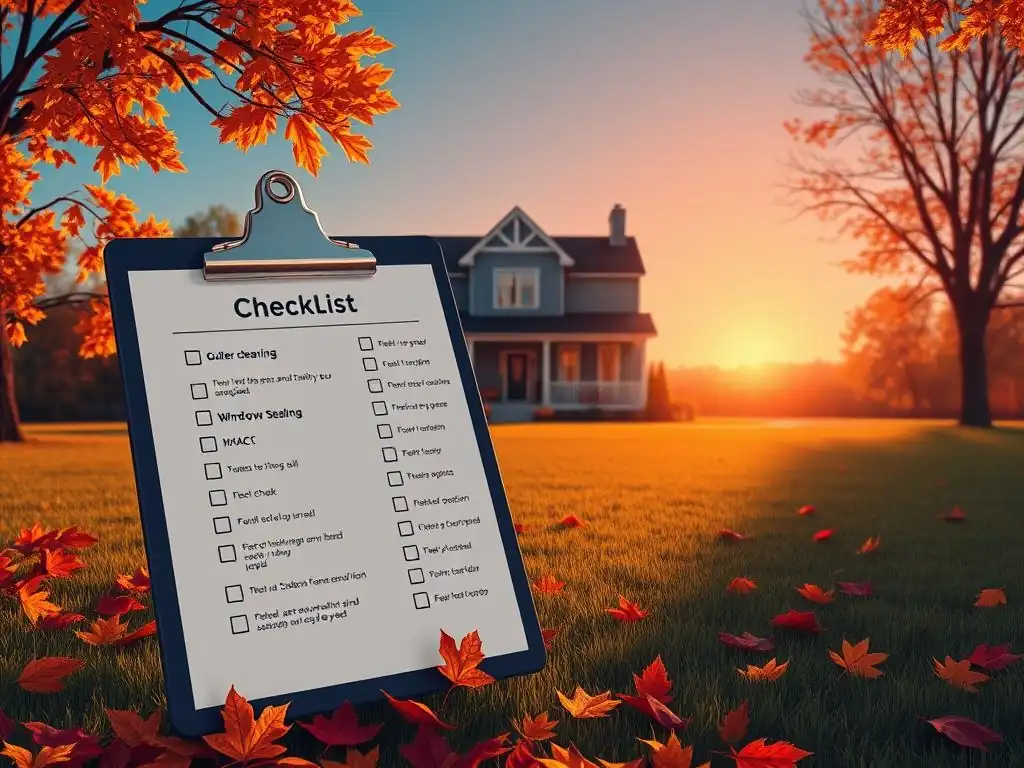
Ready to conquer your to-do list and unlock a more efficient you? Welcome to UltimateLifeHacks, your one-stop shop for practical tips and game-changing strategies to streamline your life. This fall, protect your home and save precious time with our essential Fall Home Maintenance Checklist. Discover simple yet powerful hacks that will not only safeguard your biggest investment but also leave you feeling empowered and in control. Dive in and uncover the secrets to a smoother, more productive autumn!
-
Essential Fall Home Maintenance Checklist: Protecting Your Home from Winter's Chill
- Inspecting Your Roof for Fall Damage: Preventing Leaks and Repairs
- Gutter Cleaning and Maintenance: Avoiding Clogs and Water Damage
- Preparing Your Windows and Doors for Winter: Sealing Drafts and Improving Insulation
- Inspecting and Cleaning Your HVAC System: Ensuring Efficient Heating
- Checking and Servicing Your Chimney and Fireplace: Safety First
- Preparing Your Plumbing System for Freezing Temperatures: Preventing Burst Pipes
- Fall Lawn Care: Preparing Your Yard for Winter Dormancy
- Protecting Outdoor Furniture and Appliances: Extending their Lifespan
- Securing Your Home Against Potential Threats: Fall Security Checklist
- Fall Home Maintenance on a Budget: Smart Savings for Your Home
- Creating a Comprehensive Fall Home Maintenance Schedule
- Beyond the Checklist: Long-Term Home Maintenance Strategies
- Frequently Asked Questions
- Final Reflection: Securing Your Home, Securing Your Future
- Unlock Worry-Free Fall: Take Charge of Your Home Now!
Essential Fall Home Maintenance Checklist: Protecting Your Home from Winter's Chill
Autumn's arrival signals more than just pumpkin spice lattes and cozy sweaters; it's a crucial time for proactive home maintenance. Preparing your home for the harsh winter months ahead is an investment in protecting your property, preventing costly repairs, and ensuring a comfortable and safe living environment throughout the colder season. This comprehensive fall home maintenance checklist will guide you through essential tasks, offering practical life hacks and productivity tips to optimize your efforts and save you time and money.
By tackling these tasks now, you'll not only safeguard your home but also enjoy peace of mind knowing you've taken proactive steps to prevent potential problems down the line. This guide focuses on simple yet effective strategies to help you effectively prepare your home for winter, making it a more efficient and enjoyable experience.
We'll cover everything from roof inspections to window sealing, ensuring you're equipped with the knowledge and tools to tackle this essential seasonal task. Let's dive in and get your home winter-ready!
Inspecting Your Roof for Fall Damage: Preventing Leaks and Repairs
Regular roof inspections are vital, especially before winter's harsh weather sets in. Leaves, branches, and other debris accumulated during the fall can cause significant damage if left unattended. A thorough inspection can prevent costly repairs later. Here's a step-by-step guide:
- Visual Inspection: Start by visually inspecting your roof from the ground using binoculars if needed. Look for missing, damaged, or loose shingles, signs of moss or algae growth, and any noticeable cracks or holes. Pay close attention to areas where branches may have impacted the roof.
- Check for Leaks: Look for any signs of water stains or discoloration on your ceilings or walls, indicating potential leaks that may have gone unnoticed. This is a crucial step in preventing further damage.
- Chimney Check: If you have a chimney, carefully inspect it for cracks or damage. A damaged chimney can lead to dangerous carbon monoxide leaks.
- Professional Assessment: For high roofs or if you detect significant damage, it's best to hire a professional roofing contractor for a thorough evaluation and any necessary repairs. Don't underestimate the importance of professional expertise, especially when dealing with potentially hazardous situations.
Gutter Cleaning and Maintenance: Avoiding Clogs and Water Damage
Clogged gutters are a common cause of water damage during the fall and winter. Leaves, twigs, and other debris accumulate quickly, preventing proper water drainage. This can lead to ice dams in winter, causing serious damage to your roof, siding, and foundation. Here's how to keep your gutters clean and functioning optimally:
- Safety First: Always prioritize safety when cleaning your gutters. Use a sturdy ladder and wear appropriate safety gear, including gloves and sturdy footwear. If you're uncomfortable working at heights, consider hiring a professional gutter cleaning service.
- Clear the Debris: Remove all leaves, twigs, and other debris from your gutters using a trowel, scoop, or gutter cleaning tool. Pay close attention to any areas where clogs are particularly heavy.
- Flush the Gutters: After clearing the debris, flush your gutters with water to ensure that they are completely clear and that water flows freely.
- Inspect for Damage: While cleaning, inspect your gutters for any damage, such as cracks, holes, or loose sections. Repair or replace any damaged sections to prevent leaks and ensure proper drainage. A small investment in repair now can save you significant costs later.
Preparing Your Windows and Doors for Winter: Sealing Drafts and Improving Insulation
Drafty windows and doors can significantly increase your energy bills and make your home uncomfortable during the winter months. Sealing drafts and improving insulation are cost-effective ways to improve energy efficiency and comfort.
- Caulk and Weatherstripping: Inspect the seals around your windows and doors for any gaps or cracks. Apply caulk to seal any cracks and replace worn weatherstripping to create a tight seal. This simple task can drastically reduce drafts and improve insulation.
- Window Insulation Film: Consider using window insulation film to further improve insulation. This is a relatively inexpensive solution that can significantly reduce heat loss.
- Door Sweeps: Install door sweeps at the bottom of exterior doors to prevent drafts from entering your home. This is a simple yet highly effective way to improve energy efficiency.
- Storm Windows: If you don't have storm windows, consider installing them for improved insulation and protection against harsh weather. This is a more significant investment but can pay for itself over time in reduced energy costs. Consider this a long-term investment in your home's efficiency and comfort.
Remember, proactive fall home maintenance is key to a warm, comfortable, and safe winter. By following this checklist, you'll not only protect your home but also save money on energy bills and potential repairs. Happy fall maintenance! 🍂🏠
Inspecting and Cleaning Your HVAC System: Ensuring Efficient Heating
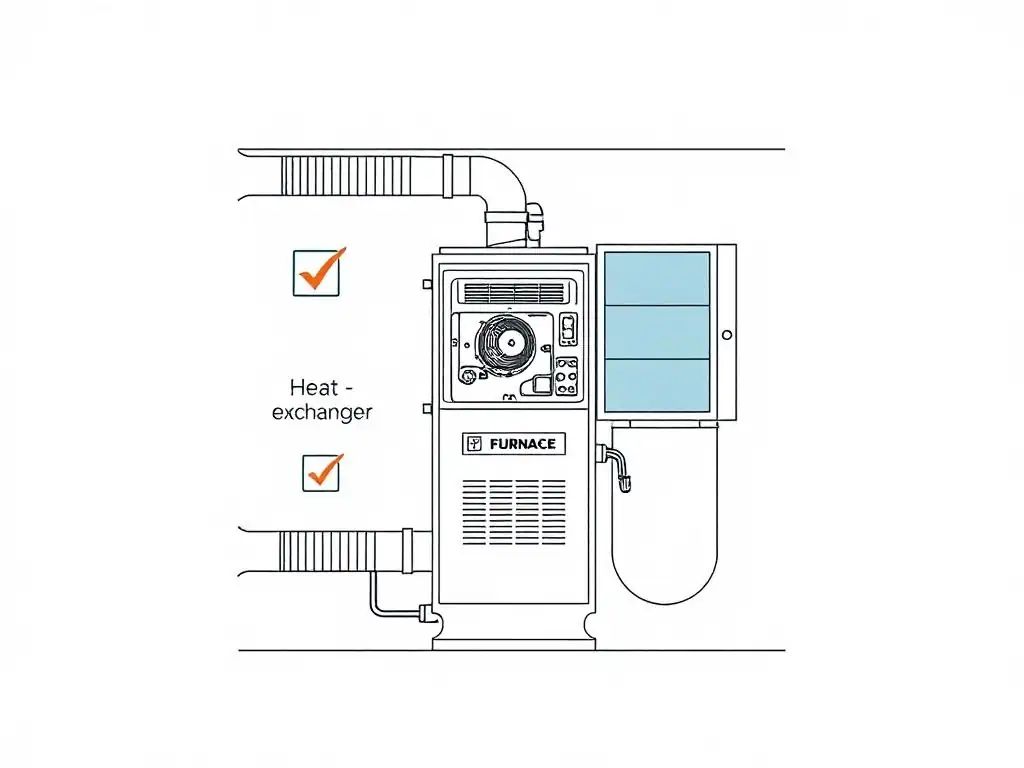
Regular HVAC maintenance is crucial, especially before the cold weather sets in. A well-maintained system operates more efficiently, saving you money on energy bills and preventing costly repairs down the line. This fall, schedule a professional inspection of your furnace or heat pump. A thorough inspection will typically involve checking the air filter, cleaning or replacing it as needed. Dirty filters restrict airflow, reducing heating efficiency and potentially damaging the system.
Technicians will also inspect the burners, heat exchangers, and other critical components for any signs of wear, damage, or leaks. They'll check the blower motor and ensure proper ventilation. Furthermore, they'll calibrate the thermostat to ensure accurate temperature readings and efficient operation. Don't forget to inspect your ductwork for any leaks or damage. Sealing leaks can significantly improve your system's efficiency and reduce energy waste.
Remember, preventative maintenance is key to avoiding expensive breakdowns during the peak heating season. A small investment in professional cleaning and inspection can save you significant costs in the long run. Consider purchasing a high-quality air filter to prolong the life of your system and improve indoor air quality. Regular filter changes, even between professional inspections, are a simple yet effective way to maintain optimal performance. Consider adding a programmable thermostat for even greater energy savings.
Checking and Servicing Your Chimney and Fireplace: Safety First
Fall is the perfect time to prepare your fireplace and chimney for winter use. A neglected chimney poses significant safety risks, including carbon monoxide poisoning and chimney fires. Before lighting your first fire, have your chimney professionally inspected and cleaned. Creosote buildup, a highly flammable byproduct of burning wood, is a major fire hazard. A professional chimney sweep will remove creosote buildup, inspect the chimney for cracks or damage, and ensure proper ventilation.
They'll also check the damper to make sure it operates smoothly and seals properly to prevent drafts and heat loss. Beyond professional cleaning, you can take several steps to ensure fireplace safety. Always use a fire screen to prevent sparks and embers from escaping. Never leave a fire unattended, and make sure to have a working smoke detector and carbon monoxide detector on each level of your home. Keep flammable materials, such as newspapers and kindling, away from the fireplace.
Store firewood outside, away from the house to prevent pests and moisture buildup. Regularly inspect the masonry for any cracks or deterioration. Addressing these issues promptly can prevent larger, more expensive problems down the road. Remember, safety should always be your top priority when using your fireplace. A little preventative maintenance can go a long way in ensuring a safe and enjoyable winter season.
Preparing Your Plumbing System for Freezing Temperatures: Preventing Burst Pipes
Freezing temperatures can cause significant damage to your plumbing system, leading to costly repairs and water damage. Taking preventative steps in the fall can significantly reduce the risk of burst pipes. One of the most effective strategies is to insulate exposed pipes, particularly those located in unheated areas such as basements, garages, crawl spaces, and exterior walls. Insulation materials like pipe sleeves or foam insulation can help protect pipes from freezing temperatures. You can also let cold water drip from faucets served by exposed pipes. This keeps a small amount of water flowing through the pipes, preventing them from freezing completely.
Another crucial step is to disconnect and drain garden hoses and outdoor faucets. Water left in these lines can freeze and expand, causing damage to the pipes and faucets. Furthermore, locate and insulate your main water shut-off valve. Knowing where it is and how to use it quickly will minimize water damage in case of a burst pipe. Consider using a self-regulating heating cable for pipes that are particularly vulnerable to freezing.
These cables provide gentle heat to prevent freezing. Finally, it’s vital to open cabinets under sinks, especially those located on exterior walls. This allows warmer air to circulate around the pipes, helping to prevent freezing. Remember, proactive plumbing maintenance is a crucial aspect of fall home maintenance, protecting your property and preventing costly repairs. Taking these steps can save you from significant expenses and headaches during the harsh winter months.
Fall Lawn Care: Preparing Your Yard for Winter Dormancy
The arrival of fall signals the beginning of your lawn's winter dormancy period. Proper fall lawn care is crucial for a healthy, vibrant lawn come spring. Neglecting this crucial step can lead to increased vulnerability to diseases and pests, resulting in a patchy and unhealthy lawn the following year. This involves several key steps.
First, consider the fertilizing of your lawn. Applying a fall fertilizer, specifically formulated for cool-season grasses, provides essential nutrients to help your lawn strengthen its root system before winter's cold sets in. This ensures a healthier start in the spring. It's vital to choose a fertilizer with a lower nitrogen content to avoid promoting excessive top growth before dormancy. The exact fertilizer type and application rate will depend on your specific grass type and local conditions; checking with your local garden center for recommendations tailored to your region is highly recommended.
Next, leaf removal is critical. A thick layer of accumulated leaves suffocates the grass, preventing sunlight and air circulation, which are essential for healthy growth. Regular raking or using a leaf blower removes this layer, allowing your lawn to breathe. Consider composting leaves instead of discarding them, adding valuable nutrients back to your garden. Remember that leaving leaves on the lawn can also create an ideal breeding ground for pests and diseases.
Finally, aerating your lawn improves soil drainage and allows for better nutrient and water penetration. This is especially important in compacted soil, often found in areas with heavy foot traffic. Aerating can be done manually with a garden fork or using a power aerator for larger lawns. This process significantly helps your lawn's resilience during the winter months and promotes a healthier root system. The best time to aerate is usually after the first significant rainfall of the fall, ensuring the soil is slightly moist but not overly saturated.
Protecting Outdoor Furniture and Appliances: Extending their Lifespan
Fall brings cooler temperatures and increased precipitation, posing risks to your outdoor furniture and appliances. Taking proactive measures to protect these investments extends their lifespan and saves you money in the long run. The key is to store them properly and apply protective measures before the first frost.
For furniture, the best approach is often to store it indoors. If indoor storage is not feasible, consider using high-quality waterproof covers. These covers should be breathable to prevent moisture buildup, which can lead to mold and mildew. Before covering, clean your furniture thoroughly to remove dirt and debris. For metal furniture, consider applying a protective sealant to prevent rust and corrosion. Wicker furniture, especially, needs to be kept dry to prevent damage. Proper cleaning and drying before storage is essential.
Protecting outdoor appliances, such as grills and lawnmowers, is equally important. For grills, thoroughly clean the grates and interior, and cover them with a waterproof cover designed to fit your specific grill model. For lawnmowers, drain the fuel tank and store the mower in a dry, sheltered location. This prevents fuel degradation and ensures the mower starts easily in the spring.
Consider adding a fuel stabilizer to the remaining fuel to prevent gumming and clogging. Remember to also clean and sharpen mower blades before storing them. This simple act ensures optimal performance the following season. Protecting your appliances means avoiding costly repairs or replacements in the future.
Securing Your Home Against Potential Threats: Fall Security Checklist
As the days grow shorter and nights grow longer, the fall season presents unique security challenges. A proactive approach to home security is essential to protect your family and property. A comprehensive fall security checklist helps you identify and address potential vulnerabilities before they become problems.
First, review your exterior lighting. Ensure all exterior lights are functioning properly and are bright enough to deter potential intruders. Consider adding motion-sensor lights around vulnerable areas, such as doors, windows, and garages. Well-lit areas are significantly less appealing to burglars. Replace any burned-out bulbs immediately. Proper lighting significantly improves the security of your home.
Next, trim overgrown trees and shrubs. Overgrown vegetation provides cover for intruders and can obstruct your view of approaching individuals. Trimming back these obstacles improves visibility and makes it more difficult for someone to approach your home undetected. This simple act enhances the overall security of your property. It is also important to keep pathways clear to allow for easy access and egress.
Finally, review your home security system. Test all alarms, sensors, and cameras to ensure they are functioning correctly. Consider upgrading your system if necessary, especially if you've noticed any vulnerabilities. Check batteries in smoke detectors and carbon monoxide detectors, replacing them if necessary. This ensures the safety and security of your household throughout the fall and winter. Regular system checks are crucial for maintaining a safe environment. Consider adding smart home security features for enhanced monitoring and control.
Fall Home Maintenance on a Budget: Smart Savings for Your Home
Fall home maintenance doesn't have to break the bank. With a little planning and some DIY know-how, you can protect your investment without emptying your wallet. This section focuses on practical, budget-friendly strategies to ensure your home is winter-ready. Prioritizing preventative maintenance can significantly reduce the cost of larger repairs down the line, saving you money and stress. Let's explore some affordable solutions for common fall home maintenance tasks.
Affordable Solutions for Roof Repair and Maintenance
Roof maintenance is crucial for preventing costly damage. While a full roof replacement is expensive, many minor repairs can be handled affordably. Regular inspections are key – look for missing or damaged shingles, loose flashing around chimneys and vents, and signs of water damage. Minor shingle repairs often involve simply replacing a few damaged pieces.
You can purchase individual shingles from most home improvement stores at a fraction of the cost of a full roof replacement. Remember to always prioritize safety when working on your roof; if you're uncomfortable with heights or the task complexity, consider hiring a professional for a quote. For preventative maintenance, consider cleaning your gutters regularly (see the next section) to prevent water damage to your roof. This simple act can save you thousands in the long run.
Here's a quick cost comparison:
| Task | DIY Cost (Estimate) | Professional Cost (Estimate) | Savings with DIY |
|---|---|---|---|
| Replacing 5 Shingles | $10 - $20 | $100 - $200 | $80 - $190 |
| Cleaning Gutters (annual) | $20 - $40 | $75 - $150 | $35 - $110 |
Remember to always check for local building codes and permits before undertaking any major home repairs.
DIY Gutter Cleaning and Repair Techniques
Clogged gutters are a common fall problem, leading to water damage, foundation issues, and even pest infestations. Fortunately, cleaning your gutters is a relatively straightforward DIY project. You'll need a sturdy ladder, a garden trowel or scoop, a bucket, and possibly a gutter cleaning tool. Always ensure the ladder is securely placed on level ground before climbing.
Wear gloves to protect your hands from debris and potential sharp objects. Begin by removing large debris like leaves and twigs. Then, use a hose to flush out any remaining mud and silt. For minor repairs, such as patching small holes or replacing loose sections, you can find affordable repair kits at most hardware stores.
These kits typically include sealant and patching materials. Remember to check for leaks after any repair work. Regular gutter cleaning, ideally twice a year (spring and fall), is a simple yet effective preventative measure that can save you significant costs down the line by preventing water damage to your roof, foundation and landscaping. A proactive approach to gutter maintenance is a crucial component of your fall home maintenance checklist.
This simple task can save you hundreds of dollars annually in potential repair costs. Think of it as an investment in the longevity of your home! 🧹
Cost-Effective Window and Door Sealing Methods
Drafty windows and doors can significantly increase your energy bills during the colder months. Sealing these gaps is a simple and inexpensive way to improve your home's insulation and save money on heating costs. Affordable solutions include weatherstripping, caulk, and foam sealant. Weatherstripping is a relatively inexpensive and easy-to-install solution for gaps around doors and windows. Caulk is a more permanent solution for sealing larger cracks and gaps.
Foam sealant is best for filling small gaps and cracks. Before applying any sealant, clean the surfaces thoroughly to ensure proper adhesion. Consider using a combination of these methods for optimal results. By investing a small amount of time and money in sealing your windows and doors, you can significantly reduce your energy consumption and improve your home's overall comfort.
This is a small investment with a significant return, making it a top priority on any fall home maintenance checklist. Remember to check the seals annually and reapply as needed. This simple act can save you money on your energy bills all winter long! 💰
Energy-Saving Tips for Heating Your Home Efficiently
Fall brings cooler temperatures, and with them, the inevitable increase in energy bills. Heating your home efficiently doesn't have to break the bank. By implementing a few simple strategies, you can significantly reduce your energy consumption and save money this season. One crucial step is to seal any air leaks. This often overlooked task can account for a substantial portion of heat loss. Inspect windows and doors for drafts; caulk and weatherstripping are inexpensive solutions that provide impressive results.
Consider investing in insulation upgrades, particularly in attics and crawl spaces. Even a small improvement in insulation can lead to noticeable savings over time. Proper insulation acts as a barrier, preventing heat from escaping and reducing the workload on your heating system. Remember to regularly change or clean your air filters. A clogged filter restricts airflow, forcing your furnace to work harder and consume more energy.
This simple maintenance task can prolong the life of your HVAC system and keep your energy bills lower. Finally, programmable thermostats offer significant energy savings. By setting back the temperature while you're away or asleep, you can dramatically reduce energy consumption without sacrificing comfort. Many modern thermostats offer smart features and learning capabilities, further optimizing energy usage based on your habits. These energy-saving measures not only benefit your wallet but also contribute to a smaller carbon footprint, making your fall home maintenance both cost-effective and environmentally responsible.
Budget-Friendly Solutions for Plumbing System Protection
Protecting your plumbing system from the harsh effects of fall weather is crucial to prevent costly repairs. Freezing temperatures can cause pipes to burst, leading to significant water damage and expensive repairs. A proactive approach is far more economical than reactive emergency repairs. One of the most effective budget-friendly solutions is insulating exposed pipes. Pipe insulation sleeves are readily available at most hardware stores and are relatively inexpensive. They provide a layer of protection against freezing temperatures, preventing water from freezing and expanding within the pipes.
Another important step is to allow a slow drip of water from faucets in areas prone to freezing, such as exterior walls or unheated spaces. This keeps the water flowing, preventing it from becoming stagnant and freezing. While this might seem wasteful, the cost of a small amount of water is significantly less than the cost of a burst pipe repair. Regularly inspecting your plumbing system for any signs of leaks or damage is also vital. Addressing minor issues early can prevent them from escalating into major problems.
Pay close attention to areas where pipes are exposed to the elements, and promptly address any leaks or cracks you discover. Finally, consider draining and protecting outdoor hoses and spigots. Leaving water in hoses can freeze and cause damage to both the hose and the spigot. By disconnecting and storing hoses properly, you can prevent costly repairs. These simple yet effective plumbing protection measures ensure your home remains safe and sound throughout the fall and winter months, saving you money and stress in the long run.
Creating a Comprehensive Fall Home Maintenance Schedule
This section focuses on developing a robust fall home maintenance schedule, a crucial aspect of protecting your home investment. A well-structured schedule ensures timely completion of essential tasks, preventing costly repairs and enhancing your home's longevity. Effective scheduling hinges on understanding your home's specific needs and prioritizing tasks strategically. Ignoring fall maintenance can lead to significant problems during winter, impacting both comfort and finances. Think of this schedule as your proactive defense against the harshness of the coming season.
Building a Personalized Fall Home Maintenance Calendar
Building a personalized fall home maintenance calendar is the first step towards proactive home protection. Don't just rely on generic checklists; tailor your schedule to your home's unique features and your own lifestyle. Consider factors like the age of your home, its construction materials, and your geographic location. For instance, a home in a region prone to heavy snowfall will require different preparations than one in a milder climate. Start by identifying all the tasks you need to accomplish, then allocate specific dates and times for each. This prevents last-minute rushes and ensures thorough completion.
Here's a sample calendar structure you can adapt:
| Date | Task | Status | Notes |
|---|---|---|---|
| October 12th | Inspect and clean gutters | Incomplete | Check for leaks and clogs; consider gutter guards |
| October 19th | Inspect and clean fireplace and chimney | Incomplete | Schedule professional cleaning if needed |
| October 26th | Inspect and repair exterior caulking and sealing | Incomplete | Focus on windows, doors, and foundation cracks |
| November 2nd | Winterize outdoor faucets and irrigation system | Incomplete | Drain lines completely to prevent freezing |
| November 9th | Check and replace furnace filter | Incomplete | Ensure proper air circulation and efficiency |
Remember to be realistic about your time constraints. Breaking down large tasks into smaller, manageable steps can make the process less daunting. For example, instead of "clean gutters," you might list "clean gutters – east side," "clean gutters – west side," etc. Using a digital calendar or planner with reminders can further enhance organization and ensure timely completion of each task. This proactive approach to your fall home maintenance checklist will pay dividends in the long run.
Prioritizing Tasks Based on Urgency and Importance
Not all fall home maintenance tasks are created equal. Some are more urgent and critical than others. Prioritizing tasks based on urgency and importance ensures that you address the most pressing issues first, preventing potential damage and costly repairs. Use a prioritization matrix (Eisenhower Matrix) to categorize your tasks:
- Urgent and Important: These tasks require immediate attention, such as fixing a leaky roof or addressing a malfunctioning heating system. These tasks should be at the top of your list.
- Important but Not Urgent: These are preventative measures, such as cleaning gutters or inspecting the chimney. Scheduling these tasks proactively prevents future problems.
- Urgent but Not Important: These tasks might be pressing but don't pose a significant threat to your home's structural integrity. Delegate or postpone these if possible.
- Neither Urgent nor Important: These tasks can be postponed or eliminated altogether. Focus your energy on the more critical items.
By applying this method to your fall home maintenance checklist, you can efficiently manage your time and resources, ensuring that the most critical tasks receive the attention they deserve. This strategic approach minimizes risks and maximizes the effectiveness of your efforts. Remember, a well-prioritized approach to fall home maintenance is essential for protecting your investment.
Scheduling Regular Inspections and Maintenance
Regular inspections and maintenance are key components of a successful fall home maintenance strategy. These regular check-ups extend beyond the initial fall preparations. Think of them as ongoing preventative measures to ensure your home remains in optimal condition throughout the year. Scheduling regular inspections allows you to catch minor problems before they escalate into major, costly repairs. This proactive approach not only saves you money but also contributes to a safer and more comfortable living environment.
Consider establishing a schedule for recurring tasks:
- Annual Inspections: Schedule annual inspections for your heating system, chimney, and roof. These comprehensive checks identify potential problems before they become major issues.
- Semi-Annual Inspections: Inspect your gutters and downspouts twice a year – once in spring and once in fall – to prevent clogs and water damage. Also, check for cracks in the foundation and exterior walls.
- Monthly Checks: Perform monthly checks of your smoke detectors and carbon monoxide detectors, ensuring they are functioning correctly. This simple step can save lives.
By establishing a consistent schedule for these regular inspections and incorporating them into your overall fall home maintenance checklist, you ensure long-term protection for your home and peace of mind throughout the year. This proactive approach to home maintenance is a testament to responsible homeownership and a significant investment in your property's value and longevity.
Beyond the Checklist: Long-Term Home Maintenance Strategies
This section moves beyond the immediate tasks of a fall home maintenance checklist and explores strategies for long-term home preservation. A proactive approach to home maintenance isn't just about ticking boxes; it's about building a sustainable plan to protect your investment and minimize costly repairs down the line. Thinking strategically about your home's systems and components will significantly impact its lifespan and value.
This involves understanding how different parts of your house interact and anticipating potential problems before they arise. By focusing on preventative measures, you'll not only save money but also reduce stress associated with unexpected breakdowns and repairs. This preventative approach is key to achieving optimal performance and longevity from your home systems.
Investing in Preventative Maintenance: Saving Money in the Long Run
Preventative maintenance is often seen as an unnecessary expense, but the reality is quite the opposite. Addressing small issues before they escalate into major problems saves significantly on repair costs. Consider a leaky faucet: A simple washer replacement costs pennies; ignoring it can lead to water damage costing hundreds or even thousands to repair. This principle applies across the board, from cleaning gutters to inspecting your roof.
Here's a breakdown of how preventative maintenance saves money:
| Maintenance Task | Preventative Cost (Estimate) | Potential Repair Cost (Estimate) | Savings |
|---|---|---|---|
| Gutter Cleaning | $50 - $100 | $500 - $1500 (roof damage) | $400-$1400 |
| Furnace Inspection/Cleaning | $100 - $200 | $1000 - $3000 (furnace failure) | $800-$2800 |
| Appliance Checkups | $50 - $150 per appliance | $500 - $1500+ per appliance (replacement) | $450-$1350 per appliance |
Regular inspections and minor repairs can prevent major problems. Think of it like a car – regular oil changes and tune-ups keep it running smoothly and prevent costly engine repairs. Your home is a significant investment, and treating it with the same care will pay dividends in the long run. The small investments in preventative maintenance translate to substantial savings over the life of your home. Remember, a stitch in time saves nine! 💰
Understanding Your Home's Systems: Proactive Maintenance
A crucial aspect of long-term home maintenance is understanding how the various systems within your home interact. This holistic approach goes beyond individual tasks on your fall home maintenance checklist. For example, proper gutter cleaning not only prevents water damage to your foundation but also protects your landscaping. Similarly, maintaining efficient ventilation prevents moisture buildup, reducing the risk of mold and mildew growth.
- HVAC System: Regular filter changes, annual inspections, and professional servicing are vital for optimal efficiency and longevity. A well-maintained HVAC system saves energy and extends its lifespan, reducing the need for premature replacement. This is crucial for both comfort and cost savings.
- Plumbing System: Regularly check for leaks, inspect pipes for corrosion, and consider water pressure regulators to prevent bursts. This will minimize the risk of costly water damage and ensure the longevity of your plumbing system.
- Electrical System: Regularly inspect wiring for damage, ensure proper grounding, and address any flickering lights or faulty outlets promptly. This safeguards against electrical hazards and prevents costly repairs or replacements.
By adopting a proactive approach and understanding the interconnectedness of your home's systems, you can create a robust maintenance plan that safeguards your investment for years to come. This holistic perspective transforms your approach from reactive repairs to strategic preservation, maximizing the value and lifespan of your home. Regularly reviewing and updating your home maintenance plan based on seasonal changes and your home's specific needs is paramount to successfully implementing this long-term strategy. This ongoing attention will minimize disruptions and ensure your home remains a comfortable and safe haven for years to come.
Frequently Asked Questions
What is the most important task on a fall home maintenance checklist?
Preparing your home for winter weather is crucial. This includes tasks like cleaning gutters, insulating pipes, and checking your heating system. Neglecting these can lead to costly repairs.
How can I save money on fall home maintenance?
Performing DIY tasks whenever possible can significantly reduce costs. Simple jobs like window sealing and caulking are easy to learn and save on professional fees. Prioritizing preventative maintenance also helps avoid expensive emergency repairs.
What should I do with my garden before winter?
Before the first frost, harvest remaining crops, prune shrubs and trees, and clean up fallen leaves. This prevents disease and pests from damaging your plants over the winter. Consider adding a layer of mulch to protect plant roots.
How often should I inspect my roof for damage?
Ideally, you should inspect your roof at least twice a year, including in the fall. Look for missing or damaged shingles, blocked gutters, and signs of leaks. Addressing these issues promptly prevents larger, more costly problems.
Why is fall a good time for home maintenance?
Fall provides a critical window to prepare your home for the harsh conditions of winter. Addressing issues before the cold weather sets in prevents damage and saves money in the long run, ensuring a comfortable and safe winter.
Final Reflection: Securing Your Home, Securing Your Future
Preparing your home for the harsh realities of fall and winter isn't just about avoiding costly repairs; it's about safeguarding the very heart of your life. A well-maintained home is a sanctuary, a place of comfort and security, and investing time and effort in fall maintenance is an investment in your peace of mind. This isn't just about ticking boxes on a checklist; it's about proactive care that pays dividends for years to come.
The impact of consistent home maintenance extends far beyond the immediate. It's about building resilience against the unpredictable elements, fostering a sense of pride in your property, and ultimately, increasing its value. A house is made of walls and beams; a home is built with love and dreams.
This simple truth highlights the emotional investment we have in our homes, and proper maintenance reflects and strengthens that investment. Neglecting these crucial tasks can lead to far greater expenses down the line, both financially and emotionally.
Now, consider your own home. Think about the simple steps outlined in this checklist – cleaning gutters, inspecting your roof, winterizing your pipes. These aren't daunting tasks; they are acts of care, small gestures that demonstrate your commitment to the space you call home. Take a moment today to review the checklist, and choose one small action you can take this week to improve your home's resilience. Start small, build momentum, and experience the satisfaction of knowing you're actively protecting your investment – and your future.
Unlock Worry-Free Fall: Take Charge of Your Home Now!
This fall, take simple yet powerful steps to protect your home investment. We hope you found our tips valuable and are ready to put them into action.
- Prioritize urgent home maintenance: Begin with the task that concerns you most. Is it cleaning gutters, sealing windows, or perhaps addressing a leaky faucet? Tackling this first will provide immediate peace of mind.
- Share your best fall home maintenance tip: Help others by sharing your favorite simple solution in the comments below. What are you most excited to implement this season?
- Learn more: Explore related resources and delve deeper into topics that interest you. Visit our website for more home maintenance guides.
What unexpected home maintenance task will you tackle this week that you might have previously overlooked?